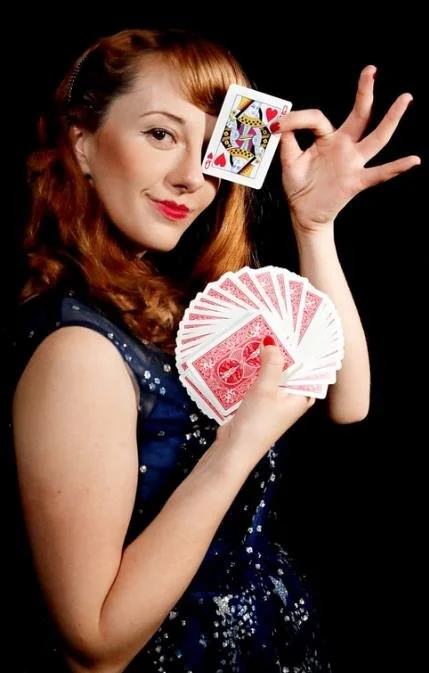


Strolling Magician Las Vegas for Golf Days and Country Club Events
Strolling Magician Las Vegas for Golf Days and Country Club Events
A corporate golf day ends with a reception and a dinner, and by that point your guests have been outdoors for five hours, have been drinking since somewhere around the turn, and are considerably more tired than people arriving fresh at an evening event.
That's a different room from a standard corporate dinner. I'm Magical Katrina, an award winning magician and mentalist, and I want to set out what a strolling magician Las Vegas does at a golf day or country club event, and what the afternoon does to the audience you'll have.
The Room Arrives Tired
Start with the physical reality. Five hours in Las Vegas sun, a cart, and a course is genuinely depleting, and your guests arrive at the clubhouse wanting a drink, a chair, and not much else.
That rules out anything demanding: activities, participation requiring energy, or a program expecting attention. What works is something that comes to people where they're sitting and asks nothing of them beyond watching. For an audience in that state, entertainment that reaches them in their chair is the only kind that lands.
Players Finish at Different Times
The structural scheduling problem. A shotgun start finishes everybody together, and most other formats don't, which means guests trickle into the clubhouse across an hour or more.
A performer working from the first arrivals gives early finishers something rather than leaving them watching a television at the bar, and it means the reception feels underway before it technically is. Anything scheduled for a particular moment reaches whoever happened to be in the room. Among reasons to book a strolling magician Las Vegas for a golf day, covering that uneven arrival window is the practical one.
Everybody Clusters by Foursome
Worth planning around, since it defeats the point of the day. Groups who played together have spent five hours with each other, have shared jokes and a scorecard, and will sit together at dinner without anybody suggesting it.
For a corporate golf day, where the objective is clients meeting your people or guests meeting each other, that's the opposite of what you wanted. Something moving between tables breaks the foursomes up, which seating plans alone rarely manage, since people simply move back.
The Drinking Has Been Going On for Hours
Worth being realistic about, since it changes what works. By the dinner, a proportion of the room has been drinking steadily since mid morning, and the register of the evening reflects that.
A performer needs to handle that cheerfully rather than being thrown by it, which is a matter of experience rather than material. Tell them what the day has been, since a golf day dinner is a different proposition from a formal corporate evening and a performer who expects the latter will misjudge the room. Most who work these events anticipate it.
Charity Tournaments Have a Program
Worth separating, since the shape differs. A charity golf day usually ends with prize giving, a raffle or auction, and some words from the organization, which means the dinner has content and a running order.
Entertainment that requires its own slot competes with that. Close up magic works during the reception beforehand and between courses, in the gaps that exist anyway, which leaves your program untouched. It also helps the auction specifically, since a room that's engaged bids more readily than one that's been sitting through announcements since the plates were cleared.
Clubhouses Have No Facilities
Practically relevant. A clubhouse dining room, a terrace, or a function space has no stage, usually no sound system worth using, and a layout built for dining rather than events.
Close up magic needs none of it, works around tables exactly as they are, and requires nothing from club staff who are running a dinner service. Many clubs also have dress codes and rules about what suppliers can do and where, so check those when you book and pass them on, since a performer arriving in the wrong thing is an avoidable awkwardness.

Outdoor Receptions Need a Fallback
Worth planning for in this climate. A clubhouse terrace at six is lovely in March and punishing in July, and the reception may move indoors depending on the month and the day.
A format that relocates without adjustment handles that, since close up magic moves with your guests and nothing needs carrying or reconnecting. Tell your performer both spaces are possible, and they'll work whichever one your guests end up in rather than the one on the original plan.
Tell Them Who the Guests Are
Worth doing, since golf days frequently mix populations. Clients, prospects, staff, and sometimes partners, with different relationships to your organization and different reasons for being there.
A performer who knows which tables are clients and which are colleagues works the room differently, spending time where it's most useful to you. Mention any guest of honor, anybody senior from a client organization, and anybody who'd rather not be the center of attention. Two minutes, and it changes what the hour achieves.
A Note on "Local vs. Traveling In"
Worth knowing: performers who travel to Las Vegas often have availability when local ones are booked, particularly in tournament season. Travel is discussed openly and factored into the quote rather than being your problem to arrange. I'm based in the Los Angeles area and travel to Las Vegas regularly for corporate events.
Why Book Magical Katrina
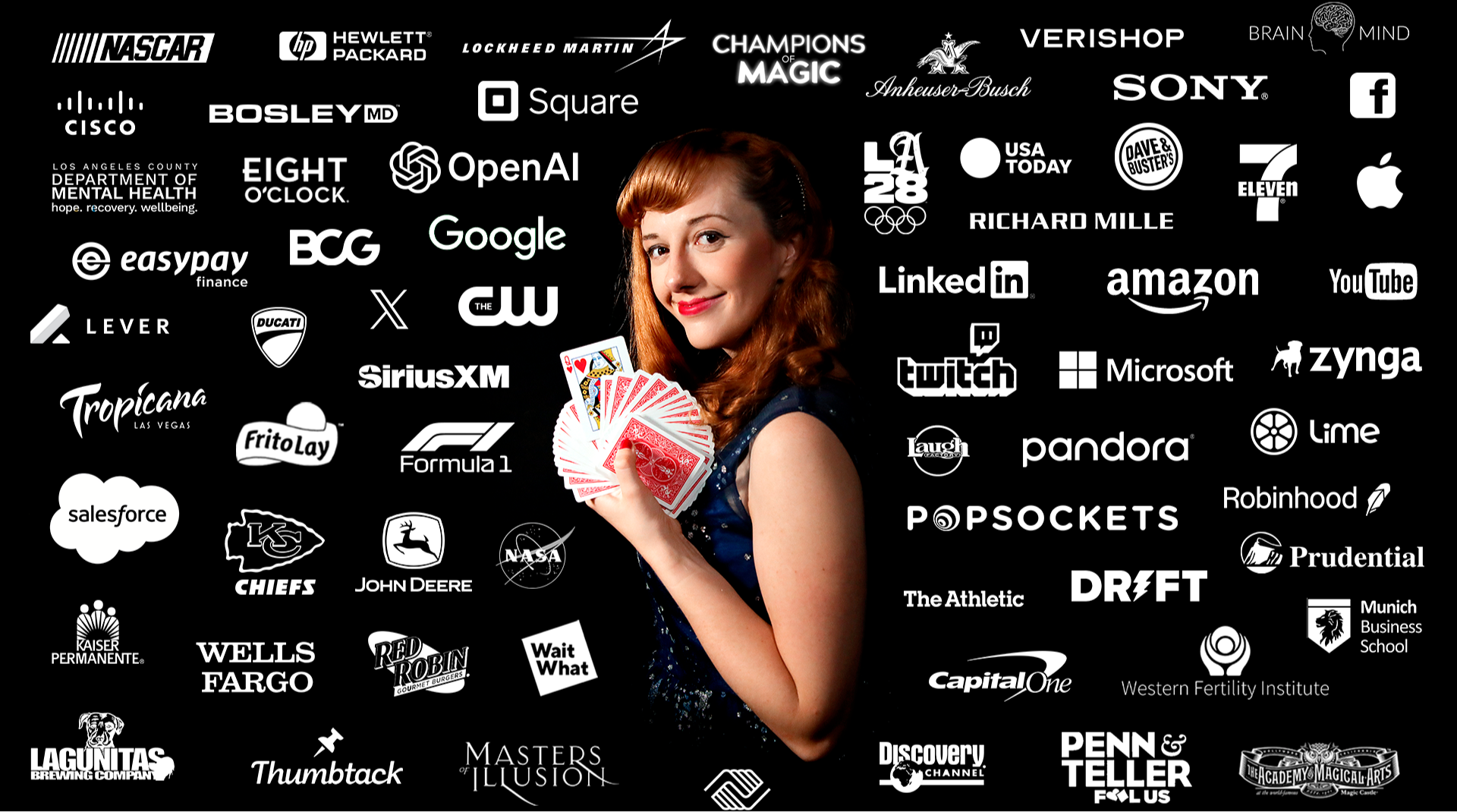
If you're planning a golf day dinner, here's my case. I'm a member of the Magic Circle in London and the Academy of Magical Arts in Hollywood, I've earned multiple magic awards, and I've performed for clients including Formula 1, the Olympics, Porsche, Prada, and the Ritz Carlton, with appearances on Penn & Teller: Fool Us and Masters of Illusion. I work from the first arrivals rather than a full room, I come to people in their chairs, I take nothing from your prize giving, and I handle a relaxed room cheerfully.
Frequently Asked Questions
What's different about a golf day dinner?
The room arrives tired, since five hours in Las Vegas sun on a course is depleting and guests want a drink and a chair rather than a program. That rules out anything demanding, and what works is something coming to people where they're sitting and asking nothing beyond watching.
Our players finish at different times. Does that matter?
It's an argument for this format, since guests trickle into the clubhouse across an hour or more unless you've run a shotgun start. A performer working from the first arrivals gives early finishers something rather than leaving them at the bar, and nothing needs scheduling for a moment.
Will the groups mix?
Not on their own, since foursomes have spent five hours together with shared jokes and a scorecard and will sit together without anybody suggesting it. For a day where the objective is clients meeting your people, something moving between tables breaks that up where seating plans rarely do.
People will have been drinking all day. Is that a problem?
Not for an experienced performer, and it does change the register, so tell them what the day has been. A golf day dinner is a different proposition from a formal corporate evening, and a performer expecting the latter will misjudge the room, whereas most who work these events anticipate it.
We're running a charity tournament with prize giving. Does it fit?
Yes, since close up magic works during the reception and between courses in gaps that exist anyway, leaving your program untouched. It also helps an auction, because a room that's engaged bids more readily than one that's been sitting through announcements since the plates were cleared.
Will it work in a clubhouse?
Yes, and clubhouses typically have no stage, no usable sound system, and a layout built for dining, all of which close up magic needs nothing from. Check your club's dress code and supplier rules when you book and pass them on, since a performer arriving in the wrong thing is avoidable.
Our reception is on the terrace. What if it's too hot?
Tell your performer both spaces are possible and they'll work whichever your guests end up in, since close up magic relocates with people and nothing needs carrying or reconnecting. A terrace at six is lovely in March and punishing in July, so plan for the move rather than hoping.
What should we tell the performer?
Which tables are clients and which are colleagues, since golf days mix clients, prospects, staff, and partners, and a performer who knows spends time where it's most useful to you. Also mention any guest of honor, anybody senior from a client organization, and anybody who'd rather not be noticed.

Bring It to Them
A golf day ends with a room that has been outdoors for five hours, is sitting down gratefully, and has clustered into the groups it played with. A strolling magician Las Vegas suits exactly that: arriving with the first finishers rather than waiting for a full room, coming to people in their chairs, breaking up foursomes that a seating plan won't, and taking nothing from a prize giving that's already running late.
Tell them who's at which table, mention the dress code, and plan for the terrace to be too hot.
Reach out with your date and the club, and let's talk about the evening.