


Strolling Magician Los Angeles for Stadium and Arena Suites
Strolling Magician Los Angeles for Stadium and Arena Suites
Corporate suites at the stadiums and arenas around Los Angeles are bought to entertain clients, and the thing most companies discover is that the game does less relationship work than they expected. Guests watch, make small talk about the score, and leave having had a pleasant evening with nobody having had a real conversation.

The suite is an excellent hosting asset and it needs a little designing. I'm Magical Katrina, an award winning magician and mentalist, and I want to set out what a strolling magician Los Angeles booking does in a suite, and why it suits that setting better than it sounds.
The Game Is Not the Program
Start with the honest observation. A suite evening appears to be fully programmed, since there are three hours of sport in front of you, which is exactly why nothing else gets planned.
But your guests didn't come to watch quietly, they came because you invited them, and the sport is the pretext. The hours before the start and the stretches when the match isn't close are where the actual hosting happens, and those are the parts nobody designs. The companies getting real value from a suite are the ones treating it as an event with a game attached.
Suites Are Small, Which Is the Advantage
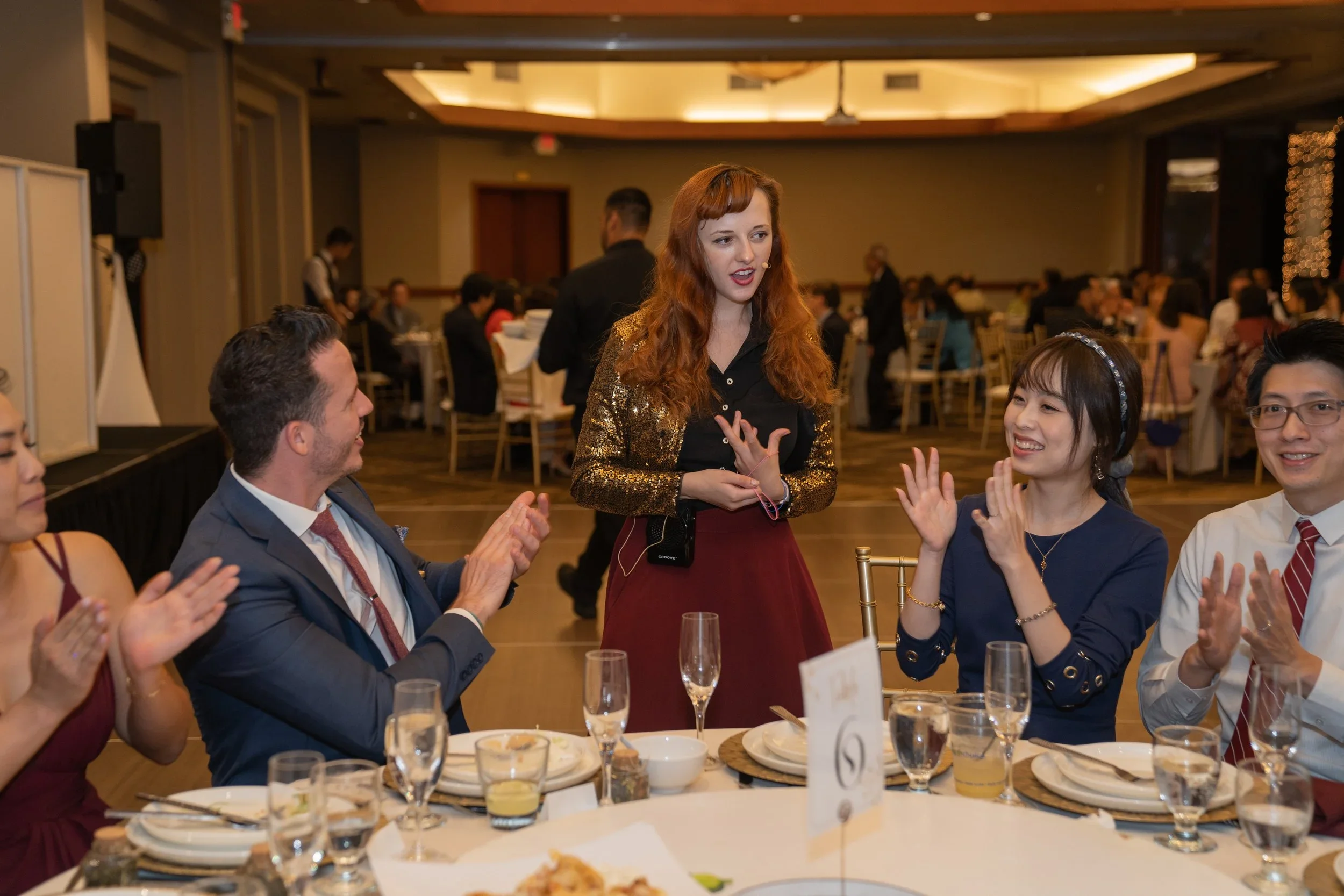
Worth understanding, since it changes the format entirely. A suite holds somewhere between twelve and thirty people, which is far too few for anything resembling a show and precisely the right number for close up work.
At that size a performer spends genuine time with every single guest rather than running a circuit, which is a substantially better experience than the same booking at a large reception. For a host whose guest list is a dozen clients who each matter individually, that's the right use of the format and the version your guests will remember.
Nobody Has to Look Away From the Match
Practically the most important point for a skeptical host. The worry is that entertainment competes with the game, and with the right format it simply doesn't.
Close up magic happens in the group that's already standing at the back with a drink, during the first hour before kickoff, between periods, in the fourth quarter of a game that's already decided. It never asks anybody to turn around, and it stops entirely when something is happening on the field. A performer who watches the game as closely as your guests do is the one who gets this right.
Your Team Needs an Opening Too
The underrated benefit. Your own people in that suite have a job: talk properly to the clients they invited. Approaching a guest who's watching the game is awkward, and the default is standing near somebody for two hours saying very little.
Something in the room creates natural openings, since two people who just reacted to the same thing have an obvious first sentence available. For an evening whose entire purpose is relationships, that's structural rather than incidental, and it's why a suite with something happening in it produces more conversations than one with only sport.
Guests Arrive Across the First Hour
Worth planning for in this city particularly. Traffic to any Los Angeles venue on a weekday evening is unpredictable, and your guests arrive from twenty minutes before the start to twenty minutes after it.
Something that works from the first arrivals suits that, since the clients who left early and got there on time get hosted rather than standing with your team waiting for the rest. Nothing should be scheduled for a precise moment, because at an LA venue a meaningful share of your list will still be on the freeway.
Suites Have No Infrastructure You Can Use
Practically relevant for what you can book. A suite has a few sockets, a television, catering delivered on a schedule, and no stage, no sound system you'd want, and no space for anything to be set up.
Close up magic needs none of it, works in the suite exactly as it is, and leaves nothing behind for the venue staff. For a space this small with this little flexibility, it's genuinely the only entertainment format that fits, which is worth knowing before you start asking about alternatives.
Mixed Guest Lists Need Something That Crosses Them
Worth considering, since suite lists usually are mixed. You may have clients who follow the sport closely, clients who accepted because you invited them, somebody's partner, and a junior colleague who came to help host.
For the guests who aren't particularly interested in the game, three hours is a long evening, and those are frequently the people you most want to leave happy. Magic requires no interest in sport, no shared references, and no knowledge of anything, which means the guest who came to be polite has a genuinely good time rather than a patient one.
Season Suites Need Variety
Worth planning for if you host repeatedly. A company with a season suite entertains the same clients across the year, and the fourth visit is noticeably less special than the first unless something changes.
Rotating what you put in the suite is the straightforward fix, and entertainment on some nights rather than every night works well. If you host twenty times a season, picking the four or five evenings that matter most and making those different is better than doing nothing all season or something every time.
Why Book Magical Katrina
If you're hosting in a suite, here's my case. I'm a member of the Magic Circle in London and the Academy of Magical Arts in Hollywood, I've earned multiple magic awards, and I've performed for clients including Formula 1, the Olympics, Porsche, Prada, and the Ritz Carlton, with appearances on Penn & Teller: Fool Us and Masters of Illusion. I'm based in the LA area with no travel costs in your quote, I need no stage, power, or setup so a suite works exactly as it is, I work around the game rather than against it, and I start with whoever arrived first.
Frequently Asked Questions
Doesn't the game already fill the evening?
It appears to, which is why nothing else gets planned, but your guests came because you invited them and the sport is the pretext. The hours before the start and the stretches when the match isn't close are where the hosting happens, and those are the parts nobody designs.
Isn't a suite too small for entertainment?
It's the ideal size for close up work, at somewhere between twelve and thirty people. A performer spends real time with every guest rather than running a circuit, which for a host whose list is a dozen individually important clients is the right use of the format.
Will it compete with the match?
No, with the right format. Close up magic happens in the group already standing at the back, before kickoff, between periods, or in a fourth quarter that's decided, and it stops entirely when something is happening on the field.
How does it help our own team?
It creates openings, since approaching a client who's watching the game is awkward and the default is standing near somebody for two hours saying little. Two people who just reacted to the same thing have an obvious first sentence, which for a relationship evening is structural.
Our guests arrive late. Does that matter?
It's guaranteed in this city on a weekday, with arrivals from twenty minutes before the start to twenty minutes after. Something that works from the first arrivals means the clients who got there on time are hosted rather than waiting with your team.
What can a suite actually accommodate?
Very little, which is the point. There's no stage, no sound system you'd want, and no space for a setup, so close up magic is genuinely the only format that fits, works in the suite as it is, and leaves nothing for venue staff.
Half our guests don't follow the sport. Is that a problem?
They're frequently the people you most want to leave happy, and for them three hours is a long evening. Magic requires no interest in sport and no shared references, so the guest who came to be polite has a good time rather than a patient one.
We have a season suite. Should we do this every game?
No, rotate it. The fourth visit is less special than the first unless something changes, so if you host twenty times a season, pick the four or five evenings that matter most and make those different rather than doing something every time.
Treat the Suite as an Event With a Game Attached
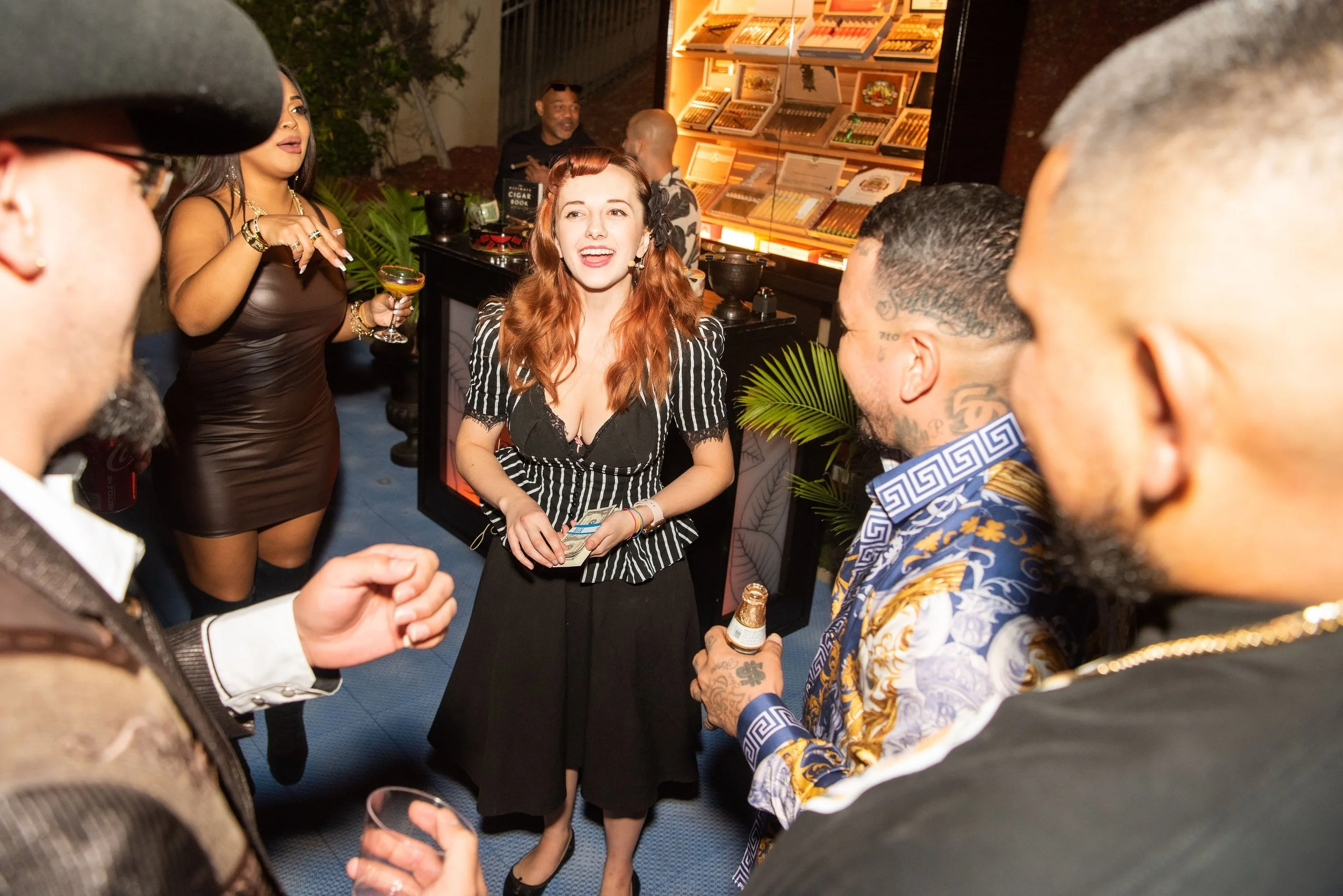
A corporate suite is bought for relationships and frequently delivers a pleasant evening instead, because the sport looks like a program and nothing else gets planned. A strolling magician Los Angeles booking changes that: it works in a room of twenty with nothing installed, it never asks anybody to look away from the match, it hands your team an opening with the clients they invited, and it gives the guests who don't follow the sport a reason to be glad they came.
If you host all season, pick the nights that matter and make those the ones people describe afterwards.
Reach out with your venue and date, and I'll tell you how I'd work the suite.