

Strolling Magician New York for Conferences and Summits
Strolling Magician New York for Conferences and Summits
New York conferences have a feature the other big markets don't. A substantial proportion of delegates commute in rather than stay over, which means the end of your program competes with a train, and an evening reception is something people attend for twenty minutes on their way somewhere.
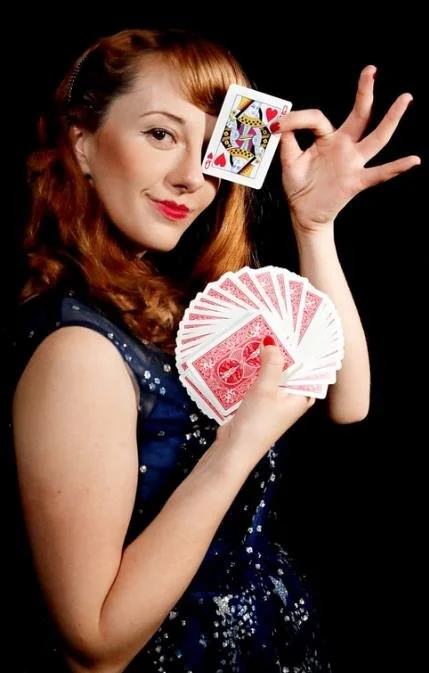
That changes where a program actually loses people. I'm Magical Katrina, an award winning magician and mentalist, and I want to explain where a strolling magician New York fits into a conference, which is a question about timing as much as content.
Your Delegates Are Watching the Clock
Start with the local difference. At a conference where everybody is staying in the hotel, the evening reception has a captive audience with nowhere else to be.
In New York, a meaningful share of your room is calculating when to leave to get home, which means anything scheduled late reaches a thinning audience regardless of quality. Plan for that rather than being surprised: front load what matters, and treat the evening portion as something with a shorter useful window than the program suggests.
The Reception Is Earlier Than You Think
The practical consequence. A reception starting at six thirty and running to nine assumes people will stay, and a meaningful proportion will leave by seven thirty.
That means the first hour is the one that counts. A strolling magician New York working from the moment guests arrive reaches the people who'll be gone by eight, which in this market is a larger group than organizers expect. Entertainment scheduled for later reaches whoever remained, which is the audience you already had.
Delegates Still Arrive Alone
The social problem that doesn't change between cities. Attendees come from different organizations, frequently travelling alone, and spend the first day deciding whether they'll speak to anybody beyond the person next to them.
Left alone, a reception produces people who arrived together staying together while everyone else stands near the food. A performer working the room breaks it up mechanically: four strangers react to something together and have a conversation that started itself, which is considerably more reliable than hoping proximity manages it.
The Post Lunch Session Is Still the Problem
Worth addressing, since it's universal. Attention collapses after lunch, and the speaker in that slot is working against physiology rather than against their material.
A performer working the break immediately before sends people in alert rather than sedated, requires no program slot, and addresses the point in the day where your content is least likely to land. At a New York conference where delegates may leave before the closing session, the middle of the day matters more than it would elsewhere, since that's when your full audience is actually present.
Sponsors Judge You on Traffic
Worth considering, since sponsorship funds a meaningful share of most conferences and sponsor areas in New York are expensive per square foot.
A performer working that area draws delegates in and holds them where sponsors are, which is the metric sponsors actually assess. Some organizers fund a performer from sponsorship rather than the main budget for exactly that reason, which removes the cost question and gives a sponsor something beyond a logo. Worth raising if a sponsor wants more than signage.
Space Costs More Than the Entertainment
Practically relevant here. New York venue space is priced at a premium, which means anything requiring a footprint, a stage, or a build consumes room you're paying for at rates that make the entertainment budget look small by comparison.
A strolling magician New York occupies no footprint, needs no stage, power, sound, or rigging, and works in a foyer, a sponsor area, or a reception exactly as it is. For an organizer whose venue costs dominate the budget, entertainment that adds nothing to the space requirement is worth understanding as a cost decision rather than a convenience.
It Costs Nothing From Your Program
The other budget point, and it's about minutes rather than money. Keynotes, breakouts, panels, sponsor slots, and breaks are all negotiated, and anything requiring its own segment means removing something else.
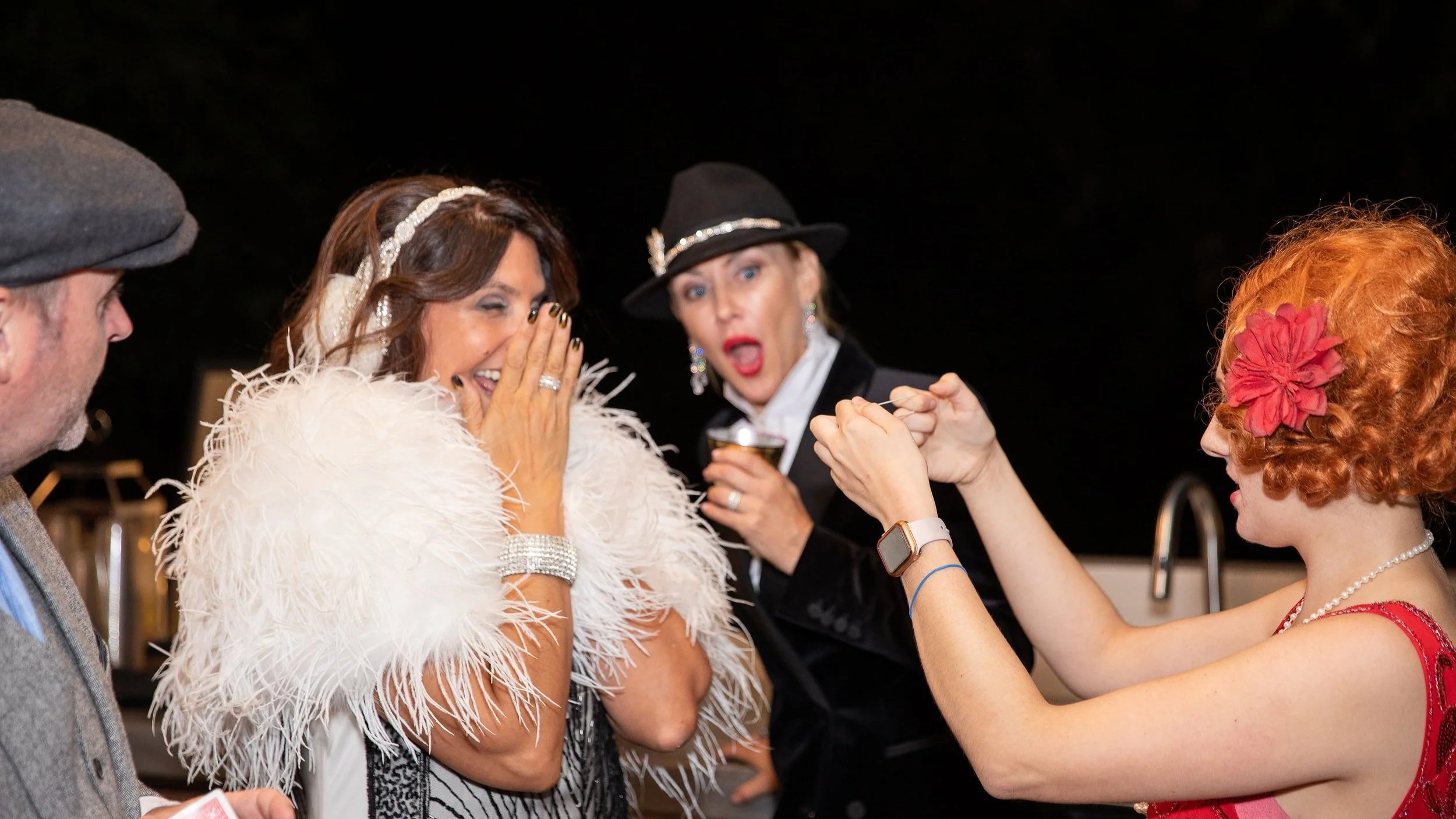
Close up magic requires no stage, microphone, or slot, since it operates in the receptions and breaks that already exist. Entertainment consuming none of your program time is unusually easy to approve, and at a compressed New York conference where the agenda is already tight, that matters more than at a three day event elsewhere.
Tell People It's Happening
Worth doing, since it affects the numbers. If delegates know something is happening at the reception, a proportion who'd otherwise head for the train will stay for it.
Mention it in the program, in the morning announcements, and in whatever app or email your delegates actually read. A performer working unannounced is still valuable, and a performer people knew about changes attendance at the portion of your event most likely to empty. That's the difference between a nice surprise and a program item that earns its place.
A Note on "Local vs. Traveling In"
Worth knowing: performers who travel to New York work from a different calendar than those based there, so a date that's impossible locally is sometimes straightforward for someone travelling. Travel is discussed openly and factored into the quote rather than appearing later. I'm based in the Los Angeles area and travel to New York for conferences and corporate events.
Why Book Magical Katrina
If you're planning a conference here, here's my case. I'm a member of the Magic Circle in London and the Academy of Magical Arts in Hollywood, I've earned multiple magic awards, and I've performed for organizations including Formula 1, the Olympics, Porsche, Prada, and the Ritz Carlton, with appearances on Penn & Teller: Fool Us and Masters of Illusion. I work from the first arrivals rather than waiting for a full room, I need no stage, power, or setup, and I take nothing from your run of show.
Frequently Asked Questions
What's different about a New York conference?
A substantial proportion of delegates commute in rather than stay over, which means the end of your program competes with a train and an evening reception is something people attend on their way somewhere. Anything scheduled late reaches a thinning audience regardless of quality, so front load what matters.
When does our reception actually happen?
Earlier than the schedule suggests, since a reception running from six thirty to nine will lose a meaningful proportion by seven thirty. The first hour is the one that counts, and a strolling magician New York working from the moment guests arrive reaches the people who'll be gone by eight rather than only those who stayed.
Will it help delegates meet each other?
That's the main social case, since attendees come from different organizations, frequently alone, and a reception left to itself produces people who arrived together staying together. A performer approaching four strangers gets them reacting to something and talking, which is more reliable than hoping proximity manages it.
Where in the day does it earn most?
The break before your post lunch session, since attention collapses after lunch and that speaker is working against physiology. At a conference where delegates may leave before the closing session, the middle of the day matters more than elsewhere, because that's when your full audience is genuinely present.
Could a sponsor fund it?
Frequently, since sponsors judge an event on traffic and conversations rather than program quality, and a performer working the sponsor area draws delegates in and holds them where sponsors are. Funding it from sponsorship removes the cost question and gives a sponsor something beyond signage, which is worth raising if they want more.
Does it affect our space requirements?
Not at all, which matters where venue space is priced at a premium. Anything requiring a footprint, stage, or build consumes room you're paying for at rates that dwarf an entertainment budget, whereas close up magic occupies no footprint and works in a foyer, sponsor area, or reception exactly as it is.
Does it take program time?
No, which is frequently why it's chosen. Your run of show is contested between keynotes, breakouts, panels, and sponsor slots, and anything needing its own segment means removing something else. Close up magic operates in the receptions and breaks that already exist, needing no stage, microphone, or slot.
Should we announce it?
Yes, since if delegates know something is happening at the reception, a proportion who'd otherwise head for the train will stay. Mention it in the program, in morning announcements, and in whatever app or email delegates actually read, since that changes attendance at the portion of your event most likely to empty.
Program for the Room That Stays
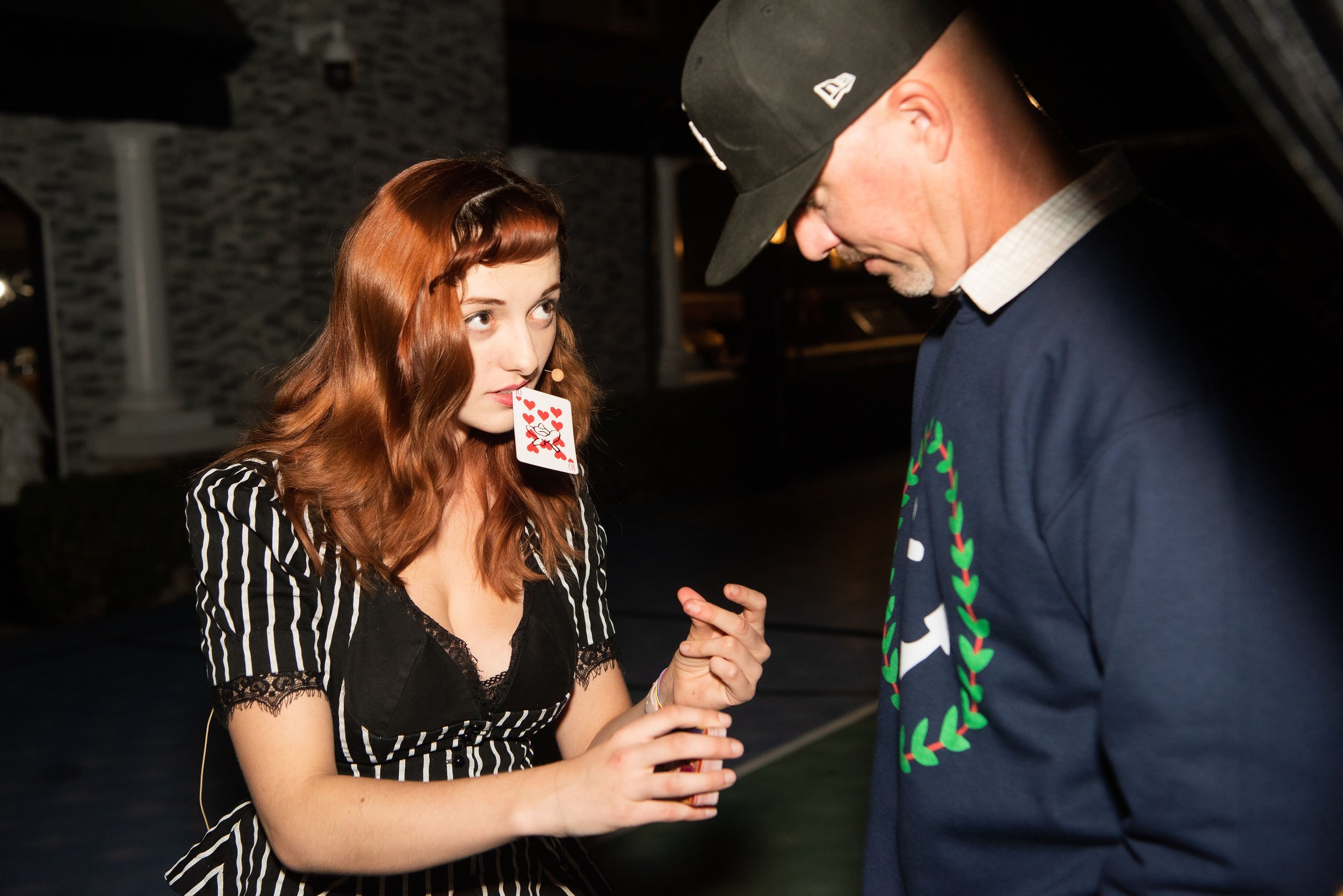
A New York conference loses people to the commute rather than to the content, which means the useful question isn't what to put in the evening but what to put in the hour delegates are still there. A strolling magician New York works exactly there: from the first arrivals rather than after everyone has gathered, mixing a room of strangers, filling the break before your hardest session, drawing traffic for sponsors, and occupying no space in a venue priced by the square foot.
Announce it, place it early, and it earns its keep at the point your program is most exposed.
Reach out with your dates and program, and let's talk about placement.