


Zoom Magic Show for a Multilingual Audience
Zoom Magic Show for a Multilingual Audience
Plenty of organizations hold virtual events for audiences where English is a second or third language for a substantial proportion of the room. The session happens in English, everybody attends, and a meaningful number of people follow perhaps sixty percent of it and say nothing.
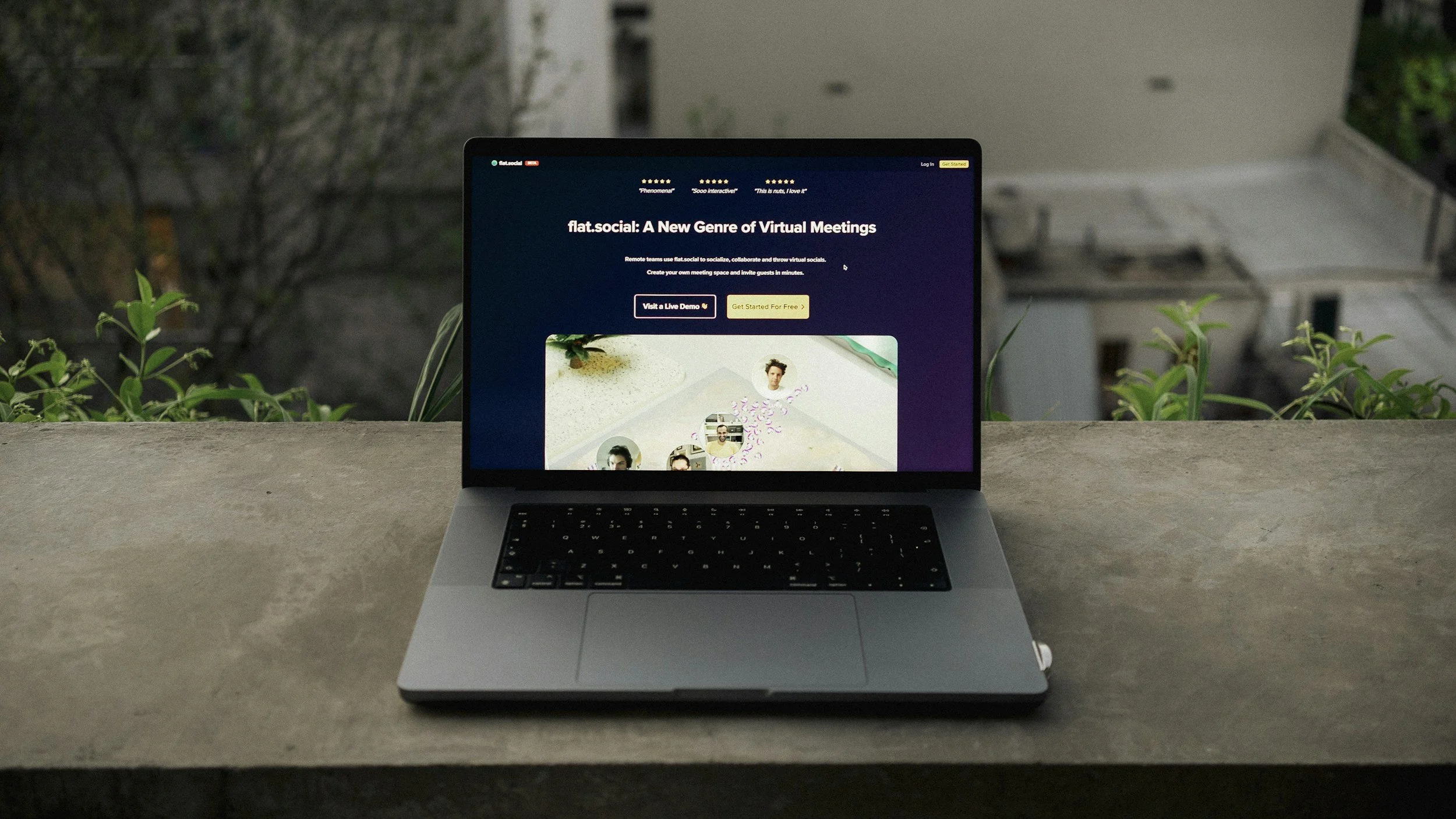
That's a solvable problem with the right format. I'm Magical Katrina, an award winning magician and mentalist, and I want to set out what works for a Zoom magic show with a multilingual audience, and what genuinely doesn't translate.
Vocabulary Isn't the Barrier
Start with the misconception. Organizations assume the issue is whether people know the words, and for professional audiences it usually isn't, since colleagues working in English all day have the vocabulary.
What causes people to lose a session is speed, idiom, cultural reference, and humor that depends on wordplay. A performer speaking quickly with regional expressions is considerably harder to follow than one speaking plainly about the same thing. That's a performance choice rather than a language problem, which means it's fixable.
Visual Participation Travels
The structural advantage of this format. A Zoom magic show built on participation has people holding an object, making a choice, and seeing something happen in their own hands, and none of that requires understanding every word.
The experience is sensory rather than verbal, which is why it crosses language groups more reliably than a talk, a quiz, or comedy. Somebody following half the speech still fully experiences the thing itself, which is almost never true of content based sessions. For a genuinely multilingual room, that's the main argument.
Humor Is the First Thing to Go
Worth knowing when choosing between formats. Humor depends on wordplay, timing, shared reference, and cultural context, which makes it the least portable element of any performance.
A comedian or a quiz host working an international room is doing the hardest version of their job, and the proportion of the audience genuinely enjoying it is smaller than the organizer thinks. Astonishment, by contrast, requires no shared context at all. If your room spans several first languages, that difference matters more than anything else in the comparison.
People Understand More Than They'll Volunteer
Worth planning around, since it affects participation. Someone working in a second language frequently understands well and is reluctant to speak in front of colleagues, particularly to a performer in front of three hundred people.
That means verbal participation excludes people who'd happily take part otherwise. A format where participation is physical rather than spoken, holding something or making a choice rather than answering aloud, includes them properly. Worth asking any performer how participation works, since the answer determines who's genuinely able to join in.
The Chat Is Where People Use Their Own Language
Worth allowing rather than discouraging. In multilingual sessions, people frequently react in the chat in their own language, which is a sign it's working rather than a problem to manage.
Don't ask people to use English in the chat. A reaction in Portuguese or Japanese is still a reaction, and the colleagues who share that language will respond to it, which is exactly the connection the session exists to create. Tell your moderator to leave it alone unless something needs addressing.
Interpretation Usually Doesn't Help
Worth being honest about, since organizations sometimes propose it. Simultaneous interpretation works well for presentations and poorly for a live interactive performance, since the delay breaks the timing that the experience depends on.
A participant following an interpreter is a beat behind, which means they react after everybody else and the shared moment fragments. If your session is content heavy, interpretation is worth considering. If it's participatory, a performer speaking plainly and slowly serves the room better than an interpreted version would.

Brief the Performer on the Mix
Practical and frequently omitted. Tell them which languages are in the room, roughly what proportion, and whether English is a working language for everybody or a second language for most.
A performer who knows will slow down, avoid idiom, repeat instructions, and check that everybody has what they need before moving on. None of that is difficult and all of it is invisible if nobody mentions the audience in advance. It's one sentence in your brief and it changes the experience for a substantial part of the room.
Be Honest About the Limits
Worth saying plainly. A session in English will always be easiest for first language speakers, and a format that travels well is not the same as one that's identical for everybody.
What's achievable is a session where somebody following seventy percent of the words still has the full experience of the thing itself, which is considerably better than most virtual programming manages. Claiming more than that isn't necessary, since that's already the strongest case available and it's genuinely true.
Why Book Magical Katrina
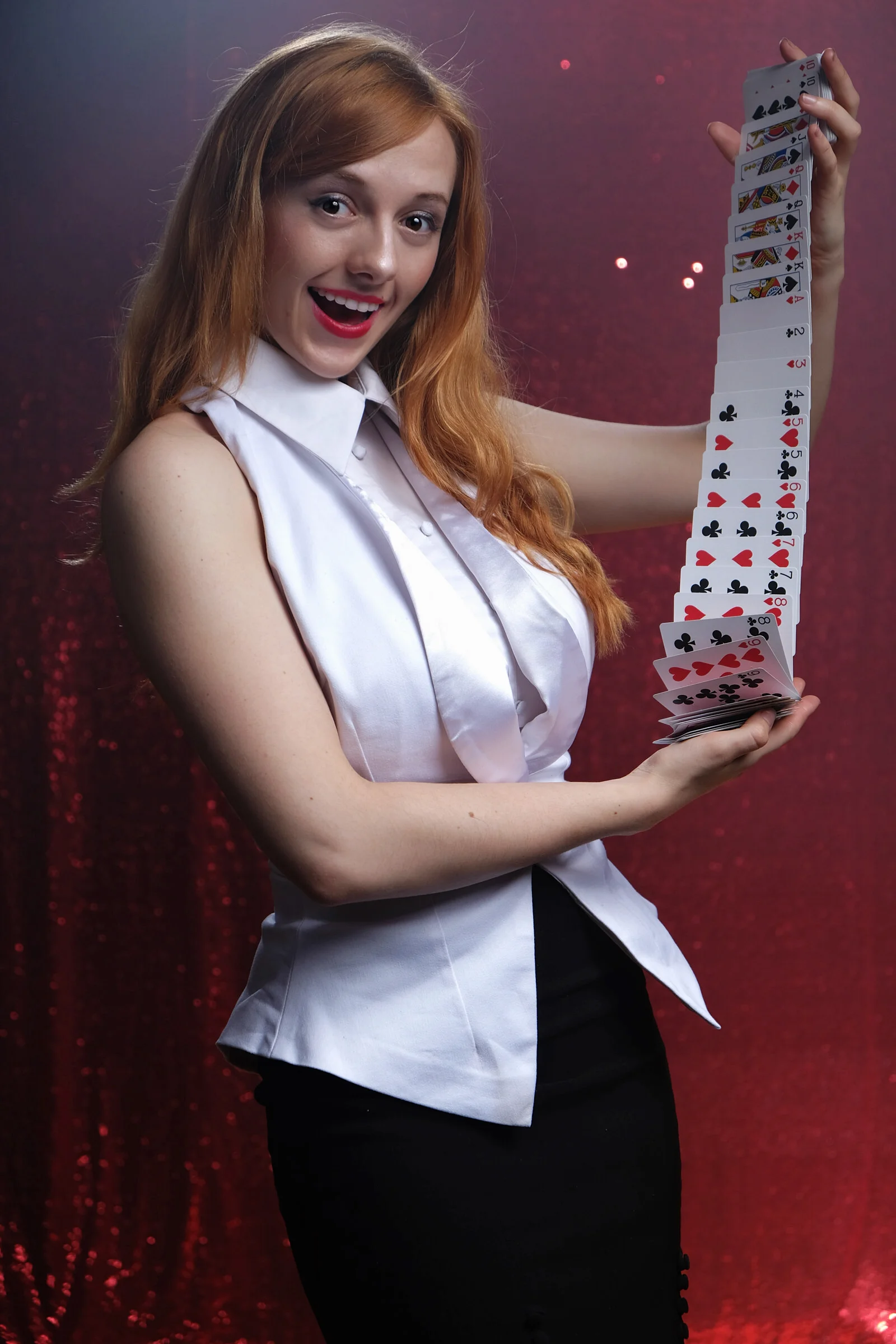
If your audience spans languages, here's my case. I'm a member of the Magic Circle in London and the Academy of Magical Arts in Hollywood, I've earned multiple magic awards, and I've performed for companies including Formula 1, the Olympics, Porsche, Zapier, and the Ritz Carlton, with appearances on Penn & Teller: Fool Us, across events in over 20 countries. My material is participatory rather than verbal, I speak plainly and avoid idiom when I know the room, and I've worked with audiences across a great many first languages.
Frequently Asked Questions
Is vocabulary the main problem?
Usually not, since colleagues working in English all day have the vocabulary. What loses people is speed, idiom, cultural reference, and humor depending on wordplay, which means a performer speaking quickly with regional expressions is considerably harder to follow than one speaking plainly about the same thing.
Why does this format travel better?
Because the experience is sensory rather than verbal, with people holding an object, making a choice, and seeing something happen in their own hands, none of which requires understanding every word. Somebody following half the speech still fully experiences the thing itself, which is almost never true of content based sessions.
What's the hardest format for a multilingual room?
Anything built on humor, since it depends on wordplay, timing, shared reference, and cultural context, making it the least portable element of any performance. A comedian or quiz host working an international room is doing the hardest version of their job, and fewer people are enjoying it than the organizer thinks.
Will people take part?
If participation is physical rather than spoken, yes. Someone working in a second language frequently understands well and is reluctant to speak in front of colleagues, so verbal participation excludes people who'd otherwise join in. Ask how participation works, since the answer determines who's genuinely able to take part.
Should we ask people to use English in the chat?
No, since people reacting in their own language is a sign it's working, and the colleagues who share that language will respond, which is exactly the connection the session exists to create. Tell your moderator to leave the chat alone unless something needs addressing.
Would simultaneous interpretation help?
Usually not for a live interactive session, since the delay breaks the timing the experience depends on and a participant following an interpreter reacts a beat behind, fragmenting the shared moment. For content heavy sessions it's worth considering, and for participatory ones a performer speaking plainly serves the room better.
What should we tell the performer?
Which languages are in the room, roughly what proportion, and whether English is a working language for everybody or a second language for most. A performer who knows will slow down, avoid idiom, repeat instructions, and check everybody is ready, none of which happens if nobody mentions it.
What can't be solved?
A session in English will always be easiest for first language speakers, and a format travelling well isn't the same as one identical for everybody. What's achievable is somebody following seventy percent of the words having the full experience of the thing itself, which is better than most virtual programming manages.
Choose Something That Doesn't Depend on Words
An audience spanning several first languages is poorly served by most virtual entertainment, since quizzes depend on shared reference, comedy depends on wordplay, and presentations depend on following every sentence. A Zoom magic show built on participation is the exception, because the thing people experience happens in their own hands rather than in the words.
Brief your performer on the language mix, let the chat run in whatever languages people use, skip the interpretation, and accept honestly that it will still be easiest for first language speakers while being genuinely good for everybody else.
Reach out with your audience and the languages involved, and I'll plan around them.