Types of Virtual Magic Shows
Close-Up Magic
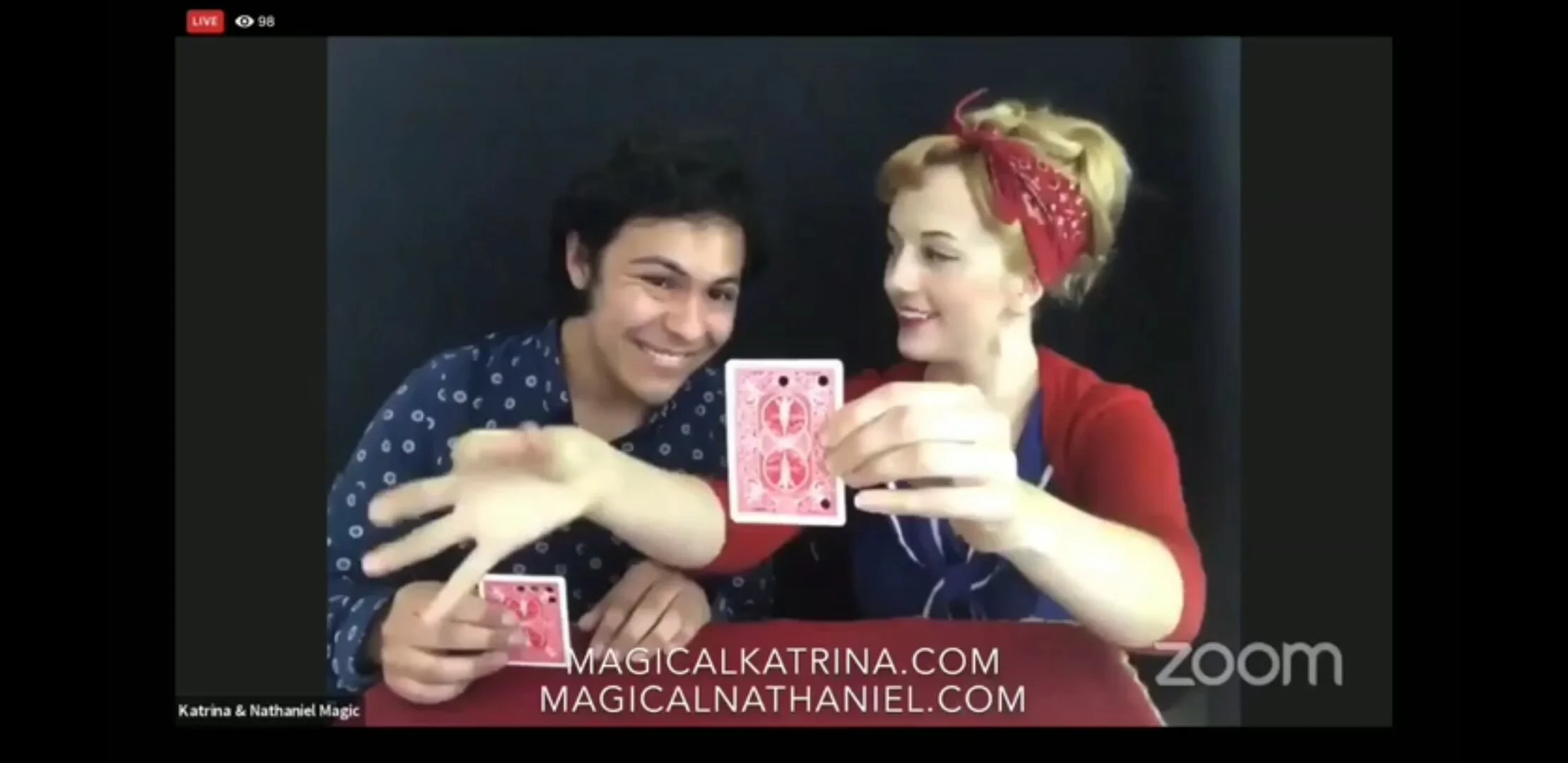
Close-up magic translates exceptionally well to virtual formats. The intimate nature of card tricks, coin manipulations, and small object illusions becomes even more impressive when viewed through high-definition cameras with macro capabilities. Audience members see details that would be impossible to observe from traditional seating arrangements.
Virtual Magic Shows specializing in close-up work often send prop packages to participants in advance. These might include special cards, coins, or simple objects that audience members can examine and handle during the performance. This tactile element bridges the gap between digital and physical experience, creating stronger emotional connections to the magic.
The psychological aspects of close-up magic work particularly well in virtual settings. Mentalism effects, where magicians appear to read minds or predict choices, feel more personal and direct when performed through video calls. The one-on-one feeling created by screen interaction enhances the mysterious atmosphere essential to effective mentalism.
Stage Illusions
Adapting large-scale illusions for Virtual Magic Shows requires creative thinking and technical expertise. Many performers have developed new illusions specifically designed for camera work, utilizing forced perspectives, digital effects, and innovative prop designs to create impossibilities that work perfectly on screen.
Some stage magicians partner with video production teams to create Virtual Magic Shows that rival television specials in production value. Multiple camera angles, professional editing, and sophisticated lighting create cinematic experiences that can be more impressive than live stage shows.
The controlled environment of virtual performance spaces allows for illusions that would be impossible in traditional theaters. Magicians can appear to manipulate their own video feeds, interact with digital elements, or create effects that seamlessly blend physical and virtual realities.
Mentalism
Mentalism and mind reading performances have found particularly fertile ground in Virtual Magic Shows. The personal, intimate nature of video communication creates perfect conditions for psychological effects and apparent mind reading demonstrations.
Interactive mentalism works exceptionally well in virtual formats. Audience members can think of words, numbers, or images that the performer seemingly divines through digital interaction. The immediate, real-time nature of these revelations feels more impossible when experienced through technology that audience members understand is limited.
Many mentalism-focused Virtual Magic Shows incorporate audience participation through screen sharing, where participants can write or draw on their devices while the performer demonstrates seemingly impossible knowledge of their thoughts and actions.
How to Host a Successful Virtual Magic Show
Choosing the Right Magician
Selecting an appropriate performer for your Virtual Magic Show requires different considerations than booking traditional entertainment. Technical competency becomes just as important as magical skill. The best virtual magicians understand lighting, audio, and video technology as thoroughly as they understand sleight of hand.
Experience with virtual performance specifically matters more than general magic experience. A magician who excels on stage might struggle with camera angles and digital interaction. Look for performers who have invested time and resources in developing virtual-specific skills and equipment.
Technical Requirements
Successful Virtual Magic Shows depend on reliable technical infrastructure. Ensure your chosen platform can handle the expected number of participants with high-quality video and audio. Test all connections, backup systems, and interaction features well in advance of the actual event.
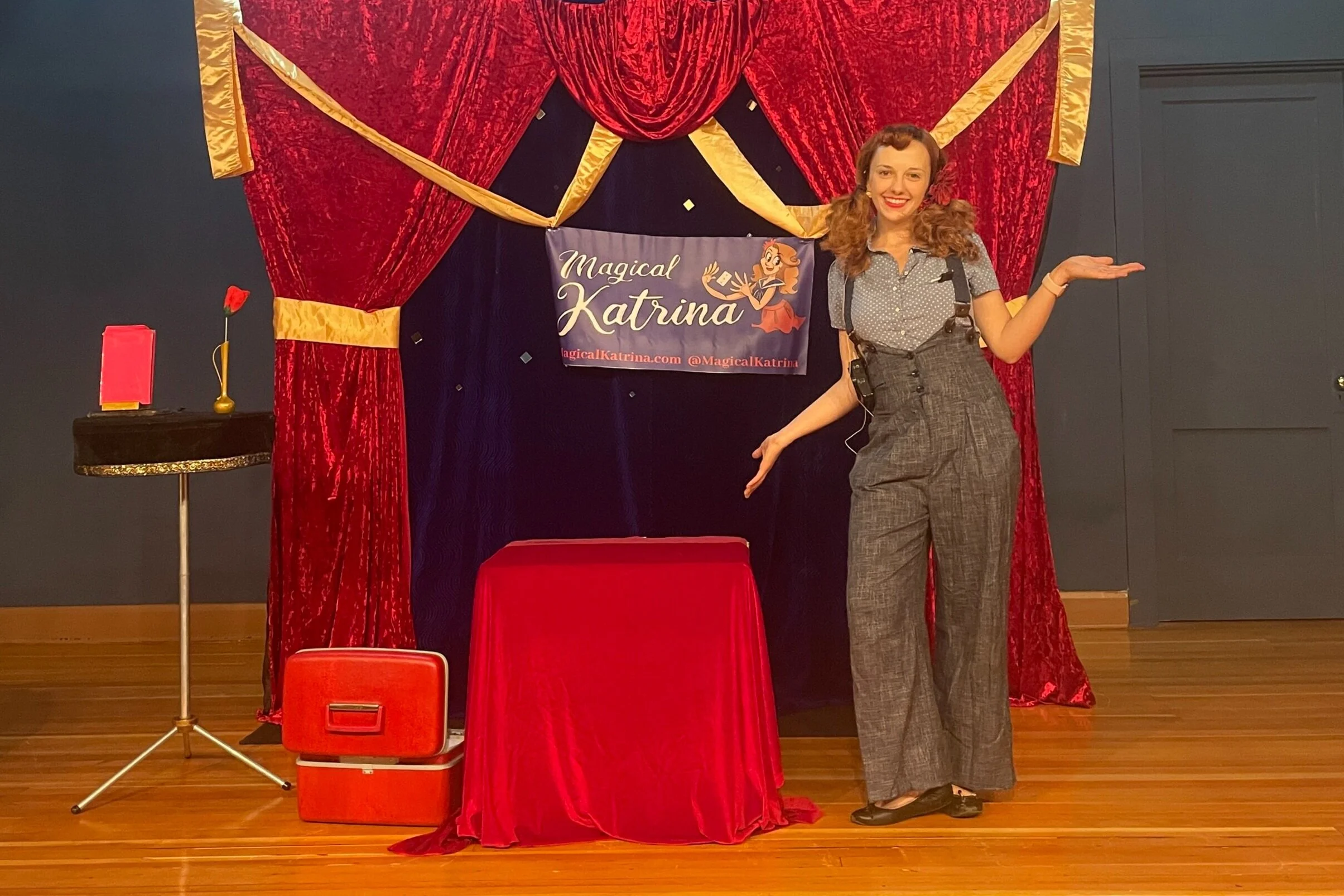
Lighting and camera quality significantly impact the magical experience. Professional magicians typically use multiple camera angles, professional lighting setups, and high-quality audio equipment. Discuss technical specifications with your performer to ensure optimal presentation quality.
Internet connectivity becomes critical for live Virtual Magic Shows. Both performer and audience members need stable, high-speed connections to maintain the real-time interaction essential to effective virtual magic. Consider recording options as backup for critical events.
Promoting Your Show
Marketing a Virtual Magic Show requires different strategies than traditional event promotion. Emphasize the convenience, safety, and unique aspects of virtual attendance. Highlight interactive elements and exclusive virtual-only effects that create value beyond simple remote viewing.
Social media promotion works particularly well for Virtual Magic Shows because teaser videos, behind-the-scenes content, and interactive previews can be easily shared across platforms. Create anticipation by showing setup processes, equipment, and performer preparation.
Clear technical instructions for attendees prevent frustration and ensure maximum participation. Provide detailed joining instructions, equipment recommendations, and troubleshooting resources well in advance of the event date.
Making Your Virtual Magic Show Interactive
Q&A Sessions
Interactive question and answer segments enhance Virtual Magic Shows by creating personal connections between performers and audience members. These sessions allow for customization, explanation of techniques (where appropriate), and general entertainment beyond the formal magic presentation.
Structured Q&A sessions work best when planned as integral parts of the Virtual Magic Show rather than afterthoughts. Consider dedicating specific time blocks for interaction, preparing common questions in advance, and training the magician to handle technical questions appropriately.
Polls
Real-time polling during Virtual Magic Shows creates opportunities for audience participation in trick outcomes, theme selection, and interactive decision-making. Many video platforms include built-in polling features that can be incorporated seamlessly into magical performances.
Polls can be used for mentalism effects, where audience members collectively influence apparent mind reading demonstrations. They also provide valuable feedback during the performance, allowing magicians to adjust their presentations based on audience response and engagement levels.
Virtual Props
Sending physical props to audience members before Virtual Magic Shows creates tactile experiences that bridge the gap between digital and physical entertainment. These prop packages might include cards, coins, ropes, or simple objects that participants can examine and manipulate during the performance.
The unboxing experience becomes part of the magical entertainment. Careful packaging, mysterious contents, and clear instructions create anticipation and excitement before the actual Virtual Magic Show begins. This extended experience provides additional value and memorable moments..
Examples of Successful Virtual Magic Shows
Case Study 1
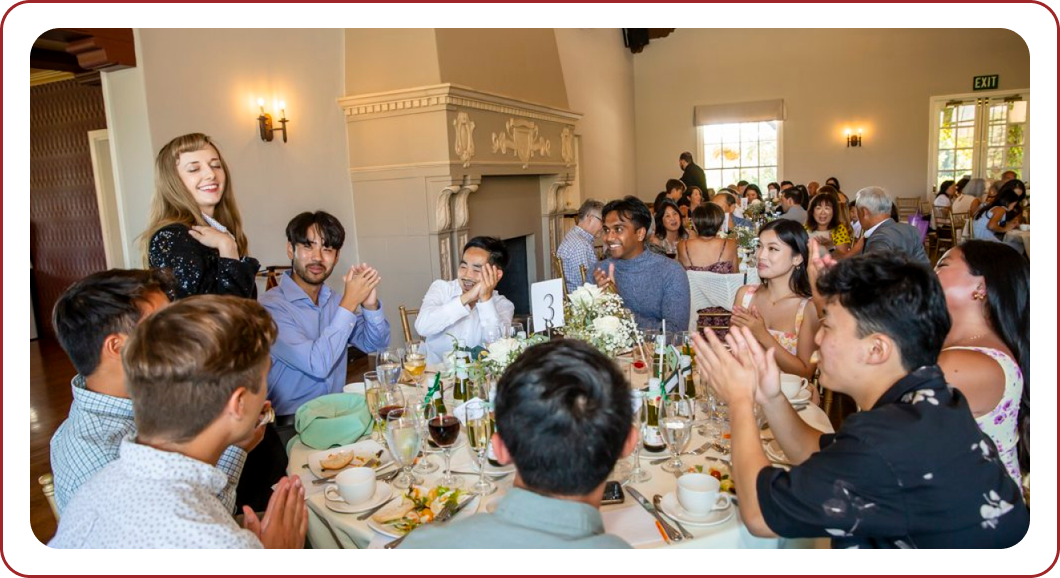
A multinational technology company organized a Virtual Magic Show for their annual holiday party, connecting employees from fifteen different countries. The magician incorporated company branding, inside jokes, and personalized elements for different regional teams. Pre-sent prop packages included branded items that were incorporated into the magical effects.
The event achieved 94% attendance rates compared to 67% for their previous in-person holiday events. Employee feedback highlighted the convenience of home participation and the inclusive nature of the virtual format. The Virtual Magic Show was recorded and became part of the company's onboarding materials for new employees.
Cost savings exceeded 60% compared to previous in-person events when factoring in venue, catering, and travel expenses. The company has since made Virtual Magic Shows their standard format for quarterly team-building events and special celebrations.
Case Study 2
A children's hospital partnered with a professional magician to create weekly Virtual Magic Shows for pediatric patients. The interactive format allowed bed-ridden children to participate fully in magical entertainment, with hospital staff facilitating technical aspects and prop distribution.
Patient engagement metrics showed significant improvements in mood and participation during and after the virtual performances. The program expanded to include family members, creating shared positive experiences during difficult medical treatments. Recorded segments became valuable resources for child life specialists.
The success of this program led to adoption by twelve additional medical facilities, demonstrating the scalability and impact potential of well-designed Virtual Magic Shows in healthcare settings.
The Future of Virtual Magic Shows
Technological Advancements
Emerging technologies promise to make Virtual Magic Shows even more immersive and impressive. Virtual reality integration could allow audience members to feel physically present in magical environments, while augmented reality might enable magical effects to appear in participants' actual physical spaces.
Artificial intelligence could enhance Virtual Magic Shows through personalized content delivery, real-time audience analysis, and automated interaction management. These technologies might allow magicians to customize performances dynamically based on audience response and engagement patterns.
Improved video compression, higher resolution displays, and better audio systems will continue to enhance the quality and impact of virtual magical entertainment. As these technologies become more accessible, the gap between virtual and in-person experiences will continue to narrow.
Expanding Audiences
The global reach potential of Virtual Magic Shows continues to drive audience expansion beyond traditional geographic and demographic boundaries. Educational applications, therapeutic uses, and cross-cultural exchanges represent growing market segments for virtual magical entertainment.
Accessibility improvements make Virtual Magic Shows valuable for underserved populations, including elderly individuals, people with disabilities, and those in remote locations. These applications demonstrate the social impact potential of virtual entertainment formats.
Integration with social media platforms and streaming services could make Virtual Magic Shows more discoverable and shareable, potentially reaching audiences who would never attend traditional magic performances.