

Halloween Magician for Schools, Libraries, and Community Events
Halloween Magician for Schools, Libraries, and Community Events
Programming Halloween for a public audience is a different job from planning a party. You're serving whoever turns up, which could mean a three year old, a wary ten year old, teenagers who came to be seen not to participate, parents, and grandparents, all in one room. Your budget is probably modest, your space probably wasn't designed for performance, and you need enough people to attend to justify having done it.
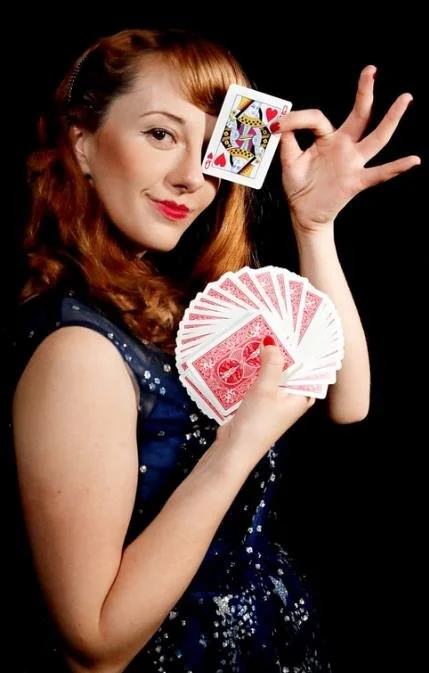
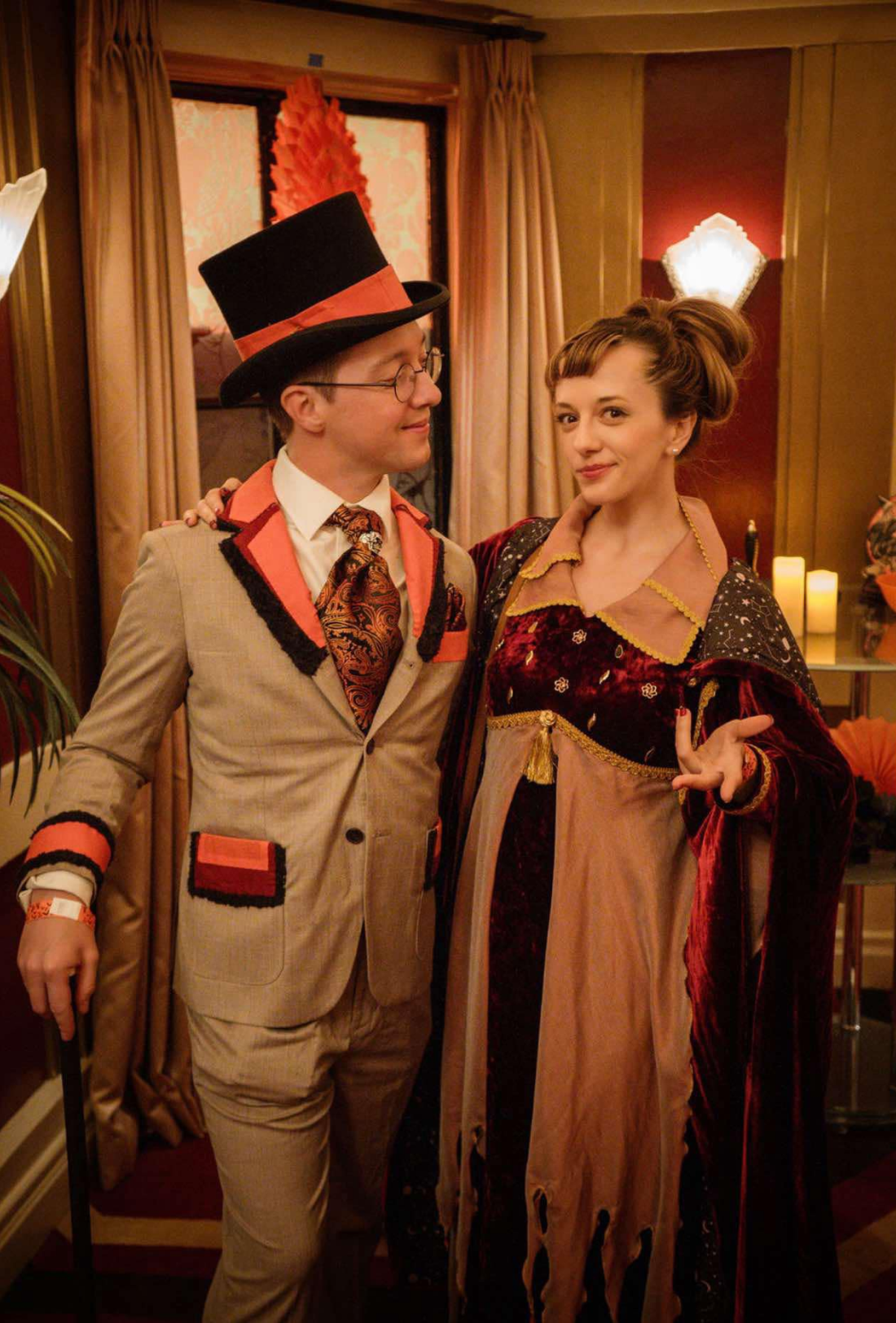
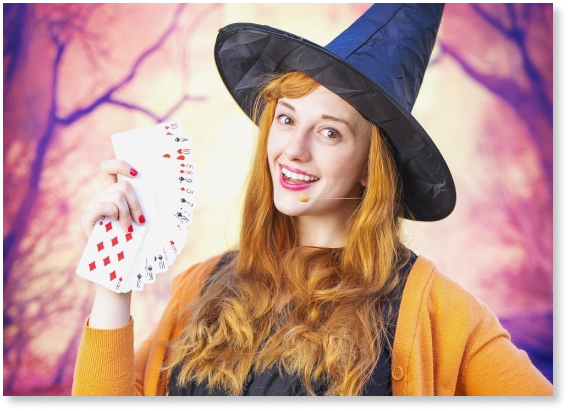
Those constraints shape what actually works. I'm Magical Katrina, an award winning magician and mentalist with a Family Entertainer of the Year honor, and I want to explain how a Halloween magician fits school, library, and community programming, and what to think about before booking one.
It Draws People In
Attendance is the first problem, and it's worth being honest that a lot of good community programming goes unattended because there was nothing concrete to promote.
"A Halloween event" is a calendar entry. "A Halloween magic show" is a reason to come, and it's the kind of thing families forward to each other. A Halloween magician gives you something specific to put on a poster, in a newsletter, and on a noticeboard, which materially affects turnout. For libraries and community centers particularly, where the goal is often reaching families who don't usually attend, a named draw does more than a general invitation.
It Handles a Mixed Public Audience
This is the structural advantage. Most activities suit one age band, so a craft table loses the teenagers and a story session loses the ten year old’s, and you end up programming several things or accepting that half the room is waiting.
Good magic works on several levels at once. Young children respond to the visual surprise, older children engage with the puzzle, teenagers get pulled in despite themselves if it isn't pitched at babies, and the adults who came as chaperones are frequently the most astonished people present. A Halloween magician gives a mixed public audience one shared experience rather than something that splits them, which is exactly what community programming needs.
Spooky Enough, Not Too Spooky
Tone matters more for a public audience than for a private party, because you don't know who's coming and you'll hear about it afterwards if you get it wrong.
The aim is atmospheric and playful: a delicious shiver, gasps and laughter in the same breath, nothing that genuinely frightens a small child or leaves anyone unsettled. A Halloween magician experienced with family and community audiences knows where that line sits and pitches accordingly, and can adjust if the room turns out younger than expected. If you have particular concerns, very young children likely to attend, a community with a range of sensitivities, say so when booking rather than hoping.
It Needs Almost Nothing From Your Space
Practically decisive for many venues. School halls, library rooms, and community centers frequently have no stage, awkward acoustics, limited power access, and a layout designed for something else entirely.
A Halloween magician performing close up or small stage magic needs no stage, no sound system, no power, and no setup time beyond arriving. That means it works in a library room among the shelves, in a hall with tables out, or in a community center with a low ceiling, and it doesn't require you to borrow AV or move furniture. For organizers without technical support, entertainment with no infrastructure requirement is often the difference between something being bookable and not.
Everyone Can Take Part
Worth noting for public programming specifically. Activities that require materials mean either buying enough for an unknown number of attendees or turning people away, and both are uncomfortable.
Magic doesn't have that problem. Everyone watches, everyone reacts, and participation costs nothing per head, so a room of forty and a room of a hundred are equally served. If you'd like a session where every child holds something, that can be arranged with ordinary items, but the default requires nothing at all. For a Halloween magician at a drop in community event where numbers are genuinely unpredictable, that flexibility matters.
Being Inclusive About Halloween
A consideration for community and school settings that private parties don't face. Some families don't celebrate Halloween, for religious or personal reasons, and public programming has to think about that.
The practical answer is usually framing rather than content: an autumn or fall event with a magic show is more inclusive than one framed entirely around Halloween, and a Halloween magician can pitch the material as broadly spooky and seasonal rather than heavily themed. It's worth a conversation when booking if this is a live issue in your community, since it costs nothing to adjust and avoids families feeling the event wasn't for them.
It Suits the Formats You Actually Run
A Halloween magician fits the shapes community Halloween programming takes:
School assemblies and fall festivals. Engaging a whole year group or the full school at once.
Library Halloween programming. A named draw that brings families into the building.
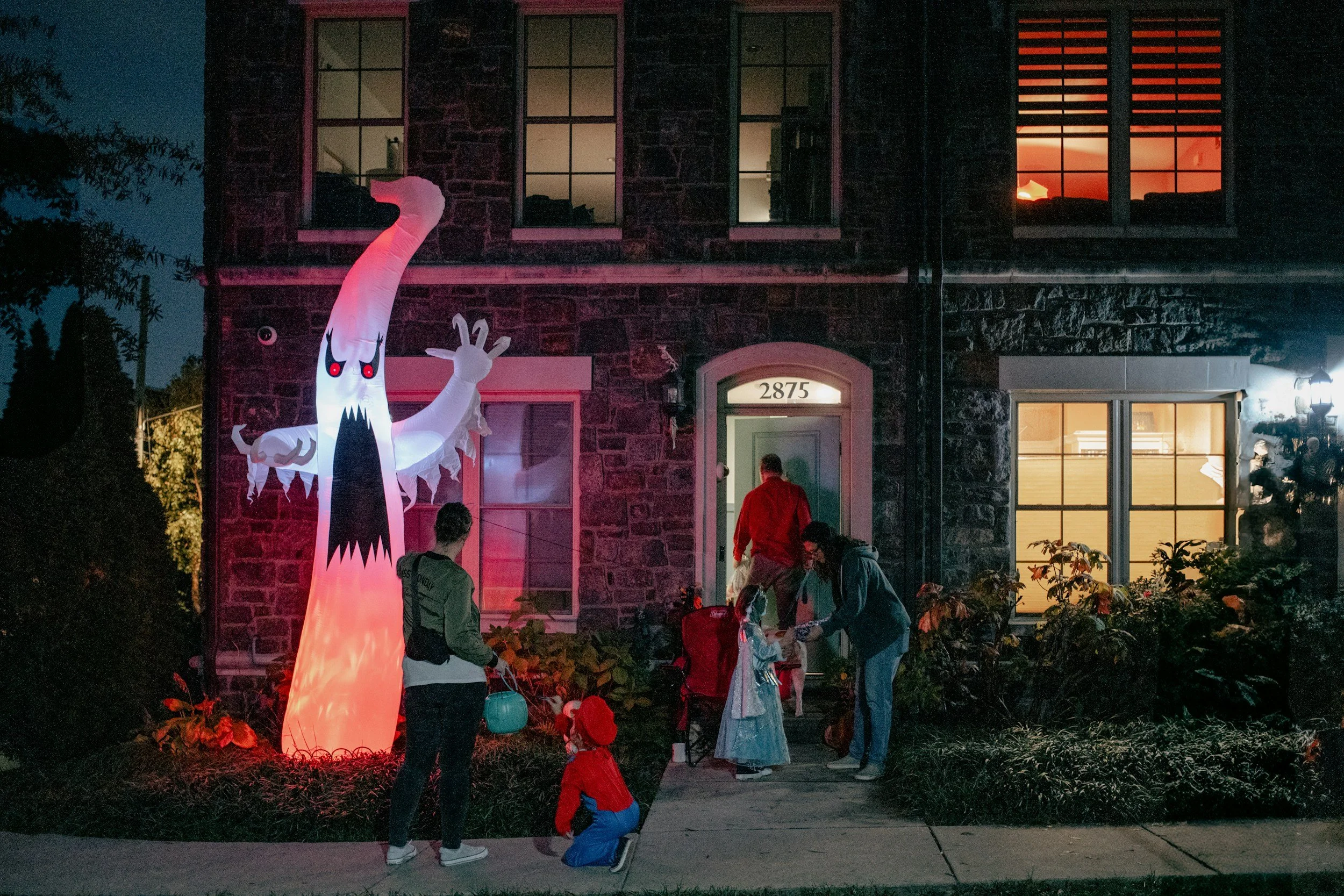
Trunk or treat and church events. Fun and spooky without anything genuinely dark.
Community center parties. A centerpiece for an event that otherwise relies on food and decorations.
Drop in events. Strolling close up magic that works with people arriving and leaving throughout.
Budget Realities
Worth addressing plainly, since these organizations rarely have much. A Halloween magician costs what a professional performer costs, and October is the busiest month of the year for this work.
Ways to make it viable: a shorter session costs less than a long one while still anchoring your event, several schools or branches can share a performer across a day, which spreads travel and often reduces the per site cost, and a parent association or Friends group is frequently willing to fund an entertainment element that visibly drives attendance. What's rarely worth doing is booking the cheapest available option, since a session that doesn't hold the room is worse than no session at all.
Why Book Magical Katrina
If you'd like a Halloween magician for your school, library, or community event, here's my case. I'm a member of the Magic Circle in London and the Academy of Magical Arts in Hollywood, I've earned multiple magic awards including a Family Entertainer of the Year honor, and I've appeared on Blippi as a performer and magic consultant, along with Penn & Teller: Fool Us and Masters of Illusion. I perform for every age from preschoolers to adults, which is what a public audience requires, I know where the line sits between fun spooky and genuinely frightening, I need no stage or setup, and I'm fully insured with a COI available for your venue.
Frequently Asked Questions
Will it work for a wide range of ages?
Yes, and that's the main reason it suits public programming. Most activities serve one age band, so a craft table loses the teenagers and a story session loses the older children. Good magic works on several levels at once: young children respond to the visual surprise, older children engage with the puzzle, teenagers get drawn in if it isn't pitched at babies, and accompanying adults are often the most astonished people there.
How spooky is too spooky for a community audience?
The aim is atmospheric and playful rather than genuinely frightening: gasps and laughter in the same breath, nothing that upsets a small child or leaves anyone unsettled. A Halloween magician experienced with family and community audiences knows that line and can adjust if the room is younger than expected. If you have specific concerns about your audience, mention them when booking rather than hoping for the best.
What does it need from our space?
Almost nothing, which matters for halls, library rooms, and community centers. Close up or small stage magic needs no stage, sound system, power, or setup time beyond arriving, so it works among library shelves, in a hall with tables out, or in a low ceilinged room. You won't need to borrow AV or rearrange furniture, which for organizers without technical support is often what makes an event bookable at all.
How do we handle families who don't celebrate Halloween?
Usually through framing rather than content. An autumn or fall event featuring a magic show is more inclusive than one framed entirely around Halloween, and a Halloween magician can pitch material as broadly spooky and seasonal rather than heavily themed. It costs nothing to adjust and avoids families feeling the event wasn't meant for them, so it's worth raising when you book if it's relevant in your community.
What if we don't know how many people will come?
That's fine, and it's an advantage of this format. Activities requiring materials mean buying for an unknown number or turning people away, whereas magic serves forty people and a hundred equally, with no per head cost. For drop in events with unpredictable numbers, strolling close up magic also works well since it suits people arriving and leaving throughout rather than requiring a fixed audience.
How can we make this affordable?
A shorter session costs less while still anchoring the event. Several schools or library branches can share a performer across a day, which spreads travel and often reduces the cost per site. Parent associations and Friends groups are frequently willing to fund an element that visibly drives attendance. What's rarely worth doing is booking the cheapest option, since a session that doesn't hold the room is worse than none.
How do I book you, and what do you need to get started?
Reach out with your date, venue, expected audience and age range, and anything about your community worth knowing. That's enough for me to check availability, recommend a format and length, and send a quote. If you're a school or library group considering several sites, mention that too, since it's often more affordable than it looks. October books up very early, so summer enquiries genuinely help.
Programming That Fills the Room
The test for a community Halloween event is whether people come and whether they're glad they did. A Halloween magician helps with both: something concrete to promote, a single activity that works across every age in the room, a spookiness level pitched for a public audience, and no demands on a space that wasn't built for performance.
If you're planning something for your school, library, or community this October, I'd be glad to hear about it.
Reach out with your date and audience, and let's put on something they turn up for.