What a Female Mentalist Actually Does: Skill, Psychology, and Why It Isn't Psychic

What a Female Mentalist Actually Does: Skill, Psychology, and Why It Isn't Psychic

The question comes up at nearly every event, usually delivered slightly nervously, as though asking might be rude: is it real? Sometimes it's asked as a challenge, sometimes as genuine hope, and occasionally by someone who has quietly decided the answer is yes and would rather not have it confirmed either way.

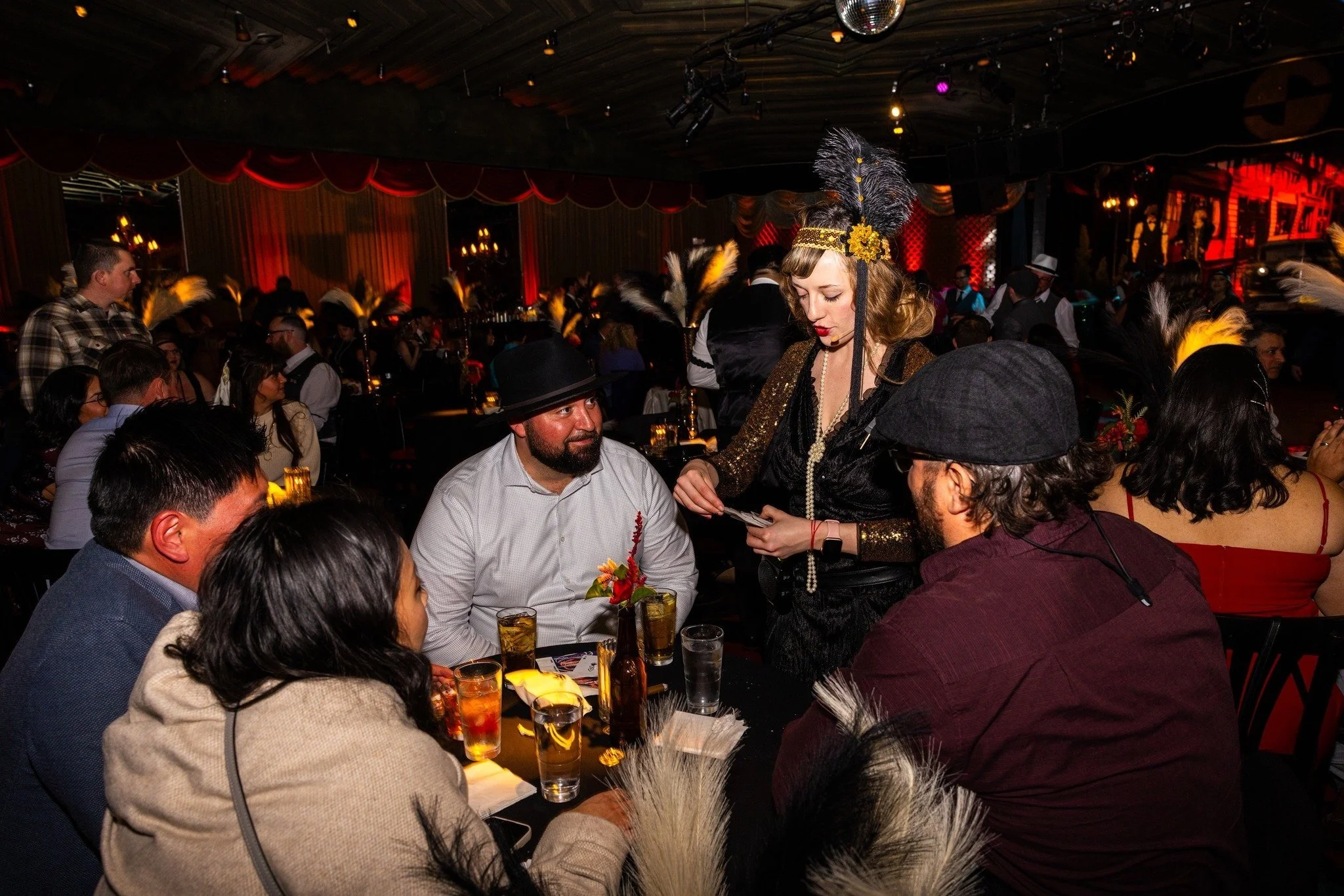
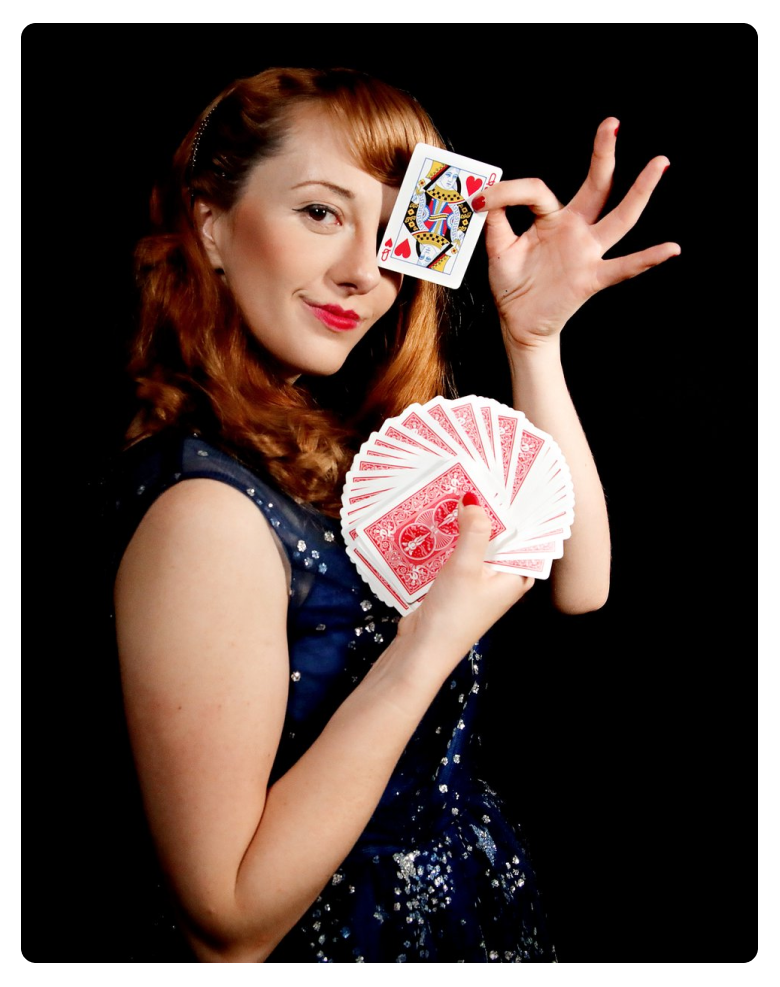
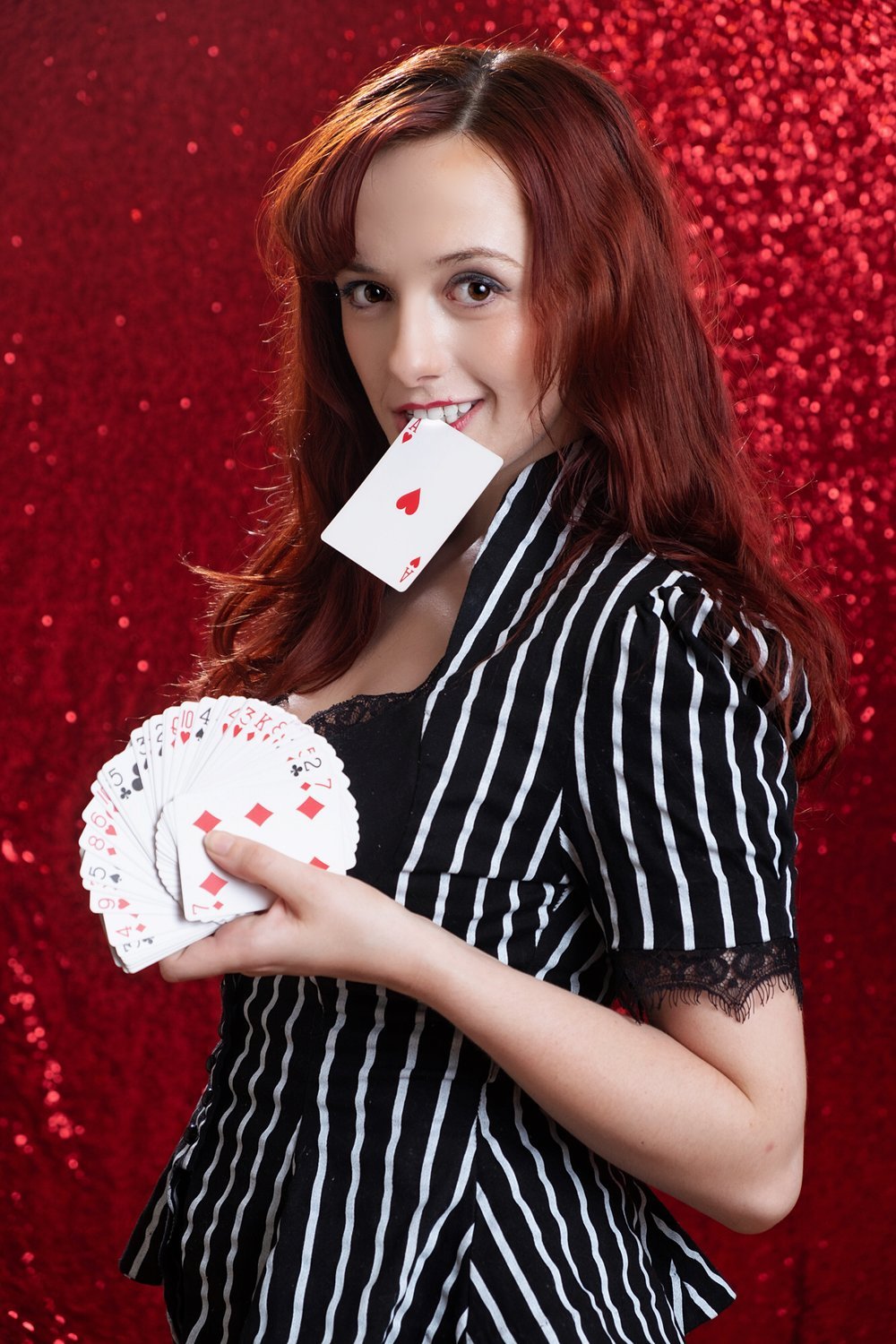
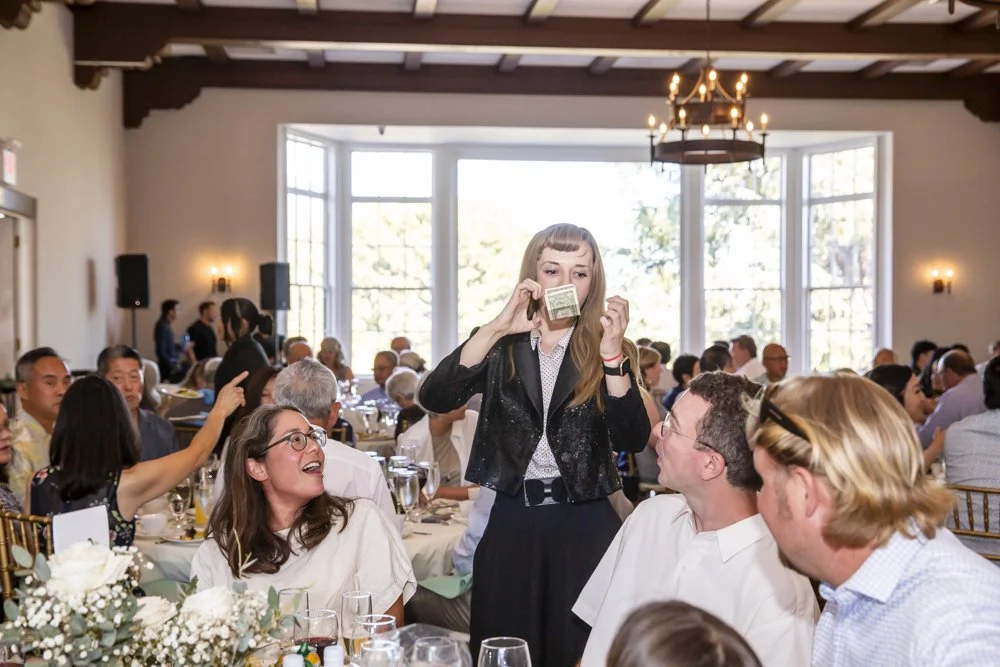
It's a fair question and it deserves a straight answer. I'm Magical Katrina, an award winning magician and female mentalist, and I want to give one, along with a broader account of what this discipline actually is, why performers disagree about how to present it, and why the honest version is both more ethical and, I'd argue, more impressive.

What Mentalism Is

Mentalism is a branch of magic concerned with the mind rather than with objects. Where traditional magic makes things vanish, appear, and transform, a female mentalist appears to know what someone is thinking, to predict a choice made freely, to influence a decision, or to reveal information she has no way of possessing.

The effects feel categorically different from card tricks, which is why mentalism suits adult and corporate audiences so well. Watching a coin disappear is delightful. Hearing a stranger say the name of the person you were thinking about is genuinely unsettling, in a way people talk about for weeks. The discipline trades in intimacy and impossibility rather than spectacle.

The Honest Answer to the Question

So: no. What I do is entertainment built on skill, practice, psychology, showmanship, and technique. It is not genuine psychic ability, and I have never met anyone who has demonstrated such a thing under conditions that would satisfy a curious observer.

A female mentalist performing ethically will tell you this freely rather than being cornered into it, and I think the field is better for performers who do. The alternative, allowing an audience to believe you possess real powers, means accepting a kind of belief from people that you know isn't warranted, and it has consequences beyond the evening, which I'll come to.

Why Honesty Doesn't Spoil It

The instinctive objection is that admitting this deflates the whole thing. In practice it doesn't, and understanding why is genuinely interesting.

The astonishment produced by mentalism doesn't depend on believing in the supernatural, it depends on being unable to explain what happened. Those are different things. When your thought is revealed and you know the performer isn't psychic, you're left with a harder and more absorbing question: then how? That question is more engaging than a supernatural explanation, which closes the matter rather than opening it. A female mentalist who is honest about the nature of the work leaves the audience with the interesting problem intact.

What the Craft Actually Involves

Without going near method, which I won't, it's worth saying what the discipline draws on, because "psychology" is often used as a vague hand wave.

Mentalism sits at the intersection of several things: an understanding of how attention works and where it goes, how people make choices they experience as free, how memory reconstructs rather than replays, and how conviction is produced in an audience. It also involves an enormous amount of unglamorous practice, and a great deal of thought about structure, timing, and how a moment is framed. The skill of a female mentalist is largely invisible by design, which is why it's so frequently mistaken for something else.

Where Performers Disagree

There's a genuine ethical divide in this field, and it's worth clients understanding it. Some performers present mentalism honestly as entertainment. Others present themselves as genuinely psychic, or maintain a deliberate ambiguity that lets audiences conclude whatever they'd like.

The ambiguous position is common because it's commercially convenient: it heightens the effect for the credulous without an outright claim. My own view is that it's a mistake, partly because it treats an audience's sincere belief as a resource, and partly because a female mentalist who cultivates that impression is trading on something adjacent to industries that genuinely harm vulnerable people. The line between an evening's entertainment and a grieving person paying for contact with the dead is thinner than it should be, and it's worth performers staying well clear of it.

Why This Matters When You're Booking

For clients, this is a practical consideration rather than a philosophical one. Your guests are a mixed group, and some of them will have views about psychic claims ranging from mild skepticism to genuine discomfort.

An honest female mentalist is comfortable for everybody in the room, because nobody is being asked to believe something. The skeptical guest can enjoy the puzzle without feeling their intelligence is being tested, and the guest who takes such things seriously isn't having a belief exploited for an evening's entertainment. For a corporate event, a wedding, or any mixed audience, that comfort is worth more than the marginal extra frisson an ambiguous performer might produce.

It Suits Skeptical Audiences Best

A useful consequence: honest mentalism plays extremely well to exactly the audiences you'd expect to be hardest. Engineers, scientists, lawyers, and anyone professionally trained in scrutiny are excellent audiences for a female mentalist, not difficult ones.

They arrive knowing it isn't psychic, which removes the argument they'd otherwise be having, and they engage with the far more interesting question of method. Someone applying genuine analytical attention who still cannot account for what happened experiences a stronger effect than a casual observer, because their certainty was better founded. The room you'd expect to be a problem is usually the room that enjoys it most.

The Woman Part

Since the keyword brings it up, a brief and honest note. Being a female mentalist has no bearing on the skill involved, and I'd be uncomfortable suggesting otherwise. Mentalism is mentalism.

What it does affect is expectation, and expectation is a working part of this discipline. The field has historically been overwhelmingly male, so audiences arrive with an image that doesn't match what they get, and the resulting recalibration is a few seconds of extra attention at the start. What happens after those seconds is entirely down to whether the work is any good. It's a small advantage in the setup, not a substitute for the craft.

Why Book Magical Katrina

If you'd like a female mentalist for your event, here's my case. I'm a member of the Magic Circle in London and the Academy of Magical Arts in Hollywood, I've earned multiple magic awards, and I've performed for clients including Formula 1, the Olympics, Porsche, and Prada, with appearances on Penn & Teller: Fool Us and Masters of Illusion, across events in over 20 countries. I perform mentalism honestly as entertainment, which makes it comfortable for a mixed audience, I blend it with close up magic for a range most performers don't offer, and I read a room carefully so participants feel like the stars rather than the subjects of an experiment.

Frequently Asked Questions

Is mentalism real?

No, in the sense people usually mean. What a female mentalist does is entertainment built on skill, practice, psychology, showmanship, and technique rather than genuine psychic ability. An ethical performer will say so freely rather than being cornered into it. That honesty is a considered position rather than a disclaimer, and it makes the performance comfortable for a mixed audience with a range of views about such claims.

Doesn't admitting that ruin the effect?

It genuinely doesn't, and understanding why is interesting. Astonishment from mentalism depends on being unable to explain what happened, not on believing in the supernatural, and those are different things. When your thought is revealed and you know the performer isn't psychic, you're left with a harder and more absorbing question, which is more engaging than a supernatural explanation that closes the matter rather than opening it.

What does the craft actually involve?

Without going near method, it draws on an understanding of how attention works, how people make choices they experience as free, how memory reconstructs rather than replays, and how conviction is produced in an audience. It also involves an enormous amount of unglamorous practice and a great deal of thought about structure, timing, and framing. The skill of a female mentalist is largely invisible by design, which is why it's mistaken for something else.

Why do some performers claim to be psychic?

Because ambiguity is commercially convenient: it heightens the effect for credulous audience members without an outright claim. I think it's a mistake, partly because it treats sincere belief as a resource, and partly because cultivating that impression trades on something adjacent to industries that genuinely harm vulnerable people. The line between an evening's entertainment and a grieving person paying for contact with the dead is thinner than it should be.

Does this matter when booking for an event?

Practically, yes. Your guests are a mixed group with views ranging from mild skepticism to genuine discomfort about psychic claims. An honest female mentalist is comfortable for everyone, since nobody is asked to believe anything: the sceptic enjoys the puzzle without feeling tested, and the guest who takes such things seriously isn't having a belief used for entertainment. For mixed audiences, that comfort is worth more than an ambiguous performer's extra frisson.

Will skeptical guests enjoy it?

Usually most of all. Engineers, scientists, lawyers, and anyone professionally trained in scrutiny are excellent audiences rather than difficult ones. They arrive knowing it isn't psychic, which removes the argument they'd otherwise be having, and they engage with the more interesting question of method. Someone applying real analytical attention who still cannot account for what happened experiences a stronger effect, because their certainty was better founded.

How do I book you, and what do you need to get started?

Reach out with your event date, location or venue, type, and rough guest count, plus the mood you're aiming for. That's enough for me to check availability and send a quote. From there we'll talk through format, whether anyone should particularly be involved or left alone, and any customization, and a deposit secures your date.

Wonder Without the Woo

The best argument for honest mentalism is that it's more interesting. A supernatural explanation resolves the mystery, whereas knowing that a person did this with nothing but skill and an understanding of how minds work leaves you with a genuinely open question and a healthy respect for the years behind it.

That's what a female mentalist performing honestly offers: complete impossibility, delivered by someone who will tell you plainly that she isn't psychic, and who is confident the work stands up without needing you to believe otherwise.

Reach out with your event details, and let's give your guests something they can't explain.

Katrina Kroetch
Female Magician for Children's Parties and Family Events

Female Magician for Children's Parties and Family Events

When parents book entertainment for a children's party, the criteria are refreshingly practical: will the children actually enjoy it, will it hold their attention long enough to be worth the money, and will it make the birthday child feel special. Those are the right questions, and they're the ones this article mostly answers.

There's also something else worth knowing about booking a female magician specifically, which parents notice afterwards more often than they anticipate beforehand. I'm Magical Katrina, an award winning magician and mentalist with a Family Entertainer of the Year honor, and I want to cover both: the practical side of booking well, and the quieter thing that happens in the room.

Skill With Children Comes First

Let me be clear about priorities, because it matters. The most important factor in booking any children's entertainer is whether they're genuinely good with children, which is a specific skill distinct from being good at magic.

Plenty of technically excellent magicians cannot hold a room of seven year old, and plenty of wonderful children's entertainers are doing relatively simple magic extremely well. A female magician should be assessed on exactly this basis: experience with your child's age group, evidence of engaging real children rather than adults, and the ability to keep a room together. Everything else in this article is secondary to that, and any performer who suggests otherwise is selling you the wrong thing.

Age Pitching Is Everything

The most common booking mistake, and the one parents most regret, is a mismatch between the show and the age group. A performance that delights five year old will be visibly rejected by ten year old, and one aimed at ten year old loses four year old entirely.

For younger children, expect bright, visual, immediate magic with plenty of noise and participation, and a shorter show, realistically around thirty minutes. For older children, expect genuinely baffling magic delivered without any talking down, since children that age are acutely aware of being treated as babies. When you contact a female magician, be specific about ages rather than saying "children," and expect a good performer to ask.

Then There's the Other Thing

Now the part parents mention afterwards. Magic has historically been overwhelmingly male, so most children arrive at a party with an unexamined mental image of what a magician looks like, assembled from books, films, and every magician they've previously encountered.

When the person doing the impossible thing turns out to be a woman, there's frequently a small visible recalculation in the room, particularly among the girls. Nobody says anything about it and no lesson is delivered, which is rather the point. A female magician simply demonstrates something rather than stating it, and children absorb demonstrations considerably more readily than they absorb being told things.

Don't Overstate It, But Don't Dismiss It Either

Worth being measured here. Booking a female magician for your daughter's birthday will not transform her sense of her own possibilities in an afternoon, and any claim otherwise would be overselling.

What it does is more modest and more durable: it slightly widens the set of things she has seen a woman do brilliantly. Those observations accumulate across childhood into a sense of what's normal, and they do it without anyone lecturing. It's a genuine bonus rather than the reason to book, and it works precisely because it isn't the point of the afternoon. The point of the afternoon is that the children have a wonderful time.

It Reaches the Boys Too

Frequently overlooked, and arguably the more consequential half. Boys at the party are also updating their picture of who does what, and a boy who has watched a woman be visibly excellent at something impressive carries that forward.

That matters for how he thinks about capability years later, in ways nobody will ever trace back to a birthday party. So this isn't entertainment aimed at the girls in the room with the boys along for the ride, it's the same show for everybody, doing quiet work on all of them. A female magician at a mixed party is reaching every child in it, which is worth knowing if you'd assumed the effect only ran one way.

Mixed Family Events Need Range

Family parties, christenings, anniversaries, holiday gatherings, present a harder challenge than a straightforward children's party, because the audience spans toddlers to grandparents.

The performers who handle this well use material working on several levels at once: visual enough for little ones, baffling enough for older children, and skillful enough that the adults are genuinely astonished rather than politely watching. Strolling close up magic often suits mixed family events better than a seated show, since the performer can adjust group by group. When booking a female magician for a family event, be honest about the full age range rather than only mentioning the children.

What to Look For When Booking

Practically, the things worth checking. Real video of the performer working with children, not just adults, since the skills genuinely differ. Reviews from parents describing actual parties. Clear communication and a straightforward quote.

Confirmation of what's included, how long the show runs, and how much space is needed, which for close up and small stage work is usually very little. Insurance if your venue requires it. And a performer who asks about your child's age, the guest ages, and the venue before recommending anything. A female magician who asks good questions before quoting is thinking about your party rather than selling you a standard package.

Why Book Magical Katrina

If you'd like a female magician for your child's party, here's my case. I'm a member of the Magic Circle in London and the Academy of Magical Arts in Hollywood, I've earned multiple magic awards including a Family Entertainer of the Year honor, and I've appeared on Blippi as a performer and magic consultant, along with Penn & Teller: Fool Us and Masters of Illusion. I perform for every age from preschoolers to adults, so I tailor the show to the actual group rather than delivering one fixed routine, I'm comfortable with mixed age family events, and I make the birthday child the star of the afternoon. I need very little space or setup, and I'm fully insured with a COI available.

Frequently Asked Questions

What matters most when booking a children's entertainer?

Whether they're genuinely good with children, which is a specific skill distinct from being good at magic. Plenty of technically excellent magicians cannot hold a room of seven year old. Assess a female magician on experience with your child's age group, evidence of engaging real children rather than adults, and the ability to keep a room together. Everything else is secondary, including any thematic considerations.

Does the magician's gender actually matter to children?

Not as a booking criterion, and skill should always come first. What parents notice afterwards is a quieter effect: magic has been overwhelmingly male historically, so children arrive with an unexamined image of what a magician looks like, and when the person doing the impossible turns out to be a woman there's often a small visible recalculation, especially among the girls. It's demonstration rather than instruction, which children absorb readily.

Isn't that overstating what a party can do?

Yes, if anyone claims it's transformative. Booking a female magician won't change a child's sense of her possibilities in an afternoon. What it does is more modest and more durable: it slightly widens the set of things she has seen a woman do brilliantly, and those observations accumulate across childhood into a sense of what's normal. It's a genuine bonus rather than the reason to book.

Does it affect the boys at the party?

Yes, and arguably more consequentially. Boys are also updating their picture of who does what, and one who has watched a woman be visibly excellent at something impressive carries that forward into how he thinks about capability years later. It isn't entertainment aimed at the girls with the boys along for the ride, it's the same show doing quiet work on every child in the room.

How do we handle a party with a wide age range?

Be honest about the full range when booking rather than only mentioning the children. Performers who handle mixed family events well use material working on several levels at once: visual for little ones, baffling for older children, and skillful enough that adults are genuinely astonished. Strolling close up magic often suits these events better than a seated show, since the performer can adjust group by group.

What should we check before booking?

Real video of the performer working with children rather than only adults, since the skills differ. Reviews from parents describing actual parties. Clear communication and a straightforward quote covering what's included, the show length, and space needed. Insurance if your venue requires it. And whether the performer asks about your child's age, the guest ages, and the venue before recommending anything, which shows they're thinking about your party.

How do I book you, and what do you need to get started?

Reach out with your party date, location, your child's age, the age range of the guests, and rough numbers. That's enough for me to check availability, recommend a format and length suited to the group, and send a quote. From there we'll talk through any special touches for the birthday child, and a deposit secures your date. Weekends book up quickly, so earlier is better.

Book for the Party, Enjoy the Rest

The right reason to book a female magician for a children's party is the same reason you'd book anyone: because she's genuinely excellent with children of your child's age and will give them an afternoon they remember. Get that right and the party succeeds.

What comes with it is a small extra thing you didn't pay for. Somewhere in that room, a child is quietly adjusting her sense of what's available to her, because she watched a woman do something impossible and be very good at it. That's not why you booked, but it's a rather nice thing to get for free.

Reach out with your party details and your child's age, and let's make the day genuinely magical.

Katrina Kroetch
Harry Potter Wedding on a Budget

Harry Potter Wedding on a Budget

Themed weddings have a reputation for being expensive, and they can be if you approach them by buying things. The good news is that the world this particular theme draws on is built almost entirely from atmosphere rather than objects, and atmosphere is one of the cheapest things you can create at a wedding.

I'm Magical Katrina, an award winning magician and mentalist who performs at weddings, and I want to go through how to plan a Harry Potter wedding on a modest budget, what genuinely creates the effect, and where couples most often waste money trying to buy a feeling they could have made instead.

Spend on Light Before Anything Else

If you have limited money, put it here. The single biggest factor in whether a Harry Potter wedding feels enchanted or just decorated is lighting, and lighting is remarkably cheap relative to its impact.

Candles in quantity, and it does need to be quantity, transform a room more than any centerpiece will. Battery operated candles are inexpensive, reusable, permitted at venues that ban open flame, and at a distance genuinely convincing. Warm string lights, uplighting in deep tones, and simply turning the overhead lights down do more for the atmosphere than anything you could buy and place on a table. A dim, warm, flickering room reads as magical almost regardless of what else is in it.

Let the Venue Do the Heavy Lifting

The second biggest saving comes from choosing well rather than decorating hard. A venue with existing character, old stone, dark wood, vaulted ceilings, a library, a historic hall, arrives already halfway to the theme.

A modern blank space requires you to buy the atmosphere in, which is precisely where budgets disappear. So when you're looking, prioritize character over size or facilities if you can, and consider less obvious options: historic buildings, museums, libraries, converted churches, and older restaurants often cost no more than a standard function room and give a Harry Potter wedding most of its look for free. Midweek and off season dates at characterful venues frequently cost less than weekend dates at bland ones.

Paper Is the Best Value Spend

Stationery is where a small amount of money and effort goes furthest. Aged or parchment style paper, wax seals, calligraphy or a good handwritten script, and dark ink cost very little and set the tone before anyone arrives.

Carry it through the day: menus, table names rather than numbers, seating cards, and signage in the same hand. Wax seal kits are inexpensive and reusable, parchment style paper is cheap by the ream, and if anyone in your circle has decent handwriting, that's a favors worth asking. For a Harry Potter wedding on a budget, cohesive paper details thread the theme through the entire day for a fraction of what a single floral installation costs.

Borrow, Source Secondhand, and Ask Around

Almost everything atmospheric for this theme can be found secondhand. Old books by the box from charity shops and used bookshops, mismatched brass candlesticks, amber and green glass bottles, old keys, vintage trunks, and mirrors all turn up cheaply if you start looking early.

The key word is early. Sourcing over six months costs a fraction of sourcing over six weeks, because you can wait for the right price rather than buying whatever's available. Ask friends and family too, since someone always has a box of old books or a set of candlesticks. For a Harry Potter wedding, the secondhand aesthetic isn't a compromise, worn and mismatched genuinely suits the theme better than matching new items would.

Choose Your DIY Carefully

Not all DIY saves money once you account for materials and, more importantly, your time in the weeks before a wedding. Some is worth it and some isn't.

Worth doing: paper and signage, candle arrangements, book stacks and table styling, drinks labels, and anything that's essentially assembly. Rarely worth doing: floristry beyond simple greenery, anything structural, anything requiring a skill you don't have, and anything that must be done on the day itself. For a Harry Potter wedding, the highest value DIY is the styling of small details, which is also the part that carries the theme. Leave the difficult things to people who do them professionally.

Where to Splurge if You Can

If there's money for one or two things beyond the basics, spend it where guests actually experience the difference rather than where it photographs well.

Lighting, if the venue's is unflattering and can be improved. Drinks, since a signature cocktail with an evocative name in decent glassware is memorable and comparatively cheap. And entertainment during the cocktail hour, because that's the stretch guests remember as either delightful or dead time. A Harry Potter wedding built around the idea of magic has an obvious option there, and close up magic performed among your guests fits the theme in a way a photo booth doesn't.

Common Ways Couples Overspend

Worth naming, because these recur. Buying large quantities of small themed props that end up scattered and unnoticed. Custom made items commissioned when a secondhand equivalent would read identically at a distance. Elaborate favors, which guests routinely leave behind. And over decorating a space that would have looked better with candlelight and restraint.

The pattern is spending on things rather than on atmosphere. A Harry Potter wedding doesn't need many objects, it needs a dim warm room, good paper, a few well chosen details, and guests who are enjoying themselves. Almost everything else is optional, and cutting it usually improves the look rather than diminishing it.

A Practical Note on the Theme

One honest point. The books and films are protected intellectual property, so while you're free to plan a wedding inspired by them, professional suppliers generally avoid reproducing official artwork, logos, characters, or copyrighted text in items they make for you.

In practice this affects very little, and on a budget it affects almost nothing, since the atmosphere, candlelight, venue character, secondhand styling, paper, and drinks are all yours to shape freely. It mostly means a custom stationer or illustrator will steer you toward original designs in the same spirit. If you're commissioning anything significant, have a quick word with that supplier first.

Why Book Magical Katrina

If you're able to include entertainment in your Harry Potter wedding, here's my case. I'm a member of the Magic Circle in London and the Academy of Magical Arts in Hollywood, I've earned multiple magic awards, and I've performed for clients including Formula 1, the Olympics, Porsche, and Prada, with appearances on Penn & Teller: Fool Us and Masters of Illusion. My magic is warm and elegant rather than gimmicky, which suits a wedding wanting enchantment without novelty, and it needs no stage, sound, or setup, so there's nothing to add to your venue costs. I'm based in the Los Angeles area, travel for weddings, and I'm fully insured with a COI available.

Frequently Asked Questions

What creates the atmosphere most cheaply?

Lighting, by a considerable margin. Candles in quantity, battery operated ones are inexpensive, reusable, and permitted where open flame isn't, plus warm string lights, deep toned uplighting, and simply turning overheads down, transform a room more than any centrepiece. A dim, warm, flickering space reads as enchanted almost regardless of what else is in it, and it costs a fraction of what couples typically spend on decorative items.

How do we save on the venue?

Choose character over facilities. A venue with old stone, dark wood, vaulted ceilings, or a library arrives halfway to the theme, whereas a modern blank space requires you to buy atmosphere in, which is where budgets disappear. Consider historic buildings, museums, libraries, converted churches, and older restaurants, and look at midweek or off season dates, which at characterful venues often cost less than weekends at bland ones.

Is DIY worth it for a themed wedding?

Selectively. Worth doing: paper and signage, candle arrangements, book stacks and table styling, drinks labels, and anything that's essentially assembly. Rarely worth it: floristry beyond simple greenery, anything structural, anything needing a skill you don't have, and anything that must happen on the day itself. For a Harry Potter wedding, styling small details is the highest value DIY and also the part carrying the theme.

Where should we spend if we can spend a little more?

Where guests experience the difference rather than where it photographs well. Lighting if your venue's is unflattering, drinks since a well named signature cocktail in decent glassware is memorable and comparatively cheap, and cocktail hour entertainment, because that stretch is remembered as either delightful or dead time. For a wedding built around the idea of magic, close up magic among your guests fits the theme naturally.

What do couples most often waste money on?

Quantities of small themed props that end up scattered and unnoticed, custom made items where a secondhand equivalent would read identically, elaborate favours guests leave behind, and over decorating a space that would have looked better with candlelight and restraint. The pattern is buying things instead of creating atmosphere. Cutting most of it usually improves the look rather than diminishing it.

Are there restrictions on using the theme?

You're free to plan a wedding inspired by the books and films. The practical point is that they're protected intellectual property, so professional suppliers generally avoid reproducing official artwork, logos, characters, or copyrighted text in items they create for you. On a budget this affects almost nothing, since atmosphere, venue character, secondhand styling, paper, and drinks are all yours to shape. Check with any supplier you commission.

Atmosphere Is Free, Objects Are Not

A Harry Potter wedding on a modest budget works because the theme is fundamentally about a feeling rather than a collection of things. Get the lighting right, choose a venue with existing character, put your effort into paper, source secondhand early, do the easy DIY and skip the hard, and resist the urge to fill the room with small purchases. Do that and your wedding will look considerably better than one where twice as much was spent buying atmosphere rather than making it.

And if there's room in the budget for genuine magic among your guests, I'd love to be part of your day.

Reach out with your wedding date and venue, and let's talk.

Katrina Kroetch
Magician Near Me: Red Flags to Watch For When Booking

Magician Near Me: Red Flags to Watch For When Booking

Most magicians you'll find are perfectly good, and most bookings go fine. But entertainment is one of the few things you buy for an important event without being able to test it first, and when it goes wrong it goes wrong publicly, in front of everyone you invited, with no opportunity to fix it.

So it's worth knowing what to look out for. I'm Magical Katrina, an award winning magician and mentalist, and I want to go through the warning signs that reliably predict a disappointing booking when you're working through magician near me results, and what to do when you spot one.

No Genuine Performance Video

This is the single most useful test, and the most commonly failed. A working performer has footage of themselves performing for real audiences, because clients ask for it constantly.

What you want to see is a live audience reacting: real people, real reactions, filmed at an actual event. What should concern you is a highly edited promotional reel with no sustained footage of anyone watching, a video consisting mostly of testimonial quotes over music, or no video at all. If a magician near me search turns up someone with a polished website and nothing showing them actually performing, ask directly. A reasonable request politely declined tells you something.

Reviews That Don't Add Up

Reviews are useful but easily gamed, so read them properly rather than counting them. Look for detail: named event types, specifics about what happened, the ordinary unevenness of genuine feedback.

Warning signs include a burst of glowing reviews all posted within a short window, reviews that describe the performer in identical language, testimonials on a website with no verifiable source, and a total absence of reviews for someone claiming years of experience. A genuinely busy magician near me accumulates feedback steadily over time from a mix of platforms. Perfect uniformity is less reassuring than it looks.

Vagueness About Money

A professional quotes clearly: what's included, how long the performance runs, what happens with travel, and what the total is. Vagueness here is a genuine warning sign, and it tends to predict awkward conversations later.

Be cautious about anyone who won't give a figure until you've committed, quotes a low headline number with unspecified extras, or is unclear about whether travel and expenses are included. You should also expect a deposit and a written agreement rather than a verbal arrangement. If someone searching magician near me finds a performer reluctant to put terms in writing, that reluctance usually isn't about paperwork being unnecessary.

Quotes That Are Far Too Low

Worth addressing honestly, because it's tempting. If one quote is dramatically below everything else you've received, that difference reflects something.

Usually it's inexperience, which is fine for a small casual gathering and genuinely risky for an event that matters. Occasionally it reflects someone who doesn't do this professionally and treats bookings casually, which is how you end up with a performer who cancels a fortnight out. A magician near me search will surface a range of prices, and the sensible approach is to be suspicious of the extreme low end rather than assuming you've found a bargain. Entertainment that fails costs the whole spend, not the difference.
No Insurance, and No Idea Why You Asked

Many venues require performers to carry public liability insurance and provide a certificate. A professional will supply it without fuss because they're asked regularly.

The warning sign isn't only lacking insurance, it's the reaction to the question. A performer who seems surprised by the request, or doesn't know what a certificate of insurance is, is telling you they haven't worked at venues that ask, which tells you about their experience level. If your venue requires it and a magician near me result can't provide it, that's usually the end of the conversation regardless of how good they look.

Communication That's Already Difficult

This is the most predictive signal of all, and the easiest to read. How someone communicates before you've paid them is the best available preview of how they'll be on the day.

Slow replies, vague answers, not addressing the questions you asked, or having to chase for basic information are all warning signs. Booking a performer should be simple: you describe your event, they ask sensible questions, you get a clear quote. If it's already effortful at the enquiry stage, with a magician near me option who takes four days to answer a straightforward question, expect that pattern to continue when you need something confirmed the week before your event.

Credentials That Can't Be Checked

Genuine credentials are verifiable. Membership of the Magic Circle or the Academy of Magical Arts, television appearances, awards, and named clients can all be looked up or asked about.

Be cautious about vague grandeur: claims of being "internationally acclaimed" with no specifics, awards nobody can identify, television credits that don't name a program, or client lists using logos without any detail about what was actually performed. It's not that every performer needs impressive credentials, plenty of excellent magicians have modest ones. The concern is specifically the gap between how impressive something sounds and how checkable it is.

No Questions About Your Event

A subtle one, but revealing. A performer who quotes immediately without asking anything about your event is selling a fixed package rather than thinking about what you need.

Good performers ask: who's attending, what ages, seated or mingling, what's the occasion, what are you hoping the entertainment achieves. Those questions exist because the answers change what they'd recommend. If a magician near me option responds to a detailed enquiry with a price and nothing else, you're likely to receive the same show they give everyone, which may or may not suit a room of eighty engineers, a children's party, or a black tie dinner.

Pressure to Decide Immediately

Occasionally you'll encounter urgency tactics: a date supposedly about to go, a discount expiring, pressure to pay a deposit today.

Genuine scarcity exists, dates do get booked, particularly in December and wedding season, and a professional will tell you honestly if someone else is enquiring about your date. The difference is tone. An honest heads up is information, whereas manufactured urgency is a sales technique, and it's rarely used by people confident in what they're selling. Take the time you need to check the things in this article before committing.

What Good Looks Like

For balance, the reassuring signals. Prompt, clear communication that answers what you asked. Real footage of live performances with visible audience reactions. Reviews accumulated steadily over time with genuine detail. A clear quote, a written agreement, and a straightforward deposit. Insurance provided without fuss. Sensible questions about your event before any recommendation is made. And verifiable credentials, whatever their level.

None of that guarantees brilliance, but together it describes someone who does this professionally and has done it often, which is most of what you're actually buying when you work through magician near me results.

Why Book Magical Katrina

For transparency about my own side: I'm a member of the Magic Circle in London and the Academy of Magical Arts in Hollywood, I've earned multiple magic awards, and I've performed for clients including Formula 1, the Olympics, Porsche, and Prada, with appearances on Penn & Teller: Fool Us and Masters of Illusion, across events in over 20 countries. All of that is checkable. I have live performance footage and reviews to share, I quote clearly with a written agreement, I'm fully insured with a COI available, and I'll ask about your event before recommending anything. If I'm not the right fit, I'll say so rather than selling you the wrong thing.

Frequently Asked Questions

What's the biggest warning sign when booking a magician?

No genuine footage of live performances. A working performer has video of real audiences reacting because clients ask constantly, so a polished website with only a heavily edited promotional reel, testimonial quotes over music, or no video at all is a significant concern. Ask directly for footage of an actual event. A reasonable request politely declined tells you something worth knowing before you commit.

How can I tell if reviews are genuine?

Read them rather than counting them. Genuine feedback has detail, named event types, specifics about what happened, and the ordinary unevenness of real opinions. Be cautious about bursts of glowing reviews posted within a short window, reviews describing the performer in identical language, website testimonials with no verifiable source, or no reviews at all for someone claiming years of experience. Steady accumulation across platforms is more reassuring than uniform perfection.

Should I be suspicious of a very cheap quote?

Yes, when it's dramatically below everything else you've received. That difference reflects something, usually inexperience, which is fine for a small casual gathering and risky for an event that matters, or occasionally someone who treats bookings casually and might cancel. Entertainment that fails costs you the whole spend rather than the difference, so treat the extreme low end of magician near me results with caution rather than as a bargain.
What does it mean if they don't ask about my event?

That you're being sold a fixed package rather than something suited to you. Good performers ask who's attending, what ages, whether guests will be seated or mingling, the occasion, and what you want the entertainment to achieve, because those answers change what they'd recommend. A price and nothing else in response to a detailed enquiry usually means you'll get the same show everyone gets.

Do I really need to ask about insurance?

If your venue requires it, yes, and the answer is revealing beyond the paperwork. Professionals supply a certificate without fuss because they're asked regularly. Someone surprised by the question, or unfamiliar with what a certificate of insurance is, is telling you they haven't worked at venues that ask, which indicates their experience level. That's useful information even when your venue doesn't require it.

How quickly should someone reply to an enquiry?

There's no fixed rule, but the pattern matters more than the speed. Booking should be simple: you describe your event, sensible questions come back, you get a clear quote. Slow replies, vague answers, not addressing what you asked, or having to chase for basic information all predict how the booking will go. Communication before payment is the best available preview of communication afterwards.

How do I book you, and what do you need to get started?

Reach out with your event date, location, type, and rough guest count. I'll ask a few questions about your guests and what you want the entertainment to achieve, then send a clear quote with a written agreement and no ambiguity about what's included. I'm happy to share live performance footage, reviews, and my COI before you commit, and to tell you honestly if another kind of entertainment would suit your event better.

Check Before You Commit

Working through magician near me results, most of what you find will be fine, but the warning signs are consistent and easy to spot once you know them: no real performance footage, reviews that don't add up, vagueness about money, no insurance, difficult communication, unverifiable credentials, no curiosity about your event, and pressure to decide today. Any one of those is worth pausing on, and several together is a clear answer.

If you'd like a straightforward conversation with everything checkable up front, I'd be glad to have it.

Reach out with your event details, and ask me anything on this list.

Katrina Kroetch
Corporate Christmas Party Entertainment in Seattle

Corporate Christmas Party Entertainment in Seattle

Seattle holiday parties have a particular character that anyone who has organized one will recognize. People come, they're perfectly pleasant, they talk to their own team, and at some point around eight they start mentioning the drive home. Nothing goes wrong. Nothing much happens either.

That's a specific problem requiring a specific answer, and it isn't more decorations. I'm Magical Katrina, an award winning magician and mentalist, and I want to talk about corporate Christmas party entertainment that actually works in this city, given the reserve, the weather, and the kind of people most Seattle companies employ.

The Reserve Is the Real Design Constraint

Every planning decision here should account for it. Seattle professionals are friendly and genuinely reluctant to initiate with people they don't know, which means the cross team mixing your party exists to produce doesn't happen spontaneously.

That rules out a whole category of approaches. Anything asking people to be outgoing on command, structured icebreakers, mandatory mingling exercises, team games, gets endured rather than enjoyed here, and often resented quietly. The corporate Christmas party entertainment that works instead gives people something to react to together, so conversation starts as a byproduct rather than an assignment. That distinction matters more in Seattle than almost anywhere.

Plan Around a Wet, Dark December

Practical, and it shapes the options. Seattle in December is dark by half past four and frequently raining, which eliminates the outdoor and indoor outdoor formats that work elsewhere and puts everything indoors in a venue you've booked months earlier.

So among corporate Christmas party entertainment options, favor things that work in a single indoor room with no weather contingency required. It also affects attendance: people are less inclined to travel across the city on a wet Tuesday evening, which makes venue location and start time genuinely consequential. A party near the office starting straight after work will outperform a better party somewhere awkward at eight.

Choose Entertainment That Doesn't Ask Anything

Following from the reserve, the most effective corporate Christmas party entertainment in Seattle is entertainment that requires nothing from the guest. People watch, react, and talk if they want to, and nobody is put on the spot in front of colleagues.

Close up magic performed group by group works exactly this way, moving through a room in short bursts. So does a good band at a genuine background level, and so do food stations that give people a reason to move. What struggles is anything requiring volunteers to perform, teams to compete publicly, or the room to participate on cue. The introverted engineer who dreads that portion of the evening is the person your party most needs to actually enjoy it.

Your Guests Will Try to Solve It

Seattle rooms are full of software engineers, data scientists, and people who debug things for a living, which is worth considering when choosing entertainment.

That instinct makes them an unusually good audience for genuinely skilled work rather than a difficult one. Someone actively hunting for the method with real analytical attention, who still can't explain what happened, experiences astonishment far more intensely than a casual observer. Among corporate Christmas party entertainment options, magic and mentalism are among the few that get stronger with a skeptical, technical crowd rather than weaker.

Feed People Properly

Unglamorous but consistently underestimated. Canapés circulating occasionally leave people hungry, and hungry people in Seattle in December leave to find dinner, which ends your party at seven forty five.

Substantial food stations distributed around the room do two jobs: they keep people there long enough for the evening to develop, and they create natural movement that breaks up static clusters. Among corporate Christmas party entertainment decisions, this one is frequently treated as catering rather than programming, when in practice it determines how long your carefully planned evening actually lasts.

Account for Hybrid and Remote Colleagues

Many Seattle companies now have significant remote or distributed populations, and holiday planning frequently treats them as an afterthought.

If a meaningful part of your team can't attend in person, decide deliberately what they get rather than defaulting to nothing. That might be a separate virtual session with its own entertainment, or a budget for local gatherings in other locations. What generally doesn't work well is streaming an in person party to remote colleagues, which gives them the experience of watching other people enjoy themselves. Among corporate Christmas party entertainment considerations, this is the one most likely to generate quiet resentment if handled carelessly.

Keep It Genuinely Inclusive

Seattle workplaces are diverse and a meaningful proportion of people don't drink, so building the evening around a bar limits who enjoys it.

Practical steps: frame it as a holiday or end of year celebration, provide genuinely good non alcoholic options rather than a token gesture, cater properly for varied dietary requirements, and make sure the entertainment doesn't depend on everyone drinking to enjoy it. Among corporate Christmas party entertainment choices, ones that work equally well for someone on their second sparkling water and someone on their third glass of wine simply reach more of your team.

Book Earlier Than Feels Necessary

Finally, the least interesting and most consequential point. Seattle December venues go early, and the ones with character go first. The same applies to good performers and caterers.

Companies planning in summer get genuine choice, while companies planning in November take whatever remains, usually at a worse price and on a less convenient night. Among all these corporate Christmas party entertainment decisions, booking early improves the outcome more reliably than any creative choice, because it preserves your options rather than narrowing them.

Where a Magician Fits

Since it's my field, briefly and specifically. A magician suits a Seattle holiday party because it solves the actual problem: it gets a reserved room mixing without asking anyone to perform sociability, it holds up in front of an audience that arrives determined to work out the method, and it needs no stage, power, or setup in whatever indoor venue you've secured.

It also reaches the whole room rather than waiting for people to come to it, which matters when a portion of your team would otherwise stand with their own colleagues all evening. If you want the element people are still discussing in January, that's a dependable one.

Frequently Asked Questions

What corporate Christmas party entertainment works best in Seattle?

Entertainment that asks nothing of the guest, given how reserved the city is. Close up magic performed group by group, a band at genuine background level, and food stations that encourage movement all work, because people watch, react, and talk without being put on the spot. What struggles is anything requiring volunteers to perform, teams to compete publicly, or the room to participate on cue, which gets endured rather than enjoyed here.

Why do Seattle work parties feel flat?

Because the social reserve is real and has a business consequence. People here are friendly but genuinely reluctant to initiate with those they don't know, so a room of colleagues from different teams stays a room of separate teams. The corporate Christmas party entertainment that fixes it gives people something to react to together, so conversation starts as a byproduct rather than as an assignment they've been set.

How does the weather affect planning?

Considerably. December here is dark by half past four and often raining, which eliminates outdoor and indoor outdoor formats and puts everything in a venue booked months earlier. It also affects attendance, since people are less inclined to cross the city on a wet Tuesday evening. A party near the office starting straight after work will outperform a better party somewhere awkward starting at eight.

Will magic impress an engineering crowd?

More than most options. Seattle rooms are full of people who debug things professionally, and that instinct makes them an unusually good audience rather than a difficult one. Someone hunting for the method with real analytical attention who still can't explain what happened experiences astonishment far more intensely than a casual observer. Among corporate Christmas party entertainment, magic gets stronger with a technical crowd rather than weaker.

What about our remote colleagues?

Decide deliberately rather than defaulting to nothing. Options include a separate virtual session with its own entertainment or a budget for local gatherings in other locations. What generally doesn't work is streaming an in person party to remote staff, which gives them the experience of watching others enjoy themselves. Among corporate Christmas party entertainment decisions, this is the one most likely to cause quiet resentment if handled carelessly.

How early should we book?

Earlier than feels necessary. Seattle December venues go early and the ones with character go first, and the same applies to performers and caterers. Planning in summer gives genuine choice, whereas planning in November means taking what remains at a worse price on a less convenient night. Booking early improves the outcome more reliably than any creative decision, because it preserves options rather than narrowing them.

How do I book you for our Seattle party?

Reach out with your party date, venue or location, and rough headcount, plus a sense of how the evening runs. That's enough for me to check availability and send a quote including travel. From there we'll talk through timing and format, and a deposit secures your date. December fills up months ahead, so earlier genuinely helps if you want your first choice.

Solve the Room, Not the Decorations

A Seattle holiday party rarely fails because the venue was wrong or the food was poor. It fails because a polite, reserved room of colleagues never quite mixes, and by half past eight people are thinking about the drive. The most effective corporate Christmas party entertainment here addresses that directly, giving people something genuine to react to together without asking anyone to be outgoing on command, and holding up in front of a crowd that will try to work out how it was done.

If you'd like something that gets your room talking, I'd love to hear about it.

Reach out with your party details, and let's make this year's the one people stay at.

Katrina Kroetch
Halloween Magic Show for a Virtual or Remote Team Party

Halloween Magic Show for a Virtual or Remote Team Party

Most workplace celebrations lose something when they go virtual. A holiday party without food and a room is a diminished thing, and a virtual happy hour is mostly people holding drinks in their own kitchens wondering when it's acceptable to leave.

Halloween is the exception, and it's worth understanding why. The costumes work as well on camera as in a room, arguably better since everyone gets a close up, there's no catering to miss, and the whole occasion carries a low pressure playfulness that survives the format. I'm Magical Katrina, an award winning magician and mentalist, and I want to explain why a Halloween magic show suits a remote team particularly well, and what makes it different from ordinary virtual entertainment.

Halloween Translates to Video Better Than You'd Think

The reason is structural. Most in person celebrations depend on shared physical space: food, drink, moving between conversations, the atmosphere of a room. Strip that away and you're left with a video call wearing a party hat.

Halloween depends on costume and mood instead, both of which travel. Everyone in a gallery view of costumes is genuinely funny in a way a gallery view of people in normal clothes isn't, and the occasion gives people permission to be silly without anyone having to organise silliness. A Halloween magic show builds on that rather than fighting it, because the theme and the entertainment are pulling in the same direction for once.

Mentalism Is Made for This

If there's one occasion where mentalism outperforms traditional magic, it's this one. Traditional magic delights, and delight is fine. Mentalism unsettles slightly, which is precisely the register Halloween is asking for.

A Halloween magic show built around mentalism means your team members think of something private at their own desks and hear it said aloud, or make a choice that turns out to have been predicted before the call started. Over video, with everyone in costume and the lights probably lower than usual, that lands with genuine eeriness. It's the closest a distributed team gets to the atmosphere of everyone sitting round a table in the dark, which is what Halloween is fundamentally about.

Everyone Participates From Home

Here's what makes it an event rather than a broadcast. A well designed Halloween magic show for video uses ordinary household objects, a coin, a pen, a piece of paper, so every person on the call participates rather than watching one chosen volunteer.

That's the difference between your team members being an audience and being in the thing. Someone holding a piece of paper at their own kitchen table that then does something impossible is fully present in a way that someone watching a screen isn't. When you're booking, ask specifically how participation works, since a Halloween magic show built around everyone taking part is considerably more effective than one performed at a gallery of faces.

It Gives the Party a Reason to Exist

Virtual team celebrations frequently fail on structure rather than enthusiasm. Everyone joins, there's a costume parade, people admire each other's efforts for about eleven minutes, and then a silence descends that someone eventually fills by suggesting they should probably all get back to it.

A Halloween magic show gives the call a spine. There's something scheduled, a clear high point, and a natural shape, so nobody has to generate energy through force of personality. For whoever organised it, usually one person who also has a full time job, entertainment that provides structure rather than requiring management is worth a great deal.

It Reaches People Costume Parades Don't

Worth noting, because virtual events tend to reward the confident. Costume competitions and party games favour people comfortable performing on camera, and the quieter half of your team spends the call as spectators with their cameras trained on other people's enthusiasm.

A Halloween magic show flattens that. Participation requires holding an object and being astonished rather than being funny in front of colleagues, so the person who dreads the costume parade participates as fully as the person who spent a fortnight on their outfit. For a distributed team where the same voices tend to dominate every call, that's a genuine advantage.

Keep It Spooky Rather Than Sinister

Worth a note on tone, since Halloween invites people to overdo it. A workplace Halloween magic show should deliver a delicious shiver rather than anything genuinely disturbing, and there's a real difference.

The aim is people gasping and laughing in the same breath, not anyone feeling unsettled afterwards. A performer who works with corporate audiences knows where that line sits and will build tension then release it into delight. It also matters that a mixed workplace audience includes people with varying comfort levels, so the register should be atmospheric and playful rather than genuinely dark.

The Honest Bit About What's Real

Guests always ask, particularly on Halloween. What a Halloween magic show involves is entertainment built on skill, practice, psychology, and technique rather than anything genuinely supernatural, and an ethical performer will say so even on the one night when claiming otherwise would be tempting.


That honesty doesn't reduce the effect. Your team still cannot explain what happened, and the eeriness holds, because the impossibility is real even when the explanation isn't. What it does is keep the occasion comfortable for everyone, including colleagues who'd feel genuinely uneasy about claims of real psychic ability. Thrill and wonder, with nothing underneath it that anyone needs to worry about.

Practical Notes for Organisers

A few things that make these sessions run well. Keep it to a defined stretch, usually thirty to forty five minutes rather than an open ended call. Tell people in advance that it's happening, both because it improves attendance and because anticipation primes engagement.

Mention the one or two household objects people should have to hand in the same message as the link. Encourage cameras on, since half the pleasure is seeing colleagues react. And if your team spans time zones, pick something reasonable rather than assuming everyone can do a late evening, since Halloween atmosphere matters less than people actually being there.

Why Book Magical Katrina

If you'd like a Halloween magic show for your remote team, here's my case. I'm a member of the Magic Circle in London and the Academy of Magical Arts in Hollywood, I've earned multiple magic awards, and I've performed for companies including Formula 1, the Olympics, Porsche, Zapier, and the Ritz Carlton, with appearances on Penn & Teller: Fool Us. I blend magic with mentalism, which is exactly the combination Halloween calls for, my virtual material is built specifically for video and designed so everyone participates with household items, and I have a polished technical setup and experience across time zones. I know where the line sits between eerie and uncomfortable for a workplace audience.

Frequently Asked Questions

Why does Halloween work better virtually than other occasions?

Because it depends on costume and mood rather than shared physical space. Most celebrations lose their substance over video, since food, drink, and the atmosphere of a room don't travel, whereas a gallery view of colleagues in costume is genuinely funny and the occasion gives people permission to be silly without anyone organising it. A Halloween magic show builds on that rather than working against the format.

Why is mentalism particularly suited to Halloween?

Traditional magic delights, whereas mentalism unsettles slightly, which is the register Halloween is asking for. In a Halloween magic show built around mentalism, team members think of something private at their own desks and hear it said aloud, or make a choice that was predicted before the call began. With everyone in costume and the lights lower than usual, that lands with genuine eeriness over video.

Do people participate or just watch?

Participate, and that's what makes it an event rather than a broadcast. A well designed show uses ordinary household objects, a coin, a pen, a piece of paper, so everyone takes part rather than watching one chosen volunteer. Someone holding paper at their own table that then does something impossible is fully present in a way a viewer isn't. Ask specifically how participation works when booking.

Will it be too intense for a work audience?

Not with a performer who knows the line. A workplace Halloween magic show should deliver a delicious shiver rather than anything genuinely disturbing, with people gasping and laughing in the same breath rather than feeling unsettled afterwards. A mixed workplace audience includes varying comfort levels, so the register stays atmospheric and playful rather than genuinely dark, building tension and releasing it into delight.

Is any of it actually supernatural?

No, and an ethical performer will say so even on Halloween. It's entertainment built on skill, practice, psychology, and technique. That honesty doesn't reduce the effect at all, since your team still cannot explain what happened and the eeriness holds, but it keeps the occasion comfortable for everyone, including colleagues who'd feel uneasy about claims of genuine psychic ability.

How do I book you, and what do you need to get started?

Reach out with your date, platform, rough headcount, and time zones. That's enough for me to check availability and send a quote. From there I'll tell you the one or two household objects to mention when you send the link, and we'll settle timing. October fills up quickly for Halloween bookings, so reaching out in late summer genuinely helps.

The One Occasion That Doesn't Lose Anything

A remote Halloween party is one of the few virtual celebrations that isn't a compromise, because costume and atmosphere travel in a way food and shared rooms don't. A Halloween magic show takes advantage of that: mentalism supplies genuine eeriness over video, everyone participates from their own desk, the call gains a proper shape rather than drifting, and the colleagues who dread costume parades enjoy it as much as anyone.

If you'd like to give your remote team a Halloween that actually feels like one, I'd love to help.

Katrina Kroetch
Illusionist NYC for Product Launches and Brand Activations

Illusionist NYC for Product Launches and Brand Activations

New York runs on launches. Press events, showroom openings, brand activations, pop ups, and product reveals happen constantly, and the people you most want at yours attend several a week. That's the fundamental difficulty: your guests are professionally jaded about exactly the kind of event you're throwing.

They'll come, take a photo, take a gift bag, and leave with no clearer sense of your product than when they arrived. I'm Magical Katrina, an award winning magician and mentalist, and I want to explain how an illusionist NYC brands and agencies book addresses that, and where magic genuinely helps at a launch rather than simply decorating it.

Your Guests Are Not Easily Impressed

Start with the audience. Editors, influencers, buyers, and industry guests in New York have been to launches with budgets most brands can't match. They've seen the installations, the projections, and the immersive rooms.

Spending more places you further along a scale they've become numb to. An illusionist NYC works differently because it isn't on that scale at all: something impossible happening six inches from someone's face, with no screen, no crew, and nothing mediating it, is categorically different from production value. Different is a much stronger position than bigger when your guests have already seen bigger.

Attention Is the Actual Currency

Here's what a launch is really buying: minutes of genuine attention from people who ration it carefully. Everything else, the venue, the styling, the catering, exists to purchase those minutes.

Most launches fail at this rather than at aesthetics. Guests circulate, glance at the product, talk to the two people they know, and go. An illusionist NYC stops that circulation, because astonishment interrupts involuntarily rather than requesting engagement. And crucially it holds a small group for several minutes rather than seconds, which is long enough for the thing you actually wanted, which is a conversation about your product.

Build the Product Into the Magic

This is where a launch differs from ordinary event entertainment, and it's the reason to book a performer rather than a playlist. A skilled illusionist NYC can build your product, your key benefit, or your campaign line into the effect itself.

Done well, the impossible moment ends with your message, so the two arrive together and are remembered together. A guest who watched something they cannot explain that culminated in your product's central claim remembers both, whereas a guest who was handed a fact sheet remembers neither. For a launch where the whole objective is a message landing, that integration is worth considerably more than entertainment sitting alongside the product.

It Produces Content Without Asking For It

Launch briefs almost always include social coverage, and the usual solution is a branded backdrop that guests photograph out of politeness.

An illusionist NYC generates something people film because they want to, not because there's a hashtag on the wall. Astonishment is inherently shareable: guests record it, post it, and send it to colleagues, and your product is in the frame. That distinction matters, since content produced willingly reads completely differently from content produced dutifully, and it reaches audiences beyond the room. For brands measuring launch reach, that's a genuine return rather than a nice extra.

It Works in New York Venues

Practical, and more limiting here than elsewhere. Launch spaces in New York are expensive per square foot, frequently oddly shaped, often without stages, and sometimes with limited power access, particularly in converted downtown spaces and showrooms.

An illusionist NYC performing close up magic needs none of it: no stage, no power, no sound, no rigging, no setup time, and no floor space beyond where guests already stand. That means your entertainment doesn't compete with your product for the room, and you're not paying for square footage to accommodate it. In a city where venue cost dominates launch budgets, that's a meaningful efficiency.

It Fits a Short Event

New York launches are usually compressed, often two hours in the early evening, because that's what guests will give you between the office and dinner.

An illusionist NYC requires no programme slot at all. It begins when guests arrive and continues until the event ends, working inside the circulation that's already happening rather than pausing it for a presentation people would drift away from. For a two hour window where every minute of guest attention is expensive, entertainment that occupies none of your run of show while covering the full duration is straightforwardly efficient.

It Suits the Range of Launch Formats

An illusionist NYC works across the kinds of events New York brands run:

Press previews. Holding editors long enough for a genuine product conversation.

Showroom and store openings. Drawing traffic and giving a space a reason to be talked about.

Influencer activations. Producing content guests genuinely want to capture.

Pop ups. Stopping passing footfall and converting curiosity into engagement.

Trade and buyer events. Holding buyers at your stand or space rather than losing them to the next one.

A Note on "Local vs. Traveling In"

Worth knowing: the best illusionist NYC brands book needn't be based in the city. Many performers travel in, and it changes nothing operationally, since travel is discussed openly, factored into the quote, and handled by the performer. I'm based in the Los Angeles area and travel to New York for brand and corporate events. Judge on skill and fit rather than location, and share your date and venue when you reach out.

Why Book Magical Katrina

If you'd like an illusionist NYC for your launch, here's my case. I'm a member of the Magic Circle in London and the Academy of Magical Arts in Hollywood, I've earned multiple magic awards, and I've performed for brands including Formula 1, the Olympics, Porsche, Prada, Zapier, and the Ritz Carlton, with appearances on Penn & Teller: Fool Us and Masters of Illusion. I understand that a launch has an objective rather than simply needing entertainment, so I focus on stopping guests, holding them, and building your message into the moment. I blend close up magic with mentalism, I need no stage, power, or setup, and I'm fully insured with a COI available for your venue.

Frequently Asked Questions

Why does magic work at a launch when our guests see everything?

Because it isn't competing on the axis they've grown numb to. Editors and influencers in New York have attended launches with budgets most brands can't match, so spending more simply moves you along a scale they've stopped noticing. An illusionist NYC offers something impossible at conversational distance, with no screen or crew, which is categorically different from production value. Different beats bigger when your guests have already seen bigger.

How does it help with the message rather than just entertaining?

A skilled performer can build your product, key benefit, or campaign line into the effect itself, so the impossible moment ends with your message and the two are remembered together. A guest who watched something inexplicable that culminated in your central claim remembers both, whereas one handed a fact sheet remembers neither. For a launch where a message landing is the objective, that integration is the point.

Will it generate social content?

Yes, and the useful kind. Branded backdrops produce photographs taken out of politeness, whereas an illusionist NYC generates something guests film because they want to, with your product in the frame. Content produced willingly reads completely differently from content produced dutifully, and it reaches audiences beyond the room. For briefs measured on reach, that's a genuine return rather than an added extra.

Does it work in a small or awkward venue?

Particularly well. New York launch spaces are expensive per square foot, often oddly shaped, frequently without stages, and sometimes short on power, especially in converted downtown spaces and showrooms. Close up magic needs no stage, power, sound, rigging, or setup, and no floor space beyond where guests already stand, so your entertainment doesn't compete with your product for the room or require extra square footage.

Our event is only two hours. Does that matter?

No, and it's an argument for this format. An illusionist NYC requires no programme slot, beginning when guests arrive and continuing until the event ends, working inside the circulation already happening rather than pausing it for a presentation guests would drift away from. In a compressed window where every minute of attention is expensive, entertainment that covers the full duration without consuming run of show time is efficient.

How do I book you, and what do you need to get started?

Reach out with your event date, venue, expected guest numbers, the product or brand, and what you want guests to take away. That's enough for me to check availability and send a quote including travel. From there we'll talk through how the message integration would work, timing across the event, and any coordination with your agency or PR team, and a deposit secures your date.

Buy Attention, Not Just Atmosphere

A New York launch is expensive, and most of the spend goes on making a room look right for guests who attend rooms like it weekly. An illusionist NYC buys the thing the event actually needs: involuntary attention, held long enough for a real conversation, with your message built into the moment guests remember and the content they choose to share, all without a stage, a slot, or a square foot of your venue.

If you're planning a launch and want guests to leave knowing what your product is, I'd love to hear about it.

Katrina Kroetch
How to Plan a Women's Month Magic Show

How to Plan a Women's Month Magic Show

If you've decided to book a magician for your organisation's Women's History Month programming, the case has already been made to whoever needed convincing. What's left is the part nobody writes about: actually planning it well, within a budget, around a month when everyone else is trying to book something too.

I'm Magical Katrina, an award winning magician and mentalist, and I want to cover the practical side of arranging a women month magic show, the timing, the format decisions, the briefing, and the things organisers commonly get wrong. This is the operational article rather than the persuasive one.

Book in January, Not February

Start with timing, because it's the constraint that shapes everything else. March programming gets arranged in the new year, and performers who work Women's History Month events are frequently booked out by early February.

If you're reading this in February hoping to arrange something for the third week of March, you may still find someone, but you'll be choosing from what's left rather than who's best. Ideally, a women month magic show gets booked in January or earlier, and if your organisation runs this annually, booking twelve months ahead for a repeat is genuinely worth doing. It also usually secures a better date rather than whatever midweek slot remains.

Decide What You Actually Want

The most common planning mistake is booking a performer without deciding what role the session plays in your programming. There are three broadly different options and they suit different aims.

A performance. Pure entertainment with thematic resonance, best when your programme already has substantive content and needs something people genuinely enjoy.

A keynote woven with magic. A talk carrying a real message about building a career against expectation, with magic throughout, best when you want the session to say something.

Both. A longer session combining them, best as a centrepiece when this is your main Women's Month event.

Decide which before you enquire, since it changes the quote, the length, and who you should be talking to.

Place It Where the Programme Needs It

Where a women month magic show sits matters more than organisers expect. Opening a programme, it sets an energetic tone and rewards punctual attendees. Closing one, it sends people away on something memorable rather than logistics.

Placed in the middle, it resets attention after panels and presentations, which is where most Women's Month programming loses a room. If your event is otherwise a series of people talking, the middle placement usually does the most work. And if you're running a whole month of activity rather than a single event, consider whether this is your anchor session or a lighter moment within a fuller programme, since that affects length and format.

Brief the Performer Properly

Ten minutes of context noticeably improves the result, and most organisers don't provide it. A good performer will ask, but volunteer it anyway.

Tell them who's in the room: employees, members, students, a mix, and roughly how senior. Tell them what else is in the programme, so the session complements rather than repeats it. Tell them what your organisation is trying to achieve with its Women's Month activity, and mention anything sensitive. If you'd like the personal story element emphasised or kept light, say so. A women month magic show briefed properly fits your event, whereas one briefed with a date and a headcount is generic by default.

Be Realistic About Budget

Worth addressing plainly. A women month magic show costs what a professional performer costs, and March demand doesn't make it cheaper. If your Women's Month budget is modest, there are ways to make it work.

Sharing across departments or employee resource groups is the most straightforward, since several groups contributing turns a stretch into a manageable spend. Multiple offices or chapters can join one virtual session, which spreads the cost further. And a shorter session costs less than a long one while still giving your programme a centrepiece. What's rarely worth doing is booking a cheaper, weaker performer, since a session people politely tolerate serves your programming worse than not having one.

Promote It Properly Internally

A well booked session that forty people attend is a waste, and Women's Month programming frequently suffers from being announced rather than promoted.

Give people a concrete reason to come. "A Women's History Month event" is a calendar entry, whereas "a magician and mentalist on how she built a career in a field that was almost entirely men, plus a show" is a reason. Send it more than once, mention it in the channels people actually read, and if leadership are attending, say so, since visible senior attendance materially affects turnout. A women month magic show is unusual enough to promote well, which is an advantage worth using.

Include Everyone

Worth saying, since it's frequently mishandled. Women's Month programming that's implicitly for women only halves its reach and arguably misses the more consequential audience.

Make it explicit that everyone is welcome, and if your organisation has a habit of women's programming being attended almost entirely by women, address that directly in how you promote it. A women month magic show is genuinely easier to open up than a panel discussion, because it's enjoyable on its own terms and nobody feels they're intruding on something not meant for them. Use that.

Judge It Honestly Afterwards

Finally, if you run this annually, evaluate properly rather than by vibes. Useful questions: how many attended relative to your other Women's Month sessions, did people stay to the end, did anyone mention it unprompted afterwards, and did the message land or was it just enjoyable.

Both outcomes are legitimate, but knowing which you got tells you what to book next year. If a women month magic show produced strong attendance and enjoyment but no message retention, and message was your aim, ask for more keynote weighting next time. Good performers would rather be briefed better than praised vaguely.

What I Offer

For clarity on my own side: I perform magic and mentalism, and I can deliver a straight performance, a keynote woven with magic and my own story of building a career in a field where women were long the exception, or a combination of the two. I'm a member of the Magic Circle in London and the Academy of Magical Arts in Hollywood, I've earned multiple magic awards, and I've performed for organisations including Formula 1, the Olympics, Porsche, Prada, and Zapier, with appearances on Penn & Teller: Fool Us. I work in person and virtually, which matters for distributed teams, and I'm happy to talk through what would suit your programme before you commit to a format.

Frequently Asked Questions

When should we book?

January or earlier. March programming gets arranged in the new year and performers who work Women's History Month events are frequently booked out by early February, so a late enquiry means choosing from what remains rather than who's best. If you run this annually, booking twelve months ahead for a repeat is genuinely worth doing and usually secures a better date rather than whatever midweek slot is left.

Should we book a performance or a keynote?

Depends on the role the session plays. A performance suits programming that already has substantive content and needs something people genuinely enjoy. A keynote woven with magic suits an event you want to say something. A combination works as a centrepiece when this is your main Women's Month event. Decide before enquiring, since it changes the quote, the length, and the conversation.

Where should it go in our programme?

Opening sets an energetic tone and rewards punctuality, closing sends people away on something memorable, and the middle resets attention after panels and presentations. If your event is otherwise a series of people talking, the middle placement usually does the most work, since that's where Women's Month programming typically loses a room. For a month long programme, decide whether this is your anchor session or a lighter moment within it.

What should we tell the performer?

Who's in the room and roughly how senior, what else is in the programme so the session complements rather than repeats it, what your organisation is trying to achieve with its Women's Month activity, and anything sensitive. Say whether you want the personal story element emphasised or kept light. A women month magic show briefed properly fits your event, whereas one booked with just a date and a headcount is generic by default.

How do we manage this on a limited budget?

Share the cost across departments or employee resource groups, which turns a stretch into a manageable contribution from several groups. Multiple offices or chapters can join one virtual session, spreading it further. A shorter session costs less while still giving your programme a centrepiece. What's rarely worth doing is booking a weaker performer cheaply, since a session people politely tolerate serves your programming worse than none.

How do we get good attendance?

Promote rather than announce. "A Women's History Month event" is a calendar entry, whereas describing what people will actually see is a reason to come. Send it more than once, use the channels people genuinely read, and mention leadership attendance if applicable, since that materially affects turnout. Make explicit that everyone is welcome, since programming implicitly aimed at women only halves its reach.

How do I book you, and what do you need to get started?

Reach out with your date or rough timeframe, location or platform, expected attendance, and what you want the session to achieve. That's enough for me to check availability, recommend a format, and send a quote. I'm glad to talk through options before you commit, particularly if you're weighing a performance against a keynote. March fills up early, so enquiring in January or before genuinely helps.

Plan It Like Any Other Event

A women month magic show succeeds or fails on the same things any event does: booking early enough to have a choice, deciding what the session is actually for, placing it where the programme needs it, briefing the performer properly, promoting it so people come, and evaluating it honestly afterwards. The theme doesn't exempt it from ordinary event discipline, and applying that discipline is what turns a good idea into a session people remember.

If you'd like to talk through what would suit your programme, I'd be glad to.

Katrina Kroetch
Magic Show Las Vegas for Incentive Trips and Employee Reward Programmes

Magic Show Las Vegas for Incentive Trips and Employee Reward Programmes

An incentive trip is an unusual event to plan because the audience has already earned it. These aren't attendees you're trying to engage, they're your highest performers, and they spent a year chasing this specifically. That changes what the program has to do: it isn't enough for the trip to be enjoyable, it has to feel like recognition.

That's where a lot of incentive program quietly underdeliver. I'm Magical Katrina, an award winning magician and mentalist, and I want to explain why a magic show Las Vegas companies book for a reward trip does something a bigger dinner or another set of show tickets doesn't.

The Trip Has to Feel Earned, Not Booked

Here's the thing about rewarding top performers in Las Vegas: they can come here themselves. Many of them have. Handing someone tickets to a production and a reservation at a restaurant with a famous name is pleasant, but it's a thing they could have arranged with their own commission cheque.

A magic show Las Vegas performed privately for your group is different in kind rather than degree. It's not an amenity your qualifiers accessed, it's something arranged for them, happening in their room, with them at the center of it. That distinction matters more than the spend, because the feeling you're trying to produce is being valued rather than being accommodated.

Qualifiers Notice What Was Chosen for Them

Top performers are attentive people, and they read an incentive program carefully for signals about how the company regards them. Generic entertainment reads as a budget line being satisfied, whereas something considered reads as effort.

A magic show Las Vegas is unmistakably the second thing. Nobody books a magician by default, so its presence tells your qualifiers that someone thought about their experience rather than assembling a standard package. That signal does quiet work on how the whole trip is received, and it costs considerably less than the extras companies usually add when they want a program to feel more generous.

It Puts Individuals at the Centre

Most incentive programming is collective: the group sees a show, the group has dinner, the group takes a photo. Recognition, though, is individual, and your qualifiers earned this one at a time.

A magic show Las Vegas can make specific people the center of the most astonishing moment of the evening, holding the object, making the choice, while their peers watch and react. For a top performer, being singled out in a way that's delightful rather than formal, and in front of colleagues whose respect they care about, is a genuine moment. It complements the awards portion, which recognizes them officially, with something that recognizes them personally.

It Works Around the Program You've Built

Incentive itineraries are usually full: a welcome reception, an awards dinner, a free day, activities, and a closing event, with people also wanting time to themselves.

A magic show Las Vegas fits without demanding a slot. Close up magic works during the welcome reception, through an awards dinner between courses, or in a hospitality suite, needing no stage, sound, or setup. For a program manager working around flight arrivals, a golf morning, and a group of people who don't want to be shepherded, entertainment that adds to an existing gathering rather than requiring its own is genuinely useful.

The Welcome Reception Is the Best Slot

If you're choosing one placement, the opening reception usually returns the most. Qualifiers arrive across an afternoon from different offices and territories, many knowing only their immediate colleagues, and the first evening sets the tone for the days that follow.

A magic show Las Vegas working that room does two things at once: it makes the opening feel like an occasion rather than a check in, and it gets people who've never met talking within the first hour. Since a large part of an incentive trip's internal value is your top performers across the business getting to know each other, accelerating that on night one is worth more than the same spend on night three.

It Creates the Story That Sells Next Year

Worth thinking about, because incentive programs are internal marketing as much as reward. What determines whether people chase next year's trip isn't the brochure, it's what returning qualifiers say about it in the office.

"We went to Vegas and had a nice dinner" doesn't drive behavior. "There was a magician and I still cannot work out what happened to my watch" does, because it's specific and relatable. A magic show Las Vegas produces exactly that kind of story, which means the entertainment is doing work for next year's program as well as this year's. For a company measuring incentive spend against qualification rates, that's a real consideration.

Awards Dinners Benefit Particularly

Most incentive trips culminate in an awards dinner, and these have a predictable weakness: the recognition portion is meaningful for the people being named and slow for everyone else, and the evening can flatten between announcements.

A magic show Las Vegas performing through the reception and between courses keeps the room lifted around the formal elements without competing with them. It also gives the evening a second memorable thing besides the awards themselves, so the dinner isn't carrying the entire weight of the occasion. Because close up magic needs no program time, it works around your run of show rather than requiring space in it.

A Note on "Local vs. Traveling In"

Worth knowing: the best magician for your incentive trip needn't be Vegas based. Many performers travel in, and it changes nothing for you, since travel is discussed openly, factored into the quote, and handled by the performer. I'm based in the Los Angeles area and travel to Las Vegas regularly. Judge on skill and fit rather than location, and share your dates and hotel when you reach out.

Why Book Magical Katrina

If you'd like a magic show Las Vegas for your incentive program, here's my case. I'm a member of the Magic Circle in London and the Academy of Magical Arts in Hollywood, I've earned multiple magic awards, and I've performed for companies including Formula 1, the Olympics, Porsche, Prada, Zapier, and the Ritz Carlton, with appearances on Penn & Teller: Fool Us and Masters of Illusion. I blend close up magic with mentalism, which suits a sharp commercial audience, and I make a point of putting individuals at the center of the astonishment rather than performing at a room. I need no stage, power, or setup, so I work receptions, dinners, and suites equally, and I'm fully insured with a COI available.

Frequently Asked Questions

Why does an incentive trip need entertainment beyond what Vegas offers?

Because your qualifiers can access Vegas themselves, and many have. Tickets to a production and a reservation at a famous restaurant are pleasant but are things they could arrange with their own commission. A magic show Las Vegas performed privately for your group is different in kind: not an amenity they accessed but something arranged for them, happening in their room. The feeling you're producing is being valued rather than accommodated.

Where should it sit in the itinerary?

The welcome reception usually returns the most, since qualifiers arrive across an afternoon from different offices, many knowing only their immediate colleagues, and the first evening sets the tone. A magic show Las Vegas there makes the opening feel like an occasion and gets people talking within the first hour. The awards dinner is the other strong placement, keeping the room lifted around the formal recognition.

Can it recognize individuals rather than the group?

Yes, and that's a real advantage. Most incentive programming is collective, the group sees a show, the group has dinner, whereas recognition is individual since your qualifiers earned this one at a time. A performer can make specific people the center of the most astonishing moment, holding the object while peers watch and react. It complements the awards portion by recognizing them personally rather than formally.

Does it fit around a full itinerary?

Yes, since close up magic needs no stage, sound, setup, or program slot. Incentive itineraries are usually packed with a welcome reception, awards dinner, free day, activities, and a closing event, plus people wanting their own time. A magic show Las Vegas adds to a gathering that's already happening rather than requiring its own, which suits a program manager working around flight arrivals and a group who don't want shepherding.

How does this help next year's program?

Incentive programs are internal marketing as much as reward, and what drives qualification is what returning winners say in the office. "We had a nice dinner in Vegas" doesn't move behavior, whereas a specific, retellable story does. A magic show Las Vegas produces exactly that kind of story, so the entertainment works for next year's qualification rates as well as this year's experience.

How do I book you, and what do you need to get started?

Reach out with your dates, hotel or venue, group size, and an outline of your itinerary including the awards dinner. That's enough for me to check availability, suggest placement, and send a quote. From there we'll settle timing and whether you'd like specific qualifiers featured, and a deposit secures the dates. Incentive season concentrates in certain months, so early enquiries help.

Reward Them With Something They Couldn't Book Themselves

An incentive trip has to feel like recognition rather than a holiday the company paid for, and that's harder in a city your top performers could visit on their own. A magic show Las Vegas arranged privately for your group solves it: something chosen for them rather than accessed by them, individuals put at the center of genuine astonishment, an opening night that gets people talking immediately, and a story specific enough that colleagues back home want to qualify next year.

If you're planning a reward trip for people who've earned it, I'd love to help make it feel that way.

Reach out with your dates and itinerary, and let's give your qualifiers something they remember.

Katrina Kroetch
Corporate Magician for a Sales Kickoff or Annual Sales Meeting

Corporate Magician for a Sales Kickoff or Annual Sales Meeting

A sales kickoff is one of the few events where the return is measured rather than assumed. You're taking an entire revenue team off the road for two or three days, which costs real money in travel, venue, and pipeline time, and someone will eventually ask what came of it. That scrutiny shapes every line of the budget, entertainment included.

It also produces a predictable agenda: territory reviews, product updates, methodology training, a leadership keynote, and by day two a room of people who have been sitting since eight. I'm Magical Katrina, an award winning magician and mentalist, and I want to explain where a corporate magician genuinely fits into that, and what it does beyond providing a pleasant hour.

The Attention Problem Is the Real Problem

Sales kickoffs fail quietly rather than dramatically. Nobody walks out, the sessions run to time, and everyone says it was useful. But attention decays hour by hour across a multiday agenda, and content delivered into a depleted room may as well not have been delivered at all.

That's the case for programming variety, and it's a practical argument rather than an indulgent one. A corporate magician placed after a content heavy block resets the room, so whatever follows lands on people who are present rather than glazed. If you've paid to fly a hundred reps to a hotel, ensuring they're actually receiving the content on day two afternoon is a straightforward efficiency question.

Your Reps Only See Each Other Once a Year

For most distributed sales organizations, the kickoff is the only time the field is physically together. Reps who share a manager but work different territories, the new hires who've only met people on video, the enterprise team and the SMB team who barely interact, all in one room for two days.

Left alone, they'll sit with the people they already know. A corporate magician working a reception or dinner does what seating plans don't: shared astonishment gives colleagues who've never met a genuine reason to talk, immediately. For an organization trying to build a team out of people who live in twelve different cities, those first informal conversations matter, and they happen faster with something to react to.

Evenings Are Where the Kickoff Actually Bonds

Every SKO has an evening program, and it's usually the part that gets the least planning attention despite being where the connective work happens.

A dinner where everyone sits with their own team, or a bar where the outgoing dominate and the quieter reps leave early, wastes the opportunity. A corporate magician moving through a reception or performing between courses gives the evening a spine and gets people mixing without any mandated activity. It's also considerably better received than the team building exercise that appears on some kickoff agendas, which experienced sales teams tend to endure rather than enjoy.

It Can Carry the Message You Need Retained

Here's the part specific to a kickoff rather than a party. Your event exists to land a small number of things: a positioning shift, a new product's core benefit, a methodology, next year's theme.

A skilled corporate magician can build one of those into the magic itself, so the message arrives attached to a moment of genuine astonishment rather than a slide in hour six. That's a considerably better retention mechanism than repetition, and it gives your theme a physical anchor people reference afterwards. If you have a message that has to stick, mention it when booking, since building it in is usually straightforward and far more memorable than stating it again.

It Rewards the Room Without Patronizing It

Sales teams are a particular audience. They're competitive, socially confident, quick to spot anything that feels corporate and hollow, and entirely willing to talk through entertainment they don't rate.

A corporate magician performing genuinely skilled close up work holds that room, and mentalism especially suits people who consider reading others part of their professional skill set. What it isn't is a motivational segment or a metaphor about believing in yourself, which is the version of entertainment sales teams most resent. It's simply something impossible happening at their table, which they'll be arguing about at the bar afterwards.

Where It Fits in the Agenda

Practically, there are a few placements that work at a kickoff, depending on the problem you're solving.

Opening reception. Before the content starts, warming a room of people who've just arrived from different cities.

Between sessions. Resetting attention after a heavy block, particularly on day two.

Awards dinner. Filling the reception and giving the evening a lift around the formal recognition.

Closing session. Sending people away on something memorable rather than logistics.

Most kickoffs use one or two of these rather than spreading it thin, and a good performer will advise based on your agenda.

Justifying It on a Scrutinized Budget

Since SKO budgets get examined, worth framing this the way it'll be asked about. A corporate magician is not a reward or a perk, it's programming that protects the value of everything else you're spending.

The costs of an SKO are dominated by travel, accommodation, venue, and the opportunity cost of the field being off the road. Entertainment is a small fraction of that, and its function is ensuring the expensive parts land: content received by an attentive room, a message actually retained, and a distributed team that leaves knowing each other. Framed that way, it's a protective spend rather than a discretionary one.

Why Book Magical Katrina

If you'd like a corporate magician for your kickoff, here's my case. I'm a member of the Magic Circle in London and the Academy of Magical Arts in Hollywood, I've earned multiple magic awards, and I've performed for companies including Formula 1, the Olympics, Porsche, Prada, Zapier, and the Ritz Carlton, with appearances on Penn & Teller: Fool Us and Masters of Illusion. I blend close up magic with mentalism, which suits a sharp commercial audience, and I can build your kickoff message into the material. I need no stage, power, or setup, so I fit around a schedule that's already tight, I work receptions, dinners, and session breaks equally, and I'm fully insured with a COI available.

Frequently Asked Questions

Where does a magician fit in a sales kickoff agenda?

Usually one or two placements rather than several: the opening reception, warming a room of people arriving from different cities, between sessions to reset attention after a content heavy block, at the awards dinner around the formal recognition, or in the closing session to send people away on something memorable. A good corporate magician will advise based on your agenda and which problem you're actually solving.

Isn't entertainment hard to justify on an SKO budget?

Not if it's framed correctly. SKO costs are dominated by travel, accommodation, venue, and the field being off the road, and entertainment is a small fraction of that. Its function is protecting the value of the rest: content received by an attentive room rather than a depleted one, a message actually retained, and a distributed team that leaves knowing each other. That makes it a protective spend rather than a discretionary perk.

Will it hold a sales audience?

Sales teams are competitive, socially confident, quick to spot anything corporate and hollow, and willing to talk through entertainment they don't rate. A corporate magician performing genuinely skilled close up work holds that room, and mentalism suits people who consider reading others part of their professional skill set. What matters is that it isn't a motivational segment or a metaphor, just something impossible happening at their table.

Can it reinforce our kickoff message?

Yes, and that's the strongest reason to book one at an SKO rather than a general party. Your event exists to land a small number of things, a positioning shift, a product's core benefit, next year's theme, and a skilled performer can build one into the magic so it arrives attached to genuine astonishment rather than a slide in hour six. That's better retention than repetition, and it gives the theme an anchor.

How does it help reps who don't know each other?

The kickoff is often the only time a distributed field is physically together, and left alone people sit with those they already know. A corporate magician working a reception or dinner gives colleagues who've never met a genuine reason to talk immediately, which seating plans don't achieve. For an organization building a team out of people in twelve cities, those first informal conversations matter and happen faster with something to react to.

How do I book you, and what do you need to get started?

Reach out with your dates, venue or location, headcount, and an outline of your agenda, plus any message you want reinforced. That's enough for me to check availability, suggest placement, and send a quote. From there we'll settle timing across the days and how the message integration works, and a deposit secures your dates. Kickoff season is concentrated, so early enquiries help.

Protect the Spend You've Already Made

A sales kickoff is expensive before entertainment is even considered, and the risk isn't that the agenda is wrong, it's that a depleted room stops receiving it. A corporate magician addresses that directly: resetting attention between heavy sessions, giving the evening program a spine, getting reps who've never met into real conversation, and anchoring the one message you need retained in a moment people actually remember.

If you're planning a kickoff and want the content to land, I'd love to hear about it.

Reach out with your dates and agenda, and let's make the days work harder.

Katrina Kroetch
Seattle Magician for Corporate and Tech Events

Seattle Magician for Corporate and Tech Events

Anyone who has organized a work event in Seattle has watched the same thing happen. People arrive, greet the colleagues they already know, form small tight clusters, and stay in them. The room is perfectly pleasant and nothing much happens. Whatever the event was meant to achieve, mostly it achieved a nice evening for people who already talk to each other.

Seattle has a reputation for this, and it makes corporate events here genuinely harder than they are elsewhere. I'm Magical Katrina, an award winning magician and mentalist, and I want to explain why a Seattle magician is a useful answer to that particular problem, and what magic does at a tech or corporate event beyond filling time.

The Reserve Is Real, and It Matters at Work Events

The Seattle Freeze gets discussed endlessly and it's usually framed socially, but it has a straightforward business consequence: the cross team connection your all hands, offsite, or holiday party was supposed to produce doesn't happen on its own.

People here are polite, friendly, and quite reluctant to initiate with strangers, so a room of colleagues from different teams stays a room of separate teams. A Seattle magician addresses this mechanically rather than by encouragement. When a group of near strangers watches something impossible together, they have an immediate and genuine thing to react to, and the conversation starts without anyone having to open it. That's the specific problem worth solving here.

Engineers Are the Best Audience, Not the Hardest

Seattle rooms are full of software engineers, data scientists, program managers, and people who solve problems professionally. The instinct when confronted with something impossible is to start debugging it immediately.

That sounds like a difficult audience and it's the opposite. Someone actively hunting for the method, applying real analytical attention, and still unable to explain what happened experiences astonishment far more intensely than a casual observer does. A Seattle magician performing genuinely skilled close up work tends to get the strongest reaction from precisely the person who arrived most confident they'd catch it. Mentalism in particular fascinates analytical people intellectually as well as entertaining them.

It Doesn't Require Anyone to Perform Sociability

Worth drawing out, because it explains why magic works here where other approaches don't. Forced networking, icebreaker exercises, and team building activities all ask people to be outgoing on command, which a reserved room resists and quietly resents.

A Seattle magician asks nothing of anyone. Guests watch, react, and talk if they want to, and the connection happens as a byproduct rather than as an assignment. For a workforce that finds mandated socializing uncomfortable, that difference is significant. The introverted engineer who dreads the icebreaker portion of an offsite is usually perfectly happy watching something impossible happen in their own hands, and often ends up talking more than they otherwise would.

It Works Indoors, Which Matters Here

Practical, and more relevant in Seattle than most places. For much of the year, your event is happening inside, and outdoor contingencies are a genuine planning consideration rather than a formality.

A Seattle magician performing close up magic needs no stage, no power, no sound system, and no outdoor space, so it works in whatever room you've got and moves indoors from a patio without any adjustment if the weather turns. For an organizer building a plan that has to survive a wet evening in October, entertainment with no weather dependency and no infrastructure requirement is one less thing to have a backup plan for.

The Occasions It Suits

A Seattle magician fits the range of corporate events the city runs:

Holiday parties. Where the mixing problem is most visible and most worth solving.

Team offsites and all hands. Breaking up a day of presentations with something genuinely different.

Client and partner events. Where the impression you leave has commercial consequences.

Product launches. Drawing a crowd and building a message into a memorable moment.

Recruiting and candidate events. Making your company memorable to people with options.

Executive dinners. Close up magic between courses, needing nothing but the table.

It Can Carry a Message

Worth knowing for corporate work: a skilled Seattle magician can weave your company's product, value proposition, or a single key point into the magic itself.

That matters because most corporate events have an objective beyond hospitality. A message that arrives attached to genuine astonishment sticks considerably better than the same message on a slide, and it never feels like being sold to. For launches and client events particularly, that integration is often the reason to book a performer rather than simply booking background entertainment. Mention your objective when booking and expect a good performer to have ideas about serving it.

A Note on "Local vs. Traveling In"

Worth knowing: the best Seattle magician for your event needn't be based in the city. Many performers travel in, and it changes nothing for you, since travel is discussed openly, factored into the quote, and handled by the performer rather than by you. I'm based in the Los Angeles area and travel to Seattle for corporate events. Judge on skill and fit rather than location, and share your date and venue when you reach out.

Why Book Magical Katrina

If you'd like a Seattle magician for your corporate event, here's my case. I'm a member of the Magic Circle in London and the Academy of Magical Arts in Hollywood, I've earned multiple magic awards, and I've performed for companies including Formula 1, the Olympics, Porsche, Prada, Zapier, and the Ritz Carlton, with appearances on Penn & Teller: Fool Us and Masters of Illusion. I blend close up magic with mentalism, which is what genuinely lands with an analytical Pacific Northwest crowd, and I can weave in a brand or message where useful. I need no stage, power, or setup, I understand that corporate events have objectives rather than just needing entertainment, and I'm fully insured with a COI available.

Frequently Asked Questions

Why is a magician useful at a Seattle corporate event specifically?

Because the city's social reserve has a business consequence: the cross team connection your event was meant to produce doesn't happen on its own, since people are friendly but reluctant to initiate with strangers. A Seattle magician addresses that mechanically rather than through encouragement, giving near strangers an immediate genuine thing to react to so conversation starts without anyone having to open it.

Will magic impress an engineering audience?

More than most audiences, yes. Seattle rooms are full of people who solve problems professionally and whose instinct is to start debugging anything impossible. Someone actively hunting for the method with real analytical attention, who still cannot explain what happened, experiences astonishment far more intensely than a casual observer. A Seattle magician often gets the strongest reaction from whoever arrived most confident they'd catch it.

How is this different from team building activities?

It asks nothing of anyone. Forced networking, icebreakers, and team building exercises require people to be outgoing on command, which a reserved room resists and quietly resents. With a Seattle magician, guests watch, react, and talk if they want to, and connection happens as a byproduct rather than an assignment. The introvert who dreads the icebreaker portion is usually perfectly happy watching something impossible in their own hands.

Does it work with our venue and the weather?

Yes, and that matters here. Close up magic needs no stage, power, sound system, or outdoor space, so it works in whatever room you have and moves indoors from a patio without adjustment if the weather turns. For an organizer building a plan that must survive a wet evening in October, entertainment with no weather dependency and no infrastructure requirement removes one contingency from the list.

Can the magic include our product or message?

Yes, and it's often the reason to book a performer rather than background entertainment. A skilled Seattle magician can weave your product, value proposition, or a key point into the magic, so it arrives attached to genuine astonishment rather than a slide. It sticks better and never feels like being sold to. Mention your objective when booking and expect ideas about how to serve it.

How do I book you, and what do you need to get started?

Reach out with your event date, venue or location, the type of event, and rough guest count, plus what you want the event to achieve. That's enough for me to check availability and send a quote including travel. From there we'll talk through timing, whether you'd like a message woven in, and how the evening runs, and a deposit secures your date.

Solve the Room, Not Just the Schedule

The difficulty with corporate events in Seattle isn't finding something to fill an hour, it's getting a polite, reserved room of colleagues to actually mix. A Seattle magician does that without asking anyone to be outgoing on command, genuinely impresses an audience that arrives determined to work out the method, needs nothing from your venue whatever the weather, and can carry your message inside a moment people remember.

If you're planning something for your company or your clients in Seattle, I'd love to hear about it.

Reach out with your event details, and let's make it genuinely memorable.

Katrina Kroetch
Magicians in Las Vegas for Class and Family Reunions

Magicians in Las Vegas for Class and Family Reunions

Reunions have a first hour that everyone dreads slightly. People arrive, scan the room for faces they recognize, work out who they can approach without having to admit they've forgotten a name, and then conduct a series of nearly identical conversations about where everyone lives now and what they do for work.

It usually improves. But an hour is a long time to spend on the version of the evening nobody wanted, and if your reunion is a single night, that's a significant chunk of it. I'm Magical Katrina, an award winning magician and mentalist, and I want to explain why magicians in Las Vegas are such a useful addition to a reunion, and what they fix about the format specifically.

The First Hour Problem

Reunions are unusual among gatherings because everyone arrives with a shared past and no shared present. That combination produces the name checking, career summarizing conversation that dominates the opening stretch, and it's exhausting for the people doing it and worse for anyone who came alone.

Magicians in Las Vegas working a reunion collapse that stretch considerably. When a group watches something impossible together, they're immediately talking about that rather than about their jobs, and the conversation starts somewhere genuine rather than somewhere obligatory. It doesn't remove the catching up, which is the point of the evening, but it gets people past the formal version of it and into the real one much faster.

It Helps the People Standing Alone

Every reunion has them: the person who came without the friend group they had back then, the cousin who doesn't know the other side of the family, the spouse who knows exactly one person in the room and has been left holding a drink while their partner reminisces.

Magicians in Las Vegas performing close up magic move through the whole room rather than waiting for people to approach, which means those guests get included without having to insert themselves into a conversation. It's a genuinely kind piece of event design. The person hovering at the edge of a group finds themselves in the middle of the astonishment, with everyone reacting together, which is a considerably easier way into a room than introducing yourself.

Family Reunions Have a Generation Problem

Family reunions bring an additional difficulty: the age range. There are grandparents, adult children, teenagers who'd rather be elsewhere, and small children running between tables, and almost nothing entertains all of them simultaneously.

Good magic does, on different levels at once. Young children are delighted by the visual surprise, teenagers engage with the puzzle if it's pitched at them properly rather than as children's entertainment, adults are astonished despite themselves, and older relatives frequently enjoy watching the younger ones react as much as the magic itself. Magicians in Las Vegas give a multigenerational family one shared experience rather than something that splits the room by age.

Vegas Reunions Are Usually Trips

Worth noting, because it changes the shape. Reunions held here are rarely a single evening in a function room. People fly in, stay for a weekend, and the reunion becomes a trip with a dinner, a suite gathering, a pool afternoon, and various smaller meetups.

That suits magicians in Las Vegas well, because close up magic slots into any of those without needing a stage, sound, or a scheduled slot. The suite gathering before dinner and the hosted dinner itself are the two strongest placements. And because the group is together for days rather than hours, breaking the ice early genuinely changes the rest of the weekend rather than just improving one evening.

It Gives the Evening a Centre

Reunion organizers often struggle with programming. Too much structure and it feels like a school assembly, too little and people drift and leave early. A slideshow only holds a room for so long.

Magicians in Las Vegas provide a center without imposing a schedule. Something is happening, people gather around it, and the energy builds, but nobody has to sit down and be quiet. For a committee trying to give the night some shape without turning it into a program, that balance is useful. It also gives attendees something to tell people who didn't come, which matters for the next reunion's turnout.

It Works for Service and Organizational Reunions

The same logic applies to military and service reunions, fraternity and sorority gatherings, company alumni events, and any group reassembling after years apart.

These often have their own traditions and formal elements, a memorial moment, a toast, a presentation, and magicians in Las Vegas work around those rather than through them, performing during the social portions and staying out of the way during anything ceremonial. If your reunion has elements that matter, tell your performer and expect them to plan around them rather than asking you to accommodate the entertainment.

Practical Notes for Reunion Committees

Most reunions are organized by volunteers with day jobs and a spreadsheet of people who haven't replied, so anything that adds work isn't welcome.

Booking magicians in Las Vegas is straightforward: no venue requirements, no equipment, no setup, and no technical coordination. The performer arrives and works the room. Worth confirming your expected numbers realistically, since a performer booked for forty who meets a hundred can't cover the room properly. And book earlier than feels necessary, particularly for weekends, since Vegas dates go quickly.

A Note on "Local vs. Traveling In"

Worth knowing: the best of the magicians in Las Vegas available for your reunion may travel in. Many performers do, and it changes nothing for you, since travel is discussed openly, factored into the quote, and handled by the performer. I'm based in the Los Angeles area and travel to Las Vegas regularly. Judge on skill and fit rather than location, and share your dates and venue when you reach out.

Why Book Magical Katrina

If you'd like a magician for your reunion, here's my case. I'm a member of the Magic Circle in London and the Academy of Magical Arts in Hollywood, I've earned multiple magic awards, and I've performed for clients including Formula 1, the Olympics, Porsche, and Prada, with appearances on Penn & Teller: Fool Us and Masters of Illusion. I perform for every age from young children to older adults, which matters at a family reunion, and I blend close up magic with mentalism for a range that works across a mixed room. I make a point of reaching the people standing on their own, I need no stage or setup, and I'm fully insured. I travel to Las Vegas regularly with logistics handled.

Frequently Asked Questions

Why hire a magician for a reunion?

Because reunions have a difficult first hour where everyone conducts nearly identical conversations about where they live and what they do. Magicians in Las Vegas collapse that stretch, since a group watching something impossible together starts talking about that rather than about their jobs, which gets people past the obligatory version of catching up and into the real one much faster. It also reaches guests who came alone and would otherwise stand at the edges.

Does it work for a family reunion with a wide age range?

Yes, and that range is exactly what most alternatives struggle with. Good magic works on several levels at once: young children love the visual surprise, teenagers engage with the puzzle when it's pitched at them properly, adults are astonished despite themselves, and older relatives often enjoy watching the younger ones react. It gives a multigenerational family one shared experience rather than something that divides the room by age.

Where does it fit in a Vegas reunion weekend?

Reunions here are usually trips rather than single evenings, with a dinner, a suite gathering, a pool afternoon, and smaller meetups. The suite gathering before dinner and the hosted dinner are the strongest placements. Because the group is together for days, breaking the ice early genuinely changes the rest of the weekend rather than improving one evening. Magicians in Las Vegas slot into any of these without a stage or scheduled slot.

What about people who come on their own?

They're the guests it helps most. Every reunion has someone who came without their old friend group, or a spouse who knows one person in the room. Magicians in Las Vegas move through the whole room rather than waiting for people to approach, so those guests get included without having to insert themselves into a conversation. Finding yourself in the middle of shared astonishment is a much easier way into a room.

Will it interfere with our formal elements?

It shouldn't. Many reunions have traditions, a memorial moment, a toast, a presentation, and entertainment belongs in the social portions rather than through them. Tell your performer what matters and when, and expect them to plan around your schedule rather than asking you to accommodate them. A professional performs during the mingling and stays entirely out of the way during anything ceremonial.

How do I book you, and what do you need to get started?

Reach out with your dates, the venue or where you're staying, realistic guest numbers, and an outline of the weekend or evening. That's enough for me to check availability and send a quote. From there we'll work out which parts suit best, usually a suite gathering or the dinner, and a deposit secures the date. Vegas weekends book up early, so reaching out ahead of time genuinely helps.

Skip the Awkward Hour

A reunion is worth organizing because of the conversations that happen once people relax, and the obstacle is the hour of formal catching up that comes first. Magicians in Las Vegas shorten that considerably: shared astonishment gives people something real to talk about immediately, guests who came alone get included without effort, a mixed family age range is entertained at once, and the evening gains a center without becoming a program.

If you're bringing people back together in Vegas, I'd love to help the night start properly.

Reach out with your dates and details, and let's make the reunion worth the trip.

Katrina Kroetch
Zoom Magician for Senior Living Communities and Retirement Residences

Zoom Magician for Senior Living Communities and Retirement Residences

Anyone who program activities for a retirement community knows the two problems that never go away: finding things residents genuinely want to attend rather than politely tolerate, and doing it within a budget that doesn't stretch to bringing in performers as often as you'd like.

Virtual programming solved part of that, though a great deal of it turned out to be poorly suited to the audience. I'm Magical Katrina, an award winning magician and mentalist, and I want to explain how a Zoom magician works for a senior living community specifically, what makes it suitable rather than merely available, and the practical things worth knowing before booking one.

Residents Are Adults, and Notice When They're Not Treated Like It

Start here, because it's the thing that determines whether a session lands. Older adults have spent a lifetime forming judgements and can identify condescension instantly, and a great deal of programming aimed at this audience is quietly patronizing in tone.

What works is material pitched at intelligent adults: sophisticated magic that would astonish a corporate audience, delivered warmly but without simplification. A good Zoom magician performing for a retirement community should be doing essentially the same work they'd do for any adult crowd. Residents deserve genuine astonishment rather than something gentle and undemanding, and they respond far more strongly to it.

Astonishment Doesn't Fade With Age

There's an assumption behind a lot of senior programming that older audiences want soothing rather than surprising, and in my experience it's wrong.

Someone who has lived eighty years has accumulated an extremely firm sense of what is and isn't possible, which makes a genuine impossibility land harder rather than softer. A Zoom magician performing for residents often gets stronger reactions than the same material would produce with a younger audience, precisely because the certainty being overturned is more deeply held. Longer life experience is an advantage for magic, not an obstacle to it.

Participation Without Needing to Speak Up

Here's a practical advantage worth understanding. Group activities frequently favor residents who are confident, hear well, and are comfortable speaking in front of others, which leaves a portion of any room out.

With a Zoom magician, participation means holding an object and being astonished rather than answering, competing for airtime, or performing in front of peers. A resident who rarely speaks in group sessions participates as fully as anyone else, and often visibly enjoys it more. For a life enrichment program trying to reach residents who don't engage with discussion based activities, that's a genuine structural advantage rather than a marginal one.

Accessibility Needs Planning, Not Avoiding

Worth being direct about, because it's the part that goes wrong when a performer hasn't worked with this audience.

Sound matters enormously: clear audio, unhurried speech, and no reliance on quick verbal exchanges. Vision matters: material that reads clearly on a screen rather than depending on tiny detail. Pacing matters: time to see what's happening rather than rapid sequences. And objects, if residents are handling anything, should be simple and easy to manipulate. A Zoom magician experienced with senior audiences builds all of this in as standard. It's worth asking directly whether they have, since the difference between a session that works and one that frustrates people is largely here.

It Works on a Screen in a Common Room

Practically, most communities run these sessions with residents gathered in a common room watching a large screen, rather than individually on devices, and that shape works well.

A Zoom magician performing to a room via one connection reaches everyone at once, and the collective reaction, people turning to each other, exclaiming, telling the person next to them, is a large part of the value. It also means your staff manage one connection rather than helping twenty residents individually with devices. If that's how you'd run it, say so when booking, since a performer should adjust how they address the room accordingly.

Family Can Join From Anywhere

Something worth considering that's specific to this setting. Residents' families are frequently scattered, and visits are less frequent than anyone would like.

A Zoom magician session can include family members joining from their own homes, which turns an activity into something shared across generations. A grandchild in another state watching their grandmother be astonished, both reacting at the same moment, is a different kind of connection from a phone call about how everyone's week has been. For special occasions particularly, or for residents whose families visit rarely, that's a genuinely meaningful use of the format.

It's Affordable Programming

The budget reality matters. Bringing performers in person means travel, scheduling, and often a higher fee, which limits how often you can offer something genuinely special.

A Zoom magician removes travel from the equation entirely, which makes quality programming accessible more often. It also opens up performers who'd never be practical to bring to your community in person. And it can be shared: multiple communities within a group or region can join one session, splitting the cost, which is a straightforward way to make a strong program affordable across several sites at once.

Practical Notes for Activity Directors

A few things that make these sessions run well. Keep the length sensible, typically thirty to forty five minutes rather than an hour plus. Schedule at a time that suits your residents' rhythms rather than institutional convenience, which for many communities means mid morning or early afternoon.

Test the connection and audio beforehand, since sound is the single biggest determinant of whether this works. Tell the performer about your room, your typical attendance, and anything about your residents worth knowing. And if you'd like family members included, arrange that in advance rather than on the day. A Zoom magician worth booking will ask about most of this.

Why Book Magical Katrina

If you'd like a Zoom magician for your community, here's my case. I'm a member of the Magic Circle in London and the Academy of Magical Arts in Hollywood, I've earned multiple magic awards, and I've performed for clients including Formula 1, the Olympics, Porsche, and Prada, with appearances on Penn & Teller: Fool Us and Masters of Illusion, across events in over 20 countries. I perform for adult audiences and I don't simplify material for older ones, because residents deserve the real thing. I build in clear audio, unhurried pacing, and material that reads well on screen, I handle all the technical side myself, and I'm glad to include family members joining remotely.

Frequently Asked Questions

Is magic actually engaging for older residents?

Often more so than for younger audiences. Someone who has lived eighty years has an extremely firm sense of what is and isn't possible, so a genuine impossibility overturns a more deeply held certainty and lands harder rather than softer. The assumption that older audiences want soothing rather than surprising is generally wrong. A Zoom magician performing genuinely sophisticated material tends to get very strong reactions in a retirement community.

How do you handle hearing and vision needs?

By building it in rather than adapting on the day. That means clear audio and unhurried speech with no reliance on quick verbal exchanges, material that reads clearly on a screen rather than depending on tiny detail, pacing that gives people time to see what's happening, and simple objects if residents are handling anything. It's worth asking any Zoom magician directly whether they work this way, since it determines whether a session succeeds.

Can residents watch together on one screen?

Yes, and that's how most communities run it. A Zoom magician performing to a room via a single connection reaches everyone at once, and the collective reaction, people turning to each other and exclaiming, is a large part of the value. It also means staff manage one connection rather than assisting many residents with individual devices. Mention it when booking so the performer addresses the room appropriately.

Can families join in?

Yes, and it's one of the more meaningful uses of the format. Residents' families are often scattered and visit less than anyone would like, and a session that includes family joining from their own homes creates something shared across generations, with a grandchild and a grandparent astonished at the same moment. Arrange it in advance rather than on the day, particularly for special occasions or residents whose families visit rarely.

Is this affordable for a community program?

More so than in person bookings, since removing travel makes quality programming accessible more often and opens up performers who'd never be practical to bring to your site. It can also be shared, with multiple communities in a group or region joining one session and splitting the cost, which is a straightforward way to offer something strong across several locations at once without multiplying the budget.

How long should the session be?

Typically thirty to forty five minutes rather than an hour plus, which suits attention and comfort better. Schedule it around your residents' rhythms rather than institutional convenience, which for many communities means mid morning or early afternoon. Test your connection and audio beforehand, since sound is the single biggest determinant of whether the session works well.

How do I book you, and what do you need to get started?

Reach out with your preferred date and time, roughly how many residents will attend, whether you're watching on one screen in a common room, and anything about your residents worth knowing. That's enough for me to check availability and send a quote. Let me know if you'd like family members joining remotely, and we'll arrange it. I'm also happy to talk through what would suit your program before you commit.

Programming Residents Genuinely Enjoy

The test for any activity is whether residents want to attend rather than politely tolerate it, and a Zoom magician passes it for a specific reason: it treats residents as the intelligent adults they are and gives them genuine astonishment rather than something gentle and undemanding. It also reaches residents who don't engage with discussion based activities, works on one screen in a common room, includes distant family when you'd like, and costs considerably less than bringing performers in person.

If you're looking for something your residents will actually talk about afterwards, I'd be glad to hear from you.

Reach out with your details, and let's put on something they genuinely enjoy.

Katrina Kroetch
Magician Zoom Party: Virtual Graduation Celebrations

Magician Zoom Party: Virtual Graduation Celebrations

Graduation ceremonies are, let's be honest, mostly endurance events. Your graduate walks across a stage for four seconds among several hundred other people, their name is mispronounced, and the whole thing is over. Whatever the achievement represents, the ceremony rarely does it justice.

Then the family celebration has to carry the weight, and increasingly that celebration happens online, because the grandparents are in another state, the aunt can't fly, and half the graduate's friends have already dispersed. I'm Magical Katrina, an award winning magician and mentalist, and I want to explain why a magician Zoom party works well for a graduation, and what it fixes about celebrating this way.

The Problem With Celebrating a Graduate Online

Here's what usually happens. Everyone joins, there's a round of congratulations, someone shares a photo of the graduate as a toddler, an uncle makes a joke about student loans, and then a slightly awkward stretch where nobody's quite sure what happens next.

The graduate spends most of it being talked about rather than celebrated, which is a subtle but real difference. A magician Zoom party fixes the shape of the thing: it gives the gathering a genuine centerpiece so the call has a reason to exist beyond well wishes, and it creates a moment where the graduate is at the center of something rather than the subject of it.

Give the Graduate an Actual Moment

This is the main argument. Whatever your graduate has just finished, four years of university, a demanding postgraduate program, high school after a strange few years, they've earned more than a four second stage crossing and a group video call.

A magician Zoom party can build the astonishing moment around them specifically. They hold the object, they make the choice, something genuinely impossible happens to them while every person who supported them through it watches and reacts at once. For someone who has just spent years being one of many, being unmistakably the center of something for ten minutes is a different kind of recognition, and it tends to be what they remember about the day.

The Guest List Is Wider Than You Think

Graduation celebrations pull in a particular mix: parents, grandparents, siblings, aunts and uncles, family friends who've known the graduate since childhood, and often a handful of their own friends who've scattered after finishing.

That range is hard to entertain with anything. Games skew young, speeches skew old, and general conversation defaults to whoever is most comfortable on camera. A magician Zoom party works across all of it simultaneously, because astonishment doesn't require shared references, age, or confidence with technology. The grandmother in Florida and the roommate in Chicago react to the same impossible thing at the same moment, which is about as much common ground as a mixed guest list gets.

It Includes People Who Couldn't Travel

Worth naming, because it's frequently the reason the celebration is virtual in the first place. Someone can't be there: a grandparent whose health makes travel difficult, family abroad, a relative who simply couldn't get the time off.

Those are usually the people who most wanted to see this day, and a video call where they watch others talk is a thin substitute. With a magician Zoom party, they participate identically to everyone else, holding the same object, making the same choice, astonished at the same second. It's a genuinely equal experience rather than a consolation, which matters when the whole point is including the people who couldn't be in the room.

It Works for Any Level of Graduation

The occasion scales across ages, though the tone shifts. For a high school graduate, the guest list tends to be family heavy and the celebration doubles as a send off before whatever comes next.

For a university or postgraduate graduate, the audience is more adult, often includes friends from the program, and sophisticated close up magic and mentalism land particularly well with a room that's just spent years being taught to think critically. A magician Zoom party adapts to either, and it's worth mentioning the graduate's age and the guest mix when booking so the material is pitched properly rather than generically.

It Fills the Time Without Effort

Practically, someone in the family is organizing this, and that person is usually also managing the actual graduation, travel, photographs, and a meal.

A magician Zoom party typically occupies a defined stretch, often around thirty to forty five minutes, which gives the call a spine. There's a clear high point, comfortable time for toasts and catching up around it, and nobody watching the clock wondering how to fill another twenty minutes. For whoever is organizing, entertainment that provides structure without requiring management is worth a great deal on a day that's already busy.

It's Genuinely Simple to Arrange

Nothing about this should add to your load. A magician Zoom party runs on the same link you were already going to send, the performer supplies their own camera, lighting, audio, and material, and there's nothing to set up.

Your only job is mentioning the one or two ordinary household objects guests should have to hand, which goes in the same message as the link. It works across time zones, which graduation guest lists frequently span, and it scales from a dozen relatives to a much larger gathering without changing anything on your side.

Why Book Magical Katrina

If you'd like a magician Zoom party for a graduation, here's my case. I'm a member of the Magic Circle in London and the Academy of Magical Arts in Hollywood, I've earned multiple magic awards, and I've performed for clients including Formula 1, the Olympics, Porsche, and Prada, with appearances on Penn & Teller: Fool Us and Masters of Illusion. My virtual material is built for video and designed so everyone participates using ordinary household items, whatever their age or confidence with technology. I'm comfortable with a wide age range on one call, I love building a moment around the person being celebrated, and I handle all the technical side myself. Most importantly, my whole philosophy is making your guests, and especially your graduate, feel like the stars.

Frequently Asked Questions

Why does a graduation call need entertainment?

Because otherwise it has no shape. The usual pattern is congratulations, a childhood photo, a joke about student loans, and then an awkward stretch where nobody knows what happens next, with the graduate being talked about rather than celebrated. A magician Zoom party gives the gathering a genuine centerpiece and creates a moment where the graduate is at the center of something rather than the subject of it.

Can the graduate be the focus?

Yes, and it's the main reason families book it. They hold the object, they make the choice, something genuinely impossible happens to them while everyone who supported them through it watches and reacts at once. For someone who has just spent years being one of many and four seconds crossing a stage, being unmistakably the center of something for ten minutes is a different kind of recognition.

Will it work with grandparents and friends on the same call?

Yes, and that mixed range is exactly what most alternatives struggle with. Games skew young, speeches skew old, and conversation defaults to whoever is most comfortable on camera. Astonishment doesn't require shared references, age, or technical confidence, so a magician Zoom party works across the whole guest list at once, with everyone reacting to the same impossible thing at the same moment.

What about relatives who couldn't travel?

They participate identically to everyone else, holding the same object, making the same choice, astonished at the same second. That matters, because the people who couldn't travel, a grandparent whose health makes it difficult, family abroad, a relative who couldn't get time off, are often the ones who most wanted to see this day. It's a genuinely equal experience rather than watching others celebrate.

Does it suit a high school or a university graduate?

Both, with the tone adjusted. High school celebrations tend to be family heavy and double as a send off, while university and postgraduate audiences are more adult and often include friends from the program, where sophisticated close up magic and mentalism land particularly well. Mention the graduate's age and your guest mix when booking so the material is pitched properly rather than generically.

How do I book you, and what do you need to get started?

Reach out with your preferred date and time, the time zones involved, roughly how many people will join, the age range, and a bit about your graduate. That's enough for me to check availability and send a quote. From there I'll tell you the one or two household objects to mention when you send the link, and we'll settle timing. Graduation season gets busy, so earlier helps.

Give Them the Celebration the Ceremony Didn't

A graduation ceremony rarely does justice to what it represents, and a video call full of congratulations doesn't either. A magician Zoom party gives the celebration a real centerpiece, puts your graduate at the center of something genuinely impossible, includes the relatives who couldn't travel on completely equal terms, and works across a guest list spanning grandparents and roommates.

If someone in your family has just finished something significant, I'd love to help you mark it properly.

Reach out with your date and details, and let's give them a moment they remember.

Katrina Kroetch
Zoom Magician Cost vs In Person Entertainment: What You Actually Save

Zoom Magician Cost vs In Person Entertainment: What You Actually Save

If you're weighing a virtual event against an in person one, the entertainment line is rarely the deciding factor, but it's a useful lens on the whole comparison. It's also the line where the difference between the two is most stark, and where the reasons aren't always obvious from the quotes themselves.

I'm Magical Katrina, an award winning magician and mentalist who performs both virtually and in person, so I have a foot in each. Let me lay out honestly how the zoom magician cost compares to booking a performer in person, what the virtual option genuinely removes from your budget, and where in person is still worth paying for.

Start With the Performance Fee Itself

The fee for the performance is the smallest part of the difference, and worth getting out of the way first. My own virtual shows start around $1,400, with the exact figure depending on length, audience size, and customization.

In person fees vary more widely, because format, duration, guest count, date, and travel all apply. But the two aren't wildly different at the top line, and anyone expecting a virtual show to cost a tenth of an in person one is usually misjudging what's involved. A performer preparing material built for video, running a professional camera and lighting setup, and holding a remote audience is doing skilled work, not a discounted version of the real thing.

Travel Is Where the Difference Starts

Here's where the zoom magician cost comparison genuinely diverges. Booking a performer in person for an event outside your immediate area means travel, and depending on distance that can mean flights, ground transport, and accommodation.

For a company bringing a specific performer to a specific city, that can add meaningfully to the total, and for international events it adds a great deal. Virtually, it's zero. A performer in Los Angeles works with your team in London, Singapore, and São Paulo on the same afternoon at no additional travel cost whatsoever. If your organization is distributed, this alone often decides the comparison.

The Costs That Surround In Person Entertainment

The larger point is that in person entertainment rarely arrives alone. It sits inside an event that has a venue, and venues bring their own costs: hire, minimum spend, catering, drinks, and frequently an AV requirement if the format needs sound or staging.

A zoom magician cost carries none of that surrounding expenditure. There's no room to hire, no minimum bar spend, no per head catering, and no audio visual hire. For a fifty person gathering, those surrounding costs typically dwarf the entertainment fee itself. Comparing only performer fees therefore understates the difference substantially, because the real comparison is between an evening and a link.

Staff Time Is a Real Cost

Less visible but genuinely significant. An in person event consumes internal hours: venue visits, contracts, catering decisions, seating, signage, on the day coordination, and someone senior worrying about it for weeks.

A virtual event with a booked performer consumes almost none of that. You send a link and the performer handles their own setup. If your events are run by someone who has another job, which describes most organizations, that time has a real value even if it never appears in a budget. When comparing the zoom magician cost against in person, staff hours belong in the calculation, and they usually favor virtual by a wide margin.

Attendance Cost Per Head

Worth considering if your goal is reaching people rather than gathering them. An in person event has a natural ceiling: the room holds what it holds, and everyone beyond a certain distance either doesn't come or costs money to bring.

Virtually, the marginal cost of an additional attendee is nothing. The same zoom magician cost covers thirty people or three hundred, which means your cost per person reached falls as your audience grows. For organizations trying to include a whole distributed workforce, an entire membership, or every regional office at once, that arithmetic is difficult to argue with, and it's the strongest financial case for virtual.

What In Person Genuinely Buys

Now the honest other side, because the comparison isn't one directional. In person entertainment delivers things virtual cannot, and pretending otherwise would be misleading.

Close up magic performed inches from someone's face, with them holding the objects and nothing mediating it, is a stronger experience than the same performer on a screen. In person events also produce the informal conversations and physical presence that build relationships, and a shared room generates energy that video approximates rather than reproduces. If your event's purpose is deep connection, client impression, or celebration, in person is frequently worth the additional cost.

When Each Makes Sense

So the practical guidance. A zoom magician cost makes obvious sense when your people are genuinely distributed, when you're reaching a large audience, when the event is regular rather than a milestone, when budget is constrained, or when the alternative is realistically nothing at all.

In person makes sense when the occasion is significant, when relationships or impressions are the objective, when your people are already gathering anyway, and when the surrounding costs are being spent regardless. Many organizations sensibly run both: virtual for routine engagement across the year, in person for the annual event that matters. That combination usually delivers more than choosing one exclusively.

A Word on Hybrid

If you're considering hybrid, be aware it carries the costs of both and the benefits of neither unless it's handled carefully. Remote attendees watching an in person performance on a camera get a considerably worse experience than either group would alone.

If you're running hybrid, it's worth discussing with your performer how remote participants will actually be included rather than assuming a camera will do it. That may mean a dedicated remote segment, or material designed to work for both. The zoom magician cost advantage disappears in hybrid, so it's worth being deliberate rather than defaulting to it because it sounds inclusive.

Why Book Magical Katrina

Whether virtual or in person, here's my case. I'm a member of the Magic Circle in London and the Academy of Magical Arts in Hollywood, I've earned multiple magic awards, and I've performed for companies including Formula 1, the Olympics, Porsche, Zapier, and the Ritz Carlton, with appearances on Penn & Teller: Fool Us. My virtual shows start around $1,400 and are built specifically for video with a polished technical setup, and I perform in person across Southern California and internationally. I'll give you a clear quote for either, and if I think one format genuinely serves your event better than the other, I'll say so rather than quoting whichever is more convenient.

Frequently Asked Questions

Is a virtual magician much cheaper than an in person one?

The performance fees aren't wildly different, since a virtual show involves skilled work, material built for video, and a professional camera and lighting setup rather than being a discounted version. My virtual shows start around $1,400. The savings come from everything surrounding an in person booking: travel, accommodation, venue hire, catering, drinks, AV, and staff time. Comparing only performer fees substantially understates the real difference.

What exactly does virtual remove from the budget?

Travel and accommodation entirely, since a performer works with teams in several countries from one location. Then the costs that surround in person entertainment: venue hire, minimum spend, per head catering and drinks, and audio visual hire. It also removes most internal staff hours, since there's no venue to visit, no catering to decide, and no on the day coordination. For a fifty person gathering, those surrounding costs typically exceed the entertainment fee itself.

Does audience size affect the cost?

It affects the quote somewhat, but the marginal cost of an additional attendee is essentially nothing compared with in person, where each extra guest carries catering and space costs. The same zoom magician cost reaches thirty people or three hundred, so your cost per person falls as the audience grows. For reaching a whole distributed workforce or an entire membership at once, that arithmetic is the strongest financial case for virtual.

Is in person ever worth the extra cost?

Frequently, yes. Close up magic performed inches from someone's face, with them holding the objects and nothing mediating it, is a stronger experience than the same performer on a screen. In person events also generate informal conversation and shared energy that video approximates rather than reproduces. If your event's purpose is deep connection, client impression, or genuine celebration, the additional cost is often justified.

How do we decide between them?

Virtual makes sense when your people are distributed, when you're reaching a large audience, when the event is routine rather than a milestone, when budget is constrained, or when the realistic alternative is nothing. In person makes sense for significant occasions, when relationships or impressions are the objective, and when people are gathering anyway. Many organizations run both, virtual through the year and in person for the annual event that matters.

What about hybrid events?

Be careful, because hybrid carries the costs of both and the benefits of neither unless handled deliberately. Remote attendees watching an in person performance through a camera get a worse experience than either group would separately. If you're running hybrid, discuss with your performer how remote participants will genuinely be included, which may mean a dedicated remote segment. The zoom magician cost advantage disappears in hybrid.

How do I get quotes for both?

Reach out with your event date, approximate audience size, and where your people actually are, and say you're weighing both options. I'll send a clear quote for each so you can compare properly, including travel for the in person version. If one format genuinely suits your event better, I'll tell you which and why, rather than steering you toward whichever is easier for me.

Compare the Whole Picture

The zoom magician cost conversation is usually framed as comparing two performance fees, which misses most of the difference. The real comparison is between a booking that arrives with travel, a venue, catering, AV, and weeks of staff time, and one that arrives with a link. Virtual wins decisively on cost and reach, in person wins on intensity and connection, and the sensible answer for most organizations involves both across a year.

If you'd like quotes for either or both so you can compare properly, I'd be glad to send them.

Reach out with your event details, and I'll tell you honestly which format suits it.

Katrina Kroetch
Magician for Zoom Party: Virtual Baby Showers and Bridal Showers

Magician for Zoom Party: Virtual Baby Showers and Bridal Showers

Let's be honest about virtual showers. The guest of honor is delighted that everyone showed up, and everyone who showed up is quietly hoping there won't be too many games. Guessing the melted chocolate bar, writing advice on a card nobody reads aloud, the one where you time how fast people can name baby animals, these exist mainly because hosts need to fill ninety minutes and don't know what else to do.

That's a solvable problem, and the solution isn't better games. I'm Magical Katrina, an award winning magician and mentalist, and I want to explain why a magician for Zoom party works well for a virtual baby or bridal shower, and what it fixes about the format.

The Real Problem With Virtual Showers

An in person shower has a natural shape: people arrive, there's food, small groups form and reform, someone opens presents, and the whole thing has a rhythm that doesn't need to be manufactured.

Online, all of that disappears. You have one conversation, one person speaking at a time, and a host who feels responsible for every silence. Games exist to solve that, but most of them are mildly tedious for adults and produce the particular energy of people being good sports. A magician for Zoom party solves the same problem differently: it gives the gathering something genuinely worth watching, so the host stops having to generate the entertainment personally.

Your Guests Don't All Know Each Other

Showers assemble a specific and slightly awkward mix: the bride or mother to be closest friends, her colleagues, her partner's family, her aunts, and possibly her future mother in law. Many of them are meeting for the first time, on video, which is the least forgiving format for meeting anyone.

A magician for Zoom party dissolves that considerably. When everyone reacts to the same impossible thing at once, guests who don't know each other have something immediate and genuine to say, and the chat fills with the same three exclamation marks from twelve different people. That shared reaction does more for the room than an icebreaker game, and it doesn't require anyone to perform sociability on camera.

It Includes Everyone, Including the Quiet Ones

Worth noting, because shower guest lists usually span generations. Video calls tend to be dominated by the confident, and the guest of honor grandmother, or the shy friend, or the colleague who doesn't know anyone, frequently spends the whole call as a silent square.

With a magician for Zoom party, participation doesn't require speaking up or competing for airtime. Everyone holds an object, everyone makes a choice, everyone is astonished at the same moment. Older relatives in particular often end up the most delighted people on the call, because the barrier that usually keeps them quiet simply isn't there. For a celebration meant to include everyone who matters to the guest of honor, that's a real advantage over games that reward quick talkers.

The Guest of Honor Can Be the Centre

Here's what most virtual shower activities miss. Games are about the guests, and present opening is about the objects. The person the whole thing is for often spends much of it watching other people do things.

A magician for Zoom party can put her at the center of the most astonishing moment of the afternoon. She holds the object, she makes the choice, something genuinely impossible happens to her while everyone who loves her watches and reacts at once. For a bride or a mother to be who is about to disappear into a very demanding period of life, being the focus of something delightful, rather than the recipient of another round of advice, tends to be the part she remembers.

It Fills the Time Without Filling the Time

Practically, most virtual showers run somewhere between an hour and ninety minutes, and hosts worry about both directions: too little planned and it's awkward, too much and it drags.

A magician for Zoom party typically occupies a defined stretch, often around thirty to forty five minutes, which does a great deal of structural work. It gives the gathering a centerpiece, leaves comfortable time for catching up and present opening around it, and means the host isn't watching the clock wondering what happens next. That predictability is worth a lot when you're the person responsible for the afternoon going well.

It Works Alongside the Traditional Bits

None of this replaces the parts people actually like. Present opening, a toast, the mother to be mother saying something lovely, catching up with friends who live far away, these are the reasons for the gathering.

A magician for Zoom party sits alongside them, usually early enough to set a warm tone before the sentimental portion, or in the middle to reset energy. It doesn't require the schedule to be built around it, and a good performer will fit into whatever shape you've already planned. Think of it as replacing the games rather than replacing the shower.

It's Genuinely Easy for the Host

Whoever is organizing a shower is already managing an invitation list, time zones, a gift registry, and the emotional logistics of several friend groups. Nothing that adds work is welcome.

A magician for Zoom party requires almost nothing: it runs on the Zoom link you were already going to send, the performer supplies their own camera, lighting, and audio, and there's nothing to set up. Your only job is mentioning the one or two ordinary household items guests should have to hand, which goes in the same message as the link. For a host who wants the afternoon to go well without becoming a production, that simplicity matters.

Why Book Magical Katrina

If you'd like a magician for Zoom party for a shower, here's my case. I'm a member of the Magic Circle in London and the Academy of Magical Arts in Hollywood, I've earned multiple magic awards, and I've performed for clients including Formula 1, the Olympics, Porsche, and Prada, with appearances on Penn & Teller: Fool Us and Masters of Illusion. My virtual material is built for video and designed so everyone participates with ordinary household items, whatever their age or confidence with technology. I'm comfortable with a wide age range on one call, I love building a moment around the guest of honour, and I handle all the technical side myself. Most importantly, my whole philosophy is making your guests, and especially the person you're celebrating, feel like the stars.

Frequently Asked Questions

Is this better than shower games?

For most adult guest lists, yes. Games exist because hosts need to fill the time, but many of them are mildly tedious and produce the particular energy of people being good sports rather than genuinely enjoying themselves. A magician for Zoom party gives the gathering something worth watching, so the host stops having to generate entertainment personally, and guests get astonishment rather than a task. It replaces the games rather than the shower.

Will it work with guests who don't know each other?

That's one of its strengths. Showers assemble close friends, colleagues, and family who are often meeting for the first time on video, which is the least forgiving format for that. When everyone reacts to the same impossible thing at once, guests who don't know each other have something immediate and genuine to say, and the chat fills with simultaneous reactions. It achieves what an icebreaker game attempts, without anyone performing sociability.

What about older relatives or shy guests?

They often end up the most delighted people on the call. Video calls tend to be dominated by confident speakers, leaving grandmothers, shy friends, and colleagues who know nobody as silent squares. With a magician for Zoom party, participation requires holding an object and being amazed rather than speaking up or competing for airtime, so the barrier that usually keeps people quiet isn't there.

Can the bride or mother to be be involved?

Yes, and it's usually the part she remembers. Games are about the guests and present opening is about the objects, so the person the whole thing is for often spends it watching other people do things. A magician for Zoom party can put her at the center of the most astonishing moment, holding the object and having something impossible happen to her while everyone who loves her reacts at once.

How long does it take, and does it fit our schedule?

Usually around thirty to forty five minutes, which gives a shower a centerpiece while leaving comfortable time for catching up and present opening. It typically sits early enough to set a warm tone before the sentimental portion, or in the middle to reset energy, and a good performer fits into whatever shape you've already planned rather than requiring the schedule to be built around it.

What do guests need to have ready?

Just one or two ordinary household items, usually something like a coin, a pen, or a piece of paper, which I'll tell you in advance so it goes in the same message as the Zoom link. Nothing needs buying and nothing technical is required. That participation is what makes it work, since guests are holding the objects rather than watching someone else hold them.

Something Everyone Actually Enjoys

A virtual shower doesn't need better games, it needs something worth gathering for. A magician for Zoom party gives the afternoon a genuine centerpiece, connects guests who've never met, includes the quiet ones as fully as the confident ones, puts the guest of honor at the center of something delightful, and asks essentially nothing of the person hosting it.

If you're planning a shower for someone who deserves a good one, I'd love to be part of it.

Reach out with your date and details, and let's give her an afternoon she remembers.

Katrina Kroetch
Magician for Zoom: Entertainment for Association and Membership Events

Magician for Zoom: Entertainment for Association and Membership Events

Associations have a problem that corporate event planners don't. Your attendees aren't required to be there. Nobody's manager is expecting them on the call, there's no internal obligation, and if the session looks dull they simply don't join. Then at renewal time they weigh what they actually got for their subscription, and a year of webinars they skipped doesn't make a compelling case.

That makes engagement a commercial issue rather than a nice to have. I'm Magical Katrina, an award winning magician and mentalist who performs virtually, and I want to explain how a magician for Zoom helps with the specific problems associations face: getting members to turn up, keeping chapters alive, and making membership feel worth paying for.

Attendance Is Voluntary, Which Changes Everything

Start with the structural difference. At a company all hands, attendance is effectively mandatory and the challenge is holding attention once people are there. At an association event, the challenge starts earlier: getting members to click the link at all.

Members register for things and then don't attend constantly, because something at work came up and the session didn't seem like it would matter. A magician for Zoom gives you something concrete to promote, a reason to attend that isn't another presentation on a topic members can read about elsewhere. That matters most for the events your association holds because they build community rather than because they deliver information.

It Makes Membership Feel Like Membership

Here's the deeper issue. Most association value is functional: accreditation, resources, publications, discounts. Those matter, but they don't make anyone feel like they belong to something, and belonging is what makes people renew without thinking about it.

A magician for Zoom contributes to the part of membership that's harder to itemize. A member who spent an evening genuinely enjoying themselves alongside other members has an experience of the association rather than a transaction with it. When the renewal notice arrives, that experience is doing quiet work. It's the difference between a subscription someone evaluates and a community someone belongs to.

It Connects Members Who Never Meet

Associations frequently span a country or a continent, and most members never meet each other. Your online forum has the same six people posting, and virtual networking sessions produce the familiar silence where nobody wants to speak first.

A magician for Zoom gives members something to react to together, which is the fuel that conversation between strangers requires. When forty people who've never met all watch something impossible at once and react in the chat simultaneously, that's a shared moment rather than a directory listing. For associations trying to turn a membership list into an actual community, that's more useful than another discussion prompt.

It Helps Struggling Chapters

Local chapters are where associations most often lose momentum. A committee of volunteers organizes monthly sessions, attendance declines, the same eight people come, and eventually someone suggests quietly winding it down.

A magician for Zoom is a straightforward way to break that pattern. It's a genuine draw that a chapter can promote, it requires no venue or equipment, and it costs a fraction of an in person event with catering. For a chapter trying to rebuild attendance or attract members who've never come to anything, an evening that's actually enjoyable is more effective than another talk on a professional topic. It also works for several chapters jointly, which spreads the cost.

It Fits Around Your Actual Business

Association virtual events usually have real content: an AGM, a policy update, a professional development session, an awards announcement. Entertainment isn't replacing that, it's making sure people are present for it.

A magician for Zoom placed at the start rewards punctual attendees and holds them through the business portion, and placed at the end gives members a reason to stay to the finish rather than dropping off after the part that concerned them. Either way it's serving your program rather than competing with it. Where you put it should depend on which problem you're solving: turnout, or attrition partway through.

It Works Across Time Zones and Regions

For associations spanning regions or countries, this is a practical advantage. A magician for Zoom show is visual and participatory rather than dependent on shared cultural references, so it lands equally with members in different countries and works where a quiz or a comedy segment would fragment.

It also runs on whatever platform you already use, at whatever time you've settled on, and scales from thirty members to a thousand without changing anything you have to do. For a national or international body trying to run something that serves the whole membership rather than the members nearest headquarters, that universality is genuinely useful.

It Suits a Volunteer Committee

Worth addressing, because most association events are run by people doing it alongside a full time job. Anything requiring significant coordination doesn't get organized, however good the idea.

A magician for Zoom is close to zero effort: the performer supplies their own camera, lighting, audio, and material, there's no venue, catering, or equipment, and nothing to set up on the day. Your committee's entire job is a date, a link, and a line in the promotional email. For volunteer run chapters and committees with limited capacity, entertainment that adds no workload is frequently the difference between an event happening and not happening.

Why Book Magical Katrina

If you'd like a magician for Zoom for your association or chapter, here's my case. I'm a member of the Magic Circle in London and the Academy of Magical Arts in Hollywood, I've earned multiple magic awards, and I've performed for organizations and companies including Formula 1, the Olympics, Porsche, Zapier, and the Ritz Carlton, with appearances on Penn & Teller: Fool Us. My virtual material is built for video and genuinely participatory, so members take part rather than watch, and it works across countries and time zones without depending on shared references. I have a polished technical setup, I handle everything myself, and I'm used to fitting around a program that has real business to get through.

Frequently Asked Questions

Why is engagement harder for associations than companies?

Because attendance is voluntary. At a company all hands people are effectively required to attend, so the challenge is holding attention once they're there. At an association event the challenge starts earlier, since members register and then skip sessions that don't seem worth the time. A magician for Zoom gives you something concrete to promote, which is a genuine reason to attend rather than another presentation on a topic members could read about.

How does entertainment help with renewals?

Indirectly but genuinely. Most association value is functional, accreditation, resources, publications, discounts, and none of it makes anyone feel they belong to something, which is what makes people renew without deliberating. A member who spent an evening genuinely enjoying themselves alongside other members has an experience of the association rather than a transaction with it, and that experience is doing quiet work when the renewal notice arrives.

Can it help a chapter with declining attendance?

It's one of the more effective options. Chapters lose momentum when a volunteer committee runs monthly sessions for the same eight people, and a magician for Zoom is a genuine draw the chapter can promote, requiring no venue or equipment and costing a fraction of an in person event with catering. It also works for several chapters jointly, which spreads the cost and brings members together across a wider area.

Where should it sit in our program?

Depends which problem you're solving. Placed at the start, it rewards punctual attendees and holds them through the business portion, which helps if turnout is the issue. Placed at the end, it gives members a reason to stay to the finish rather than dropping off after the part that concerned them, which helps if attrition partway through is the issue. Either way it serves your program rather than competing with it.

Does it work for an international membership?

Yes, and better than most alternatives. A magician for Zoom show is visual and participatory rather than dependent on shared cultural references, so it lands with members in different countries where a quiz or comedy segment would fragment. It runs on whatever platform you use, at whatever time you've settled on, and scales from thirty members to a thousand without changing anything on your side.

How much work is this for our committee?

Very little, which matters when events are run by volunteers alongside full time jobs. The performer supplies their own camera, lighting, audio, and material, there's no venue, catering, or equipment, and nothing to set up. Your committee needs a date, a link, and a line in the promotional email. For volunteer run chapters, entertainment that adds no workload is often the difference between an event happening and not.

How do I book you, and what do you need to get started?

Reach out with your preferred date, the platform you use, expected attendance, whether members span multiple regions or time zones, and an outline of the rest of your program. That's enough for me to check availability and send a quote, along with a suggestion on placement. From there we'll settle timing and any customization, and a deposit secures your date.

Give Members a Reason to Turn Up

Association engagement is a commercial problem disguised as a programming one, because members who never attend anything are members who eventually don't renew. A magician for Zoom addresses it directly: something genuinely worth promoting, a reason to stay through the business portion, a shared moment for members who never meet, and a straightforward option for chapters trying to rebuild attendance, all with essentially no workload for a volunteer committee.

If you'd like your next member event to be one people actually attend, I'd love to hear about it.

Reach out with your date and program, and let's make it worth turning up for.

Katrina Kroetch
Birthday Party Magician Las Vegas for Sweet Sixteens and Quinceañeras

Birthday Party Magician Las Vegas for Sweet Sixteens and Quinceañeras

A sweet sixteen or a quinceañera is not really a birthday party. It's closer to a wedding in structure: a formal element, a room full of relatives who have travelled, a young person carrying an enormous amount of attention, a photographer, a schedule, and a dance floor that eventually takes over. The scale is different, and so is what the entertainment needs to do.

Most party entertainment is designed for one of those things and not the others. I'm Magical Katrina, an award winning magician and mentalist, and I want to explain why a birthday party magician Las Vegas families book fits these particular celebrations well, and where in the evening it does the most good.

The Room Contains Two Very Different Audiences

Here's the structural challenge. At a quinceañera or sweet sixteen you have the guest of honor's friends, sixteen year old who care intensely about looking relaxed in front of each other, and you have the adults: parents, grandparents, aunts, uncles, family friends, many of whom have travelled and some of whom haven't seen each other in years.

A DJ serves the first group and the second not at all, and once the music starts the adults are largely making conversation over it. A birthday party magician Las Vegas covers the half of the room the DJ doesn't reach, and covers the earlier part of the evening before dancing begins, so both audiences are genuinely looked after rather than one waiting politely for the other's portion to end.

Teenagers Need to Be Taken Seriously

This is where entertainment most often misjudges these events. Sixteen year old are not children, and anything pitched as children's entertainment gets rejected instantly and visibly, which is worse than nothing at a celebration where the guest of honor cares deeply about how the evening reads to her friends.

What works is treating them as the sharp audience they are: magic that's genuinely baffling rather than colorful, delivered conversationally rather than performed at them. Mentalism lands particularly well with this age, since "how could you possibly know that" is enormously satisfying to teenagers who consider themselves difficult to fool. A birthday party magician Las Vegas experienced with this age group understands the difference, and the difference is obvious in the room.

The Adults Are the Easier Half

Meanwhile the adult guests, often the majority, are in a room where they may know only a few people, waiting for the formal portion and then for dinner.

Close up magic works on them simultaneously and differently. Adults tend to be more genuinely astonished than the teenagers are, having had longer to become certain that impossible things don't happen. A birthday party magician Las Vegas moving between tables gives the adult half of the room something to enjoy that isn't standing near a speaker, and gives relatives who see each other rarely something to react to together rather than an exchange of family news.

The Reception Is the Natural Slot

If there's a formal element, a mass, a ceremony, a father daughter dance, a presentation, there's usually a reception or cocktail stretch afterwards while photographs are taken.

That's where a birthday party magician Las Vegas does the most work. Guests are standing with drinks, relatives from different sides may not know each other, teenagers are hovering at the edges of an adult room, and the family is away being photographed. Magic moving group to group through that stretch warms the entire room before the main event, so when everyone sits down the energy is already there rather than needing to be built from nothing.

Respecting the Formality

Worth saying, because it matters for a quinceañera especially. These celebrations frequently carry genuine cultural and religious significance, with traditions that are the point of the evening rather than decoration around it.

Entertainment should sit around those traditions rather than competing with them. A birthday party magician Las Vegas working properly performs during the social portions, the reception, the gaps, the mingling, and stays entirely out of the way during the ceremonial elements. If your celebration includes specific traditions with timings that matter, tell your performer, and expect a professional to plan around them rather than asking you to accommodate the entertainment.

The Guest of Honor Can Be the Star, Gently

Families often ask about featuring the birthday girl, and it's worth thinking about carefully. She's already carrying a great deal of attention, and for some young people more spotlight is welcome while for others it's the opposite.

A birthday party magician Las Vegas can build a moment around her, and done well it's participatory and fun rather than another occasion where she's being looked at. She holds the object, she makes the choice, something impossible happens to her while her friends and family react. That tends to feel different from being the subject of a speech. But it's worth asking her, or judging honestly, and telling your performer either way.

Vegas Adds Its Own Considerations

If you're holding the celebration in Las Vegas, a few things follow. Many guests will have travelled, which raises the value of anything that helps relatives who don't know each other connect early. Venues here range from hotel ballrooms and banquet halls to restaurants and private spaces, many with no stage or awkward layouts.

A birthday party magician Las Vegas performing close up magic needs no stage, power, sound, or setup, so it adapts to whatever venue you've booked, indoors or outdoors, and takes no minutes from a schedule that already includes a ceremony, photographs, a meal, speeches, dances, and a cake.

A Note on "Local vs. Traveling In"

Worth knowing: the best birthday party magician Las Vegas for your celebration needn't be Vegas based. Many performers travel in, and it changes nothing for you, travel is discussed openly, factored into the quote, and handled by the performer. I'm based in the Los Angeles area and travel to Las Vegas regularly. Judge on skill and experience with this age group rather than on location.

Why Book Magical Katrina

If you'd like a birthday party magician Las Vegas for your daughter's celebration, here's my case. I'm a member of the Magic Circle in London and the Academy of Magical Arts in Hollywood, I've earned multiple magic awards including a Family Entertainer of the Year honor, and I've appeared on Penn & Teller: Fool Us and Masters of Illusion. I perform for every age from young children to adults, so I genuinely engage a mixed room rather than pitching at one group, and I know how to treat teenagers as the capable audience they are. I work around your schedule and traditions rather than asking you to work around me, I need no stage or setup, and I'm fully insured with a COI available for your venue.

Frequently Asked Questions

Why hire a magician for a sweet sixteen or quinceañera?

Because these celebrations contain two very different audiences: teenagers who care intensely about how the evening reads to their friends, and adult relatives who may know few people and have often travelled. A DJ serves the first and not the second. A birthday party magician Las Vegas covers the half of the room the DJ doesn't and the earlier portion before dancing, and needs no slot in a schedule that's already full.

Will teenagers actually enjoy it?

Yes, if the performer understands them. Sixteen year old are not children and will visibly reject anything pitched as children's entertainment, which is worse than nothing at a celebration where the guest of honor cares how it reads to her friends. What works is genuinely baffling magic delivered conversationally rather than performed at them, and mentalism lands especially well with an age group that considers itself hard to fool.

When during the celebration should it happen?

The reception or cocktail stretch after the formal element, while photographs are being taken, is the strongest slot. Guests are standing with drinks, relatives from different sides may not know each other, and teenagers are hovering at the edges. A birthday party magician Las Vegas working that stretch warms the whole room, so when everyone sits down the energy is already there rather than being built from nothing.

Will it interfere with our traditions?

It shouldn't, and a professional will plan around them. These celebrations frequently carry genuine cultural and religious significance, with traditions that are the point of the evening rather than decoration. Entertainment belongs in the social portions, the reception, the gaps, the mingling, and entirely out of the way during ceremonial elements. Tell your performer about specific traditions and timings, and expect them to work around your schedule.

Can it focus on the birthday girl?

Yes, though it's worth considering. She's already carrying a great deal of attention, and some young people welcome more spotlight while others don't. Done well, a moment built around her is participatory and fun rather than another occasion where she's being looked at, she holds the object and something impossible happens to her. Ask her, or judge honestly, and tell your birthday party magician Las Vegas either way.

How do I book you, and what do you need to get started?

Reach out with your date, venue or location, rough guest count, the split between teenagers and adults, and an outline of your schedule including any traditions. That's enough for me to check availability and send a quote. From there we'll settle timing, usually the reception, and whether you'd like a moment built around the guest of honor. A deposit secures your date, and popular dates book well ahead.

Entertainment for the Whole Room

A sweet sixteen or quinceañera asks you to look after teenagers and grandparents in the same room, on an evening with a ceremony, photographs, a meal, speeches, and dancing already in it. A birthday party magician Las Vegas handles exactly that: engaging teenagers on their own terms, genuinely astonishing the adults, warming a reception full of relatives who've travelled, working around your traditions rather than through them, and requiring nothing from your venue.

If you're planning a celebration and want every guest looked after, I'd love to hear about it.

Reach out with your date and details, and let's make the evening genuinely memorable.

Katrina Kroetch
Magician for Birthday Party Las Vegas: Suite, Cabana, and Dinner Celebrations

Magician for Birthday Party Las Vegas: Suite, Cabana, and Dinner Celebrations

A Las Vegas birthday isn't usually a party, it's a trip. Twelve people fly in from four cities, there's a suite, a dinner booked somewhere expensive, a cabana on Saturday, tickets to something, and a loose plan that will survive until roughly Friday evening. It's a brilliant way to mark a milestone and a slightly odd thing to plan entertainment for.

The question people ask me is where a performer even fits into a weekend already stuffed with things Vegas does better than anywhere. I'm Magical Katrina, an award winning magician and mentalist, and I want to explain how a magician for birthday party Las Vegas groups book actually works into a trip like that, and why it does something the city itself can't.

The Problem With Celebrating in Vegas

Here's the odd thing about a Vegas birthday. The city supplies so much spectacle that the celebration can end up feeling weirdly impersonal, everyone watching the same shows and eating the same tasting menus that thousands of other people are experiencing that weekend.

The birthday person is technically at the center of it, but nothing is actually about them. A magician for birthday party Las Vegas solves precisely that. Rather than another thing the group attends, it's something that happens to your group specifically, in your suite, at your table, with your friend at the center of it. In a city of mass produced experiences, that particularity is genuinely valuable.

Suite Parties Are the Obvious Fit

Most Vegas birthday trips involve a suite, and there's usually a stretch, before dinner, before going out, when everyone's there with drinks, getting ready, waiting for the last two people to arrive.

That stretch is where a magician for birthday party Las Vegas does the most work. It's an intimate room with no stage and no interest in acquiring one, which rules out most entertainment and suits close up magic perfectly. Twelve to thirty people, magic happening in their hands, no setup, no equipment, nothing for the hotel to be involved in. It turns the waiting around portion of the evening into the part people talk about the next morning.

Cabanas and Daytime Celebrations

If your trip includes a pool day, that's another natural slot. Cabana celebrations have the same shape as a suite: a group in a defined space, drinks, conversation, and a long stretch of pleasant but unstructured time.

A magician for birthday party Las Vegas works a cabana without any difficulty, since close up magic needs no power, no sound, and no shade beyond what's already there. It also solves the particular flatness of a long pool afternoon, where energy tends to settle early and stay settled. A performer moving between loungers and the shaded seating gives the group something to react to together, which is what a static daytime gathering usually lacks.

Dinners Are Where It Lands Hardest

The hosted dinner is the centerpiece of most Vegas birthday trips, and it has a specific weakness: a long table fragments into three separate conversations, and the birthday person can only be in one of them.

A magician for birthday party Las Vegas performing between courses fixes both problems. It gives the whole table a shared focus rather than parallel conversations, and it creates a moment where everyone is looking at the birthday person at once, which is what they're actually there for. Because close up magic needs nothing but the table, it works in a private dining room without any adjustment to the restaurant's service or timing.

It Makes the Birthday Person the Centre

Worth dwelling on, because it's the reason most groups book. Everything else on a Vegas birthday trip is something the group experiences together, which is lovely but not personal.

A magician for birthday party Las Vegas can build the astonishing moment around the person being celebrated. They hold the object, they make the choice, they're the one something impossible happens to, while eleven people who flew across the country to be there watch and react. For a fortieth or a fiftieth especially, that's a genuinely different experience from being sung at over a dessert with a sparkler in it. Just say who's celebrating when you book.

Group Dynamics on a Multiday Trip

Something that happens on every one of these trips: the group isn't actually one group. There are the college friends, the work friends, the cousin, the two people who've never met anyone else, and by Saturday they're all politely coexisting rather than genuinely mixing.

A magician for birthday party Las Vegas accelerates that considerably. Shared astonishment gives people who don't know each other something real to react to together in the first hour rather than the last night. For a trip where the birthday person specifically wants their different worlds to get on, that's more useful than it sounds, and it happens early enough to change how the rest of the weekend feels.

It Fits a Schedule That's Already Full

Practical point. Vegas birthday itineraries are crowded, with dinners, shows, clubs, and a pool day competing for the same hours, and nobody wants to add another booking that requires everyone to be somewhere at a specific time.

A magician for birthday party Las Vegas doesn't require a slot. It happens inside the suite gathering, the cabana afternoon, or the dinner you've already booked, adding to something rather than displacing it. Typically it's an hour or so, arranged around whatever else is happening. For whoever is organising the trip, and there's always one person doing all of it, entertainment that adds no logistics is worth a great deal.

A Note on "Local vs. Traveling In"

Worth knowing: the best magician for birthday party Las Vegas for your trip needn't be Vegas based. Many performers travel in, and it changes nothing for you, travel is discussed openly, factored into the quote, and handled by the performer. I'm based in the Los Angeles area and travel to Las Vegas regularly. Judge on skill and fit rather than location, and share your dates and where you're staying when you reach out.

Why Book Magical Katrina

If you'd like a magician for birthday party Las Vegas for your trip, here's my case. I'm a member of the Magic Circle in London and the Academy of Magical Arts in Hollywood, I've earned multiple magic awards, and I've performed for clients like Formula 1, the Olympics, Porsche, Prada, and the Ritz Carlton, with appearances on Penn & Teller: Fool Us and Masters of Illusion. I blend close up magic with mentalism, which suits an adult group particularly well, and I love building a moment around the person being celebrated. I need no stage, power, or setup, so I work in a suite, a cabana, or a private dining room equally, and I'm fully insured. I travel to Las Vegas regularly with logistics handled.

Frequently Asked Questions

Where does a magician fit into a Vegas birthday trip?

Wherever your group is already gathered. The three natural slots are the suite, during the stretch before dinner when everyone's there with drinks, a cabana or pool afternoon, and the hosted dinner, where a magician for birthday party Las Vegas performing between courses gives the table a shared focus. None of these require a dedicated booking or a slot in your itinerary, since the magic happens inside something that's already scheduled.

Does it work in a hotel suite?

Particularly well, and suites are the most common setting. An intimate room with no stage rules out most entertainment, whereas close up magic needs no stage, power, sound, or setup, and the intimacy actively helps, since magic performed inches away in a small room is far more powerful than at distance. There's nothing for the hotel to be involved in and nothing to arrange beyond the performer arriving.

Can it focus on the birthday person?

Yes, and it's usually why groups book. Everything else on a Vegas trip is experienced collectively, whereas a magician for birthday party Las Vegas can build the astonishing moment around the person being celebrated, so they hold the object, make the choice, and are the one something impossible happens to, while everyone who flew in watches. For a fortieth or fiftieth, that's a different experience from being sung at over a dessert.

Our group doesn't all know each other. Does that matter?

It's actually an argument for booking. Every one of these trips has separate friend groups politely coexisting, and shared astonishment gives people who've just met something real to react to together. A magician for birthday party Las Vegas early in the trip accelerates that considerably, and it happens soon enough to change how the rest of the weekend feels rather than everyone finally mixing on the last night.

Will it clash with everything else we've booked?

No, because it doesn't need a slot. Vegas birthday itineraries are crowded with dinners, shows, clubs, and pool time, and a magician for birthday party Las Vegas works inside the suite gathering, cabana afternoon, or dinner you've already arranged rather than competing with them. Typically it's around an hour, scheduled around whatever else is happening, which matters when one person is organizing everything.

How do I book you, and what do you need to get started?

Reach out with your dates, where you're staying, rough group size, and who's celebrating. That's enough for me to check availability and send a quote. From there we'll work out which part of the trip suits best, usually the suite before dinner or the dinner itself, and whether you'd like a moment built around the birthday person. A deposit secures the date, and popular weekends book up early.

Something That's Actually About Them

A Vegas birthday trip gives your group plenty to do and very little that's genuinely personal to the person you're all there for. A magician for birthday party Las Vegas supplies exactly that: something happening in your suite, at your table, to your friend specifically, while everyone who travelled to be there watches. It needs no slot in a crowded itinerary, works wherever you're already gathered, and gets a group of near strangers mixing on the first night rather than the last.

If you're planning a milestone trip, I'd love to be part of it.

Reach out with your dates and details, and let's make the birthday genuinely memorable.

Katrina Kroetch
Activities for Women's Empowerment in Schools and Youth Programmes

Activities for Women's Empowerment in Schools and Youth Programmes

Young people have finely tuned detectors for being lectured at, and empowerment programming trips them constantly. An assembly about believing in yourself, a poster campaign, a worksheet about famous women, and by fourteen most students have learned to sit politely through all of it while absorbing very little.

That's a shame, because the underlying aim is genuinely worth pursuing, and there are approaches that land. I'm Magical Katrina, an award winning magician and mentalist who performs for schools and community audiences, and I want to share activities for women's empowerment that work with young people specifically, organized by what actually changes anything at each age.

Primary Age: It's About What They See

For younger children, abstract encouragement does almost nothing, because the concept isn't yet meaningful to them. What shapes their sense of what's normal is simply what they observe repeatedly.

So the most effective activities for women's empowerment at primary level are about exposure rather than explanation: stories where girls are the ones inventing, exploring, and solving problems, visitors whose jobs surprise them, and images of women doing things children wouldn't have predicted. No framing is needed and none is helpful. A child who has seen a female engineer, pilot, or magician doesn't need to be told women can do those things, they've simply updated their picture of the world without noticing.

Secondary Age: Respect Comes First

Teenagers are where most programming fails, and the reason is tonal rather than substantive. Anything that feels like a lesson in what to think gets rejected on principle, particularly by the students who most need it to land.

The activities for women's empowerment that work with this age treat students as capable of forming their own views. That means real conversations rather than assemblies, genuine questions rather than rhetorical ones, and speakers who talk about what they actually did rather than what young people should believe. It also means being honest about difficulty rather than presenting an inspirational arc, since teenagers detect sanitized stories immediately and discount everything around them once they do.

University Age: Make It Practical

By university, students are close enough to working life that the useful activities for women's empowerment shift decisively toward the concrete.

Negotiation workshops with real scripts. Sessions on interviewing and salary conversations. Access to alumnae in specific fields who will answer specific questions. CV and application clinics. Panels have their place here but only when the panelists talk about actual decisions and setbacks rather than general encouragement. Students at this stage are asking practical questions about how careers work, and the programming that respects that outperforms anything aimed at motivation.

Role Models Beat Lectures at Every Age

If there's a single principle running through effective activities for women's empowerment with young people, it's that demonstration outperforms instruction, at every age and by a considerable margin.

A woman doing something impressive in front of students communicates more in ten minutes than a term of posters. This is partly because young people trust evidence over assertion, and partly because it bypasses the resistance that explicit messaging triggers. When you're planning, the question worth asking is not what should we tell them, but who can we put in front of them, and what will they see that person actually do.

Bring In Unexpected Careers

A specific version of that, and one schools underuse. The careers young people encounter tend to be the visible ones, so the picture they build is narrower than reality.

Among activities for women's empowerment, bringing in women from genuinely unexpected fields does disproportionate work: a marine biologist, a stunt performer, an aircraft engineer, a magician. The surprise is the point. A student who assumed a set of jobs weren't really available to her recalibrates faster from meeting one person doing one of them than from any amount of general encouragement. It also makes the session memorable, which matters, since forgettable programming achieves nothing regardless of quality.

Make Something Happen in the Room

Passive sessions are difficult to sustain with young people, and the ones they remember involve doing rather than sitting.

Effective activities for women's empowerment in schools give students something to do: an experiment connected to a scientist they've learned about, a design challenge, a piece of writing, a debate, a demonstration they participate in, or something to build. This isn't just engagement management, it changes what's retained. A student who spent forty minutes doing something remembers it in a way that a student who spent forty minutes listening does not, however good the speaker was.

Include Boys Fully

Worth stating plainly, because it's frequently mishandled. Activities for women's empowerment aimed only at girls miss half the point and, arguably, the more consequential half.

Boys form their expectations about who does what during exactly the same years, and a boy who has watched a woman do something genuinely impressive updates his assumptions in ways that matter for the rest of his life, including how he behaves as a colleague and manager decades later. Programming that separates the girls out for a special session and excuses the boys teaches something unintended. Whole year groups, same session, same message.

Don't Overstate It

A final principle, and one that protects everything else. The temptation with activities for women's empowerment is to promise more than any session can deliver, framing a visit or workshop as transformational.

Young people are unimpressed by that framing and it sets the session up to disappoint. What a good session actually does is more modest and more durable: it slightly widens what a student considers possible, or introduces one person they remember, or teaches one usable skill. Those accumulate over years. Programming that aims for a small genuine effect and achieves it is considerably more valuable than programming that aims to change lives in an hour.

Where My Work Fits

Briefly, since it's relevant. Magic has historically been overwhelmingly male, and when I perform for school and family audiences I regularly notice something in the room, particularly among girls: a small recalibration when the person doing the impossible thing turns out to be a woman who is very good at it.

Nobody says anything profound, and I don't lecture about it, which is rather the point. It's demonstration rather than instruction, and it tends to stay with students longer than being told the same thing would. If your school or organization is planning something, I'm glad to talk about how a performance or a session might fit.

Frequently Asked Questions

What works best with primary age children?

Exposure rather than explanation, since abstract encouragement means little at that age. The most effective activities for women's empowerment for young children are stories where girls invent, explore, and solve problems, visitors whose jobs surprise them, and images of women doing unexpected things. No framing is needed. A child who has met a female engineer or pilot doesn't need to be told women can do those jobs, their picture of the world has already updated.

Why does empowerment programming fail with teenagers?

Almost always for tonal reasons rather than content. Anything resembling a lesson in what to think gets rejected on principle, particularly by the students who most need it. The activities for women's empowerment that work with this age treat students as capable of forming their own views, using real conversations rather than assemblies and speakers who describe what they actually did. Being honest about difficulty matters too, since teenagers discount sanitized stories immediately.

What should we program for university students?

Practical things, since students at this stage are close enough to working life to ask concrete questions. Negotiation workshops with real scripts, sessions on interviewing and salary conversations, access to alumnae in specific fields, and application clinics all outperform motivational content. Panels work only when panelists discuss actual decisions and setbacks. Among activities for women's empowerment, respecting the practical questions students are genuinely asking is what makes programming useful.

Should boys be included?

Yes, fully, and separating them out teaches something unintended. Boys form expectations about who does what during the same years, and a boy who watches a woman do something genuinely impressive updates assumptions that matter decades later, including how he behaves as a colleague and manager. Activities for women's empowerment aimed only at girls miss half the point, and arguably the half with the longer consequences. Whole year groups, same session.

What kind of visitor makes the biggest impact?

Someone doing something students wouldn't have predicted. The careers young people encounter tend to be the visible ones, so their picture is narrower than reality, and a woman from a genuinely unexpected field, a marine biologist, stunt performer, aircraft engineer, or magician, does disproportionate work. The surprise is the point, and it makes the session memorable, which matters since forgettable programming achieves nothing regardless of quality.

Do you visit schools or youth organizations?

Yes, I perform magic and mentalism for school and community audiences, and I can also speak about building a career in a field where women were long the exception. It works well for assemblies and events because it engages a wide age range at once and demonstrates the point rather than stating it. Reach out with your date, location, and the year groups involved and we can talk it through.

Aim Small, Repeat Often

The most effective activities for women's empowerment with young people share a shape: they show rather than tell, they respect the age they're aimed at, they involve doing something, they include everyone, and they don't promise transformation. A student who leaves having met one woman doing an unexpected job, or having practiced one useful skill, has gained something real. Those small effects, repeated across years, are what actually shifts a young person's sense of what's available to them.

If a visit or performance would help with what you're planning, I'd be glad to hear about it.

Reach out with your date and year groups, and let's give them something they remember.

Katrina Kroetch