Corporate Magician Los Angeles for Team Offsites and Retreats

Corporate Magician Los Angeles for Team Offsites and Retreats

Offsites have a predictable arc. Day one morning is energetic, everyone is pleased to be somewhere with a view, and the strategy session goes well. By day one afternoon attention is thinning. By day two, people are checking messages under the table and the facilitator is working considerably harder than they were twenty four hours earlier.

None of that reflects badly on the content. It's simply what happens when you put a group in a room for two days. I'm Magical Katrina, an award winning magician and mentalist based right here in Los Angeles, and I want to explain where a corporate magician Los Angeles fits into an offsite, which is a different question from where entertainment fits at a party.

The Problem Is Attention, Not Agenda

Worth being precise about what you're solving. Offsites rarely fail because the sessions were wrong. They fail because the sessions were delivered into a room that had stopped genuinely receiving them somewhere around the second afternoon.

That's an argument for programming variety, and it's a practical one rather than an indulgent one. A corporate magician Los Angeles placed after a content heavy block resets the room, so what follows lands on people who are present rather than glazed. If you've taken twenty people out of the business for two days and paid for a venue in Malibu, ensuring they're actually receiving day two is a straightforward efficiency question.

The Evening Is Where Teams Actually Bond

Offsite agendas obsess over the sessions and treat the evenings as free time, which is odd given that the connection you're hoping for almost always forms after the working day ends.

Left alone, a group at dinner sits with the people they already sit with, and the evening produces a pleasant meal rather than any change in how the team relates. A corporate magician Los Angeles working a reception or performing between courses gives the evening something to happen around, and gives people from different parts of the team a genuine reason to interact. For an offsite whose stated purpose usually includes cohesion, that's where the cohesion actually gets built.

An Alternative to Exercises Teams Resent

Worth saying plainly, since most offsites include something in this category. Trust exercises, structured icebreakers, and enforced team activities are widely endured rather than enjoyed, particularly by senior people and by anyone who has done several before.

The problem is that they ask people to perform enthusiasm on command, and a room can tell when an activity is being done to them. A corporate magician Los Angeles asks nothing: people watch, react, and talk if they want to, and the connection happens as a byproduct rather than as an assignment. It achieves what the exercise was aiming at, without the faint resentment that usually accompanies it.

LA Offsite Venues Suit This Format

Practically, this matters. Offsites here happen at places chosen for their setting: Malibu, Ojai, Santa Barbara, Palm Springs, Topanga, ranch properties, and hotels with grounds. Those venues have views, indoor outdoor flow, and frequently limited infrastructure, since they weren't built as conference centers.

That rules out anything requiring a stage, rigging, sound, or reliable power in an outdoor space. A corporate magician Los Angeles performing close up magic needs none of it, works on a terrace, a lawn, or in a dining room equally, and moves indoors when the evening cools. For an organizer who has chosen a beautiful venue precisely because it isn't a conference hotel, entertainment with no requirements is genuinely useful.

It Works for a Group of Twelve

Something that distinguishes offsites from company parties: the headcount is usually small, and most entertainment is designed for scale.

A band for fourteen people makes no sense, and a stage performance to a small group is uncomfortable for everyone including the performer. Close up magic is one of the few formats that improves as the group shrinks, since everyone sees everything from inches away and the whole team experiences it together rather than in shifts. For a leadership offsite or a departmental retreat, that intimacy is an advantage rather than a compromise.

Where to Place It

A few placements work depending on what you're solving.

Day one evening. Setting a relaxed tone early and getting people mixing before the harder sessions.

After a heavy block. Resetting attention, particularly on the second afternoon when it's flagging.

At the closing dinner. Ending on something people enjoyed rather than on logistics and travel arrangements.

During a long dinner. Between courses, giving a table of twelve a shared focus rather than three separate conversations.

Most offsites use one placement well rather than several thinly, and a good performer will suggest based on your agenda.

Based Right Here in Los Angeles

Worth knowing: unlike performers who travel in, I'm based right here in the LA area and serve all of Southern California, including the venues offsites typically use, from Malibu and Ojai to Santa Barbara and Palm Springs. That means no flights or accommodation on your budget, and straightforward logistics for a multi day agenda. Just share your dates and venue when you reach out.

Why Book Magical Katrina

If you'd like a corporate magician Los Angeles for your offsite, here's my case. I'm based here in the LA area, I'm a member of the Magic Circle in London and the Academy of Magical Arts in Hollywood, I've earned multiple magic awards, and I've performed for companies including Formula 1, the Olympics, Porsche, Prada, Zapier, and the Ritz Carlton, with appearances on Penn & Teller: Fool Us and Masters of Illusion. I blend close up magic with mentalism, which suits a sharp commercial audience, and I work well with small groups where a staged performance would be awkward. I need no stage, power, or setup, so I fit venues that weren't built for events, and I'm fully insured with a COI available.

Frequently Asked Questions

Why include entertainment at an offsite rather than just at parties?

Because the problem an offsite faces is attention rather than agenda. Sessions rarely fail because the content was wrong, they fail because a room stopped genuinely receiving them by the second afternoon. A corporate magician Los Angeles after a content heavy block resets the room so what follows lands on people who are present. Given the cost of taking a team out of the business for two days, that's an efficiency argument.

Isn't this just a team building activity?

It works differently. Trust exercises and structured icebreakers ask people to perform enthusiasm on command, which senior people and anyone who has done several before tend to endure rather than enjoy. A corporate magician Los Angeles asks nothing: people watch, react, and talk if they want to, and connection happens as a byproduct. It achieves what the exercise aims at without the resentment that usually accompanies it.

Does it work with a small group?

Better than most alternatives. Offsite headcounts are usually small, and most entertainment is built for scale, so a band for fourteen makes no sense and a stage performance to a small group is uncomfortable for everyone. Close up magic improves as the group shrinks, since everyone sees everything from inches away and the whole team experiences it together rather than in shifts.

Will it work at our venue?

Almost certainly. LA offsites happen at places chosen for their setting, Malibu, Ojai, Santa Barbara, Palm Springs, ranch properties, and hotels with grounds, which have views and indoor outdoor flow but frequently limited infrastructure since they weren't built as conference centers. Close up magic needs no stage, rigging, sound, or power, works on a terrace or a lawn, and moves indoors when the evening cools.

Where in the agenda should it go?

Depends on what you're solving. Day one evening sets a relaxed tone and gets people mixing before harder sessions. After a heavy block it resets flagging attention, particularly on the second afternoon. At the closing dinner it ends things on something enjoyable rather than on travel logistics. Most offsites use one placement well rather than several thinly, and a performer will advise based on your agenda.

Are you based in Los Angeles?

Yes, right here in the LA area, serving all of Southern California including the venues offsites typically use. That means no flights or accommodation on your budget and straightforward logistics for a multi day agenda, which matters when you're already coordinating transport, catering, and a facilitator. Being local also makes it simpler to work across more than one day if that suits your program.

How do I book you, and what do you need to get started?

Reach out with your dates, venue or location, headcount, and an outline of your agenda. That's enough for me to check availability, suggest a placement, and send a quote. From there we'll settle timing and whether you'd like anything tailored to your team or the themes of the offsite, and a deposit secures your dates.

Protect the Days You've Already Paid For

An offsite is expensive before you add anything to it: the venue, the travel, the facilitator, and two days of a team not doing their jobs. The risk isn't that the agenda is wrong, it's that a tired room stops receiving it and the evenings pass without the cohesion you came for. A corporate magician Los Angeles addresses both, resetting attention between sessions and giving the evenings something to happen around, in venues that couldn't accommodate much else.

If you're planning an offsite in Southern California, I'd love to hear about it, and as a local, I'm right here.

Reach out with your dates and agenda, and let's make the days work harder.

Katrina Kroetch
Female Magician Los Angeles for Private Parties and Milestone Celebrations

Female Magician Los Angeles for Private Parties and Milestone Celebrations

Getting people to a party in Los Angeles is an achievement in itself. Your guests are crossing the city on a weeknight, or giving up a Saturday evening that could have been spent somewhere closer, and a good proportion of them work in an industry that produces entertainment for a living. The bar for "worth the drive" is higher here than most places.

So a milestone celebration needs to give people a reason to be glad they came. I'm Magical Katrina, an award winning magician and mentalist based right here in Los Angeles, and I want to explain why hosts book a female magician Los Angeles for private parties, and what it actually does for an evening.

Your Guests Have Seen a Lot

Start with the audience, because it shapes everything. LA party guests frequently work in or adjacent to entertainment, which means they've been to premieres, wrap parties, and activations with budgets no private host could match, and they are politely difficult to impress.

That rules out competing on scale. What it doesn't rule out is intimacy, which is the one thing large production cannot deliver. A female magician Los Angeles performing close up magic offers something impossible six inches from a guest's face, with no screen, no crew, and no staging to explain it away. People who understand professionally how effects are made are frequently the strongest reactors, because their usual explanations simply aren't available.

It Justifies the Trip

Practical, and specific to this city. Guests who drove forty minutes to be there have made an investment, and a party that turns out to be drinks in a nice garden with people they half know doesn't quite repay it.

A female magician Los Angeles gives the evening something that happened. Guests leave with a story rather than an impression, and in a city where everyone's social calendar competes with traffic, being the party people actually describe afterwards matters. It's also why hosts tend to book this for milestones rather than casual gatherings: when you've asked people to make an effort, giving them something they didn't expect is a reasonable return.

LA Homes Suit This Format

Most private celebrations here happen at home, and LA homes have a particular shape: indoor and outdoor space flowing together, guests spread across a patio, a garden, a kitchen, and a living room rather than gathered in one room.

That defeats a lot of entertainment. A band takes over, a DJ needs a defined space, and anything staged means asking guests to leave the areas they've settled into. A female magician Los Angeles performing close up magic simply moves between them, needing no stage, power, sound, or setup, and works equally on a terrace and in a living room. It also moves indoors without adjustment when the evening cools, which in LA it reliably does.

It Solves the Party That Plateaus

The pattern every host recognizes. Guests arrive in waves, find the people they know, settle, and by mid evening the energy is quietly declining while you circulate refilling glasses and trying to keep things going.

A female magician Los Angeles interrupts that continuously. Astonishment keeps arriving at different clusters through the evening, so energy is refreshed rather than drained, and guests keep having something new to react to. It also means you stop being the person working your own party, which is the least enjoyable role at any celebration and the one hosts fall into automatically.

The Guest of Honor Gets a Moment

For a milestone specifically, this is where magic does something other entertainment can't. The performance can be built around the person being celebrated.

Rather than a general set, the birthday person, the couple marking an anniversary, or the friend being sent off becomes the center of the evening's most astonishing moment, holding something impossible while the people who care about them watch and react. That's the moment that gets filmed and retold. If there's a guest of honor, tell your performer, and expect a good female magician Los Angeles to build something around them.

Excellence First, With Something Distinctive

Worth being clear about the female part. Skill in magic has nothing to do with gender, and you should book a female magician Los Angeles because she's genuinely excellent, using exactly the criteria you'd apply to anyone.

What comes on top is distinctiveness. Magic has been overwhelmingly male historically, so most guests carry a default mental image, and a woman performing elegant, genuinely baffling magic quietly overturns it. For a host whose guests have seen most things, that freshness is worth having, though it's a bonus on top of real skill rather than a reason on its own.

Occasions It Suits

A female magician Los Angeles fits the range of private celebrations here:

Milestone birthdays. Fortieth, fiftieth, sixtieth, where sophisticated magic suits an adult crowd.

Anniversaries. A personal moment built around the couple.

Engagement parties. Interactive entertainment while guests mingle and meet.

Retirement and send offs. Genuinely hard events to give shape to.

Dinner parties. Close up magic between courses, needing only the table.

Holiday gatherings. Something more memorable than the usual.

Based Right Here in Los Angeles

Worth knowing: unlike performers who travel in, I'm based right here in the LA area and serve all of Southern California. That means no travel arrangements, familiarity with the city, and simple scheduling. Whether your celebration is on the Westside, in the Valley, in Pasadena, or further out across Southern California, booking is straightforward. Just share your date and details when you reach out.

Why Book Magical Katrina

If you'd like a female magician Los Angeles for your celebration, here's my case. I'm based here in the LA area, I'm a member of the Magic Circle in London and the Academy of Magical Arts in Hollywood, I've earned multiple magic awards, and I've performed for clients including Formula 1, the Olympics, Porsche, Prada, and the Ritz Carlton, with appearances on Penn & Teller: Fool Us and Masters of Illusion. I blend close up magic with mentalism, which holds up in front of an industry crowd, and I love building a moment around a guest of honor. I need no stage, power, or setup, so I work in a living room, a garden, or a hired venue equally, and I'm fully insured.

Frequently Asked Questions

Will it impress guests who work in entertainment?

More reliably than scale will. LA guests have been to premieres and activations with budgets no private host could match, so competing on production is pointless. Close up magic offers intimacy instead, something impossible six inches from their face with nothing to explain it away. People who understand professionally how effects are made are frequently the strongest reactors, since their usual explanations aren't available to them.

Does it work at a house party?

Particularly well, and LA homes suit it. Indoor and outdoor space flows together here, so guests spread across a patio, garden, kitchen, and living room rather than gathering in one room, which defeats bands, DJs, and anything staged. A female magician Los Angeles simply moves between those areas, needing no stage, power, sound, or setup, and moves indoors without adjustment when the evening cools.

Why hire a magician for a private party?

Because parties plateau. Guests arrive, find the people they know, settle, and by mid evening the energy declines while the host circulates trying to keep things going. A female magician Los Angeles interrupts that continuously, bringing astonishment to different clusters through the evening. It also means you get to enjoy your own party rather than working it, which is the least enjoyable role at any celebration.

Can the magic feature the person we're celebrating?

Yes, and it's a common reason hosts book it. Rather than a general set, the birthday person, couple, or friend being sent off becomes the center of the evening's most astonishing moment, holding something impossible while the people who care about them watch and react. That's the moment that gets filmed and retold. Just tell your performer who's being celebrated.

Does it matter that the magician is a woman?

Book on skill first, since skill in magic has nothing to do with gender. What a female magician Los Angeles adds is distinctiveness, because magic has been overwhelmingly male historically and most guests carry a default mental image that a woman performing quietly overturns. For a host whose guests have seen most things, that freshness is worth having, as a bonus on top of genuine excellence rather than a reason by itself.

Are you based in Los Angeles?

Yes, right here in the LA area, serving all of Southern California, so there are no travel arrangements and scheduling is simple. I know the city and its venues, from the Westside and the Valley to Pasadena and further out. For a private party that often means an easier booking process than arranging someone from elsewhere.

How do I book you, and what do you need to get started?

Reach out with your party date, location, rough guest count, and who you're celebrating. That's enough for me to check availability and send a quote. From there we'll talk through timing across the evening and any moment you'd like built around the guest of honor, and a deposit secures your date. Weekend dates fill up, so earlier is better.

Make the Drive Worth It

Asking people to cross Los Angeles for your party is asking for something, and the celebrations people remember are the ones that repay it. A female magician Los Angeles does that: genuine astonishment for guests who've seen most things, entertainment that moves between a garden and a living room without needing a stage, energy that keeps getting refreshed instead of draining, and a real moment for whoever you're celebrating.

If you're marking something properly, I'd love to be part of it, and as a local, I'm right here.

Reach out with your party date and details, and let's make the evening worth the trip.

Katrina Kroetch
Zoom Magician for a Merger or Team Integration Event

Zoom Magician for a Merger or Team Integration Event

Integrating two workforces is mostly unglamorous work: systems, reporting lines, policies, and a great many meetings about which process wins. But underneath the operational side there's a human problem that determines whether any of it goes well, which is whether people from the two organizations ever actually become colleagues rather than remaining two groups sharing a company name.

That doesn't happen in a town hall. I'm Magical Katrina, an award winning magician and mentalist, and I want to explain where a Zoom magician genuinely helps with integration, and be equally clear about where it doesn't, because this is a situation where the wrong gesture at the wrong moment does harm.

Start With What This Can't Do

Being honest first, since integration is a sensitive period. A Zoom magician does not address job insecurity, redundancy processes, pay disparities between the two organizations, a genuine culture clash, or a workforce that feels the deal was done to them rather than with them.

Those are serious matters requiring serious handling, and any entertainment presented as though it smooths them over will be read exactly that way and resented. If your integration involves job losses that haven't been resolved, this is not the moment. What follows applies to teams who are genuinely being brought together and simply don't know each other yet, which is a real and different problem.

The Actual Problem Is That Nobody Knows Anyone

Assuming the difficult questions have been handled, here's what remains. You have two groups of people who have worked in separate organizations, often in different locations, who now appear in each other's calendars as names attached to unfamiliar job titles.

They're polite in meetings and default to their own side for anything informal. That persists far longer than anyone expects, and it's the reason integrations feel unfinished a year later. A Zoom magician creates the thing that shortcuts it: a moment where everyone reacts identically at the same time, which is a genuinely shared experience rather than an introduction round where thirty people say their name and function.

Shared Experience Beats Structured Introduction

Most integration events default to structured mixing: breakout rooms, introduction exercises, icebreaker questions about your favorite holiday. Those ask people to perform sociability with strangers, which is uncomfortable in normal circumstances and considerably more so when everyone is quietly assessing what the merger means for them.

A Zoom magician asks nothing of anyone. People watch, react, and talk if they want to, and the connection happens as a byproduct rather than as an assignment. Two colleagues from opposite organizations who both saw the same impossible thing have something genuine to discuss afterwards, which is a better start than having exchanged fun facts in a breakout room neither wanted to be in.

It Puts Everyone in the Same Position

Something subtle but useful. In most integration settings there's an implicit asymmetry: the acquiring organization and the acquired one, the bigger team and the smaller, the people whose systems are being kept and those whose aren't.

That asymmetry is present in almost every interaction during an integration, and people feel it. A Zoom magician is one of the few situations where everybody is in exactly the same position: equally astonished, equally unable to explain it, with no side having an advantage. It's a small thing and I wouldn't overstate it, but a moment where the two groups are simply an audience together rather than two parties to a transaction is worth something.

Virtual Suits Integration Particularly

Practically, this is often the right format. The two organizations are frequently in different cities or countries, travel budgets during integration are usually scrutinized, and bringing everyone physically together is expensive and slow to arrange at a moment when momentum matters.

A Zoom magician reaches both workforces wherever they are, on the same afternoon, at a cost that doesn't require justification to a finance team already watching integration spending. It also avoids the awkward optics of an expensive offsite during a period when people are anxious about costs, which is a real consideration and one that internal communications teams tend to think about carefully.

Where to Place It

Timing matters more here than at an ordinary corporate event. A few observations.

It works well after the difficult communications are done, once people know their situations, rather than while questions are outstanding. It works as the informal half of a longer session, following the operational content rather than replacing it. And it works particularly well at the point where the two teams first meet as one group, since first impressions of a combined organization are formed quickly and are hard to revise.

What it shouldn't be is the first thing you do, before the substantive questions have been answered. That reads as distraction.

It Reaches the Quiet Half

Worth noting, because integration periods make people cautious. In mixed sessions during a merger, the confident and the senior speak, and everyone else assesses the room in silence.

With a Zoom magician, participation means holding an object and being astonished rather than speaking in front of a new organization's leadership. Nobody has to introduce themselves, contribute an opinion, or risk saying the wrong thing to people whose reactions they can't yet read. For a session intended to help two groups meet, one where the quieter half participates equally is doing considerably more than one where the same eight people talk.

Frame It Honestly

Finally, and most importantly. Present a Zoom magician as what it is: something enjoyable, arranged so the two teams have a decent shared experience while everything else is being worked out.

Don't present it as a culture initiative, a team building intervention, or evidence that the integration is going well. People are alert to spin during a merger and inflated framing invites cynicism. A straightforward description, an hour of something genuinely good, arranged for both teams equally, is received well precisely because it isn't claiming to be more than it is.

Why Book Magical Katrina

If you'd like a Zoom magician for an integration event, here's my case. I'm a member of the Magic Circle in London and the Academy of Magical Arts in Hollywood, I've earned multiple magic awards, and I've performed for companies including Formula 1, the Olympics, Porsche, Zapier, and the Ritz Carlton, with appearances on Penn & Teller: Fool Us. My virtual material is built for video and designed so everyone participates using ordinary household items without needing to speak up, which matters in a room where people are being careful. I have a polished technical setup, I work across time zones and locations, and I'd rather describe accurately what this offers than overstate it.

Frequently Asked Questions

Can entertainment really help with a merger?

With one specific part of it. A Zoom magician does not address job insecurity, redundancies, pay disparities, or genuine culture clash, and presenting it as though it does will be resented. What it helps with is the ordinary problem that two groups of colleagues have never met, default to their own side for anything informal, and stay that way far longer than anyone expects. A shared moment shortcuts that.

When should we schedule it?

After the difficult communications are done, once people know their situations, rather than while significant questions are outstanding. It works well as the informal half of a longer session following operational content, and particularly at the point where the two teams first meet as one group, since first impressions of a combined organization form quickly. It shouldn't be the first thing you do.

Why not just run structured introductions?

Because breakout rooms and icebreaker exercises ask people to perform sociability with strangers, which is uncomfortable normally and more so when everyone is quietly assessing what the merger means for them. A Zoom magician asks nothing: people watch, react, and talk if they want to, and connection happens as a byproduct. Two colleagues from opposite organizations who saw the same impossible thing have something genuine to discuss.

Why virtual rather than bringing everyone together?

Because the two organizations are often in different cities or countries, travel budgets during integration are scrutinized, and physically gathering everyone is expensive and slow at a moment when momentum matters. A Zoom magician reaches both workforces on the same afternoon at a cost that doesn't need defending, and it avoids the awkward optics of an expensive offsite while people are anxious about costs.

Does it help with the power imbalance between the two sides?

A little, and I wouldn't overstate it. Integration involves constant implicit asymmetry between acquirer and acquired, larger team and smaller, systems kept and systems retired, and people feel it in almost every interaction. A Zoom magician is one of the few moments where everyone is in the same position, equally astonished and equally unable to explain it, which is a small but genuine change of footing.

How should we describe it internally?

Straightforwardly. Something enjoyable, arranged so both teams have a decent shared experience while everything else is being worked out. Don't call it a culture initiative or evidence the integration is going well, because people are alert to spin during a merger and inflated framing invites cynicism. It's received well precisely when it isn't claiming to be more than an hour of something good.

How do I book you, and what do you need to get started?

Reach out with your preferred date, platform, approximate numbers across both organizations, and the locations and time zones involved. That's enough for me to check availability and send a quote. It's also worth telling me roughly where you are in the integration, since that affects tone, and I'm glad to talk through whether the timing is right before you commit.

A Decent Shared Hour While the Rest Gets Sorted

Integrations succeed or fail on whether two sets of people become colleagues, and that happens through accumulated informal contact rather than through announcements. A Zoom magician offers one useful contribution to that: a genuinely shared moment across both organizations, requiring nobody to introduce themselves or perform enthusiasm, reaching everyone wherever they are, and costing little enough not to attract attention during a scrutinized period.

It won't do the difficult work for you. But it's a good hour, honestly offered, at a moment when those are in short supply.

Reach out with your dates and details, and let's see whether the timing is right.

Katrina Kroetch
Strolling Magician Los Angeles for Galas and Fundraisers

Strolling Magician Los Angeles for Galas and Fundraisers

Los Angeles benefits have a particular difficulty. A meaningful share of your guests work in entertainment, which means they have professionally high standards for anything presented to them and have attended galas with production budgets no nonprofit could justify. Impressing that room is genuinely harder than it is elsewhere, and spending more rarely solves it.

Meanwhile the format doesn't vary much: reception, dinner, program, appeal. I'm Magical Katrina, an award winning magician and mentalist based right here in Los Angeles, and I want to explain why a strolling magician Los Angeles organizations book is a useful addition to a benefit, and what it does for the part of the evening that matters most.

The Reception Decides the Evening

Every gala has a drinks reception, usually treated as the stretch that happens while people arrive. It's actually the most consequential hour of the night, because it determines the temperature of the room when you eventually make your appeal.

Left to itself, a reception is guests standing with people they already know, discussing traffic and the venue. A strolling magician Los Angeles working that hour changes it: guests are being genuinely astonished a few at a time, groups mix, and by the time dinner is called people are animated rather than patient. That difference carries all the way through to the moment your board chair stands up.

Warmth Affects Giving

Anyone who has fundraised in a room knows this, though it rarely gets stated in planning meetings. The emotional temperature at the point of the appeal genuinely affects the response, and a delighted room gives differently from a restless one.

A strolling magician Los Angeles contributes to that directly, since shared astonishment produces laughter and collective reaction across tables. That's why entertainment at a benefit belongs in the planning conversation alongside the program rather than being treated as decoration, because it's affecting the number you're actually there to move.

LA Guests Won't Be Impressed by Scale

Here's the specifically local argument. Your guests have seen enormous production, often professionally, so competing on spectacle places you somewhere on a scale they've become numb to.

Close up magic isn't on that scale. Something impossible happening six inches from someone's face, with no stage, no lighting, and nothing mediating it, offers intimacy rather than scale, which large production structurally cannot deliver. People who understand how effects are made professionally are frequently the strongest reactors, because the explanations their expertise usually supplies simply aren't available. For an LA benefit, that's a more effective position than trying to outspend what your guests have already seen.

Donor Cultivation Happens in the Gaps

Beyond the appeal itself, a benefit exists to deepen relationships with people who might give more later, and that work happens in informal moments rather than during speeches.

A strolling magician Los Angeles creates them efficiently. When a board member, a longstanding donor, and a prospect who has just arrived all watch something impossible together and react at once, that's a shared experience rather than an introduction. Development teams know how difficult it is to engineer genuine warmth between a prospect and an organization in one evening, and a moment of collective delight does more than another conversation about the mission.

It Takes No Program Time

Practically decisive. Your run of show is already full: welcome, dinner service, a video, an honouree, an auction, the appeal, and someone always overruns.

A strolling magician Los Angeles performing close up magic requires no stage, microphone, sound, or slot in the program, because the magic happens during the reception and between courses in the gaps that already exist. For a committee that has spent weeks trimming minutes from the schedule, entertainment costing zero program time is unusually easy to approve.

It Works at LA Venues, Indoors and Out

Benefits here happen in places that create genuine constraints: private estates, gardens, museum spaces, studio lots, rooftops, historic buildings, and hotel ballrooms. Many are partly outdoors, several have restrictions on installation, and some have limited power.

Close up magic needs none of it, so it works on a lawn, a terrace, or in a ballroom, and moves indoors without adjustment if an evening turns cool. For an organization using a donated venue that comes with conditions attached, entertainment adding no requirements is genuinely practical rather than merely convenient.

It Suits a Nonprofit Budget

Worth addressing honestly, since organizations are rightly careful about event spending and boards ask. Entertainment sits alongside catering, venue, and production in the cost of raising money, and the fair question is whether it improves the return.

The argument for a strolling magician Los Angeles is that it affects the reception, the mood at the appeal, and donor relationships, which are the mechanisms by which a gala actually raises anything. It's also considerably less expensive than most other lines on a gala budget. That's the honest framing for a board: a modest spend aimed at the part of the evening everything else depends on.

Based Right Here in Los Angeles

Worth knowing: unlike performers who travel in, I'm based right here in the LA area and serve all of Southern California. That means no travel costs on your budget, familiarity with the venues, and straightforward scheduling. Whether your benefit is downtown, on the Westside, in Pasadena, or further out across Southern California, booking is simple. Share your date and venue when you reach out.

Why Book Magical Katrina

If you'd like a strolling magician Los Angeles for your gala, here's my case. I'm based here in the LA area, I'm a member of the Magic Circle in London and the Academy of Magical Arts in Hollywood, I've earned multiple magic awards, and I've performed for clients including Formula 1, the Olympics, Porsche, Prada, and the Ritz Carlton, with appearances on Penn & Teller: Fool Us and Masters of Illusion. My work is elegant and warm rather than showy, which suits a formal evening, and I blend close up magic with mentalism, which holds up in front of an industry crowd. I need no stage, sound, or program time, and I'm fully insured with a COI available for your venue.

Frequently Asked Questions

Why hire a magician for a fundraiser?

Because it improves the mechanisms by which a gala raises money. A strolling magician Los Angeles transforms the reception from a holding pattern into a warm, energetic opening, which affects the emotional temperature when the appeal comes, and it creates informal moments where board members, donors, and prospects connect genuinely rather than exchanging pleasantries. It also takes no program time, which matters when the run of show is full.

Will it impress an entertainment industry crowd?

More than production value will. Your guests have seen enormous production, often professionally, so competing on spectacle places you on a scale they've become numb to. Close up magic offers intimacy instead, something impossible six inches from their face with nothing mediating it. People who understand how effects are made are frequently the strongest reactors, because the explanations their expertise supplies aren't available to them.

Does it take time from our program?

No, and that's part of the appeal. Close up magic needs no stage, microphone, sound, or slot in the run of show, since it happens during the reception and between courses in gaps that already exist. For a committee that has spent weeks trimming minutes from a program of welcome, dinner, video, honoree, auction, and appeal, that makes it unusually easy to accommodate.

Will it work at an outdoor or estate venue?

Yes, and that matters in LA where many benefits are partly outdoors. Close up magic needs no stage, power, rigging, or setup, so it works on a lawn, a terrace, a studio lot, or in a ballroom, and moves indoors without adjustment if the evening turns cool. For organizations using donated venues with conditions attached, entertainment that adds no requirements is genuinely practical.

How do we justify the spend to our board?

Honestly, as a modest line aimed at the part of the evening everything else depends on. Entertainment sits alongside catering, venue, and production in the cost of raising money, and the relevant question is whether it improves the return. A warm reception, a receptive room at the appeal, and deeper donor relationships are the mechanisms that produce giving, and this costs considerably less than most other gala lines.

Are you based in Los Angeles?

Yes, I'm based right here in the LA area and serve all of Southern California, so there are no travel costs on your budget and scheduling is straightforward. I know the venues here, from downtown and the Westside to Pasadena and further out. That's a practical advantage for a nonprofit budget compared with bringing someone in from elsewhere.

How do I book you, and what do you need to get started?

Reach out with your gala date, venue, guest numbers, and a sense of your run of show. That's enough for me to check availability and send a quote. From there we'll settle where the magic sits around your program, and a deposit secures the date. Gala season concentrates in spring and autumn here, so booking well ahead helps for a contested date.

Warm the Room Before You Ask

A benefit succeeds on whether guests feel good about the evening when the appeal arrives, and the reception is where that gets decided. A strolling magician Los Angeles does the work there: genuine astonishment moving through the room, donors and prospects connecting over something real, an industry crowd impressed by intimacy rather than scale, and not a minute taken from your program or a requirement added to your venue.

If you'd like your next benefit to reach the appeal with the room already warm, I'd be glad to hear about it, and as a local, I'm right here.

Reach out with your date and run of show, and let's make the evening work.

Katrina Kroetch
Zoom Magic Show for Multi Site and Frontline Teams

Zoom Magic Show for Multi Site and Frontline Teams

Most corporate entertainment assumes a workforce of people sitting at laptops. Head office gets the summer party, the Christmas do, the wellbeing week, and the all hands with a guest speaker. Meanwhile the people in stores, branches, depots, care homes, and on sites get an email about it, or nothing at all.

If you're responsible for engagement across a distributed workforce, you already know this is the persistent inequity in internal events. I'm Magical Katrina, an award winning magician and mentalist, and I want to explain how a Zoom magic show can genuinely reach site based and frontline teams, and be honest about what it requires to work.

The Inequity Is Structural

Worth naming plainly, because it shapes everything. Head office events are easy to organize: everyone is in one building, on a shared calendar, with company devices and predictable hours.

Site teams have none of that. They work shifts, they may not have company laptops or email addresses they check, they can't all leave the floor at once, and they're spread across a region or a country. So the default outcome is that engagement spend concentrates where it's easiest to spend, and the people furthest from head office receive the least. A Zoom magic show doesn't fix that on its own, but it's one of the few formats that can genuinely reach those teams without significant cost or logistics.

What Makes This Format Workable

The practical advantages matter more here than the entertainment case. A Zoom magic show needs no venue, so nobody travels. It needs no equipment beyond a screen and a connection, which most sites have somewhere. It scales, so ten sites cost the same as one. And it can be short, which matters enormously when people cannot leave the floor for two hours.

That combination is rare. Most things you might put on for a distributed workforce require either travel, a venue at each location, or a level of coordination that makes them impractical to repeat. This is one you can genuinely run for everyone at once.

Sites Watch Together, Not Individually

An important practical distinction. For desk based teams, a Zoom magic show means everyone joining individually from their own laptop. For site teams, it usually means one screen in a break room, a back office, or a training room, with whoever is available gathered round it.

That works, and in some ways works better, because the collective reaction in a room is part of the experience. It also means you need one device per site rather than one per person, which is the difference between feasible and impossible. Tell your performer this is the setup, since addressing a room of twelve people through one camera is different from addressing twelve separate squares, and a performer who knows will adjust.

Work With Shifts Rather Than Against Them

The scheduling reality. You cannot ask a store to close, a ward to empty, or a production line to stop, so anything requiring the whole workforce at one moment simply won't happen.

The workable approaches: run two or three shorter sessions across a day so different shifts can attend, schedule around genuine quiet periods rather than head office convenience, or accept that attendance will be partial and repeat it. A Zoom magic show of thirty minutes run three times is considerably more inclusive than one ninety minute session at two in the afternoon that only one shift can reach. Ask site managers when their quiet windows actually are rather than guessing.

It Says Something to Teams Who Notice

Beyond the session itself, there's a signaling effect worth being honest about. Site teams are extremely aware of what head office receives and they don't, and that awareness affects how they feel about the organization.

Booking a Zoom magic show specifically so that site teams get something is noticed, particularly if it's framed that way rather than as a head office event they're allowed to dial into. The framing matters: an event designed around their shifts and their setup reads very differently from an invitation to join something built for people with desks. That distinction costs nothing and changes how the gesture lands.

It Doesn't Require Anyone to Perform

Relevant for frontline teams specifically. A lot of engagement activity asks people to share, discuss, or contribute in front of colleagues and managers, which is uncomfortable for many and particularly so in hierarchical site environments.

With a Zoom magic show, participation means holding an object and being astonished. Nobody has to speak, contribute an idea, or be visible. The team member who dreads any activity involving group participation can watch and enjoy it on exactly the same terms as everyone else, which makes it a genuinely easy thing to attend rather than another obligation to endure.

Where It Fits

A Zoom magic show suits several moments in a distributed organization:

Christmas and end of year. When head office has a party and sites usually don't.

After a demanding period. Post peak trading, an inspection, a difficult quarter, a major rollout.

Long service and recognition moments. Where the recognition itself is brief and the session gives it an occasion.

Company wide announcements. Following a town hall with something that isn't more information.

Wellbeing initiatives. Where site teams are usually the least served group.

Be Honest About What It Is

Worth saying, since frontline teams have a well developed detector for gestures substituting for substance. A Zoom magic show is a nice hour. It is not a pay rise, better rosters, adequate staffing, or working equipment.

If your site teams have genuine grievances, an entertainment session presented as though it addresses them will land badly and may do more harm than good. Presented straightforwardly as something enjoyable, arranged because they're often overlooked, it's received well. The framing is the whole difference, and it's worth getting right before you book anything.

Why Book Magical Katrina

If you'd like a Zoom magic show for your site teams, here's my case. I'm a member of the Magic Circle in London and the Academy of Magical Arts in Hollywood, I've earned multiple magic awards, and I've performed for companies including Formula 1, the Olympics, Porsche, Zapier, and the Ritz Carlton, with appearances on Penn & Teller: Fool Us. My virtual material is built for video and works whether people are watching individually or gathered round one screen in a break room. I'm happy to run shorter repeated sessions to cover shifts, I handle all the technical side, and I only need ordinary household objects for participation.

Frequently Asked Questions

How does this reach people without company laptops?

Sites usually watch together on one screen in a break room, back office, or training room, with whoever is available gathered round. That means you need one device per site rather than one per person, which is the difference between feasible and impossible. It also works well, since the collective reaction in a room is part of the experience. Tell your performer this is the setup so they address a room rather than individual squares.

What about shift patterns?

Work with them rather than against them, since you cannot ask a store to close or a line to stop. Run two or three shorter sessions across a day so different shifts can attend, schedule around genuine quiet periods rather than head office convenience, and ask site managers when those windows actually are. A thirty minute Zoom magic show run three times is far more inclusive than one long session only one shift can reach.

Is this affordable across many sites?

Unusually so, because it scales. Ten sites cost the same as one, since there's no venue, no travel, and no per location setup. That's rare among things you might put on for a distributed workforce, most of which require travel, a venue at each location, or coordination that makes them impractical to repeat. It's one of the few formats you can genuinely run for everyone at once.

Will site teams actually appreciate it?

Usually yes, provided the framing is right. Site teams are very aware of what head office receives and they don't, so an event designed around their shifts and their setup reads very differently from an invitation to dial into something built for desk workers. Say plainly that it was arranged for them. That distinction costs nothing and substantially changes how the gesture lands.

What if our teams have real grievances?

Then be careful, because frontline teams have a well developed detector for gestures substituting for substance. A Zoom magic show is a nice hour, not a pay rise, better rosters, adequate staffing, or working equipment. Presented as though it addresses those things it will land badly. Presented straightforwardly as something enjoyable, arranged because site teams are often overlooked, it's received well.

Does anyone have to participate on camera?

No, and that matters in site environments where a lot of engagement activity asks people to share or contribute in front of colleagues and managers. Participation means holding an object and being astonished, so nobody has to speak, contribute an idea, or be visible. The person who dreads group activities enjoys it on exactly the same terms as everyone else.

How do I book you, and what do you need to get started?

Reach out with your preferred date or dates, how many sites are involved, roughly how many people per site, your shift pattern, and whether teams will watch individually or together on one screen. That's enough for me to check availability, suggest a session structure, and send a quote. Running several shorter sessions across a day is straightforward, so tell me what your rosters actually allow.

Reach the Teams Who Usually Get Nothing

Engagement spend tends to concentrate where it's easiest to spend, which means head office receives things that store, branch, and site teams never do. A Zoom magic show is one of the few formats that genuinely reaches those teams: no travel, no venue, one screen per site rather than one per person, short enough to fit around shifts, and repeatable across a day so different rosters can attend.

If your site teams are usually the ones missing out, I'd be glad to help you include them properly.

Reach out with your sites and shift patterns, and let's work out what's possible.

Katrina Kroetch
Virtual Magic Show for a Wellbeing Week or Employee Wellbeing Programme

Virtual Magic Show for a Wellbeing Week or Employee Wellbeing Program

There's a recognisable pattern to corporate wellbeing weeks. A calendar goes out with a session each day: a webinar on managing stress, a lunchtime talk about sleep, a mindfulness session, a Q and A with someone from the employee assistance provider. All of it well intentioned, and all of it asking employees to spend more time in meetings learning about being less overwhelmed.

The people who most need it are precisely the people with no capacity to attend. I'm Magical Katrina, an award winning magician and mentalist, and I want to make a modest, honest case for including a virtual magic show in a wellbeing program, along with a clear statement of what it doesn't do.

What This Isn't

Let me start there, because wellbeing is an area where overclaiming is common and unhelpful. A virtual magic show is not therapy, it is not a mental health intervention, and it will not address burnout, unmanageable workloads, poor management, or understaffing.

Nothing on a wellbeing calendar addresses those things, which is a wider problem worth naming honestly. If your organization has structural issues, an entertainment session is not the answer and shouldn't be presented as one. What it can genuinely offer is a proper break, an hour that isn't work, and a shared moment of enjoyment with colleagues. That's a real but limited thing, and it's better to say so plainly.

Wellbeing Programming Often Adds to the Load

Here's the honest observation behind this. Most wellbeing content is content: something to attend, absorb, and ideally act upon afterwards. It arrives as another calendar entry in a week that already has too many, and it asks for attention from people who are short of it.

A virtual magic show asks nothing. There's no material to absorb, no action to take afterwards, no self assessment, and no homework. Employees join, are astonished, laugh, and leave. For a week otherwise full of sessions telling people how to feel better, one session that simply lets them feel better for an hour is a genuine contrast, and it's frequently the item people actually attend.

A Break Is Only a Break If It's Not Work

Worth drawing out, because it's the mechanism. Employees are routinely told to take breaks, and then their breaks are colonized by work adjacent activity: a lunch and learn, a wellbeing webinar, a team check in framed as social.

A virtual magic show is genuinely not work. It has no professional development angle, no skills content, and no relevance to anybody's objectives, which is precisely the point. That distinction matters more than it sounds, because a break that's actually a meeting doesn't function as rest. Giving employees an hour that has no purpose beyond enjoyment is a clearer signal about wellbeing than a session explaining the importance of rest.

It Reaches People Who Skip the Rest

A practical argument for program designers. Wellbeing sessions tend to attract a self selecting group, generally people already engaged with the topic, while the employees quietly struggling frequently attend nothing at all.

A virtual magic show has a different attendance profile because it doesn't require anyone to identify as needing support. Attending a session on managing anxiety is a small disclosure, whereas attending a magic show is not. For anyone designing a wellbeing week and worrying about who isn't showing up, including something with no threshold to attend is a reasonable way to reach a broader group, even if what they get from it is modest.

Shared Enjoyment Is Doing Something

Worth being clear about the mechanism rather than gesturing at it. Distributed teams have very few genuinely shared experiences, and isolation is a real feature of remote work that gets discussed constantly in wellbeing contexts.

A virtual magic show creates a moment where everybody reacts at once, which is a small piece of collective experience in working lives that offer few. It won't transform anyone's connection to their colleagues, but the reactions in a chat window during a good virtual show are genuinely different from a normal team call, and colleagues reference it afterwards. That's a modest, real contribution to the thing wellbeing programs talk about when they talk about connection.

Everyone Participates, Including the Quiet Ones

Related, and relevant to inclusion. Wellbeing sessions that involve discussion, sharing, or breakout groups favor the people comfortable with that, and can be actively uncomfortable for those who aren't.

With a virtual magic show, participation means holding an object and being astonished rather than speaking about how you're feeling. Nobody is asked to disclose anything, contribute to a discussion, or perform openness in front of colleagues. For employees who find wellbeing programming intrusive rather than supportive, and there are more of them than most program designers assume, that's a session they can attend without cost.

Where It Fits in the Calendar

Practically, a few placements work. Mid week, when a wellbeing program has started to feel like a series of obligations and attendance is dipping. At the end, as a closing session people look forward to rather than a summary nobody attends.

It also works outside a formal wellbeing week entirely, as a standalone break during a demanding period: after a major deadline, a difficult quarter, a big launch, or a reorganization. Some organizations use a virtual magic show precisely at those moments rather than on a scheduled calendar, which is arguably better targeting, since the need is real and the timing is meaningful rather than administrative.

Practical Notes

Keep it to a defined stretch, usually thirty to forty five minutes, and schedule it at a time that doesn't require people to give up their actual lunch break, since that undermines the point. Make attendance genuinely optional and say so, because mandatory wellbeing is a contradiction.

Tell people in advance so they can plan around it rather than discovering it in a calendar invitation. And mention the one or two ordinary household objects people will need, which goes in the same message. Beyond that a virtual magic show requires nothing from your team: it runs on your existing platform and the performer handles their own setup.

Why Book Magical Katrina

If you'd like a virtual magic show for your wellbeing program, here's my case. I'm a member of the Magic Circle in London and the Academy of Magical Arts in Hollywood, I've earned multiple magic awards, and I've performed for companies including Formula 1, the Olympics, Porsche, Zapier, and the Ritz Carlton, with appearances on Penn & Teller: Fool Us. My virtual material is built for video and designed so everyone participates using ordinary household items without anyone needing to speak up. I have a polished technical setup, I work across time zones, and I'd rather describe what this genuinely offers than overstate it.

Frequently Asked Questions

Is this actually a wellbeing intervention?

No, and it shouldn't be presented as one. A virtual magic show is not therapy or a mental health intervention, and it won't address burnout, workload, management problems, or understaffing. What it genuinely offers is a proper break, an hour that isn't work, and a shared moment of enjoyment with colleagues. That's real but limited, and organizations are better served by describing it accurately than by overclaiming.

Why include entertainment in a wellbeing week?

Because most wellbeing programming is content that arrives as another calendar entry, asking for attention from people who are short of it and telling them how to feel better. A virtual magic show asks nothing: no material to absorb, no action afterwards, no self assessment. For a week otherwise full of sessions about wellbeing, one session that simply lets people enjoy themselves for an hour is a genuine contrast and often the best attended item.

Will it reach people who skip other sessions?

Often, yes. Wellbeing sessions attract a self selecting group already engaged with the topic, while employees who are quietly struggling frequently attend nothing. Attending a session on managing anxiety is a small disclosure, whereas attending a magic show isn't. Including something with no threshold to attend is a reasonable way to reach a broader group, even if what they take from it is modest.

What about employees who find wellbeing programming intrusive?

There are more of them than program designers usually assume, and this suits them. Sessions involving discussion, sharing, or breakouts favor people comfortable with that and can be uncomfortable for others. With a virtual magic show, participation means holding an object and being astonished rather than speaking about how you're feeling, so nobody is asked to disclose anything or perform openness in front of colleagues.

When should we schedule it?

Mid week works well, when a program has started to feel like a series of obligations and attendance dips, as does a closing session people look forward to. It also works outside a formal wellbeing week entirely, as a standalone break after a major deadline, a difficult quarter, a launch, or a reorganization, which is arguably better targeting since the timing is meaningful rather than administrative.

Should attendance be mandatory?

No, and it's worth saying so explicitly in the invitation, since mandatory wellbeing is a contradiction. Also avoid scheduling it over people's actual lunch break, which undermines the point of offering a break. Tell people in advance so they can plan around it rather than discovering it in a calendar invitation, and mention the one or two household objects they'll need in the same message.

How do I book you, and what do you need to get started?

Reach out with your preferred date, platform, expected attendance, and time zones, plus a sense of where it sits in your program. That's enough for me to check availability and send a quote. From there I'll confirm the household objects to mention and we'll settle timing. I'm happy to talk through whether this suits what you're trying to achieve before you commit.

An Hour That Asks Nothing

Wellbeing programs are full of sessions explaining how to feel better, delivered to people whose main problem is that they have too much to do. A virtual magic show offers something different and deliberately modest: an hour with no content to absorb, no disclosure required, no relevance to anyone's objectives, and a genuine shared moment with colleagues. It won't fix anything structural, and it isn't meant to. It's a break that's actually a break.

If that's a useful thing to include in your program, I'd be glad to hear about it.

Reach out with your date and details, and let's give your team an hour off.

Katrina Kroetch
Female Magician in New York for Weddings

Female Magician in New York for Weddings

New York guests attend a lot of weddings. In a city where everyone's friend group is large and scattered across five boroughs and several industries, a guest in their thirties might be at four or five in a summer, and by the third one the shape is entirely familiar: ceremony, cocktail hour, dinner, speeches, dancing, cab home.

That's the context your wedding entertainment is being experienced in, whether or not you think about it that way. I'm Magical Katrina, an award winning magician and mentalist, and I want to explain what booking a female magician in New York actually involves, and why couples who want their day to feel distinct keep arriving at it.

The Cocktail Hour Is the Weak Point

Every wedding has the same gap, and in New York it's often longer, because photographs in this city mean travelling somewhere worth photographing.

So your guests have an hour or more in a room, holding a drink, with a proportion of them not knowing anyone beyond the person they arrived with. A female magician in New York performing close up magic through that stretch changes it completely: guests are being astonished a few at a time, groups form and dissolve, and people who'd otherwise be checking their phones are pulling friends over to look at something. It's the single highest value hour to fix, and the one most couples don't plan for.

Your Guests Are Difficult to Impress

Worth being honest about, because it affects what works. New York guests are sophisticated, have seen good production, and are polite rather than easily delighted. Entertainment that would land somewhere else can get a courteous reception here.

That's precisely why genuinely skilled close up magic works. Something impossible happening six inches from someone's face, with no stage, no lighting rig, and nothing between them and it, isn't competing on production value, which your guests are inured to. A female magician in New York performing at conversational distance offers something they can't dismiss as staging, and the guest who arrived most certain they wouldn't be impressed tends to be the one still talking about it at the table.

Excellence First, With Something Distinctive

Let me be clear about the female part. Skill in magic has nothing to do with gender, and you should book a female magician in New York because she's genuinely excellent, using exactly the criteria you'd apply to anyone.

What comes on top is distinctiveness. Magic has been overwhelmingly male historically, so most guests carry a default image, and a woman performing elegant, genuinely baffling magic quietly overturns it. For couples who want a wedding that feels chosen rather than assembled from standard options, that's a real bonus, and at a wedding it reads as an elegant touch rather than a statement, which is usually what couples want.

New York Venues Rule Out Most Alternatives

This is the practical argument, and it's stronger here than almost anywhere. New York wedding venues are expensive per square foot and frequently tight, oddly shaped, historic, or all three, with limited power in older buildings and rooms never designed for entertainment.

Anything requiring a stage, rigging, or floor space competes with your guests for room you're paying a great deal for. A female magician in New York performing close up magic needs no stage, sound, power, or setup, and no space beyond where guests are already standing. In a city where the venue is usually the largest line on the budget, entertainment that requires no additional square footage is a genuine efficiency rather than merely a convenience.

It Costs Nothing From Your Timeline

New York wedding days are frequently compressed, with venues imposing hard finishes, noise restrictions, and fixed catering windows that leave a running order with no slack in it.

A female magician in New York takes no time from that. The magic happens during the cocktail hour and reception mingling, which already exist in your schedule, so nothing is displaced and your planner has nothing extra to coordinate. If you'd prefer a featured moment it can be arranged, but most couples find the invisible version preferable, since it improves what's already happening rather than adding an item to a day that's already full.

It Never Takes Over

The concern couples raise, and it deserves a direct answer. Strolling magic is the format least capable of overshadowing a wedding, because it never occupies the room.

There's no announcement, no stage, no spotlight, and no moment when your reception pauses so everyone watches a performer. A female magician in New York works quietly group by group, which means guests leave talking about your wedding, with the magic as one of the things that made it good. Worth asking any performer directly, and the right answer is a straightforward no with an explanation of why the format makes it impossible.

A Note on "Local vs. Traveling In"

Worth knowing: there are relatively few women working professionally in magic, so restricting your search to New York based performers shrinks an already small pool. Many travel in, with travel discussed openly, factored into the quote, and handled by the performer rather than by you. I'm based in the Los Angeles area and travel to New York for weddings. Peak season Saturdays go early here, so widening the search geographically genuinely helps.

Why Book Magical Katrina

If you'd like a female magician in New York for your wedding, here's my case. I'm a member of the Magic Circle in London and the Academy of Magical Arts in Hollywood, I've earned multiple magic awards, and I've performed for clients including Formula 1, the Olympics, Porsche, Prada, and the Ritz Carlton, with appearances on Penn & Teller: Fool Us and Masters of Illusion, across events in over 20 countries. My magic is warm and elegant rather than showy, I blend close up magic with mentalism, which is what genuinely lands with a sophisticated New York room, and I read each group so guests feel delighted rather than performed at. I need no stage or setup, and I'm fully insured with a COI available for your venue.

Frequently Asked Questions

Why book a magician for a New York wedding?

Because the cocktail hour is the weak point of every wedding and often longer here, since photographs mean travelling somewhere worth photographing. Your guests spend an hour holding a drink, many not knowing anyone beyond the person they came with. A female magician in New York turns that into the part people remember, with guests astonished a few at a time and pulling friends over rather than checking their phones.

Will it impress guests who go to a lot of weddings?

More reliably than most options. New York guests are sophisticated and polite rather than easily delighted, and entertainment competing on production value gets a courteous reception because they're inured to it. Something impossible happening six inches from someone's face, with nothing between them and it, can't be dismissed as staging. The guest most certain they wouldn't be impressed is usually the one still talking about it.

Does it matter that the magician is a woman?

Book on skill first, since skill in magic has nothing to do with gender. What a female magician in New York adds is distinctiveness: magic has been overwhelmingly male historically, so most guests carry a default image that a woman performing quietly overturns. At a wedding it reads as an elegant touch rather than a statement, which is usually what couples want, and it's a bonus on top of genuine excellence rather than a substitute.

Will it fit our venue?

Almost certainly, and this matters more in New York than most places. Venues here are expensive per square foot and frequently tight, oddly shaped, or historic, with limited power and rooms never designed for entertainment. Close up magic needs no stage, sound, power, or setup, and no space beyond where guests already stand, so it doesn't compete with your guests for room you're paying a great deal for.

Does it take time from our schedule?

No, which matters when venues impose hard finishes, noise restrictions, and fixed catering windows. The magic happens during the cocktail hour and reception mingling, which are already in your running order, so nothing is displaced and your planner has nothing extra to coordinate. A featured moment can be arranged if you'd prefer, though most couples find the invisible version suits a compressed day better.

Will it overshadow us?

No, and strolling magic is the format least capable of it, since it never occupies the room. There's no announcement, no stage, no spotlight, and no moment when the reception pauses for a performer. Work happens quietly group by group, so guests leave talking about your wedding. Ask any performer directly, and expect a straightforward no with an explanation of why the format makes it impossible.

How do I book you, and what do you need to get started?

Reach out with your wedding date, venue or location, and a realistic guest count. That's enough for me to check availability and send a quote including travel. From there we'll talk through your timeline and where the magic sits, usually the cocktail hour, and a deposit secures your date. Peak season Saturdays in New York go early, so enquiring well ahead genuinely helps.

Fix the Hour Nobody Plans

Most wedding entertainment decisions get made from a short list of familiar options, which is why weddings start to feel similar to guests who attend several a year. A female magician in New York is a different sort of choice: it repairs the cocktail hour rather than filling it, it impresses a room that's difficult to impress, it asks nothing of a venue where every square foot is expensive, and it takes not one minute from a compressed timeline.

If you'd like your guests genuinely looked after while you're off being photographed, I'd love to be part of your day.

Reach out with your wedding date and venue, and let's talk.

Katrina Kroetch
Strolling Magician New York for Bar and Bat Mitzvahs

Strolling Magician New York for Bar and Bat Mitzvahs

A bar or bat mitzvah party is structurally closer to a wedding than to a birthday. There's a formal element, a room of relatives who have often travelled, a photographer working through a list, a schedule with genuine constraints, a DJ, and a thirteen year old carrying more attention than they have ever carried in their life.

Entertaining that room is harder than it looks, because it contains two audiences with almost nothing in common. I'm Magical Katrina, an award winning magician and mentalist, and I want to explain why a strolling magician New York families hire fits this particular celebration well, and where in the evening it does the most good.

Two Parties, One Room

Here's the structural challenge. There's the teenagers' party, which is loud, social, and centered entirely on the dance floor once the music starts. And there's the adults' party, which is conversational, happening at tables and around the edges, and largely conducted over the volume of the first one.

A DJ serves the first brilliantly and the second not at all. A strolling magician New York covers the half of the room the DJ doesn't reach, and the earlier portion of the evening before dancing begins. That means both audiences are genuinely looked after rather than one being entertained while the other waits politely for dinner and speeches.

Thirteen Year Old Are Not Children

This is where entertainment most often misjudges the room, and it shows immediately. Thirteen year olds will visibly reject anything pitched as children's entertainment, and at a celebration where the guest of honor cares intensely about how the evening reads to their friends, that's worse than having booked nothing.

What works is treating them as the sharp audience they are: magic that's genuinely baffling rather than colorful, delivered conversationally rather than performed at them. Mentalism lands particularly well with this age, since "how could you possibly know that" is enormously satisfying to someone who considers themselves difficult to fool. A strolling magician New York experienced with this age group knows the difference, and so will everyone in the room.

The Adults Are Genuinely Delighted

Meanwhile the adult guests, often the majority, are in a room where they may know only a handful of people, waiting through the earlier portions of the evening.

Close up magic works on them simultaneously and differently. Adults tend to be more astonished than the teenagers, having had considerably longer to become certain that impossible things don't happen. A strolling magician New York moving between tables gives the adult half of the room something to enjoy that isn't standing near a speaker, and gives relatives who see each other rarely something to react to together rather than an exchange of news about everyone's year.

The Reception Is the Slot

If there's a service or ceremony, there's usually a reception or cocktail stretch afterwards while the family is being photographed. That's where a strolling magician New York does the most work.

Guests are standing with drinks, relatives from different sides may not know each other, teenagers are hovering at the edge of an adult room, and the family isn't there. Magic moving group to group through that stretch warms the entire room before the main event, so when everyone sits down the energy already exists rather than needing to be manufactured by a DJ from a standing start.

It Doesn't Compete With Anything

Worth stating plainly, because families reasonably worry about adding another element to a full evening. Strolling magic requires no stage, no microphone, no sound, no power, and no slot in the running order.

The day already includes a service, photographs, a reception, a meal, speeches, candle lighting, dancing, and often a montage, with someone always running late. A strolling magician New York works inside the gaps that already exist, so nothing is displaced and your coordinator has nothing extra to build around. It also means it complements the DJ rather than competing for the room, which is the arrangement that works.

New York Venues Make This Easier

Practically relevant here. Mitzvah celebrations in New York happen in hotel ballrooms, synagogue social halls, downtown event spaces, restaurants, private clubs, and converted industrial rooms, many of which are expensive per square foot and tighter than families would like.

Anything requiring a stage, rigging, or floor space competes with your guests for the room, and in New York that space is costly. Close up magic needs none of it, so it fits a ballroom and a downtown loft equally, and it doesn't add to what your venue has to accommodate or what you're paying for.

The Guest of Honor, Handled Carefully

Families often ask about featuring the young person, and it's worth thinking about rather than assuming. They're already carrying a great deal of attention, and for some that's welcome while for others more spotlight is genuinely unwelcome.

Done well, a moment built around them is participatory and fun rather than another occasion where they're being looked at: they hold the object, they make the choice, something impossible happens to them while their friends react. That tends to feel different from being the subject of a speech. But ask them, or judge honestly, and tell your strolling magician New York either way so the performer knows.

A Note on "Local vs. Traveling In"

Worth knowing: the best strolling magician New York for your celebration needn't be based in the city. Many performers travel in, with travel discussed openly, factored into the quote, and handled by the performer rather than by you. I'm based in the Los Angeles area and travel to New York for events. Popular mitzvah dates go early, particularly weekends in the busier months, so widening the search geographically often helps.

Why Book Magical Katrina

If you'd like a strolling magician New York for your child's celebration, here's my case. I'm a member of the Magic Circle in London and the Academy of Magical Arts in Hollywood, I've earned multiple magic awards including a Family Entertainer of the Year honor, and I've appeared on Penn & Teller: Fool Us and Masters of Illusion. I perform for every age from young children to adults, so I engage a mixed room rather than pitching at one group, and I know how to treat thirteen year old as the capable audience they are. I work around your schedule and any traditions rather than asking you to work around me, I need no stage or setup, and I'm fully insured with a COI available.

Frequently Asked Questions

Why hire a strolling magician for a mitzvah?

Because the room contains two audiences with almost nothing in common: teenagers focused on the dance floor and adult relatives conversing at tables, often over the music. A DJ serves the first and not the second. A strolling magician New York covers the half the DJ doesn't reach and the earlier portion before dancing begins, and it needs no slot in a schedule that's already full.

Will teenagers actually enjoy it?

Yes, if the performer understands them. Thirteen year old visibly reject anything pitched as children's entertainment, which at a celebration where the guest of honor cares how it reads to friends is worse than booking nothing. What works is genuinely baffling magic delivered conversationally rather than performed at them, and mentalism lands especially well with an age group that considers itself hard to fool.

When during the celebration should it happen?

The reception or cocktail stretch after the service, while the family is being photographed, is the strongest slot. Guests are standing with drinks, relatives from different sides may not know each other, and teenagers are hovering at the edge of an adult room. A strolling magician New York working that stretch warms the room, so when everyone sits down the energy already exists.

Will it clash with the DJ or the schedule?

No, and that's part of why it fits. Strolling magic needs no stage, microphone, sound, power, or slot in the running order, so it works inside the gaps that already exist in a day containing a service, photographs, a reception, a meal, speeches, candle lighting, and dancing. Nothing is displaced, your coordinator has nothing extra to build around, and it complements the DJ rather than competing.

Does it work in a tight New York venue?

Particularly well. Mitzvahs here happen in hotel ballrooms, synagogue halls, downtown event spaces, restaurants, and converted industrial rooms, many expensive per square foot and tighter than families would like. Anything needing a stage or rigging competes with your guests for costly space, whereas close up magic needs none, so it fits a ballroom and a loft equally without adding to what you're paying for.

Can it feature our son or daughter?

Yes, though it's worth considering rather than assuming. They're already carrying a great deal of attention, and some young people welcome more spotlight while others don't. Done well, a moment built around them is participatory and fun rather than another occasion where they're looked at, since they hold the object and something impossible happens to them. Ask them, and tell your performer either way.

How do I book you, and what do you need to get started?

Reach out with your date, venue or location, rough guest count, the split between teenagers and adults, and an outline of your schedule including any traditions. That's enough for me to check availability and send a quote including travel. From there we'll settle timing, usually the reception, and whether you'd like a moment built around the guest of honor. A deposit secures the date.

Look After the Whole Room

A bar or bat mitzvah asks you to entertain thirteen year old and grandparents in the same room, on an evening with a service, photographs, a meal, speeches, and dancing already in it. A strolling magician New York handles exactly that: engaging teenagers on their own terms, genuinely astonishing the adults, warming a reception full of relatives who've travelled, and requiring nothing from a venue where every square foot is expensive.

If you're planning a celebration and want every guest looked after, I'd love to hear about it.

Reach out with your date and details, and let's make the evening genuinely memorable.

Katrina Kroetch
Corporate Christmas Party Ideas for Small Teams and Small Businesses

Corporate Christmas Party Ideas for Small Teams and Small Businesses

Almost all advice about company holiday parties assumes a headcount you don't have. It talks about getting departments to mix, breaking the ice between colleagues who've never met, and filling a ballroom, none of which describes a business where everyone eats lunch together and knows precisely who's difficult about the thermostat.

Small teams have their own set of problems, and they're genuinely different. I'm Magical Katrina, an award winning magician and mentalist, and I want to offer corporate Christmas party ideas that suit a company of roughly eight to twenty five people, where the dynamics, the budget math’s, and the awkwardness all work differently.

Your Problem Isn't Mixing, It's Freshness

Large companies use their party to introduce people who don't know each other. You have the opposite situation: your team spends every day together, has exhausted the obvious conversation, and will be doing so again on Monday.

That changes what the party needs to be. The best corporate Christmas party ideas for a small team aren't about connection, which you already have, they're about doing something genuinely different together. A dinner is pleasant but it's the same conversation in a nicer room. Something novel gives people new material, produces the stories that get referenced for months, and briefly changes the register of a group that knows each other extremely well.

Venue Minimums Are Your Real Constraint

The practical problem nobody warns small businesses about. Many restaurants and venues have minimum spends for private hire, and those minimums are usually written for parties of forty or more.

That means a team of twelve either pays for space it doesn't fill, sits in a corner of a public restaurant on the loudest night of the year, or gives up on a venue entirely. The workable corporate Christmas party ideas at this size therefore tend to avoid private hire: a booked table at a good restaurant, an activity followed by dinner, a daytime event, or a party at the office or someone's home with catering brought in. Work out the minimum spend question before falling in love with a venue.

A Small Group in a Large Room Is Awkward

Related, and worth stating because people learn it the hard way. Twelve people in a space designed for eighty feels sparse and slightly sad regardless of how well you decorate it.

Small teams do considerably better in spaces that feel full: a private dining room rather than a function room, a corner of somewhere with atmosphere rather than an empty hall, a home rather than a hired venue. Among corporate Christmas party ideas at this scale, matching the space to the headcount matters more than the venue's quality in the abstract. A modest room that feels busy beats an impressive one that echoes.

The Personal Touch Is Actually Possible

Here's the genuine advantage of a small team, and it's substantial. At a company of five hundred, recognition is necessarily generic. At a company of twelve, you can say something specific and true about every single person.

That's among the most valued corporate Christmas party ideas available to you and it costs nothing: a short, sincere acknowledgement of what each person contributed this year, mentioning actual things rather than generalities. It takes a bit of thought and it lands enormously, particularly in small businesses where people often work hard without much formal recognition. Do it early in the evening rather than after everyone's been drinking for three hours.

Consider Whether to Include Partners

A decision that matters more at this size. Including partners roughly doubles your headcount, which solves the small group awkwardness and makes the evening feel more like an occasion, but it changes the character considerably.

Teams that get on well often prefer a partners evening, since it's more social and less like work. Teams where the dynamic is more strictly professional usually don't. Among corporate Christmas party ideas for small businesses, this is worth asking rather than deciding, since the answer varies enormously by team and getting it wrong in either direction produces a slightly uncomfortable evening.

Do Something Rather Than Just Eat

At a small headcount you can do things a large company genuinely cannot, because you're not trying to coordinate two hundred people.

That opens up options: a cookery class, a tasting, an activity followed by dinner, a private experience of some kind, or entertainment brought to the table. Among corporate Christmas party ideas for a small team, having a shared activity does the heavy lifting a big room does at a larger party, giving the evening a shape and something to talk about. It also means the evening isn't resting entirely on conversation between people who ran out of new topics in October.

Entertainment Works Differently at This Size

Since it's my field, a specific note. Most party entertainment is designed for scale, and a band or a DJ makes very little sense for fourteen people, while a stage performance to a small group is uncomfortable for everyone including the performer.

Close up magic is one of the few forms that genuinely improves as the group gets smaller. Performed at a table of twelve, it's intimate rather than theatrical, everyone sees everything from inches away, and the whole group experiences it together rather than in shifts. Among corporate Christmas party ideas for a small team, entertainment that suits a dinner table rather than requiring a room is the version that works.

The Owner Is Both Host and Boss

Worth acknowledging, because it shapes the evening. At a small business the person paying is usually in the room, often the person who hired everyone, and that dual role affects how relaxed people feel.

Practically: decide in advance whether you're attending as the boss or as a guest, and behave accordingly. If you spend the evening organizing, refilling glasses, and worrying, your team notices and doesn't fully relax. Among corporate Christmas party ideas, anything that takes the running of the evening off the owner's hands, a booked activity, an entertainer, a set menu, lets you actually be present at your own party rather than managing it.

Frequently Asked Questions

What suits a team of about a dozen people?

Things that avoid private hire minimums and don't leave you rattling around in a large space: a booked table at a good restaurant, an activity followed by dinner, a daytime event, or a party at the office or a home with catering brought in. Among corporate Christmas party ideas at this size, a modest room that feels full beats an impressive one that echoes, so match the space to the headcount.

Why do venue minimum spends matter so much?

Because they're usually written for parties of forty or more, so a team of twelve either pays for space it doesn't fill, sits in a corner of a public restaurant on the busiest night of the year, or abandons the venue. It's the constraint nobody warns small businesses about, and it's worth resolving before falling in love with a place. Most workable options at this size avoid private hire altogether.

Our team already knows each other well. What's the point?

The point shifts. Large companies use parties to introduce people who don't know each other, whereas your problem is that everyone has exhausted the obvious conversation and will see each other again Monday. So the best corporate Christmas party ideas for a small team focus on doing something genuinely different together, which gives people new material and briefly changes the register of a group that knows each other extremely well.

Should we include partners?

Worth asking your team rather than deciding. Including partners roughly doubles the headcount, which solves the small group awkwardness and makes it feel more like an occasion, but it changes the character. Teams that get on well often prefer it since it's more social and less like work, while teams with a more strictly professional dynamic usually don't. Getting it wrong either way produces an uncomfortable evening.

What's the highest value thing we can do?

Genuine, specific recognition, which is uniquely possible at your size and costs nothing. At a company of twelve you can say something true about every person, mentioning actual contributions rather than generalities. It requires some thought and lands enormously, particularly in small businesses where people work hard without much formal recognition. Do it early in the evening rather than after three hours of drinking.

What kind of entertainment works for a small group?

Not the kind designed for scale. A band or DJ makes little sense for fourteen people, and a stage performance to a small group is uncomfortable for everyone. Close up magic is one of the few forms that improves as the group shrinks: performed at a table of twelve it's intimate rather than theatrical, everyone sees everything from inches away, and the whole group experiences it together rather than in shifts.

How do I book you for a small team party?

Reach out with your date, location or venue, and headcount, plus a sense of the evening, whether it's a dinner, an activity, or something at the office. That's enough for me to check availability and send a quote. Close up magic works well at a dinner table, and I need no stage, sound, or setup, so there's nothing for your venue to accommodate. December fills up early, so enquiring ahead helps.

Plan for the Team You Actually Have

Most corporate Christmas party ideas are written for companies with departments, ballrooms, and colleagues who've never met. If your business is a dozen people who know each other extremely well, the useful version is different: work around venue minimums, choose a space that feels full rather than impressive, do something rather than only eating, take a moment to say something specific and true about each person, and pick entertainment that suits a table rather than a stage.

If a small group is exactly the setting you're planning for, I'd love to hear about it.

Reach out with your date and headcount, and let's make it an evening your team enjoys.

Katrina Kroetch
London Magician for Weddings

London Magician for Weddings

Every London wedding contains the same awkward stretch. The ceremony finishes, you disappear with the photographer for an hour or more, and your guests are left in a room with a glass of something, a proportion of whom have never met each other and are now expected to make conversation until dinner is called.

Some of them will manage it. Many will stand with the people they arrived with, checking the time. I'm Magical Katrina, an award winning magician and mentalist and a member of the Magic Circle here in London, and I want to explain how a London magician turns that hour into the part guests talk about, and what the format means practically for a London venue.

The Drinks Reception Is the Point

British weddings give the drinks reception a genuinely important role, longer and more central than at many weddings elsewhere, and it carries a lot of the day's social work: two families meeting, guests from different parts of your lives being introduced, and the tone being set for the reception that follows.

It's also the stretch most likely to sag. A London magician performing close up magic through it changes the temperature entirely: guests are astonished a few at a time, groups form and mix, and by the time you return from photographs the room is animated rather than patient. That shift affects the whole evening, because a warm room at dinner behaves differently from a polite one.

It Solves the Two Families Problem

Weddings assemble people who have no reason to know each other: your side and theirs, university friends and colleagues, an aunt who's travelled from abroad and a friend's partner who knows precisely one person present.

Introductions only go so far, and British reserve doesn't help. A London magician provides something better: when a group of strangers watches something impossible together, they immediately have a genuine shared reaction to discuss rather than an obligation to find common ground. People pull others over to look. It achieves in twenty minutes what a seating plan attempts across an evening, and it does it without anyone being asked to mingle.

London Venues Have Real Constraints

Practically, this matters more here than in most cities. London wedding venues are frequently historic, listed, oddly proportioned, or all three, with rooms never designed for entertainment, restrictions on what can be fixed to walls or floors, limited power in older buildings, and acoustics that were an accident.

A London magician performing close up magic requires none of it: no stage, no sound system, no power, no rigging, no setup time, and no floor space beyond where your guests are already standing. That makes it one of very few entertainment options that works in a Georgian townhouse, a livery hall, a museum, a converted warehouse, or a marquee in a field without any conversation with the venue about what's permitted.

Weather Never Enters Into It

Worth its own mention, since anyone planning an English wedding has a contingency plan they'd rather not use.

Outdoor entertainment, garden games, anything requiring a lawn, all become a problem when the forecast turns, and June in this country guarantees nothing. Close up magic works identically indoors and out, so a London magician simply moves inside with everyone else and the entertainment is unaffected. For couples building a plan that has to survive rain, having one supplier who's genuinely weatherproof removes something from the list of things to worry about.

It Takes Nothing From Your Timeline

London wedding days are usually tightly scheduled, particularly where a venue has a hard finish or a license with time restrictions. Every addition competes for minutes you don't have.

A London magician takes none. The magic happens during the drinks reception and the mingling parts of the evening, which are already in your schedule, so nothing is displaced and no announcement is required. If you'd prefer a featured moment that can be arranged, but most couples find the invisible version suits better, since it enhances what's already happening rather than adding an item your coordinator has to build around.

Guests Who've Travelled Notice

Many London weddings include guests who've come a considerable distance, from elsewhere in the country or from abroad, and who've spent money and taken time off to be there.

Those guests are the most exposed to a dull reception, since they know the fewest people and have the highest expectations of the day. A London magician looks after exactly them: the format reaches guests standing at the edges rather than waiting for them to join in, so the cousin from Dublin and your partner's colleague from Munich get pulled into something rather than politely enduring an hour. Couples tend to hear about it afterwards from precisely those people.

It Won't Overshadow You

The concern couples raise most often, so worth answering plainly. Strolling magic is the format least capable of taking over a wedding, because it never occupies the room.

There's no announcement, no stage, no spotlight, and no moment when the reception stops so everyone watches a performer. A London magician works quietly group by group, which means guests leave talking about your wedding, with the magic as one of the things that made it wonderful. If a performer's answer to this question is anything other than a straightforward no with an explanation, that tells you something about how they work.

A Note on Local and Travelling Performers

Worth knowing: while I'm based in the Los Angeles area, I have a genuine connection to London's magic world as a member of the Magic Circle, the world's most prestigious magic society, headquartered here. I travel to London for weddings, with travel discussed openly, factored into the quote, and handled by me rather than by you.

London wedding dates in peak season go early, particularly Saturdays between May and September, so looking beyond locally based performers genuinely widens what's available to you.

Why Book Magical Katrina

If you'd like a London magician for your wedding, here's my case. I'm a member of the Magic Circle in London and the Academy of Magical Arts in Hollywood, I've earned multiple magic awards, and I've performed for clients including Formula 1, the Olympics, Porsche, Prada, and the Ritz Carlton, with appearances on Penn & Teller: Fool Us and Masters of Illusion, across events in over 20 countries. My magic is warm and elegant rather than showy, which suits a wedding, I blend close up magic with mentalism, and I read each group so guests feel delighted rather than performed at. I need no stage or setup, and I'm fully insured.

Frequently Asked Questions

Why hire a magician for a London wedding?

Because it solves the drinks reception, which carries a lot of the day's social work and is the stretch most likely to sag while you're having photographs taken. A London magician performing close up magic through it means guests are astonished a few at a time, groups mix, and the room is animated rather than patient when you return. It also connects two families and friend groups who have no reason to know each other.

Will it work at our venue?

Almost certainly, and this matters more in London than most places. Venues here are frequently historic, listed, oddly proportioned, with restrictions on what can be fixed to walls, limited power in older buildings, and accidental acoustics. Close up magic needs no stage, sound, power, rigging, or setup, so it works in a livery hall, a Georgian townhouse, a museum, a converted warehouse, or a marquee without any conversation about what's permitted.

What happens if it rains?

Nothing, as far as the entertainment is concerned. Outdoor options like garden games become a problem when the forecast turns, and an English summer guarantees nothing, whereas close up magic works identically indoors and out. A London magician simply moves inside with everyone else. For couples building a contingency plan, having one supplier who's genuinely weatherproof removes something from the list.

Does it take time from our schedule?

No, which matters when a venue has a hard finish or licensing restrictions. The magic happens during the drinks reception and the mingling parts of the evening, which are already in your timeline, so nothing is displaced and no announcement is needed. A featured moment can be arranged if you'd prefer, though most couples find the invisible version suits better since it enhances what's already happening.

Will it overshadow us?

No, and strolling magic is the format least capable of it, because it never occupies the room. There's no announcement, no stage, no spotlight, and no moment when the reception stops so everyone watches a performer. A London magician works quietly group by group, so guests leave talking about your wedding. If a performer answers this question with anything other than a straightforward no, that's worth noting.

Are you based in London?

I'm based in the Los Angeles area, but I have a genuine tie to London's magic world as a member of the Magic Circle, the world's most prestigious magic society, headquartered here. I travel to London for weddings, with travel discussed openly and handled by me. Since London wedding dates go early, particularly summer Saturdays, looking beyond local performers genuinely widens your options.

How do I book you, and what do you need to get started?

Reach out with your wedding date, venue or location, and a realistic guest count. That's enough for me to check availability and send a quote including travel. From there we'll talk through your timeline and where the magic sits, usually the drinks reception, and a deposit secures your date. Peak season Saturdays book up well in advance, so enquiring early helps.

Fill the Hour Nobody Plans For

Every wedding has a stretch where the couple isn't there and the guests are, and most couples don't plan for it because it doesn't appear on the running order as a problem. A London magician turns it into the part people describe afterwards: strangers connecting over something genuinely impossible, guests who travelled being looked after, no demands on a venue that has rules, and nothing at all taken from your timeline.

If you'd like your guests properly entertained while you're off being photographed, I'd love to be part of your day.

Reach out with your wedding date and venue, and let's talk.

Katrina Kroetch
Female Magician in San Francisco for Weddings

Female Magician in San Francisco for Weddings

Wedding entertainment tends to get decided late, after the venue, the photographer, and the catering, and by then most couples are working from a fairly short mental list: a band, a DJ, maybe a photo booth. Those are all fine. They're also what your guests have seen at the last four weddings they attended.

Couples who want something that feels chosen rather than defaulted to tend to arrive at close up magic eventually, and increasingly at a woman performing it. I'm Magical Katrina, an award winning magician and mentalist, and I want to talk about what booking a female magician in San Francisco for a wedding actually involves, and why it appeals to the couples it appeals to.

Why Couples Choose This

The couples who book magic for a wedding usually share a particular concern: they've been to weddings where the cocktail hour dragged, where their friends stood around politely, or where the entertainment was perfectly pleasant and completely forgettable.

A female magician in San Francisco solves a real problem rather than adding a flourish. The hour while you're having photographs taken is genuine dead time for guests, many of whom don't know each other, and filling it with something astonishing changes the whole trajectory of the evening. Couples also tend to like that it's active rather than ambient: your guests are having something happen to them rather than being played at.

Excellence First, With a Distinctive Touch

Let me be clear about the female part and why it matters and doesn't. Skill in magic has nothing to do with gender, and you should book a female magician in San Francisco because she's genuinely excellent, using exactly the criteria you'd apply to anyone.

What comes on top is distinctiveness. Magic has been overwhelmingly male historically, so most guests carry a default mental image, and a woman performing elegant, genuinely baffling magic quietly overturns it. For couples who want their wedding to feel considered rather than assembled from standard options, that freshness is a real bonus. It's a lovely addition to genuine skill, never a substitute for it, and any performer suggesting otherwise is selling you the wrong thing.

It Fits the Tone Most Couples Want

Worth addressing, since it's the concern couples raise. Magic at a wedding can sound like it risks being gimmicky, or like something that would sit oddly with an elegant day.

Performed properly it doesn't, because close up magic is intimate rather than theatrical. There's no announcement, no stage, no spotlight, and no moment where your reception stops so everyone can watch a performer. A female magician in San Francisco works quietly through the room in small groups, so the register stays conversational and warm. Couples worried about tone are usually reassured once they understand the format is closer to a wonderful guest than to a cabaret act.

It Never Competes With You

The related worry, and the one worth putting to rest firmly. Bringing in a performer can feel like introducing something that might pull focus on a day meant to be about the two of you.

Strolling magic is the format least likely to do that. Because it happens group by group rather than as a centerpiece, guests leave talking about your wedding, with the magic as one of the things that made it wonderful. A good female magician in San Francisco understands this completely and behaves accordingly, which is worth confirming when you book. The right answer to "will you take over our day" is a straightforward no, with an explanation of why the format makes it impossible.

Bay Area Guest Lists Are Worth Impressing

A practical note on your particular guests. San Francisco weddings tend to feature a lot of people from technology, science, and academia, whose instinct when something impossible happens is to begin working out how.

That makes them a wonderful audience rather than a challenging one. Someone hunting for the method with genuine analytical attention who still cannot explain what happened is more astonished than a casual observer, not less, because their certainty was better founded. A female magician in San Francisco blending magic with mentalism tends to be most enjoyed by exactly the guest who arrived most confident they'd catch it, who then spends the reception telling everyone.

The Practical Questions Couples Ask

A few things worth knowing before you book. It needs no stage, sound, power, or setup, so it fits City Hall, a waterfront venue, a wine country estate, a Marin garden, or a converted space equally, and it moves indoors without adjustment if the weather turns.

It takes no time from your timeline, since it happens during the cocktail hour and reception mingling rather than requiring a slot. Most venues that ask for supplier insurance are satisfied by a certificate, which any professional will provide. And guest numbers matter to the quote, since more guests means more groups to reach, so give a realistic figure rather than an optimistic one.

Where It Sits in the Day

The cocktail hour is the strongest placement by a distance, since it's the longest unstructured stretch and the point guests most need something. It also works during reception mingling, and some couples use it across both.

What generally doesn't work is trying to fit it around the seated portions of your day, since guests are occupied and the format needs people on their feet. If you have an unusual structure, a long gap somewhere, a drinks reception in two locations, tell your female magician in San Francisco when booking, since the timeline is the main thing that shapes how the booking is planned.

A Note on "Local vs. Traveling In"

Worth knowing: there are relatively few women working professionally in magic, so restricting your search to Bay Area based performers shrinks an already small pool considerably. Many performers travel in, with travel discussed openly, factored into the quote, and handled by the performer rather than by you. I'm based in the Los Angeles area and travel to San Francisco and the wider Bay Area for weddings. Judge on skill and fit rather than location.

Why Book Magical Katrina

If you'd like a female magician in San Francisco for your wedding, here's my case. I'm a member of the Magic Circle in London and the Academy of Magical Arts in Hollywood, I've earned multiple magic awards, and I've performed for clients including Formula 1, the Olympics, Porsche, Prada, and the Ritz Carlton, with appearances on Penn & Teller: Fool Us and Masters of Illusion, across events in over 20 countries. My magic is warm and elegant rather than showy, which suits a wedding, I blend close up magic with mentalism for a range that impresses an analytical Bay Area guest list, and I read each group so guests feel delighted rather than performed at. I need no stage or setup, and I'm fully insured with a COI available for your venue.

Frequently Asked Questions

Why do couples book a magician for a wedding?

Because it solves the cocktail hour, which is genuine dead time for guests while the couple has photographs taken, and because many guests don't know each other. Filling that hour with something astonishing changes the trajectory of the whole evening. Couples also tend to like that it's active rather than ambient: guests have something happen to them rather than being played at, which is a different kind of entertainment from a band or a playlist.

Does it matter that the magician is a woman?

Book on skill first, always, since skill in magic has nothing to do with gender. What a female magician in San Francisco adds is distinctiveness, because magic has been overwhelmingly male historically and most guests carry a default mental image that a woman performing quietly overturns. For couples wanting a wedding that feels considered rather than assembled from standard options, that's a genuine bonus on top of real excellence.

Will it feel gimmicky at an elegant wedding?

Not when it's close up magic, which is intimate rather than theatrical. There's no announcement, no stage, no spotlight, and no moment where your reception stops so everyone watches a performer. A female magician in San Francisco works quietly through the room in small groups, keeping the register conversational and warm. Couples worried about tone are usually reassured once they understand the format is closer to a wonderful guest than a cabaret act.

Will it take attention away from us?

No, and strolling magic is the format least likely to. Because it happens group by group rather than as a centerpiece, guests leave talking about your wedding with the magic as one of the things that made it wonderful. It's worth confirming this when you book, and the right answer is a straightforward no with an explanation of why the format makes it impossible rather than a reassurance.

Our guests are mostly engineers. Will they enjoy it?

More than most audiences. Bay Area guest lists feature a lot of people from technology, science, and academia whose instinct is to work out how something functions, and someone hunting for the method who still cannot explain what happened is more astonished than a casual observer, because their certainty was better founded. The guest most confident they'd catch it usually spends the reception telling everyone about it.

What does it need from our venue and timeline?

Nothing, essentially. No stage, sound, power, or setup, so it fits City Hall, a waterfront venue, a wine country estate, a garden, or a converted space equally, and moves indoors without adjustment if the weather turns. It takes no time from your timeline since it happens during the cocktail hour and mingling. Most venues asking for supplier insurance are satisfied by a certificate, which any professional provides.

How do I book you, and what do you need to get started?

Reach out with your wedding date, venue or location, and a realistic guest count. That's enough for me to check availability and send a quote. From there we'll talk through your timeline and where the magic sits, usually the cocktail hour, and a deposit secures your date. Bay Area wedding dates in peak season go early, so enquiring well ahead genuinely helps.

Entertainment That Feels Chosen

Most wedding entertainment decisions are made from a short list of standard options, which is why so many weddings feel similar by the reception. A female magician in San Francisco is a different kind of choice: it fixes the cocktail hour rather than filling it, it engages guests personally rather than ambiently, it impresses a Bay Area guest list on its own terms, and it asks nothing of your venue or your timeline.

If you'd like your guests genuinely delighted while you're off having photographs taken, I'd love to be part of your day.

Reach out with your wedding date and venue, and let's talk.

Katrina Kroetch
Strolling Magician San Francisco for Galas and Fundraisers

Strolling Magician San Francisco for Galas and Fundraisers

The Bay Area gala circuit has a particular character. Arts organizations, museums, hospitals, schools, and an enormous number of nonprofits compete for the attention of a donor base that includes a lot of people who made their money recently and give thoughtfully, analytically, and with real expectations about how their evening is spent.

Those donors also attend a great many of these evenings, and the format doesn't vary much: reception, dinner, program, appeal. I'm Magical Katrina, an award winning magician and mentalist, and I want to explain why a strolling magician San Francisco organizations book is a genuinely useful addition to a benefit, and where it fits around a program that's already full.

The Reception Is Doing More Work Than You Think

Every gala has a reception before dinner, and it's usually treated as the part that happens while people arrive. In practice it's the most important stretch of the evening for the thing you actually want, which is a room that feels warm when the appeal comes.

Left alone, a reception is guests standing in clusters with people they already know, making conversation about traffic and the venue. A strolling magician San Francisco working that hour changes the temperature: guests are being genuinely astonished a few at a time, energy climbs rather than flatlines, and people arrive at dinner already talking to each other. That difference carries through the entire evening.

Warmth Affects the Ask

Anyone who has fundraised in a room knows the emotional temperature at the moment of the appeal genuinely affects the response. Guests who are engaged and enjoying themselves respond differently from guests who are checking their watches.

A strolling magician San Francisco contributes directly to that, because shared astonishment produces laughter and collective reaction across tables. By the time your executive director or board chair stands up, the room is receptive rather than restless. That's why I'd argue entertainment at a fundraiser belongs in the planning conversation alongside the program rather than being treated as an amenity, since it's affecting the outcome you're actually measuring.

Donor Cultivation Happens in the Gaps

Beyond the appeal itself, a benefit exists to deepen relationships with people who might give more later. That work happens in informal moments rather than during the speeches.

A strolling magician San Francisco creates those moments efficiently. When a board member, a longtime donor, and a prospect they've just met all watch something impossible together and react at once, that's a shared experience rather than an introduction. Development teams know how hard it is to engineer genuine warmth between a prospect and the organization in a single evening, and a moment of collective delight does more for it than another glass of wine and a conversation about the mission.

It Takes No Program Time

Practically decisive for most gala organizers. Your run of show is already full: welcome, dinner service, a video, an honoree, an auction, the appeal, and someone always overruns.

A strolling magician San Francisco performing close up magic requires no stage, no microphone, no sound, and no slot in the program. The magic happens during the reception and between courses, in the natural gaps of the evening, so it enhances your schedule rather than competing for space in it. For a committee that has spent weeks trimming minutes from the run of show, entertainment that costs zero program time is unusually easy to say yes to.

Bay Area Donors Are a Good Audience

Worth noting, because it affects what works. A significant portion of this region's donor base comes from technology, science, and academia, which means a room full of people whose professional instinct is to work out how something functions.

That makes them an excellent audience for genuinely skilled magic rather than a difficult one. Someone applying real analytical attention who still cannot account for what happened experiences a stronger effect than a casual observer, because their certainty was better founded. A strolling magician San Francisco blending magic with mentalism tends to be most enjoyed by exactly the guests who arrived most confident they wouldn't be.

It Suits the Range of Bay Area Venues

Benefits here happen in a wide variety of spaces: museum galleries, converted industrial buildings, hotel ballrooms, historic halls, waterfront venues, and occasionally private estates. Many have listed status, awkward acoustics, or restrictions on what can be installed.

Close up magic requires nothing at all, no stage, power, rigging, or setup, so it works in a gallery among the exhibits as easily as in a ballroom. For an organization working with a donated or discounted venue that comes with conditions attached, entertainment that adds no requirements is genuinely practical rather than merely convenient.

It Suits Mission Driven Budgets

Worth addressing honestly, since nonprofits are rightly careful about spending on events. Entertainment at a benefit sits alongside catering, venue, and production in the cost of raising money, and the fair question is whether it improves the return.

The argument for a strolling magician San Francisco is that it affects the reception, the mood at the appeal, and donor relationships, which are the mechanisms by which a gala actually raises money. It's also considerably less expensive than most of the other lines on a gala budget. If your board asks, that's the honest framing: not an indulgence, but a modest spend aimed at the part of the evening the rest of the budget depends on.

A Note on "Local vs. Traveling In"

Worth knowing: the best strolling magician San Francisco for your benefit needn't be Bay Area based. Many performers travel in, with travel discussed openly, factored into the quote, and handled by the performer rather than by you. I'm based in the Los Angeles area and travel to San Francisco and the wider Bay Area for events. Gala season concentrates in spring and autumn here, so widening the search geographically often helps with a contested date.

Why Book Magical Katrina

If you'd like a strolling magician San Francisco for your gala, here's my case. I'm a member of the Magic Circle in London and the Academy of Magical Arts in Hollywood, I've earned multiple magic awards, and I've performed for clients including Formula 1, the Olympics, Porsche, Prada, and the Ritz Carlton, with appearances on Penn & Teller: Fool Us and Masters of Illusion. My work is elegant and warm rather than showy, which suits a formal evening, and I blend close up magic with mentalism, which lands particularly well with an analytical Bay Area donor room. I need no stage, sound, or program time, and I'm fully insured with a COI available for your venue.

Frequently Asked Questions

Why hire a magician for a fundraiser?

Because it improves the mechanisms by which a gala actually raises money. A strolling magician San Francisco transforms the reception from a holding pattern into a warm, energetic start, which affects the emotional temperature of the room when the appeal comes, and it creates informal moments where board members, donors, and prospects connect genuinely rather than exchanging pleasantries. It also takes no program time, which matters when your run of show is full.

When during the evening does it happen?

Usually the reception, which is the longest unstructured stretch and where guests would otherwise stand in clusters with people they already know. Close up magic performed group by group means guests arrive at dinner already engaged and talking. It also works between courses. If you'd prefer a featured moment in the program that can be arranged, but the reception is where it does the most work for a fundraiser.

Does it take time from our program?

No, and that's part of the appeal. Close up magic needs no stage, microphone, sound, or slot in the run of show, since it happens during the reception and between courses in the natural gaps of the evening. For a committee that has spent weeks trimming minutes from an already full program of welcome, dinner, video, honoree, auction, and appeal, that makes it unusually easy to accommodate.

Will it suit a formal black tie audience?

Yes. A skilled strolling magician San Francisco performs elegant, warm work that respects guests' intelligence rather than anything gimmicky, and it's performed in small groups at conversational distance rather than as a spectacle. Bay Area donor rooms, with their significant technology, science, and academic representation, tend to be excellent audiences, since analytical people who cannot account for what happened experience a stronger effect than casual observers.

How do we justify the spend to our board?

Honestly, as a modest line aimed at the part of the evening the rest of the budget depends on. Entertainment sits alongside catering, venue, and production in the cost of raising money, and the relevant question is whether it improves the return. A warm reception, a receptive room at the appeal, and deeper donor relationships are the mechanisms that produce giving, and this costs considerably less than most other gala lines.

Does it work in our venue?

Almost certainly, since close up magic needs no stage, power, rigging, or setup. Bay Area benefits happen in museum galleries, converted industrial spaces, ballrooms, historic halls, and waterfront venues, many with listed status, awkward acoustics, or restrictions on installation. Entertainment that adds no requirements is genuinely practical when working with a donated or discounted venue that comes with conditions attached.

How do I book you, and what do you need to get started?

Reach out with your gala date, venue, guest numbers, and a sense of your run of show. That's enough for me to check availability and send a quote. From there we'll settle where the magic sits around your program, and a deposit secures the date. Bay Area gala season concentrates in spring and autumn, so booking well ahead genuinely helps for a contested date.

Warm the Room Before You Ask

A benefit succeeds on whether guests feel good about the evening when the appeal comes, and the reception is where that's decided. A strolling magician San Francisco does the work there: genuine astonishment moving through the room, energy climbing rather than flattening, donors and prospects connecting over something real, and none of it costing a minute of your program or a requirement from your venue.

If you'd like your next benefit to reach the appeal with the room already warm, I'd be glad to hear about it.

Reach out with your date and run of show, and let's make the evening work.

Katrina Kroetch
Birthday Party Magicians Near Me: Where the Show Fits in Your Party Timeline

Birthday Party Magicians Near Me: Where the Show Fits in Your Party Timeline

You've booked the entertainer and the venue, and now you're staring at a two hour block trying to work out the order of things. Do they perform first, while everyone's fresh? After food? Before the cake? And how do you avoid the situation where half the guests are still arriving and the other half are already overexcited?

This is the part parents ask me about most, usually a week beforehand. I'm Magical Katrina, an award winning magician and mentalist with a Family Entertainer of the Year honor, and I want to set out where the show actually belongs in a party timeline, based on what works rather than what looks tidy on paper.

The Shape of a Typical Party

Most children's parties run for around two hours and have four components: arrival and settling, some form of activity or entertainment, food, and cake. Presents are usually opened later at home rather than at the party, which is generally a kindness to everyone involved.

Where birthday party magicians near me searches fit into that is the entertainment block, and the question is really where that block sits relative to food. Both orders can work, but they produce noticeably different afternoons, and one of them is considerably more forgiving if things run late.

Not at the Very Start

The most common scheduling mistake is putting the show first, on the reasonable theory that children are freshest on arrival.

The problem is arrival itself. Guests trickle in across fifteen or twenty minutes, coats and shoes come off, someone's parent needs a word, and a child cries because they can't find their friend. A performer starting at the advertised time is performing to a third of the room while the rest arrive noisily, which is disruptive for everyone and unfair to the children who were punctual. For birthday party magicians near me bookings, allow at least twenty minutes of settling before the show begins.

Not at the Very End Either

The opposite mistake, and slightly worse. Scheduling the show for the last half hour means it competes with parents arriving for collection, children being called away mid performance, and the general dissolution of a party into coats and party bags.

It also means that if anything earlier overruns, and something always does, the show gets compressed or cut. Birthday party magicians near me options will usually flag this if asked, but the responsibility for the running order is yours. Leave at least fifteen to twenty minutes after the show ends before collection time, which also gives you a natural window for cake and goodbyes.

The Slot That Usually Works

For a two hour party, the reliable structure is roughly: twenty minutes of arrival and free play, then the show, then food, then cake, then a short free stretch before collection.

Running the show before food has several advantages. Children are settled but not yet sugared, they're sitting down anyway, and it gives the party a clear centerpiece early enough that everyone experiences it. It also means food functions as the calm after the excitement rather than the other way round. Most birthday party magicians near me bookings work best in this shape, and it's the structure I'd recommend unless something about your venue or catering makes it impossible.

Why Food Afterwards Beats Food Before

The alternative, food first and the show afterwards, is workable but harder. Children eat at wildly different speeds, so the block expands unpredictably, and you can't start the entertainment until the slowest child has finished, which is stressful for everyone including that child.
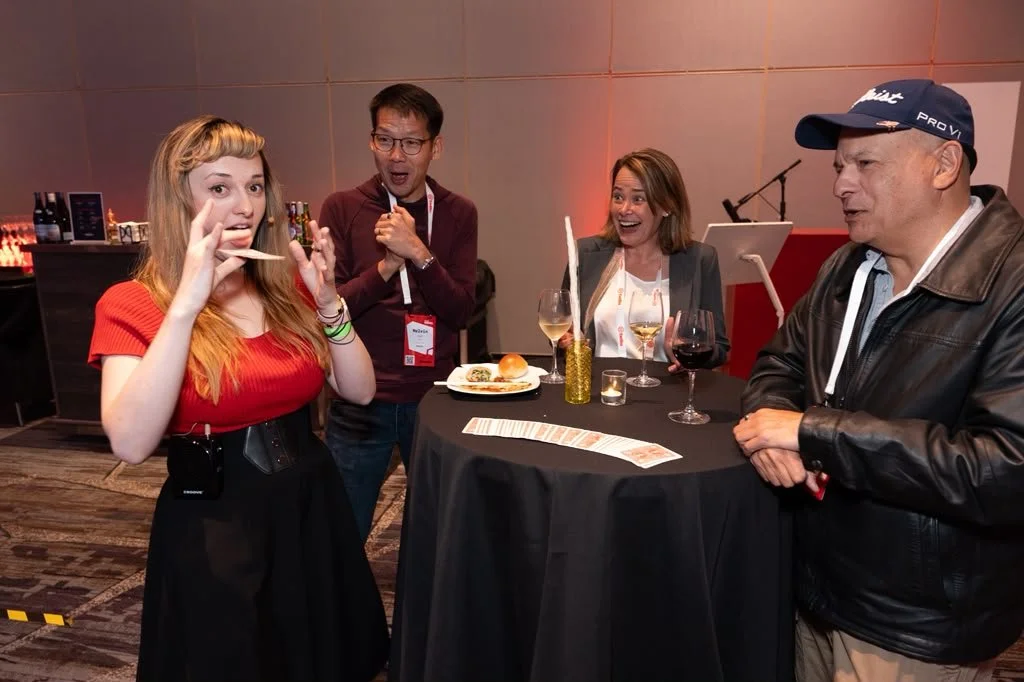
There's also the sugar question. A room of children who've just had cake and squash is a different audience from the same children an hour earlier, and while a good performer will manage it, you're making the job harder for no particular gain. If your venue insists on a fixed catering slot, work around it, but if the choice is yours, birthday party magicians near me bookings almost always go better before the eating rather than after.

Where the Cake Goes

Cake works best at the end, after food, as the closing moment before collection. It's a natural finale, it doesn't require the room to be quiet, and it gives a clean end point.

Some parents like the magician to be present for the cake, and some performers will happily stay for it, though this may extend the booking. If the birthday child would love the magician to be part of that moment, mention it when booking rather than asking on the day. What generally doesn't work is cake in the middle, which creates a second peak of excitement at exactly the point you want energy settling.

How Long the Show Should Be

Length should follow the age group rather than the budget. For three to five year old, around thirty minutes is realistic, and pushing beyond it works against how long children that age can genuinely stay with something.

Six to eight year old comfortably handle forty five minutes. Older children and mixed groups can go longer, and strolling formats work well for them since there's no requirement to sit still. When you contact birthday party magicians near me, expect a good performer to recommend a length based on the ages rather than offering one fixed duration, and be a little suspicious of anyone who doesn't ask.

Build in Buffer Time

The single most useful practical tip. Whatever timeline you write, add ten minutes of slack somewhere, because parties do not run to schedule.

Guests arrive late, food takes longer than expected, a child needs a moment. A timeline with no give means either the show gets squeezed or you're chasing the clock all afternoon. If you've booked birthday party magicians near me for a specific arrival time, tell them the realistic start rather than the optimistic one, and let them know if things slip. A professional expects some drift and will work with it, but only if they know.

Home Parties Versus Hired Venues

The two settings shift the timeline slightly. At home, arrival tends to be more staggered and the boundaries between sections are looser, so allow more settling time and expect the whole thing to be less regimented.

A hired venue usually has a hard finish and often a fixed catering slot, which makes the running order less flexible but easier to hold to. Tell your performer which you're doing, since it affects how they plan. It also affects space: for birthday party magicians near me performing close up or small stage magic, a living room is entirely workable, but they'll want to know it's a living room rather than a hall.

Why Book Magical Katrina

If you'd like a magician who'll help you get the timeline right, here's my case. I'm a member of the Magic Circle in London and the Academy of Magical Arts in Hollywood, I've earned multiple magic awards including a Family Entertainer of the Year honor, and I've appeared on Blippi as a performer and magic consultant, along with Penn & Teller: Fool Us and Masters of Illusion. I'll ask about your running order before the day and recommend a length suited to the ages, I need very little space or setup, I'm used to parties that drift, and I make the birthday child the star of the afternoon. I'm fully insured with a COI available.

Frequently Asked Questions

Should the magician perform first thing?

No, allow at least twenty minutes of settling first. Guests arrive across fifteen or twenty minutes, coats come off, and parents need a word, so a performer starting at the advertised time plays to a third of the room while the rest arrive noisily. That's disruptive and unfair on the children who were punctual. Arrival and free play, then the show, is a far more reliable order.

Where's the best slot in a two hour party?

Roughly twenty minutes of arrival and free play, then the show, then food, then cake, then a short stretch before collection. Running the show before food means children are settled but not yet sugared, they're sitting anyway, and everyone experiences it. Food then functions as the calm after the excitement. Most birthday party magicians near me bookings work best in this shape.

Can we do food first and the show afterwards?

You can, but it's harder. Children eat at wildly different speeds, so the food block expands unpredictably and you can't start until the slowest child finishes. A room that's just had cake and squash is also a different audience from the same children an hour earlier. If your venue has a fixed catering slot, work around it, but if the choice is yours, the show before food goes better.
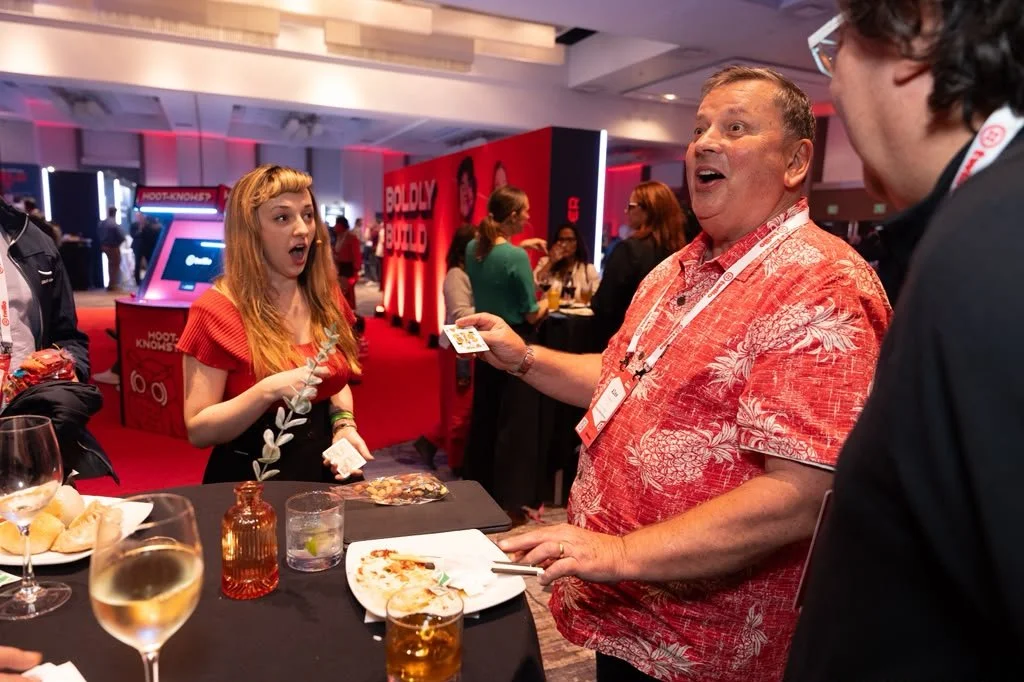
When should we do the cake?

At the end, after food, as the closing moment before collection. It's a natural finale, doesn't need a quiet room, and gives a clean end point. What generally doesn't work is cake in the middle, which creates a second peak of excitement exactly when you want energy settling. If you'd like the magician present for the cake, mention it when booking rather than on the day.

How long should the show be?

Follow the age group. Three to five year old realistically manage around thirty minutes, six to eight year olds comfortably handle forty five, and older or mixed groups can go longer, with strolling formats suiting them since there's no need to sit still. Expect birthday party magicians near me to recommend a length based on ages rather than offering one fixed duration, and be a little wary of anyone who doesn't ask.

What if the party runs late?

Assume it will and build ten minutes of slack into your timeline. Guests arrive late, food takes longer, a child needs a moment. Tell your performer the realistic start time rather than the optimistic one, and let them know if things slip. A professional expects some drift and will work with it, but only if they know rather than discovering it while waiting in your hallway.

How do I book you, and what do you need to get started?

Reach out with your party date, location, your child's age, the guest ages, and rough numbers, plus your rough running order if you have one. That's enough for me to check availability, recommend a length and slot, and send a quote. I'm happy to help you plan the timeline, and a deposit secures your date. Weekends book up quickly, so earlier is better.

Get the Order Right and the Rest Follows

The difference between a party that flows and one that feels frantic is usually just the running order. Give guests time to arrive and settle, put the show before food rather than after, keep cake as the finale, match the length to the ages, and leave slack for the inevitable drift. Do that and the entertainment lands properly, the food is calm, and nobody is being collected mid performance.

If you'd like help getting the timeline right for your party, just ask when you book.

Reach out with your party details and your child's age, and let's plan the afternoon properly.

Katrina Kroetch
Online Magician for Virtual Recruiting and Candidate Events

Online Magician for Virtual Recruiting and Candidate Events

Virtual recruiting has an uncomfortable truth at the center of it. From a candidate's side, every employer's careers session looks the same: a slide deck about values, three employees describing their day, a Q and A where nobody asks anything, and a link to the job portal. Attend four in a week and they blur into a single memory of someone's home office bookshelf.

That's a problem when your entire objective is being remembered favorably by people who have options. I'm Magical Katrina, an award winning magician and mentalist who performs virtually, and I want to explain where an online magician genuinely helps a recruiting program, which is more specific than "makes it fun."

Candidates Are Comparing You

Start with the competitive reality. A strong candidate is attending several employers' events, and your session isn't being judged in isolation, it's being ranked against others that look almost identical.

Differentiation in that context isn't about claiming to be different, since every employer claims that. It's about the candidate's actual experience of the hour they spent with you. An online magician produces a session that's genuinely distinguishable from the others in their calendar, which matters at the point weeks later when they're choosing between offers and going on impressions they can't quite articulate.

Attendance Is the First Problem

Before impressions, there's turnout. Registration for virtual careers events routinely exceeds attendance by a wide margin, because candidates sign up speculatively and then decide it isn't worth the time.

Having something concrete to promote changes that calculation. "Careers information session" is a chore, whereas a session that visibly includes something enjoyable is a different proposition. An online magician gives your talent team a genuine hook for the invitation, and in a market where you're paying for reach through job boards and campus partnerships, converting more registrations into attendees is a straightforwardly efficient improvement.

Assessment Days Need Candidates Performing as Themselves

Here's the most practical application, and the one talent teams tend to find most interesting. Virtual assessment centers have a well known problem: candidates are nervous, the format is stilted, and you end up assessing how people handle video call anxiety rather than how they'd actually work.

An online magician at the start of an assessment day does something useful, breaking the ice before the exercises begin so candidates arrive at the assessed portions warmed up rather than cold. A group that has laughed together in the first twenty minutes behaves more naturally in a group exercise, which produces a better read on the people in front of you. That's an assessment quality argument rather than a hospitality one.

Offer Holder Events Are Worth the Spend

The events where this returns most are the ones aimed at people you've already chosen: offer holder sessions, pre joining events, and anything designed to hold a candidate between acceptance and start date.

That gap is where renege rates live, particularly in graduate hiring, and it's expensive when someone drops out after you've stopped recruiting for the role. An online magician at a pre joining event does two things: it makes the session enjoyable enough that people attend, and it gives future joiners a shared experience with each other, which is exactly what makes a cohort feel connected before day one. Reducing dropout even slightly justifies the spend comfortably.

It Reaches the Quiet Candidates

Worth noting for anyone thinking about inclusion. Virtual events favor the confident: the same candidates ask questions, and quieter people attend silently and leave without any interaction with your company at all.

With an online magician, participation doesn't require speaking up or performing on camera in front of competitors for the same role. Everyone holds an object, everyone reacts, and everyone has the same experience. For a candidate who found the session enjoyable but never spoke, that's still a genuine impression of your organization formed, which is more than most virtual careers events achieve for the majority of their attendees.

It Says Something About You Without Saying It

Employer branding has a credibility problem: every company describes itself as innovative, collaborative, and people focused, and candidates have learned to discount all of it.

Booking an online magician communicates something instead of asserting it. It signals an organization willing to do something unexpected, that thought about the candidate's experience rather than processing them, and that doesn't take itself too seriously. Whether or not any of that is a fair inference, it's the inference candidates draw, and it's considerably more persuasive than a slide claiming the same qualities in words.

Where It Fits in a Recruiting Program

An online magician suits several points in a hiring calendar:

Virtual careers fairs and open evenings. Standing out among identical employer sessions.

Campus and graduate recruitment. Where competition for the same students is direct and intense.

Assessment days. Warming candidates up so you assess them rather than their nerves.

Offer holder and pre joining events. Holding a cohort and building connection before day one.

Internal referral drives. Making an employee facing session worth attending.

Onboarding for remote starters. Where a new joiner's first impression is formed entirely on video.

Why Book Magical Katrina

If you'd like an online magician for your recruiting program, here's my case. I'm a member of the Magic Circle in London and the Academy of Magical Arts in Hollywood, I've earned multiple magic awards, and I've performed for companies including Formula 1, the Olympics, Porsche, Zapier, and the Ritz Carlton, with appearances on Penn & Teller: Fool Us. My virtual material is built specifically for video and designed so everyone participates using ordinary household items, which suits a group of candidates who don't know each other and are nervous. I have a polished technical setup, I work across time zones for international recruiting, and I understand that at a hiring event the objective is the impression rather than the entertainment.

Frequently Asked Questions

How does this help with recruiting specifically?

By making your session distinguishable. Strong candidates attend several employers' events, and your careers session is ranked against others that look almost identical, so differentiation comes from their actual experience rather than from claiming to be different. An online magician produces a session candidates remember weeks later when they're choosing between offers on impressions they can't quite articulate, which is when employer brand actually operates.

Will it improve attendance?

It helps, because registration for virtual careers events routinely exceeds attendance by a wide margin as candidates sign up speculatively then decide it isn't worth the time. "Careers information session" is a chore, whereas a session visibly including something enjoyable is a different proposition. Given that you're paying for reach through job boards and campus partnerships, converting more registrations into attendees is an efficient improvement.

Why use it at an assessment day?

Because virtual assessment centers tend to measure how candidates handle video call anxiety rather than how they'd actually work. An online magician at the start breaks the ice before the exercises begin, so candidates arrive at the assessed portions warmed up rather than cold. A group that has laughed together in the first twenty minutes behaves more naturally in a group exercise, which gives you a better read on the people in front of you.

What about offer holder events?

That's where it returns most. The gap between acceptance and start date is where renege rates live, particularly in graduate hiring, and dropouts are expensive once you've stopped recruiting for the role. An online magician makes a pre joining session enjoyable enough that people attend, and gives future joiners a shared experience with each other, which is what makes a cohort feel connected before day one.

Does it reach quieter candidates?

Better than most formats. Virtual events favor the confident, so the same candidates ask questions while quieter people attend silently and leave without any interaction with your company. Participation here doesn't require speaking up or performing on camera in front of competitors for the same role, since everyone holds an object and reacts. A candidate who enjoyed the session but never spoke has still formed a genuine impression.

Isn't this a bit unserious for hiring?

That depends on the placement, and it's worth being deliberate. It suits careers fairs, offer holder events, assessment day warm ups, and onboarding rather than interviews or formal assessment itself. Used well, it signals an organization that thought about the candidate's experience rather than processing them, which is an inference candidates draw and one that's considerably more persuasive than a slide claiming the same qualities in words.

How do I book you, and what do you need to get started?

Reach out with your event date, platform, expected candidate numbers, the type of session, and where it sits in your hiring process. That's enough for me to check availability, suggest placement and length, and send a quote. From there we'll talk through timing and how it fits around the rest of your program. For campus recruiting cycles, booking ahead of the autumn rush genuinely helps.

Be the Session They Remember

Virtual recruiting is a competition for attention and recall among candidates attending several near identical events. An online magician addresses that directly: a genuine reason to attend, a session that's distinguishable weeks later, candidates warmed up enough at assessment days that you assess them rather than their nerves, offer holders who feel connected to a cohort before day one, and quieter candidates who leave with an impression rather than nothing at all.

If you're building a hiring calendar and want your events to land, I'd love to hear about it.

Reach out with your dates and program, and let's make your sessions worth attending.

Katrina Kroetch
What Does Renting a Magician Actually Include?

What Does Renting a Magician Actually Include?

The word "rental" is a slightly odd fit for what's actually happening. You're not renting equipment that gets returned, you're booking a person's time, skill, and the years behind it, and the practical shape of that arrangement isn't always obvious from a quote.

That vagueness is where misunderstandings start, usually about how long someone is actually performing. I'm Magical Katrina, an award winning magician and mentalist, and I want to set out plainly what a booking from a magician rental near me search typically includes, what's normally extra, and the questions worth asking before you agree to anything.

What You're Actually Paying For

Worth being clear at the outset. A quote covers a performer's time, their preparation, their experience, and the material they've spent years developing, not a piece of equipment with an hourly rate.

That's why two quotes for the same event can differ substantially: you're comparing people rather than products. It also explains why a short booking isn't proportionally cheaper than a long one. A performer travelling to your event, arriving early, and giving you an hour has still committed most of an evening, which is reflected in how quotes are built. Understanding that makes the numbers you receive from a magician rental near me search considerably easier to read.

Performance Time Versus Time on Site

This is the single most common misunderstanding, and it's worth getting straight before you book.

Performance time is how long the magician is actively performing. Time on site is longer, since they'll arrive early and be present around the performance. Those are different numbers, and quotes are normally based on the first. So a two hour booking usually means two hours of performing, not a performer available for whatever two hour window suits your evening.

For strolling magic, that time is typically continuous. For a stage set, it's a defined slot. If your event runs long and you want the magic spread across it, say so, since a magician rental near me option quoting for two hours may be assuming those hours run consecutively.

Travel Is Usually Included in the Quote

Standard practice is for travel to be factored into the figure you're given rather than added afterwards, and any professional will confirm this when quoting.

What varies is how far that extends. Local travel is normally absorbed, while a longer journey may be itemized, and events requiring flights or overnight accommodation will have that reflected. None of that should be a surprise arriving later. When comparing options from a magician rental near me search, ask whether the figure is inclusive, since a slightly higher all in quote can be cheaper than a lower one with travel added.

Setup Is Normally Nothing

Pleasantly straightforward. For close up and strolling magic there is no setup: the performer arrives with everything they need in their pockets and a case, and begins.

For a stage set there may be a brief check of the space, and if a microphone is involved, a sound check. Neither requires anything from you beyond access to the room a little beforehand. What you shouldn't expect from a magician rental near me booking is a load in, a build, or a technical requirement that eats into your schedule, and if a performer's requirements sound elaborate, ask exactly what your venue needs to provide.

Insurance and Paperwork

Most professionals carry public liability insurance and can supply a certificate of insurance on request, which many venues require. This is normally included rather than charged for.

You should also expect a written agreement setting out the date, timings, fee, and terms, alongside a deposit that secures the date with the balance due around the event. None of this should be difficult to obtain. A magician rental near me result who is vague about insurance or reluctant to put terms in writing is telling you something about how they operate, and it's worth taking seriously rather than assuming it's an administrative preference.
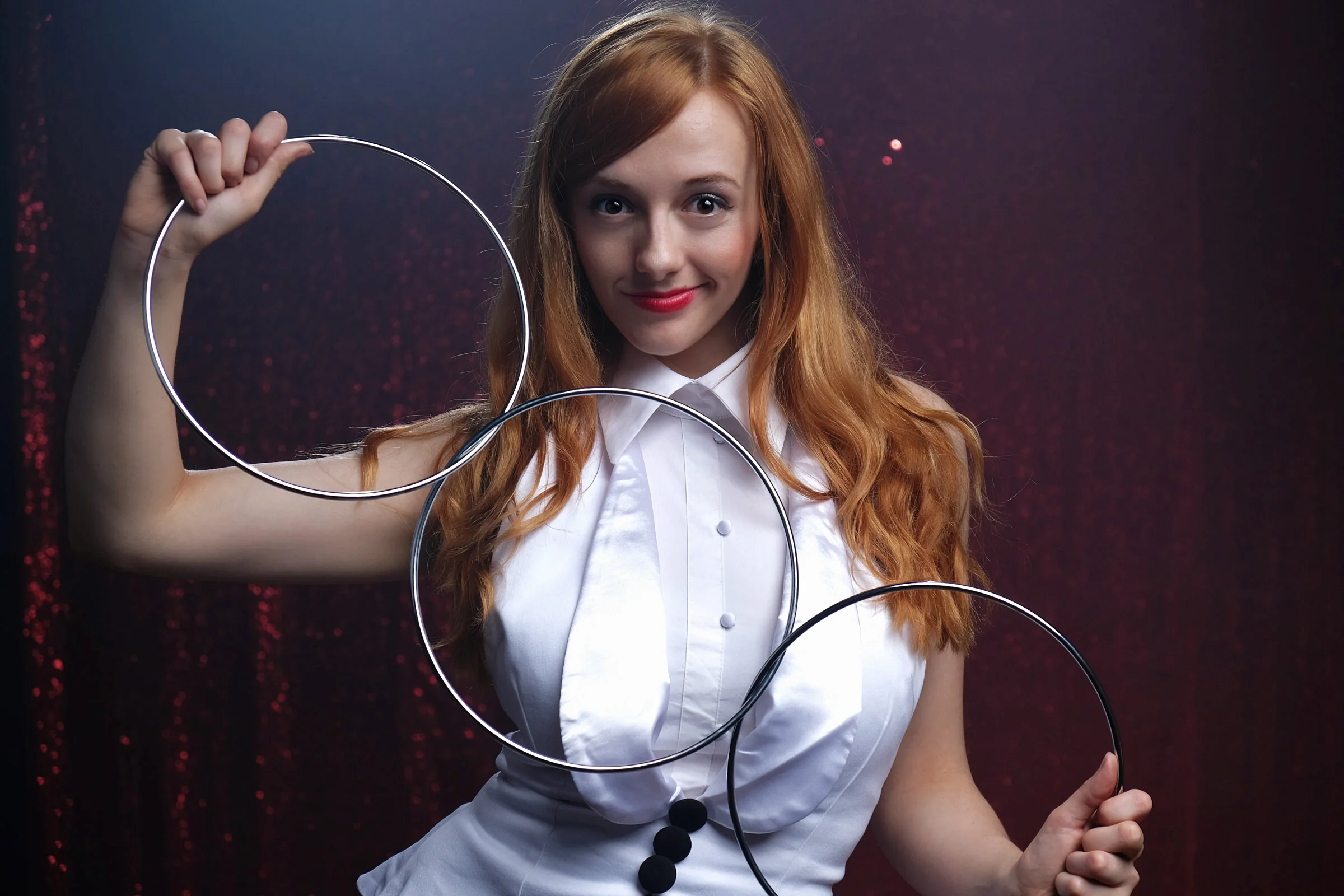
What's Usually Extra

Some things sit outside a standard booking, and it's better to know before than to discover afterwards.

Extended performance time. Adding an hour on the night, if the performer can, is normally chargeable.

Significant customization. Building your brand or a bespoke routine into the material is real work.

Additional performers. Very large events sometimes need two, which is two bookings.

Unusual travel. Flights, overnight stays, or events well outside the normal area.

Very early or very late scheduling. Occasionally reflected, depending on the performer.

Ask about anything on that list which might apply to your event.

The Awkward Questions Worth Asking

A few things clients often don't raise and later wish they had. What happens if your numbers increase significantly, since a performer booked for forty who arrives to a hundred cannot cover the room properly. What the cancellation terms are, in both directions. What happens if the schedule slips on the day and the performance window moves.

Reasonable answers exist for all of these, and a professional from your magician rental near me shortlist will answer without hesitation because they're asked regularly. The concern isn't the specific policy so much as whether someone has one. Vagueness about the awkward scenarios usually means they haven't dealt with enough of them.

What You Should Not Have to Provide

Useful to know so you can push back if asked. You shouldn't need to supply equipment, props, staging, or technical support for close up or strolling magic. You shouldn't be responsible for the performer's sound or lighting.

What you do reasonably provide: access to the venue at the agreed time, accurate information about your event, and somewhere for the performer to leave a coat and case. For a magician rental near me booking, that's genuinely the extent of it, and a performer with a longer list of requirements should be able to explain precisely why each one is necessary.

Why Book Magical Katrina

For transparency about my own terms: I'm a member of the Magic Circle in London and the Academy of Magical Arts in Hollywood, I've earned multiple magic awards, and I've performed for clients including Formula 1, the Olympics, Porsche, and Prada, with appearances on Penn & Teller: Fool Us and Masters of Illusion. My quotes are inclusive and itemized where relevant, with travel factored in rather than added later. I need no setup, staging, or technical support for close up work, I'm fully insured with a COI available, and I provide a written agreement with a deposit securing the date. If something would be extra, I'll say so before you book rather than afterwards.

Frequently Asked Questions

Does a two hour booking mean two hours of performing?

Normally yes, and this is the most common misunderstanding worth clarifying. Performance time is how long the magician is actively performing, while time on site is longer since they arrive early. Quotes are usually based on performance time, so a two hour booking generally means two hours of performing rather than availability across whatever window suits your evening. If you want the magic spread across a longer event, say so when enquiring.

Is travel included?

Usually it's factored into the quote rather than added afterwards, though this varies with distance. Local travel is normally absorbed, longer journeys may be itemized, and events requiring flights or overnight accommodation will reflect that. Ask whether the figure is inclusive when comparing options from a magician rental near me search, since a slightly higher all in quote can work out cheaper than a lower one with travel on top.

What setup do we need to provide?

For close up and strolling magic, none. The performer arrives with everything they need and begins, with no load in, build, or technical requirement eating into your schedule. A stage set may involve a brief check of the space and a sound check if a microphone is used. What you reasonably provide is venue access at the agreed time, accurate event information, and somewhere to leave a coat and case.

What typically costs extra?

Extended performance time added on the night, significant customization such as building your brand into the material, additional performers for very large events, unusual travel involving flights or overnight stays, and occasionally very early or very late scheduling. None of that should appear as a surprise. Ask about anything that might apply to your event before booking rather than discovering it in a final invoice.

What should we ask that most people don't?

What happens if your guest numbers increase significantly, since a performer booked for forty who arrives to a hundred cannot cover the room properly. What the cancellation terms are in both directions. And what happens if your schedule slips and the performance window moves. Reasonable answers exist for all of these, and any professional from a magician rental near me shortlist will answer without hesitation.

Is insurance included?

Normally yes. Most professionals carry public liability insurance and supply a certificate on request, which many venues require, and it isn't usually charged for separately. You should also expect a written agreement covering date, timings, fee, and terms, with a deposit securing the date. Reluctance to provide either is worth taking seriously rather than treating as an administrative quirk.

How do I book you, and what do you need to get started?

Reach out with your event date, location or venue, event type, and rough guest count, plus how long you'd like the performance and anything specific you're hoping for. I'll send a clear inclusive quote setting out exactly what's covered, along with a written agreement. A deposit secures the date, and I'll flag anything that would be extra before you commit rather than afterwards.

Know What You're Buying

Working through magician rental near me results is easier once you know what a booking normally contains: performance time rather than availability, travel usually inclusive, essentially no setup, insurance and a written agreement as standard, and a short list of things that reasonably cost extra. Ask about the awkward scenarios too, since how someone answers those tells you more than the headline figure does.

If you'd like a quote that sets all of this out plainly, I'd be glad to send one.

Reach out with your event details, and I'll tell you exactly what's included.

Katrina Kroetch
Women's History Month Event Ideas for Universities and Student Groups

Women's History Month Event Ideas for Universities and Student Groups

Student societies plan Women's History Month against a specific set of obstacles. Your committee is doing this around a full degree, your budget is whatever the union allocated or you raised at a bake sale, and your audience has coursework, jobs, and a social life competing for the same evening. Attendance is the constant worry, and a well intentioned panel in a lecture theatre for eleven people is a demoralizing outcome.

I'm Magical Katrina, an award winning magician and mentalist who speaks at women's events, and I want to offer Women's History Month event ideas that suit campus realities rather than assuming a budget and a staff team you don't have.

Students Want Useful, Not Inspirational

The most important shift, and the one that changes attendance most. Students are close enough to graduating that abstract encouragement about believing in yourself lands poorly, because they have immediate practical questions and nobody is answering them.

So the strongest Women's History Month event ideas on a campus are the ones that solve something. How to negotiate a first salary. What to do when you're the only woman in a lab group or a seminar. How to write an application that gets read. What a career in a field actually looks like day to day. Sessions that send students away able to do something outperform sessions that send them away feeling briefly motivated, and they get recommended to friends, which is how campus attendance actually grows.

Get Alumnae in the Room

The single highest value thing a student society can arrange, and often the cheapest, is access to women who graduated from your course five or ten years ago.

They're findable, frequently willing, and they answer the questions students genuinely have, because they were asking them recently. Among Women's History Month event ideas, an alumnae panel works far better than an external speaker panel when the alumnae talk specifics: what their first job paid, what they got wrong, how they handled a particular situation. Ask them to prepare specifics rather than general advice, since the default mode for a panel is vague encouragement and it takes an instruction to avoid it.

Run a Skills Workshop

Practical, repeatable, and genuinely valued. A workshop where students practice something, rather than hear about it, is consistently among the best attended Women's History Month event ideas on a campus.

Negotiation is the obvious one, ideally with real scripts and role play rather than theory. Public speaking in small groups with feedback. CV and application clinics, particularly if you can get someone who actually recruits. Interview practice. These require a room and a facilitator rather than a budget, and if you can find an academic, a careers service staff member, or an alumna to run one, the cost is close to nothing.

Collaborate With Other Societies

Most student events fail on promotion rather than content, and collaboration is the cheapest fix available. A women in STEM society, a law society, a business society, and a general women's group all have their own mailing lists and their own members.

Running one event jointly rather than four separate ones means a bigger room, shared costs, and four sets of promotion. Among Women's History Month event ideas, this is the structural decision that most reliably improves turnout, and it also produces better programming, since a jointly planned event tends to be more ambitious than one committee could manage alone. Approach other societies in January, since March fills up quickly on a campus calendar.

Feed People

Unglamorous and consistently effective. Students attend events with food, and this is not cynicism, it's a genuine constraint on people living on a budget and going straight from lectures.

Among Women's History Month event ideas on a tight budget, spending on pizza rather than on decoration or promotional materials is almost always the better allocation. It also keeps people in the room afterwards, which is when the useful conversations happen, and it gives students who came alone something to do with their hands while working out who to talk to. If you have fifty pounds, spend it on food.

Program Something Enjoyable, Not Only Serious

A common pattern is a month of earnest sessions with no lighter moments, which is worthy and quite tiring, and it means students who aren't already engaged never come to anything.

At least one genuinely enjoyable event, a social, a performance, a quiz, a film screening with discussion, does two jobs: it reaches students who wouldn't attend a panel, and it gives your committee something easy to promote. Among Women's History Month event ideas, the entry point event matters, because a student who comes for the enjoyable thing and has a good time is considerably more likely to attend the serious thing next week.

Include Male Students Explicitly

Worth being direct, because campus programming frequently gets this wrong by omission rather than intention. Events that read as being for women attract almost entirely women, which halves the reach and misses the students whose assumptions matter most for how they behave in seminars, group projects, and eventually workplaces.

Say explicitly that everyone is welcome in the promotion, and consider whether your framing invites or excludes. Among Women's History Month event ideas, the ones with genuinely mixed attendance tend to be practical sessions and enjoyable events rather than discussion panels, which is another argument for programming both.

Promote Properly, and More Than Once

Finally, the practical thing student committees most underestimate. One post on a society page is not promotion, and a poster nobody reads is not promotion.

Announce it early, repeat it, use the channels students actually check, ask other societies and course reps to share it, and get it into departmental newsletters if you can. Give people a concrete reason to come rather than a description of the theme: what will they learn, who will they meet, will there be food. Among all these Women's History Month event ideas, the best programmed event badly promoted will lose to a mediocre one everybody heard about three times.

Where My Work Fits

Briefly, since it's relevant. I perform magic and mentalism and speak about building a career in a field, magic, that has been overwhelmingly male, which suits university programming as either a performance or a talk woven with magic.

It tends to work as the enjoyable entry point event that also carries the theme, drawing students who wouldn't attend a panel while still saying something. Practically it needs no stage or AV, which suits student union rooms, and it works for a small society meeting or a larger joint event. If your society is planning something for March, I'm glad to talk it through.

Frequently Asked Questions

What do students actually turn up to?

Practical sessions rather than inspirational ones. Students are close enough to graduating that abstract encouragement lands poorly while immediate questions go unanswered, so the strongest Women's History Month event ideas solve something: negotiating a first salary, handling being the only woman in a lab group, writing applications that get read. Sessions that send students away able to do something get recommended to friends, which is how campus attendance grows.

How do we program this with almost no budget?

Prioritize people over production. Alumnae are often willing and cost nothing, skills workshops need a room and a facilitator rather than money, and collaborating with other societies shares whatever costs exist. If you have a small amount to spend, spend it on food rather than decoration or promotional materials, since students attend events with food and stay afterwards, which is when the useful conversations happen.

How do we improve attendance?

Collaborate and promote properly. Running one joint event with several societies gives you a bigger room, shared costs, and multiple mailing lists, which is the structural decision that most reliably improves turnout. Then announce early, repeat it, use channels students actually check, and give a concrete reason to attend rather than a description of the theme. The best programmed event badly promoted loses to a mediocre one everybody heard about.

Are alumnae better than external speakers?

Often, yes, particularly if you ask them for specifics. Graduates from five or ten years ago answer the questions students genuinely have, because they were asking them recently, and they're findable and frequently willing. The key is instructing them to talk about specifics, what their first job paid, what they got wrong, how they handled a situation, since the default mode for any panel is vague encouragement.

Should everything be serious?

No, and a month of earnest sessions with no lighter moments is worthy and tiring, and it means students who aren't already engaged never attend anything. At least one genuinely enjoyable event, a social, a performance, a screening with discussion, reaches students who wouldn't come to a panel and gives your committee something easy to promote. Someone who enjoys the entry point event is likelier to attend the serious one next week.

How do we get male students to come?

Say explicitly that everyone is welcome, and look honestly at whether your framing invites or excludes. Events that read as being for women attract almost entirely women, which halves your reach and misses the students whose assumptions most affect how they behave in seminars, group projects, and later workplaces. Practical sessions and enjoyable events tend to draw mixed attendance more readily than discussion panels.

Do you do university events?

Yes. I perform magic and mentalism and speak about building a career in a field that has been overwhelmingly male, as a performance, a talk woven with magic, or both. It works well as an enjoyable entry point event that still carries the theme, it needs no stage or AV, which suits student union spaces, and it scales from a society meeting to a larger joint event. Reach out with your date and expected numbers.

Plan for the Students You Have

Campus Women's History Month event ideas work when they account for reality: committees with no spare time, budgets measured in tens rather than hundreds, and students choosing between your event and a deadline. Program things that are practically useful, get alumnae in the room, collaborate rather than competing with other societies, feed people, include at least one genuinely enjoyable event, welcome everyone explicitly, and promote it more than you think necessary.

If an enjoyable event that still says something would help your program, I'd be glad to hear about it.

Reach out with your date and numbers, and let's put on something students turn up to.

Katrina Kroetch
Magicians in Las Vegas for Race Weekends and Sporting Event Hospitality

Magicians in Las Vegas for Race Weekends and Sporting Event Hospitality

Corporate hospitality around a major sporting event has an odd shape. You've spent a great deal of money on access to something that occupies a surprisingly small portion of the weekend, and the rest of the time your guests are in a suite, a lounge, or a hotel bar, waiting for the next session and making conversation.

That waiting is where hospitality either works or doesn't. I'm Magical Katrina, an award winning magician and mentalist who has performed for Formula 1 among others, and I want to explain where magicians in Las Vegas fit into a race weekend or fight night, and why the answer is around the event rather than competing with it.

The Event Is Not the Problem, the Gaps Are

Start with the structural reality. A race weekend involves practice sessions, qualifying, and the race itself, spread across days with substantial gaps between them. A fight card runs for hours before the bout everyone came for. A tournament weekend has games, and then a great deal of time that isn't games.

Your guests are well looked after during the event portions, because the event does that job. The rest of the time, hospitality is carrying the weekend on food, drink, and conversation, which is a lot to ask of a group who may not know each other well. Magicians in Las Vegas working those gaps give the downtime a shape it otherwise lacks, without touching the part your guests actually came for.

Don't Compete With the Main Attraction

Worth saying plainly, because it's how sporting hospitality entertainment usually goes wrong. Nobody wants a performance during qualifying, and any entertainment that requires attention while something is happening on a screen will be resented rather than enjoyed.

Close up magic is well suited precisely because it doesn't demand the room. A magicians in Las Vegas booking for this kind of weekend should be working the lulls: before sessions start, during the long stretch between qualifying and the evening, at a dinner, or in a suite when the screens have gone quiet. It moves between small groups in short bursts and stops when attention shifts back to the event, which is the only way entertainment works in this setting.

Your Guests Are There for Something Else

This changes the tone of what you book. At a company party, the entertainment is the point. At a race weekend, your guests came for the racing, and everything else is hospitality around it.

That argues for something intimate rather than staged. Magicians in Las Vegas performing close up magic among guests fits the register of a suite or lounge, where the atmosphere is conversational and slightly informal. It adds to the weekend without announcing itself as a scheduled item on an itinerary your guests didn't ask for. The best hospitality entertainment at these events feels like something that happened rather than something that was arranged.

Suites and Lounges Suit Close Up Work

Practically, the spaces you're hosting in are usually not built for performance. A suite has seating, screens, a bar, and thirty people, with no stage, no sound system available to you, and no space to create either.

That rules out most entertainment and suits close up magic exactly. A performer needs nothing but the room as it is, moves between groups wherever they've settled, and adds nothing to your logistics. For a hospitality manager already coordinating credentials, transport, catering, and a schedule that moves when the event schedule moves, entertainment with no requirements at all is worth a great deal.

It Breaks the Ice Between Guests

Sporting hospitality frequently assembles people who don't know each other: clients from different accounts, prospects, partners, and internal staff, thrown together for three days on the assumption that proximity produces relationships.

It often doesn't, at least not quickly. Magicians in Las Vegas accelerate that considerably, because shared astonishment gives near strangers an immediate genuine thing to react to. That matters most on the first evening, since a group that has connected early spends the remaining days actually talking rather than gradually warming up. For hospitality whose entire purpose is relationships, the timing of that thaw affects the return on the whole weekend.

It Gives You Something Beyond the Ticket

Here's the commercial argument. Your guests can, in principle, buy tickets themselves. What they can't buy is the experience you built around them, and that's the part that distinguishes your hospitality from a competitor's who invited the same clients to the same event.

Magicians in Las Vegas performing privately for your group is something arranged for them rather than accessed by them, which is a genuinely different signal. It also gives guests a specific story to tell colleagues afterwards, and that story has your company attached to it. For an expensive weekend justified on relationship value, having something memorable that isn't the event itself is worth planning for.

Fit It Around a Schedule That Moves

A practical note specific to sporting events: the schedule shifts. Sessions run long, delays happen, and a bout starts when it starts. Anything requiring a fixed time slot is a liability.

Magicians in Las Vegas performing strolling close up magic are unusually flexible here, since the work happens in whatever window opens rather than at an appointed hour. Tell your performer roughly when the gaps are likely to fall and they can work with the actual shape of the day. For a weekend where your carefully planned itinerary will be revised at least twice, that adaptability is more valuable than it sounds.

A Note on "Local vs. Traveling In"

Worth knowing: the best of the magicians in Las Vegas available for a major event weekend may travel in, and these weekends book out locally faster than almost anything. Travel is discussed openly, factored into the quote, and handled by the performer rather than by you. I'm based in the Los Angeles area and travel to Las Vegas regularly. For a peak weekend, widening the search geographically is one of the more effective things you can do.

Why Book Magical Katrina

If you're hosting around a Vegas event weekend, here's my case. I'm a member of the Magic Circle in London and the Academy of Magical Arts in Hollywood, I've earned multiple magic awards, and I've performed for clients including Formula 1, the Olympics, Porsche, Prada, and the Ritz Carlton, with appearances on Penn & Teller: Fool Us and Masters of Illusion. I understand that at an event weekend the hospitality serves the relationships rather than the entertainment taking center stage, so I work the gaps and stop when attention goes back to the screens. I need no stage, power, or setup, I adapt to a schedule that moves, and I'm fully insured.

Frequently Asked Questions

Where does entertainment fit when the event is the main draw?

In the gaps, which are more substantial than people expect. A race weekend spreads practice, qualifying, and the race across days with long stretches between, and a fight card runs for hours before the main bout. Your guests are looked after during the event itself, so magicians in Las Vegas should work the downtime, before sessions, between qualifying and the evening, at dinner, or in a suite when the screens go quiet.

Won't it compete with the event itself?

Not if it's handled properly, and close up magic is well suited because it doesn't demand the room. Nobody wants a performance during qualifying, and entertainment requiring attention while something is happening on screen gets resented. A performer working this kind of weekend moves between small groups in short bursts and stops when attention shifts back to the event, which is the only approach that works here.

Does it work in a hospitality suite?

Particularly well, since suites have seating, screens, a bar, and thirty people, with no stage, no sound system available to you, and no space to create either. That rules out most entertainment and suits close up magic exactly, since a performer needs nothing but the room as it is and moves between groups wherever they've settled. It adds nothing to your logistics, which matters on an already complicated weekend.

How does it help with client relationships?

By accelerating the thaw. Sporting hospitality assembles clients, prospects, partners, and staff who often don't know each other, on the assumption that proximity produces relationships, which it does slowly. Shared astonishment gives near strangers an immediate genuine thing to react to, and a group that connects on the first evening spends the remaining days actually talking rather than gradually warming up.

What if the schedule changes?

It will, and that's an argument for this format. Sessions run long, delays happen, and a bout starts when it starts, so anything requiring a fixed slot is a liability. Magicians in Las Vegas performing strolling close up magic work in whatever window opens rather than at an appointed hour. Tell your performer roughly when gaps are likely and they'll work with the actual shape of the day.

Why not just rely on the tickets and the venue?

Because your guests could, in principle, buy tickets themselves, and your competitor may have invited the same clients to the same event. What distinguishes your hospitality is what you built around it. Something arranged privately for your group rather than accessed by them is a different signal, and it gives guests a specific story to tell colleagues afterwards with your company attached to it.

How do I book you, and what do you need to get started?

Reach out with your dates, the suite or venue, guest numbers, and a rough outline of the weekend including where the gaps are likely to fall. That's enough for me to check availability and send a quote. From there we'll settle which windows suit best and how flexible the timing needs to be. Major event weekends book out very early in Vegas, so early enquiries genuinely matter.

Host the Gaps, Not the Event

A sporting event weekend takes care of itself for a few hours and leaves you responsible for the rest. That's where hospitality is won or lost, and where magicians in Las Vegas genuinely help: filling the downtime with something memorable, connecting guests who arrived as strangers, fitting a schedule that keeps moving, and giving your clients something they couldn't have arranged for themselves.

If you're hosting around a Vegas event weekend, I'd love to hear what you're planning.

Reach out with your dates and itinerary, and let's make the whole weekend work.

Katrina Kroetch
When to Book a Magician in New York

When to Book a Magician in New York

Most advice about booking entertainment says "book early," which is true and completely unhelpful, because it doesn't tell you what early means for your particular event. Early for a December corporate party and early for a Tuesday in February are different by several months.

New York also has sharper seasonal peaks than most cities, which means the same enquiry can be easy in one month and hopeless in another. I'm Magical Katrina, an award winning magician and mentalist, and I want to lay out the actual booking calendar for magicians New York clients hire, so you know where your event sits and how much time you genuinely have.

December Is the Hardest Month

Nothing else comes close. The corporate holiday party season compresses an enormous amount of demand into roughly four weeks, and within that, the first three weeks of December on a Thursday or Friday are the most contested dates of the entire year.

Realistically, if you want a specific performer for a prime December date, you're looking at booking in the summer. By October, most established magicians New York companies book will have their best December dates gone, and by late November you're choosing from whoever remains. If your holiday party is a fixed annual event, the sensible approach is booking next year's as soon as this year's date is confirmed.

Gala Season Runs Twice

New York's benefit and fundraising calendar concentrates in two windows: roughly late April through June, and late September through November. Those months carry an extraordinary density of gala dinners, and the good venues and performers are claimed early.

For a gala, three to six months ahead is a reasonable target, and committees planning an annual event should be booking considerably further out. Because gala dates are usually fixed long in advance for venue reasons, there's rarely an excuse for a late entertainment booking, and organizers who leave it until the run of show is being finalized have effectively narrowed their options to whoever is free.

Wedding Season Has Its Own Rules

Wedding bookings run further ahead than anything else. Couples routinely book magicians New York based on their venue eighteen months out, and a year ahead is entirely normal.

The peak is roughly May through October, with September and October particularly contested, and Saturdays across those months disappear first. If your wedding falls in peak season on a Saturday, treat entertainment as something to arrange once you've confirmed the venue rather than as a final detail. Off season and weekday weddings genuinely do have more availability, which is one of several practical arguments for them.

Launches and Brand Events Move Faster

Corporate launches, press events, and activations work on shorter timelines, often four to eight weeks, sometimes less. That's simply how the industry runs, and performers who do this work expect it.

The tradeoff is choice. A launch booked six weeks out will find good magicians New York available, but not necessarily the specific person you saw and wanted, particularly if your date falls near a peak. If you have any flexibility on date, ask about availability before fixing it. And if you're planning a series of activations across a quarter, booking them together is far easier than approaching each one separately as it arrives.

The Quieter Windows

Useful to know, because they're genuinely easier. January and February are the quietest months in New York for this work, with the exception of certain corporate events. Mid summer, particularly late July and August, is quieter as the city empties.

If your event is flexible on timing, or you're planning something internal that could happen at any point, these windows offer better availability and often more attentive planning, since performers have more room to think about your event specifically. Among magicians New York clients approach, the same person who has three enquiries for a December Thursday will have considerably more time for a February one.

How Far Ahead by Event Type

A rough summary you can work from:

Weddings in peak season. Twelve to eighteen months, particularly for Saturdays.

December corporate parties. Six months, ideally booked the previous summer.

Galas and fundraisers. Three to six months, longer for annual events with fixed dates.

Conferences and trade shows. Three to six months, since these are planned far ahead anyway.

Launches and activations. Four to eight weeks is normal, though earlier widens your choice.

Private parties. Two to three months, more if it falls in a peak season.

Booking Early Buys Choice, Not Just Availability

Worth understanding what you're actually gaining, because it isn't only avoiding disappointment. Booking early means selecting from everyone rather than from whoever remains, which is the difference between hiring the right performer and hiring an available one.

It also means a better planning conversation. A performer with three months to think about your event will ask more questions, suggest more, and tailor more than one confirming a booking eleven days out. Among magicians New York clients hire, the quality difference between an early booking and a late one shows up in preparation as much as in who you end up with.

If You're Already Late

None of this helps if your event is in three weeks, so practically: enquire anyway, and enquire widely rather than sequentially. Availability is genuinely unpredictable, cancellations happen, and performers occasionally have gaps in otherwise busy periods.

Be flexible where you can, since a Tuesday or an earlier start might open options a Friday evening won't. Be upfront about the timeline rather than burying it, because a performer who can't help will tell you quickly and might suggest someone who can. And consider looking beyond locally based magicians New York results, since performers who travel in are sometimes available when local ones aren't.

A Note on "Local vs. Traveling In"

Relatedly, worth knowing: performers who travel to New York have a different calendar from those based there, so a date that's impossible locally is sometimes straightforward for someone travelling. I'm based in the Los Angeles area and travel to New York for events, with travel discussed openly and factored into the quote. If your date is contested, widening the search geographically is one of the more effective things you can do.

Why Book Magical Katrina

If you're planning ahead, here's my case. I'm a member of the Magic Circle in London and the Academy of Magical Arts in Hollywood, I've earned multiple magic awards, and I've performed for clients including Formula 1, the Olympics, Porsche, and Prada, with appearances on Penn & Teller: Fool Us and Masters of Illusion, across events in over 20 countries. I blend close up magic with mentalism, which suits New York's discerning audiences, I confirm quickly with a clear quote and written agreement, and I'm fully insured with a COI available for your venue. I travel to New York regularly, so my calendar may differ from locally based performers.

Frequently Asked Questions

When should I book for a December corporate party?

The summer before, realistically. December compresses enormous demand into four weeks, and the first three weeks on a Thursday or Friday are the most contested dates of the year. By October most established magicians New York companies book will have their best December dates gone, and by late November you're choosing from what remains. For a fixed annual party, book next year's when this year's date is confirmed.

How far ahead do weddings need?

Twelve to eighteen months is normal, particularly for Saturdays in peak season, which runs roughly May through October with September and October most contested. Couples routinely book based on their venue rather than treating entertainment as a final detail. Off season and weekday weddings genuinely have better availability, which is one of several practical arguments in their favor if you have flexibility.

What about a gala or fundraiser?

Three to six months, and longer for annual events with dates fixed well in advance. New York's benefit calendar concentrates in two windows, roughly late April through June and late September through November, and those months carry extraordinary density. Since gala dates are usually set early for venue reasons, there's rarely a good reason to leave entertainment until the run of show is being finalized.

Are launches and brand events different?

Yes, they run on shorter timelines, often four to eight weeks and sometimes less, which is simply how the industry works. The tradeoff is choice rather than availability: you'll find good magicians New York at six weeks, but not necessarily the specific person you wanted, especially near a peak. If you have flexibility on date, ask about availability before fixing it.

When is it easiest to book?

January and February are the quietest months, with some corporate exceptions, and mid summer is quieter as the city empties, particularly late July and August. If your event is flexible on timing, these windows offer better availability and often more attentive planning, since a performer with three enquiries for a December Thursday has considerably more time for a February one.

My event is in three weeks. Is it hopeless?

Not necessarily. Enquire anyway and enquire widely rather than sequentially, since availability is unpredictable and cancellations happen. Be flexible where possible, as a Tuesday or an earlier start might open options a Friday evening won't. Be upfront about the timeline so anyone who can't help says so quickly. And consider performers who travel in, since their calendars differ from locally based ones.

How do I check your availability?

Reach out with your date, location or venue, event type, and rough guest count, and I'll confirm availability quickly and send a clear quote. If your date is already taken I'll say so immediately rather than leaving you waiting, and if I think another format or timing would serve your event better, I'll mention that too. A deposit secures the date once you're happy.

Know Where Your Event Sits

The useful version of "book early" is knowing your own calendar. A peak season Saturday wedding and a February internal event are entirely different problems, and treating them the same is how people end up disappointed. Work out which window your event falls in, aim for the lead time that matches, and understand that booking early buys you choice and preparation rather than simply avoiding a scramble.

If you're planning something in New York, whenever it is, I'd be glad to check availability.

Reach out with your date and details, and let's see what's possible.

Katrina Kroetch
Women's History Month for Kids: A Practical Guide for Classroom Teachers

Women's History Month for Kids: A Practical Guide for Classroom Teachers

March arrives, and somewhere in the back of your mind is the knowledge that you should probably do something for Women's History Month. There's no time in the curriculum for a new unit, the display board is already covered in something else, and the default option, printing biographies of five famous women and putting them on the wall, doesn't feel like it achieves much because it probably doesn't.

I'm Magical Katrina, an award winning magician and mentalist who performs for schools, and I want to offer a practical take on Women's History Month for kids from the perspective of what actually works in a classroom, given the time you genuinely have rather than the time an ideal version of this would require.

The Poster Problem

Let's start with why the standard approach underdelivers. A display of notable women is not wrong, and it's certainly better than nothing, but children walk past displays. The information doesn't get engaged with, it gets absorbed at roughly the level of wallpaper.

The reason is that biography without context is inert. A name and a photograph and a sentence about being the first woman to do something communicates a fact rather than an idea. Effective Women's History Month for kids work gives children something to do with the information: a question to answer, a pattern to notice, something to make, or a person to actually meet. The display can stay, it just shouldn't be the whole strategy.

Embed It Rather Than Adding It

The single most useful principle for a teacher with no spare hours: don't create a separate unit, put it inside what you're already teaching.

If you're doing a science topic, the relevant scientist can be a woman. If you're studying a historical period, spend a lesson on what women's lives actually involved rather than treating it as a side note. In math’s, use a mathematician. In English, choose a text with a girl solving the problem. Framed this way, Women's History Month for kids costs you no additional curriculum time, and it arguably works better, because it presents women's contributions as part of the subject rather than as a special topic bolted on in March.

What Works at Primary Level

For younger children, abstract framing does very little, since the concept of historical underrepresentation isn't yet meaningful. What shapes their sense of normal is simply what they repeatedly see.

So the practical work here is exposure: stories where girls invent and explore and solve, picture book biographies of women in unexpected jobs, and images of women doing things children wouldn't predict. No explanation required, and explanation often gets in the way. A child who has encountered a female engineer, pilot, or deep sea diver in a story doesn't need to be told women can do those things. Women's History Month for kids at this level is mostly a curation task rather than a teaching one.

What Works at Upper Primary and Middle School

From roughly seven or eight, children can do something considerably more interesting: notice patterns themselves.

Give them the analytical task rather than the conclusion. Ask them to count the male and female characters in the books on the classroom shelf, or the named scientists in their textbook, or who solves the problem in the films they watch. Children are startlingly good at this and reach the point unaided, which lands far better than being told it. Among approaches to Women's History Month for kids, this one turns a passive topic into an investigation, and the conclusions belong to them rather than to you.

What Works With Teenagers

Older students reject anything that feels like a lesson in what to think, particularly the ones who most need it to land. The framing has to change.

What works is genuine complexity: primary sources, real historical argument, honest discussion of why certain contributions were recorded and others weren't, and figures whose stories aren't tidy. It also means being willing to let students disagree in discussion rather than steering them to the expected conclusion. Women's History Month for kids at secondary level works when it's treated as history with genuine intellectual content, and fails when it's treated as a message to be delivered.

Bring Someone In If You Can

The highest impact option, and worth the organizational effort if your school can manage it, is putting a real woman in front of students doing something they didn't expect.

Demonstration outperforms instruction at every age, and a visitor whose job surprises children does more in twenty minutes than a fortnight of display material. The more unexpected the field, the better: an engineer, a pilot, a stunt performer, a marine biologist, a magician. It also makes the month memorable, and memorable is the whole game, since forgettable Women's History Month for kids programming achieves nothing regardless of how well intentioned it was.

Include the Boys Deliberately

Worth stating plainly because it's the most common structural error. Programming that implicitly targets girls, or worse, physically separates them for a special session, teaches the boys something you didn't intend.

Boys form their assumptions about who does what during exactly these years, and a boy who watches a woman be visibly excellent at something impressive carries that into how he behaves as a colleague and manager decades later. Whole class, same content, same message. Women's History Month for kids aimed at half the class misses the audience whose assumptions have the longer consequences.

Aim Small and Honest

Finally, a note on expectations. There's a temptation to frame this work as transformative, and children detect inflated framing immediately.

What a month of good work realistically achieves is modest: a few children whose sense of what's possible has widened slightly, one visitor someone remembers, a pattern noticed that can't be unnoticed. Those accumulate over years of schooling into something substantial, but no single March does it. Planning Women's History Month for kids with that in mind produces better work than aiming for a transformation, because you'll choose the small genuine thing over the grand gesture.

Where My Work Fits

Briefly, since it's relevant. Magic has historically been overwhelmingly male, and I perform for schools and family audiences, sometimes alongside talking about building a career in a field where women were the exception.

It works for school programming for practical reasons: an assembly reaches a whole year group at once, it needs no stage or AV, and it draws children who wouldn't engage with a talk. The recalibration I notice in the room, particularly among the girls, when the person doing the impossible thing turns out to be a woman, is demonstration rather than instruction, which is the thing that actually sticks. If your school is planning something for March, I'm glad to hear about it.

Frequently Asked Questions

How do I fit this in with no spare curriculum time?

Embed it rather than adding it. Put the relevant scientist, mathematician, or historical figure inside the topic you're already teaching, or choose a text where a girl solves the problem. Framed that way, Women's History Month for kids costs no additional teaching hours and arguably works better, since it presents women's contributions as part of the subject rather than as a special topic bolted on for March.

Why aren't displays enough on their own?

Because children walk past displays and absorb them at roughly the level of wallpaper. Biography without context is inert: a name, a photograph, and a sentence about being first communicates a fact rather than an idea. Effective work gives children something to do with the information, a question to answer, a pattern to notice, something to make, or a person to meet. Keep the display, just don't let it be the strategy.

What works with younger children?

Exposure rather than explanation, since historical underrepresentation isn't a meaningful concept at that age. Use stories where girls invent, explore, and solve, picture book biographies of women in unexpected jobs, and images of women doing things children wouldn't predict. A child who meets a female engineer or pilot in a story doesn't need telling that women can do those jobs. At this level it's mostly a curation task.

What works with older students?

Give them the analytical task rather than the conclusion. Upper primary children can count male and female characters on the classroom shelf or named scientists in a textbook and reach the point unaided, which lands far better than being told. Teenagers need genuine complexity: primary sources, real historical argument, and freedom to disagree in discussion. Women's History Month for kids works at secondary level when treated as history with intellectual content.

Should boys be included?

Yes, and separating them out teaches something unintended. Boys form assumptions about who does what during exactly these years, and one who watches a woman be visibly excellent carries that into how he behaves as a colleague and manager decades later. Whole class, same content, same message. Programming aimed at half the class misses the audience whose assumptions have the longer consequences.

Is a visiting speaker or performer worth the effort?

Usually yes, if your school can manage the organization. Demonstration outperforms instruction at every age, and a visitor whose job surprises children does more in twenty minutes than a fortnight of display material, particularly if the field is genuinely unexpected. It also makes the month memorable, which matters, since forgettable programming achieves nothing regardless of how well intentioned it was.

Do you visit schools?

Yes. I perform magic and mentalism for school and family audiences and can also speak about building a career in a field where women were long the exception. It suits assemblies practically, reaching a whole year group at once with no stage or AV required, and it engages children who wouldn't sit through a talk. Reach out with your date and year groups and we can discuss what would suit.

Small, Embedded, and Genuine

The best approach to Women's History Month for kids in a classroom isn't the most ambitious one, it's the one you'll actually do well: embedded in existing lessons rather than added on top, pitched properly for the age in front of you, giving children something to do rather than something to read, including every child in the room, and ideally featuring one real person they'll remember.

If a visit would help with what you're planning, I'd be glad to hear about it.

Reach out with your date and year groups, and let's give them something they remember.

Katrina Kroetch
Halloween Magician for Schools, Libraries, and Community Events

Halloween Magician for Schools, Libraries, and Community Events

Programming Halloween for a public audience is a different job from planning a party. You're serving whoever turns up, which could mean a three year old, a wary ten year old, teenagers who came to be seen not to participate, parents, and grandparents, all in one room. Your budget is probably modest, your space probably wasn't designed for performance, and you need enough people to attend to justify having done it.

Those constraints shape what actually works. I'm Magical Katrina, an award winning magician and mentalist with a Family Entertainer of the Year honor, and I want to explain how a Halloween magician fits school, library, and community programming, and what to think about before booking one.

It Draws People In

Attendance is the first problem, and it's worth being honest that a lot of good community programming goes unattended because there was nothing concrete to promote.

"A Halloween event" is a calendar entry. "A Halloween magic show" is a reason to come, and it's the kind of thing families forward to each other. A Halloween magician gives you something specific to put on a poster, in a newsletter, and on a noticeboard, which materially affects turnout. For libraries and community centers particularly, where the goal is often reaching families who don't usually attend, a named draw does more than a general invitation.

It Handles a Mixed Public Audience

This is the structural advantage. Most activities suit one age band, so a craft table loses the teenagers and a story session loses the ten year old’s, and you end up programming several things or accepting that half the room is waiting.

Good magic works on several levels at once. Young children respond to the visual surprise, older children engage with the puzzle, teenagers get pulled in despite themselves if it isn't pitched at babies, and the adults who came as chaperones are frequently the most astonished people present. A Halloween magician gives a mixed public audience one shared experience rather than something that splits them, which is exactly what community programming needs.

Spooky Enough, Not Too Spooky

Tone matters more for a public audience than for a private party, because you don't know who's coming and you'll hear about it afterwards if you get it wrong.

The aim is atmospheric and playful: a delicious shiver, gasps and laughter in the same breath, nothing that genuinely frightens a small child or leaves anyone unsettled. A Halloween magician experienced with family and community audiences knows where that line sits and pitches accordingly, and can adjust if the room turns out younger than expected. If you have particular concerns, very young children likely to attend, a community with a range of sensitivities, say so when booking rather than hoping.

It Needs Almost Nothing From Your Space

Practically decisive for many venues. School halls, library rooms, and community centers frequently have no stage, awkward acoustics, limited power access, and a layout designed for something else entirely.

A Halloween magician performing close up or small stage magic needs no stage, no sound system, no power, and no setup time beyond arriving. That means it works in a library room among the shelves, in a hall with tables out, or in a community center with a low ceiling, and it doesn't require you to borrow AV or move furniture. For organizers without technical support, entertainment with no infrastructure requirement is often the difference between something being bookable and not.

Everyone Can Take Part

Worth noting for public programming specifically. Activities that require materials mean either buying enough for an unknown number of attendees or turning people away, and both are uncomfortable.

Magic doesn't have that problem. Everyone watches, everyone reacts, and participation costs nothing per head, so a room of forty and a room of a hundred are equally served. If you'd like a session where every child holds something, that can be arranged with ordinary items, but the default requires nothing at all. For a Halloween magician at a drop in community event where numbers are genuinely unpredictable, that flexibility matters.

Being Inclusive About Halloween

A consideration for community and school settings that private parties don't face. Some families don't celebrate Halloween, for religious or personal reasons, and public programming has to think about that.

The practical answer is usually framing rather than content: an autumn or fall event with a magic show is more inclusive than one framed entirely around Halloween, and a Halloween magician can pitch the material as broadly spooky and seasonal rather than heavily themed. It's worth a conversation when booking if this is a live issue in your community, since it costs nothing to adjust and avoids families feeling the event wasn't for them.

It Suits the Formats You Actually Run

A Halloween magician fits the shapes community Halloween programming takes:

School assemblies and fall festivals. Engaging a whole year group or the full school at once.

Library Halloween programming. A named draw that brings families into the building.

Trunk or treat and church events. Fun and spooky without anything genuinely dark.

Community center parties. A centerpiece for an event that otherwise relies on food and decorations.

Drop in events. Strolling close up magic that works with people arriving and leaving throughout.

Budget Realities

Worth addressing plainly, since these organizations rarely have much. A Halloween magician costs what a professional performer costs, and October is the busiest month of the year for this work.

Ways to make it viable: a shorter session costs less than a long one while still anchoring your event, several schools or branches can share a performer across a day, which spreads travel and often reduces the per site cost, and a parent association or Friends group is frequently willing to fund an entertainment element that visibly drives attendance. What's rarely worth doing is booking the cheapest available option, since a session that doesn't hold the room is worse than no session at all.

Why Book Magical Katrina

If you'd like a Halloween magician for your school, library, or community event, here's my case. I'm a member of the Magic Circle in London and the Academy of Magical Arts in Hollywood, I've earned multiple magic awards including a Family Entertainer of the Year honor, and I've appeared on Blippi as a performer and magic consultant, along with Penn & Teller: Fool Us and Masters of Illusion. I perform for every age from preschoolers to adults, which is what a public audience requires, I know where the line sits between fun spooky and genuinely frightening, I need no stage or setup, and I'm fully insured with a COI available for your venue.

Frequently Asked Questions

Will it work for a wide range of ages?

Yes, and that's the main reason it suits public programming. Most activities serve one age band, so a craft table loses the teenagers and a story session loses the older children. Good magic works on several levels at once: young children respond to the visual surprise, older children engage with the puzzle, teenagers get drawn in if it isn't pitched at babies, and accompanying adults are often the most astonished people there.

How spooky is too spooky for a community audience?

The aim is atmospheric and playful rather than genuinely frightening: gasps and laughter in the same breath, nothing that upsets a small child or leaves anyone unsettled. A Halloween magician experienced with family and community audiences knows that line and can adjust if the room is younger than expected. If you have specific concerns about your audience, mention them when booking rather than hoping for the best.

What does it need from our space?

Almost nothing, which matters for halls, library rooms, and community centers. Close up or small stage magic needs no stage, sound system, power, or setup time beyond arriving, so it works among library shelves, in a hall with tables out, or in a low ceilinged room. You won't need to borrow AV or rearrange furniture, which for organizers without technical support is often what makes an event bookable at all.

How do we handle families who don't celebrate Halloween?

Usually through framing rather than content. An autumn or fall event featuring a magic show is more inclusive than one framed entirely around Halloween, and a Halloween magician can pitch material as broadly spooky and seasonal rather than heavily themed. It costs nothing to adjust and avoids families feeling the event wasn't meant for them, so it's worth raising when you book if it's relevant in your community.

What if we don't know how many people will come?

That's fine, and it's an advantage of this format. Activities requiring materials mean buying for an unknown number or turning people away, whereas magic serves forty people and a hundred equally, with no per head cost. For drop in events with unpredictable numbers, strolling close up magic also works well since it suits people arriving and leaving throughout rather than requiring a fixed audience.

How can we make this affordable?

A shorter session costs less while still anchoring the event. Several schools or library branches can share a performer across a day, which spreads travel and often reduces the cost per site. Parent associations and Friends groups are frequently willing to fund an element that visibly drives attendance. What's rarely worth doing is booking the cheapest option, since a session that doesn't hold the room is worse than none.

How do I book you, and what do you need to get started?

Reach out with your date, venue, expected audience and age range, and anything about your community worth knowing. That's enough for me to check availability, recommend a format and length, and send a quote. If you're a school or library group considering several sites, mention that too, since it's often more affordable than it looks. October books up very early, so summer enquiries genuinely help.

Programming That Fills the Room

The test for a community Halloween event is whether people come and whether they're glad they did. A Halloween magician helps with both: something concrete to promote, a single activity that works across every age in the room, a spookiness level pitched for a public audience, and no demands on a space that wasn't built for performance.

If you're planning something for your school, library, or community this October, I'd be glad to hear about it.

Reach out with your date and audience, and let's put on something they turn up for.

Katrina Kroetch