Women's History Month for Kids: How to Answer the Hard Questions

Women's History Month for Kids: How to Answer the Hard Questions

The activities are the easy part. You read a book about a woman who did something remarkable, or your child comes home from school having made a poster, and then somewhere in the middle of it a question arrives that you weren't quite ready for.

Why weren't women allowed to do that? Or, more pointedly, was that allowed? Or the one that stops most adults briefly: is it still like that? I'm Magical Katrina, an award winning magician and mentalist, and while I'm not a teacher, I perform for a great many children and hear these questions regularly. Here's how I'd think about answering them during Women's History Month for kids.

The Questions Are the Point

First, a reframe. Adults often feel they've mishandled something when a child asks a difficult question, as though the goal was a tidy story that didn't provoke one.

The opposite is true. A child asking why women weren't allowed to do something has understood the thing you were trying to convey, which the poster on the wall was never going to achieve on its own. During Women's History Month for kids, those questions are the moment the topic stops being decorative and becomes real. The aim isn't to avoid them but to answer in a way that's honest, proportionate to the child's age, and doesn't leave them either misinformed or upset.

Be Honest, and Keep It Short

The most useful principle. Children generally want considerably less detail than adults assume, and a short truthful answer works better than a careful, lengthy one.

"For a long time, lots of people believed women shouldn't do certain jobs, so women weren't allowed to. People were wrong about that, and it took a lot of work to change it." That's enough for most young children, and if they want more they'll ask. The instinct to soften it into vagueness is worth resisting, because children detect evasion and it makes the subject seem more alarming than a plain answer would. During Women's History Month for kids, plain and brief beats thorough.

"Was That Fair?"

The question children ask most, and the easiest to answer well because you can simply agree with them.

No, it wasn't fair, and you don't need to complicate that. Children have an extremely well developed sense of fairness, which is precisely why this lands, and confirming their instinct rather than adding nuance is the right move. What you can add, if they're old enough, is that people at the time often thought it was normal, which is a genuinely useful idea: that whole societies can be wrong about something everybody accepts. That thought will do more long term work than any individual fact.

"Is It Still Like That?"

The harder one, and where adults tend to either overclaim progress or overstate difficulty.

An honest answer holds both: things are much better than they were, women can do all of those jobs now, and there are still some places and situations where it's harder for women than it should be. Both halves matter. A child told everything is fixed will be confused when they notice otherwise, and one told nothing has changed is being handed a false and discouraging picture. During Women's History Month for kids, the accurate answer is that a great deal changed and some things haven't yet, which children handle perfectly well.

Adjust for Age Without Sanitizing

The practical calibration. Younger children need the simplest version: some people were wrong, it's better now, look at all these women doing brilliant things. That's not a distortion, it's an age appropriate summary.

Older children can handle specifics: laws that excluded women, jobs they couldn't hold, the fact that changes were fought for rather than granted. Teenagers can and should handle the genuine complexity, including that progress was uneven and that different groups of women experienced it differently. What you're avoiding is sanitizing for older children who can tell they're being managed, and overwhelming younger ones who can't yet place it.

When You Don't Know, Say So

Frequently the situation, and it's fine. Children ask specific questions about history that most adults can't answer, and pretending otherwise is both unnecessary and a missed opportunity.

"I don't know, let's find out" models exactly the behavior you want, and looking it up together is more valuable than a confident wrong answer or a vague deflection. It also removes the pressure to be an authority on the topic, which stops many parents engaging with Women's History Month for kids at all. You don't need to be well informed to have these conversations, you need to be willing to have them.

Don't Let It End in Despair

Something worth watching, particularly with sensitive children. It's possible to answer honestly and leave a child feeling that the world is unfair and there's nothing to be done, which is neither accurate nor useful.

The corrective is emphasis rather than dishonesty. The story of women's history contains a great deal of injustice and a great deal of people successfully changing things, and the second half is as true as the first. End on what changed and who changed it rather than on what was wrong. During Women's History Month for kids, the useful takeaway isn't that things were bad, it's that things can be changed by people who decide to change them.

Let Them Reach Their Own Conclusions

The most effective approach with children over about seven, and it requires some restraint. Rather than telling them what to think about what they've learned, ask what they think.

"Why do you think people believed that?" or "What would you have done?" produces considerably more engagement than a conclusion handed down. Children who arrive at a view themselves hold it more firmly than children who were given one, and they're less likely to treat the whole subject as an adult message being delivered at them. It also frequently produces observations sharper than anything you'd have offered.

Boys Ask These Questions Too

Worth noting since it's often overlooked. Boys ask exactly the same questions, sometimes more directly, and they deserve the same honest answers rather than a sense that this topic isn't really about them.

A boy who understands that people used to be wrong about what women could do, and that it took effort to change, carries that into how he thinks about capability for the rest of his life. During Women's History Month for kids, treating boys' questions as equally worth answering, rather than as slightly off topic, is one of the more consequential small choices available to a parent or teacher.

Where a Bit of Wonder Helps

Briefly, since it's my corner of this. Magic has historically been overwhelmingly male, and when I perform for families I notice something in the room, particularly among girls, when the person doing the impossible thing turns out to be a woman who is very good at it.

Nobody explains anything, which is rather the point. It's demonstration rather than instruction, and it tends to prompt exactly the sort of questions this article is about, asked at home afterwards rather than in the moment. If your school or community group is planning something for March, I'm glad to hear about it.

Frequently Asked Questions

What do I say when a child asks why women weren't allowed?

Keep it short and honest. Something like: for a long time lots of people believed women shouldn't do certain jobs, so women weren't allowed to, and people were wrong about that, and it took a lot of work to change. That's enough for most young children, and if they want more they'll ask. Resist softening it into vagueness, since children detect evasion and it makes the subject seem more alarming.

How do I answer "was that fair?"

Agree with them. It wasn't fair, and that doesn't need complicating, since children have a well developed sense of fairness which is precisely why this lands. For older children you can add that people at the time often thought it was normal, which introduces a genuinely valuable idea: that whole societies can be wrong about something everybody accepts.

What about "is it still like that?"

Hold both halves. Things are much better than they were and women can do all those jobs now, and there are still places and situations where it's harder for women than it should be. A child told everything is fixed will be confused when they notice otherwise, and one told nothing has changed is handed a discouraging and false picture. The accurate answer is that a lot changed and some things haven't yet.

How much detail is appropriate at different ages?

Younger children need the simplest version: some people were wrong, it's better now, look at these women doing brilliant things. Older children can handle specifics like laws that excluded women and the fact that changes were fought for rather than granted. Teenagers can handle genuine complexity, including that progress was uneven. Avoid sanitizing for older children, who notice being managed, and overwhelming younger ones.

What if I don't know the answer?

Say so, and look it up together. Children ask specific historical questions most adults can't answer, and "I don't know, let's find out" models exactly the behavior you want while being more valuable than a confident wrong answer. It also removes the pressure to be an authority, which is what stops many parents engaging with Women's History Month for kids at all.

How do I stop it feeling depressing?

Through emphasis rather than dishonesty. The story contains a great deal of injustice and a great deal of people successfully changing things, and the second half is as true as the first. End on what changed and who changed it rather than on what was wrong. The useful takeaway isn't that things were bad, it's that things can be changed by people who decide to change them.

Should boys be part of these conversations?

Absolutely, and they ask the same questions, sometimes more directly. They deserve the same honest answers rather than a sense that the topic isn't really about them. A boy who understands that people used to be wrong about what women could do, and that changing it took effort, carries that into how he thinks about capability for life. Treating their questions as equally worth answering matters.
Answer Plainly and Keep Going

The hard questions during Women's History Month for kids are a sign the topic has landed rather than a sign you've mishandled it. Answer briefly and honestly, agree that it wasn't fair, be accurate that things improved without pretending everything is resolved, adjust the detail to the age in front of you, admit when you don't know, end on the people who changed things, and include every child in the conversation.

None of that requires expertise. It requires being willing to have the conversation, which is most of the job.

Reach out if your school or group is planning something for March, and let's talk.
Katrina Kroetch
When to Book a Halloween Magician, and What to Do If You're Late

When to Book a Halloween Magician, and What to Do If You're Late

Halloween has a booking problem that Christmas doesn't. December spreads its demand across four weeks and dozens of possible dates, whereas Halloween concentrates almost everything into a single weekend and the days immediately around it. That makes the availability picture unusually sharp: performers are either free or they aren't, and there's very little middle ground.

Which means timing matters more here than for almost any other event. I'm Magical Katrina, an award winning magician and mentalist, and I want to set out when a Halloween magician actually books out, which dates go first, and what your realistic options are if you're reading this in the second half of October.

The Weekend Beats the Day

The first thing worth understanding, because it surprises people. The 31st itself is often not the most contested date.

Unless Halloween falls on a Friday or Saturday, most parties happen on the nearest weekend rather than on the day, since guests won't come out on a Tuesday and children have school. So the Friday and Saturday before Halloween are typically the peak, and if the 31st lands midweek it can be quieter than the weekend either side. If your date is flexible at all, checking availability for the actual day before assuming it's impossible is worth doing, and it occasionally solves the problem entirely.

Corporate Books Earlier Than Family

The two markets run on different clocks. Companies planning a Halloween party or an autumn team event tend to book in August and September, because their events go through approvals and calendars fill early.

Family parties, school events, and community programming book considerably later, often late September into early October, because parents and volunteers work to shorter horizons. So the picture for a Halloween magician differs depending on which market you're in: corporate enquiries arriving in October are frequently late, whereas a family party enquiry at the same moment is normal, and availability reflects that. Community and library programming sits somewhere between, usually confirmed by early autumn.

The Realistic Lead Times

A summary you can work from. For a corporate Halloween party on the peak weekend, August is comfortable and September is sensible. For a children's party or family event, four to six weeks ahead is reasonable. For school and library programming, the summer term before, since budgets and calendars are set then.

For weddings with an October date, entertainment should be booked with your other suppliers a year or more out rather than treated as a seasonal booking at all. And for anything on the peak Friday or Saturday, add a month to whatever you were thinking, since those two dates absorb most of the season's demand.

Why Early Booking Buys More Than Availability

Worth understanding what you gain beyond avoiding disappointment. Booking early means choosing from everyone rather than whoever remains, which is the difference between the right Halloween magician for your event and an available one.

It also produces a better event. A performer with six weeks to think about your party will ask more questions, pitch the spookiness properly for your audience, and tailor more than one confirming a booking on the Wednesday before. For Halloween in particular, where getting the tone right for your specific room matters, that preparation shows.

If You're Reading This in Mid October

Right, the practical part. You may still be fine, and there are several things that genuinely improve your chances rather than simply hoping.

Enquire widely rather than one at a time, since availability is unpredictable and waiting for each reply in turn wastes the days you have. Be upfront that your date is close, because anyone who can't help will say so immediately and might suggest someone who can. And ask about the actual 31st if your party is currently penciled for the weekend, since midweek Halloweens are frequently more available than the Saturday before.

Flexibility Is Your Best Asset

The single most useful thing you can offer at short notice. If your event is fixed to one date, one venue, and one time, your options are whatever remains. If you can move any of those, they widen considerably.

An afternoon rather than an evening, a Sunday rather than a Saturday, the week after Halloween rather than the week before, or the day itself rather than the nearest weekend, any of these can open up a Halloween magician who is otherwise booked. For family and children's events in particular, the weekend after Halloween is genuinely underused and children do not mind in the slightest, since costumes and sweets are equally good on 2 November.

Look Beyond Local Performers

The option people overlook when they're short of time. Performers who travel to your area work from a completely different calendar than those based there, so a date that's impossible locally can be entirely straightforward for someone travelling.

Travel is discussed openly, factored into the quote, and handled by the performer rather than by you, so it adds a conversation rather than a task. When you're late in the season and running out of local options, widening the search geographically is frequently more effective than continuing to work through a shrinking local list. It costs nothing to ask, and the availability picture is often quite different.

What Not to Do

Two things worth avoiding when time is short. Don't book someone without seeing genuine footage of live performance, however available they are, since a bad Halloween show at a children's party or a corporate event is considerably worse than none.

And don't accept a quote dramatically below everything else on the assumption that late means bargain. It usually reflects inexperience rather than availability, and October is not the month to find out. A Halloween magician who is free at short notice is often simply well organized or travelling to your area, and the normal checks still apply.

A Note on "Local vs. Traveling In"

Worth knowing: I'm based in the Los Angeles area and travel for events, including at short notice when my calendar allows. Travel is discussed openly and factored into the quote rather than being your problem to arrange. If your date is close and local options have run out, it's genuinely worth an enquiry rather than assuming distance rules it out.

Why Book Magical Katrina

If you're booking for October, here's my case. I'm a member of the Magic Circle in London and the Academy of Magical Arts in Hollywood, I've earned multiple magic awards including a Family Entertainer of the Year honor, and I've appeared on Penn & Teller: Fool Us and Masters of Illusion. I blend close up magic with mentalism, which is exactly the combination Halloween calls for, I perform for every age from young children to adults, and I know where the line sits between atmospheric and genuinely unsettling. I reply quickly, which matters in October, and I'll tell you straight away if I'm not free rather than leaving you waiting.

Frequently Asked Questions

When do Halloween dates actually book out?

Corporate parties for the peak weekend are largely gone by early October, having been booked in August and September, while family parties and children's events book later, often late September into early October. School and library programming is usually confirmed by early autumn. The Friday and Saturday nearest Halloween absorb most of the season's demand and go first by a considerable margin.

Is the 31st itself the busiest date?

Often not, which surprises people. Unless Halloween falls on a Friday or Saturday, most parties happen on the nearest weekend, since guests won't come out on a Tuesday and children have school. So a midweek 31st can be quieter than the weekend either side. If your date is flexible, checking availability for the actual day before assuming it's impossible occasionally solves the problem entirely.

How far ahead should we book?

For a corporate party on the peak weekend, August is comfortable and September sensible. For a children's or family party, four to six weeks is reasonable. For school and library programming, the summer term before, since budgets and calendars are set then. For an October wedding, book with your other suppliers a year or more out. Add a month for anything on the peak Friday or Saturday.

It's mid October. Is it hopeless?

Not necessarily. Enquire widely rather than sequentially, since waiting for each reply wastes days you don't have. Be upfront that your date is close, because anyone who can't help will say so immediately and may suggest someone who can. Ask about the actual 31st if you've penciled the weekend. And offer any flexibility you have on time, day, or format.

What flexibility helps most?

An afternoon rather than an evening, a Sunday rather than a Saturday, the week after Halloween rather than the week before, or the day itself rather than the nearest weekend. Any of these can open up a Halloween magician who is otherwise booked. For children's events, the weekend after Halloween is genuinely underused, and children do not mind at all since costumes and sweets work equally well on 2 November.

Should we consider performers from outside our area?

Yes, and it's the most overlooked option when time is short. Performers who travel work from a different calendar than local ones, so a date that's impossible locally can be straightforward for someone travelling. Travel is discussed openly, factored into the quote, and handled by the performer, so it adds a conversation rather than a task. Widening geographically often beats working through a shrinking local list.

Does late availability mean we should expect a discount?

No, and be cautious of quotes dramatically below everything else, since that usually reflects inexperience rather than availability. A performer free at short notice is frequently just well organized or travelling to your area. The normal checks still apply: see genuine footage of live performance before booking, because a poor Halloween show is considerably worse than no entertainment at all.

Ask Sooner, and Ask Wider

Halloween concentrates a season's demand into roughly one weekend, which makes the availability picture unusually stark and timing unusually important. If you're planning ahead, aim for August or September for corporate and four to six weeks for family events. If you're already late, enquire widely rather than one at a time, offer whatever flexibility you have, consider the day itself rather than the weekend, and look beyond locally based performers.

And if your date is close, it costs nothing to ask. Sometimes the answer is yes.

Reach out with your date and details, and I'll tell you straight away whether I'm free.

Katrina Kroetch
How to Choose a Female Mentalist for Your Event

How to Choose a Female Mentalist for Your Event

Choosing a mentalist involves a few considerations that don't arise when you book a magician. The material is more personal, participants are more exposed, and there's an ethical dimension that varies genuinely between performers and matters more than most clients realise until afterwards.

None of it is complicated, but it's worth knowing before you compare options. I'm Magical Katrina, an award winning magician and female mentalist, and I want to set out what actually distinguishes a good booking from a risky one in this particular corner of the field.

Start With Genuine Skill

The same first principle as any performer, and worth stating before the mentalism specific points. Skill decides everything, and skill in this discipline has nothing to do with gender, so book a female mentalist because she's genuinely excellent using exactly the criteria you'd apply to anyone.

What comes on top is distinctiveness: the field has been overwhelmingly male, so audiences arrive with a default image that a woman performing quietly overturns, which buys a few seconds of extra attention at the start. That's a genuine bonus and never a substitute for the work. Any performer suggesting otherwise is selling you the wrong thing.

Ask How Participants Are Handled

The question that matters most and the one clients rarely think to ask. Mentalism involves people's own thoughts, memories, and choices, which is precisely what makes it powerful and precisely what makes handling it badly worse than a card trick going wrong.

A good female mentalist protects participants: nobody is made to look foolish, nothing genuinely private is exposed, and the volunteer becomes the star of an extraordinary moment rather than its subject. Ask directly how they choose participants and what happens if someone is reluctant. An experienced performer answers immediately, because they think about it constantly. Vagueness here is the single most useful warning sign available to you.

Ask Where They Stand on Psychic Claims

The ethical dimension, and it varies more than clients expect. Some performers present mentalism honestly as entertainment built on skill and psychology. Others claim genuine psychic ability, or maintain a deliberate ambiguity that lets audiences conclude whatever they'd like.

This matters practically rather than philosophically. Your guests are a mixed group, and an honest female mentalist is comfortable for all of them, since nobody is asked to believe anything: the sceptic enjoys the puzzle without feeling tested, and the guest who takes such claims seriously isn't having a belief used for an evening's entertainment. Ask the question directly, and let the answer inform your choice.

Check They've Worked With Your Kind of Audience

Mentalism lands differently across settings, and experience in one doesn't guarantee competence in another. A performer who is excellent at corporate receptions may be poorly suited to a wedding, and someone strong in a theatre may not know how to work a room during a dinner.

Ask a female mentalist how often they perform for events like yours specifically, and look for genuine footage of live performances with audiences resembling your own. Corporate rooms, wedding guests, private parties, and conference delegates all react differently, and the calibration is learned rather than assumed. Someone who asks detailed questions about your audience before quoting is demonstrating exactly the awareness you want.

Watch Real Footage, Not a Reel

Non negotiable, and more important with mentalism than with magic. A promotional edit set to music tells you nothing about the thing that actually determines whether this works, which is how the performer interacts with a real person in a real moment.

What you want is sustained footage of live performance: how they approach a group, how they treat a nervous participant, whether the room's reaction looks genuine, and whether their manner would suit your guests. A female mentalist working professionally will have this and share it readily. Reluctance to provide anything beyond a polished reel is worth taking seriously as information.

Consider the Register

Mentalism can be pitched in quite different tones, and matching that to your event matters more than most clients anticipate. The same material can feel elegant and intriguing at a formal dinner, sharp and impressive at a corporate reception, warm and playful at a private party, or genuinely eerie in the right atmosphere.

Ask how a female mentalist would pitch it for your particular occasion, and describe the mood you're aiming for. A performer who has one fixed register will deliver it regardless of the room, whereas one who adjusts will ask what you want the evening to feel like. That question, asked by them rather than by you, is a good sign.

Match the Format to Your Room

The practical constraint that decides a great deal. Mentalism works both close up among mingling guests and as a featured performance for a seated audience, but they're different bookings.

If guests will be standing at a reception, you want someone who works a room in small groups. If you have a seated audience and a program slot, a featured set makes sense. If your event has both phases, say so. A female mentalist should tell you which format suits your event rather than defaulting to whichever they prefer, and should be honest if your room isn't well suited to either.

Ask About Customization

Worth raising if your event has a purpose beyond entertainment. Mentalism lends itself unusually well to weaving in a company message, a milestone, or a moment built around a specific person, since the material is already about people and information.

Ask what's possible and what it adds to the quote. For a corporate event, a launch, or a celebration with a guest of honor, that integration is frequently what makes the booking worth more than generic entertainment. A female mentalist who has ideas when you describe your event, rather than simply confirming it can be done, is likely to deliver something tailored rather than standard.

Why Book Magical Katrina

If you're comparing options, here's my case. I'm a member of the Magic Circle in London and the Academy of Magical Arts in Hollywood, I've earned multiple magic awards, and I've performed for clients including Formula 1, the Olympics, Porsche, Prada, and the Ritz Carlton, with appearances on Penn & Teller: Fool Us and Masters of Illusion, across events in over 20 countries. I perform mentalism honestly as entertainment rather than claiming psychic ability, I look after participants carefully so guests feel like stars rather than subjects, and I blend mentalism with close up magic for a range most performers don't offer. I have live footage and reviews to share, and I'm fully insured.

Frequently Asked Questions

What should I ask that I wouldn't ask a magician?

How participants are handled, and where the performer stands on psychic claims. Mentalism involves people's own thoughts and choices, which makes careless handling worse than a card trick going wrong, so ask how they choose participants and what happens if someone is reluctant. And ask directly whether they present it as entertainment or claim genuine ability, since that affects how comfortable your mixed audience will be.

Why does the psychic question matter?

Practically rather than philosophically. Your guests hold a range of views, and an honest female mentalist is comfortable for all of them because nobody is asked to believe anything: the sceptic enjoys the puzzle without feeling tested, and someone who takes such claims seriously isn't having a belief used for entertainment. Performers vary genuinely on this, so it's worth asking rather than assuming.

How do I know participants will be safe?

Ask, and judge the answer. A good performer protects participants: nobody is made to look foolish, nothing genuinely private is exposed, and the volunteer becomes the star of an extraordinary moment rather than its subject. Experienced performers answer immediately because they think about it constantly, whereas vagueness here is the most useful warning sign available. Mention any guests who'd particularly love or hate being involved.

What kind of footage should I look for?

Sustained live performance rather than a promotional edit set to music, since the polished reel tells you nothing about what matters. Watch how the performer approaches a group, how they treat a nervous participant, whether the room's reaction looks genuine, and whether their manner suits your guests. A working female mentalist will have this and share it readily, and reluctance is itself informative.

Does experience with my type of event matter?

Considerably, since mentalism lands differently across settings and competence in one doesn't transfer automatically. A performer excellent at corporate receptions may suit a wedding poorly, and someone strong in a theatre may not know how to work a dinner. Ask how often they perform for events like yours and look for footage with comparable audiences. Calibration is learned rather than assumed.

Can it be tailored to our event?

Usually, and mentalism lends itself to this unusually well since the material is already about people and information. A company message, a milestone, or a moment built around a guest of honour can often be woven in. Ask what's possible and what it adds to the quote, and note whether the performer offers ideas when you describe your event rather than simply confirming it can be done.

How do I book you, and what do you need to get started?

Reach out with your event date, venue or location, type, rough guest count, and whether guests will be seated or mingling, plus the mood you're aiming for. That's enough for me to recommend a format, check availability, and send a quote. I'm happy to share live footage and answer everything above in detail, and to tell you honestly if your event would be better served another way.

Ask the Two Questions That Matter

Choosing a female mentalist follows the same fundamentals as booking any performer, with two additions that genuinely distinguish a good booking from a risky one: how participants are looked after, and whether the performer is honest about what mentalism is. Ask both directly, watch real footage rather than a reel, check they've worked with audiences like yours, and match the format to whether your guests are seated or mingling.

Get those right and you'll book someone who astonishes your guests and looks after them while doing it.

Reach out with your event details, and ask me anything on this list.

Katrina Kroetch
So You Want to Be a Female Magician: Honest Advice for Getting Started

So You Want to Be a Female Magician: Honest Advice for Getting Started

Every so often someone emails me asking how to start. Sometimes it's a woman in her thirties who has been quietly practising for a year and wonders whether it's too late. Sometimes it's a teenager. Occasionally it's a parent asking on behalf of a daughter who has just watched something and announced this is what she's doing now.

The advice is largely the same in each case, and it's less about being a woman than people expect. I'm Magical Katrina, an award winning magician and mentalist, and this is what I'd tell anyone thinking about becoming a female magician, including the parts nobody puts on a poster.

The Craft Comes First and It Takes Ages

Let's be honest at the outset. The thing that will determine whether this works is whether your magic is genuinely good, and getting there involves an unglamorous number of hours alone with a deck of cards, doing the same move until it stops looking like a move.

There is no shortcut, no natural talent that substitutes for it, and no amount of stage presence that covers weak technique in close up work. A female magician who is excellent will find opportunities, and one who isn't won't, which is both the hard news and, if you think about it, quite a fair arrangement. If you enjoy the practice itself, you're in a good position. If you only enjoy the performing, this will be a difficult road.

Learn From Books First

An unfashionable opinion that most working professionals share. There's an enormous amount of magic on video now, much of it excellent, and it's tempting to learn entirely that way.

But the foundational books, and every magician will point you to the same handful, teach structure, theory, and why things work rather than just what to do. People who learn only from video tend to acquire a collection of tricks, while people who work through the classic texts acquire an understanding they can build on for decades. Start with the standard beginner texts on card and coin work, and take them slowly. A female magician with genuine grounding in fundamentals will outpace someone with a larger repertoire and no theory.

Find a Society, Genuinely

The single most useful practical step, and the one most beginners avoid because it feels intimidating. Magic clubs and societies exist in most cities, they generally welcome newcomers, and they are where you will learn fastest.

Watching experienced performers up close, having your work criticized by people who know what they're looking at, and simply being around others doing this seriously accelerates everything. Yes, you will frequently be one of few women in the room. That's the current reality of the field and it's improving. It is also, in my experience, considerably less hostile than the anecdotes suggest, and the performers worth learning from tend to care about whether you're serious rather than anything else.

Perform Before You Feel Ready

The mistake almost everyone makes is waiting until they're good enough, which never arrives, because performing is a separate skill from technique and can only be learned by doing it.

Start with friends, then family gatherings, then a friend's party where nobody is paying you. You will be worse than you hoped and it will teach you more than another six months of practice would. A female magician who has performed fifty times badly is further along than one who has practiced alone for two years and never faced an audience. The gap between doing a move correctly and doing it while someone is watching, talking, and picking up your props is enormous, and only reps close it.

Develop Your Own Register

Something worth thinking about early. There is a default performing style, patter heavy, presentational, faintly showbiz, that many beginners absorb because it's what magic sounded like historically.

You do not have to perform that way, and you'll be considerably better if you find something closer to how you actually speak. Conversational, warm, dry, understated, whatever is genuinely yours. Audiences respond to a person rather than a persona, and for a female magician in particular, adopting a style built by and for men decades ago rarely fits well. The strongest performers are recognizably themselves with the volume slightly raised.

The Business Is Half the Job

Nobody mentions this and it's true. Working professionally means quoting, contracts, invoices, insurance, a website, answering enquiries promptly, marketing, and turning up reliably.

Plenty of technically gifted magicians earn very little because they're poor at the rest of it, and plenty of merely good performers do well because they're organized, easy to work with, and answer emails. If you want this as a career rather than a hobby, treat the business side as a discipline to learn rather than an annoyance around the real work. Clients rebook people who are excellent and straightforward, in roughly that order of importance.

On Being One of Few

The part people expect me to lead with. Being a female magician means you'll frequently be the only woman at a lecture, a convention, or a booking, and occasionally someone will assume you're the assistant.

That's real and it's mostly minor. It also carries a genuine advantage: you're memorable in a field where most performers aren't, and audiences arrive with an expectation you get to overturn, which is a head start on astonishment. What I'd say to anyone worrying about it is that the difficulty of this career is overwhelmingly the craft rather than the reception. Be good enough and the rest becomes a footnote reasonably quickly.

It's Better Than It Was

Worth saying, because the story of women in magic gets told as a grievance and it's more hopeful than that. There are more women working professionally now, more visibly, and at higher levels. Societies are more welcoming than decades old anecdotes suggest. Clients increasingly ask for women specifically.

Progress is uneven and the numbers remain lopsided, but the direction is clear, and someone starting today will have an easier time than the generation before mine did. If you're weighing whether the field will have you, the honest answer is that it will, provided you do the work the same as anyone else.

Where to Actually Start This Week

Practically, if you want to begin: get one of the standard beginner books on card magic and work through the first chapter properly rather than skimming for tricks. Find your nearest magic society and go once, even though you'll feel like an impostor.

Learn three things properly rather than thirty badly, and perform them for actual people within a month. Film yourself, which is unpleasant and instructive. And accept that the first year is mostly frustration, because everyone's is. Becoming a female magician worth booking follows exactly the same path as becoming any magician worth booking, and the path is long, unglamorous, and entirely open to you.

Frequently Asked Questions

Is it too late to start?

Almost certainly not, and this question comes overwhelmingly from people in their twenties and thirties who imagine everyone else began at eight. Plenty of working professionals started as adults. What matters is the hours you're willing to put in rather than when you began, and adults frequently progress faster than children because they practice deliberately rather than randomly.

How do I actually learn?

Books first, whatever the internet suggests. The foundational texts teach structure, theory, and why things work rather than just what to do, and people who learn only from video tend to acquire tricks without understanding. Start with the standard beginner books on card and coin work, take them slowly, and learn three things properly rather than thirty badly.

Should I join a magic club if I'll be the only woman?

Yes, and it's the most useful practical step available. Societies are where you'll learn fastest, through watching experienced performers up close and having your work criticized by people who know what they're looking at. You will often be one of few women, which is the field's current reality and improving, and in my experience it's considerably less hostile than the anecdotes suggest.

When should I start performing?

Before you feel ready, since performing is a separate skill from technique and can only be learned by doing it. Start with friends, then family, then an unpaid party. You'll be worse than you hoped and learn more than another six months of practice would teach you. Someone who has performed fifty times badly is further along than someone who has practiced alone for two years.

Does being a woman make it harder?

Less than people expect. You'll frequently be the only woman in a room and occasionally someone will assume you're the assistant, which is real and mostly minor. It also makes you memorable in a field where most performers aren't, and audiences arrive with an expectation you get to overturn. The difficulty of this career is overwhelmingly the craft rather than the reception.

What do people underestimate about doing this professionally?

The business half. Quoting, contracts, invoices, insurance, a website, prompt replies, marketing, and reliability. Plenty of technically gifted magicians earn very little because they're poor at all of that, and plenty of merely good performers do well because they're organized and easy to work with. Clients rebook people who are excellent and straightforward, roughly in that order.

What should I do first?

Get a standard beginner book on card magic and work through the first chapter properly rather than skimming for tricks. Find your nearest magic society and attend once despite feeling like an impostor. Learn three things well and perform them for real people within a month. Film yourself, which is unpleasant and instructive. And expect the first year to be mostly frustration, because everyone's is.

Do the Hours

If you take one thing from this, make it that the path to becoming a female magician worth booking is identical to the path for anyone else: books, a society, an unreasonable number of practice hours, performing before you're ready, and learning the business side properly. Being a woman will make you memorable and occasionally mildly irritated. It will not make you good, and nothing except the work will.

The field is more open than it was and considerably more open than the stories suggest. Go and do the hours.

Katrina Kroetch
Harry Potter Wedding: Making It Work for Guests Who Aren't Fans

Harry Potter Wedding: Making It Work for Guests Who Aren't Fans

Somewhere in the planning of a themed wedding comes a slightly uncomfortable thought: what will the guests who don't care about this make of it? Your university friends will love it. Your partner's grandmother has never read a word of it, and your uncle is going to have opinions.

That worry stops a lot of couples from committing properly, and they end up with a diluted version that satisfies nobody. I'm Magical Katrina, an award winning magician and mentalist who performs at weddings, and I want to work through how to plan a Harry Potter wedding that your entire guest list enjoys, rather than one that half the room is politely enduring.

Build in Two Layers

The principle that solves most of this. Design your wedding so it works completely as a beautiful autumnal, candlelit, slightly gothic celebration, and let the theme sit on top as a second layer that fans will notice and everyone else will simply experience as atmosphere.

Done this way, a Harry Potter wedding reads to your grandmother as an elegant evening in a candlelit hall with old books and greenery, and to your closest friends as full of references they'll be delighted by. Nobody is excluded, because the base layer is genuinely lovely on its own terms. The failure mode is a wedding that only makes sense if you know the source material, which leaves a proportion of your guests spectating something they don't understand.

Which Elements Work for Everyone

Some choices read as beautiful regardless of whether a guest recognizes the reference, and those are where to concentrate.

Candles in quantity. Deep jewel tones. Antique books, brass, amber glass, and old keys. Long banquet tables. A venue with stone, dark wood, or vaulted ceilings. Parchment style stationery with wax seals. Table names instead of numbers. Rich, slightly wild floral arrangements rather than tight modern ones. Every one of those is simply good wedding styling that happens to serve the theme, which is exactly what you want doing the heavy lifting at a Harry Potter wedding.

Which Elements Only Land for Fans

Equally worth knowing, so you can use them deliberately and sparingly. Direct references, specific naming, quotations, and anything requiring familiarity are enjoyable for the people who get them and invisible or slightly baffling for those who don't.

That doesn't mean avoiding them, it means placing them where they enhance rather than carry. Table names, a reading, a detail on the stationery, a signature cocktail, a moment during the reception. Used as accents at a Harry Potter wedding they delight the fans without leaving anyone else outside the joke. Used as the structure of the day, they turn your wedding into an event with an entry requirement.

Don't Require Guest Participation

The single most common way themed weddings alienate people. Asking guests to dress up, take part in something themed, or engage with the concept puts everyone who isn't enthusiastic in an awkward position, and there will be more of them than you think.

Guests who'd enjoy dressing up generally will anyway if you signal it's welcome. Guests who wouldn't should be able to attend in ordinary wedding clothes and feel entirely appropriate. A Harry Potter wedding that guests experience without needing to opt into anything is far more comfortable for the room, and it means the people who do embrace it stand out as delighted rather than compliant.

Keep the Ceremony Universal

The part where restraint pays off most. Whatever you do with the reception, the ceremony is the moment your entire guest list is watching for the same reason, including relatives who have travelled and people for whom this is the significant part of the day.

Atmosphere is fine here, candles, music, rich florals, an aisle lined with lanterns. What generally isn't is anything that makes the ceremony itself feel like a themed performance. A reading from the books works beautifully if it means something to you both, and one is plenty. Keeping the ceremony recognizably a wedding first, at a Harry Potter wedding as anywhere, means nobody feels the actual marriage came second to the concept.

Handling the Family Who Think It's Silly

A real problem worth addressing rather than avoiding. Some couples face genuine resistance, usually from parents, framed as concern that the day won't be dignified or that photographs will look ridiculous in twenty years.

The most effective response is showing rather than explaining. A mood board of candlelit halls, antique books, and jewel toned florals looks like an elegant wedding, because it is one, and it usually resolves the objection faster than any argument. It also helps to be clear about what you're not doing: no costumes required, no themed ceremony, no plastic props. Most resistance to a Harry Potter wedding is resistance to an imagined version rather than to the one you're actually planning.

Entertainment Everyone Enjoys

Worth a specific mention, since it's an area where themed weddings often go wrong by choosing something that only works if guests are invested.

Magic is unusual in that it fits the theme perfectly while requiring nothing from the guest. Someone who has never read a page still enjoys something impossible happening in their hands, and someone who loves the books enjoys the same thing with an extra layer of delight. At a Harry Potter wedding, close up magic during the cocktail hour is one of the few elements that's genuinely on theme and genuinely universal, which is a rare combination.

A Practical Note on the Theme

One honest point. The books and films are protected intellectual property, so while you're entirely free to plan a wedding inspired by them, professional suppliers generally avoid reproducing official artwork, logos, characters, or copyrighted text in items they create for you.

In practice this reinforces the approach above, since the elements that work for every guest, atmosphere, candlelight, venue character, styling, and paper, are all yours to shape freely. It mostly affects custom stationery and illustration, where a supplier will steer you towards original designs in the same spirit. Worth a brief conversation with anyone you commission.

Why Book Magical Katrina

If you'd like entertainment that works for your whole guest list, here's my case. I'm a member of the Magic Circle in London and the Academy of Magical Arts in Hollywood, I've earned multiple magic awards, and I've performed for clients including Formula 1, the Olympics, Porsche, and Prada, with appearances on Penn & Teller: Fool Us and Masters of Illusion. My magic is warm and elegant rather than gimmicky, which suits a wedding wanting enchantment without novelty, and it requires nothing from guests beyond being astonished. I need no stage or setup, I'm based in the Los Angeles area and travel for weddings, and I'm fully insured with a COI available.

Frequently Asked Questions

How do we include the theme without excluding people?

Build in two layers. Design the wedding so it works completely as a beautiful candlelit, autumnal celebration, and let the theme sit on top as a second layer fans will notice and everyone else experiences as atmosphere. That way a Harry Potter wedding reads to unfamiliar guests as an elegant evening and to your closest friends as full of references. The failure mode is a day that only makes sense if you know the source material.

Which elements work for guests who aren't fans?

Anything that's simply good styling: candles in quantity, deep jewel tones, antique books, brass and amber glass, long banquet tables, a venue with stone or dark wood, parchment style stationery with wax seals, table names rather than numbers, and rich, slightly wild florals. All of it serves the theme while reading to any guest as a beautiful wedding, which is exactly what should do the heavy lifting.

Should we ask guests to dress up?

Better not to require it. Asking guests to dress up or participate puts everyone who isn't enthusiastic in an awkward position, and there will be more of them than you expect. Guests who'd enjoy it generally will anyway if you signal it's welcome, while others should be able to attend in ordinary wedding clothes and feel entirely appropriate. That also makes the people who embrace it look delighted rather than compliant.

How much theme should be in the ceremony?

Atmosphere yes, performance no. The ceremony is the moment your entire guest list is watching for the same reason, including relatives who travelled and people for whom this is the significant part of the day. Candles, music, and rich florals are fine, and one reading from the books works beautifully if it means something to you. Keep it recognizably a wedding first.

Our parents think it's silly. What helps?

Showing rather than explaining. A mood board of candlelit halls, antique books, and jewel toned florals looks like an elegant wedding because it is one, and that usually resolves the objection faster than argument. Being clear about what you're not doing helps too: no costumes required, no themed ceremony, no plastic props. Most resistance is to an imagined version rather than the one you're planning.

What entertainment suits a mixed guest list?

Something that fits the theme while requiring nothing from the guest. Magic is unusual in that respect, since someone who has never read a page still enjoys something impossible happening in their hands, and a fan enjoys the same thing with an extra layer of delight. At a Harry Potter wedding, close up magic during the cocktail hour is genuinely on theme and genuinely universal.

Are there restrictions on using the theme?

You're free to plan a wedding inspired by the books and films. The practical point is that they're protected intellectual property, so professional suppliers generally avoid reproducing official artwork, logos, characters, or copyrighted text in items they create for you. That mainly affects custom stationery and illustration, where suppliers will suggest original designs in the same spirit. Have a brief conversation with anyone you commission.

A Wedding First, a Theme Second

The couples who pull this off best are the ones who plan a genuinely beautiful wedding and let the theme live in its atmosphere, its details, and a handful of well placed references. Done that way, a Harry Potter wedding doesn't ask anything of your guests: the ones who love it are delighted, the ones who've never read a word simply attend a lovely evening in a candlelit room, and nobody spends the day feeling outside something.

If you'd like entertainment that works for both halves of that guest list, I'd love to be part of your day.

Reach out with your wedding date and venue, and let's talk.

Katrina Kroetch
Magician Near Me: The Misconceptions That Stop People Booking

Magician Near Me: The Misconceptions That Stop People Booking

Most people who end up delighted they booked a magician spent a while not booking one, because something about the idea didn't quite fit their event. Usually it's an assumption, formed years ago from a particular kind of performance, that doesn't describe what they'd actually be getting.

I'd rather address those directly than pretend they don't exist. I'm Magical Katrina, an award winning magician and mentalist, and I want to go through the things that stop people searching magician near me from following through, including the ones that are entirely fair.

"Isn't It For Children?"

The most common, and it comes from the fact that most people's last encounter with magic was at a birthday party aged seven.

Children's entertainment is a genuine specialty and it looks nothing like adult work. A magician near me performing for an adult audience is doing sophisticated close up magic and mentalism at conversational distance, which engages people intellectually as much as visually and produces a completely different reaction. The single most reliable indicator that an adult booking has gone well is a room of grown professionals arguing at length about how something happened, which is not the response a children's entertainer is aiming for.

"It'll Be a Bit Cheesy"

Fair, because it sometimes is. There's a style of performance, patter heavy, slightly showbiz, delivered at an audience, that people reasonably associate with the word magician and don't want at their event.

But that's a style rather than the art form, and plenty of performers work in a completely different register: conversational, warm, and closer to a good guest than to a cabaret act. When you're assessing a magician near me, watch genuine footage of live performance rather than a promotional edit, and you'll know within thirty seconds whether their register suits your event. The variation between performers is enormous, and it's the thing worth judging.

"Our Guests Would Be Embarrassed"

The concern that stops the most bookings, and one worth answering plainly. Nobody should be embarrassed, ever.

A skilled magician near me never makes a participant the butt of a joke. The volunteer becomes the star of an extraordinary moment rather than its target, and a professional reads who genuinely wants to take part and who doesn't. If you have particular guests who'd love being involved or would hate it, say so beforehand and it will be handled. The version of this people fear, someone being made to look foolish in front of colleagues, is bad practice rather than an inherent feature.

"We Don't Have a Stage"

Almost nobody does, and it doesn't matter for the format most events actually want.

Close up magic requires no stage, no microphone, no sound system, no power, no rigging, and no setup time. A magician near me performing this way needs nothing but your guests and enough room to stand among them, which is why it works in apartments, private dining rooms, marquees, listed buildings, and venues with restrictions on what can be installed. If someone's requirements sound elaborate, ask precisely what your venue must provide, because for most bookings the honest answer is nothing at all.

"It's Probably Expensive"

Reasonable to wonder, and the honest answer is that it depends what you're comparing it to.

Against a band, magic is usually considerably less, since there's no equipment, no crew, and no sound hire. Against a DJ, it's often comparable. Against a photo booth, it may be more, though it reaches every guest rather than the ones who wander over. What's genuinely true is that a magician near me requires no additional production spend, which matters at venues where hiring sound and staging would add a substantial second cost. Ask for a quote before assuming, since it costs nothing and the number is often lower than people expect.

"It Would Take Over the Evening"

Understandable if you're picturing a show, and entirely wrong for strolling work.

Close up magic never occupies the room. There's no announcement, no gathering, no moment when everyone stops, and no slot in your running order. A magician near me works quietly among small groups while your event carries on around it, which is why it suits weddings, dinners, and receptions with tight schedules. If anything the risk is the opposite, that guests who missed a group ask why they didn't get any, which is a manageable problem and a good sign.

"Sophisticated Guests Won't Be Impressed"

The assumption I find most consistently wrong, and pleasingly so.

Accomplished, skeptical people applying genuine scrutiny and still unable to explain what happened experience astonishment considerably more intensely than casual observers, because their certainty was better founded. Engineers, lawyers, surgeons, and executives are among the best audiences rather than the hardest, and mentalism in particular fascinates people who think analytically for a living. A magician near me performing for a demanding room is usually working in ideal conditions rather than against the odds.

"It's Not Really Our Sort of Thing"

The vaguest objection and sometimes the most honest one. Some events genuinely don't suit it, and I'd rather say so than argue everyone into a booking.

If your party is built around dancing, music comes first. If you want purely ambient atmosphere while people talk business, a musician fits better. If you have a very large mingling crowd and one performer, most guests won't get much. Those are real limits. But if your event involves guests who'll be together for a couple of hours with gaps to fill and people who don't all know each other, a magician near me is worth a quote at minimum.

Why Book Magical Katrina

If any of that has shifted your thinking, here's my case. I'm a member of the Magic Circle in London and the Academy of Magical Arts in Hollywood, I've earned multiple magic awards, and I've performed for clients including Formula 1, the Olympics, Porsche, and Prada, with appearances on Penn & Teller: Fool Us and Masters of Illusion, across events in over 20 countries. My work is warm and conversational rather than showbiz, I treat every guest with care, I need no stage or setup, and I'm fully insured with a COI available. If your event genuinely wouldn't suit it, I'll tell you.

Frequently Asked Questions

Is magic only for children's parties?

No, and children's entertainment is a genuine specialty that looks nothing like adult work. A magician near me performing for adults does sophisticated close up magic and mentalism at conversational distance, engaging people intellectually as much as visually. The reliable sign of a good adult booking is a room of professionals arguing at length about how something happened, which isn't what a children's entertainer aims for.

Will it feel cheesy?

It can, with the wrong performer, and that concern is fair. There's a patter heavy, slightly showbiz style that many people associate with the word and don't want at their event. But that's a style rather than the art form, and plenty of performers work conversationally, closer to a good guest than a cabaret act. Watch genuine live footage rather than a promotional edit and you'll know within thirty seconds.

Could our guests end up embarrassed?

They shouldn't be, ever. A skilled performer never makes a participant the butt of a joke, and the volunteer becomes the star of an extraordinary moment rather than its target. A professional reads who wants to take part and who doesn't. If particular guests would love it or hate it, say so beforehand. The version people fear is bad practice rather than something inherent to the format.

Do we need a stage or special equipment?

No. Close up magic requires no stage, microphone, sound system, power, rigging, or setup time, just your guests and room to stand among them. That's why it works in apartments, private dining rooms, marquees, listed buildings, and venues with installation restrictions. If a performer's requirements sound elaborate, ask exactly what your venue must provide, since for most bookings the honest answer is nothing.

Is it expensive?

It depends on the comparison. Against a band it's usually considerably less, since there's no equipment, crew, or sound hire, and against a DJ it's often comparable. It also requires no additional production spend, which matters where staging and sound would add a substantial second cost. Ask for a quote before assuming, since it costs nothing and the figure is frequently lower than expected.

Will it dominate the evening?

Not with strolling close up magic, which never occupies the room. There's no announcement, no gathering, no moment when everyone stops, and no slot in your running order, so a magician near me works quietly among small groups while your event carries on. That's precisely why it suits weddings, dinners, and receptions where the schedule is already full.

Will demanding guests actually enjoy it?

Usually more than easy ones. Accomplished, skeptical people applying real scrutiny and still unable to explain what happened experience astonishment more intensely, because their certainty was better founded. Engineers, lawyers, surgeons, and executives are among the best audiences rather than the hardest, and mentalism particularly fascinates people who think analytically for a living.

How do I book you, and what do you need to get started?

Reach out with your event date, location, type, and rough guest count. That's enough for me to check availability and send a quote, and to tell you honestly whether this would suit your event. If your party is built around dancing, or you want purely ambient atmosphere, I'll say that another option would serve you better rather than taking a booking that won't land.

Judge It on Your Own Event

The assumptions that stop people searching magician near me from following through are mostly formed from a single memory of a particular kind of performance, and they describe one corner of a very varied field. It isn't only for children, it needn't be cheesy, nobody should be embarrassed, no stage is required, it rarely costs what people assume, it won't take over your evening, and demanding guests tend to enjoy it most.

The genuine question isn't whether magic suits events in general, it's whether it suits yours, which takes one message to establish.

Reach out with your event details, and I'll tell you honestly either way.

Katrina Kroetch
How to Choose Corporate Christmas Party Entertainment

How to Choose Corporate Christmas Party Entertainment

There's no shortage of lists telling you what you could book for a company party. What's harder to find is anything explaining how to decide, which is the actual problem once you have three quotes on your desk and a room you haven't seen since last December.

Most disappointing party entertainment isn't badly performed, it's badly matched: the right act in the wrong room, or the wrong slot, or in front of an audience it wasn't built for. I'm Magical Katrina, an award winning magician and mentalist, and I want to set out how to choose corporate Christmas party entertainment properly, in the order the decisions actually need making.

Start With Seated or Mingling

This single question settles more than anything else, and it's the one people skip.

If your guests will be standing with drinks, moving between conversations, then anything requiring a seated, attentive audience will fail, however good it is. If they'll be seated at tables through a meal and a program, then anything designed to work a mingling crowd has nowhere to go. Some parties are both, in sequence, which opens up more options but requires you to know which portion the entertainment is for. Get this right before comparing any corporate Christmas party entertainment options, because it eliminates most of them immediately.

Then Look Honestly at Your Venue

The second constraint, and the one that quietly kills good ideas. Does the room have a stage, or would one need building? Is there sound, or would it need hiring? Where's the power? What are the restrictions on rigging, and does the venue have a noise limiter?

Historic venues, restaurants, and unusual spaces frequently can't accommodate things that a hotel function room can. Options requiring infrastructure look affordable until you add the production costs to make them possible. When comparing corporate Christmas party entertainment, ask each supplier precisely what your venue must provide, and check it against reality rather than assuming.

Consider Who's Actually in the Room

Worth thinking about beyond headcount. Is this a group who work together daily, or people from several offices who barely know each other? Is the culture formal or relaxed? Is there a wide age range, a wide seniority range, or both?

Colleagues who see each other constantly need something that gives them new material rather than another evening of the same conversation. Groups who don't know each other need something that gets them mixing. A formal culture rules out anything requiring people to be silly in front of their director. Matching corporate Christmas party entertainment to the actual room, rather than to a generic idea of a company party, is what separates a good booking from an expensive one.

Decide Where It Sits in the Evening

Timing affects what works as much as format does. Early in the evening, guests are arriving in waves, sober, and not yet mixing, which is when entertainment doing icebreaking work earns most. Later, once the meal is done and people have been drinking for three hours, the room wants something different entirely.

A common error is booking something that requires attention for a slot when the room can't give it. If your entertainment needs people to listen, put it before dinner rather than after the second bottle. If it works alongside conversation, it can sit anywhere. Ask suppliers where their corporate Christmas party entertainment works best rather than assuming it's flexible.

Work Out What Share of Budget It Deserves

A useful reframe. Entertainment usually competes with venue, catering, and drinks for the same pot, and it typically loses, ending up as whatever's left.

But guests judge a party on how it felt rather than on the canapés, and the felt experience is largely determined by whether anything happened. Consider what proportion of your budget is currently going to things people will remember versus things they'll simply consume. It's not an argument for spending recklessly on corporate Christmas party entertainment, it's an argument for deciding the split deliberately rather than by default, since the default reliably underweights the part that shapes the evening.

Ask What Happens if the Room Doesn't Cooperate

The question that separates experienced suppliers from optimistic ones. Company parties do not run to plan: the meal overruns, the speeches take twice as long, a third of the room disappears outside, and the timing you agreed evaporates.

Ask each supplier what happens then. Can they start late, shorten, or work around a shifting schedule? Do they need a specific slot, or can they operate in whatever gaps appear? Anyone who has done many company parties will answer immediately, because they've handled it repeatedly. Vagueness here predicts difficulty on the night, and it's a more revealing question than anything about their material.

Brief Properly Once You've Chosen

Having decided, ten minutes of context noticeably improves what you get. Tell your supplier the shape of the evening, the room, the numbers, and the culture. Mention anything sensitive: a difficult year, a recent restructure, a leaving colleague, a group with a particular dynamic.

Say whether you want anything referenced, your company's year, a milestone, an inside joke everyone shares, or whether you'd rather it stayed entirely neutral. Good corporate Christmas party entertainment is tailored to a room, and suppliers can only tailor what they know about. Most organizers provide a date and a headcount and receive precisely the generic version that implies.

Warning Signs Worth Noticing

A few things to watch when comparing. No genuine footage of live performances, only promotional edits. Reluctance to put terms in writing. A quote dramatically below everything else, which reflects something. Elaborate technical requirements that your venue would have to fund.

And the most predictive: how they communicate before you've paid them. Slow, vague, or evasive responses at enquiry stage reliably predict the same on the night. When choosing corporate Christmas party entertainment, the supplier who answers clearly, asks about your event, and is straightforward about what they need is usually the one who turns up and does what was agreed.

Frequently Asked Questions

What's the first thing to decide?

Whether your guests will be seated or mingling, since it eliminates most options immediately. Anything requiring a seated, attentive audience fails at a standing reception however good it is, and anything designed to work a mingling crowd has nowhere to go once people are at tables. Some parties are both in sequence, which opens up more choices but requires knowing which portion the entertainment is for.

How much should we spend on entertainment?

Deliberately rather than by default, since it usually competes with venue, catering, and drinks and ends up as whatever's left. Guests judge a party on how it felt rather than on the canapés, and that's largely determined by whether anything happened. Consider what share of your budget currently goes to things people will remember versus things they'll simply consume, and decide the split consciously.

What should we check about our venue?

Whether there's a stage or one would need building, whether sound exists or must be hired, where the power is, what the rigging restrictions are, and whether there's a noise limiter. Historic venues, restaurants, and unusual spaces frequently can't accommodate what a hotel function room can. Ask each supplier exactly what your venue must provide, then verify it rather than assuming.

When in the evening should the entertainment happen?

Depends what it needs from the room. Early on, guests are arriving in waves and not yet mixing, which is when entertainment doing icebreaking work earns most. Later, after a meal and several drinks, the room wants something different. If your corporate Christmas party entertainment requires attention, place it before dinner rather than after the second bottle. If it works alongside conversation, it can sit anywhere.

What's the most revealing question to ask a supplier?

What happens if the evening doesn't run to plan, because it won't. The meal overruns, speeches take twice as long, and the agreed timing evaporates. Ask whether they can start late, shorten, or work around a shifting schedule, and whether they need a specific slot or can operate in whatever gaps appear. Anyone experienced answers immediately, and vagueness predicts difficulty on the night.

What should we tell them once we've booked?

The shape of the evening, the room, the numbers, and the culture, plus anything sensitive such as a difficult year, a recent restructure, or a particular group dynamic. Say whether you want anything referenced or would rather it stayed neutral. Suppliers can only tailor what they know about, and organizers who provide only a date and a headcount receive exactly the generic version that implies.

How do I book you, and what do you need to get started?

Reach out with your party date, venue or location, headcount, and a sense of how the evening runs, particularly whether guests will be seated or mingling. That's enough for me to tell you honestly whether close up magic suits your event, recommend where it should sit, and send a quote. I need no stage, sound, power, or setup, so there's nothing your venue has to provide.

Choose for the Room You'll Have

Most disappointing corporate Christmas party entertainment is a matching problem rather than a quality one, which is why comparing options before understanding your own event is the wrong order. Establish whether guests are seated or mingling, check honestly what your venue can accommodate, think about who's actually in the room, decide where in the evening it belongs, and only then compare what's available.

Do that and the shortlist narrows itself, usually to two or three options that genuinely fit rather than a dozen that might.

Reach out with the shape of your evening, and I'll tell you honestly whether I'm the right fit.

Katrina Kroetch
Halloween Magic Show for a Halloween Wedding

Halloween Magic Show for a Halloween Wedding

Couples who marry near Halloween tend to fall into two groups. Some genuinely love the occasion and want the day to reflect it. Others simply liked an October date, and find themselves with a wedding that's autumnal by circumstance and wondering how much to lean into it.

Either way, there's a balance to strike: enough atmosphere to feel intentional, not so much that your wedding photographs look like a themed party. I'm Magical Katrina, an award winning magician and mentalist, and I want to explain why a Halloween magic show suits this kind of wedding unusually well, and how it fits without tipping the day into costume territory.

Atmosphere Beats Decoration

The principle that governs a good October wedding. What makes a room feel autumnal or slightly gothic isn't props, it's light: candles in quantity, deep tones, warm low lighting, and a venue with some age to it.

That's also the register close up magic performs best in. A Halloween magic show at a wedding isn't pumpkins and plastic bats, it's something genuinely inexplicable happening in a candlelit room among guests holding drinks. The theme lives in the atmosphere and the entertainment reinforces it rather than announcing it, which is exactly the balance couples want when they've chosen an October date and don't want the day to become a costume event.

Mentalism Is the Right Register

If there's one occasion where mentalism outperforms traditional magic, this is it. Traditional close up magic delights, which is lovely and slightly cheerful. Mentalism unsettles gently, which is precisely the note a Halloween adjacent wedding is reaching for.

A Halloween magic show built around mentalism means a guest thinking of something private and hearing it said aloud, or a choice that turns out to have been predicted. In a candlelit room in late October, at a wedding with an autumnal edge, that lands with genuine atmosphere rather than novelty. It gives the day the frisson couples are after without a single decorative skull being involved.

Spooky, Not Sinister

Worth being clear about tone, since a wedding has a broad guest list. The aim is atmospheric and intriguing, not genuinely unsettling, and there's a real difference.

Your grandmother, your partner's colleagues, and the children of guests are all in the room, and a Halloween magic show at a wedding should produce delight with an edge rather than anything anyone finds uncomfortable. A performer who works weddings knows where that line sits and pitches accordingly. If you have particular concerns, guests who'd dislike anything dark, or a religious element to your ceremony, mention it when booking and expect the register to be adjusted.

It Works for Guests Who Aren't Into It

The practical concern for couples whose theme is more enthusiasm than consensus. A proportion of your guests will love a Halloween wedding, and a proportion will be politely along for the ride.

Magic works for both, because it isn't thematic entertainment, it's genuinely good entertainment that happens to suit the atmosphere. The guest who thinks the theme is a bit much still enjoys something impossible happening in their hands, and never has to engage with the theme to do so. A Halloween magic show is one of the few elements of a themed wedding that doesn't require guests to be on board with the theme, which is worth having.

It Fills the Cocktail Hour

The universal wedding problem, and the strongest placement here as everywhere. While you're having photographs taken, and October light means those happen earlier and faster, your guests are in a room with drinks, many not knowing each other.

A Halloween magic show through that stretch transforms it. Guests are astonished a few at a time, groups form and mix, and the atmosphere builds rather than sagging. For an autumnal wedding it also does something useful with the light: as afternoon turns to evening and candles start doing the work, magic at conversational distance suits the darkening room far better than something staged.

The Honest Part About What's Real

Guests always ask, and at a Halloween adjacent wedding they ask more. What a Halloween magic show involves is entertainment built on skill, practice, psychology, and technique rather than anything supernatural, and an ethical performer will say so freely.

That honesty doesn't reduce the atmosphere at all. Your guests still can't explain what happened, and the eeriness holds, because the impossibility is real even when the explanation isn't. It also keeps the evening comfortable for guests who'd be genuinely uneasy about claims of psychic ability, which at a wedding with a mixed guest list including religious family members is a consideration worth taking seriously.

It Suits an Autumn Venue

Practically, the venues that suit an October wedding tend to be exactly the ones that suit close up magic. Historic halls, manor houses, converted churches, barns, libraries, and anywhere with stone, dark wood, and candlelight.

Those spaces frequently have no stage, awkward acoustics, restrictions on what can be installed, and limited power, which rules out a great deal of entertainment. A Halloween magic show performed close up needs none of it, so it works in a room chosen for atmosphere rather than facilities. It also works indoors and out, which matters in October when an outdoor plan needs a reliable alternative.

Why Book Magical Katrina

If you'd like a Halloween magic show for an autumn wedding, here's my case. I'm a member of the Magic Circle in London and the Academy of Magical Arts in Hollywood, I've earned multiple magic awards, and I've performed for clients including Formula 1, the Olympics, Porsche, Prada, and the Ritz Carlton, with appearances on Penn & Teller: Fool Us and Masters of Illusion. I blend close up magic with mentalism, which is exactly the combination an October wedding calls for, my work is warm and elegant rather than showy, and I know where the line sits between atmospheric and uncomfortable for a mixed wedding guest list. I need no stage or setup, and I'm fully insured with a COI available for your venue.

Frequently Asked Questions

Will it make our wedding feel like a themed party?

Not if it's handled properly, and this is one of the few theme elements that doesn't risk it. A Halloween magic show at a wedding isn't pumpkins and plastic bats, it's something genuinely inexplicable happening in a candlelit room among guests with drinks. The theme lives in atmosphere rather than decoration, and the entertainment reinforces it without announcing it, which is the balance most October couples want.

Why mentalism rather than ordinary magic?

Because the register suits the occasion. Traditional close up magic delights, which is lovely and slightly cheerful, whereas mentalism unsettles gently, which is exactly the note an autumnal wedding is reaching for. A guest thinking of something private and hearing it said aloud, in a candlelit room in late October, lands with genuine atmosphere rather than novelty, and no decorative skulls are required.

What about guests who aren't into Halloween?

They're fine, and this is one of the few themed elements that doesn't require anyone to be on board. Magic isn't thematic entertainment, it's genuinely good entertainment that happens to suit the atmosphere, so the guest who finds the theme a bit much still enjoys something impossible happening in their hands without engaging with the theme at all.

Could it be too dark for our guest list?

Not with a performer who works weddings. The aim is atmospheric and intriguing rather than genuinely unsettling, and your grandmother, your partner's colleagues, and guests' children are all in the room. A Halloween magic show at a wedding should produce delight with an edge, nothing uncomfortable. Mention any specific concerns when booking, including religious elements, and expect the register to be adjusted.

Is any of it actually supernatural?

No, and an ethical performer will say so freely even in October. It's entertainment built on skill, practice, psychology, and technique. That honesty doesn't reduce the atmosphere, since your guests still can't explain what happened and the eeriness holds. It also keeps the evening comfortable for guests who'd be genuinely uneasy about claims of psychic ability, which matters with a mixed wedding guest list.

Will it work at our venue?

Almost certainly, since the venues suiting October weddings are exactly those suiting close up magic: historic halls, manor houses, converted churches, barns, and anywhere with stone, dark wood, and candlelight. Those spaces often have no stage, awkward acoustics, installation restrictions, and limited power, none of which matters for close up work. It also works indoors and out, which is useful in October.

How do I book you, and what do you need to get started?

Reach out with your wedding date, venue or location, and a realistic guest count, plus a sense of how much you're leaning into the theme. That's enough for me to check availability and send a quote. From there we'll talk through your timeline and where the magic sits, usually the cocktail hour, and a deposit secures your date. October dates go early, so enquiring well ahead helps.

Atmosphere Rather Than Costume

An October wedding works best when the theme is felt rather than displayed, which is why candlelight and a venue with character do more than any amount of decoration. A Halloween magic show belongs in exactly that approach: genuinely inexplicable things happening at conversational distance in a darkening room, mentalism supplying the frisson you were after, and guests who aren't into the theme enjoying it every bit as much as those who are.

If you're marrying in October and want the atmosphere without the costume party, I'd love to be part of your day.

Reach out with your date and venue, and let's talk.
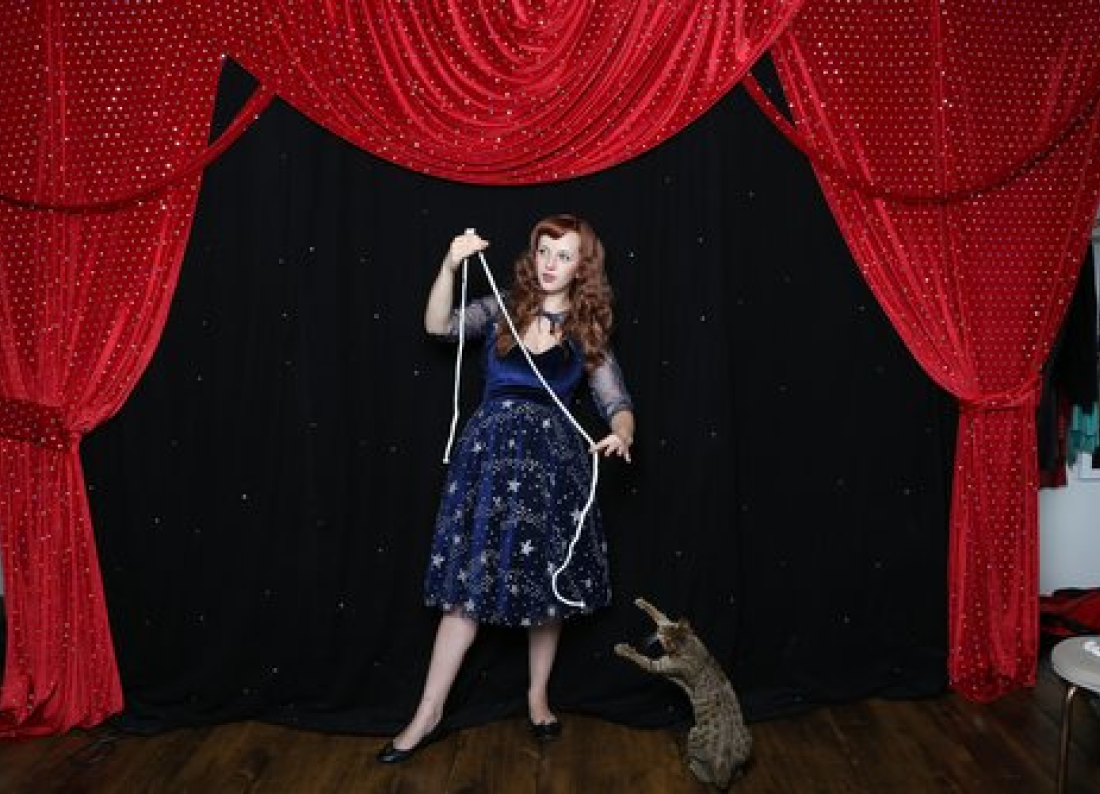
Katrina Kroetch
Illusionist NYC: What the Word Means and What Your Event Actually Needs

Illusionist NYC: What the Word Means and What Your Event Actually Needs

People searching for an illusionist NYC are usually picturing one of three quite different things, and which one they have in mind changes everything about what they should book, what it costs, and whether their venue can accommodate it at all.

Some are imagining large scale stage illusions, the kind where something substantial vanishes. Some mean close up magic performed among guests. Some mean mentalism, the mind reading end of things. The word gets used for all of it. I'm Magical Katrina, an award winning magician and mentalist, and I want to untangle the terminology and, more usefully, help you work out which one your event actually needs.

What People Usually Picture

The image the word conjures is generally the theatrical one: a performer on a stage, a substantial piece of apparatus, dramatic lighting, and something disappearing in a way that requires equipment.

That's a legitimate branch of the art and it's genuinely spectacular in the right setting. It's also, for most events, entirely impractical, and it's worth understanding why before you spend time searching for it. Large scale illusion requires staging, rigging, lighting, technical crew, load in time, and a room built to accommodate all of that. An illusionist NYC working in that idiom is producing a theatrical show, which is a different purchase from event entertainment.

Why That Rarely Suits a New York Event

The practical objection is specific to this city. New York venues are expensive per square foot and frequently tight, historic, oddly shaped, or restricted in what can be installed, and event budgets here are dominated by venue and catering rather than entertainment.

A format requiring a stage, rigging, and technical crew consumes both space and budget that most events don't have spare. It also needs a seated audience facing one direction, which rules out receptions, dinners with a program, and anything where guests are meant to mingle. For the majority of New York corporate events, weddings, and parties, hiring an illusionist NYC in the theatrical sense is solving a problem you don't have at a cost you'd rather spend elsewhere.

What Most Events Actually Need

Here's the more useful framing. Ask what you want the entertainment to achieve rather than what you want it to look like.

If your guests will be mingling at a reception, you need something that goes to them: close up magic performed for small groups, moving through the room. If you have a seated audience and a program, you need something that works from a stage without requiring one to be built. If you want your guests genuinely impressed rather than merely entertained, mentalism tends to do that with sophisticated audiences. An illusionist NYC worth booking will ask about the shape of your event before recommending any of them.

Close Up Magic

The workhorse of event entertainment, and what most people end up wanting once they've thought about it. A performer moves among your guests performing at conversational distance, with the magic happening in people's own hands.

It requires nothing: no stage, no sound, no power, no rigging, no setup time, and no floor space beyond where guests already stand. It works at a reception, between courses at a dinner, in a hospitality suite, or in a tight downtown venue where nothing else would fit. And it produces stronger reactions than stage work in many settings, because the impossibility is happening inches away with nothing to explain it.

Mentalism

The other thing people mean, and increasingly the thing sophisticated audiences respond to most. Rather than objects behaving impossibly, a mentalist appears to know what someone is thinking, predict a choice, or reveal information they couldn't have.

It suits adult and corporate audiences particularly well, because it engages people intellectually as well as producing astonishment, and it works at conversational distance or from a stage. For a New York room of accomplished, skeptical professionals, mentalism frequently lands harder than traditional magic, since people applying genuine scrutiny who still can't account for what happened experience the effect more intensely than casual observers.

When Grand Illusion Genuinely Is Right

To be fair to the theatrical version, there are events where it's the correct choice. A large conference with a proper stage, an auditorium, a gala with production values and a seated audience of hundreds, or a launch built around spectacle with a budget to match.

If that describes your event, you're looking for a theatrical production rather than event entertainment, and you should be talking to performers who tour that kind of show, with a technical rider and a production timeline. It's a different conversation and a different budget. Being honest about that saves everyone time, and an illusionist NYC who takes a booking they're wrong for serves nobody.

How to Work Out Which You Need

A short set of questions that resolves it quickly. Will your guests be standing and mingling, or seated facing a stage? Does your venue have a stage, or would one need building? Is there a slot in your program for a performance, or only gaps between other things? Is your audience adults, and would you rather they were impressed or entertained?

Mingling plus no stage plus no program slot points firmly to close up magic. Seated with a program slot allows a stage set. Adult and sophisticated points towards mentalism whichever format you choose. An illusionist NYC asking these questions before quoting is doing the job properly.

A Note on "Local vs. Traveling In"

Worth knowing: the right performer for your event needn't be based in New York. Many travel in, with travel discussed openly, factored into the quote, and handled by the performer rather than by you. I'm based in the Los Angeles area and travel to New York for events. Judge on skill and format fit rather than location, and share your event's shape when you enquire.

Why Book Magical Katrina

If close up magic or mentalism is what your event needs, here's my case. I'm a member of the Magic Circle in London and the Academy of Magical Arts in Hollywood, I've earned multiple magic awards, and I've performed for clients including Formula 1, the Olympics, Porsche, Prada, and the Ritz Carlton, with appearances on Penn & Teller: Fool Us and Masters of Illusion, across events in over 20 countries. I work in close up magic and mentalism rather than large scale stage illusion, which means no stage, no rigging, no technical requirements, and no demands on a New York venue. If your event genuinely needs a theatrical production, I'll tell you so.

Frequently Asked Questions

What does illusionist actually mean?

It gets used for three quite different things: large scale stage illusions with apparatus and rigging, close up magic performed among guests, and mentalism, the mind reading end of the art. Which one someone means changes everything about cost, staging, and venue requirements. Most people searching for an illusionist NYC picture the theatrical version but actually need one of the other two.

Why isn't grand illusion right for most events?

Because it requires staging, rigging, lighting, technical crew, load in time, and a room built to accommodate it, plus a seated audience facing one direction. New York venues are expensive per square foot and frequently tight or restricted, and budgets here are dominated by venue and catering. For most receptions, dinners, and parties it solves a problem you don't have at a cost better spent elsewhere.

What suits a mingling reception?

Close up magic, which is what most people end up wanting once they've thought about the shape of their event. A performer moves among guests performing at conversational distance, with the magic happening in people's own hands, requiring no stage, sound, power, rigging, or setup. It works in tight downtown venues where nothing else fits, and it often produces stronger reactions than stage work.

What's mentalism, and who is it for?

Rather than objects behaving impossibly, a mentalist appears to know what someone is thinking, predict a choice, or reveal something they couldn't know. It suits adult and corporate audiences particularly well because it engages people intellectually as well as astonishing them. For a New York room of accomplished, skeptical professionals it frequently lands harder than traditional magic, since scrutiny intensifies the effect rather than defeating it.

When is a theatrical show the right choice?

When you have a proper stage and a seated audience of hundreds, a conference auditorium, a gala with production values, or a launch built around spectacle with a matching budget. In that case you're buying a theatrical production rather than event entertainment, with a technical rider and a production timeline. It's a different conversation, and a performer who takes a booking they're wrong for serves nobody.

How do I work out what I need?

Ask four questions. Will guests be standing and mingling, or seated facing a stage? Does your venue have a stage, or would one need building? Is there a slot in your program, or only gaps between other things? And is your audience adult and sophisticated? Mingling with no stage and no slot points firmly to close up magic, while an adult audience points towards mentalism whichever format you choose.

How do I book you, and what do you need to get started?

Reach out with your event date, venue or location, event type, rough guest count, and the shape of the evening, particularly whether guests are seated or mingling. That's enough for me to recommend a format, check availability, and send a quote. If what you actually need is a theatrical production rather than close up work, I'll say so rather than selling you the wrong thing.

Book the Format, Not the Word

Searching for an illusionist NYC will return performers doing genuinely different work, and the term itself won't tell you which. What resolves it is your event rather than the vocabulary: whether guests are seated or mingling, whether your venue could accommodate staging, whether your program has a slot, and whether you want an audience impressed or simply entertained.

Answer those, and the right format becomes obvious. For most New York events it's close up magic, mentalism, or both.

Reach out with the shape of your event, and I'll tell you honestly what suits it.

Katrina Kroetch
What to Expect From a Women's Month Magic Show

What to Expect From a Women's Month Magic Show

If you've booked a magician for your organization's Women's History Month programming, or you're considering it, there's a reasonable question you may not want to ask directly: what actually happens? Most descriptions are written to persuade rather than inform, which leaves programmers approving something they can't quite picture.

So here's the honest version. I'm Magical Katrina, an award winning magician and mentalist, and I want to describe what a women month magic show actually contains, how the personal story sits alongside the performance, and what it isn't, so you can decide whether it suits your program.

It Is, First, a Magic Show

Worth establishing before anything else. The session is a genuine performance by someone whose profession is magic and mentalism, not a talk with a few tricks inserted to hold attention.

That matters because the thematic value depends entirely on the performance being good. A women month magic show where the magic is mediocre doesn't demonstrate anything except that the booking was made for the theme, which audiences detect instantly. What makes it work is that the astonishment is real, and everything else follows from that. If you're evaluating options, assess the magic first and the message second, in that order.

The Story Is Woven In, Not Delivered

The most common concern from programmers, and a fair one. Nobody wants a session that stops being entertaining and becomes a lecture about barriers, however sincere.

The way this works is that the story surfaces through the performance rather than interrupting it. Magic has been overwhelmingly male for its entire history, so a woman performing it at a high level is already saying something without a word being spoken, and the spoken elements are brief, specific, and personal rather than general and instructive. A women month magic show should demonstrate the point and let the audience draw the conclusion, which is more persuasive than being told it and considerably more enjoyable.

You Choose the Balance

Practically, this is adjustable, and you should decide deliberately rather than leaving it to chance.

At the lighter end, it's essentially a performance with the resonance implicit and only a few sentences of context. In the middle, there's a woven narrative running through the show, with the story of building a career in a field where women were the exception surfacing between pieces. At the substantive end, it's closer to a keynote with magic throughout, carrying a genuine argument. Tell whoever you book which you want, since the same performer can pitch a women month magic show at any of those and the right choice depends entirely on what else is in your program.

The Audience Takes Part

Expect participation, though not the kind people fear. Nobody is asked to share how they feel, discuss their experiences, or speak in front of colleagues.

Participation means holding an object, making a choice, thinking of something, and then being astonished when it's revealed. That distinction matters for a workplace audience, particularly around this subject, since sessions requiring personal disclosure exclude the people least comfortable speaking up, who are frequently the ones the programming is meant to reach. A women month magic show puts everyone on the same footing regardless of seniority or confidence.

It's Calibrated to Your Room

A session for a hundred employees at an all hands, a lunchtime employee resource group meeting of twenty, a leadership audience, and a conference plenary are genuinely different rooms, and the same material would land differently in each.

Expect a performer to ask about your audience: who's attending, roughly how senior, whether it's voluntary attendance, and what else is in your program. A women month magic show delivered without that information is generic by default. If you've told them the room contains mostly senior leaders, or mostly early career women, or a genuinely mixed group including plenty of men, the session should reflect that.

What It Isn't

Worth being clear, because expectations vary. This is not diversity training, and it shouldn't be counted as such. It doesn't cover policy, unconscious bias, inclusive hiring, or anything requiring expertise I don't have and wouldn't claim.

It also isn't a substitute for the substantive work of an inclusion program, and I'd be uncomfortable with an organization presenting it that way. What it is: an hour that people genuinely enjoy, delivered by someone whose career happens to illustrate the theme, which gives your Women's Month programming something people attend willingly rather than dutifully. That's a real contribution, and a limited one.

How It Ends

Usually on the magic rather than on a summary, which is deliberate. Sessions that conclude with a list of takeaways tend to flatten the effect of everything preceding them, and audiences don't need a message restated after they've watched it demonstrated.

Expect a women month magic show to finish with something strong, a brief closing thought if the format calls for it, and time for questions if your program has room. Some organizations follow it with a short discussion, which works well precisely because people are warmed up and talking rather than sitting in silence waiting for someone brave to begin.

Practical Details

The session typically runs thirty to forty five minutes as a performance, longer if you've chosen the keynote weighting. It works in person or virtually, which matters if your workforce is distributed.

In person, it needs no stage, sound, or setup for close up work, and minimal for a stage set. Virtually, it runs on your existing platform with everyone participating using ordinary household objects. Either way there's nothing for your team to arrange beyond a room or a link, and a women month magic show shouldn't add to the workload of whoever is already coordinating a month of programming.

Frequently Asked Questions

Is it a magic show or a talk?

Primarily a performance, by someone whose profession is magic and mentalism rather than a speaker who uses tricks to hold attention. The balance is adjustable: a performance with implicit resonance, a woven narrative running through the show, or something closer to a keynote with magic throughout. Decide which you want when booking, since the right choice depends on what else is in your program.

Will it turn into a lecture about barriers?

It shouldn't. The story surfaces through the performance rather than interrupting it, and the spoken elements are brief, specific, and personal rather than general and instructive. Magic has been overwhelmingly male for its entire history, so a woman performing it well already says something before anyone speaks. A women month magic show should demonstrate the point and let the audience draw the conclusion.

Does anyone have to share personal experiences?

No, and that's an important distinction for a workplace audience. Participation means holding an object, making a choice, or thinking of something, then being astonished when it's revealed. Nobody is asked to discuss how they feel or speak in front of colleagues. Sessions requiring disclosure exclude the people least comfortable speaking up, who are frequently the ones the programming is meant to reach.

Can it count as diversity training?

No, and it shouldn't be presented that way. It doesn't cover policy, unconscious bias, inclusive hiring, or anything requiring expertise a performer doesn't have. It also isn't a substitute for the substantive work of an inclusion program. What it offers is an hour people genuinely enjoy, delivered by someone whose career illustrates the theme, which is a real contribution and a limited one.

How does it suit different audiences?

Through briefing. A hundred employees at an all hands, an employee resource group of twenty, a leadership audience, and a conference plenary are genuinely different rooms. Expect a performer to ask who's attending, roughly how senior, whether attendance is voluntary, and what else is in your program. A women month magic show delivered without that information will be generic by default.

How long is it, and what do we need to provide?

Typically thirty to forty five minutes as a performance, longer with keynote weighting. In person it needs no stage, sound, or setup for close up work and minimal for a stage set. Virtually it runs on your existing platform with everyone participating using ordinary household objects. There's nothing for your team to arrange beyond a room or a link.

How do I book you, and what do you need to get started?

Reach out with your date or timeframe, location or platform, expected attendance, who's in the room, and which balance you'd like between performance and story. That's enough for me to check availability and send a quote. I'm happy to talk through the options before you commit, particularly if you're unsure how much narrative weighting suits your program. March books up early, so enquiring in January or before helps.

Know What You're Approving

A women month magic show is a genuine performance with a story running through it, pitched at whatever weighting you choose, requiring no disclosure from your audience and nothing from your team beyond a room or a link. It isn't training, it isn't a substitute for the harder work of an inclusion program, and it doesn't pretend to be either.

What it is, when the magic is genuinely good, is the session in your Women's Month program that people attend because they want to rather than because they were asked to, and remember afterwards.

Reach out with your details, and I'll tell you honestly whether it suits your program.

Katrina Kroetch
Magic Show Las Vegas for Schools, Libraries, and Community Events

Magic Show Las Vegas for Schools, Libraries, and Community Events

Almost everything written about entertainment in Las Vegas is aimed at people who flew in for a weekend. Which is odd, because the city has hundreds of thousands of children in it, a substantial library district, community centers across the valley, and a year round need for programming that has nothing to do with the Strip.

If you're a librarian, a teacher, or a community programmer here, none of that content is for you. I'm Magical Katrina, an award winning magician and mentalist with a Family Entertainer of the Year honor, and I want to write the version that is: what a magic show Las Vegas schools and libraries book actually involves.

Attendance Is the First Problem

Worth starting here, because a great deal of good community programming goes unattended for want of something concrete to promote.

"A family event" is a calendar entry. "A magic show" is a reason to come, and it's the sort of thing parents forward to each other and mention at the school gate. A magic show Las Vegas libraries and schools book gives you something specific for a flyer, a newsletter, and a noticeboard, which materially affects turnout. For branches trying to reach families who don't usually visit, a named draw does considerably more than a general invitation to a program.

It Handles a Public Age Range

The structural advantage for institutional programming. Most activities serve one age band, so a craft session loses the older children and a story time loses the ten year olds, and you end up running several things or accepting that part of the room is waiting.

Good magic works on several levels at once. Young children respond to the visual surprise, older children engage with the puzzle, teenagers get pulled in if it isn't pitched at babies, and the adults who came as chaperones are frequently the most astonished people present. A magic show Las Vegas at a family event gives a mixed public audience one shared experience rather than something that splits them by age.

It Needs Almost Nothing From Your Space

Practically decisive for most venues. School multipurpose rooms, library program rooms, and community center halls frequently have no stage, limited AV, awkward acoustics, and a layout designed for something else.

A magic show Las Vegas performed close up or as a small stage show needs no stage, no sound system, no power, and no setup beyond arriving. That means it works in a library room among the shelves, a cafeteria with tables pushed back, or a community room with a low ceiling, and you won't need to borrow equipment or move furniture. For programmers without technical support, that's often what makes something bookable at all.

Numbers Can Be Unpredictable

A genuine advantage for drop in events, where you never quite know whether twelve people or ninety will turn up.

Activities requiring materials mean either buying for an unknown number or turning families away, both uncomfortable. Magic doesn't have that problem: everyone watches, everyone reacts, and there's no cost per head. A magic show Las Vegas serves a room of twenty and a room of a hundred equally well, and a performer can adjust the format on arrival if the turnout is very different from what you expected, which with public programming it frequently is.

The Summer Problem

Specific to this city and worth planning around. Las Vegas summers push families indoors, and libraries and community centers become genuinely important spaces for children with nowhere else comfortable to be.

That makes summer programming both more needed and more attended here than in milder places, and summer reading programs in particular draw families who don't visit at other times. A magic show Las Vegas as an anchor event for a summer program is a strong use of a limited budget, since it draws attendance during the months when your rooms are most valuable to the community and when families are actively looking for something to do.

Budget Realities

Worth addressing plainly, since schools and library branches rarely have much. A magic show Las Vegas costs what a professional performer costs, but there are ways to make it work.

Several branches or schools can share a performer across a day, which spreads travel and usually reduces the cost per site considerably. A shorter session costs less while still anchoring your event. Friends groups, parent associations, and library foundations are frequently willing to fund something that visibly drives attendance, since that's the outcome they exist to support. What's rarely worth doing is booking the cheapest available option, since a show that doesn't hold the room is worse than none.

Practical Notes for Programmers

A few things that make these sessions work. Keep the length age appropriate: around thirty minutes for young children, forty five for a school aged group. Schedule around your actual quiet periods rather than institutional convenience.

Tell the performer the real age range, the expected numbers, and the room, since a cafeteria with three hundred students and a library room with twenty families need different approaches. And mention if you'd like the session tied to a theme, a summer reading program, a literacy initiative, or a seasonal event, since that's usually straightforward to accommodate and makes the booking work harder for you.

A Note on "Local vs. Traveling In"

Worth knowing: performers who travel to Las Vegas often have availability when local ones don't, particularly during convention weeks when local performers are booked by corporate clients. Travel is discussed openly and factored into the quote rather than being your problem to arrange. I'm based in the Los Angeles area and travel to Las Vegas regularly, including for schools and community events rather than only tourist and corporate work.

Why Book Magical Katrina

If you'd like a magic show Las Vegas for your school, library, or community event, here's my case. I'm a member of the Magic Circle in London and the Academy of Magical Arts in Hollywood, I've earned multiple magic awards including a Family Entertainer of the Year honor, and I've appeared on Blippi as a performer and magic consultant, along with Penn & Teller: Fool Us and Masters of Illusion. I perform for every age from preschoolers to adults, which is what a public audience requires, I need no stage or setup, and I'm used to rooms where numbers are unpredictable. I'm fully insured with a COI available.

Frequently Asked Questions

Will it work for a wide range of ages?

Yes, and that's the main reason it suits public programming. Most activities serve one age band, so a craft session loses older children and a story time loses the ten year olds. Good magic works on several levels at once: young children respond to the visual surprise, older children engage with the puzzle, teenagers get drawn in if it isn't pitched young, and accompanying adults are often the most astonished people there.

What does it need from our room?

Almost nothing, which matters for multipurpose rooms, library program spaces, and community halls. A magic show Las Vegas performed close up or as a small stage show needs no stage, sound system, power, or setup beyond arriving, so it works among library shelves, in a cafeteria with tables pushed back, or in a low ceilinged community room. You won't need to borrow AV or rearrange furniture.

What if we don't know how many people will come?

That's fine, and it's an advantage of the format. Activities requiring materials mean buying for an unknown number or turning families away, whereas magic has no cost per head and serves twenty people or a hundred equally. A performer can also adjust the format on arrival if turnout differs from expectations, which with drop in public programming it frequently does.

Is this good for summer programming?

Particularly, since Las Vegas summers push families indoors and libraries and community centers become genuinely important spaces for children. Summer programming is both more needed and better attended here than in milder places, and summer reading programs draw families who don't visit at other times. An anchor event during those months is a strong use of a limited budget, because that's when your rooms matter most.

How can we afford it?

Several branches or schools can share a performer across a day, which spreads travel and reduces the cost per site considerably. A shorter session costs less while still anchoring your event. Friends groups, parent associations, and library foundations are frequently willing to fund something that visibly drives attendance. What's rarely worth doing is booking the cheapest option, since a show that doesn't hold the room is worse than none.

How long should the session be?

Age appropriate rather than as long as possible. Around thirty minutes suits young children, since attention at that age genuinely doesn't stretch further, and forty five works for a school aged group. Tell the performer your real age range, expected numbers, and the room, since a cafeteria with three hundred students and a library room with twenty families call for different approaches entirely.

How do I book you, and what do you need to get started?

Reach out with your date, venue, expected audience and age range, and anything about your program worth knowing, including whether you'd like it tied to a theme such as summer reading. That's enough for me to check availability, recommend a format and length, and send a quote. If you're a school or library group considering several sites, mention that, since it's often more affordable than it looks.

Programming That Fills the Room

The test for community programming is whether people come and whether they're glad they did. A magic show Las Vegas helps with both: something concrete to promote, one activity that works across every age in a public room, no demands on a space that wasn't built for performance, and no problem if twice as many families turn up as you expected.

If you're planning something for your school, library, or community center, I'd be glad to hear about it.

Reach out with your date and audience, and let's put on something they turn up for.

Katrina Kroetch
Corporate Magician for an Awards Evening or Recognition Dinner

Corporate Magician for an Awards Evening or Recognition Dinner

Awards evenings have a structural problem that everyone notices and nobody quite addresses. For the people being recognized, it's a genuinely significant night. For everyone else, it's a long dinner punctuated by applauding colleagues they may not know, in categories that don't concern them, for roughly two hours.

That imbalance is built into the format rather than being anyone's fault. I'm Magical Katrina, an award winning magician and mentalist, and I want to explain where a corporate magician fits into a recognition evening, which is specifically in the stretches the program doesn't serve.

Most of the Room Isn't Being Recognized

Start with the arithmetic. A typical awards evening has perhaps twelve winners and three hundred guests, which means the overwhelming majority of the room is present to witness rather than to receive.

That's fine and it's the point of having an audience, but it does mean most attendees are experiencing a long sequence of moments that belong to other people. Energy dips between categories, conversation resumes and gets shushed, and by the eighth award the applause is polite rather than warm. A corporate magician gives the evening something for the audience rather than only for the recipients, which is what most recognition dinners lack entirely.

The Reception Is Underused

Before the program starts there's almost always a drinks reception, treated as the period during which people arrive and find their tables.

It's actually the most valuable stretch of the evening, because it's the only part where guests can move, talk, and mix before being seated for two hours. A corporate magician working that reception means people arrive at dinner having already talked to someone outside their team, in a good mood, rather than filing in from a corridor. That matters for the rest of the evening, since a warm room applauds differently and a table that's already talking behaves differently through a long program.

Between Courses, Between Categories

Awards dinners are structured in blocks, and the gaps between them are where evenings lose momentum: the pause while the next presenter finds the stage, the interval between courses, the stretch after the third award when everyone has settled into passive spectating.

A corporate magician performing table side during those gaps keeps the room lifted without competing with the program. Nobody has to be gathered, no announcement is needed, and it stops entirely when the next category begins. For an evening built from segments, having something that occupies the joins rather than requiring its own segment is unusually practical.

It Gives the Evening a Second Thing

Worth stating plainly. Most awards evenings consist of exactly one element: the awards. Dinner is the vehicle and the room is the setting, but there is nothing else happening.

That places enormous weight on the recognition itself carrying two hours, which it can't quite do for people who aren't nominated. A corporate magician gives the evening a second element, so guests have something to describe afterwards besides who won what. For organizations that run this annually and struggle to make each year feel different from the last, that's frequently the easiest lever available.

Guests Who Travelled Deserve More Than a Certificate

A consideration for organization bringing people in. Winners and their managers often travel for an awards dinner, sometimes considerable distances, for a moment on stage lasting under a minute.

That's a lot of effort for a short reward, and the surrounding evening is what determines whether the trip felt worthwhile. A corporate magician contributes to that directly, giving the evening substance beyond the ceremony. It also matters for the finalists who didn't win, who travelled on the same basis and go home with nothing, and for whom the quality of the evening is the entire return on the journey.

It Takes No Program Time

Practically decisive, and the first question most organizers ask. Your run of show is already tight: welcome, dinner service, a video, categories, speeches, a closing, and something always overruns.

A corporate magician performing close up magic requires no stage, no microphone, no sound, and no slot in the program, because it happens during the reception and in the gaps between segments. For a committee that has spent weeks negotiating minutes out of the running order, entertainment that costs nothing from the schedule is unusually easy to approve, and it's often the reason this gets chosen over a band or a comedian.

It Suits a Seated Room

Something worth knowing about the format. Many entertainment options need a standing, mingling audience to work properly, which an awards dinner doesn't have once people are seated.

Close up magic is one of the few things that works perfectly at a table. Performed for eight or ten people at conversational distance, it's arguably better than working a standing crowd, since everyone sees everything and the whole table shares the reaction. A corporate magician moving between tables during the natural gaps is operating in ideal conditions rather than adapting to difficult ones.

Why Book Magical Katrina

If you'd like a corporate magician for your awards evening, here's my case. I'm a member of the Magic Circle in London and the Academy of Magical Arts in Hollywood, I've earned multiple magic awards, and I've performed for companies including Formula 1, the Olympics, Porsche, Prada, Zapier, and the Ritz Carlton, with appearances on Penn & Teller: Fool Us and Masters of Illusion. I understand that at a recognition dinner the awards are the point and the entertainment serves the room around them, so I work the reception and the gaps and stop when the program resumes. I need no stage, sound, or program time, and I'm fully insured with a COI available.

Frequently Asked Questions

Why does an awards dinner need entertainment at all?

Because most of the room isn't being recognized. A typical evening has a dozen winners and several hundred guests, so the majority are witnessing moments that belong to other people for around two hours. Energy dips between categories and applause becomes polite rather than warm. A corporate magician gives the evening something for the audience rather than only for the recipients, which most recognition dinners lack entirely.

When during the evening does it happen?

The drinks reception before the program, which is the only stretch where guests can move and mix before being seated, and then in the gaps between segments: while a presenter finds the stage, between courses, or after the room has settled into passive spectating. It stops when the next category begins, so it occupies the joins in your evening rather than requiring a segment of its own.

Does it take time from our program?

No, and it's usually the reason this gets chosen over a band or a comedian. Close up magic needs no stage, microphone, sound, or slot in the run of show, since it works during the reception and in the natural gaps. For a committee that has spent weeks negotiating minutes out of an already tight running order, entertainment costing nothing from the schedule is unusually easy to approve.

Will it work with everyone seated at tables?

Particularly well, and better than most alternatives. Many entertainment options need a standing, mingling audience, which an awards dinner doesn't have once people are seated. Close up magic performed for eight or ten people at conversational distance is arguably the format at its best, since everyone sees everything and the whole table shares each reaction rather than hearing about it afterwards.

What about guests who travelled and didn't win?

They're among the people this helps most. Finalists and their managers often travel considerable distances for a moment on stage lasting under a minute, and those who don't win go home with nothing but the evening itself. A corporate magician gives the night substance beyond the ceremony, which for those guests is the entire return on the journey they made.

Will it distract from the awards?

It shouldn't, and a professional will work to that. The awards are the point, and the entertainment exists to serve the room around them rather than compete for attention. Performing during the reception and in the gaps, stopping when the program resumes, means the recognition keeps its full weight while the stretches between categories stop losing the room. Brief your performer on the run of show and expect them to respect it.

How do I book you, and what do you need to get started?

Reach out with your event date, venue, guest numbers, and an outline of your run of show including how many categories you're presenting. That's enough for me to check availability, suggest where the magic sits, and send a quote. From there we'll settle timing around your program, and a deposit secures the date. Awards season concentrates in certain months, so early enquiries help.

Look After the Audience, Not Just the Winners

An awards evening is designed around the people receiving something, which is right, and it leaves several hundred guests spectating through an evening that belongs to others. A corporate magician fills exactly that gap: the reception nobody plans for, the pauses between categories, and the tables where guests are seated for two hours with nothing to do between rounds of applause.

If you're planning a recognition dinner and want the whole room to enjoy it, I'd be glad to hear about it.

Reach out with your date and run of show, and let's look after the audience too.

Katrina Kroetch
How Much Does a Seattle Magician Cost?

How Much Does a Seattle Magician Cost?

This is usually the first practical question and the hardest to research, because most performers don't publish rates and the ones who do tend to quote a headline figure that turns out not to apply to your event. That's frustrating when you're trying to build a budget rather than browse.

There's a reason for it, and it isn't evasiveness. I'm Magical Katrina, an award winning magician and mentalist, and I want to explain what a Seattle magician actually charges for, which variables move the number, and how to get a real figure for your specific event without a lengthy back and forth.

Why There's No Single Price

If you're hoping for a flat rate, the reason you won't find a dependable one is that a magician's fee is a quote for a particular job rather than a product price, in the same way a photographer's or a caterer's is.

A performer working a two hour corporate reception for three hundred people downtown and one doing a short set at a child's party in Ballard are doing genuinely different work, and a figure covering both would be meaningless. What's useful is understanding the variables, because once you know what moves a quote you can estimate roughly where your event sits and have a far more productive conversation with any Seattle magician you approach.

Skill and Demand Move the Number Most

The largest factor is the performer themselves: how good they are and how busy their calendar is.

Someone with decades of experience, television credits, major corporate clients, and genuine demand commands considerably more than someone building a career, and that gap reflects something real. A highly skilled performer astonishes a room reliably, handles a difficult crowd, recovers gracefully when something unexpected happens, and never leaves you anxious about how it's going. When comparing quotes, a significant difference between two Seattle magician options usually reflects a genuine difference in what happens at your event.

Format and Duration

What you're booking matters considerably. Strolling close up magic through a two hour reception, a forty minute featured stage set, and a full evening combining both are different commitments and priced accordingly.

Duration is the obvious part, but format matters too, since a stage show typically involves more preparation, equipment, and technical coordination than strolling magic, and a keynote fused with magic involves substantial custom development. Being clear about roughly what you want and how long produces a far more accurate quote, and it lets a good performer suggest something that fits your budget rather than guessing.

Guest Numbers

Audience size affects pricing in ways people don't always anticipate. For strolling magic, more guests means more groups to reach, which either extends the performance time or requires a longer booking to cover the room properly.

For a stage performance, larger audiences may require sound equipment and a different style of show, and very large events sometimes need more than one performer. So an accurate guest count genuinely helps, and it's worth being realistic rather than optimistic, since a performer booked for eighty who arrives to find two hundred can't cover the room properly, which serves nobody.

Date and Seasonal Demand

Timing affects both price and availability here as everywhere. December is the busiest month by a wide margin, with corporate holiday parties filling calendars, and prime dates in the first three weeks are the most contested of the year.

Summer is peak wedding season, with Saturdays from June through September going first. January, February, and the early part of the year are considerably quieter. If your date falls in a peak, factor that in and start early, which is the simplest way to keep costs reasonable while still getting a Seattle magician you actually want rather than whoever remains.

Travel Across the Region

Location matters more here than in a compact city, because the Puget Sound region is genuinely spread out and divided by water. An event downtown, on the Eastside, in Tacoma, up in Everett, or across on the peninsula involves meaningfully different travel, and traffic across the bridges at certain hours affects timing as much as distance.

That's usually reflected in a quote, though local travel is often absorbed. Worth saying honestly: this shouldn't restrict you to performers in your immediate area, since travel is typically a modest component and restricting yourself geographically can mean missing someone better suited to your event.

One Real Number

Since vagueness is unhelpful when you're budgeting, here's a concrete anchor from my own pricing: my virtual and Zoom shows start around $1,400, with the exact figure depending on length, audience size, and customization.

In person events vary more widely, because format, duration, guest count, travel, and date all apply, so I quote those individually rather than publishing a number that would mislead half the people reading it. What I can promise is a clear, transparent quote sent quickly once I know your details, which is genuinely the fastest route to knowing what a Seattle magician costs for your specific event.

The False Economy Problem

Worth taking seriously. It's tempting to sort options by price and work upwards, but entertainment is an area where the cheapest choice frequently turns out to be the most expensive.

If a performer is flat, awkward, or fails to engage your guests, you haven't saved money, you've spent money on nothing and lost the opportunity to make your event memorable. Nobody remembers the fee, everyone remembers whether the entertainment was any good. A skilled Seattle magician at a fair price delivers genuine value, while a cheap performer who falls flat is a wasted line item entirely.

How to Get an Accurate Quote Fast

Getting a real number takes one message. Share your event date, location or venue, the type of event, your approximate guest count, roughly how long you'd like the performance, and anything specific you're hoping for.

With those details, any professional Seattle magician can give you an accurate quote rather than a vague range. It costs nothing, carries no obligation, and lets you budget properly. A clear, prompt, professional quote is also a useful signal in itself, since performers who handle the business side well tend to handle the event well too.

Why Book Magical Katrina

If you're weighing options, here's my case. I'm a member of the Magic Circle in London and the Academy of Magical Arts in Hollywood, I've earned multiple magic awards, and I've performed for clients including Formula 1, the Olympics, Porsche, Zapier, and the Ritz Carlton, with appearances on Penn & Teller: Fool Us and Masters of Illusion, across events in over 20 countries. I blend close up magic and sophisticated mentalism, which suits the region's analytical crowds, I'm versatile across strolling, stage, and keynote formats, and I give clear, transparent quotes with no surprises. I'm fully insured with a COI available, and I travel to Seattle with logistics handled.

Frequently Asked Questions

Why won't magicians publish a fixed price?

Because a fee is a quote for a specific job rather than a product price, in the way a photographer's or caterer's is. A performer working a two hour corporate reception for three hundred people and one doing a short set at a child's party are doing genuinely different work, so a single figure would be meaningless. Understanding the variables lets you estimate where your event sits and have a better conversation.

What affects the price most?

The performer's skill and demand, by a considerable margin, since someone with decades of experience, television credits, and a full calendar commands more than someone building a career, and that gap reflects what actually happens at your event. After that: format and duration, guest numbers, customization, your date and its seasonal demand, and travel across the region.

Does the date change the cost?

Yes. December is the busiest month by a wide margin with corporate holiday parties filling calendars, and the first three weeks are the most contested dates of the year. Summer is peak wedding season, with Saturdays from June through September going first. January and February are considerably quieter. If your date falls in a peak, start early to keep costs reasonable and still get a Seattle magician you want.

How does travel around the region affect it?

More than in a compact city, since the Puget Sound region is spread out and divided by water. Downtown, the Eastside, Tacoma, Everett, and the peninsula involve meaningfully different travel, and bridge traffic affects timing as much as distance. It's usually reflected in the quote, though local travel is often absorbed. It shouldn't restrict your search, since travel is typically a modest component of the total.

Should I just book the cheapest option?

Entertainment is an area where cheapest frequently becomes most expensive. If a performer is flat or fails to engage your guests, you haven't saved money, you've spent money on nothing and lost the chance to make your event memorable. Nobody remembers the fee, everyone remembers whether the entertainment was good. Judge a Seattle magician on what they deliver for the price rather than on price alone.

What does a virtual show cost?

My virtual and Zoom shows start around $1,400, with the exact figure depending on length, audience size, and customization. That's a concrete anchor to plan against. In person events vary more widely since format, duration, guest count, travel, and date all apply, which is why I quote those individually rather than publishing a number that would mislead half the people reading it.

How do I get an accurate quote from you?

Send me your event date, location or venue, the type of event, approximate guest count, roughly how long you'd like the performance, and anything specific you're hoping for. That's enough for me to check availability and come back with an accurate, transparent quote with no surprises. There's no obligation, and if I'm not the right fit for your event or budget, I'll tell you honestly.

Spend Well Rather Than Less

There's no single answer to what a Seattle magician costs, because the fee reflects the performer, the format, the duration, your guest count, any customization, your date, and travel across a spread out region. What you can do is understand those variables, be clear about your event when you enquire, and judge quotes on value rather than the headline number. Entertainment is the part of an event guests actually remember, which makes it a poor place to economies

If you'd like a clear, honest quote for your Seattle event, I'd be glad to send one.

Reach out with your event details, and let's make it genuinely unforgettable.

Katrina Kroetch
Magicians in Las Vegas for Elopements and Micro Weddings

Magicians in Las Vegas for Elopements and Micro Weddings

Couples who elope to Las Vegas have usually made a deliberate decision rather than a compromise. They didn't want two hundred guests, a seating plan, or eighteen months of arrangements, and they chose something small on purpose. What they often haven't worked out is what the celebration actually consists of once the ceremony is done.

Because that's the odd thing about a very small wedding: the ceremony takes twenty minutes, and then there's a lovely dinner, and then it's an evening. There's no reception to fill and no structure to lean on. I'm Magical Katrina, an award winning magician and mentalist, and I want to explain how magicians in Las Vegas fit into an elopement or micro wedding, which is quite different from how they fit into a full one.

Small Weddings Have No Built In Structure

A conventional wedding has a shape that carries the day: a ceremony, a cocktail hour, a receiving line, a meal with speeches, a first dance, a party. Nobody has to invent anything, because the format supplies the sequence.

An elopement has a ceremony and then whatever you decide. That's the freedom people chose, and it's also why some couples find the afternoon slightly flat afterwards, particularly if guests have flown in and everyone is now at a restaurant with several hours ahead. Magicians in Las Vegas performing at a small celebration give the evening something to happen inside it, which a very small group otherwise has to generate entirely through conversation.

The Dinner Is the Whole Reception

For most micro weddings, the meal afterwards isn't a course before the dancing, it's the entire celebration. Which means it carries a lot of weight and lasts a long time.

That's exactly where close up magic works best. Magicians in Las Vegas performing at a table of ten or fourteen between courses give the meal moments rather than just a duration, and it's a considerably better use of the gaps than everyone reaching for their phones while plates are cleared. Because the format needs nothing but the table, it works in a private dining room without any adjustment to the restaurant's service or timings.

Small Groups Are the Ideal Audience

Worth saying, because couples sometimes assume entertainment requires a crowd. The opposite is true for this kind of magic.

Close up magic improves as the group shrinks. At a wedding of two hundred, a performer reaches groups in sequence and most guests get a few minutes. At a celebration of twelve, everyone sees everything, from a few feet away, together, and the whole group shares each reaction rather than hearing about it secondhand. Magicians in Las Vegas working a micro wedding are performing in the format's ideal conditions, which is why intimate celebrations often produce the strongest reactions of any event I do.

Your Guests Travelled for This

Elopements usually involve a small number of people who made a genuine effort to be there: parents who flew in, a sibling who took time off, two close friends who booked flights for a twenty minute ceremony.

Those guests have invested more per person than guests at a large wedding, and the day contains less to occupy them. Magicians in Las Vegas give them something beyond the ceremony and the meal, which matters when someone has crossed the country to attend something short. It also gives a group who may not all know each other, your family and theirs, meeting properly for the first time, something to react to together rather than making careful conversation over a long dinner.

It Marks the Occasion Without Adding Formality

Here's what appeals to couples who chose small deliberately. Adding structure to an elopement risks recreating the thing you were avoiding, and nobody wants speeches, a receiving line, or a schedule at a celebration whose entire point was not having those.

Close up magic adds nothing formal. There's no announcement, no stage, no moment where everyone must stop and pay attention, and no item added to a running order you deliberately didn't create. Magicians in Las Vegas performing at a small celebration simply move among your guests during the evening you'd planned anyway, which suits couples who wanted an occasion rather than an event.

The Couple Can Be at the Centre

For a celebration with almost no ceremony beyond the ceremony, this matters. At a large wedding there are countless moments where the couple is the focus. At an elopement dinner, there's the toast and not much else.

Magicians in Las Vegas can build a moment around the two of you specifically, with something impossible happening in your hands while the handful of people who came watch and react. For couples who wanted the day to feel significant without wanting a production, that's frequently the thing they describe afterwards. Mention it when booking, since it's easily arranged and easy to leave out if you'd rather the attention stayed off you.

It Works Wherever You're Celebrating

Micro weddings here happen in all sorts of places: a suite, a private dining room, a small restaurant, a rooftop, a chapel's adjoining space, or a house rented for the weekend.

Most of those have no stage, no sound system, and no space for anything requiring setup, which rules out most entertainment entirely. Magicians in Las Vegas performing close up magic need none of it and work in all of those settings without adjustment. For a couple who deliberately avoided a venue with a wedding coordinator and a package, entertainment that requires nothing from the space is one of the few options that fits.

A Note on "Local vs. Traveling In"

Worth knowing: the best of the magicians in Las Vegas for your celebration needn't be Vegas based. Many performers travel in, with travel discussed openly, factored into the quote, and handled by the performer rather than by you. I'm based in the Los Angeles area and travel to Las Vegas regularly. For a small celebration, it's also worth asking about a shorter booking, since a micro wedding doesn't need the same duration a large reception would.

Why Book Magical Katrina

If you'd like a magician for your elopement, here's my case. I'm a member of the Magic Circle in London and the Academy of Magical Arts in Hollywood, I've earned multiple magic awards, and I've performed for clients including Formula 1, the Olympics, Porsche, Prada, and the Ritz Carlton, with appearances on Penn & Teller: Fool Us and Masters of Illusion. My magic is warm and elegant rather than showy, which suits an intimate celebration, and I work particularly well with small groups where a staged performance would be entirely wrong. I need no stage or setup, so a suite or a private dining room works equally, and I'm fully insured.

Frequently Asked Questions

Isn't our wedding too small for entertainment?

Quite the opposite, since close up magic improves as the group shrinks. At a large wedding a performer reaches groups in sequence and most guests get a few minutes, whereas at a celebration of twelve everyone sees everything from a few feet away, together, sharing each reaction rather than hearing about it afterwards. Magicians in Las Vegas working a micro wedding are performing in the format's ideal conditions.

Where would it happen if there's no reception?

The dinner, which at a micro wedding is the entire celebration rather than a course before dancing. Performing between courses at a table of ten or fourteen gives the meal moments rather than just a duration, and it's better than everyone reaching for phones while plates are cleared. Because it needs nothing but the table, it works in a private dining room without adjusting the restaurant's service.

Won't it make the day more formal than we wanted?

No, and that's why it suits couples who chose small deliberately. Close up magic adds no announcement, no stage, no moment where everyone must stop, and no item on a running order you purposely didn't create. Magicians in Las Vegas simply move among your guests during the evening you'd planned anyway, so the occasion is marked without recreating the formality you were avoiding.

Can it involve the two of us?

Yes, and it's worth considering. At a large wedding there are countless moments where the couple is the focus, whereas an elopement dinner has the toast and little else. A moment built around you both, with something impossible happening in your hands while the handful of people who came react, is frequently what couples describe afterwards. It's also easy to leave out if you'd rather the attention stayed elsewhere.

Will it work where we're celebrating?

Almost certainly. Micro weddings here happen in suites, private dining rooms, small restaurants, rooftops, and rented houses, most of which have no stage, no sound system, and no room for anything requiring setup. Close up magic needs none of that, which makes it one of very few options that fits a couple who deliberately avoided a venue with a coordinator and a package.

Do we need to book as long as a big wedding would?

No, and it's worth asking about a shorter booking. A micro wedding doesn't require the duration a large reception would, since there's no room to work through group by group, and a shorter session at a table of twelve can be entirely sufficient. Tell your performer your guest count and the shape of the evening, and expect a sensible recommendation rather than a standard package.

How do I book you, and what do you need to get started?

Reach out with your date, where you're celebrating, and how many guests you're expecting. That's enough for me to check availability and send a quote, including a recommendation on length suited to a small group. From there we'll talk through where in the evening it sits, usually the dinner, and whether you'd like a moment built around the two of you. A deposit secures the date.

Make a Small Day Feel Like an Occasion

Choosing to elope means choosing not to have the structure a big wedding supplies, which is exactly the appeal and also why the celebration afterwards can feel slightly shapeless. Magicians in Las Vegas offer a way to mark it properly without adding formality: something genuinely astonishing at the dinner that is your reception, in the ideal conditions for close up magic, for a handful of people who travelled to be there.

If you're planning something small and want it to feel like an occasion, I'd love to be part of it.

Reach out with your date and guest count, and let's talk.
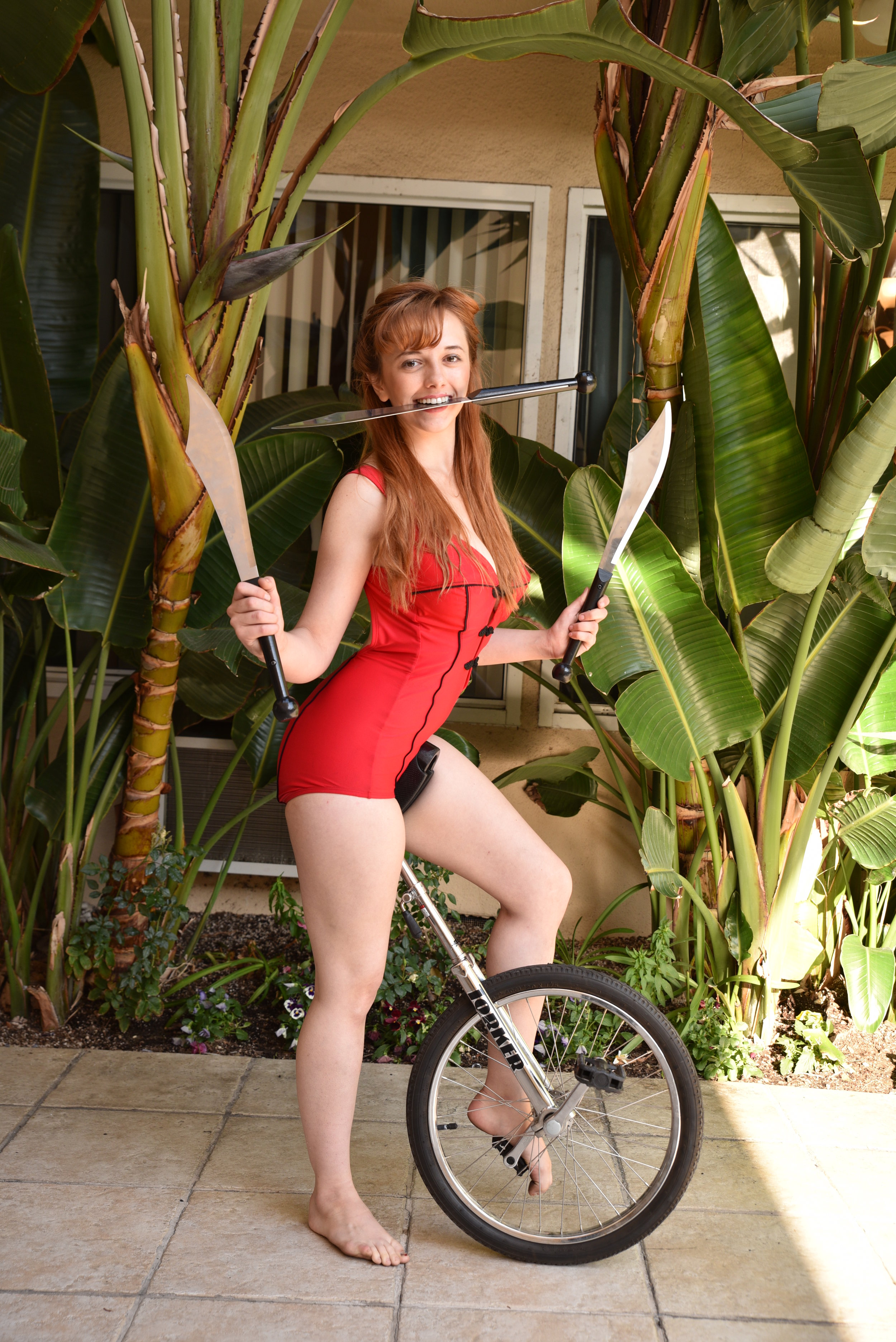
Katrina Kroetch
Zoom Magician for Healthcare Teams and Staff Appreciation

Zoom Magician for Healthcare Teams and Staff Appreciation

Appreciation programming in healthcare has a credibility problem, and everyone working in it knows why. Staff have watched a difficult few years, many are short handed, and a pizza in the break room during Nurses Week does not answer the questions people are actually asking about staffing and pay.

So let me be careful about what follows. I'm Magical Katrina, an award winning magician and mentalist, and I want to explain how a Zoom magician can practically reach a clinical workforce, and be clear about the limits of what an hour of entertainment offers a team carrying genuine fatigue.

What This Doesn't Do

Stating it first, because it matters more here than in most settings. A Zoom magician does not address understaffing, roster pressure, pay, moral injury, or the accumulated exhaustion of clinical work. Nothing on an appreciation calendar does, and presenting entertainment as though it might will be received exactly as you'd expect by people who have heard a great deal of that language already.

What it can offer is a genuine break, an hour that isn't work, and something that isn't another mandatory training module or a survey about wellbeing. That's a real but modest thing, and organizations are better served describing it accurately than dressing it up.

The Practical Problem Is Reaching People

Assuming you know what you're offering, the hard part in healthcare is logistics rather than content. Clinical staff can't all leave the floor at once, shifts run around the clock, many teams are spread across sites, and a significant proportion of staff don't have organizational laptops or check email regularly.

That rules out most things you might arrange. A Zoom magician is one of the few formats that survives those constraints: no venue, no travel, one screen in a break room or office rather than a device each, short enough to fit a genuine break, and repeatable so different shifts can attend rather than only whoever happened to be on days.

Run It More Than Once

The single most useful design decision. A single session at two in the afternoon reaches the people who were on that shift and excludes everyone else, which in a workforce alert to who gets what is worse than it sounds.

Two or three shorter sessions across a day, including one timed for a night shift changeover, reaches considerably more people and signals that the whole workforce was thought about rather than the daytime portion of it. A Zoom magician of thirty minutes run three times costs less trouble than most alternatives and covers roster properly. Ask ward or department managers when their genuinely quieter windows fall rather than scheduling from a corporate calendar.

Break Room Screens Work Fine

Practically, this usually means a handful of staff gathered round one screen in a break room, an office, or a training room, with people dropping in and out as work allows.

That works, and the collective reaction in a small room is part of the value. It also means one connection per area rather than one per person, which is the difference between feasible and not. Tell your performer that's the setup, since addressing six people around a laptop is different from addressing sixty individual squares, and it's worth them knowing that some people will arrive halfway through and leave before the end because a bell went.

Nobody Should Have to Perform

Relevant in a hierarchical clinical environment. A lot of engagement activity asks staff to share how they're feeling, contribute to a discussion, or participate in front of senior colleagues, which for many is another demand rather than a break.

With a Zoom magician, participation means holding an object and being astonished. Nobody speaks, discloses anything, or has to appear enthusiastic in front of a matron or a clinical lead. For staff who find wellbeing programming intrusive rather than supportive, and there are many, that's a session they can genuinely attend without cost.

Where It Fits in the Calendar

A few moments where this lands better than others. Nurses Week, allied health professions days, and similar recognition periods, where teams often get a card and a roster that hasn't changed. After a demanding stretch, a winter surge, an inspection, a major incident, or a service reorganization. And at the point a team has completed something significant, where the acknowledgement is otherwise brief.

A Zoom magician also works for the corporate and administrative side of a healthcare organization, who are frequently overlooked entirely on the grounds that they aren't clinical, which they notice.

Frame It Honestly

Worth emphasizing, since healthcare staff have a well developed detector for gestures substituting for substance. Describe it as what it is: something enjoyable, arranged as a break, because people have been working hard.

Don't attach it to resilience language, don't imply it addresses burnout, and don't schedule it in a week when a difficult announcement is landing. Presented straightforwardly it's received well, and staff generally appreciate being offered something genuinely pleasant rather than something instrumental. Presented as an intervention, it invites the reaction it deserves.

Don't Take Their Break

A small but consequential point. Scheduling this over the only rest period someone gets defeats the purpose entirely, and asking staff to attend outside their shift is worse.

Where possible, arrange for it to sit within paid time, treat attendance as genuinely optional, and say so clearly. A Zoom magician running for thirty minutes is easier to accommodate within a working day than something longer, which is another argument for shorter repeated sessions. If the only way to run it is on people's own time, it's worth reconsidering whether it's a gift at all.

Why Book Magical Katrina

If you'd like a Zoom magician for a healthcare team, here's my case. I'm a member of the Magic Circle in London and the Academy of Magical Arts in Hollywood, I've earned multiple magic awards, and I've performed for organizations and companies including Formula 1, the Olympics, Porsche, Zapier, and the Ritz Carlton, with appearances on Penn & Teller: Fool Us. My virtual material is built for video and works whether people watch individually or gathered round one screen, I'm happy to run shorter repeated sessions to cover shifts including nights, and I handle all the technical side. I'd rather describe honestly what this offers than overstate it.

Frequently Asked Questions

Is this a wellbeing intervention?

No, and it shouldn't be described as one. A Zoom magician does not address understaffing, roster pressure, pay, moral injury, or accumulated exhaustion, and presenting it as though it might will be received poorly by staff who have heard a great deal of that language. What it offers is a genuine break, an hour that isn't work, and something that isn't another module or survey. Modest, but real.

How do we reach staff who can't leave the floor?

Run it more than once. A single session reaches whoever was on that shift and excludes everyone else, which a workforce alert to who gets what will notice. Two or three shorter sessions across a day, including one timed for a night shift changeover, covers roster properly. Ask ward and department managers when their genuinely quieter windows fall rather than scheduling from a corporate calendar.

What about staff without laptops?

It usually works on one screen in a break room, office, or training room, with people gathered round and dropping in and out as work allows. That means one connection per area rather than a device each, which is the difference between feasible and impossible. Tell your performer that's the setup, and that some people will arrive halfway through and leave before the end.

Does anyone have to participate in front of colleagues?

No, and that matters in a clinical hierarchy. A lot of engagement activity asks staff to share feelings or contribute in front of senior colleagues, which for many is another demand rather than a break. With a Zoom magician, participation means holding an object and being astonished, so nobody speaks, discloses anything, or performs enthusiasm in front of a clinical lead.

When is the right time to run it?

Recognition periods such as Nurses Week, where teams often get a card and an unchanged roster. After a demanding stretch, a winter surge, an inspection, or a reorganization. Or when a team has completed something significant and the acknowledgement is otherwise brief. Avoid scheduling it in a week when a difficult announcement is landing, which makes it look like a distraction rather than a thank you.

Should it happen in work time?

Yes where possible, and it certainly shouldn't take someone's only rest period or ask them to attend outside their shift. Treat attendance as genuinely optional and say so. A thirty minute session is easier to accommodate within a working day than something longer, which is another argument for shorter repeated sessions. If the only way to run it is on people's own time, it's worth asking whether it's really a gift.

How do I book you, and what do you need to get started?

Reach out with your preferred date or dates, how many sites or areas are involved, roughly how many staff per area, your shift pattern, and whether people will watch individually or gathered on one screen. That's enough for me to check availability, suggest a session structure covering your roster, and send a quote. Running several shorter sessions across a day is straightforward.

An Hour That Doesn't Ask Anything

Healthcare staff are offered a great deal of wellbeing content and comparatively little that's simply enjoyable. A Zoom magician is a modest, honest thing: no content to absorb, no disclosure required, nothing to be resilient about, and no pretense that it addresses the problems people actually raise. Just something good, arranged so that night shifts and busy wards can reach it too.

If that's a useful thing to offer your teams, I'd be glad to help you make it reach everyone.

Reach out with your roster and sites, and let's work out what's possible.

Katrina Kroetch
Magician Zoom Party: Virtual Retirement and Farewell Parties

Magician Zoom Party: Virtual Retirement and Farewell Parties

Retirement parties are among the hardest events to get right, and virtual ones are harder still. The structure almost always ends up the same: a series of people saying kind things, a slideshow, a gift held up to a camera, and the person themselves sitting through forty minutes of being described in the past tense by colleagues they may not have seen in years.

It's well meant and it's frequently a bit awkward for everybody, particularly the person it's for. I'm Magical Katrina, an award winning magician and mentalist, and I want to explain how a magician Zoom party changes the shape of a virtual retirement or farewell, and why that shape is the problem worth solving.

The Person Spends It Being Talked About

Here's the thing nobody quite names. At a retirement party, the guest of honor has almost nothing to do. They listen, they react appropriately to each tribute, they say a few words at the end, and they manage their face through an hour of public affection, which is genuinely tiring for anyone who isn't naturally comfortable with attention.

Speeches matter and shouldn't be cut. But an event made entirely of them puts the person in a passive role at their own occasion. A magician Zoom party gives them something to actually participate in, where they're at the center of something happening rather than the subject of a description, and most people find that considerably easier to enjoy.

The Guest List Spans Decades

The other structural difficulty, and one virtual events make more visible. A long career produces a guest list of current colleagues, people who left years ago, a former manager, someone they mentored in 2009, and occasionally family.

Those people share the honoree and almost nothing else. On a video call they can't cluster into the small conversations that would happen naturally in a room, so the event defaults to a sequence of monologues with everyone else silent. A magician Zoom party gives that mixed group something to experience together in the present, which produces the collective reaction a room would have generated on its own and a call otherwise can't.

Former Colleagues Can Actually Come

One genuine advantage of doing this virtually rather than a compromise to accept. People who left the organization, moved abroad, or retired themselves are usually the ones the honoree most wants there, and they're precisely the people who can't attend a lunchtime gathering in an office.

Online, they can. A magician Zoom party is worth mentioning in the invitation for exactly this reason, since it gives a former colleague who hasn't seen anyone in five years a concrete reason to join something rather than a vague sense they'd be intruding on a work event. For many retirements, the presence of those people matters more to the person than anything else on the agenda.

It Gives the Occasion a Shape

Virtual events fail on structure more than content. Someone hosts, people speak in a slightly uncertain order, there's a gap where nobody's sure whose turn it is, and then it ends without quite ending.

A magician Zoom party provides a defined center: something scheduled, a clear high point, and a natural sequence to build around. That takes the pressure off whoever is hosting, which is usually a colleague who volunteered and is now managing speaker order, a slideshow, and the awareness that the person's whole career is being marked by an hour they organized in between other work.

The Honoree Gets a Moment They're Present For

Worth drawing out, because it's the strongest reason to do this. A retirement party gives someone a great deal of praise they receive while slightly overwhelmed, and many people afterwards describe the whole thing as a blur.

A magician Zoom party can build a moment around them specifically: they hold something, they make a choice, something impossible happens to them while thirty years of colleagues watch and react at once. That's an experience rather than a tribute, and people tend to remember it in detail precisely because they were doing something rather than being addressed. Tell your performer who's retiring, and anything about them worth weaving in.

It Suits People Who Hate a Fuss

Consider the person. A significant proportion of people retiring after a long career would genuinely rather not have an hour of attention, and organizers often know this while feeling that doing nothing would be worse.

A magician Zoom party offers a middle path: the occasion is marked properly, but the person isn't the sole focus for the entire duration, since there's something else happening that everyone including them is watching. For someone who finds sustained tribute uncomfortable, that's a considerable relief, and organizers who know the honoree well frequently pick it for exactly this reason.

Practical Structure

A shape that works: brief welcome, the speeches while people are freshest, the show, and then informal time for anyone who wants to stay and talk. Around thirty to forty five minutes for the performance is right, with the whole thing kept under ninety minutes.

Schedule it during working hours if most attendees are current colleagues, and consider time zones if former colleagues are joining from elsewhere. Mention the ordinary household objects people will need in the same message as the link. And tell the honoree what's happening, or don't, depending on whether they'd prefer to know, which is worth asking someone who knows them well.

Why Book Magical Katrina

If you'd like a magician Zoom party for a retirement or farewell, here's my case. I'm a member of the Magic Circle in London and the Academy of Magical Arts in Hollywood, I've earned multiple magic awards, and I've performed for clients including Formula 1, the Olympics, Porsche, and Prada, with appearances on Penn & Teller: Fool Us and Masters of Illusion. My virtual material is built for video and designed so everyone participates using ordinary household items, whatever their age or comfort with technology, which matters when your guest list spans thirty years. I handle all the technical side, and I'm glad to build a moment around the person retiring.

Frequently Asked Questions

Why do virtual retirement parties feel awkward?

Because they're made almost entirely of speeches, which leaves the guest of honor with nothing to do but listen and manage their face through an hour of public affection. Tributes matter and shouldn't be cut, but an event composed only of them puts the person in a passive role at their own occasion. A magician Zoom party gives them something to participate in rather than only be described during.

Our guest list spans decades. Does that work?

It's the usual difficulty and it's what this helps with. A long career produces current colleagues, people who left years ago, a former manager, someone they mentored, and sometimes family, who share the honoree and little else. On video they can't cluster into small conversations, so it becomes a sequence of monologues. Something everyone experiences together in the present produces the collective reaction a room would have generated naturally.

Can former colleagues join?

Yes, and that's a genuine advantage rather than a compromise. People who left, moved abroad, or retired themselves are frequently the ones the honoree most wants there, and they're exactly who can't attend an office gathering. Mentioning a magician Zoom party in the invitation gives them a concrete reason to join rather than a vague sense they'd be intruding on a work event.

What if the person hates being the center of attention?

This is often why organizers choose it. Many people retiring after a long career would rather not have an hour of sustained tribute, while doing nothing feels worse. A magician Zoom party marks the occasion properly without making the person the sole focus throughout, since something else is happening that everyone including them is watching. For someone uncomfortable with fuss, that's a considerable relief.

How should we structure the event?

Brief welcome, then the speeches while people are freshest, then the show, then informal time for anyone who wants to stay and talk. Around thirty to forty five minutes for the performance works well, with the whole event under ninety minutes. Schedule during working hours if most attendees are current colleagues, and consider time zones if former colleagues are joining from elsewhere.
Should we tell the person in advance?

Depends entirely on them, and it's worth asking someone who knows them well rather than assuming. Some people would much rather know what's coming so they aren't caught out, particularly if they're uncomfortable with surprises or attention. Others would enjoy it more unannounced. Either works, but the performer should be told which, since it affects how the moment is introduced.

How do I book you, and what do you need to get started?

Reach out with your date and time, the platform, roughly how many people will join, the time zones involved, and a bit about the person retiring. That's enough for me to check availability and send a quote. From there I'll tell you the household objects to mention when you send the link, and we'll settle where the show sits relative to the speeches.

Mark It Properly, Not Just Formally

A retirement deserves more than an hour of people describing someone in the past tense while that person sits looking gracious. A magician Zoom party changes the shape: the speeches still happen, but the occasion also contains something everyone experiences together, a guest list spanning decades gets a shared moment in the present, former colleagues have a reason to come, and the person leaving gets to participate in their own send off rather than only receive it.

If you're marking the end of someone's career, I'd be glad to help make it a good one.

Reach out with your date and details, and let's give them a proper send off.

Katrina Kroetch
Magician Zoom Party: Virtual Retirement and Farewell Parties

Magician Zoom Party: Virtual Retirement and Farewell Parties

Retirement parties are among the hardest events to get right, and virtual ones are harder still. The structure almost always ends up the same: a series of people saying kind things, a slideshow, a gift held up to a camera, and the person themselves sitting through forty minutes of being described in the past tense by colleagues they may not have seen in years.

It's well meant and it's frequently a bit awkward for everybody, particularly the person it's for. I'm Magical Katrina, an award winning magician and mentalist, and I want to explain how a magician Zoom party changes the shape of a virtual retirement or farewell, and why that shape is the problem worth solving.

The Person Spends It Being Talked About

Here's the thing nobody quite names. At a retirement party, the guest of honor has almost nothing to do. They listen, they react appropriately to each tribute, they say a few words at the end, and they manage their face through an hour of public affection, which is genuinely tiring for anyone who isn't naturally comfortable with attention.

Speeches matter and shouldn't be cut. But an event made entirely of them puts the person in a passive role at their own occasion. A magician Zoom party gives them something to actually participate in, where they're at the center of something happening rather than the subject of a description, and most people find that considerably easier to enjoy.

The Guest List Spans Decades

The other structural difficulty, and one virtual events make more visible. A long career produces a guest list of current colleagues, people who left years ago, a former manager, someone they mentored in 2009, and occasionally family.

Those people share the honoree and almost nothing else. On a video call they can't cluster into the small conversations that would happen naturally in a room, so the event defaults to a sequence of monologues with everyone else silent. A magician Zoom party gives that mixed group something to experience together in the present, which produces the collective reaction a room would have generated on its own and a call otherwise can't.

Former Colleagues Can Actually Come

One genuine advantage of doing this virtually rather than a compromise to accept. People who left the organization, moved abroad, or retired themselves are usually the ones the honoree most wants there, and they're precisely the people who can't attend a lunchtime gathering in an office.

Online, they can. A magician Zoom party is worth mentioning in the invitation for exactly this reason, since it gives a former colleague who hasn't seen anyone in five years a concrete reason to join something rather than a vague sense they'd be intruding on a work event. For many retirements, the presence of those people matters more to the person than anything else on the agenda.

It Gives the Occasion a Shape

Virtual events fail on structure more than content. Someone hosts, people speak in a slightly uncertain order, there's a gap where nobody's sure whose turn it is, and then it ends without quite ending.

A magician Zoom party provides a defined center: something scheduled, a clear high point, and a natural sequence to build around. That takes the pressure off whoever is hosting, which is usually a colleague who volunteered and is now managing speaker order, a slideshow, and the awareness that the person's whole career is being marked by an hour they organized in between other work.

The Honoree Gets a Moment They're Present For

Worth drawing out, because it's the strongest reason to do this. A retirement party gives someone a great deal of praise they receive while slightly overwhelmed, and many people afterwards describe the whole thing as a blur.

A magician Zoom party can build a moment around them specifically: they hold something, they make a choice, something impossible happens to them while thirty years of colleagues watch and react at once. That's an experience rather than a tribute, and people tend to remember it in detail precisely because they were doing something rather than being addressed. Tell your performer who's retiring, and anything about them worth weaving in.

It Suits People Who Hate a Fuss

Consider the person. A significant proportion of people retiring after a long career would genuinely rather not have an hour of attention, and organizers often know this while feeling that doing nothing would be worse.

A magician Zoom party offers a middle path: the occasion is marked properly, but the person isn't the sole focus for the entire duration, since there's something else happening that everyone including them is watching. For someone who finds sustained tribute uncomfortable, that's a considerable relief, and organizers who know the honoree well frequently pick it for exactly this reason.

Practical Structure

A shape that works: brief welcome, the speeches while people are freshest, the show, and then informal time for anyone who wants to stay and talk. Around thirty to forty five minutes for the performance is right, with the whole thing kept under ninety minutes.

Schedule it during working hours if most attendees are current colleagues, and consider time zones if former colleagues are joining from elsewhere. Mention the ordinary household objects people will need in the same message as the link. And tell the honoree what's happening, or don't, depending on whether they'd prefer to know, which is worth asking someone who knows them well.

Why Book Magical Katrina

If you'd like a magician Zoom party for a retirement or farewell, here's my case. I'm a member of the Magic Circle in London and the Academy of Magical Arts in Hollywood, I've earned multiple magic awards, and I've performed for clients including Formula 1, the Olympics, Porsche, and Prada, with appearances on Penn & Teller: Fool Us and Masters of Illusion. My virtual material is built for video and designed so everyone participates using ordinary household items, whatever their age or comfort with technology, which matters when your guest list spans thirty years. I handle all the technical side, and I'm glad to build a moment around the person retiring.

Frequently Asked Questions

Why do virtual retirement parties feel awkward?

Because they're made almost entirely of speeches, which leaves the guest of honor with nothing to do but listen and manage their face through an hour of public affection. Tributes matter and shouldn't be cut, but an event composed only of them puts the person in a passive role at their own occasion. A magician Zoom party gives them something to participate in rather than only be described during.

Our guest list spans decades. Does that work?

It's the usual difficulty and it's what this helps with. A long career produces current colleagues, people who left years ago, a former manager, someone they mentored, and sometimes family, who share the honoree and little else. On video they can't cluster into small conversations, so it becomes a sequence of monologues. Something everyone experiences together in the present produces the collective reaction a room would have generated naturally.

Can former colleagues join?

Yes, and that's a genuine advantage rather than a compromise. People who left, moved abroad, or retired themselves are frequently the ones the honoree most wants there, and they're exactly who can't attend an office gathering. Mentioning a magician Zoom party in the invitation gives them a concrete reason to join rather than a vague sense they'd be intruding on a work event.

What if the person hates being the center of attention?

This is often why organizers choose it. Many people retiring after a long career would rather not have an hour of sustained tribute, while doing nothing feels worse. A magician Zoom party marks the occasion properly without making the person the sole focus throughout, since something else is happening that everyone including them is watching. For someone uncomfortable with fuss, that's a considerable relief.

How should we structure the event?

Brief welcome, then the speeches while people are freshest, then the show, then informal time for anyone who wants to stay and talk. Around thirty to forty five minutes for the performance works well, with the whole event under ninety minutes. Schedule during working hours if most attendees are current colleagues, and consider time zones if former colleagues are joining from elsewhere.

Should we tell the person in advance?

Depends entirely on them, and it's worth asking someone who knows them well rather than assuming. Some people would much rather know what's coming so they aren't caught out, particularly if they're uncomfortable with surprises or attention. Others would enjoy it more unannounced. Either works, but the performer should be told which, since it affects how the moment is introduced.

How do I book you, and what do you need to get started?

Reach out with your date and time, the platform, roughly how many people will join, the time zones involved, and a bit about the person retiring. That's enough for me to check availability and send a quote. From there I'll tell you the household objects to mention when you send the link, and we'll settle where the show sits relative to the speeches.

Mark It Properly, Not Just Formally

A retirement deserves more than an hour of people describing someone in the past tense while that person sits looking gracious. A magician Zoom party changes the shape: the speeches still happen, but the occasion also contains something everyone experiences together, a guest list spanning decades gets a shared moment in the present, former colleagues have a reason to come, and the person leaving gets to participate in their own send off rather than only receive it.

If you're marking the end of someone's career, I'd be glad to help make it a good one.

Reach out with your date and details, and let's give them a proper send off.

Katrina Kroetch
Zoom Magician Cost: How to Get the Most From a Fixed Budget

Zoom Magician Cost: How to Get the Most From a Fixed Budget

Most articles about pricing explain what drives a quote, which is useful if you're still deciding whether to book anything. It's considerably less useful if you already have a number, that number is fixed, and your actual question is what you can get for it.

That's a different problem, and it has a different answer. I'm Magical Katrina, an award winning magician and mentalist, and I want to work through the practical version: where the genuine trade offs sit in a zoom magician cost, which economies are sensible, and which ones quietly ruin the thing you're paying for.

Start With a Real Anchor

Vagueness doesn't help anyone budgeting, so here's a concrete figure to work from: my own virtual shows start around $1,400, with the exact number depending on length, audience size, and customization.

That gives you something to plan against rather than a page of considerations. If your budget is comfortably above that, you have room to add customization or length. If it's below, you have options worth exploring before concluding it isn't possible, several of which are below. And if you're gathering quotes, having a real anchor makes it easier to judge whether something is suspiciously cheap, which is worth knowing.

Shorten Before You Downgrade

The first principle of working to a fixed number. If your budget won't stretch to what you first imagined, reduce the length rather than the quality of the performer.

A shorter session with someone genuinely excellent gives your audience the experience you wanted, whereas a longer one with someone cheaper gives them a longer version of something that doesn't land. Audiences remember whether it was good, not whether it was forty five minutes or thirty. Among ways of managing a zoom magician cost, shortening is the economy that costs you least, and thirty minutes of genuine astonishment is a perfectly complete event.

Share Across Teams, Sites, or Chapters

The most underused option, and often the one that solves the problem entirely. A virtual show costs roughly the same whether thirty people watch or three hundred, which means the cost per person falls sharply as you add attendees.

So if your department can't justify the spend alone, ask whether two departments could run it jointly. If one office can't, ask about several offices. Associations do this across chapters, schools across branches, and companies across regions. Splitting a zoom magician cost three ways turns an uncomfortable figure into a straightforward one, and it usually produces a better event, since a bigger audience makes the occasion feel more significant.

Look at the Date

Timing affects availability and sometimes pricing, and it's the easiest variable to move if your event isn't tied to a specific occasion.

December is the busiest month by a wide margin, and prime dates in it are the most contested of the year. January, February, and August are considerably quieter. If your event is an internal celebration, a team session, or anything that could happen in one month as easily as another, asking about a quieter period is worth doing. It also tends to buy you a more attentive planning conversation, since a performer with fewer competing enquiries has more time for yours.

Skip the Customisation, Not the Performer

Customization is genuinely valuable, particularly for corporate events, but it's real work and it's reflected in the quote.

If your budget is tight, this is a reasonable thing to forgo. A standard show performed brilliantly is considerably better than a customized show performed adequately, and most audiences will never know what they didn't get. Among ways to manage a zoom magician cost, dropping the bespoke elements while keeping the quality is a sensible order of priorities. You can always add it another year when the budget allows.

Combine Occasions

A practical option organizations frequently miss. If you were planning a separate wellbeing session, a team social, and an end of year celebration, consider whether one properly funded event serves better than three thinly funded ones.

Three mediocre sessions consume more budget in total and produce less than one that people genuinely enjoyed. This works particularly well when the occasions are adjacent anyway, an all hands with a celebration attached, or a recognition moment folded into a social. Consolidating lets a modest zoom magician cost buy something good rather than spreading the same money into three forgettable hours.

What Not to Economize On

Worth stating plainly, since these are the economies that don't work. Don't book someone without genuine footage of live virtual performances, whatever the saving, because virtual performing is a distinct skill and plenty of excellent in person performers are weak on video.
Don't accept a performer without a proper technical setup, since poor camera and audio quality is immediately visible and reflects on your event rather than on them. And be wary of quotes dramatically below everything else you've received, since that difference reflects something, usually inexperience. Entertainment that falls flat costs you the entire spend rather than the difference you saved.

Ask What Your Number Buys

The most practical advice here, and the one people are oddly reluctant to follow. Tell performers your budget rather than asking for a quote and hoping.

A professional will tell you honestly what's achievable at that level, whether that's a shorter session, a standard show without customization, or a recommendation to wait until you have more. That conversation takes two minutes and saves the awkward round of quotes that all come back above your figure. Most performers would rather work within a real budget than not hear from you, and being upfront about a zoom magician cost ceiling usually produces better options than concealing it.

Why Book Magical Katrina

If you're working to a fixed figure, here's my case. I'm a member of the Magic Circle in London and the Academy of Magical Arts in Hollywood, I've earned multiple magic awards, and I've performed for companies including Formula 1, the Olympics, Porsche, Zapier, and the Ritz Carlton, with appearances on Penn & Teller: Fool Us. My virtual shows start around $1,400, and I'll tell you honestly what that buys and what it doesn't. I'm happy to discuss shorter formats, shared sessions across teams or sites, and quieter dates, and if your budget genuinely doesn't stretch to something worth doing, I'll say so rather than selling you a compromised version.

Frequently Asked Questions

What does a virtual show actually cost?

My own virtual shows start around $1,400, with the exact figure depending on length, audience size, and customization. That gives you a concrete anchor to plan against rather than a page of considerations. If you're comparing quotes, having a real number also helps you judge whether something is suspiciously cheap, which usually reflects inexperience rather than a bargain.

Should we shorten the show or find someone cheaper?

Shorten, every time. A shorter session with someone genuinely excellent delivers the experience you wanted, whereas a longer one with a cheaper performer gives your audience more of something that doesn't land. People remember whether it was good, not whether it ran thirty or forty five minutes. Among ways of managing a zoom magician cost, reducing length is the economy that costs you least.

How can we stretch the budget further?

Share it. A virtual show costs roughly the same for thirty people as for three hundred, so the cost per person falls sharply as you add attendees. If one department, office, chapter, or site can't justify the spend alone, ask whether several could run it jointly. Splitting three ways turns an uncomfortable figure into a straightforward one, and a larger audience usually makes the occasion feel more significant too.

Does the date affect what we pay?

It affects availability and sometimes pricing. December is by far the busiest month and its prime dates are the most contested of the year, while January, February, and August are much quieter. If your event isn't tied to a specific occasion, asking about a quieter period is worth doing, and it usually buys a more attentive planning conversation as well as better availability.

Is customization worth paying for on a tight budget?

Not if the alternative is compromising on the performer. Customization is genuinely valuable, particularly for corporate events, but it's real work and it's reflected in the quote. A standard show performed brilliantly beats a customized show performed adequately, and most audiences never know what they didn't get. Drop the bespoke elements, keep the quality, and add customization another year.

What should we never economize on?

Genuine footage of live virtual performances, since virtual performing is a distinct skill and many excellent in person performers are weak on video. A proper technical setup, because poor camera and audio quality is immediately visible and reflects on your event. And treat quotes dramatically below everything else with caution, since entertainment that falls flat costs you the whole spend rather than the difference you thought you were saving.

Should we tell performers our budget?

Yes, and people are oddly reluctant to. A professional will tell you honestly what's achievable at your level, whether that's a shorter session, a standard show, or a recommendation to wait. That conversation takes two minutes and saves a round of quotes that all come back above your figure. Most performers would rather work within a real budget than not hear from you at all.

How do I get a quote from you?

Send me your event date, platform, approximate audience size, how long you'd like, and your budget if you have a fixed one. I'll come back quickly with what's achievable at that level, and I'd rather tell you honestly that something isn't possible than sell you a compromised version of it. If a shorter format or a shared session across teams would make it work, I'll suggest that.

Spend the Number You Have Well

Working to a fixed figure isn't a matter of finding the cheapest performer, it's a matter of deciding what to trade. Shorten before you downgrade, share the cost across teams or sites, move the date if you can, drop customization before quality, and consider consolidating several thin events into one good one. What holds a zoom magician cost together is the performer being genuinely good, and that's the one variable worth protecting.

If you have a number and want to know honestly what it buys, just ask.

Reach out with your details and your budget, and I'll tell you what's possible.

Katrina Kroetch
Magician for Zoom Party: Keeping a Friend Group Together Across Cities

Magician for Zoom Party: Keeping a Friend Group Together Across Cities

There's a particular stage a friend group reaches. Everyone lived in the same city once, saw each other constantly, and had a group chat that never stopped. Then people moved for jobs, partners, and cheaper housing, and now there are four cities involved, two time zones, someone with a small child, and a chat that's mostly links.

You still all care about each other. It's just harder to do anything about it. I'm Magical Katrina, an award winning magician and mentalist, and I want to explain why a magician for Zoom party works for a scattered friend group, and what it fixes about the video calls you've probably already tried.

The Problem With Catch Up Calls

You know how this goes because you've done it. Someone organizes a call, six people join, and there's a lovely twenty minutes of updates: new job, new flat, the child, the thing with the landlord. Then everyone has been updated, and the conversation slows.

Nobody wants to admit it's slowing, so it limps on for another quarter of an hour before someone mentions they should probably go. It's not that people don't want to be there. It's that a video call has only one conversation and no structure, so once the news is exhausted there's nothing left to do. A magician for Zoom party gives the call something to be about besides taking turns speaking.

You Need Something to Do, Not Something to Discuss

When you all lived in the same place, you didn't spend time together by talking, you spent it doing things: eating, walking somewhere, watching something, sitting in a pub not saying much. The conversation was a byproduct.

Video calls strip that away and leave only the talking, which is why they feel like harder work than being together did. A magician for Zoom party restores the missing element: something is happening that everyone is experiencing at once, and the reactions and the conversation come from that rather than being the entire burden. It's a small structural difference and it changes how the whole thing feels.

It Works Even Though Nobody's in the Same Room

Here's what makes this different from watching something together, which groups also try. Streaming a film in sync is fine, but everyone is having a private experience in parallel rather than a shared one.

With a magician for Zoom party, everyone holds the same ordinary object at their own kitchen table, in four different cities, and something impossible happens to all of them simultaneously. That's genuinely shared rather than parallel, and it produces the noise and reaction that a synchronized film doesn't. For a group whose whole problem is being in different places, an experience that ignores the distance is worth more than one that merely coordinates around it.

It Handles the People Who've Joined Since

Every long standing friend group accumulates newer people: partners who arrived after the original era, someone's flatmate who became a friend, a work friend absorbed along the way.

Those people spend group calls slightly outside the conversation, since a lot of it is shared history they weren't there for. A magician for Zoom party puts everyone in the same position, because nobody has an advantage in being astonished. It's the rare part of a group catch up that doesn't rely on knowing what happened in 2016, which makes it considerably more comfortable for the people who joined later and are quietly tolerating another round of stories about a house they never visited.

Good for Birthdays When Nobody Can Travel

The specific occasion this suits best. Someone in the group is turning thirty or forty, everyone would have been there once, and now flights and childcare mean four people can make it and five can't.

A magician for Zoom party gives you something better than a call where everyone sings badly and then talks about how they wish they could be there. The person can be built into the magic specifically, holding something impossible while the whole group watches and reacts at once. It's a genuine moment rather than a substitute for one, which matters when the alternative is a birthday marked by a group video call that everyone found slightly sad.

Time Zones and Small Children

The two practical constraints on any scattered group, and worth planning around rather than hoping.

Keep it shorter than you think, since an hour is generous for anyone joining at eleven at night or with a toddler asleep upstairs. Pick a time that's genuinely workable for the furthest person rather than convenient for the majority, or accept that they'll join for part of it. And tell people in advance, so it's a plan rather than a summons, which meaningfully improves who actually turns up. A magician for Zoom party typically runs thirty to forty five minutes, which suits those constraints well.

It's Easy for Whoever Organizes

There is always one person in a friend group who arranges everything, and they are frequently tired of it.

A magician for Zoom party requires almost nothing from that person: the same link you'd send anyway, one message mentioning the ordinary household objects people should have to hand, and that's it. The performer handles their own camera, lighting, audio, and everything else. For the friend who has spent a decade herding this group into calendars, an evening that runs itself is a genuine gift, and it means they get to enjoy it rather than facilitate it.

Why Book Magical Katrina

If you'd like a magician for Zoom party for your group, here's my case. I'm a member of the Magic Circle in London and the Academy of Magical Arts in Hollywood, I've earned multiple magic awards, and I've performed for clients including Formula 1, the Olympics, Porsche, and Prada, with appearances on Penn & Teller: Fool Us and Masters of Illusion. My virtual material is built specifically for video and designed so everyone participates using ordinary household items, and I'm happy to build a moment around someone if you're marking a birthday. I handle all the technical side, and I work across time zones.

Frequently Asked Questions

Why do our group video calls run out of steam?

Because a call has one conversation and no structure, so once everyone has given their news the only thing left is talking about talking. It's not that people don't want to be there. When you all lived in the same city you spent time together doing things, with conversation as a byproduct, and video calls strip that away. A magician for Zoom party gives the call something to be about.

Isn't this the same as watching a film together?

Not quite. Streaming something in sync means everyone has a private experience in parallel, whereas with a magician for Zoom party everyone holds the same ordinary object at their own table in different cities and something impossible happens to all of them at once. That's genuinely shared rather than coordinated, and it produces the reactions and noise that a synchronized film doesn't.

What about partners and newer friends?

They're often the people it helps most. Long standing groups accumulate newer members who spend calls slightly outside a conversation built on shared history they weren't part of. Being astonished doesn't require knowing what happened in 2016, so everyone is in the same position. It's the rare part of a group catch up that doesn't rely on stories about a house half the room never visited.

Is it good for a milestone birthday?

It's what it suits best. When someone turns thirty or forty and flights and childcare mean half the group can't travel, a magician for Zoom party offers something better than everyone singing badly and saying they wish they could be there. The person can be built into the magic specifically, holding something impossible while the whole group reacts at once. It's a genuine moment rather than a substitute.

How do we handle time zones?

Keep it short, since an hour is generous for anyone joining at eleven at night or with a child asleep upstairs, and a session usually runs thirty to forty five minutes. Choose a time that genuinely works for the furthest person rather than for the majority, or accept they'll join for part of it. And give people notice so it's a plan rather than a summons, which improves attendance considerably.

How much work is it to organize?

Almost none, which matters because one person in every group arranges everything and is usually tired of it. You send the same link you'd send anyway, plus one message mentioning the ordinary household objects people should have to hand. The performer handles camera, lighting, audio, and the rest. The organizer gets to enjoy the evening rather than facilitate it, which is rarer than it should be.

How do I book you, and what do you need to get started?

Reach out with your preferred date and time, the time zones involved, roughly how many people will join, and whether you're marking anything in particular. That's enough for me to check availability and send a quote. From there I'll tell you the one or two household objects to mention when you send the link, and we'll settle the timing around the furthest away person.

Something to Do Together, From Four Cities

Friend groups don't drift apart because anyone stopped caring, they drift because the practical business of being together stops being easy and nobody quite replaces it. A magician for Zoom party is a modest answer to that: an hour where something is genuinely happening, everyone reacts at once, the newer people are on equal footing, and the person who always organizes gets to be a guest for once.

If your group has been meaning to do something for months, this is an easy thing to actually do.

Reach out with your date and details, and let's give everyone a proper evening.

Katrina Kroetch
Magician for Zoom: Virtual Alumni Events and Reunions

Magician for Zoom: Virtual Alumni Events and Reunions

Alumni relations has a numbers problem that everyone in the field knows. You have tens of thousands of graduates on a database, a few hundred who engage regularly, and an enormous middle group who open the emails occasionally, feel warmly about the institution, and have never once attended anything.

Virtual events were supposed to solve that, and partly did, until it became clear that a webinar from a faculty member reaches roughly the same committed people who came to things anyway. I'm Magical Katrina, an award winning magician and mentalist, and I want to explain where a magician for Zoom genuinely helps an alumni program, which is more specific than making an event more fun.

Your Graduates Are Everywhere

Start with the structural advantage. Alumni are scattered across countries and continents, which makes physical events inherently exclusionary: a reunion on campus serves people who can travel, and chapter events serve cities with enough graduates to justify a room.

A magician for Zoom reaches everyone identically, wherever they are, at the same cost. That matters particularly for the graduates who live somewhere without a chapter, who are often the ones with the least connection to the institution and the most to gain from any. For an office trying to engage a global alumni body rather than the same domestic core, virtual programming that people genuinely want to attend is the only practical route.

Reunion Years Need Something for the Absent

Reunion programming concentrates on the people who come back, and rightly so. But a fiftieth or twenty fifth reunion has far more graduates who won't attend than who will, whether for cost, distance, health, or simply not knowing whether anyone they remember will be there.

A magician for Zoom gives you something for that group: a genuine event rather than a livestream of a dinner they're not at, which is the alumni equivalent of streaming an office party to remote staff and lands equally poorly. A session designed for the graduates who couldn't travel, rather than a window onto the one they missed, is received very differently and often reaches more people than the reunion itself.

Alumni Who Never Overlapped Have Nothing to Talk About

Here's the awkward reality of alumni events beyond reunion years. A gathering of graduates spanning thirty years contains people whose only shared reference is a set of buildings, and the conversation reliably becomes a comparison of how the campus has changed.

A magician for Zoom gives them something to react to together in the present rather than a shared past to excavate. That's more useful than it sounds, because the connection alumni offices actually want is between graduates rather than between graduates and nostalgia. Something happening now, that everyone experiences simultaneously, produces a different quality of interaction than another round of which halls of residence people lived in.

It Reaches the Never Engaged

The group every alumni office is trying to reach. Graduates who have never attended anything typically haven't because the offerings feel institutional: a lecture, a panel, an update on the strategic plan, a request.

A magician for Zoom doesn't read as institutional, which is precisely its value. It's a genuine reason to attend rather than an obligation to support, and it doesn't require anyone to feel they're being cultivated. For a first contact with a graduate who has ignored fifteen years of newsletters, an event they simply enjoyed is a considerably better start than one that asked them for something.

It Warms a Room Before a Giving Ask

Worth addressing directly, since alumni engagement and development are rarely separable. If your event includes a giving element, the mood at the point of the ask affects the response, exactly as it does at an in person gala.

A magician for Zoom placed before that portion means the ask lands into a room that has just laughed together rather than into silence and switched off cameras. It also holds attendance through the section where drop off usually happens, which is immediately before anyone mentions money. Place it early or mid program rather than at the end, since entertainment scheduled as a closing reward reaches only the people you'd already kept.

Chapter Events Without Critical Mass

A practical use worth considering. Alumni chapters in smaller cities struggle because thirty graduates in a region translates to eight at an event, which feels thin and discourages the organizer from trying again.

A magician for Zoom lets several chapters join one session, which turns eight people in three cities into a room of twenty four and shares the cost across regions. It also gives chapter volunteers something genuinely promotable rather than another wine evening, and it costs a fraction of what a physical gathering with catering would. For alumni offices supporting a network of small volunteer led chapters, that's a straightforwardly useful option.

It Works Across Time Zones and Generations

Two practical points. Alumni bodies span the world, so any event involves a scheduling compromise, and a shorter session that people join at an awkward hour is far more tolerable than a long one.

They also span decades, meaning a room containing graduates in their twenties and their eighties. A magician for Zoom works across that range in a way most programming doesn't, since astonishment doesn't depend on shared cultural references or technical confidence, and participation means holding an object rather than speaking up in front of strangers from other generations.

Why Book Magical Katrina

If you'd like a magician for Zoom for an alumni event, here's my case. I'm a member of the Magic Circle in London and the Academy of Magical Arts in Hollywood, I've earned multiple magic awards, and I've performed for organizations and companies including Formula 1, the Olympics, Porsche, Zapier, and the Ritz Carlton, with appearances on Penn & Teller: Fool Us. My virtual material is built for video and designed so everyone participates using ordinary household items, whatever their age or confidence with technology, and it works across time zones. I understand that an alumni event usually has an objective beyond entertainment, and I'm happy to fit around a program that includes one.

Frequently Asked Questions

Why not just run a faculty webinar?

Because those reach roughly the same committed graduates who attended things anyway. The enormous middle group of alumni who feel warmly about the institution but have never attended anything usually stay away because the offerings feel institutional. A magician for Zoom doesn't read that way, which is its value: a genuine reason to attend rather than an obligation to support, and a better first contact than something that asks for engagement.

What can we offer graduates who can't attend a reunion?

Something designed for them rather than a livestream of the dinner they're missing, which lands as poorly as streaming an office party to remote staff. A magician for Zoom gives the absent group a genuine event of their own, and since any reunion year has far more graduates who won't attend than who will, that session frequently reaches more people than the reunion itself.

Our alumni span thirty years and have nothing in common. Does that matter?

It's the usual difficulty, and it's why conversation at these events becomes a comparison of how campus has changed. A magician for Zoom gives graduates something to react to in the present rather than a shared past to excavate, which produces a different quality of interaction. The connection alumni offices want is between graduates rather than between graduates and nostalgia.

Can it work alongside a giving ask?

Yes, and placement matters. The mood at the point of an ask affects the response exactly as it does at an in person gala, so entertainment before that portion means it lands into a room that has just laughed together. It also holds attendance through the section where drop off usually happens, which is immediately before anyone mentions money. Place it early or mid program rather than at the end.

How does this help small chapters?

Chapters in smaller cities struggle because thirty graduates in a region means eight at an event, which feels thin and discourages volunteers from trying again. A magician for Zoom lets several chapters join one session, turning eight people in three cities into a room of twenty four, sharing the cost across regions, and giving chapter volunteers something genuinely promotable rather than another wine evening.

Will it work for a group spanning several generations?

Yes, and better than most programming. Alumni bodies contain graduates in their twenties and their eighties, and astonishment doesn't depend on shared cultural references or confidence with technology. Participation means holding an ordinary object rather than speaking up in front of strangers from other generations, so the quieter attendees take part on exactly the same terms as the confident ones.

How do I book you, and what do you need to get started?

Reach out with your preferred date, platform, expected attendance, the time zones involved, and an outline of your program, including whether there's a giving element. That's enough for me to check availability, suggest placement, and send a quote. If you're considering several chapters joining one session, mention that too, since it's usually more affordable than it looks.

Reach the Graduates You Never Hear From

Alumni programming tends to serve the people already engaged, because they're the ones who respond and give feedback. A magician for Zoom is one of the few formats that reaches further: graduates in countries without a chapter, those who couldn't travel to a reunion, alumni spanning generations who have nothing in common but a set of buildings, and the large quiet group who have never attended anything because nothing on offer felt like it was for them.

If you'd like an event people attend because they want to rather than because they should, I'd be glad to hear about it.

Reach out with your date and program, and let's reach further than usual.

Katrina Kroetch