Magician for Zoom: Customer Advisory Boards and User Councils

Magician for Zoom: Customer Advisory Boards and User Councils

A customer advisory board asks senior people at your best accounts to give you an afternoon, review your roadmap, critique your product, and tell you what you're getting wrong. They receive no fee, and the value they get is mostly the promise that their input will matter.
That's a considerable ask, and most companies under invest in the experience of it. I'm Magical Katrina, an award winning magician and mentalist, and I want to explain where a magician for Zoom fits into an advisory board or user council, which is a hospitality problem rather than an entertainment one.

You're Asking for Unpaid Work

Start with the honest framing, since it changes how the session should be designed. What you're requesting is expert consultation from senior people, delivered for free, in an afternoon they could have spent on their own work.

Companies sometimes forget this and run the session as though attendance were a privilege. It isn't: it's a favor, extended because the relationship matters and because members believe their input will land somewhere. Designing the session around that reality, rather than around your agenda, is what makes members return for the second one.

Virtual Makes It Harder

Worth acknowledging, since most councils now run online at least partly. An in person advisory board has dinner, a room, and the informal conversation that makes members feel part of something rather than consulted at.

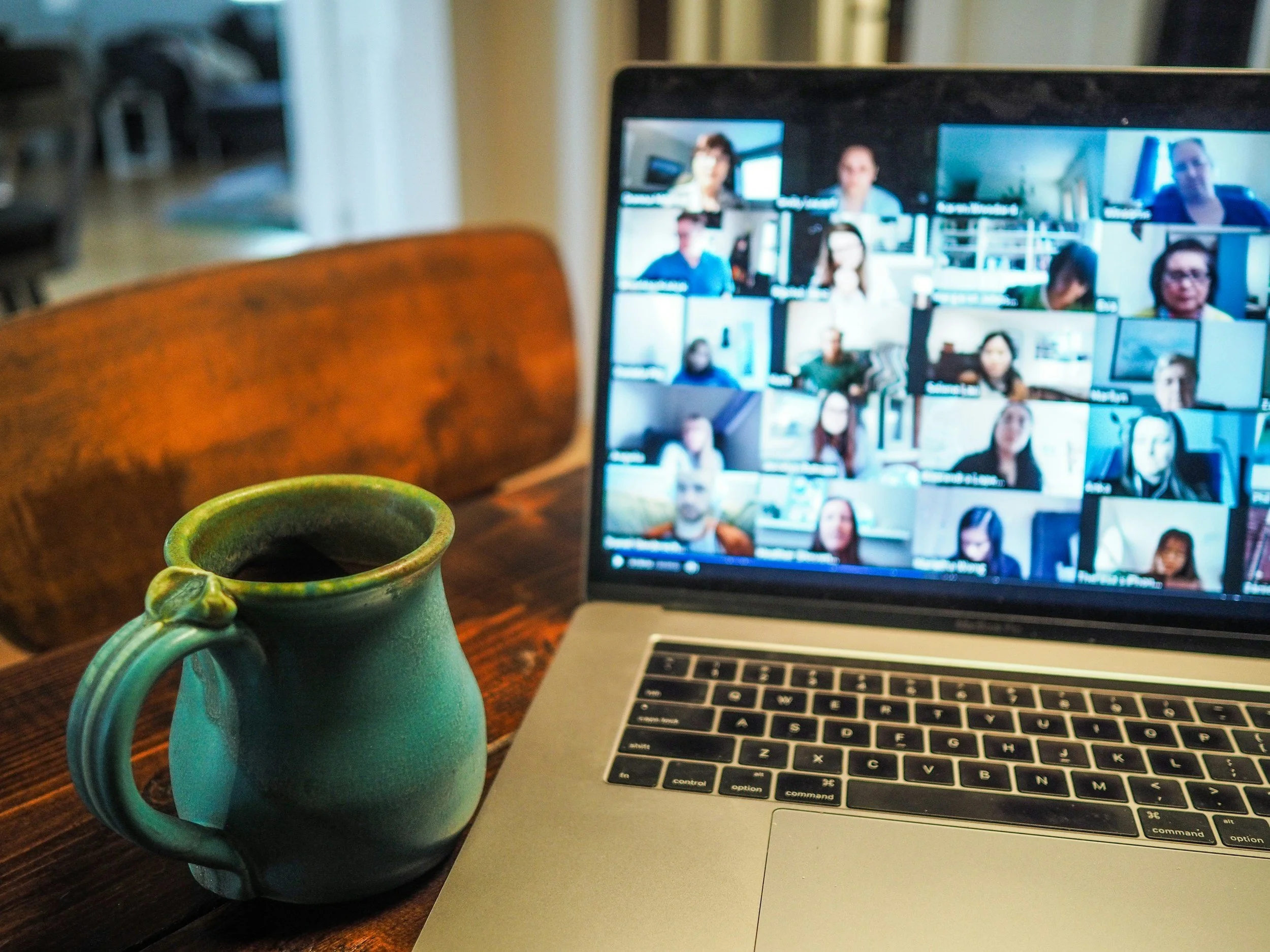
A virtual one has an agenda and a gallery of faces. The substance can be identical and the experience is considerably thinner, which is why virtual attendance frequently declines by the second or third session. A magician for Zoom doesn't fix that entirely, and it supplies something the format otherwise lacks, which is a reason for the session to feel like an occasion rather than a long meeting.

Members Don't Know Each Other

An underused asset. Your advisory board contains senior people from different organizations facing similar problems, and one of the genuine benefits of membership is meeting each other rather than meeting you.

Virtually, that doesn't happen on its own: people arrive, present their views in turn, and leave without having spoken to each other. Anything that produces shared experience rather than sequential contribution addresses that, and members who value the peer connection are members who stay on the board. That's worth designing for deliberately rather than hoping the agenda produces it.

Open With It, Don't Close

Practical guidance, and it matters more here than at most events. Senior people leave the moment the substantive portion ends, so anything placed at the close reaches whoever stayed, which is the group you already had.

Opening with something enjoyable does different work: it rewards punctual attendance, gets people talking before you ask them to be candid, and sets a tone that this isn't an ordinary meeting. Candor is what you actually want from an advisory board, and a room that's warmed up gives you considerably more of it than one that arrived cold into a roadmap presentation.

Keep It Short and Obviously Separate

Worth being clear about proportion. An advisory board session has a purpose and members gave their time for it, so entertainment should be brief and clearly framed as hospitality rather than as part of the agenda.

Twenty to thirty minutes at the start is right. What doesn't work is anything that eats into the substantive discussion or makes members feel their afternoon was padded. If your agenda is tight, that's an argument for a shorter session rather than for skipping the hospitality, since the thing members resent is wasted time rather than enjoyable time.

Don't Let It Substitute for Acting

The point that matters most, and it's a warning rather than a tip. Advisory boards fail when members conclude their input disappeared into nothing, and no amount of good hospitality compensates for that.

If you take feedback and act on none of it, a pleasant session makes the next invitation harder to accept rather than easier, because members recognize being managed. Report back on what you did with previous input, name the changes that came from the board, and be honest about what you decided not to do and why. Entertainment sits on top of that, never in place of it.

It Helps the Difficult Sessions Most

Worth thinking about placement across a program. If your board meets quarterly, the sessions that need help aren't the first one, which has novelty, but the third and fourth, when attendance quietly declines.

Something genuinely enjoyable at a mid program session gives members a reason to attend one they'd otherwise skip, and it signals that the company is still investing in the relationship rather than treating the board as an established fixture. Among reasons to book a magician for Zoom for a council, propping up the sessions where attendance slips is the practical one.

Time Zones Are Part of the Ask

Practically relevant, since advisory boards are frequently international. A member joining at seven in the evening or six in the morning is giving you more than one joining at eleven, and that should shape how the session is designed.

Keep it short, rotate which region is inconvenienced across a program, and acknowledge the imposition rather than pretending the time suits everybody. Anything you program should work identically for the person on the difficult end of the clock, which is another argument for something participatory rather than a long presentation they're watching at midnight.

Why Book Magical Katrina

If you're running a council, here's my case. I'm a member of the Magic Circle in London and the Academy of Magical Arts in Hollywood, I've earned multiple magic awards, and I've performed for companies including Formula 1, the Olympics, Porsche, Zapier, and the Ritz Carlton, with appearances on Penn & Teller: Fool Us. My virtual material works particularly well with small senior groups, everybody participates rather than watching, it works across time zones, and I understand that an advisory board session has a purpose and that hospitality serves it rather than competing with it.

Frequently Asked Questions

Why does the experience matter so much?

Because you're asking senior people for expert consultation, delivered free, in an afternoon they could have spent on their own work. That's a favor extended because the relationship matters and because members believe their input will land somewhere, and designing the session around that reality rather than around your agenda is what makes them return.

Is virtual really harder?

Considerably, since an in person board has dinner, a room, and informal conversation that makes members feel part of something, whereas a virtual one has an agenda and a gallery of faces. The substance can be identical and the experience is thinner, which is why virtual attendance frequently declines by the second or third session.

What do members get beyond influencing our roadmap?

Each other, ideally, since your board contains senior people from different organizations facing similar problems, and meeting peers is a genuine benefit of membership. Virtually that doesn't happen on its own, as people present their views in turn and leave without speaking to each other, so it's worth designing for deliberately.

Where in the agenda should it sit?

At the opening, since senior people leave when the substantive portion ends and anything at the close reaches only whoever stayed. Opening rewards punctuality, gets people talking before you ask them to be candid, and sets a tone. Candor is what you want from an advisory board, and a warmed room gives more of it.

How long should it be?

Twenty to thirty minutes, brief and clearly framed as hospitality rather than part of the agenda, since members gave their time for a purpose. What doesn't work is anything eating into substantive discussion or making the afternoon feel padded. If your agenda is tight, shorten the session rather than skipping the hospitality.

Can it make up for not acting on feedback?

No, and that's the warning. Advisory boards fail when members conclude their input disappeared, and good hospitality makes the next invitation harder to accept rather than easier, because members recognize being managed. Report on what you did with previous input, name the changes, and be honest about what you declined and why.

Which session should we use it for?

Not the first, which has novelty, but the third or fourth, where attendance quietly declines. Something enjoyable at a mid program session gives members a reason to attend one they'd otherwise skip and signals continued investment in the relationship rather than treating the board as an established fixture.

How do I book you, and what do you need to get started?

Reach out with your date, platform, how many members will attend, the time zones involved, and where in the agenda you're considering it. That's enough for me to check availability, suggest placement, and send a quote. If you run several sessions a year, mention that, since a series is easier to schedule and priced more favorably.
Make the Ask Worth Accepting

A customer advisory board runs on goodwill, since members give you expert time for nothing and continue only while the exchange feels worthwhile. A magician for Zoom contributes to that specifically: an opening that warms a room before you ask for candor, a shared experience for members who'd otherwise only present in turn, and a reason to attend the mid program session where attendance slips.

What it can't do is substitute for acting on what they told you, which is the only thing that keeps a board alive.

Reach out with your session dates and member numbers, and let's talk about placement.
Katrina Kroetch
Magician for Birthday Party Las Vegas: Joint and Shared Birthdays

Magician for Birthday Party Las Vegas: Joint and Shared Birthdays

Joint birthdays are more common than the planning advice suggests. Two friends whose birthdays fall a fortnight apart, siblings sharing a celebration, a couple marking milestones in the same year, or a group of friends who all turned forty and decided to do it together in Vegas.

They're also harder to get right than a single celebration, for reasons nobody warns you about. I'm Magical Katrina, an award winning magician and mentalist, and I want to set out what a magician for birthday party Las Vegas contributes to a shared celebration, and what to watch for when you're planning one.

You Have Two Guest Lists That Barely Overlap

Start with the structural issue. A joint party assembles two sets of people who each know one host well and the other slightly, which produces a room that divides almost immediately and stays divided.

That's the opposite of what a shared celebration is meant to achieve, and it happens reliably unless something intervenes. A magician for birthday party Las Vegas working the room addresses it mechanically: a performer approaches four people from both sides, they react to something together, and they're a group afterwards. For a party whose whole premise is bringing two circles together, that matters more than the venue does.

One Celebration Usually Dominates

Worth naming, since it's the thing that goes quietly wrong. One person organized more, one has more guests present, one is more comfortable being the center of attention, and the evening drifts towards them without anybody deciding it should.

The other person spends their birthday at somebody else's party. That's avoidable with a little deliberateness: equal moments, both names on everything, and entertainment that features both rather than whoever is standing closest. Tell your performer there are two people being celebrated and that both should get something, since it's easy to do and easy to forget.

Decide the Split Before You Plan

Practical and worth settling early. Joint parties fail on money more often than on anything else, since one person may want to spend considerably more than the other and neither wants to say so.

Agree the budget, the split, and who is paying for what before you book anything, including whether the cost is shared evenly or in proportion to guest numbers. It's an awkward ten minute conversation that prevents a much worse one later, and it also determines whether the party you're planning is the one you can both afford.

Vegas Suits This Particularly

Worth noting, since it's why so many joint celebrations end up here. When two hosts have guests in different cities, a destination everyone flies to is fairer than one person's home town, where one guest list travels and the other doesn't.

It also gives the celebration a shape beyond a single evening, since people are together for a weekend rather than a few hours. That's a genuine advantage for a shared birthday, because the two groups have time to actually mix rather than one evening in which they politely don't. A magician for birthday party Las Vegas fits into that weekend as one evening rather than as the whole event.

Choose One Evening to Be the Occasion

Practical advice for a weekend celebration. A Vegas trip with two hosts easily becomes three days of loosely organized activity with no moment that felt like the birthday.

Pick one evening to be the actual celebration, tell everybody that's what it is, and put whatever you're spending on entertainment or a private space into that night. The rest of the weekend can be unstructured. That gives both hosts a moment and gives guests something to have travelled for, which a series of dinners and bar trips doesn't reliably supply.

Entertainment That Doesn't Require Gathering

Worth considering for this kind of party specifically. A shared celebration frequently happens in a suite, a private dining room, or a reserved area, with guests arriving at different times and in different states of readiness.

Anything requiring the room to assemble and pay attention works against a group that's still forming, whereas a performer moving between groups works from the first arrivals onwards. For a party where two friend groups are meeting for the first time and nobody quite knows the running order, that flexibility is worth more than a scheduled moment would be.

Both Hosts Should Get a Moment

Worth stating as a planning instruction. If you're building anything around the people being celebrated, build two of them.

A performer can create a moment for each host separately, at different points in the evening, with their own guests watching. That takes no longer than doing it once and it means neither person is a secondary character at their own party. It's also the thing people photograph and remember, which for a shared birthday matters because both sets of guests want something to take away.

A Note on "Local vs. Traveling In"

Worth knowing: performers who travel to Las Vegas often have availability when local ones are booked, particularly during busy weeks. Travel is discussed openly and factored into the quote rather than being your problem to arrange. I'm based in the Los Angeles area and travel to Las Vegas regularly, including for private celebrations rather than only corporate events.

Why Book Magical Katrina

If you're planning a shared celebration, here's my case. I'm a member of the Magic Circle in London and the Academy of Magical Arts in Hollywood, I've earned multiple magic awards, and I've performed for clients including Formula 1, the Olympics, Porsche, and Prada, with appearances on Penn & Teller: Fool Us and Masters of Illusion. I'm happy to build a moment around each host rather than one, I work the room so two friend groups end up talking to each other, and I need no stage or setup, so a suite or a private room works exactly as it is.

Frequently Asked Questions

What's the main problem with a joint party?

Two guest lists that barely overlap, since each set knows one host well and the other slightly, which produces a room that divides immediately and stays divided. That's the opposite of what a shared celebration is meant to achieve, and it happens reliably unless something intervenes to mix the groups.

How do we stop one person's celebration dominating?

Deliberately, since it drifts that way without anybody deciding it should: one host organized more, one has more guests present, one is more comfortable with attention. Equal moments, both names on everything, and entertainment featuring both rather than whoever is closest all help. Tell your performer there are two people being celebrated.

What should we settle first?

The money, since joint parties fail on it more often than anything else, with one person wanting to spend more than the other and neither saying so. Agree the budget, the split, and who pays for what before booking anything, including whether costs are shared evenly or in proportion to guest numbers.

Why does Vegas suit a shared birthday?

Because when two hosts have guests in different cities, a destination everyone flies to is fairer than one person's home town where one guest list travels and the other doesn't. It also gives the two groups a weekend to actually mix rather than one evening in which they politely don't.

How do we make it feel like an occasion?

Pick one evening to be the actual celebration, tell everybody that's what it is, and put your entertainment or private space budget into that night. A Vegas trip with two hosts easily becomes three days of loose activity with no moment that felt like the birthday, and the rest of the weekend can be unstructured.

Can both of us get a moment?

Yes, and you should ask for it. A performer can build a moment around each host separately, at different points in the evening, with their own guests watching, which takes no longer than doing it once and means neither person is a secondary character at their own party. It's also what both sets of guests photograph.

Our guests arrive at different times. Does that matter?

It's an argument for this format, since anything requiring the room to assemble works against a group that's still forming, whereas a performer moving between groups works from the first arrivals onwards. For a party where two friend groups are meeting for the first time and nobody knows the running order, that flexibility helps.

How do I book you, and what do you need to get started?

Reach out with your date, the venue or property, rough guest numbers, and the names of both people being celebrated with a little about each. That's enough for me to check availability and send a quote including travel, and it tells me what I need to build a moment for each of you rather than one.

Two Celebrations, One Evening

A shared birthday is a good idea that needs more deliberateness than a single one, since two guest lists don't mix on their own and one celebration will quietly take over unless both are planned for. A magician for birthday party Las Vegas helps with both: getting two friend groups reacting to something together rather than standing separately, and giving each host a genuine moment with their own people watching.

Settle the money first, choose one evening to be the occasion, and make sure both names are on everything.

Reach out with your date and both names, and I'll make sure neither of you is the support act.

Katrina Kroetch
Activities for Women's Empowerment: Mentoring and Sponsorship

Activities for Women's Empowerment: Mentoring and Sponsorship

Nearly every organisation with a women's programme runs mentoring, and a good proportion of those schemes quietly stop working within a year. Pairs are matched, the first meeting happens, the second gets rescheduled, and by month six most pairs have lapsed without anyone declaring it over.

The scheme usually isn't the problem. I'm Magical Katrina, an award winning magician and mentalist who speaks at women's events, and I want to look at mentoring and sponsorship as activities for women's empowerment, and why organizations run a great deal of one and very little of the other.

Mentoring Is Advice, Sponsorship Is Advocacy

Start with the distinction, since organizations use the words interchangeably and they're different things. A mentor talks to you: gives guidance, shares experience, and helps you think through a decision.

A sponsor talks about you, in rooms you're not in, where opportunities are allocated and names are put forward. That's a materially different act, because it costs the sponsor something: they're spending their own credibility recommending you, and if you underperform it reflects on them. Among activities for women's empowerment, mentoring is pleasant and sponsorship is what actually moves careers.

Organizations Supply the Easy One

Worth being direct about why the imbalance exists. Mentoring is straightforward to run: match people, provide a framework, report on participation. Nobody has to risk anything and the program looks good in a report.

Sponsorship can't be administered that way, since it requires senior people to genuinely advocate for individuals, which they'll only do for people they rate. That makes it harder to program, impossible to mandate, and much more consequential. Organizations that run mentoring for years while promotion numbers stay flat are frequently supplying advice to people who needed advocacy.

Why Matching Schemes Fizzle

The mechanics of failure, since it's consistent. Pairs are assigned by a system rather than chosen, neither person particularly wanted the arrangement, there's no specific purpose, and the whole thing depends on two busy people sustaining a relationship nobody asked for.

Schemes that work usually let people choose, have a defined purpose and duration, and finish deliberately rather than dwindling. Six sessions over six months with a clear objective outperforms an open ended pairing every time, because it has a shape. If your scheme is fizzling, the pairing process and the absence of an end point are the likely causes.

What a Sponsor Actually Does

Worth spelling out, since people asked to sponsor frequently don't know what's being requested. It isn't coffee and encouragement.

It's putting someone's name forward for a stretch assignment, mentioning them when a role is being discussed, defending their work when it's questioned, and giving them visibility with people who matter. Those are specific acts rather than a relationship, and they happen in meetings the sponsored person never attends. Briefing senior people on what sponsorship actually involves is frequently the missing step in a program that isn't working.

Sponsorship Concentrates on the Already Visible

The risk worth naming, since it's how these programs reproduce the problem they're addressing. Senior people sponsor the people they notice, which tends to mean people who present confidently, work near them, and resemble them.

That's a genuine limitation rather than a criticism. The fix is making the decision deliberate: asking senior people who they're sponsoring, noticing when the same profiles keep appearing, and encouraging them to look at people whose work they know but whose faces they don't see daily. Among activities for women's empowerment, prompting that reflection is more useful than another matching round.

How to Ask for Sponsorship

Practical, since it's the thing people most need to know and least want to do. You don't ask someone to be your sponsor, which is awkward and puts them on the spot.

You ask for something specific: to be considered for a particular assignment, for their view on a role you're interested in, or for an introduction to someone. Those requests are easy to say yes to and they start the behavior without the label. Sponsorship grows out of specific asks that went well, not out of a conversation about the concept of sponsorship.

Run It for a Defined Period

Practical advice for whoever administers a scheme. Programs that run indefinitely become admin nobody wants to own, whereas a cohort with a start, a middle, and a clear finish can be evaluated and repeated or stopped.

Six to nine months is a workable length, with a defined end and a short review. That also means the people organizing it aren't committed forever, which for a scheme run by volunteers alongside actual jobs is what determines whether it survives. Finishing a cohort deliberately and running another is considerably better than letting one drift.

Measure Outcomes, Not Participation

Worth insisting on, since participation numbers tell you nothing. A scheme with forty pairs and no career movement is a scheme that isn't working, however good the sign up figures look.

Better questions: did anyone get a stretch assignment through it, did anyone's name get put forward for something, did participants apply for roles they wouldn't have, and did the pairs actually meet. Those are harder to collect and they tell you whether to continue. Among ways these schemes fail, being evaluated on participation rather than outcomes is how a program survives years of not working.

Where My Work Fits

Briefly, since it's adjacent rather than central. I perform magic and mentalism and speak about building a career in a field, magic, that has been overwhelmingly male, which includes what being consistently underestimated teaches and how perception operates before anyone speaks.

For a mentoring or sponsorship program, that tends to work as a launch or closing event for a cohort: something enjoyable that marks the beginning or end, gets a group who've only met in pairs into one room, and carries the theme without being another session about barriers. If you're planning something, I'm glad to talk it through.

Frequently Asked Questions

What's the difference between mentoring and sponsorship?

A mentor talks to you, giving guidance and sharing experience, while a sponsor talks about you in rooms you're not in, where opportunities are allocated. That's materially different because it costs the sponsor something: they're spending their own credibility, and if you underperform it reflects on them. Mentoring is pleasant and sponsorship moves careers.

Why do organizations run so much mentoring?

Because it's straightforward: match people, provide a framework, report on participation, and nobody risks anything. Sponsorship can't be administered that way, since it requires senior people to genuinely advocate for individuals they rate, which makes it harder to program and impossible to mandate, and considerably more consequential.

Why does our scheme keep fizzling?

Probably the pairing and the absence of an end point. Pairs assigned by a system rather than chosen, with no specific purpose and no finish, depend on two busy people sustaining a relationship nobody asked for. Six sessions over six months with a clear objective outperforms an open ended pairing, because it has a shape.

What should we tell senior people sponsorship involves?

Specific acts rather than a relationship: putting someone's name forward for a stretch assignment, mentioning them when a role is discussed, defending their work when questioned, and giving them visibility with people who matter. People asked to sponsor frequently don't know what's being requested, and briefing them is often the missing step.

Doesn't sponsorship favor people who are already visible?

It does, since senior people sponsor those they notice, who tend to present confidently, work nearby, and resemble them. That's a limitation rather than a criticism, and the fix is deliberateness: asking senior people who they're sponsoring, noticing when the same profiles recur, and prompting them to consider people whose work they know but whose faces they don't see daily.

How should someone ask for sponsorship?

Not by asking someone to be their sponsor, which is awkward and puts them on the spot. By asking for something specific: consideration for a particular assignment, a view on a role, or an introduction. Those are easy to say yes to and start the behavior without the label, since sponsorship grows out of specific asks that went well.

How long should a scheme run?

Six to nine months as a defined cohort with a start, a finish, and a short review, rather than indefinitely. Programs that run forever become admin nobody wants to own, whereas a cohort can be evaluated and repeated or stopped, and the organizers aren't committed permanently, which for volunteers alongside actual jobs determines survival.

What should we measure?

Outcomes rather than participation, since forty pairs and no career movement is a scheme that isn't working however good the sign up numbers look. Ask whether anyone got a stretch assignment through it, whether names were put forward, whether participants applied for roles they wouldn't have, and whether pairs actually met.

Supply the Harder One

Among activities for women's empowerment, mentoring is the one organizations find easy to run and sponsorship is the one that changes what happens in promotion rounds. The useful work is mostly in the gap between them: briefing senior people on what advocacy actually involves, prompting them to look beyond the people they already notice, teaching specific asks rather than abstract requests, running cohorts with an end date, and measuring whether anybody's career moved.

None of that requires a budget. It requires running the harder program rather than the comfortable one.

Reach out if you're planning something around a cohort, and I'm glad to talk about what would suit.

Katrina Kroetch
Strolling Magician Los Angeles for Outdoor and Estate Events

Strolling Magician Los Angeles for Outdoor and Estate Events

Los Angeles is one of the few cities where an outdoor event is viable most of the year, which is why so many parties here happen on lawns, terraces, and around pools rather than in function rooms. It also produces a particular kind of overconfidence.

Evenings cool faster than people expect, hillside venues have constraints nobody mentions, and residential noise rules end things earlier than planned. I'm Magical Katrina, an award winning magician and mentalist based right here in Los Angeles, and I want to set out what a strolling magician Los Angeles brings to an outdoor event, and what the practical realities are.

The Evening Drop Catches People Out

Start with the thing that surprises visitors and a fair number of locals. A seventy five degree afternoon becomes a considerably cooler evening once the sun goes, and guests dressed for a summer party feel it by nine.

That matters for planning because your outdoor space has a usable window rather than an open ended one, and the party will drift indoors or towards the heaters at some point. Plan for that rather than hoping, since a format that can't move with your guests ends up performing to an empty lawn while everyone stands inside.

Half Your Event Will Move Inside

The structural point. Almost every LA outdoor venue has an indoor component, and almost every LA outdoor event uses both, frequently transitioning mid evening without anybody announcing it.

A strolling magician Los Angeles performing close up relocates with your guests and nobody notices, since there's nothing to move, reconnect, or set up again. Tell your performer that both spaces are in play and they'll work the whole event rather than one half of it, which sounds obvious and is exactly the detail that gets left out of a brief.

Estates and Hillside Venues Have Real Constraints

Practically relevant, since so many LA events use private homes and estates. Canyon and hillside properties frequently have limited parking, difficult vehicle access, narrow approaches, and power that wasn't designed for an event.

That rules out anything requiring a build, a generator, or significant equipment, and it makes a supplier arriving with a case genuinely easier for everybody. It's also worth asking about access early, since a venue that's beautiful and reachable only by a single lane road affects every supplier you book, not just the entertainment.

Residential Noise Rules End Things Early

Worth establishing before you plan an evening around amplified entertainment. Many LA neighborhoods have ordinances restricting amplified sound after a particular hour, and estate venues in residential areas frequently have conditions attached to their use.

That can mean music ending considerably earlier than you'd like. Close up magic is unaffected, since it operates at conversational volume and doesn't register as amplified entertainment at all, which means it can continue through the part of the evening when the music has had to stop. For a party with a curfew on sound, that's a genuinely useful property.

Guests Spread Across the Space

The social reality of an outdoor event. A lawn, a terrace, a pool area, and an indoor room mean your guests distribute themselves rather than gathering, and they stay where they've settled.

That defeats anything requiring an audience and suits strolling work exactly, since the performer goes to each group rather than asking anybody to move. For a host, it also means the corners of the party get attention rather than only the area near the bar, which at a spread out outdoor event is where guests otherwise end up neglected.

Sun Matters Earlier in the Day

Worth planning for at daytime events. A performer working in direct sun for two hours is a genuine consideration rather than a preference, and so is asking guests to stand in it.

Plan for shade: a covered terrace, a pergola, the shaded side of a garden as the afternoon moves. It's also worth noting that guests naturally congregate in shade at a daytime event, which is where a performer should be concentrating anyway. For an afternoon party, the shaded area is effectively your main room.

It Needs Nothing From the Venue

The practical argument that makes this format suit outdoor events specifically. No stage, no power, no sound, no rigging, and nothing built or brought in beyond a performer with a case.

At an estate with limited power, a lawn with no infrastructure, or a terrace where nothing can be fixed to anything, that matters considerably more than it would in a ballroom. It also means nothing to dismantle at the end of the night and nothing exposed if the weather turns, which for an outdoor event is one fewer thing on your list.

Being Local Helps With an Outdoor Plan

Worth mentioning, since outdoor events here involve more last minute adjustment than indoor ones. Unlike a performer travelling in, I'm based right here in the LA area and serve all of Southern California, so there are no travel costs and no logistics to coordinate.

It also means flexibility if timings shift because the light changed or the party moved inside earlier than planned, and familiarity with the kinds of venue you're likely to be using, from canyon estates to Westside gardens to Pasadena terraces.

Why Book Magical Katrina

If your event is outdoors, here's my case. I'm based in the LA area, I'm a member of the Magic Circle in London and the Academy of Magical Arts in Hollywood, I've earned multiple magic awards, and I've performed for clients including Formula 1, the Olympics, Porsche, Prada, and the Ritz Carlton, with appearances on Penn & Teller: Fool Us and Masters of Illusion. I need no stage, power, or setup, I move between lawn and living room without anything being relocated, and I work at conversational volume, which continues after a sound curfew stops the music.

Frequently Asked Questions

Will the evening really get cold?

Noticeably, since a warm afternoon becomes a considerably cooler evening once the sun goes, and guests dressed for a summer party feel it by nine. That means your outdoor space has a usable window rather than an open ended one, and the party will drift indoors or towards heaters at some point, which is worth planning for rather than hoping about.

Our event uses both a garden and a house. Does that work?

It's the normal LA situation and exactly what this format suits, since close up magic relocates with your guests and nobody notices, with nothing to move, reconnect, or set up again. Tell your performer both spaces are in play and they'll work the whole event rather than one half, which is the detail most often left out of a brief.

Our venue is an estate up a canyon. Any issues?

For entertainment, no, and it's worth asking about access early for every supplier. Canyon and hillside properties frequently have limited parking, difficult vehicle access, and power that wasn't designed for an event, which rules out anything requiring a build or a generator. A supplier arriving with a case is genuinely easier for everybody.

What about noise rules?

Worth establishing before planning around amplified entertainment, since many LA neighborhoods restrict amplified sound after a particular hour and estate venues in residential areas often have conditions attached. Close up magic is unaffected, operating at conversational volume, so it continues through the part of the evening when music has had to stop.

Our guests will be spread across the property. Is that a problem?

It's what this format handles best, since a lawn, terrace, pool area, and indoor room mean guests distribute themselves and stay where they've settled, which defeats anything requiring an audience. A strolling magician Los Angeles goes to each group, so the corners of the party get attention rather than only the area near the bar.

What about a daytime event in full sun?

Plan for shade, since a performer working two hours in direct sun is a genuine consideration and so is asking guests to stand in it. A covered terrace, a pergola, or the shaded side of a garden works, and guests naturally congregate in shade anyway, which means the shaded area is effectively your main room at an afternoon party.

What do you need from the venue?

Nothing: no stage, power, sound, rigging, or anything built or brought in beyond a case. At an estate with limited power, a lawn with no infrastructure, or a terrace where nothing can be fixed, that matters considerably more than it would in a ballroom, and there's nothing to dismantle at the end or exposed if the weather turns.

How do I book you, and what do you need to know?

Reach out with your date, the venue or address, rough guest numbers, and which spaces are in play. That's enough for me to check availability and send a quote, and being local means no travel costs and flexibility if timings shift because the light changed or the party moved inside earlier than planned.

Plan for a Party That Moves

An LA outdoor event is a lovely thing and a moving target, since the evening cools, the guests spread out, the music stops before you'd like, and at some point half the party is in the house. A strolling magician Los Angeles suits all of that: nothing required from a lawn or an estate with awkward power, conversational volume that outlasts a sound curfew, attention reaching the corners where guests have settled, and relocation indoors that nobody notices happening.

If you're planning something outdoors, I'd be glad to hear about it, and as a local, I'm right here.

Reach out with your date and venue, and I'll plan for both spaces.

Katrina Kroetch
Ideas for a Company Christmas Party Without the Bar at the Centre

Ideas for a Company Christmas Party Without the Bar at the Centre

More organizations are holding Christmas parties where alcohol isn't the organising principle, for a mix of reasons: a workforce where a meaningful proportion doesn't drink, budgets that don't stretch to an open bar, and conduct incidents that made somebody reconsider.

It's a sound decision that frequently produces a worse party, because the bar was doing more work than anyone acknowledged. I'm Magical Katrina, an award winning magician and mentalist, and I want to set out ideas for company Christmas party planning when drinking isn't the center of the evening.

Understand What the Bar Was Doing

Start here, since it explains why removing it is harder than it looks. A bar isn't only a drinks service, it's a destination, an excuse to move, a way to join a group, something to hold, and a socially acceptable reason to end a conversation.

Take it away and every one of those functions needs replacing. That's why a party with the alcohol removed and nothing added feels flat: people stand in their arrival groups with nothing to do and nowhere to go. Among ideas for company Christmas party planning without alcohol, the useful question is what replaces those functions rather than what replaces the drinks.

Soft Drinks Aren't a Plan

Worth stating plainly, since it's the usual approach. Offering non alcoholic options alongside a full bar is good practice and it isn't designing an event that works without alcohol.

The people who don't drink at a drinking party are still at a drinking party, standing with a soft drink while the room gets progressively louder around them. If you're genuinely moving away from an alcohol led event, design the whole thing differently rather than improving the options at the margin. Half measures produce an evening that satisfies nobody and costs the same.

Something Has to Happen

The central principle. An alcohol led party works because drinking is the activity, which means nothing else has to be, and colleagues will stand and talk for three hours because the drinking supplies momentum.

Without it, the evening needs content. That might be a meal that's genuinely good, an activity, entertainment, or something to watch, and it doesn't need to be elaborate. What it can't be is an empty room with people in it, which is what a dry party becomes by default. This is the single most important difference between planning the two kinds of event.

Daytime Removes the Problem Entirely

The simplest structural answer. A lunch or an afternoon event carries no expectation of drinking at all, which means nothing is being withheld and nobody notices an absence.

An evening party without a bar invites comparison with every evening party people have attended, whereas a Christmas lunch is simply a different format. It's also cheaper, better attended, and includes people who can't do evenings. If your main reason for moving away from alcohol is inclusion or cost, moving to daytime achieves both without the event feeling like something was taken away.

Don't Frame It as a Restriction

A communications point that determines how it lands. An invitation explaining that this year's party will be alcohol free reads as a policy, and people respond to policies by resenting them.

An invitation describing a Christmas lunch, an afternoon event with something good happening, or a celebration built around a meal doesn't require the explanation at all. Describe what the event is rather than what it isn't, and most of the resistance evaporates. The same evening framed two ways produces noticeably different attitudes before anyone arrives.

Food Can Carry an Evening

Worth considering, since it's the most straightforward substitute. A genuinely good meal gives an evening structure, a reason to be seated together, something to talk about, and a natural shape with a beginning and an end.

That's most of what the bar was supplying. A proper dinner, a tasting format, or something interactive around food works considerably better than drinks and canapés without the drinks. It also tends to be where the budget goes anyway once the bar is removed, which makes it an easy internal case.

Entertainment Does the Rest

Since it's my area, the honest version. What entertainment provides at an alcohol free event is the momentum that drinking usually supplies: a reason for the room to be animated, something for strangers to react to together, and a shared experience that doesn't require anybody to be uninhibited.

Close up magic suits that particularly, since it needs no participation beyond watching, works identically on someone sober at seven and someone sober at ten, and moves through a room reshuffling groups. At a drinking party it's an addition, and at an alcohol free one it's doing structural work.

Be Honest That Some People Will Miss It

Worth acknowledging rather than pretending otherwise. A proportion of your staff enjoy a drink with colleagues at Christmas and will be quietly disappointed, and treating that as unreasonable doesn't help.

You can acknowledge it without changing course: say the event is different this year, explain briefly why if there's a good reason, and make it good enough that the question doesn't dominate. What causes resentment isn't the absence of alcohol so much as the sense that something was removed and nothing replaced it, which is a planning problem rather than a cultural one.

Frequently Asked Questions

Why do alcohol free parties often feel flat?

Because the bar was doing more than serving drinks: it's a destination, an excuse to move, a way to join a group, something to hold, and a socially acceptable way to end a conversation. Remove it without replacing those functions and people stand in their arrival groups with nothing to do and nowhere to go.

Isn't offering soft drinks enough?

It's good practice and it isn't the same thing, since people who don't drink at a drinking party are still at a drinking party, standing with a soft drink while the room gets louder around them. If you're genuinely moving away from an alcohol led event, design the whole thing differently rather than improving options at the margin.

What's the simplest solution?

Move it to daytime, since a lunch or afternoon event carries no expectation of drinking, which means nothing is being withheld and nobody notices an absence. It's also cheaper, better attended, and includes people who can't do evenings, so if your reasons are inclusion or cost, daytime achieves both without the event feeling diminished.

How should we describe it in the invitation?

By what it is rather than what it isn't. An invitation explaining that the party will be alcohol free reads as a policy and people resent policies, whereas describing a Christmas lunch or an afternoon celebration with something good happening needs no explanation. The same event framed two ways produces noticeably different attitudes.

What actually replaces the bar?

Content, since an alcohol led party works because drinking is the activity and nothing else has to be. Without it the evening needs something happening: a meal that's genuinely good, an activity, or entertainment. It needn't be elaborate, and it can't be an empty room with people in it, which is what a dry party becomes by default.

Can food carry the evening?

Frequently, since a good meal supplies structure, a reason to be seated together, something to talk about, and a natural beginning and end, which is most of what the bar was providing. A proper dinner or something interactive around food works considerably better than drinks and canapés without the drinks, and it's usually where the budget goes anyway.

Won't some people be disappointed?

Some will, and acknowledging that is better than pretending otherwise. You can say the event is different this year, explain briefly why if there's a good reason, and make it good enough that the question doesn't dominate. Resentment comes less from the absence of alcohol than from the sense that something was removed and nothing replaced it.

Design the Evening, Don't Just Remove the Drinks

The ideas for company Christmas party planning that work without alcohol all follow from one observation: the bar was supplying structure, movement, and momentum, and those have to come from somewhere else. Move to daytime if you can, build the event around food or around something genuinely happening, describe what the evening is rather than what it lacks, and accept that a few people will miss the old version.

Do that and you'll have an event people enjoy on its own terms rather than one they compare unfavorably with last year's.

Reach out with your date and format, and let's talk about what would give the evening some shape.

Katrina Kroetch
Strolling Magician Las Vegas for Pool Parties and Daytime Events

Strolling Magician Las Vegas for Pool Parties and Daytime Events

Las Vegas does daytime outdoor events at a scale nowhere else attempts. Corporate groups take over pool decks, cabanas become hospitality suites, and a convention afternoon frequently ends with a reception beside water rather than in a ballroom.

They're also the hardest conditions in the city to program entertainment for. I'm Magical Katrina, an award winning magician and mentalist, and I want to set out what a strolling magician Las Vegas can and can't do at a pool party, and how to plan one that works.

Heat Governs Everything

Start with the constraint that overrides all others. Between roughly May and September, an afternoon outdoors in Las Vegas is genuinely punishing, and anything scheduled between noon and four is fighting conditions rather than working with them.

Guests retreat to shade, drink, and don't want to stand attentively anywhere. That's not a failure of the entertainment, it's physics. The practical answer is timing: late afternoon into evening works considerably better than midday, and a reception starting at five is a completely different event from one starting at one, even in the same space.

Your Guests Are Spread Out

The structural difference from an indoor reception. A pool deck distributes people across cabanas, loungers, bar areas, and the water itself, and they don't gather.

That rules out anything requiring an audience and suits strolling work exactly, since a performer moves between groups rather than asking them to assemble. It also means coverage takes longer than it would indoors, because the distances are greater and groups are smaller. A strolling magician Las Vegas at a pool event reaches fewer people per hour than the same performer in a ballroom, which is worth factoring into how long you book.

Music Is Usually Non Negotiable

Worth knowing, since pool venues come with a sound environment you may not control. Many run music as part of their identity, at a volume set by the venue rather than by your event, and it isn't always adjustable for a private booking.

Close up magic operates at conversational distance, which is the only format that functions in that environment, since anything requiring the room to listen at a distance will lose. Ask the venue directly what the music situation is during your hours, and tell your performer, since it affects how they work rather than whether they can.

Sun and Shade Matter More Than You'd Think

Practical and frequently overlooked when planning. A performer working in direct sun for two hours in August is a genuine welfare consideration, not a preference, and so is asking guests to stand in it.

Plan for shade: cabana areas, covered sections, or the shaded side of the deck as the sun moves. It's also worth knowing that some effects and materials behave differently in heat and direct sun, which any experienced performer accounts for. A shaded reception area where people naturally congregate is where this works best.

The Audience Changes Across the Afternoon

Worth planning around, since it genuinely does. A corporate pool reception at four contains people who have just come from a session and are relatively sober, and the same event at seven contains a different crowd entirely.

Neither is a problem and they suit different approaches, so tell your performer which you expect. Earlier is better for anything requiring attention, later is louder and more sociable, and a performer who knows adjusts pacing accordingly. If your event spans both, that's worth flagging too, since the room they start in isn't the room they'll finish in.

Water and Props

A practical note people find surprising. Close up magic frequently involves objects that don't respond well to being wet, and a pool deck contains water, drinks, sunscreen, and hands that have been in all three.

That doesn't prevent anything, and it means a performer works slightly differently: more mentalism, fewer materials that suffer, and an awareness of where they're standing. It's not something you need to manage, and it's worth knowing so that a performer asking about the layout isn't being fussy. They're planning around conditions most clients never think about.

Cabana Hospitality Is the Sweet Spot

Worth separating out, since it's where this works best. A cabana or a reserved section with a defined group of guests is a smaller, shaded, more contained version of a pool party, and considerably easier to program.

Guests are seated or standing nearby, the group is finite, and a performer can cover it properly. For corporate groups using cabanas as hospitality during a convention or an incentive trip, a strolling magician Las Vegas works there much as it would in a suite. If your event has both a general pool area and reserved cabanas, the cabanas are where to concentrate.

Be Realistic About What It Can Do

Worth saying honestly. A pool party at full volume in the afternoon heat with two hundred guests spread across a deck is not a setting where any entertainment covers the room.

What a performer can do is work the shaded and seated areas, reach the groups who are gathered rather than swimming, and give a substantial portion of your guests something. That's a genuine contribution and it isn't full coverage, and anyone promising otherwise hasn't worked one. Book on that basis and it delivers, book expecting a ballroom result and it won't.

A Note on "Local vs. Traveling In"

Worth knowing: many performers travel to Las Vegas, with travel discussed openly and factored into the quote rather than being your problem to arrange. I'm based in the Los Angeles area and travel to Vegas regularly, including for daytime and outdoor corporate events rather than only evening ones.

Why Book Magical Katrina

If you're planning a daytime event, here's my case. I'm a member of the Magic Circle in London and the Academy of Magical Arts in Hollywood, I've earned multiple magic awards, and I've performed for clients including Formula 1, the Olympics, Porsche, Prada, and the Ritz Carlton, with appearances on Penn & Teller: Fool Us and Masters of Illusion. I work at conversational volume, which is the only thing that functions beside a pool, I plan around heat and shade rather than being surprised by them, and I'll tell you honestly what coverage to expect from your particular setting.

Frequently Asked Questions

When should we schedule it?

Late afternoon into evening rather than midday, since between roughly May and September an afternoon outdoors here is punishing and anything between noon and four is fighting conditions. Guests retreat to shade and don't want to stand attentively anywhere, so a reception starting at five is a completely different event from one starting at one.

Our guests will be spread across the deck. Does that work?

It suits strolling work and rules out anything requiring an audience, since a performer moves between groups rather than asking them to assemble. It does mean coverage takes longer than indoors, because distances are greater and groups smaller, so a strolling magician Las Vegas reaches fewer people per hour at a pool than in a ballroom.

What about the venue's music?

Ask the venue what the situation is during your hours, since many pool venues run music as part of their identity at a volume set by them rather than by your event, and it isn't always adjustable. Close up magic operates at conversational distance, which is the only format that functions there, since anything requiring listening at a distance loses.

Does sun matter?

Considerably, since a performer working in direct sun for two hours in August is a welfare consideration rather than a preference, and so is asking guests to stand in it. Plan for shade: cabana areas, covered sections, or the shaded side as the sun moves. Some materials also behave differently in heat, which experienced performers account for.

Will the crowd be different later?

Genuinely, since a reception at four contains people who just came from a session and are relatively sober, while the same event at seven contains a different crowd. Neither is a problem and they suit different approaches, so tell your performer which you expect, and flag it if your event spans both.

Is water an issue?

Mildly, since close up magic frequently involves objects that don't respond well to being wet, and a pool deck contains water, drinks, sunscreen, and hands that have been in all three. A performer works slightly differently in response, with more mentalism and fewer vulnerable materials. It's not something you need to manage.

Where does it work best?

Cabanas and reserved sections, which are smaller, shaded, more contained, and considerably easier to program than an open deck. Guests are seated or nearby, the group is finite, and a performer can cover it properly. If your event has both a general pool area and cabanas, concentrate on the cabanas.

How much of our event will it reach?

Less than an indoor equivalent, honestly. A full volume afternoon pool party with two hundred guests spread across a deck isn't a setting where any entertainment covers the room. A performer can work the shaded and seated areas and reach the gathered groups, which is a genuine contribution rather than full coverage, and anyone promising otherwise hasn't worked one.

Program for the Conditions, Not the Photograph

A Las Vegas pool event looks like the easiest party in the world to plan and is one of the harder ones to program, since heat, distance, and volume all work against anything requiring attention. A strolling magician Las Vegas is one of the few formats that functions there, provided it's timed for late afternoon rather than midday, concentrated on shaded and seated areas, and booked with realistic expectations about coverage.

Get those right and it adds something genuine to an event that otherwise relies entirely on the setting.

Reach out with your date, venue, and timings, and I'll tell you honestly what to expect.

Katrina Kroetch
San Francisco Magician: Planning an Outdoor or Summer Event

San Francisco Magician: Planning an Outdoor or Summer Event

People planning their first San Francisco event book an outdoor summer party and discover that a July evening in this city is colder than an October one. The fog arrives around six, the temperature drops noticeably, and a courtyard that was lovely at four is being abandoned by seven.

It catches out visitors and a surprising number of locals. I'm Magical Katrina, an award winning magician and mentalist who performs across the Bay Area, and I want to set out what the city's climate means for outdoor events and what that implies when you're booking a San Francisco magician.

Summer Is Not the Warm Season Here

Start with the fact that governs everything. July and August in the city are frequently cool, grey, and windy in the evenings, while September and October are genuinely warm.

That means a summer party outdoors is a riskier proposition than an autumn one, which is the opposite of how most people plan. If your event is flexible and you want outdoor space to be usable into the evening, the early autumn months are the safer choice. It's a straightforward planning decision that costs nothing and materially changes whether your terrace gets used.

The Evening Is the Problem, Not the Day

Worth being precise about, since the daytime frequently looks fine. Afternoons can be pleasant, and the fog and wind arrive in the late afternoon and evening, which is exactly when your reception starts.

That's why so many outdoor plans fail here: people assess the venue at two in the afternoon and book it for seven. If you're viewing a space with a view to evening use, visit at the hour your event will actually run. And plan on the assumption that guests will move indoors at some point, because they usually do.

Microclimates Are Real

Specific to this region and genuinely useful. Conditions vary considerably across short distances: a venue in one neighborhood can be windy and grey while somewhere twenty minutes away is warm and still.

The East Bay and the Peninsula are reliably warmer than the city, and wine country to the north is warmer again, frequently by a considerable margin. If outdoor use matters to your event, that's an argument for looking beyond the city rather than accepting a fogbound terrace. It's also worth asking any venue directly how their outdoor space behaves in the evening, since they'll know.

Plan for Both Spaces

The practical requirement whatever you decide. Nearly every viable outdoor venue here has indoor space as well, and your event will probably use both, frequently moving between them mid evening without anybody announcing it.

That's the single most useful thing to plan around. A format requiring power, staging, or a sound setup becomes a problem when the plan changes at short notice, whereas a San Francisco magician performing close up relocates with your guests and nobody notices. Tell your performer both spaces are in play and they'll work the whole event rather than half of it.

Practical Measures That Help

Small things that materially extend how long outdoor space is usable. Patio heaters, which most venues can supply or hire, make a genuine difference in the hour when people would otherwise go inside.

Wraps or blankets, which sounds fussy and is consistently appreciated, particularly at weddings where guests dressed for a summer evening. Windbreaks where the venue allows them. And an honest word in the invitation suggesting a layer, since guests who packed for California summer routinely arrive in nothing warm enough. None of that is expensive and all of it buys you outdoor hours.

Weddings Deserve Special Care

Worth a note, since outdoor weddings here are popular and frequently planned by people from elsewhere. A ceremony at four is usually fine and a drinks reception at six is where the trouble starts.

Build the timeline around the weather rather than around the photographs: earlier outdoor elements, indoor space genuinely available for the evening, and heaters ready rather than requested on the night. Guests at a wedding will stay outside politely while being cold, which looks fine in photographs and isn't what you wanted for them.

Wine Country and the Peninsula Are Different

Worth knowing if your event is outside the city. Napa, Sonoma, and the Peninsula are meaningfully warmer, and the planning problem reverses: the risk there is afternoon heat rather than evening cold.

That affects timing, shade, and how long guests will stand in an unshaded courtyard. It also affects performers, since standing in direct sun for two hours is a genuine consideration. Different problem, same principle: ask the venue how the space behaves at the hour your event runs, and plan for what actually happens rather than what the photographs suggest.

Choose a Format That Doesn't Care

The conclusion underneath all of this. The more your entertainment depends on setup, power, sound, or a fixed position, the more exposed your event is to a weather decision made at six o'clock.

Close up magic needs none of it and works on a terrace, in a courtyard, or inside without any adjustment, moving with your guests as they move. Among practical arguments for booking a San Francisco magician working close up, weather independence is one that only becomes obvious when you've watched a plan change an hour before an event.

A Note on "Local vs. Traveling In"

Worth knowing: the right performer needn't be Bay Area based, and many travel in, with travel discussed openly and factored into the quote. I'm based in the Los Angeles area and travel to San Francisco and the wider Bay Area for events, and I've worked enough outdoor evenings here to plan for the fog rather than be surprised by it.

Why Book Magical Katrina

If your event has outdoor space in play, here's my case. I'm a member of the Magic Circle in London and the Academy of Magical Arts in Hollywood, I've earned multiple magic awards, and I've performed for clients including Formula 1, the Olympics, Porsche, Zapier, and the Ritz Carlton, with appearances on Penn & Teller: Fool Us and Masters of Illusion. I need no stage, power, sound, or setup, so a terrace, a courtyard, and an indoor room all work identically, and I move with your guests when the evening cools without anything needing to be relocated.

Frequently Asked Questions

Is summer the wrong time for an outdoor event here?

Frequently, since July and August in the city are often cool, grey, and windy in the evenings while September and October are genuinely warm. That makes a summer party outdoors riskier than an autumn one, which is the opposite of how most people plan. If your date is flexible and outdoor use matters, early autumn is the safer choice.

The venue looked lovely when we visited. What went wrong?

You probably visited in the afternoon. Days can be pleasant here while the fog and wind arrive in the late afternoon and evening, which is exactly when a reception starts. Visit at the hour your event will actually run, and plan on the assumption that guests will move indoors at some point, because they usually do.

Do conditions really vary that much across the region?

Considerably, since a venue in one neighborhood can be windy and grey while somewhere twenty minutes away is warm and still. The East Bay and Peninsula are reliably warmer than the city and wine country warmer again, frequently by a margin. If outdoor use matters, that's an argument for looking beyond the city.

What should we plan for?

Both spaces, since nearly every viable outdoor venue has indoor space too and your event will probably use both, frequently moving mid evening without anybody announcing it. A format requiring power, staging, or sound becomes a problem when that happens, whereas close up magic relocates with your guests unnoticed.

What practical measures actually help?

Patio heaters, which most venues can supply or hire and which genuinely extend how long people stay outside. Wraps or blankets, which sounds fussy and is consistently appreciated. Windbreaks where permitted. And a line in the invitation suggesting a layer, since guests who packed for California summer routinely arrive in nothing warm enough.

We're planning an outdoor wedding. Any specific advice?

Build the timeline around the weather rather than the photographs: earlier outdoor elements, indoor space genuinely available for the evening, and heaters ready rather than requested on the night. A ceremony at four is usually fine and a drinks reception at six is where trouble starts, and guests will stay outside politely while being cold.

Our event is in wine country. Same issues?

Reversed, since Napa, Sonoma, and the Peninsula are meaningfully warmer and the risk becomes afternoon heat rather than evening cold. That affects timing, shade, and how long guests will stand in an unshaded courtyard, and it affects performers too. Same principle: ask how the space behaves at the hour your event runs.

How do I book you, and what do you need to know?

Reach out with your date, venue, guest numbers, and whether outdoor space is in play. That's enough for me to check availability and send a quote, and I'll plan for both spaces as a matter of course since I need no stage, power, or setup and can move with your guests when the evening cools.

Plan for the Evening You'll Actually Get

San Francisco rewards outdoor events and punishes optimism about them, since the city's summer evenings are cool and its autumn ones aren't, and the fog arrives at precisely the hour your reception starts. Choose your date with that in mind, view venues at the hour you'll use them, look beyond the city if outdoor space genuinely matters, and plan for guests moving inside because they will.

Then book a format that doesn't care which space they're in, which for most events means a San Francisco magician working close up.

Reach out with your date and venue, and I'll plan for both spaces.

Katrina Kroetch
Fun Conference Ideas for Day Two and Day Three

Fun Conference Ideas for Day Two and Day Three

Most conference programs are built as though delegates experience every day equally. They don't. Day one runs on novelty and good intentions, and by the second morning a measurable proportion of your attendees are still in bed, in the hotel gym, or having a meeting they arranged instead.

That gap between the program you planned and the room you get is where multi day conferences lose their value. I'm Magical Katrina, an award winning magician and mentalist who works conferences, and I want to offer fun conference ideas aimed specifically at the days when attendance quietly declines.

The Second Morning Is the Hardest Slot

Start with the honest assessment. Day one has arrival energy, an opening keynote, and delegates who haven't yet worked out which sessions they can skip.

By the second morning they have. They also went to a reception, possibly a dinner, and quite possibly somewhere afterwards, and nothing about the schedule acknowledges that. A program that places its weakest content there guarantees a thin room, and a program that places genuinely good content there wastes it on the people who showed up rather than everybody. Among fun conference ideas for a multi day event, deciding what goes in that slot is the most consequential choice.

Put Something Worth Attending There

The direct answer, and it goes against the instinct to front load. Organizers naturally schedule their strongest content on day one, which is when attendance is guaranteed and therefore when it's least needed.

Moving something people don't want to miss to the second morning does more work: it improves attendance in the slot where attendance is lowest, and it signals that the program doesn't decline after the opening. That might be a headline speaker, a session delegates specifically asked for, or something genuinely enjoyable, and the last is frequently the most effective since it's the hardest to skip without regret.

Acknowledge the Night Before

Practical and rarely done. If your delegates were out until late, a nine o'clock start is a decision to have a half empty room, and pretending otherwise doesn't change that.

Start the second day later if you can, even by thirty minutes, and schedule something forgiving first. Delegates notice when a program has been built by someone who understands how conferences actually go, and a later start on day two costs you very little while materially improving the room. It's also considerably cheaper than trying to compensate with content.

Day Three Needs a Different Approach

Worth separating, since the problem changes. Day two is about energy and day three is about departures, with delegates checking out, watching flights, and mentally back at work.

That means anything important has to happen before lunch, and anything after it is playing to whoever hasn't left. Be realistic rather than aspirational: a shorter final day that finishes properly is better than a full one that empties through the afternoon. If you can't shorten it, put the genuinely valuable content in the morning and let the afternoon be lighter.

The Closing Session Is Usually Wasted

Worth stating plainly, since organizers keep programming them. A closing keynote at four on the final day reaches the people who stayed, who are the delegates who were already engaged.

If you want a proper ending, either move it to before lunch on the final day or accept that it's a gesture for the committed rather than a moment for everyone. Among fun conference ideas, a closing element placed where people actually still are frequently means moving it considerably earlier than tradition suggests, which is an easier decision than it sounds once you've watched a room drain.

Build in Genuine Downtime

Counterintuitive and consistently right on longer events. Organizers fill days to justify the ticket price, and delegates experience a packed program as exhausting rather than valuable.

A longer break, a free afternoon, or a genuinely unhurried lunch on day two does more for how delegates rate the event than another session would. It's also when the conversations happen, which is what most of them came for. Cutting a session to extend a break feels like reducing value and reliably increases it.

Vary the Format, Not Just the Topic

Worth considering, since three days of the same shape is tiring regardless of content quality. If everything is a person on a stage with slides, delegates experience the third day as the ninth iteration of the same experience.

Changing the format across the days helps: a different room arrangement, a session with no slides, something participatory, something that isn't a talk at all. That variation costs nothing and noticeably affects how long the program sustains attention. Among the levers available to an organizer, format variety is underused compared with topic variety.

Where a Performer Fits

Briefly, since it's my area. Entertainment placed on day two rather than day one is more useful, since day one doesn't need help and day two does.

A performer working a second morning reception, a break before a difficult session, or the exhibition area on the day footfall drops addresses attendance rather than supplementing atmosphere. It also needs no program slot, which matters on a day when your schedule is already trying to compensate for a thin room. If you're planning a multi day program, that's where I'd suggest placing it.

Frequently Asked Questions

Why does day two attendance drop?

Because day one runs on arrival energy and delegates who haven't yet worked out which sessions they can skip. By the second morning they have, and they went to a reception, possibly a dinner, and possibly somewhere afterwards. Nothing about a standard schedule acknowledges that, so a nine o'clock start guarantees a thin room.

Shouldn't our best content be on day one?

That's the instinct and it's backwards, since day one has guaranteed attendance and therefore needs help least. Moving something people don't want to miss to the second morning improves the slot where attendance is lowest and signals that the program doesn't decline after the opening, which is the impression a thin day two creates.

Should we start later on day two?

If you can, even by thirty minutes, and schedule something forgiving first. If delegates were out until late, a nine o'clock start is a decision to have a half empty room, and pretending otherwise doesn't change it. A later start costs very little and materially improves the room, and delegates notice a program built by someone who understands how conferences go.

How is day three different?

It's about departures rather than energy, with delegates checking out, watching flights, and mentally back at work. Anything important has to happen before lunch, and anything after plays to whoever hasn't left. A shorter final day that finishes properly beats a full one that empties through the afternoon.

What about the closing keynote?

A closing session at four on the final day reaches the people who stayed, who were already the engaged ones. If you want a proper ending, move it to before lunch or accept it's a gesture for the committed rather than a moment for everyone. That's an easier decision than it sounds once you've watched a room drain.

Are we programming too much?

Probably, since organizers fill days to justify the ticket price and delegates experience a packed program as exhausting rather than valuable. A longer break or an unhurried lunch on day two does more for how delegates rate the event than another session, and it's when the conversations they came for actually happen.

Does format variety matter?

More than organizers assume, since three days of a person on a stage with slides means delegates experience day three as the ninth iteration of the same thing regardless of topic quality. A different room arrangement, a session without slides, or something participatory costs nothing and noticeably extends how long a program holds attention.

Program for the Room You'll Actually Have

The most useful fun conference ideas for a multi day event start from an honest assessment of who will be there. Day one looks after itself, the second morning is the hardest slot in your program, and day three is governed by departures rather than by content.

Move something worth attending to day two, start later if you can, put the valuable material on day three before lunch, cut a session to extend a break, and vary the format rather than only the topics. Those decisions cost nothing and they're the difference between a program that holds and one that quietly empties.

Reach out with your agenda, and let's look at where the difficult slots are.

Katrina Kroetch
Corporate Magician Los Angeles for Conferences and Summits

Corporate Magician Los Angeles for Conferences and Summits

Conference organizers spend months on the program and comparatively little on the gaps, which is understandable and slightly backwards. Delegates rate conferences on whether they met anyone useful, and that happens in receptions, breaks, and the stretches between sessions rather than in the sessions themselves.

Those gaps are where entertainment earns its place. I'm Magical Katrina, an award winning magician and mentalist based right here in Los Angeles, and I want to explain where a corporate magician Los Angeles fits into a conference, which is around the program rather than inside it.

Your Delegates Don't Know Each Other

Start with the social problem every conference has. Attendees arrive from different organizations, frequently alone, and spend the first day deciding whether they'll speak to anybody beyond the person they sat next to.

Left to itself, a reception produces people who arrived together staying together while everyone else stands near the food. A corporate magician Los Angeles working that room breaks it up mechanically: four strangers react to something together and have a conversation that started itself, which is considerably more reliable than hoping proximity does it.

Delegates Arrive Across an Hour

Something particular to this city. People come from across the county, traffic is unpredictable, and a reception scheduled for six is a room that fills gradually until seven.

That early stretch is awkward, with the first arrivals standing about and the energy failing to build. A performer works from the first few guests rather than requiring a full room, which means punctual delegates get something rather than waiting, and the reception feels underway before it technically is. For an LA conference, that's a practical benefit rather than an atmospheric one.

The Post Lunch Session Is Where Programs Fail

Worth addressing, since every organizer knows it. Attention collapses after lunch, the speaker in that slot is working against physiology, and delegates start checking phones regardless of content quality.

A performer working the break immediately before that session sends people in alert rather than sedated. It doesn't require a program slot, it doesn't compete with your speakers, and it addresses the point in the day where your carefully chosen content is least likely to land. Among placements at a conference, the break before the difficult session is the one that earns most.

Day Two Attendance Is a Real Problem

Particularly in Los Angeles, where delegates have a city to be distracted by and a hotel room with a view. Attendance on the second morning drops at most multi day events, and the sessions people skip aren't necessarily the weak ones.

Something people don't want to miss helps, whether that's placed at the start of day two or promoted in advance as part of the program. It gives delegates a reason to be in the room rather than at breakfast, which is a measurable outcome rather than an atmospheric one and something your sponsors notice too.

Exhibition Areas and Sponsor Spaces

Worth considering if your conference has them. Sponsors fund a meaningful share of most events and judge them on footfall and conversations rather than on your program.

A performer working that area draws delegates in and holds them where sponsors are. Some organizers fund a performer from sponsorship rather than the main budget for exactly that reason, which removes the cost question entirely and gives a sponsor something to be associated with. Worth raising if a sponsor is looking for more than a logo on a lanyard.

An Industry Crowd Is Hard to Impress

The LA factor worth knowing. Depending on your sector, a meaningful proportion of delegates may work in or adjacent to entertainment, which means they produce impressive things professionally and have attended events with production budgets no conference can match.

Competing on spectacle is therefore pointless. Intimacy is what production can't deliver, and people who understand professionally how effects are made frequently react hardest, because the explanations their expertise usually supplies aren't available. A corporate magician Los Angeles working close up offers something they don't have a comparison for.

LA Venues Vary Enormously

Practically relevant when planning. Conferences here happen in hotel conference facilities, studio lots, converted spaces, and venues chosen for character rather than for AV capability, and many have outdoor areas in use.

Close up magic needs no stage, power, sound, or setup, works in a foyer, a courtyard, or a sponsor area exactly as it is, and moves between indoor and outdoor space without adjustment, which matters when your reception is on a terrace in February. For an organizer whose venue was chosen for how it looks, entertainment adding no requirements is genuinely useful.

It Costs Nothing From Your Program

Practically decisive, since your run of show is already contested. Keynotes, breakouts, panels, sponsor slots, and breaks are all negotiated, and adding anything requiring its own segment means removing something else.

A performer working close up requires no stage, microphone, or slot, since it operates in the receptions and breaks that already exist. Entertainment consuming none of your program time is unusually easy to approve, and it's frequently why this is chosen over anything requiring the room's attention.

Being Local Simplifies It

Worth mentioning, since conferences are planned over months with moving details. Unlike a performer travelling in, I'm based right here in the LA area and serve all of Southern California, so there are no travel or accommodation costs across a multi day event and no logistics to coordinate.

It also means flexibility if your schedule moves, which across a two or three day program it will, and the option of covering selected sessions rather than a full run if that suits your budget better.

Why Book Magical Katrina

If you're planning a conference here, here's my case. I'm based in the LA area, I'm a member of the Magic Circle in London and the Academy of Magical Arts in Hollywood, I've earned multiple magic awards, and I've performed and spoken for organizations including Formula 1, the Olympics, Porsche, Prada, Zapier, and the Ritz Carlton, with appearances on Penn & Teller: Fool Us and Masters of Illusion. I work receptions and breaks without touching your run of show, I need no stage, power, or setup, and there are no travel costs across a multi day program.

Frequently Asked Questions

Why does a conference need entertainment?

Because delegates rate conferences on whether they met anyone useful, and that happens in receptions and breaks rather than sessions. Left to itself, a reception produces people who arrived together staying together while everyone else stands near the food. A performer working the room gets four strangers reacting to something and talking, which is more reliable than hoping proximity does it.

Our delegates arrive over an hour. Does that matter?

It's an argument for this format. People come from across the county with unpredictable traffic, so a six o'clock reception fills until seven, leaving early arrivals standing about while energy fails to build. A performer works from the first few guests rather than needing a full room, so the reception feels underway before it technically is.

Where in the program does it earn most?

The break immediately before your post lunch session, since attention collapses after lunch and that speaker is working against physiology. A performer in the preceding break sends people in alert rather than sedated, without requiring a slot or competing with your speakers. It addresses the point where your content is least likely to land.

Can it help with second day attendance?

Yes, and that's a real problem here, since delegates have a city to be distracted by and attendance drops on the second morning at most multi day events. Something people don't want to miss, placed at the start of day two or promoted in advance, gives delegates a reason to be in the room rather than at breakfast.

Could a sponsor fund it?

Frequently, and some organizers do exactly that. Sponsors fund a meaningful share of most conferences and judge them on footfall and conversations, so a performer working the exhibition area draws delegates in and holds them where sponsors are. Funding it from sponsorship removes the cost question and gives a sponsor something beyond a logo.

Will it impress an industry audience?

More reliably than production will, since depending on your sector many delegates may produce impressive things professionally and have attended events with budgets no conference can match. Intimacy is what production can't deliver, and people who understand how effects are made frequently react hardest of anyone in the room.

Does it take program time?

No, which is frequently why it's chosen. Your run of show is already contested between keynotes, breakouts, panels, sponsor slots, and breaks, and anything needing its own segment means removing something else. Close up magic operates in the receptions and breaks that already exist, requiring no stage, microphone, or slot.

How do I book you, and what do you need to get started?

Reach out with your conference dates, the venue, delegate numbers, and your program, particularly where the receptions and difficult sessions sit. That's enough for me to check availability, suggest placement, and send a quote. Being local means no travel across a multi day event and flexibility if your schedule moves.

Program the Gaps, Not Just the Sessions

A conference is judged on the contacts delegates made, and those happen in the receptions, breaks, and stretches your program treats as logistics. A corporate magician Los Angeles works exactly there: mixing a room of strangers, filling the hour your reception takes to fill, sending people into the difficult afternoon session awake, drawing delegates to your sponsors, and taking nothing from a run of show you've already negotiated twice.

If you're planning something here, I'd be glad to look at where your program has gaps, and as a local, there's nothing on your travel budget.

Reach out with your dates and program, and let's talk about placement.

Katrina Kroetch
Female Magician Los Angeles for Galas and Fundraisers

Female Magician Los Angeles for Galas and Fundraisers

A Los Angeles benefit room is a difficult one to impress. A significant proportion of your guests attend ceremonies professionally, work in an industry that produces spectacle for a living, and have been to events with production budgets no charity can approach.

Spending more rarely registers with that audience. I'm Magical Katrina, an award winning magician and mentalist based right here in Los Angeles, and I want to explain what a female magician Los Angeles contributes to a gala, which is mostly about the room's temperature when the appeal arrives.

Skill Decides It

Worth establishing before anything else. Skill in magic and mentalism has nothing to do with gender, and you should book a female magician Los Angeles because she's genuinely excellent, assessed on the criteria you'd apply to anyone.

What sits on top is distinctiveness, which at a gala is a real consideration rather than a flourish, since donors here have seen a great deal and an evening that feels considered reads differently from one following the template. That's a bonus on top of genuine skill rather than a reason on its own.

Production Won't Impress This Room

The local reality worth accepting early. Your guests include people who make convincing things professionally and have attended events where the production budget exceeded your entire fundraising target.

Competing on scale is therefore pointless, and it's also expensive money spent on the element least likely to register. What large production structurally cannot deliver is intimacy: something impossible happening six inches from a guest's face, with no crew, no camera, and nothing between them and it. People who understand how effects are made frequently react hardest, because their usual explanations aren't available.

The Reception Decides the Appeal

The argument that matters commercially. Every gala has a drinks reception, usually treated as the stretch during which guests arrive and find their tables, and it's actually the hour that determines how the room feels when you ask.

Left alone it's donors standing with the people they came with. A female magician Los Angeles working that hour changes it: guests are astonished a few at a time, groups reshuffle, and by the time dinner is called the room is animated rather than patient. Anyone who has run an appeal knows a warm room gives differently from a restrained one.

LA Galas Are Frequently Outdoors

The practical constraint particular to this city. A great many benefits here happen at private estates, gardens, terraces, and venues built around outdoor space, which is lovely and rules out a good deal.

Amplified entertainment outdoors meets noise restrictions in residential areas, anything needing power is awkward on an estate, and anything that can't relocate becomes a problem when an evening cools, which in LA it does sharply. Close up magic needs no stage, power, or sound, works on a lawn exactly as in a ballroom, and moves indoors without anybody noticing.

Estate Venues Have Their Own Rules

Related and worth checking early. Private estates used for benefits frequently come with restrictions that hotel ballrooms don't: limits on what may be installed, where vehicles may go, sound curfews tied to neighbors, and sometimes a homeowner with views.

Entertainment requiring nothing sidesteps all of it, since there's nothing to rig, no power draw, and no load in beyond a performer with a case. For a committee using a donated estate, which is common here, the fewer requirements your suppliers bring, the easier that relationship stays.

It Takes No Program Time

Practically decisive for a committee that has trimmed the run of show twice. Your evening already contains a welcome, dinner service, a video, an honoree or speaker, an auction, and the appeal, and something always overruns.

Close up magic requires no stage, microphone, sound, or slot, since it works during the reception and between courses in gaps that exist anyway. Entertainment costing nothing from the schedule is unusually easy to approve, and it's frequently why this is chosen over a band or a comedian.

It Helps the Auction

Worth noting, since that's where much of the money is. Auctions run on mood: a room enjoying itself bids, and a polite, slightly flat room doesn't.

Entertainment through the reception and between courses sustains energy across the stretch before the auction rather than letting it dissipate during dinner service, and keeps tables conversational rather than watchful when bidding opens. Neither effect is easy to attribute precisely, and both are recognizable to anyone who has watched the same lot perform differently in two different rooms.

Justifying It to the Board

Worth addressing, since someone will ask. Entertainment at a benefit sits alongside venue, catering, and production in the cost of raising money, and the fair question is whether it improves the return.

The honest answer is that it affects the reception, the mood through dinner, and the room's temperature at the auction and appeal, which are the mechanisms by which a gala raises anything. It costs considerably less than most other lines, and in a market where your guests can't be impressed by spending more, it's the element most likely to register per dollar.

Being Local Helps

Worth mentioning, since gala planning runs long and details move. Unlike a performer travelling in, I'm based right here in the LA area and serve all of Southern California, so there are no travel costs on a budget your board will scrutinize and no logistics to coordinate.

It also means flexibility if timings shift, which on an evening with a run of show revised until the final week they invariably do. Whether your benefit is at an estate, a museum, a hotel, or somewhere unconventional, scheduling is straightforward.

Why Book Magical Katrina

If you'd like a female magician Los Angeles for your benefit, here's my case. I'm based in the LA area, I'm a member of the Magic Circle in London and the Academy of Magical Arts in Hollywood, I've earned multiple magic awards, and I've performed for clients including Formula 1, the Olympics, Porsche, Prada, and the Ritz Carlton, with appearances on Penn & Teller: Fool Us and Masters of Illusion. My work is warm and elegant rather than showy, I blend close up magic with mentalism, I work indoors and out without adjustment, and there are no travel costs on your budget.

Frequently Asked Questions

Why hire a performer for a fundraiser?

Because it improves the mechanisms by which a gala raises money. The reception determines how the room feels when you ask, and left alone it's donors standing with the people they arrived with. A performer working that hour means guests are astonished a few at a time and arrive at dinner animated rather than patient, and a warm room gives differently.

Our guests work in entertainment. Will anything impress them?

Not production, since they make convincing things professionally and have attended events with budgets exceeding your fundraising target. Intimacy is what production can't deliver: something impossible six inches from their face with no crew or camera. People who understand how effects are made frequently react hardest, because their usual explanations aren't available.

Our benefit is at an estate, partly outdoors. Does that work?

It's the usual LA situation and this is one of few formats that suits it. Amplified entertainment meets noise restrictions in residential areas, anything needing power is awkward on an estate, and anything that can't relocate becomes a problem when the evening cools. Close up magic works on a lawn exactly as in a ballroom and moves indoors unnoticed.

What about the estate's own rules?

Worth checking early, since private estates frequently limit what may be installed, where vehicles go, and sound levels tied to neighbors, sometimes with a homeowner holding views. Entertainment requiring nothing sidesteps all of it, with nothing to rig, no power draw, and no load in beyond a performer with a case, which keeps a donated venue relationship easy.

Does it take time from our program?

No, and that's frequently why it's chosen over a band or comedian. Close up magic needs no stage, microphone, sound, or slot in the run of show, since it works during the reception and between courses in gaps that exist anyway. For a committee that has trimmed the evening twice, that makes it unusually easy to approve.

Does it affect the auction?

Through mood, which auctions depend on, since a room enjoying itself bids and a polite, flat room doesn't. Entertainment during the reception and between courses sustains energy across the stretch before the auction rather than letting it dissipate through dinner, and keeps tables conversational rather than watchful when bidding opens.

How do we justify it to the board?

As a modest line aimed at the part of the evening everything else depends on. Entertainment sits alongside venue, catering, and production in the cost of raising money, it costs considerably less than most other lines, and in a market where guests can't be impressed by spending more, it's the element most likely to register per dollar.

How do I book you, and what do you need to get started?

Reach out with your date, venue, expected guest numbers, and your run of show including where the auction and appeal sit. That's enough for me to check availability, suggest where the magic works best, and send a quote. Being local means no travel costs and straightforward rescheduling when your timings move.

Warm the Room Before You Ask

An LA benefit faces a room that can't be impressed by spending more, frequently at an estate where most entertainment isn't possible anyway, with a program already too full. A female magician Los Angeles addresses all three: intimacy rather than scale for an audience that produces spectacle professionally, a format needing nothing from a venue with rules and neighbors, and not a minute taken from a run of show you've trimmed twice.

And it warms the reception, which is the hour that determines what the room does when you ask.

Reach out with your date and run of show, and let's make the evening work.

Katrina Kroetch
Zoom Magician: Booking a Second Time Without It Feeling Repetitive

Zoom Magician: Booking a Second Time Without It Feeling Repetitive

A session lands well, people talk about it for a week, and somebody suggests making it a regular thing. That instinct is right and it's also how good ideas become routine, because a substantial part of why the first one worked was that nobody saw it coming.

Worth planning the second one deliberately rather than simply repeating the first. I'm Magical Katrina, an award winning magician and mentalist, and I want to set out how to book a Zoom magician again without spending the goodwill the first session earned.

Novelty Was Part of It

Start with the honest assessment. Your first session worked partly because it was genuinely good and partly because it was unexpected: people joined not knowing what to expect and were surprised by the format as well as by the content.
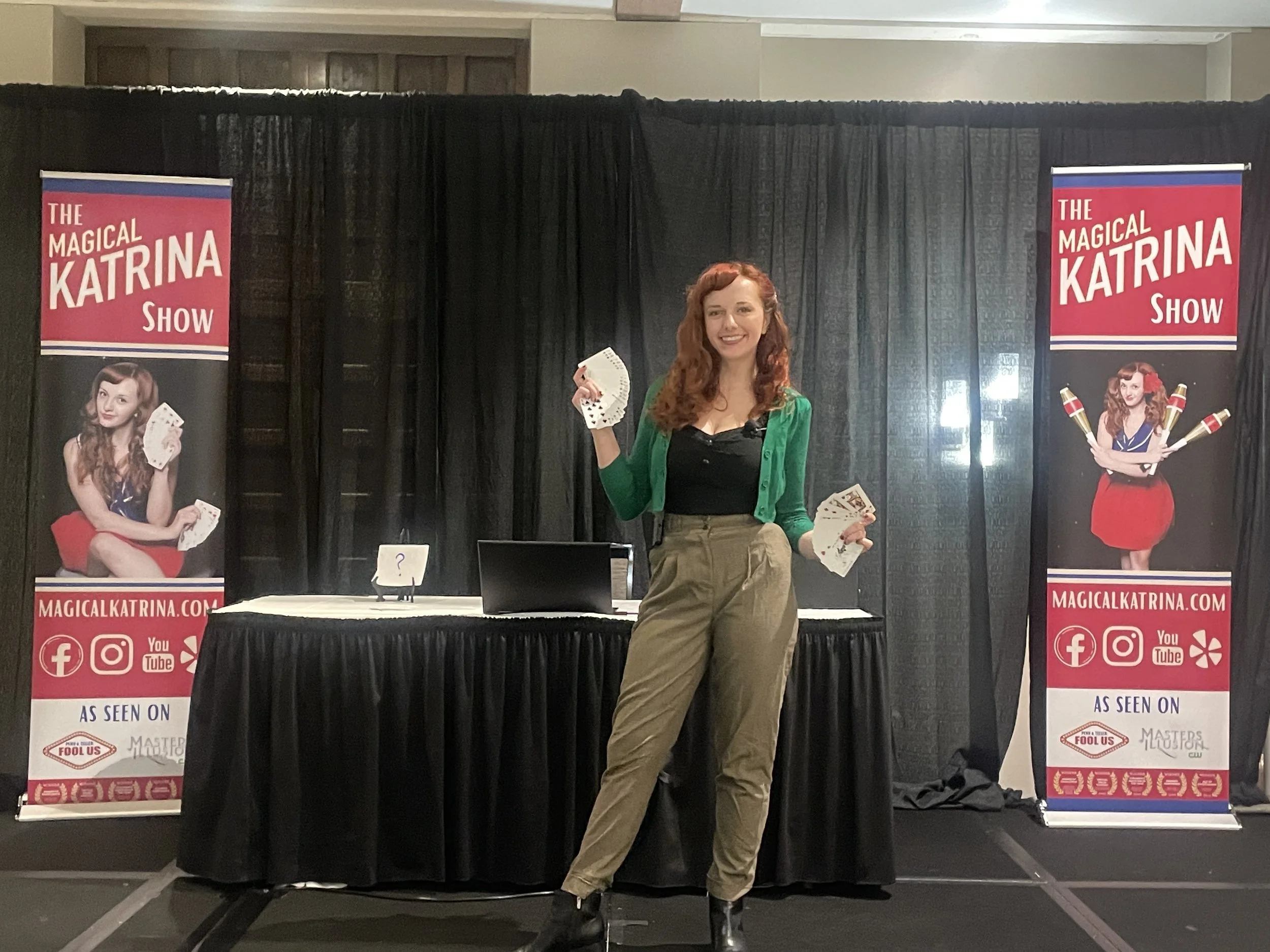
The second time, they know. That's not fatal and it does mean the session is being judged on its content alone rather than on its novelty, which is a higher bar. Understanding that changes how you plan it, and organizations that repeat a format without acknowledging it are the ones who find the third one flat.

Don't Default to Quarterly

The commonest mistake after a successful session. Somebody proposes making it quarterly, the calendar gets four dates, and by the third one attendance has dropped and nobody can say why.

Frequency is what kills these things. An annual fixture retains its significance, a twice yearly arrangement usually works, and quarterly is enough to make something feel like part of the furniture. If your first session was genuinely special, protect that by leaving space around it rather than institutionalizing it. Among decisions about repeating a Zoom magician, spacing matters more than content.

Change One Thing

Practical guidance for the second booking. Rather than repeating the format exactly, change something deliberately: the length, the time of day, the audience, or where it sits relative to whatever else is happening.

A shorter session for a different group, or the same performer working a smaller team rather than the whole organization, feels like a new thing rather than a repeat. It also reaches people the first one missed, which is a better use of the budget than giving the same audience the same experience again. The variable matters less than the fact that something is different.

Tell the Performer What They Did Last Time

Worth stating, since it seems obvious and gets missed. Any performer worth rebooking keeps track of what they performed for a given client, and you should confirm it rather than assume.

Ask directly whether the material will differ and expect a clear answer. A performer who can't vary their material meaningfully is one to use once rather than twice, and a good one will welcome the question because it's the difference between a repeat booking and a repeat performance. If a significant proportion of your audience attended the first session, say so.

Mind the Mix of Returning and New

A practical consideration organizations overlook. Your second session probably contains people who saw the first and people who joined since, and those groups want different things.

Returning attendees need new material, and new joiners need the experience the first group had. That's manageable and worth flagging, since a performer who knows can structure accordingly. If your audience has turned over substantially, repeating something closer to the first session is entirely reasonable, and if most people were there before, it isn't.

Attach It to Something Different

The framing point. If your first session marked the end of a year, don't make the second one mark the end of another year in exactly the same way, since that's precisely how a special thing becomes an annual obligation.

Attach it to something else: a project finishing, a new cohort arriving, a difficult quarter ending, a team gathering that needed something in it. The occasion supplies the reason, which stops the session becoming a fixture that happens because it happened before. Among ways to keep a repeat booking feeling deliberate, giving it a different reason each time is the simplest.

Watch the Attendance Figure

The signal to pay attention to. If your second session attracts noticeably fewer people than the first, that's information rather than a failure, and it's worth understanding before booking a third.

It might mean the promotion was weaker, the timing was worse, or people who came once felt they'd had it. Ask a couple of attendees directly rather than guessing. Among things worth knowing before committing to a pattern, whether your audience wants this again is the one most organizations assume rather than check.

Be Willing to Stop

Worth saying, since nobody does. A format that worked twice and is starting to feel routine should be stopped while people still remember it fondly, not continued until somebody complains.

Stopping isn't a judgement on the sessions, it's recognition that the thing which made them good was partly that they weren't scheduled. You can always book another in eighteen months, and it will land better for the gap. Organizations that run something until it's obviously tired lose the goodwill the early sessions built, which is a worse outcome than stopping one session early.

When Annual Genuinely Works

For balance, since some situations do suit a regular rhythm. A company with continuous new joiners, an organization whose workforce turns over, or a distributed team with one gathering a year all support an annual fixture without staleness, since the audience is meaningfully different each time.

The test is whether the same people are seeing the same thing repeatedly. If your audience refreshes substantially between sessions, a regular booking is fine. If it's largely the same room, space it out and vary it.

Why Book Magical Katrina

If you're considering a second session, here's my case. I'm a member of the Magic Circle in London and the Academy of Magical Arts in Hollywood, I've earned multiple magic awards, and I've performed for companies including Formula 1, the Olympics, Porsche, Zapier, and the Ritz Carlton, with appearances on Penn & Teller: Fool Us. I keep track of what I've performed for a client and vary it for returning audiences, I'll suggest a different format rather than repeating the first, and I'll tell you honestly if I think you should leave it a year.

Frequently Asked Questions

Why won't a repeat land as well?

Because novelty was part of why the first worked: people joined not knowing what to expect and were surprised by the format as well as the content. The second time they know, which means the session is judged on content alone, a higher bar. Organizations that repeat without acknowledging that find the third one flat.

Should we make it quarterly?

Usually not, since frequency is what kills these things. An annual fixture retains its significance, twice yearly generally works, and quarterly is enough to make something feel like part of the furniture. If the first session was genuinely special, protect that by leaving space around it rather than institutionalizing it.

What should we change for the second one?

One thing deliberately: the length, the time of day, the audience, or where it sits relative to whatever else is happening. A shorter session for a different group feels like a new thing rather than a repeat, and it reaches people the first one missed, which is a better use of budget than giving the same audience the same experience.

Will the material be different?

Ask directly and expect a clear answer, since any performer worth rebooking keeps track of what they did for a given client. A performer who can't vary their material meaningfully is one to use once rather than twice, and a good one welcomes the question. Tell them if a significant proportion of your audience attended the first session.

Some people came last time and some are new. Does that matter?

It's worth flagging, since returning attendees need new material and new joiners need the experience the first group had. A performer who knows can structure accordingly. If your audience has turned over substantially, repeating something close to the first session is reasonable, and if most people were there before, it isn't.

How do we keep it from becoming an obligation?

Attach it to a different occasion each time rather than repeating the same annual slot, since that's precisely how a special thing becomes a fixture. A project finishing, a new cohort arriving, or a difficult quarter ending all supply a reason, which stops the session happening simply because it happened before.

When should we stop?

While people still remember it fondly, rather than continuing until somebody complains. A format that worked twice and is starting to feel routine has done its job, and you can always book another in eighteen months, which will land better for the gap. Running something until it's obviously tired loses the goodwill the early sessions built.

Is an annual booking ever fine?

Yes, where the audience refreshes substantially: continuous new joiners, a workforce that turns over, or a distributed team with one gathering a year. The test is whether the same people are seeing the same thing repeatedly. If they are, space it out and vary it. If they aren't, a regular booking is entirely reasonable.

Protect What Made It Work

If a Zoom magician worked once, the instinct to schedule it regularly is understandable and slightly dangerous, since part of what made it good was that nobody expected it. The second booking works when it's spaced rather than scheduled, changed in at least one respect, attached to a different reason, and briefed properly so returning attendees see something new.

And it's worth being willing to stop, since a thing people remember fondly is worth considerably more than a thing that happens every quarter.

Reach out with what you did last time and what you're thinking, and I'll suggest something different.

Katrina Kroetch
Strolling Magician Los Angeles for Trade Shows and Expos

Strolling Magician Los Angeles for Trade Shows and Expos

Exhibiting is an expensive bet on people stopping. You've paid for floor space, a build, staff time, and travel, and the entire investment depends on whether attendees walking an aisle at pace decide to break stride at your stand rather than the one opposite.

Most of them don't. I'm Magical Katrina, an award winning magician and mentalist based right here in Los Angeles, and I want to explain how a strolling magician Los Angeles exhibitors book works on a stand, which is a traffic problem rather than an entertainment one.

Stopping People Is the Whole Job

Start with what actually fails. Attendees walk aisles scanning, avoiding eye contact with booth staff, and having decided in advance which companies they came to see.

Your stand has about two seconds to interrupt that. A banner doesn't, a screen doesn't, and a bowl of sweets buys a pause rather than a conversation. Something impossible happening at eye level does, because it breaks the walking rhythm involuntarily. Among reasons exhibitors book a strolling magician Los Angeles, stopping traffic is the mechanism and everything else follows.

A Crowd Isn't the Result

The distinction that separates useful booth entertainment from expensive decoration. Forty people watching a performer produces a photograph and very few conversations, since your three staff can't engage forty people and most drift away when it ends.

Continuous small groups of four or five, turning over every few minutes, produce considerably more contact across a day. That's what close up magic naturally does, and it's worth asking any performer whether they work that way rather than gathering crowds for scheduled sets. A steady stream beats a spectacle for anyone measuring conversations.

Your Team Has to Be Ready

Where this most often underdelivers, and it's fixable in ten minutes. The performer holds a small group for a few minutes and finishes, and at that moment your staff should be positioned to start talking to people who are relaxed and standing still.

Staff who've never worked a stand with a performer instinctively become an audience, which doubles the crowd and halves the conversations. Brief them on the first morning: where to stand, when to step in, and that watching isn't the job. By the second day most teams manage the rhythm themselves.

The LA Floor Has Two Kinds of Attendee

Worth knowing, since this market differs from a purely B2B show. Plenty of LA expos mix trade buyers with press, creators, and consumers, and those groups behave differently on a stand.

Buyers want a conversation with your team, and press and creators want something worth capturing. A performer serves both: the buyer gets stopped and handed over, and the creator gets something genuinely filmable that isn't a product shot. If your show has a consumer or media day, that second effect is worth planning for deliberately rather than treating as a bonus.

It Gives People Something to Film

Related and increasingly the point at LA shows. Attendees document what they see, and a stand with nothing happening produces no content, which means no reach beyond the people who walked past it.

Something surprising at eye level gets filmed, shared, and tagged, which extends your stand's reach past the floor. Worth telling your performer if that matters to you, since a few moments designed to be captured are different from a few moments designed only to be watched. It's also worth having someone on your team ready to film rather than relying on attendees.

Floor Space Is What You're Protecting

The practical argument. Exhibition space is expensive, and every element in your booth competes for square feet you're paying a premium for.

A strolling magician Los Angeles occupies no permanent footprint: the performer stands where your attendees stand, needs no stage, no power, no rigging, and nothing built into your stand. That matters when a demo station or a screen wall means less room for people. The entertainment costs you nothing in floor area, which is a genuine budget consideration rather than a convenience.

Venue Rules Rule Out Alternatives

Practically relevant at major LA venues. Exhibition halls have rules about installation, electrical work, rigging, and who may do what, and anything requiring setup can involve labor orders that add cost and lead time.

Entertainment needing no installation avoids all of it: nothing to rig, nothing to power, no electrical order, and nothing for your booth contractor to accommodate. For an exhibitor already working through a rules document and a deadline schedule, that simplicity is worth more than it sounds.

Measure Conversations, Not Scans

Worth deciding in advance, since it determines whether this gets judged fairly. A performer draws people indiscriminately, so some of your crowd are genuine prospects and some are passing through.

Brief your team to have real conversations with the people who linger and let the rest go, and measure the day on qualified contacts rather than scan volume. Booth entertainment gets unfairly dismissed when it's assessed on a number it was never aimed at, and a stand that had forty genuine conversations had a better day than one that scanned three hundred badges.

Position Them at the Front Edge

A detail that materially affects results. A performer at the back of your stand draws people in and holds them away from your staff, while one at the front edge intercepts the aisle and keeps the interaction where your team is.

The front corner facing the aisle is generally right, and they should be clearly part of your stand rather than appearing to perform in the aisle itself, which some venues discourage. Agree it before the day rather than adjusting on the hour, since the difference in results is larger than it sounds.

Being Local Helps With a Multi Day Show

Worth mentioning, since most shows run two or three days. I'm based right here in the LA area, so there are no travel or accommodation costs on your budget across a run, and no logistics to coordinate.

It also means flexibility if your hours change or you want to add a day, which at a show sometimes happens once you see the traffic. Multi day rates are better than single days for any performer, and a local one removes the travel component entirely.

Why Book Magical Katrina

If you're exhibiting in LA, here's my case. I'm based in the LA area, I'm a member of the Magic Circle in London and the Academy of Magical Arts in Hollywood, I've earned multiple magic awards, and I've performed for companies including Formula 1, the Olympics, Porsche, Prada, and the Ritz Carlton, with appearances on Penn & Teller: Fool Us and Masters of Illusion. I work small groups continuously rather than gathering crowds, hand over to your team rather than holding people, need no power, rigging, or floor space, and I'll brief your staff on the first morning.

Frequently Asked Questions

What problem does this solve?

Stopping people. Attendees walk aisles scanning, avoiding eye contact, and having decided which companies they came to see, so your stand has about two seconds to interrupt that. A banner doesn't and a bowl of sweets buys a pause rather than a conversation, whereas something impossible at eye level breaks the walking rhythm involuntarily.

Isn't a big crowd the goal?

No, and it's where booth entertainment usually fails. Forty people watching produces a photograph and few conversations, since three staff can't engage forty and most drift away when it ends. Continuous small groups of four or five, turning over every few minutes, produce considerably more contact across a day.

What does our team need to do?

Be ready rather than watching, positioned to start conversations with people who are relaxed and standing still when the performer finishes with a group. Staff who've never worked a stand with a performer instinctively become an audience, which doubles the crowd and halves the conversations, so brief them on the first morning.

Does it help with press and creators?

At LA shows particularly, since plenty mix trade buyers with press, creators, and consumers. Buyers want a conversation with your team and creators want something worth capturing, and a performer serves both. If your show has a consumer or media day, plan for that deliberately and have someone on your team ready to film.

How much space does it need?

None permanently, which matters where exhibition space is expensive and every element competes for square feet you're paying a premium for. A strolling magician Los Angeles stands where your attendees stand, needing no stage, power, rigging, or anything built into the stand, so it costs nothing in floor area.

What about venue and labor rules?

They rule out most alternatives and don't affect this. Halls have rules about installation, electrical work, rigging, and who may do what, and anything requiring setup can involve labor orders adding cost and lead time. Entertainment needing no installation avoids all of it, which matters when you're already working through a rules document.

How should we judge whether it worked?

On qualified conversations rather than scan volume, since a performer draws people indiscriminately and some are simply passing through. Brief your team to talk properly with the people who linger and let the rest go. A stand with forty genuine conversations had a better day than one that scanned three hundred badges.

How do I book you, and what do you need to get started?

Reach out with your show dates, the venue, your stand size and position, and roughly how many staff you'll have. That's enough for me to check availability and send a quote, with better rates across a full run than single days. Being local means no travel or accommodation on your budget and flexibility if your hours change.

Turn the Aisle Into a Pipeline

A trade show stand is an expensive bet that people will stop, and most walk past. A strolling magician Los Angeles addresses exactly that: interrupting the walking rhythm, holding small groups long enough for your team to step in, giving press and creators something worth filming, occupying no floor space you're paying for, and needing nothing from a venue with a rules document thicker than your brief.

The rest is ten minutes of briefing your team, which is the difference between a crowd and a pipeline.

Reach out with your show dates and stand details, and let's talk about the run.

Katrina Kroetch
Zoom Magic Show for a Small Team of Eight or Twelve

Zoom Magic Show for a Small Team of Eight or Twelve

Almost everything written about virtual entertainment assumes a large audience: hundreds of attendees, a broadcast format, and a cost per head that gets flattering as the numbers rise. Managers with a team of ten read that and assume it isn't for them.

It frequently is, and it works better than it does at scale. I'm Magical Katrina, an award winning magician and mentalist, and I want to explain what a Zoom magic show looks like for a small team, and when it's genuinely worth doing.

Small Groups Are the Better Audience

Start with the counterintuitive part. Virtual entertainment gets worse as it gets bigger, because interaction becomes impossible, individuals become anonymous, and the format drifts towards broadcast.

At eight or twelve, none of that applies. Everyone is visible, everyone can be addressed by name, everyone participates rather than watching people who are participating, and the performer can respond to individuals rather than to a gallery. A Zoom magic show for a small team is closer to being in a room together than a large virtual session ever manages, which is the opposite of what most people assume.

Everyone Gets Something

The practical difference, and it's substantial. At a session of two hundred, a handful of people are involved directly and everyone else observes, which is fine and is still essentially watching.

At twelve, everybody holds something, makes a choice, and has something happen to them personally. That's a genuinely different experience, and it's the version people describe afterwards. For a manager wondering whether a small group justifies a booking, the honest answer is that the small group gets the better version of the thing.

The Quiet Colleague Can't Hide

Worth thinking about, since it cuts both ways. In a large session, someone who'd rather not be noticed simply isn't, whereas in a group of ten everyone is visible and a performer will naturally include everybody.

That's usually good and occasionally not. Tell the performer if somebody would find attention genuinely uncomfortable, and a professional will include them in a way that doesn't expose them. Nobody should be put on the spot, and in a small group the performer can actually manage that individually rather than hoping. It's worth a sentence when you book.

The Cost Question Is Honest

Worth addressing directly, since it's what stops people. A virtual session is priced on the performer's time rather than per head, which means a group of ten costs the same as a group of a hundred and the per person figure looks unflattering.

That's the wrong comparison. The right one is against what else you'd spend to give ten people a genuinely good hour together, which for a distributed team is a short list. If the figure is beyond what a small team budget allows, that's a straightforward answer and worth establishing early rather than after three conversations.

Shorter Works Better

Practical guidance specific to this size. A thirty minute session suits a small group considerably better than an hour, because the interaction is dense rather than intermittent and everybody is engaged continuously rather than in bursts.

That's also cheaper, which helps with the budget question above. Ask about shorter formats rather than assuming the standard length applies, since plenty of performers will structure something tighter for a small group and it produces a better session. Longer isn't better when twelve people are each getting individual attention throughout.

It Suits a Team That Never Meets

The situation where this earns most. A small distributed team has strong working relationships and almost no social ones, since every interaction is a scheduled call with a purpose.

An hour with no agenda and something enjoyable in it is the only time some of those people will have been together without a task, which for a team of ten is genuinely valuable and difficult to arrange otherwise. A Zoom magic show provides a reason to gather that isn't manufactured sociability, which small teams are unusually quick to see through.

When Something Less Formal Is Better

Worth saying honestly. If your team of eight is close, sees each other regularly, and already has social time that works, booking a performer may be adding structure to something that doesn't need it.

Equally, if what you actually want is an hour where people chat, a session with a performer is more programmed than that. The situations where this works are teams that don't have natural social contact, teams marking something specific, and teams who'd otherwise default to a video call with nothing in it. If your team is already fine, spend the money elsewhere.

Mark Something Specific

The best use for a small team booking. A project finishing, someone leaving, a team hitting something they worked hard for, a new joiner arriving, or a year ending.

An hour booked for no reason feels like an imposition on a small team's calendar, whereas the same hour attached to an occasion feels like a marking of it. Small teams notice the difference more than large organizations do, since nothing on a team of ten's calendar is anonymous. Tell your performer what you're marking and they can build a moment around it.

Why Book Magical Katrina

If you're considering this for a small team, here's my case. I'm a member of the Magic Circle in London and the Academy of Magical Arts in Hollywood, I've earned multiple magic awards, and I've performed for companies including Formula 1, the Olympics, Porsche, Zapier, and the Ritz Carlton, with appearances on Penn & Teller: Fool Us. My virtual material is genuinely participatory, which means at twelve people everybody takes part rather than watching, I'm happy to run something shorter for a small group, and I'll tell you honestly if your team doesn't need it.

Frequently Asked Questions

Is a team of ten too small?

No, and it's frequently the better audience. Virtual entertainment gets worse as it gets bigger, since interaction becomes impossible and the format drifts towards broadcast, whereas at eight or twelve everyone is visible, can be addressed by name, and participates rather than watching people who are participating.

What's different from a large session?

Everybody gets something. At two hundred, a handful are involved directly and everyone else observes, which is still essentially watching, whereas at twelve everyone holds something, makes a choice, and has something happen to them personally. The small group gets the better version of the thing rather than a diminished one.

What about someone who hates attention?

Tell the performer, since in a group of ten everyone is visible and a performer will naturally include everybody, which is usually good and occasionally not. A professional will include them in a way that doesn't expose them, and at this size they can manage it individually rather than hoping. It's worth a sentence when you book.

Does the cost make sense at this size?

It's priced on the performer's time rather than per head, so ten people costs what a hundred would and the per person figure looks unflattering. The right comparison is against what else you'd spend to give ten people a genuinely good hour together, which for a distributed team is a short list. If it's beyond budget, that's a straightforward answer.

Should it be shorter?

Usually, since thirty minutes suits a small group better than an hour: the interaction is dense rather than intermittent and everybody is engaged continuously. It's also cheaper, which helps. Ask about shorter formats rather than assuming standard length applies, since longer isn't better when twelve people are each getting individual attention.

When is it genuinely worth it?

For a small distributed team with strong working relationships and almost no social ones, where every interaction is a scheduled call with a purpose. An hour with no agenda and something enjoyable in it may be the only time those people are together without a task, which is valuable and hard to arrange otherwise.

When should we not bother?

If your team is close, sees each other regularly, and already has social time that works, since you'd be adding structure to something that doesn't need it. Equally if what you want is an hour where people chat, which a session with a performer is more programmed than. If your team is already fine, spend the money elsewhere.

How do I book you, and what do you need to get started?

Reach out with your date, platform, how many will join, the time zones involved, and whether you're marking anything specific. That's enough for me to check availability, suggest a length suited to a small group, and send a quote. Tell me about anyone who'd rather not be the center of attention and I'll handle it accordingly.

Small Is an Advantage Here

The assumption that virtual entertainment needs a big audience is backwards, since a Zoom magic show works better at twelve than at two hundred: everybody participates, everybody is visible, and the performer responds to individuals rather than a gallery. The real questions for a small team are whether the cost works at that size, whether a shorter format suits better, and whether your team actually lacks the social contact this provides.

If it does, and you're marking something specific rather than booking an hour for its own sake, it's an unusually good use of a small team's time.

Reach out with your numbers and what you're marking, and I'll suggest something that fits.

Katrina Kroetch
Virtual Magic Show: How to Tell Whether It Actually Worked

Virtual Magic Show: How to Tell Whether It Actually Worked

Whoever booked the session gets asked afterwards whether it was worth it, and the usual answer is an attendance figure and a few nice comments in the chat. That's not evidence, and anyone controlling a budget knows it.

Worth doing better, partly because the honest answer is frequently good. I'm Magical Katrina, an award winning magician and mentalist, and I want to set out how to evaluate a virtual magic show properly, including where the limits of measurement genuinely are.

Attendance Is the Weakest Metric

Start with the number everyone reports. Attendance tells you how effective your promotion was and how obliged people felt, which are both worth knowing and neither of which is the outcome you were after.

A well promoted session with a senior sponsor gets good attendance regardless of quality. A poorly promoted excellent one doesn't. If attendance is your only measure, you're evaluating your internal communications rather than the session, and next year you'll draw the wrong conclusion about what to repeat.

Drop Off Tells You More

The metric almost nobody looks at and the most honest one available. How many people who joined were still there at the end.

On a virtual session with no obligation to stay, that number is a genuine measure of whether the thing held people. Most platforms report it, most organizers never check it, and it's considerably more informative than the headline. If ninety percent of attendees stayed to the end of a virtual magic show, you have real evidence. If half left after fifteen minutes, you have something to act on.

Ask Three Questions, Not Fifteen

Practical, since long surveys go unanswered by everyone except the people with strong feelings. Three questions sent within a day produce a considerably better response rate and more usable answers.

Worth asking: whether they'd attend something similar again, whether they spoke to anyone they don't normally work with, and one open question about what they'd remember. That last one is the most useful, since specific answers indicate genuine impact and generic ones indicate a pleasant hour. Compare the specificity of responses rather than counting satisfaction scores.

Cross Team Contact Is the Real Outcome

Worth measuring explicitly, since it's frequently the actual objective. If you booked this to get people from different parts of the organization interacting, ask whether that happened rather than assuming it did.

A single question about whether someone spoke to a colleague they don't normally work with gives you a number you can report and compare year on year. It's also the outcome most likely to justify repeating the spend, since connection across teams is something organizations genuinely care about and struggle to produce deliberately.

Compare Against Doing Nothing

The comparison that's usually missing. The question isn't whether the session was excellent in the abstract, it's whether it was better than the alternative use of that hour and that budget.

For a distributed team with no other shared moments, the alternative is nothing at all, which makes the bar low and the case easy. For an organization running four other events that quarter, the comparison is harder and worth making honestly. Framing it against the real alternative rather than against perfection produces a more defensible case and a more useful conclusion.

Don't Target Engagement Survey Scores

Worth saying plainly, since it's a trap. Somebody will suggest measuring the session against your annual engagement survey, and that comparison will make the session look useless.

Engagement scores move on pay, workload, management, and career progression, not on an hour of entertainment, and a single session will never show up in them. Claiming otherwise invites the obvious rebuttal and undermines the genuine case. Measure what the session could plausibly affect rather than what you'd like it to affect, which is the difference between an honest evaluation and a claim somebody will dismantle.

What One Session Genuinely Can't Do

Being clear about this strengthens the rest. A virtual magic show doesn't build culture, fix retention, change how people feel about their manager, or resolve anything structural.

What it can do is give a dispersed workforce a shared experience, produce contact between people who don't normally interact, provide an hour people enjoyed in a calendar otherwise full of meetings, and generate goodwill towards whoever arranged it. Those are modest, real, and worth the money. An evaluation claiming more than that is easier to attack than one claiming exactly that.

Ask Whether People Talk About It Afterwards

The soft signal worth noticing, since it's the most telling one. Did it come up in conversation the following week, in team meetings, in the chat, unprompted.

Things people mention without being asked are the things that landed. That isn't a number and it's genuinely diagnostic, and anyone who has run internal events knows the difference between a session that produced a week of references and one that produced a satisfaction score. Note it, since it's the closest thing to an honest verdict you'll get.

Build the Case for Next Time

Practically, the point of measuring is deciding whether to do it again. Collect the drop off rate, three survey answers, the cross team contact number, and any unprompted references, and you have a page that's considerably more persuasive than an attendance figure.

It also tells you what to change. Low attendance with high retention means promote it harder. High attendance with early drop off means reconsider the format or the length. Good numbers with nothing memorable in the open responses means it was pleasant rather than notable. Each of those points somewhere different, which is the value of measuring at all.

Why Book Magical Katrina

If you'd like a session that stands up to this kind of evaluation, here's my case. I'm a member of the Magic Circle in London and the Academy of Magical Arts in Hollywood, I've earned multiple magic awards, and I've performed for companies including Formula 1, the Olympics, Porsche, Zapier, and the Ritz Carlton, with appearances on Penn & Teller: Fool Us. My virtual material is genuinely participatory rather than something people watch, which is what produces retention and the specific answers your open question is looking for. I'm also happy to tell you honestly if a session isn't the right use of your budget.

Frequently Asked Questions

Why isn't attendance a good measure?

Because it tells you how effective your promotion was and how obliged people felt, rather than whether the session worked. A well promoted event with a senior sponsor gets good attendance regardless of quality, and a poorly promoted excellent one doesn't. Measuring attendance alone means evaluating your internal communications rather than the session.

What should we measure instead?

Drop off, which almost nobody checks and which is the most honest signal available. On a session with no obligation to stay, how many people were still there at the end is a genuine measure of whether it held people. Most platforms report it, and ninety percent staying to the end is real evidence.

What should we ask in a survey?

Three questions within a day, since long surveys are answered only by people with strong feelings. Whether they'd attend something similar again, whether they spoke to anyone they don't normally work with, and one open question about what they'd remember. The specificity of answers to that last one matters more than any satisfaction score.

How do we measure the networking effect?

Ask directly whether someone spoke to a colleague they don't normally work with, which gives you a number you can report and compare year on year. It's frequently the actual objective and the outcome most likely to justify repeating the spend, since cross team connection is something organizations care about and struggle to produce deliberately.

Should we compare it to our engagement survey?

No, and somebody will suggest it. Engagement scores move on pay, workload, management, and progression rather than on an hour of entertainment, so a single session will never appear in them. Claiming otherwise invites the obvious rebuttal and undermines the genuine case. Measure what the session could plausibly affect.

What can't a single session do?

Build culture, fix retention, change how people feel about their manager, or resolve anything structural. What a virtual magic show can do is give a dispersed workforce a shared experience, produce contact between people who don't normally interact, and provide an hour people enjoyed. Claiming exactly that is harder to attack than claiming more.

Is there a signal that isn't a number?

Whether people mention it unprompted the following week, in conversation, team meetings, or the chat. Things people bring up without being asked are the things that landed, and anyone who has run internal events knows the difference between a session producing a week of references and one producing a satisfaction score.

How do we decide whether to repeat it?

Collect the drop off rate, three survey answers, the cross team contact number, and any unprompted references. Low attendance with high retention means promote harder, high attendance with early drop off means reconsider format or length, and good numbers with nothing memorable in the open responses means it was pleasant rather than notable.

Measure What It Could Plausibly Move

Evaluating a virtual magic show honestly produces a better case than overclaiming, because the genuine effects are modest and defensible while the inflated ones are easy to dismantle. Check drop off rather than attendance, ask three questions rather than fifteen, measure cross team contact explicitly, compare against the real alternative rather than perfection, and notice whether anybody mentions it a week later.

Do that and you'll know whether to book another one, which is the only question the exercise is actually for.

Reach out with your event details, and I'll tell you honestly what it can and can't do for you.

Katrina Kroetch
Female Magician in New York for Bat Mitzvahs and Bar Mitzvahs

Female Magician in New York for Bat Mitzvahs and Bar Mitzvahs

A bar or bat mitzvah is two events happening simultaneously. There's a room of thirteen year olds who came for their friends, and a room of adults who came for the family, and entertainment that works for one frequently does nothing for the other.

Most planning treats that as a scheduling problem when it's really a format problem. I'm Magical Katrina, an award winning magician and mentalist, and I want to explain what a female magician in New York brings to a mitzvah, starting with the part that has nothing to do with gender.

Skill Decides It

Worth establishing first. Skill in magic and mentalism has nothing to do with gender, and you should book a female magician in New York because she's genuinely excellent, assessed on the criteria you'd apply to anyone: sustained live footage, experience with this kind of event, reviews, and professional communication.

What follows is context rather than justification. A booking made on any basis other than quality is apparent within minutes, and it's your family's day carrying it. That belongs at the top rather than buried at the bottom.

Teenagers Are a Genuinely Hard Audience

Start with the difficult half of the room. Thirteen year old’s are old enough to find things childish, self conscious about looking impressed in front of friends, and entirely willing to ignore something that doesn't earn attention.

That rules out anything pitched young. What works is material genuinely baffling enough that not reacting isn't an option, delivered by someone who treats them as the near adults they're trying to be rather than as children. Among female magician in New York bookings, a mitzvah is the event where being underestimated by the audience beforehand works most in a performer's favor.

Adults Need Something Too

The other half, and frequently the half that gets nothing. Parents, grandparents, and family friends spend a mitzvah watching the children have a party, which is lovely and largely passive.

Close up magic reaches both groups on the same terms, since a performer working the room does the teenagers at one table and the grandparents at the next without changing what they're doing. That's rare: a DJ serves the children, a speaker serves the adults, and almost nothing serves both. For an event with two distinct populations, entertainment that crosses between them is doing something the rest of the program can't.

The Cocktail Hour Is the Obvious Slot

Practically, the adult reception while photographs happen is where this earns most. The children are elsewhere or arriving, the adults are standing with drinks, and there's typically an hour with nothing programmed.

A performer working that hour means guests who've travelled and know only half the room have something to do and someone to talk to. It also warms the room before the main event rather than leaving the energy to build from scratch when everyone sits down. If you book one hour of anything at a mitzvah, that's usually the hour.

For a Bat Mitzvah Specifically

Worth saying once and lightly. A bat mitzvah marks a girl coming into her own, and there's something quietly fitting about the person doing the genuinely difficult, impressive thing that night being a woman.

Nothing needs to be said about it. The girls in that room see a woman being extremely good at something unusual and demanding, which registers without any framing. It isn't a reason to book on its own, and when the performer is genuinely excellent it's a real addition on a day that's explicitly about her. Among things families mention afterwards, it comes up more than you'd expect.

New York Mitzvah Venues Vary Enormously

Practically relevant. These happen in synagogue halls, hotel ballrooms, restaurants, event spaces, and occasionally somewhere unconventional, with wildly different facilities.

Close up magic needs no stage, power, sound, or setup, so whichever you've chosen works exactly as it is, and it doesn't compete with a DJ or a band for space or volume. It also moves between rooms, which matters when the adults are in one space and the children in another, though genuinely separate simultaneous spaces need either a longer booking or a second performer.

It Works Around the Program

Worth noting, since a mitzvah run of show is full: ceremony, photographs, cocktail hour, entrance, speeches, candle lighting, dancing, and food.

Nothing should be added that requires its own slot. A female magician in New York performing close up works inside the gaps that already exist, particularly the cocktail hour and the stretches between programmed moments, without your planner having to find minutes that aren't there. That's frequently why this gets chosen over something requiring the room's attention.

Tell the Performer About the Family

Worth doing properly. Who's being celebrated, what they're like, whether they'd enjoy being the center of a moment or would find it excruciating, and anything sensitive about the family.

Thirteen year old’s vary enormously in how much attention they want, and a performer who knows can build a moment around them or deliberately avoid doing so. Mention grandparents who've travelled, anyone who won't know many people, and any family situation worth handling carefully. It takes ten minutes and noticeably improves what a performer can do.

A Note on "Local vs. Traveling In"

Worth knowing: there are relatively few women working professionally in magic, so restricting your search to New York based performers shrinks an already small pool. Many travel in, with travel discussed openly and factored into the quote. I'm based in the Los Angeles area and travel to New York for events, which sometimes means availability on dates when local performers are committed.

Why Book Magical Katrina

If you're planning a mitzvah, here's my case. I'm a member of the Magic Circle in London and the Academy of Magical Arts in Hollywood, I've earned multiple magic awards, and I've performed for clients including Formula 1, the Olympics, Porsche, and Prada, with appearances on Penn & Teller: Fool Us and Masters of Illusion. I perform for teenagers without pitching young and for adults without losing the room, I read participants carefully so nobody is embarrassed, and I need no stage, power, or setup, so whichever venue you've chosen will work.

Frequently Asked Questions

Will it hold a room of thirteen year old’s?

If the material is genuinely baffling, yes. Teenagers are old enough to find things childish, self conscious about looking impressed in front of friends, and willing to ignore anything that doesn't earn attention, which rules out anything pitched young. What works is material where not reacting isn't an option, delivered by someone treating them as the near adults they're trying to be.

What about the adults?

They're the half that usually gets nothing, spending the event watching the children have a party. Close up magic reaches both groups on the same terms, since a performer works the teenagers at one table and the grandparents at the next without changing anything. A DJ serves the children and a speaker serves the adults, whereas almost nothing else serves both.

When should it happen?

The adult cocktail hour during photographs is usually the best hour, since the children are elsewhere or arriving, the adults are standing with drinks, and there's typically nothing programmed. It gives guests who've travelled and know half the room something to do, and warms the room before the main event rather than starting from scratch.

Does it matter that the performer is a woman?

Book on skill first, since skill in magic has nothing to do with gender. For a bat mitzvah specifically there's something quietly fitting about the person doing the difficult, impressive thing being a woman, and the girls in the room notice without anything being said. It's a real addition on top of genuine excellence rather than a reason on its own.

Will it work at our venue?

Almost certainly, since close up magic needs no stage, power, sound, or setup and doesn't compete with a DJ or band for space or volume. Mitzvahs here happen in synagogue halls, hotel ballrooms, restaurants, and event spaces with wildly different facilities, and whichever you've chosen works as it is.

Our schedule is already full. Does it need a slot?

No, and that's frequently why it's chosen. A mitzvah run of show already contains the ceremony, photographs, cocktail hour, entrance, speeches, candle lighting, dancing, and food. Close up magic works inside the gaps that exist, particularly the cocktail hour, without your planner finding minutes that aren't there.

What should we tell the performer?

Who's being celebrated and what they're like, particularly whether they'd enjoy being the center of a moment or would find it excruciating, since thirteen year old’s vary enormously. Also mention grandparents who've travelled, anyone who won't know many people, and any family situation worth handling carefully. Ten minutes noticeably improves what a performer can do.

How do I book you, and what do you need to get started?

Reach out with your date, venue, rough guest numbers, how the adults and children are split, and a little about the young person being celebrated. That's enough for me to check availability and send a quote including travel, and to suggest which part of your day would benefit most.

Entertain Both Halves of the Room

A mitzvah is two audiences in one building, and most of what gets booked serves one of them. A female magician in New York working close up crosses between them: material teenagers can't dismiss, something for the adults who'd otherwise spend the evening watching, an hour of the reception that's currently empty, and nothing added to a schedule that's already full.

And at a bat mitzvah, a woman being excellent at something demanding is a detail the girls in the room notice without anybody explaining it.

Reach out with your date and venue, and let's talk about the day.

Katrina Kroetch
Strolling Magician New York for Trade Shows and Exhibitions

Strolling Magician New York for Trade Shows and Exhibitions

Exhibiting in New York is expensive before anything happens. Floor space is priced at a premium, the booth build costs what it costs, your team is out of the office for three days, and the whole investment depends on whether people stop walking.

Most of them don't. I'm Magical Katrina, an award winning magician and mentalist, and I want to explain how a strolling magician New York exhibitors book works on a stand, which is a lead generation question rather than an entertainment one.

The Problem Is Stopping People

Start with what actually fails at a trade show. Attendees walk aisles at pace, scanning, avoiding eye contact with booth staff, and having decided in advance which three companies they came to see.

Your stand has roughly two seconds to interrupt that, and a banner doesn't. A performer working the front of your booth does, because something impossible happening at eye level is the one thing that reliably breaks an attendee's walking rhythm. Among reasons exhibitors book a strolling magician New York, stopping traffic is the whole mechanism and everything else follows from it.

Stopping Isn't Enough

Worth being clear about the next step, since it's where most booth entertainment fails. A crowd gathered around a performer is not a result, it's an opportunity that your team either uses or wastes.

What matters is the handover: the performer holds a small group for two or three minutes, finishes, and your staff are positioned to start a conversation with people who are now relaxed, smiling, and standing still. If your team is standing behind a counter looking at phones while a crowd forms, you've paid for a spectacle rather than for leads. Brief them properly.

Small Groups Beat a Crowd

A counterintuitive point worth understanding. A performer who draws forty people creates a photograph and very few conversations, since your staff can't engage forty people and most of them drift off once it ends.

Continuous small groups of four or five, turning over every few minutes, produce considerably more useful contact across a day. That's what close up magic naturally does, and it's worth asking any performer whether they work that way rather than gathering a crowd for scheduled sets. For a booth with three staff, a steady stream is worth more than a spectacle.

New York Floor Space Changes the Math’s

The local factor. Exhibiting here costs more per square foot than most markets, which means every element in your booth is competing for space you're paying a premium for.

A strolling magician New York occupies no permanent footprint: the performer stands in the space your attendees stand in, needs no stage, no power, no rigging, and nothing built into your stand. That matters when a demo station or a screen wall means fewer square feet for people, and it means the entertainment costs you floor space rather than money.

Venue and Union Rules Rule Out Alternatives

Practically relevant in New York more than most cities. Major exhibition venues have their own rules about installation, electrical work, rigging, and who may do what, and bringing in anything requiring setup can involve labor requirements that add cost and time.

Entertainment needing no installation avoids all of it. There's nothing to rig, nothing to power, nothing requiring an electrical order, and nothing for your booth contractor to accommodate. For an exhibitor already navigating a rules document and a deadline schedule, that simplicity has genuine value beyond the performance itself.

Qualify, Don't Just Collect

Worth thinking about, since scan counts flatter. A performer draws people indiscriminately, which means some of your crowd are genuine prospects and some are collecting free things and walking on.

That's fine provided your team qualifies rather than scanning everybody and calling it a lead. Brief your staff to have a real conversation with the people who linger and let the rest go, and measure the day on qualified conversations rather than scans. Among the ways booth entertainment gets judged unfairly, being measured on scan volume rather than on genuine contact is the most common.

Position the Performer at the Edge

A practical detail that materially affects results. A performer at the back of your stand draws people in and traps them away from your staff, while one at the front edge intercepts the aisle and keeps the interaction where your team is.

The front corner, facing the aisle, is generally right. It also matters that they're clearly part of your stand rather than appearing to perform in the aisle itself, which some venues discourage and which makes the association with your brand less obvious. Worth agreeing before the day rather than adjusting on the hour.

Brief the Booth Team, Not Just the Performer

Worth stating, since it's the commonest reason this underdelivers. Your staff need to know what's happening, where to stand, when to step in, and that their job during a performance is to be ready rather than to watch.

Ten minutes on the first morning covers it. Staff who've never worked a stand with a performer instinctively become an audience, which doubles the crowd and halves the conversations. Once they understand the rhythm, the whole thing works considerably better, and by the second day most teams are managing it themselves.

Multiple Days Are Cheaper Per Day

Practically worth knowing when budgeting. Most New York shows run across two or three days, and booking a performer for the full run costs less per day than booking single days separately.

It also produces better results, since a performer who understands your product by the second morning can direct people towards your staff more precisely and answer basic questions rather than deflecting them. Ask about multi day rates when you enquire, and mention your show dates early, since the major New York shows book performers out well in advance.

A Note on "Local vs. Traveling In"

Worth knowing: performers who travel to New York work from a different calendar than those based there, which matters during major show weeks when local performers are heavily committed. Travel is discussed openly and factored into the quote. I'm based in the Los Angeles area and travel to New York for exhibitions and corporate events.

Why Book Magical Katrina

If you're exhibiting in New York, here's my case. I'm a member of the Magic Circle in London and the Academy of Magical Arts in Hollywood, I've earned multiple magic awards, and I've performed for companies including Formula 1, the Olympics, Porsche, Prada, and the Ritz Carlton, with appearances on Penn & Teller: Fool Us and Masters of Illusion. I work small groups continuously rather than gathering crowds, I hand over to your team rather than holding people, I need no power, rigging, or floor space, and I'll brief your staff on the first morning.

Frequently Asked Questions

What problem does this actually solve?

Stopping people. Attendees walk aisles at pace, scanning, avoiding eye contact, and having decided which three companies they came to see, so your stand has about two seconds to interrupt that and a banner doesn't. Something impossible happening at eye level reliably breaks an attendee's walking rhythm, which is the whole mechanism.

Isn't a crowd the point?

No, and it's where booth entertainment usually fails. A performer drawing forty people creates a photograph and few conversations, since your staff can't engage forty and most drift off. Continuous small groups of four or five, turning over every few minutes, produce considerably more useful contact across a day.

What does our team need to do?

Be ready rather than watching. The performer holds a small group for two or three minutes, finishes, and your staff start conversations with people who are relaxed and standing still. Staff who've never worked a stand with a performer instinctively become an audience, which doubles the crowd and halves the conversations, so brief them on the first morning.

How much space does it take?

None permanently, which matters in New York where floor space is priced at a premium and every element competes for square feet you're paying for. A strolling magician New York stands where your attendees stand, needing no stage, power, rigging, or anything built into your stand, so it costs you nothing in floor area.

What about venue and union rules?

They rule out most alternatives and don't affect this. Major exhibition venues have rules about installation, electrical work, rigging, and who may do what, and anything requiring setup can involve labor requirements adding cost and time. Entertainment needing no installation avoids all of it, which has real value when you're already navigating a rules document.

Where should the performer stand?

At the front edge of your stand facing the aisle, since a performer at the back draws people in and traps them away from your staff. They should also be clearly part of your stand rather than appearing to perform in the aisle, which some venues discourage and which weakens the association with your brand.

How do we measure whether it worked?

On qualified conversations rather than scan counts, since a performer draws people indiscriminately and some are collecting free things. Brief your team to have real conversations with the people who linger and let the rest go. Being judged on scan volume rather than genuine contact is how booth entertainment gets unfairly dismissed.

How do I book you, and what do you need to get started?

Reach out with your show dates, the venue, your stand size and position, and roughly how many staff you'll have. That's enough for me to check availability and send a quote, with better rates across a full show run than for single days. Major New York shows book out well ahead, so earlier helps considerably.

Turn the Aisle Into Conversations

A New York exhibition stand is an expensive bet on people stopping, and most of them walk past. A strolling magician New York addresses that specific point: interrupting the walking rhythm, holding small groups long enough for your team to step in, occupying no floor space you're paying premium rates for, and requiring nothing from a venue with a rules document as thick as your brief.

The rest is your team being ready, which is ten minutes of briefing and the difference between a crowd and a pipeline.

Reach out with your show dates and stand details, and let's talk about the run.

Katrina Kroetch
Corporate Christmas Party Ideas When the Operation Can't Close

Corporate Christmas Party Ideas When the Operation Can't Close

Plenty of organisations can't hold a Christmas party in December, because December is when they're working hardest. Retail, hospitality, healthcare, logistics, and manufacturing don't pause for a party, and the people who most deserve one are the least able to attend it.

Most advice on this subject assumes an office that empties at five. I'm Magical Katrina, an award winning magician and mentalist, and I want to offer corporate Christmas party ideas for organizations where the operation keeps running and everyone can't be in one room at once.

The People Who Need It Most Can't Come

Start with the honest problem. In an organization with a floor, a ward, a depot, or a shop, the December party is scheduled around the people who can leave, which is head office, management, and whoever isn't rostered.

The staff working the busiest weeks of their year are the ones who miss it. That pattern is noticed, it's commented on, and it quietly communicates something about whose time is flexible and whose isn't. Among corporate Christmas party ideas for these sectors, addressing that imbalance is the whole exercise rather than a refinement of it.

January Is Standard, Not a Consolation

The obvious answer and the one worth committing to properly. In sectors where December is peak, holding the party in January or even February is normal rather than a downgrade, and staff generally prefer it.

The advantages are real: venues are available and cheaper, people aren't exhausted, and there's something to look forward to in the emptiest month of the year. What matters is framing. A party described as a delayed Christmas party sounds like something that didn't happen on time, whereas one presented as a thank you for getting through the busiest season sounds like exactly what it is.

Run It More Than Once

The approach that actually covers a workforce. One event at one time reaches whoever was off that evening, and running the same thing two or three times reaches considerably more people.

That's more work for whoever organizes and it's the difference between a party for the workforce and a party for part of it. Schedule around shift patterns rather than around a venue's availability, and include at least one option that works for people finishing late. Among corporate Christmas party ideas for continuous operations, repetition is the unglamorous answer that actually works.

Don't Give Head Office the Better Version

The fairness question staff notice most. If the central team has an evening at a venue with food and entertainment while the sites get a buffet in the break room, that comparison is made instantly and remembered.

Aim for genuine parity: the same quality of event, adapted to circumstances rather than downgraded. That may mean several site events rather than one central one, which is frequently cheaper anyway and reaches more people. If budget is limited, spread it evenly rather than concentrating it where the decision makers happen to work.

Nights Are the Hardest and Most Noticed

Worth addressing specifically, since night staff are the group most consistently left out. They can't attend anything scheduled in an evening, they're frequently forgotten in planning, and they know it.

Options exist: something at the end of a night shift, something at the start, or a separate event timed for them entirely. None is elaborate and all of them register enormously with a group used to being an afterthought. If you do one thing differently this year, make it including the night team properly rather than adding a food delivery as a gesture.

Multiple Sites Need Local Events

Practically decisive for organizations spread across locations. A central party means travel, which for staff on modest wages finishing a shift is a genuine barrier rather than an inconvenience.

Site level events remove that, and they let each location choose a time that suits its own roster. Set the budget per head centrally so nobody gets a worse version, supply whatever is needed centrally so local managers aren't inventing an event around a full workload, and let them choose the timing. It's more coordination and considerably better attended.

Keep It Short and Simple

Worth saying, since these events don't need to be elaborate. Staff who have worked a punishing season want food, a drink, a sit down, and something enjoyable, not a three hour program with speeches.

Ninety minutes done well beats an evening that drags, particularly for people who came in on a day off or stayed after a shift. Front load anything that matters, make it easy to leave, and resist the temptation to add a team building element, which in these sectors is received exactly as you'd expect.

Something That Reaches Everyone in the Room

Worth a note on format, since these workforces vary widely in age, background, and first language. Entertainment depending on shared cultural reference or on everybody speaking the same language at conversational speed will serve part of the room.

Something visual and participatory travels across all of that, which matters more in a retail, hospitality, or logistics workforce than in a head office. It also works in whatever space you have, since these events frequently happen in a canteen, a function room, or a cleared area of the site rather than a venue chosen for the purpose.

Where My Work Fits

Briefly. I perform close up magic and mentalism, which needs no stage, power, sound, or setup, works in a canteen or a function room exactly as in a hotel, and can be repeated across two or three sittings on the same day to cover shifts.

That last point is the practical one for these organizations, since the same performer covering three sessions is considerably cheaper than three separate bookings and reaches the whole workforce rather than whoever was free on the night. If you're planning something, I'm glad to talk it through.

Frequently Asked Questions

Why do our frontline staff always miss the party?

Because it's scheduled around the people who can leave, which is head office, management, and whoever isn't rostered, while the staff working the busiest weeks of their year are the ones who can't attend. That pattern is noticed and commented on, and it quietly communicates whose time is treated as flexible.

Is holding it in January a cop out?

Not in sectors where December is peak, where it's standard and generally preferred. Venues are available and cheaper, people aren't exhausted, and there's something to look forward to in the emptiest month. What matters is framing it as a thank you for getting through the busiest season rather than as a delayed Christmas party.

How do we cover everyone?

By running the same event more than once, scheduled around shift patterns rather than venue availability, with at least one option that works for people finishing late. One event reaches whoever was off that evening, whereas two or three reach considerably more. It's more work and it's the difference between a party for the workforce and one for part of it.

What's the fairness issue to watch?

Head office getting the better version. If the central team has an evening at a venue with food and entertainment while sites get a buffet in the break room, the comparison is made instantly and remembered. Aim for parity of quality adapted to circumstances, and spread a limited budget evenly rather than concentrating it where decision makers work.

What about night staff?

Include them properly, since they're the group most consistently left out and they know it. Something at the end of a night shift, at the start, or timed for them entirely all work, and none is elaborate. It registers enormously with a group used to being an afterthought, far more than a food delivery as a gesture.

We have several sites. One event or many?

Many, since a central party means travel, which for staff finishing a shift is a genuine barrier rather than an inconvenience. Set the budget per head centrally so nobody gets a worse version, supply what's needed so local managers aren't inventing an event around a full workload, and let each site choose timing that suits its roster.

How long should it be?

Ninety minutes done well, since staff who have worked a punishing season want food, a drink, a sit down, and something enjoyable rather than a three hour program. Front load anything that matters, make it easy to leave, and resist adding a team building element, which in these sectors lands exactly as you'd expect.

Reach the Whole Workforce, Not the Available Half

The test for corporate Christmas party ideas in an organization that can't close is straightforward: what proportion of your people could realistically attend. If the answer is head office and whoever wasn't rostered, the event isn't doing what it's meant to.

Move it to January and say why, run it more than once around actual shift patterns, hold local events rather than one central one, include the night team deliberately, and make sure the version on the floor is as good as the version at head office. Everything else is detail.

Reach out with your sites and shift patterns, and let's work out what could reach everyone.

Katrina Kroetch
Strolling Magician San Francisco for Holiday Parties

Strolling Magician San Francisco for Holiday Parties

For a lot of Bay Area companies, the December party is the only occasion all year when the whole team is physically in the same place. People fly in, the remote half appears in person, and colleagues who have worked together for two years meet properly for the first time.

That makes it a different event from a traditional office Christmas party. I'm Magical Katrina, an award winning magician and mentalist, and I want to explain what a strolling magician San Francisco contributes when the December party is doing the work that an office used to do all year.

It's an Introduction, Not Just a Celebration

Start with what the evening is actually for. A traditional company party rewards a year of shared work in a shared building, and the social side takes care of itself because everyone already knows each other.

A distributed company's party has a different job: it's the one opportunity for people to become real to each other rather than being faces in a grid. Left to a bar and a playlist, that doesn't happen reliably, since people gravitate to the two or three colleagues they already know best. A strolling magician San Francisco moving through the room rearranges who is standing with whom, repeatedly, which is exactly what the evening needs.

Video Colleagues Meeting in Person Is Awkward

Worth naming, since it's the specific social problem of this event. Two people who have appeared in forty meetings together and never had a conversation now find themselves face to face with nothing obvious to say.

They know each other's roles, calendars, and home backgrounds, and have no shared experience to draw on. Something happening that both of them react to supplies exactly what's missing, which is a subject that isn't work and didn't require either of them to generate it. For a room full of that dynamic, entertainment that creates shared moments is doing more than entertaining.

People Travelled for This

Worth considering when planning. If colleagues flew in from other cities or countries, the evening carries a weight an ordinary party doesn't, since they gave up a day and a night for it.

That raises the bar. An evening of drinks and a playlist is a thin return on a flight, and people notice. It doesn't require a large budget, and it does require something to have happened, which is a different thing. Among reasons Bay Area companies book a strolling magician San Francisco for December, giving travelling colleagues something worth the journey is a genuine one.

Your Venue Was Chosen Late

The practical December reality here as everywhere. Bay Area venues book out early for the season, and by the time most companies confirm, the choice is what remains rather than what was wanted.

That frequently means an office floor cleared for the evening, a restaurant buyout, or a space with no stage and awkward acoustics. Close up magic needs no stage, power, sound, rigging, or floor space beyond where guests already stand, so whatever room you secured will work exactly as it is. For a planner who settled for the fourth choice venue, that's genuinely useful.

Office Parties in the Office

Common here, since plenty of Bay Area companies hold the party where they work to save the venue cost. That's sensible and creates a specific problem: the space is familiar, functional, and doesn't feel like an occasion.

Decoration changes that marginally. Something happening in the room changes it considerably, and a performer moving between groups gives an ordinary floor the sense that this is an event rather than a Thursday with drinks. It also requires nothing to be installed, hired, or removed afterwards, which matters when your office has to function normally the next morning.

Analytical Rooms Are a Good Audience

Worth knowing, since it affects what lands. Bay Area December parties contain a lot of engineers, researchers, and product people whose instinct on seeing something impossible is to work out how.

That makes them a better audience rather than a harder one, since someone applying genuine scrutiny who still cannot account for what happened is more astonished than a casual observer. A strolling magician San Francisco blending close up magic with mentalism tends to get the strongest reaction from the colleague who arrived most confident they'd catch the method, and they usually spend the rest of the evening telling people.

Indoor and Outdoor Is Provisional

A local practical note. Plenty of Bay Area venues have terraces, courtyards, and outdoor areas that are lovely and unpredictable in December, with evenings cooling sharply.

The requirement is a format that moves indoors without adjustment, since your event probably will. Anything needing power, staging, or a sound setup becomes a problem when the plan changes at short notice, whereas close up magic relocates with your guests and nobody notices. Tell your performer both spaces are in play and they'll work the whole event rather than half of it.

It Costs Nothing From Your Schedule

Practically relevant, since December evenings are usually full: arrival, food, a few words from someone senior, perhaps recognition, and then the party proper.

Anything requiring a program slot competes with a schedule that's already tight, and anything asking the room to stop and watch loses people who came to talk to colleagues they rarely see. Strolling magic works inside the reception that's already happening, from the first arrivals through to the end, covering the whole event while occupying none of your run of show.

Book Earlier Than Feels Necessary

The seasonal constraint. December compresses a year of demand into four weeks, and the first three weeks on a Thursday or Friday are the most contested dates of the year.

A specific performer for a prime date realistically means enquiring in the summer, and by October most established options are committed. If your party is an annual fixture, book next year's as soon as this year's date is confirmed. If it's already November, enquire widely rather than sequentially and be flexible on day and time.

A Note on "Local vs. Traveling In"

Worth knowing: performers who travel to the Bay Area work from a different calendar than those based there, so a December date that's impossible locally is sometimes straightforward for someone travelling. I'm based in the Los Angeles area and travel to San Francisco and the wider Bay Area, with travel discussed openly and factored into the quote.

Why Book Magical Katrina

If you're planning a December party, here's my case. I'm a member of the Magic Circle in London and the Academy of Magical Arts in Hollywood, I've earned multiple magic awards, and I've performed for companies including Formula 1, the Olympics, Porsche, Zapier, and the Ritz Carlton, with appearances on Penn & Teller: Fool Us and Masters of Illusion. I blend close up magic with mentalism, which suits an analytical room, I need no stage, power, or setup, so whatever venue you secured will work, and I move between indoor and outdoor spaces without adjustment.

Frequently Asked Questions

Why is a distributed team's party different?

Because it's an introduction rather than only a celebration. A traditional party rewards a year of shared work in a shared building and the social side takes care of itself, whereas for a distributed company it's the one chance for people to become real to each other. Left to a bar, people gravitate to the colleagues they already know.

Our team meets on video constantly. Isn't that enough?

No, since two people who have appeared in forty meetings and never had a conversation now face each other with nothing obvious to say. They know roles, calendars, and home backgrounds, and have no shared experience. Something both of them react to supplies exactly that, without either having to generate it.

Colleagues are flying in. Does that change anything?

It raises the bar, since people who gave up a day and a night for this notice when the return is drinks and a playlist. That doesn't require a large budget and does require something to have happened, which is a different thing. Giving travelling colleagues something worth the journey is a genuine reason to book.

Our venue is nothing special. Is that a problem?

No, and it's the usual December situation once the good rooms have gone. Close up magic needs no stage, power, sound, rigging, or floor space beyond where guests already stand, so an office floor, a restaurant buyout, or an awkward room all work. A strolling magician San Francisco works with whatever you secured.

We're holding it in our own office. Will it feel like an event?

It will if something is happening in the space, since decoration alone changes a familiar functional floor only marginally. A performer moving between groups gives an ordinary office the sense of an occasion, without anything installed, hired, or removed afterwards, which matters when the office has to function normally the next morning.

Will it land with a technical crowd?

Better than with most audiences, since Bay Area rooms contain engineers, researchers, and product people whose instinct is to work out how something functions, and someone applying real scrutiny who still can't account for it is more astonished than a casual observer. The colleague most confident they'd catch it usually spends the evening telling people.

Part of our venue is outdoors. Does that work?

Yes, and it needs to, since Bay Area terraces and courtyards are lovely and unpredictable in December with evenings cooling sharply. Close up magic relocates with your guests without adjustment, unlike anything needing power, staging, or sound. Tell your performer both spaces are in play so they work the whole event.

How late can we leave the booking?

Earlier than feels necessary, since December compresses a year of demand into four weeks with the first three weeks on a Thursday or Friday most contested. A prime date realistically means enquiring in the summer, and by October most established options are committed. If it's already November, enquire widely and be flexible on day and time.

Make the One Night Everyone Is Together Count

For a distributed Bay Area company, the December party isn't just a celebration, it's the only occasion all year when the whole team occupies one room, and some of them flew in for it. A strolling magician San Francisco does the specific work that requires: rearranging who talks to whom, giving video colleagues meeting in person something to react to, making an ordinary office feel like an occasion, and taking nothing from a schedule that's already full.

If you're planning something for December, I'd be glad to hear about it.

Reach out with your date and venue, and I'll confirm it works.

Katrina Kroetch
London Magician: A Venue Guide

London Magician: A Venue Guide

London venues come with more restrictions than most cities' do, because so many of them are listed, historic, or inside buildings with their own rules. That shapes what entertainment is genuinely possible, and it's frequently discovered after the venue is booked rather than before.

Worth knowing in advance. I'm Magical Katrina, an award winning magician and mentalist and a member of the Magic Circle here in London, and I want to go through the main venue types and what each means practically when you're booking a London magician.

Livery Halls and Historic Buildings

Distinctive, popular for dinners and receptions, and among the most restrictive spaces in the city. Expect rules about what may be fixed to anything, where equipment can go, candle policies, and access times governed by the building rather than by the event team.

Those restrictions rule out most production and leave entertainment requiring nothing at all. Close up magic works in a paneled hall exactly as in a ballroom, moving among guests who are already standing, with no conversation needed about permissions. For an organization choosing a historic venue precisely because it's remarkable, entertainment adding no requirements is genuinely useful.

Private Members' Clubs

Common for smaller corporate dinners and client evenings, and they bring their own conventions. Expect rules about photography, phones, guest conduct, and sometimes dress, and expect the club's staff to be particular about how the room is used.

That suits close up work and very little else. A London magician performing at conversational distance among a dozen people doesn't disturb the room, doesn't require anything from the club, and doesn't breach conventions the way a staged act or amplified sound would. Ask the club about outside suppliers early, since some require notice or approval.

Museums and Galleries

Spectacular and heavily restricted, which is a consistent pairing. Rules cover proximity to objects, what can be brought in, where guests may stand, and frequently strict timings for access and clearance.

Anything requiring rigging, power, or floor space runs into those rules quickly. Close up magic needs none of it and works among circulating guests in a gallery as naturally as anywhere. It's also quiet, which matters in spaces where sound carries and where a venue's tolerance for noise is limited by the collection rather than by neighbors.

Hotel Ballrooms and Conference Facilities

The most flexible category and the one with fewest constraints. Staging, sound, lighting, and experienced staff mean almost any format is possible, which is why large conferences and awards dinners use them.

The trade offs are cost and character, since the rooms are neutral and carry production pricing. It's worth noting that a London magician performing close up needs none of the production you're being quoted for, which is a budget consideration as much as a practical one when a technical package is already a substantial line.

Converted Warehouses and Railway Arches

Fashionable, atmospheric, and acoustically challenging in the way you'd expect from brick, concrete, and high ceilings. Speech is hard to follow at distance and amplified music becomes a wash.

That constrains anything spoken or musical from a stage and suits close up magic entirely, since it operates at conversational distance where acoustics barely matter. Also check power, which is frequently limited in these spaces, heating, which matters between October and April, and whether the arch or unit has noise restrictions tied to neighboring businesses or residents.

Rooftops and Terraces

Excellent for roughly four months and provisional the rest of the year, which is the London reality. Most rooftop venues have an indoor space as well, and your event will probably use both.

The practical requirement is a format that moves indoors without adjustment. Anything needing power, staging, or sound becomes a problem when the plan changes at short notice, whereas close up magic relocates with your guests unnoticed. Rooftops also frequently carry noise curfews because of surrounding residents, which is worth establishing before you plan an evening around amplified entertainment.

Restaurant Private Rooms

Common for corporate dinners and client evenings and among the most constrained spaces practically. A private dining room is a table in a room with no stage, no available sound system, and service running throughout.

That eliminates almost everything except table magic between courses, which works inside the meal without asking the restaurant to change anything. It also solves the specific problem of a long table fragmenting into separate conversations, giving fourteen people a shared focus without anybody making a speech. For dinners, a London magician is frequently the only entertainment that fits.

Country Venues and Marquees Outside London

Worth including, since a great many London weddings and summer parties happen outside the city. Marquees and estate venues bring generator power, uneven ground, variable weather, and sometimes local noise curfews that end music earlier than expected.

Entertainment requiring nothing is worth a great deal there, since there's no generator load, nothing to transport across a field, and no adjustment when the party moves from lawn to marquee. Travel is also a genuine factor for suppliers and should be discussed openly rather than assumed.

Two Questions to Ask Any Venue

Whatever you're considering, these two answers tell you most of what you need. Is there a stage or usable sound system available, and are there noise restrictions or a curfew.

Add a third for London specifically: what are the building's rules as distinct from the venue's, since listed buildings, livery halls, and museums frequently have requirements held by someone other than the events team. Ask before you commit, since venue choice determines entertainment far more often than the reverse.

A Note on "Local vs. Traveling In"

Worth knowing: the right performer for your venue needn't be London based, and many travel in, with travel discussed openly and factored into the quote. I'm based in the Los Angeles area and travel to London for events, and I have a genuine tie to London's magic world through the Magic Circle. Judge on skill and format fit rather than location.

Why Book Magical Katrina

Whatever venue you've chosen, here's my case. I'm a member of the Magic Circle in London and the Academy of Magical Arts in Hollywood, I've earned multiple magic awards, and I've performed for clients including Formula 1, the Olympics, Porsche, Prada, and the Ritz Carlton, with appearances on Penn & Teller: Fool Us and Masters of Illusion. I need no stage, power, sound, or setup, so a livery hall, a gallery, an arch, a members' club, and a private dining room all work exactly as they are. I'm fully insured with a COI available.

Frequently Asked Questions

Which London venues are easiest for entertainment?

Hotel ballrooms and conference facilities, since they have staging, sound, lighting, and experienced staff, making almost any format possible. The trade offs are cost and character, as the rooms are neutral and carry production pricing, and it's worth noting that close up magic needs none of the production you're being quoted for.

What should we expect at a livery hall or historic venue?

Restrictions on what may be fixed to anything, where equipment can go, candle policies, and access times governed by the building rather than the events team. Those rule out most production and leave entertainment requiring nothing, which is why close up magic is so common at these venues and why it needs no conversation about permissions.

Are museums and galleries difficult?

Heavily restricted, with rules covering proximity to objects, what can be brought in, where guests may stand, and strict access and clearance timings. Anything requiring rigging, power, or floor space runs into those quickly, whereas close up magic needs none of it, works among circulating guests, and is quiet, which matters where a collection limits noise tolerance.

What about a converted warehouse or arch?

Atmospheric and acoustically challenging, since brick, concrete, and high ceilings mean speech is hard to follow at distance and amplified music becomes a wash. That constrains anything from a stage and suits close up magic, which operates at conversational distance. Check power, heating between October and April, and any noise restrictions tied to neighbors.

Is a rooftop risky?

Provisional outside roughly four months, which is the London reality, so the requirement is a format that moves indoors without adjustment. Anything needing power, staging, or sound becomes a problem when plans change at short notice. Rooftops also frequently carry noise curfews because of surrounding residents, worth establishing before planning around amplified entertainment.

What works in a private dining room?

Table magic between courses, and very little else, since a private dining room is a table in a room with no stage, no available sound, and service running throughout. It works inside the meal without the restaurant altering anything, and it stops a long table fragmenting into separate conversations without anybody making a speech.

What should we ask before committing to a venue?

Whether there's a stage or usable sound system, whether there are noise restrictions or a curfew, and, for London specifically, what the building's rules are as distinct from the venue's. Listed buildings, livery halls, and museums frequently have requirements held by someone other than the events team, and venue choice determines entertainment more than the reverse.

How do I check you'll work at our venue?

Reach out with the venue and your event details and I'll confirm, though the answer is almost always yes, since I need no stage, power, sound, or setup. If your venue requires a certificate of insurance or has supplier access procedures, tell me at booking and I'll handle the paperwork rather than leaving it to the final week.

Choose the Room, Then the Format

London's venues range from fully equipped ballrooms to listed halls where nothing may be fixed to a wall, and the space you choose determines what entertainment is genuinely possible. Ask about staging, sound, noise restrictions, and the building's own rules before committing, and be realistic about weather if any part of your event is outdoors.

Then choose a format that fits, which for most of these venues points to a London magician working close up, since it's the option that needs nothing from a room and works equally in all of them.

Reach out with your venue and date, and I'll confirm it works.

Katrina Kroetch
Female Magician in San Francisco for Galas and Fundraisers

Female Magician in San Francisco for Galas and Fundraisers

Bay Area benefit rooms contain two donor populations who don't entirely overlap. There's the established circuit that supports the arts, hospitals, and universities, and there's newer money from technology, much of it giving at scale without much history of attending this kind of evening.

Both are in your room and they behave differently. I'm Magical Katrina, an award winning magician and mentalist, and I want to explain what a female magician in San Francisco contributes to a gala, which is mostly about the room's temperature when the appeal arrives.

Skill Decides It

Worth establishing before anything else. Skill in magic and mentalism has nothing to do with gender, and you should book a female magician in San Francisco because she's genuinely excellent, assessed on the criteria you'd apply to anyone.

What follows on top is distinctiveness, which at a gala is a real consideration rather than a flourish, since donors have seen a great deal and an evening that feels considered reads differently from one following the template. That's a bonus on top of genuine skill rather than a reason on its own, and it belongs at the top rather than buried at the bottom.

Your Two Donor Groups Sit Separately

The local observation worth planning around. Established supporters know each other, have attended together for years, and arrive as a social group. Newer donors frequently don't know anybody, haven't done many of these, and are slightly unsure of the conventions.

Left alone, those groups occupy different parts of the room all evening. That matters beyond atmosphere, since the long term health of an organization depends on newer donors becoming committed ones, and that happens through relationships rather than through the case for support. A performer moving between groups mixes them mechanically, which no seating plan alone achieves.

The Reception Decides the Appeal

The argument that matters commercially. Every gala has a drinks reception, usually treated as the stretch during which people arrive and find their tables, and it's actually the hour that determines how the room feels when you ask.

Left alone it's donors standing with people they already know. A female magician in San Francisco working that hour changes it: guests are astonished a few at a time, groups reshuffle, and by the time dinner is called the room is animated rather than patient. Anyone who has run an appeal knows a warm room gives differently from a restrained one.

Analytical Donors Respond Well

Worth knowing, since it affects what lands here. A significant share of Bay Area donors work in technology, science, or research, and their instinct on encountering something impossible is to work out how.

That makes them a better audience rather than a harder one, since someone applying genuine scrutiny who still cannot account for what happened is more affected than a casual observer. It also gives them something to talk about with the table they didn't know, which is precisely the outcome your development team wants from a reception and rarely gets from a bar.

It Takes No Program Time

Practically decisive for a committee that has trimmed the run of show twice. Your evening already contains a welcome, dinner service, a video, a speaker or honoree, an auction, and the appeal, and something always overruns.

Close up magic requires no stage, microphone, sound, or slot, since it works during the reception and between courses in gaps that exist anyway. Entertainment costing nothing from the schedule is unusually easy to approve, and it's frequently why this is chosen over a band or a comedian at events where minutes are already contested.

It Helps the Auction

Worth noting, since that's where much of the money is. Auctions run on mood: a room enjoying itself bids, and a polite, slightly flat room doesn't.

Entertainment during the reception and between courses sustains energy across the stretch before the auction rather than letting it dissipate through dinner service. It also keeps tables conversational rather than watchful, which matters when the bidding opens. Neither effect is easy to attribute precisely, and both are recognizable to anyone who has watched the same lot perform differently in two different rooms.

Bay Area Gala Venues Are Restrictive

Practically relevant. Benefits here happen in museums, historic buildings, converted industrial spaces, and occasionally outdoors, many chosen for character rather than facilities and several with rules about fixings, candles, power, and proximity to exhibits.

Close up magic needs none of it, working among guests who are already circulating with no conversation required about permissions. For an organization using a donated or discounted venue that arrives with a policy list, entertainment adding no requirements is genuinely practical rather than merely convenient.

Justifying It to the Board

Worth addressing, since someone will ask. Entertainment at a benefit sits alongside venue, catering, and production in the cost of raising money, and the fair question is whether it improves the return.

The honest answer is that it affects the reception, the mixing of donor groups, the mood through dinner, and the room's temperature at the auction and appeal, which are the mechanisms by which a gala actually raises anything. It also costs considerably less than most other lines on a gala budget. That's a straightforward case for a board: a modest spend aimed at the part of the evening everything else depends on.

A Note on "Local vs. Traveling In"

Worth knowing: there are relatively few women working professionally in magic, so restricting your search to Bay Area based performers shrinks an already small pool, particularly during the concentrated benefit seasons. Many travel in, with travel discussed openly and factored into the quote. I'm based in the Los Angeles area and travel to San Francisco and the wider Bay Area for events.

Why Book Magical Katrina

If you'd like a female magician in San Francisco for your benefit, here's my case. I'm a member of the Magic Circle in London and the Academy of Magical Arts in Hollywood, I've earned multiple magic awards, and I've performed for clients including Formula 1, the Olympics, Porsche, Prada, Zapier, and the Ritz Carlton, with appearances on Penn & Teller: Fool Us and Masters of Illusion, across events in over 20 countries. My work is warm and elegant rather than showy, which suits a formal evening, I blend close up magic with mentalism, and I need no stage, sound, or program time.

Frequently Asked Questions

Why hire a performer for a fundraiser?

Because it improves the mechanisms by which a gala raises money. The reception determines how the room feels when you ask, and left alone it's donors standing with people they already know. A performer working that hour means guests are astonished a few at a time and arrive at dinner animated rather than patient, and a warm room gives differently.

Our donors don't all know each other. Does that matter?

Considerably, and it's a Bay Area pattern worth planning around. Established supporters arrive as a social group while newer donors, many from technology, frequently know nobody. Left alone they occupy different parts of the room, and since newer donors become committed ones through relationships rather than the case for support, mixing them mechanically matters.

Will it land with a technical crowd?

Better than with most audiences, since a significant share of Bay Area donors work in technology, science, or research and their instinct is to work out how something functions. Someone applying genuine scrutiny who still cannot account for it is more affected than a casual observer, and it gives them something to discuss with the table they didn't know.

Does it take time from our program?

No, and that's frequently why it's chosen over a band or comedian. Close up magic needs no stage, microphone, sound, or slot in the run of show, since it works during the reception and between courses in gaps that exist anyway. For a committee that has trimmed the evening twice, that makes it unusually easy to approve.

Does it affect the auction?

Through mood, which auctions depend on, since a room enjoying itself bids and a polite, slightly flat room doesn't. Entertainment during the reception and between courses sustains energy across the stretch before the auction rather than letting it dissipate through dinner, and keeps tables conversational rather than watchful when bidding opens.

Will it work in our venue?

Almost certainly, since benefits here happen in museums, historic buildings, converted spaces, and occasionally outdoors, many with rules about fixings, candles, power, and proximity to exhibits. Close up magic needs none of it and works among circulating guests with no conversation required about permissions, which matters with a donated venue and a policy list.

How do we justify it to the board?

As a modest line aimed at the part of the evening everything else depends on. Entertainment sits alongside venue, catering, and production in the cost of raising money, and the relevant question is whether it improves the return. A warm reception, mixed donor groups, and a receptive room at the auction and appeal are the mechanisms that produce giving.

How do I book you, and what do you need to get started?

Reach out with your date, venue, expected guest numbers, and your run of show including where the auction and appeal sit. That's enough for me to check availability, suggest where the magic works best, and send a quote including travel. I'll send a COI for your venue without being chased.

Warm the Room and Mix It

A Bay Area benefit contains donors who have supported you for decades and donors who arrived through technology money and know almost nobody, and the evening succeeds partly on whether those groups end up talking to each other. A female magician in San Francisco addresses that directly: a reception that builds rather than idles, donor groups mixed by something other than a seating plan, an analytical room genuinely impressed, and not a minute taken from a program you've already trimmed.

If you'd like your next benefit to reach the appeal with the room already warm, I'd be glad to hear about it.

Reach out with your date and run of show, and let's make the evening work.

Katrina Kroetch