Corporate Christmas Party Ideas When You've Left It Late

Corporate Christmas Party Ideas When You've Left It Late

So it's later than you meant it to be. The December party was somebody's job, that somebody had an actual job as well, and now there are a few weeks left, the good venues are gone, and somehow you're the one holding it.

Take a breath, because I promise this is fixable. I'm Magical Katrina, an award winning magician and mentalist, and I get these calls every single November. Here are the corporate Christmas party ideas that genuinely still work on a short timeline, and the few decisions that will save you the most grief.

Pick the Date Today. Not This Week. Today.

Everything hangs off this, and the date is what you're running out of fastest.

I know the instinct is to ask around and find the evening that suits everybody. Please don't. Every day spent doing that is another day of availability quietly disappearing, and there is no evening that suits everybody anyway. Pick one, announce it, build around it. A slightly imperfect date that actually happens beats a perfect one you were still debating in November, and of all the corporate Christmas party ideas here, this is the one that matters most. If you're torn between two, decide tonight.

Early December or January Are Your Friends

Here's the flexibility you probably didn't know you had.

The dates that have gone are the Thursdays and Fridays of the second and third weeks of December. No amount of charm will recover those. But the first week is much more open, weekdays more so again, and January is wide open.

And honestly, a January party is a genuinely good idea rather than a consolation prize. People have energy again, nobody is juggling four other invitations, and everything costs less. Some of the best corporate Christmas party ideas I've been part of happened in the second week of January, planned that way deliberately by organisations who worked out that December is a terrible month to compete in.

Stop Looking for a Venue

This is the one that unlocks everything, and the hardest to accept.

Venue availability is what's actually gone. Chase it and you'll arrive in December with a mediocre room you took because it was the last one standing, and nothing else booked.

The best late corporate Christmas party ideas all involve giving up on a hired room. Use your own office. Book a restaurant's private room. Take over a bar. All of those are available far later than event spaces, and an office party you've thought about properly beats a sad hired room. I say this having worked a great many parties in both: the room matters far less than what happens in it.

If you go with your own office, do change it properly. Move the furniture, clear the desks in whatever area you're using, soften the lighting if you can, shut the doors to the working part of the building, and put the food somewhere nobody normally eats. The moment somebody walks in and sees their own monitor, they're at work. Half an hour of rearranging is what separates an office party from a Thursday with wine in it.

Book the People First, the Things Second

Order matters enormously when you're short on time, and most people get it backwards.

Anything where somebody's time is finite goes first. I can only be in one place on any given evening, and December is the most contested month in my year by a distance. The same is true of every good performer, band, and caterer you might want. Decorations, drinks, and a playlist can all be sorted in the final fortnight. A performer on a December Friday cannot be conjured up in week three, which is an irritating thing for a magician to admit.

If you want somebody, ask today. Of all the corporate Christmas party ideas here, this is the one with a deadline attached.

Ask What They Have, Not Whether They Have Your Date

The single best question you can ask right now, and almost nobody asks it.

I might be completely booked on December evenings and have a Tuesday lunchtime, an early slot, or the whole first week free. Email asking "are you available on the eighteenth?" and you get a no and we both move on. Email asking "what have you still got?" and we might find something that works beautifully.

A lunchtime party in early December with somebody genuinely good is a far better event than an evening in the third week with whoever was left. One of those is available right now, and the corporate Christmas party ideas that survive a late start are the ones built around what's actually free.

Do One Thing Properly

A party assembled in four weeks cannot carry five elements. Try, and you get a thin version of each, and your colleagues can tell.

Pick the one thing people will remember and put your effort and budget there. Good food plus one genuinely good thing happening beats a themed evening with a photo booth, a quiz, a raffle, and a playlist nobody chose. Every time.

The strongest corporate Christmas party ideas for a short timeline are all subtractive. A tight deadline is a reason to simplify rather than panic, and the simplified version is frequently the better party anyway.
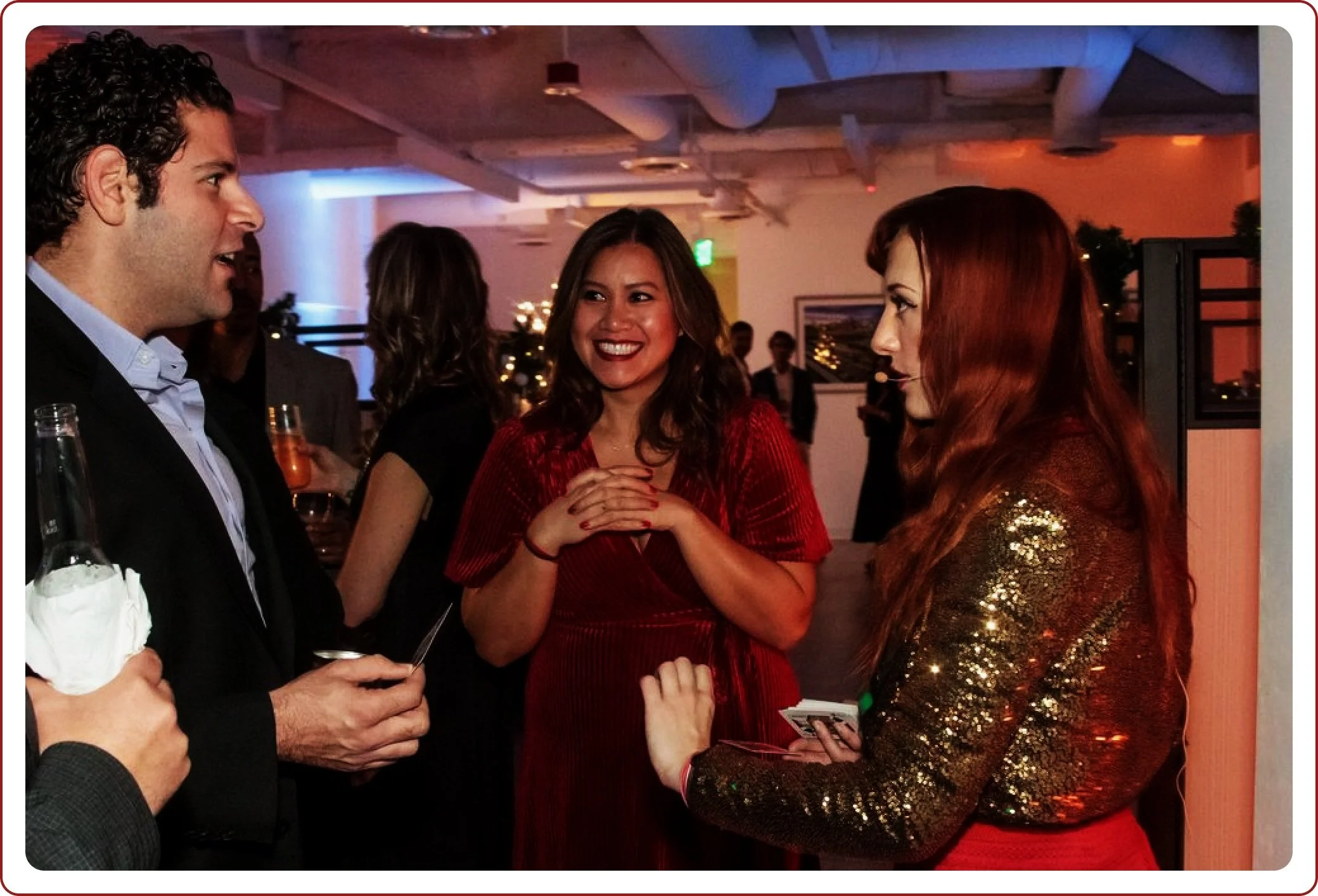
Tell People Now, Even With No Details

Attendance is the other thing decaying while you plan, just as fast as venue availability.

Your colleagues' Decembers are filling right now with family, friends, school events, and their partner's work party. An invitation landing in late November is competing with all of it and losing.

This is one of those corporate Christmas party ideas that costs nothing and changes everything. Send a holding note today. Just the date. Details follow next week. What matters is that your evening is in people's calendars before everything else gets there first.

And Please Don't Apologise for It

I see this constantly and I'd love you to stop.

Nobody at your party knows or cares when it was booked. The organiser who spends the evening explaining that it all came together rather quickly is drawing attention to something nobody noticed until they mentioned it.

Your colleagues experience an evening, not a timeline. If the food is good and something enjoyable happens, your four week planning window is private information. Accept the compliments and say thank you.

Why Book Me

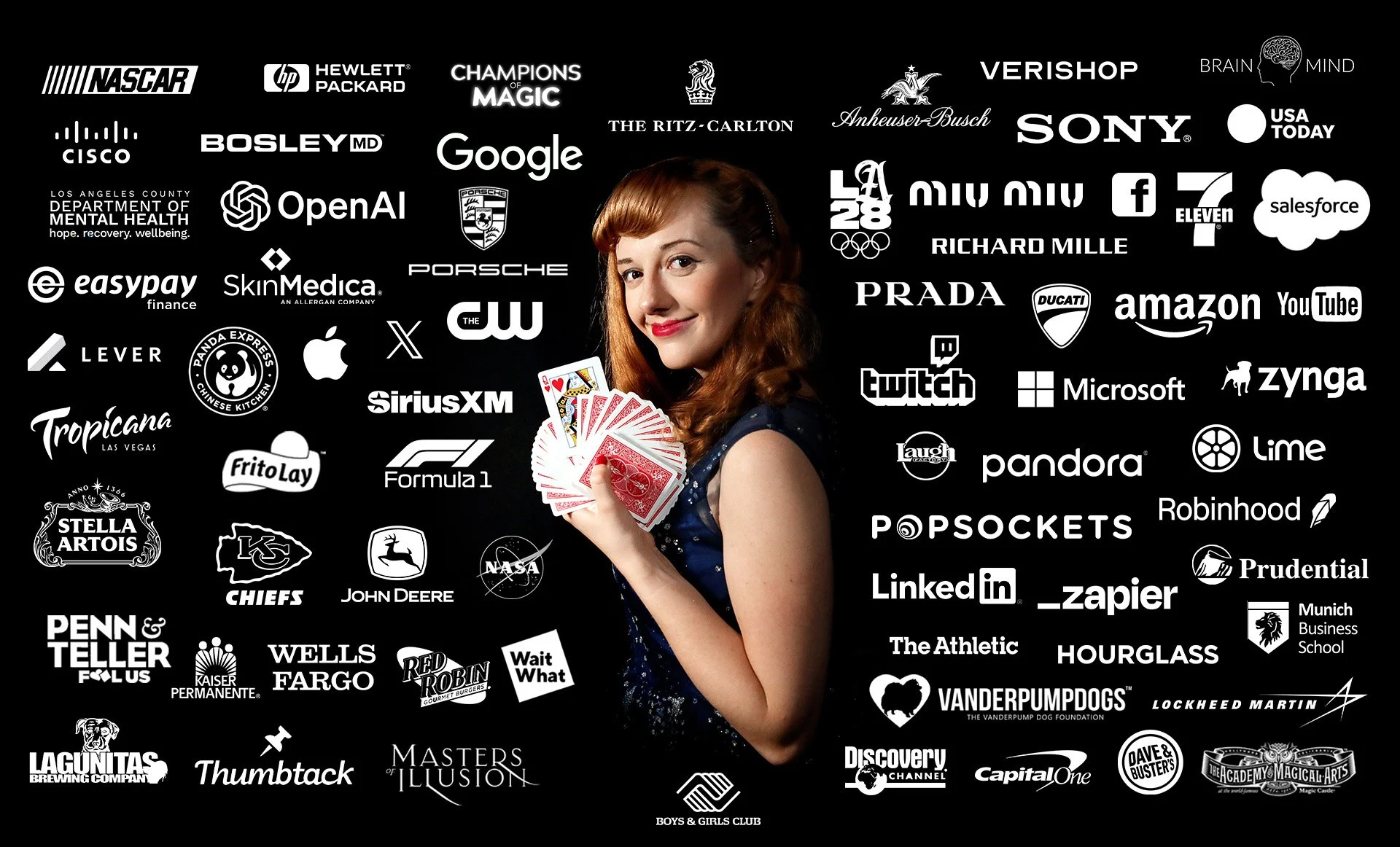
I'm a member of the Magic Circle in London and the Academy of Magical Arts in Hollywood, I've won multiple magic awards, and I've performed for Formula 1, the Olympics, Porsche, Prada, Zapier, and the Ritz Carlton, with appearances on Penn & Teller: Fool Us and Masters of Illusion.

What matters more if you're sorting late corporate Christmas party ideas this week: I'll tell you the same day whether I'm free, so you can keep looking if the answer is no. I need no stage, power, or sound, so your office or a restaurant room works exactly as it is. There's nothing for you to arrange, set up, or clear away. And I can have a quote, my insurance certificate, and terms in your inbox within the hour.

Frequently Asked Questions

What should I do first?

Fix the date today. Everything depends on it and availability vanishes while you consult people, so a slightly imperfect evening that happens beats a perfect one still under discussion in November. All the other corporate Christmas party ideas here assume you've done this bit.

Which dates are realistically still open?

The first week of December, weekdays generally, and all of January. The contested Thursdays and Fridays of the middle weeks went months ago, and among late corporate Christmas party ideas a January date is the most underrated one available.

Should I keep hunting for a venue?

Usually not. Venue availability is what's genuinely gone, and chasing it eats the weeks you have left. Your own office, a restaurant's private room, or a bar takeover are all bookable much later, and that decision alone makes the timeline manageable.

What order should I book things in?

People first. Anybody performing can only be in one place per evening, and entertainment books out before venues do. Decorations, catering, and music are all fine in the final fortnight.

What's the best question to ask a supplier?

What they still have, rather than whether they have your date. Somebody fully committed on December evenings may have weekday lunchtimes and the first week free, and that's where the good corporate Christmas party ideas are hiding this late.

How much should we try to include?

One thing, done well. A four week party can't carry five elements, and the most reliable corporate Christmas party ideas are subtractive: good food plus one genuinely good thing beats a photo booth, a quiz, and a raffle.

When should we tell people?

Today, with just the date. Your colleagues' Decembers are filling as fast as the venues are, and an invitation arriving in late November competes with everything already in their diary.

Should I admit it was organised late?

No, and I mean that kindly. Your colleagues experience an evening, not a timeline, and the only person who will ever notice the rush is you. Say thank you when people tell you it was lovely and leave the planning history out of it entirely.

Decide Today, Simplify, Tell People

The corporate Christmas party ideas that work on a short timeline all come from the same place: stop trying to rescue the party you'd have planned in August, and plan a genuinely good one with the weeks you actually have.

Fix the date today. Give up on a hired venue. Book the people whose time is finite first. Ask suppliers what they've got rather than whether they've got your evening. Do one thing properly. Get that date into people's calendars before the rest of December does.

You have more room here than you think. These are the corporate Christmas party ideas of somebody who has watched a lot of organisers pull this off in November, and they nearly always do.
Katrina Kroetch
Zoom Magic Show for a Team That's Just Come Through Something

Zoom Magic Show for a Team That's Just Come Through Something

The launch is finally live. The migration is finished. The audit is over, the last deadline has passed, and for the first time in weeks, nobody is asking whether everything will be ready by Monday.

Your team can finally breathe.

So what happens next?

Usually, there's a thank-you message in the company chat, a few reactions from colleagues, and then everyone moves straight on to the next project. The people who worked late, solved unexpected problems, and kept everything moving are expected to return to normal as if nothing particularly difficult happened.

But something did happen. Your team got through it, and that deserves a moment of its own.

I'm Magical Katrina, an award-winning magician and mentalist, and I believe one of the most overlooked opportunities for corporate teams is what happens immediately after a demanding stretch of work. A Zoom magic show can give people a chance to step away from deadlines, enjoy something together, and mark the end of a difficult period without turning appreciation into another work obligation.

The timing matters just as much as the entertainment. Here's how I'd approach it.

Why the End of a Difficult Project Deserves More Than a Thank-You Message

Think about the last time your team worked through an unusually demanding period.

Maybe a product launch required several late nights. Perhaps your IT department spent weekends migrating systems, your finance team worked through year-end close, or your entire organization prepared for an audit that seemed to consume every available hour.

When the deadline finally passed, what did everyone receive?

A message saying, "Great job, everyone. Now let's focus on what's next."

There's nothing wrong with thanking people in writing. The problem is when that message is the only acknowledgment of weeks of concentrated effort.

People notice how an organization responds when a difficult assignment ends. Specific recognition shows that somebody paid attention. Silence, or an immediate shift to the next deadline, can leave employees feeling that extraordinary effort was simply expected.

A Zoom magic show gives managers another way to mark the occasion. Instead of sending another message into a busy chat channel, you bring colleagues together for an experience that isn't about project updates, performance reviews, or the next set of targets.

It's a simple way to communicate something important: the work is finished, the effort mattered, and it's okay to pause for a moment.

Why Timing Matters More Than You Think

If your team finishes a six-week launch in October, a celebration scheduled for the following quarter may feel disconnected from what happened.

By then, the details have faded. People have moved on to other responsibilities, and the next deadline may already be approaching.

That's why I'd aim to schedule your team recognition event within two weeks of the project's completion, preferably during the first week if everyone's workload allows it.

A Zoom magic show held soon after a difficult stretch gives people a clear connection between the effort they made and the moment you're creating for them.

It doesn't need to be elaborate. You don't need an expensive venue, complicated travel arrangements, or an evening that everyone must reserve.

You simply need to choose a suitable time, invite the team, acknowledge what they've accomplished, and give them permission to enjoy something that isn't work.

If your team is still dealing with urgent follow-up tasks, allow people a little breathing room. Recognition should feel considerate, not rushed into an already exhausting schedule.

The important thing is to plan the moment while the achievement is still fresh rather than leaving it on a list of things to organize someday.

Please Don't Turn It Into Another Meeting

This is where I'd be particularly careful.

A team that has just completed a demanding project has probably spent weeks in status calls, troubleshooting sessions, planning meetings, and late-night video conferences. Even colleagues who normally enjoy working together may be tired of looking at the same meeting interface.

So if you're organizing a Zoom magic show, make it obvious that this isn't another meeting.

No presentation deck. No lengthy agenda. No project status report. No surprise request for everyone to explain what went well and what could have gone better.

If you need to conduct a project retrospective, schedule it separately. Retrospectives have a purpose, but so does recognition, and combining them can make appreciation feel like a disguised performance review.

Give your team something different from what they've been doing all month.

As a magician and mentalist, my role is to create an experience that invites people to be curious, react, and enjoy the unexpected. The goal is to offer a genuine break from the usual work routine.

When colleagues leave the session, they shouldn't feel that they've completed another task. They should feel that the organization gave them a little time back for themselves.

Make Your Thank-You Specific

Here's something that costs nothing and can mean more than the entertainment itself.

Don't just say, "Thank you for all your hard work."

Tell people what you're thanking them for.

Perhaps one colleague stayed late to help resolve a production issue. Another took responsibility for an unexpected problem while everyone else was focused on the deadline. Someone else quietly supported a teammate who was struggling to keep up.

These are the details people remember because they demonstrate that their contributions were noticed.

Before your event, ask team leads to identify a few meaningful examples of the work that got the project across the finish line. You don't need to list every task or turn the opening remarks into a lengthy awards ceremony.

A few sincere, specific acknowledgments can be enough.

Then keep the rest of the session focused on giving everyone a chance to relax together.

A Zoom magic show works particularly well as part of this kind of recognition because it doesn't have to carry the entire message. The manager acknowledges the effort, and the shared experience gives the team a welcome change of pace.

That combination feels more thoughtful than generic praise followed immediately by another assignment.

Keep It Short, and Finish When You Said You Would

After an intense project, people need their time back.

Some may have been working late for several weeks. Others may have rearranged family responsibilities or personal plans to meet deadlines. A celebration that runs an hour beyond its advertised finish can undermine the very appreciation you're trying to communicate.

For many teams, I'd aim for around 45 minutes, including a brief welcome and acknowledgment of the work completed.

Tell people the expected finish time in the invitation. Keep opening remarks concise, allow enough time for the entertainment, and finish as promised.

A Zoom magic show doesn't need to occupy an entire afternoon to make the occasion feel special. In fact, a focused, well-paced session can be more appealing to people who are ready to step away from work.

Of course, the right duration depends on the format, audience, and schedule. The principle is simple: make the experience worthwhile without asking people to give more time than necessary.

When a team has spent weeks stretching its working hours, respecting the calendar is part of respecting the people.

Make Attendance Genuinely Optional

Not everyone celebrates in the same way.

Some employees recharge by spending time with colleagues. Others would rather close their laptop, spend time with family, take a walk, or enjoy an uninterrupted evening at home.

Neither response means someone cares more or less about the team.

If you're organizing a Zoom magic show after a demanding project, be clear that attendance is optional. Don't track who joins as a measure of enthusiasm, and don't ask absent employees to explain themselves afterward.

This matters especially for distributed teams, where colleagues may be in different time zones or have responsibilities outside standard working hours.

You can still make the invitation warm and personal. Explain why you're bringing everyone together, acknowledge what the team has accomplished, and let people decide whether they'd like to join.

A celebration should be an invitation to enjoy something, not another obligation disguised as a reward.

When people know they have a choice, those who attend can relax without feeling that they're being evaluated.

Resist the Temptation to Announce the Next Big Project

I understand why managers do this.

Everyone is already together. The team has finished one major milestone, and leadership wants to explain what's coming next. It seems efficient to thank everyone and then use the remaining time to introduce the next initiative.

I'd resist that temptation.

Imagine spending six weekends getting a migration across the finish line, only to hear that the next migration starts on Monday. Even a genuinely appreciative opening can begin to feel like a setup for more work.

Let the recognition stand on its own.

A Zoom magic show should mark the end of the effort you're celebrating, not become a launchpad for the next set of deadlines.

If the organization needs to communicate upcoming priorities, send that information separately or schedule a dedicated meeting for the following week.

Giving people a moment to enjoy what they've accomplished doesn't mean ignoring future responsibilities. It means recognizing that the team has earned a pause before moving forward.

That distinction helps make appreciation feel sincere rather than transactional.

Is a Zoom Magic Show Worth the Investment?

For managers working within a budget, the practical questions are understandable: How much does it cost? Does the price change with the number of attendees? Will the format work for a distributed team?

My virtual performances start at approximately $1,400, depending on the booking arrangement. My fee doesn't automatically increase simply because a session grows from 30 attendees to 300.

That can make a Zoom magic show worth considering for teams spread across different offices, particularly when bringing everyone together in person would involve travel, accommodation, and venue expenses.

Of course, no entertainment booking can guarantee improved retention or prevent employees from leaving. Those outcomes depend on much more than one event, including workload, management, compensation, and the broader employee experience.

But recognition is one part of how an organization treats its people. A thoughtful event can be a practical way to acknowledge a milestone without organizing another large gathering.

When presenting the idea internally, consider the scale of the project that just finished, the number of people involved, and the purpose of the session. Compare the cost with your other recognition options and choose a format that suits your team.

The objective isn't to solve every workplace challenge with entertainment. It's to create a meaningful moment that fits the occasion.

Why Book Magical Katrina?

When you've brought a team through a difficult stretch, the entertainment should fit the occasion. It should be professional, engaging, accessible to a distributed audience, and easy to incorporate into a busy schedule.

I'm Magical Katrina, an award-winning magician and mentalist. My performance experience includes clients such as Formula 1, the Olympics, Porsche, Prada, Zapier, and The Ritz-Carlton. I've also appeared on Penn & Teller: Fool Us and Masters of Illusion.

I'm a member of the Magic Circle in London and the Academy of Magical Arts in Hollywood.

For a corporate Zoom magic show, I focus on creating an engaging shared experience that gives people a break from the familiar rhythm of work. The format can suit teams of different sizes, from smaller departments to larger company audiences.

There's no need to turn the event into a participation contest. People can enjoy the experience without being pressured to speak, perform, or reveal personal information. The session can be planned around your team's schedule and existing online setup.

If you're celebrating the end of a launch, a demanding audit, a system migration, year-end close, or a particularly busy season, we can discuss the audience, timing, and format to find an arrangement that makes sense.

The aim is straightforward: help your team enjoy a moment that recognizes what they've just accomplished.

Frequently Asked Questions About Zoom Magic Shows for Teams

Why should we organize an event after a difficult project?

A recognition event gives the organization an opportunity to acknowledge the effort behind a milestone. It also creates a clear moment to pause before moving into the next assignment. A Zoom magic show offers a shared experience without requiring the team to travel or attend another business meeting.

How soon after a project should we schedule it?

Aim for the first week after completion when practical, and generally within two weeks. This keeps the recognition connected to the achievement while giving people time to recover from urgent deadlines. If the team needs a few days to decompress, choose a time that respects that need.

How long should the event last?

Around 45 minutes is a useful starting point for a focused team recognition session. The ideal duration depends on the format and audience, but the event should have a clear finish time. Avoid extending it unnecessarily, especially if the team has recently worked long hours.

Should attendance be mandatory?

No. Make the invitation genuinely optional, and avoid tracking attendance as a measure of commitment. Employees have different ways of relaxing, and some may have family responsibilities or work across different time zones. A recognition event should feel welcoming rather than compulsory.

What should managers say when thanking the team?

Be specific. Mention the milestone, recognize meaningful contributions, and acknowledge the challenges the team overcame. Rather than offering only generic praise, identify a few concrete examples of collaboration, problem-solving, or extra effort. Keep the remarks sincere and brief.

How much does a Zoom magic show cost?

My virtual performances start at approximately $1,400, depending on the arrangement. The fee doesn't automatically increase with audience size. For an accurate quote, share your preferred date, expected headcount, time zone, and any specific requirements.

Can a Zoom magic show work for a team across multiple locations?

Yes. A virtual format allows colleagues to join from different offices, cities, and home-working locations. Scheduling should account for time zones and the team's existing commitments so that the event is accessible and convenient for as many attendees as possible.

Should we discuss the next project during the celebration?

It's better to keep the recognition separate from upcoming work announcements. Give the team space to appreciate the completed milestone without immediately introducing another deadline. Communicate the next steps through a separate message or meeting.

Mark the Finish Line Before Moving On

When a team has spent weeks working toward a difficult deadline, the moment it ends deserves more than an automatic thank-you followed by another task.

A Zoom magic show can offer a refreshing way to recognize that effort, bring remote colleagues together, and give people a chance to enjoy something outside their normal work routine.

Schedule it promptly, keep it short, acknowledge specific contributions, make attendance optional, and resist the temptation to turn the celebration into another meeting.

Most importantly, let the moment be about what your team has already accomplished.

If your colleagues have just completed a demanding launch, audit, migration, or busy season, I'd love to hear about it.

Katrina Kroetch
Virtual Magic Show as a Pre-Event Warm-Up: Help Your Team Connect Before Day One

Virtual Magic Show as a Pre-Event Warm-Up: Help Your Team Connect Before Day One

You've booked the venue, arranged the flights, reserved the hotel rooms, and spent weeks putting together an agenda. Everyone is coming to the same place for a conference, company retreat, or leadership offsite.

There's just one problem: when people finally arrive, many of them are still strangers.

The first evening goes by in a blur of name badges, polite introductions, and the familiar question, "So, what team are you on?" The next morning isn't much different. People are still figuring out who's who when they could already be exchanging ideas, building relationships, and getting something meaningful out of being together.

I've seen why creating a connection before an event matters. I'm Magical Katrina, an award-winning magician and mentalist, and I think there's an opportunity many corporate event planners overlook: bringing the group together online before they meet in person.

A Virtual magic show can be more than an entertaining break from the usual calendar of meetings. When you schedule it a few weeks before your conference or company retreat, it gives attendees a shared experience before they walk into the same room.

Here's why that small change can make a big difference.

Why Corporate Events Need a Warm-Up Before Day One

Think about the last conference or company gathering you attended. How much time did people spend actually talking about ideas, sharing experiences, or getting to know colleagues from other departments?

And how much time went into introductions?

For teams that work across different offices, countries, and time zones, an annual gathering may be the only opportunity to meet face-to-face. Even colleagues who have exchanged emails for years might never have had a real conversation.

It's natural for people to need time to settle in. But when an organization has invested in flights, accommodation, venue hire, and catering, it makes sense to help attendees feel comfortable with one another before the event begins.

That's where a Virtual magic show comes in.

Instead of asking everyone to join another planning call, you give them a reason to show up, participate, laugh, and experience something unexpected together. They don't have to memorize an agenda or prepare a presentation. They simply get to be part of the same moment.

And that changes the starting point.

When People Recognize Each Other, Conversations Start Differently

Imagine arriving at your company's annual offsite and recognizing a few faces from a session you attended online two weeks earlier.

You already have something to talk about. You can ask someone what they thought of a moment from the show, pick up a conversation you started online, or introduce yourself to a colleague whose name you remember.

It's a small advantage, but across an entire organization, those little moments add up.

A well-designed Virtual magic show gives attendees a shared reference point before the event. People have experienced something together, rather than simply seeing one another's names on a participant list.

For event planners, that's the real opportunity. You're not trying to force instant friendships or guarantee that everyone will become best friends by the welcome reception. You're making the first conversation a little easier.

When people feel more comfortable approaching one another, networking can become less of a chore and more of a natural part of the experience.

That can be particularly valuable at leadership retreats, cross-functional meetings, sales kickoffs, and conferences where the goal is to encourage people to exchange ideas beyond their usual teams.

A Virtual Magic Show Can Include People Who Cannot Travel

Not everyone who belongs to an organization will be able to attend an in-person event.

Some colleagues have caring responsibilities. Others work in offices that aren't included in the travel budget. Part-time employees, international team members, and people dealing with travel or visa limitations may also miss the gathering.

It's easy to focus on the people who will be in the room. But what about the colleagues who will be watching the event unfold through photos and internal updates afterward?

A Virtual magic show scheduled before the main event creates an opportunity to bring a wider group together, including employees who won't be travelling.

They can share the same experience, participate alongside colleagues, and feel included in something beyond the usual work meeting.

This doesn't replace the value of being physically present. It does, however, give organizations another way to make company culture feel more connected across locations.

For global companies and hybrid teams, that distinction matters. Inclusion isn't only about who gets invited to the main event. It's also about finding meaningful ways for people to participate, even when they cannot be there in person.

When Should You Schedule Your Virtual Magic Show?

My recommendation is to aim for two to four weeks before the main event.

That window gives attendees enough time to remember the experience when they arrive, without making the warm-up feel disconnected from the occasion.

Schedule it too early, and the excitement may fade before the conference begins. Leave it until the final few days, and you'll be competing with travel arrangements, deadlines, presentation rehearsals, and last-minute changes.

A Virtual magic show works best when it feels like part of the event experience rather than another item squeezed into an already crowded calendar.

Here are a few practical tips:

  • Confirm the attendee list early. Invite the people you want to connect before the event, including remote colleagues where possible.

  • Keep the invitation simple. Tell people they'll be sharing an interactive experience, not attending another mandatory briefing.

  • Choose a time that works across locations. If your team spans multiple time zones, consider how the session will affect people joining outside normal working hours.

  • Connect it to the main event. Mention the upcoming conference or retreat so attendees understand why you're bringing everyone together.

  • Make participation easy. Give people clear joining instructions and avoid unnecessary technical requirements.

The goal isn't to add another complicated task to your event checklist. It's to make the experience feel effortless for the people attending.

Keep the Fun Separate From the Logistics

There's a temptation to use every pre-event gathering to cover the agenda, introduce senior leaders, explain travel arrangements, and review company priorities.

I understand why. Getting everyone online at once feels like a good opportunity to communicate important information.

But if your session becomes another hour of announcements and slides, people may treat it like every other work call.

Send the logistics by email. Share the agenda in advance. Give attendees access to the information they need.

Then use your live session for something different.

A Virtual magic show creates a break from the usual rhythm of corporate communication. Rather than asking everyone to absorb more information, it gives them an opportunity to react, participate, and enjoy a shared experience.

As a magician and mentalist, I want people to feel involved rather than simply watch something happening on a screen. The experience should be appropriate for a professional audience, accessible to the group, and designed to give people something to talk about afterward.

Nobody should feel pressured to perform, disclose personal information, or become the center of attention if they're uncomfortable doing so.

The best warm-up is one people actually want to attend.

Is a Virtual Magic Show Worth the Investment?

Corporate event budgets are rarely unlimited. Every additional expense needs a reason, especially when travel, accommodation, production, and venue costs are already adding up.

So, how do you justify an online entertainment session before an in-person gathering?

Start by looking at the purpose of the event.

If your conference is intended to bring departments together, strengthen working relationships, or encourage collaboration across locations, the attendee experience begins before the opening presentation. Helping people feel more comfortable connecting is part of preparing them for the event.

A Virtual magic show is not a guarantee that you'll recover a specific number of hours or achieve a measurable improvement in productivity. Those outcomes depend on your organization, the people attending, and how the rest of the event is designed.

What it can offer is a shared experience before the main gathering, without requiring everyone to travel or book another physical venue.

My virtual performances start at approximately $1,400, depending on the arrangement. For a group of thirty or three hundred, my fee doesn't automatically increase simply because more people attend. The final quote depends on the specific booking and requirements.

When you compare the cost with an event that already involves flights, hotels, venue hire, and catering, an online session may be a practical way to add a memorable experience without creating another major production.

For event planners, the better question isn't simply, "Can we afford entertainment before the event?"

It's, "What kind of experience do we want people to have before they arrive?"

Set the Tone Before Your Team Walks Into the Room

The experience attendees have before a conference can influence what they expect from it.

If the only interaction before arrival is a list of instructions and a calendar invitation, the event may feel like another obligation on the work schedule.

But if people have already enjoyed an unexpected, engaging experience with their colleagues, they have a different starting point.

A Virtual magic show can help create anticipation for what's ahead. It gives attendees a glimpse of the event's personality and reminds them that the gathering is about people, not just presentations and meeting rooms.

This is particularly useful for company celebrations, leadership offsites, employee appreciation events, and conferences where building relationships is as important as delivering information.

The show doesn't need to carry the entire event. It simply needs to give the group a worthwhile shared moment before the main program begins.

And sometimes, that's exactly what a packed corporate schedule is missing.

Why Work With Magical Katrina?

When you're organizing an event for colleagues, clients, or senior leaders, entertainment needs to do more than fill a time slot. It needs to suit the audience, work within the schedule, and feel appropriate for the occasion.

I'm Magical Katrina, an award-winning magician and mentalist who performs for corporate audiences, private events, and live entertainment settings.

My experience includes work with recognizable names such as Formula 1, the Olympics, Porsche, Prada, Zapier, and The Ritz-Carlton. I've also appeared on Penn & Teller: Fool Us and Masters of Illusion.

I'm a member of the Magic Circle in London and the Academy of Magical Arts in Hollywood, and I approach each booking with the audience and the event's goals in mind.

For a pre-event Virtual magic show, that means creating an experience people can enjoy together, even if they're joining from different offices, cities, or countries.

The format can be tailored to your event, whether you're welcoming a smaller leadership team or bringing together a much larger company audience. My virtual performance fee doesn't automatically change with headcount, making it easier to plan for a group of different sizes.

You can also explore a combination of virtual and in-person entertainment, depending on your schedule, location, and budget.

If your organization is investing in bringing people together, why wait until everyone arrives to give them a reason to connect?

Frequently Asked Questions About Virtual Magic Shows for Corporate Events

What is a virtual magic show?

A Virtual magic show is a live magic and mentalism performance delivered online, allowing attendees to experience the show together from different locations. For corporate events, it can be used as entertainment, a team connection activity, or a pre-event warm-up before an in-person conference or retreat.

How can a virtual magic show help with a corporate offsite?

A Virtual magic show gives attendees a shared experience before they meet in person. It can create natural conversation starters, help colleagues recognize one another, and make networking feel less awkward when the group gathers for the main event.

When should we book a virtual magic show before a conference?

Two to four weeks before the conference is a useful starting point. This gives attendees time to experience the session before travelling while keeping the upcoming event fresh in their minds. Your ideal date will depend on the attendee list, time zones, and overall schedule.

Can remote employees participate if they cannot attend the in-person event?

Yes. A Virtual magic show can bring together employees who are travelling and those who must remain at home or in their usual office locations. It's a useful way to create a shared experience across a distributed workforce, although it doesn't replace every benefit of meeting in person.

How much does a virtual magic show cost?

My virtual performances start at approximately $1,400, depending on the booking arrangement. The fee doesn't automatically increase with the number of attendees. For an accurate quote, share your preferred date, audience size, event format, and any specific requirements.

Is a virtual magic show suitable for a large corporate audience?

A Virtual magic show can be arranged for groups of different sizes, including large corporate audiences. The format should be planned around the event platform, audience participation, and the experience you want attendees to have. Discuss your expected headcount and technical setup when requesting a quote.

Can we combine virtual entertainment with an in-person performance?

Yes, depending on availability and your event requirements. A virtual warm-up before the conference and an in-person performance during the gathering can create two connected experiences. The right arrangement will depend on your event dates, location, schedule, and budget.

What information should we provide when booking?

Share your event date, time zone, approximate audience size, event type, and whether attendees will be joining from multiple locations. Let me know whether the session is intended as a pre-event warm-up, a standalone corporate experience, or part of a larger entertainment program.

Make the Connection Before the Conference Begins

Your conference doesn't have to begin when the first attendee walks through the hotel doors.

You can start building the experience earlier, while people are still at their desks, in their home offices, or working from another part of the world.

A Virtual magic show gives your team a chance to share something unexpected before the introductions, presentations, and packed schedules begin. It can include colleagues who won't be travelling, create conversation starters for the welcome reception, and add a little anticipation to the event ahead.

Keep the session separate from routine business updates, schedule it two to four weeks before the gathering, and choose a format that makes participation feel natural.

If you're planning a corporate conference, company retreat, leadership offsite, or employee gathering, I'd love to hear what you have in mind.

Katrina Kroetch
Female Magician in New York for Advertising and Creative Agencies

Female Magician in New York for Advertising and Creative

Booking entertainment for an agency is harder than booking for almost any other client. The room is full of people whose job is noticing how things are made, they have attended a great many events, and they will form a collective verdict on whatever you put in front of them within about ninety seconds.

They are also one of the best audiences there is, when you get it right. I'm Magical Katrina, an award winning magician and mentalist, and I want to set out what booking a female magician in New York does at an agency event, and what this particular room demands.

Skill Decides It

Skill has nothing to do with gender, and you should book me because I'm genuinely good at this: thirteen years of performance, awards from my peers, and rooms full of creative people who analyse craft professionally and still can't account for what they watched.

There's a bonus, and in this industry it isn't trivial. Who gets hired, who gets put in the room, and who gets credited is an active conversation in every agency in this city, and an agency's choices are visible to its own people and its clients. Somebody different registers. Book me for the work and take the rest as a bonus.

Production Value Impresses Nobody Here

Start with what doesn't work. A room containing art directors, editors, and producers knows exactly what everything cost, has probably made something similar, and is unimpressed by scale as a matter of professional habit.

What does land is craft they can't reverse engineer. An audience that spends its working life understanding how effects are achieved is a hard room for anything technical and a very good one for something done three feet away with nothing to hide behind. The agency room is where close up work beats spectacle most clearly.

The Verdict Forms Fast and Travels

Worth understanding about this audience specifically. Agency people talk, within the building and across the industry, and an event that was good becomes a thing people mention at other agencies.

That cuts both ways, which is the risk. Something mediocre is discussed too, and in a city where your staff interview at four other shops a year, the internal view of what the agency spends money on matters. If you're programming for this audience, it's worth doing properly or not doing it.

Client Events Need a Different Shape From Staff Events

Worth separating out. An agency summer party is for your own people and can be loose. A client evening, a new business dinner, or an event around a pitch has a commercial purpose, and the entertainment is there to serve conversation rather than to be the event.

For a client evening, strolling during drinks works and a scheduled performance usually doesn't, because your team's actual job that night is specific conversations with specific people. For a staff party, you have far more freedom. Decide which you're planning before you book, since the same booking does different jobs.

It Gives Your Team a Way Into the Room

Practically the most useful function at a client event. Your account people spend the evening trying to start conversations with clients who are standing in groups, and that approach is awkward however experienced you are.

Something happening creates an opening, since two people who just reacted to the same thing have an obvious first sentence. For a new business evening in particular, that's the difference between your strategist getting twenty minutes with the marketing director and spending the night talking to colleagues.

Agency Spaces Are Not Event Spaces

Practically relevant for format. Agency parties happen in the office with the desks pushed back, on a roof terrace, in a converted loft, or in a bar you've taken over, and almost none of those have a stage, usable sound, or spare power.

Close up magic needs none of it, works in the room exactly as it is, and leaves nothing to clear before people arrive to work in the morning. For a space that has to function as a studio on Monday, entertainment with nothing to install is the practical answer.

Nobody Will Stand Still

Worth planning around. Agency events are standing, circulating, loud affairs where people move constantly, and anything announced from a microphone competes with a room that didn't want to stop.

Something mobile works with that rather than against it. Guests encounter it in the group they're already in, give it the attention they choose to, and go back to their conversation. For a room this self directed, that's the only format that doesn't fight the evening.

Say What the Evening Is For

Worth settling when you book. An agency party celebrating a win, a client evening before a pitch, a holiday party, and an event marking a departure are different rooms with different needs.

Tell whoever you're booking what the evening is actually about. A performer with that information works the room accordingly, spends time with the people who matter to you, and avoids the conversation in the corner that shouldn't be interrupted.

A Note on "Local vs. Traveling In"

I'm based in the Los Angeles area and travel to New York regularly for corporate and brand events. Travel is discussed openly and factored into the quote rather than being your problem to arrange, and for December and the contested autumn weeks it's worth asking early.

Why Book Magical Katrina

If you're programming for an agency, here's my case. I'm a member of the Magic Circle in London and the Academy of Magical Arts in Hollywood, I've earned multiple magic awards, and I've performed for clients including Prada, Porsche, Formula 1, the Olympics, and the Ritz Carlton, with appearances on Penn & Teller: Fool Us and Masters of Illusion. I work brand and creative rooms regularly and pitch the tone to match, I need no stage, power, or sound so your office or a roof terrace works as it is, I read a closed conversation and leave it alone, and I'll work the people who matter to you if you tell me who they are.

Frequently Asked Questions

Why is an agency a difficult room?

Because it's full of people who analyse how things are made, have attended a great many events, and form a collective verdict quickly. They're unimpressed by production value as a matter of professional habit, since they know what it cost.

What actually works with this audience?

Craft they can't reverse engineer. An audience that understands how effects are achieved is a hard room for anything technical and a very good one for something done three feet away with nothing to hide behind.

Does it matter if we get it wrong?

More than elsewhere, since agency people talk within the building and across the industry, so a good event is mentioned at other shops and a mediocre one is too. In a city where your staff interview regularly, the internal view of your spending matters.

Is a client evening different from a staff party?

Yes, and decide which you're planning. A client evening has a commercial purpose, so strolling during drinks works and a scheduled performance doesn't, because your team's job is specific conversations. A staff party gives you far more freedom.

How does it help on a new business night?

It creates openings, since approaching clients standing in groups is awkward however experienced you are, and two people who just reacted to the same thing have a first sentence. That's the difference between twenty minutes with the marketing director and a night talking to colleagues.

Will it work in our office?

Yes, since close up magic needs no stage, power, or sound and leaves nothing to clear before people arrive to work. That suits a space that's a studio again on Monday, a roof terrace, or a bar you've taken over.

Our events are loud and everybody moves. Is that a problem?

It's the reason to choose a mobile format, since anything announced from a microphone competes with a room that didn't want to stop. Guests encounter something moving through in the group they're already in and go back to their conversation.

What should we tell you beforehand?

What the evening is actually for, since a win celebration, a client night before a pitch, and a holiday party are different rooms. With that I can work the people who matter to you and stay clear of the conversation that shouldn't be interrupted.

Book for the Room, Not the Occasion

An agency audience judges fast, talks afterwards, and is immune to the things that impress other corporate rooms. Booking a female magician in New York works here because craft performed close up is the one thing a room of professional makers can't account for, and because it fits an evening where nobody is going to stand still or face forward.

Decide whether you're programming for your people or for your clients, tell whoever you book what the night is for, and expect the verdict to travel.

Katrina Kroetch
Female Magician in New York for Advertising and Creative Agencies

Female Magician in New York for Advertising and Creative Agencies

Booking entertainment for an agency is harder than booking for almost any other client. The room is full of people whose job is noticing how things are made, they have attended a great many events, and they will form a collective verdict on whatever you put in front of them within about ninety seconds.

They are also one of the best audiences there is, when you get it right. I'm Magical Katrina, an award winning magician and mentalist, and I want to set out what booking a female magician in New York does at an agency event, and what this particular room demands.

Skill Decides It

Let me be direct about the keyword. Skill has nothing to do with gender, and you should book me because I'm genuinely good at this: thirteen years of performance, awards from my peers, and rooms full of creative people who analyse craft professionally and still can't account for what they watched.

There's a bonus, and in this industry it isn't trivial. Who gets hired, who gets put in the room, and who gets credited is an active conversation in every agency in this city, and an agency's choices are visible to its own people and its clients. Somebody different registers. Book me for the work and take the rest as a bonus.

Production Value Impresses Nobody Here

Start with what doesn't work. A room containing art directors, editors, and producers knows exactly what everything cost, has probably made something similar, and is unimpressed by scale as a matter of professional habit.

What does land is craft they can't reverse engineer. An audience that spends its working life understanding how effects are achieved is a hard room for anything technical and a very good one for something done three feet away with nothing to hide behind. The agency room is where close up work beats spectacle most clearly.

The Verdict Forms Fast and Travels

Worth understanding about this audience specifically. Agency people talk, within the building and across the industry, and an event that was good becomes a thing people mention at other agencies.

That cuts both ways, which is the risk. Something mediocre is discussed too, and in a city where your staff interview at four other shops a year, the internal view of what the agency spends money on matters. If you're programming for this audience, it's worth doing properly or not doing it.

Client Events Need a Different Shape From Staff Events

Worth separating out. An agency summer party is for your own people and can be loose. A client evening, a new business dinner, or an event around a pitch has a commercial purpose, and the entertainment is there to serve conversation rather than to be the event.

For a client evening, strolling during drinks works and a scheduled performance usually doesn't, because your team's actual job that night is specific conversations with specific people. For a staff party, you have far more freedom. Decide which you're planning before you book, since the same booking does different jobs.

It Gives Your Team a Way Into the Room

Practically the most useful function at a client event. Your account people spend the evening trying to start conversations with clients who are standing in groups, and that approach is awkward however experienced you are.

Something happening creates an opening, since two people who just reacted to the same thing have an obvious first sentence. For a new business evening in particular, that's the difference between your strategist getting twenty minutes with the marketing director and spending the night talking to colleagues.

Agency Spaces Are Not Event Spaces

Practically relevant for format. Agency parties happen in the office with the desks pushed back, on a roof terrace, in a converted loft, or in a bar you've taken over, and almost none of those have a stage, usable sound, or spare power.

Close up magic needs none of it, works in the room exactly as it is, and leaves nothing to clear before people arrive to work in the morning. For a space that has to function as a studio on Monday, entertainment with nothing to install is the practical answer.

Nobody Will Stand Still

Worth planning around. Agency events are standing, circulating, loud affairs where people move constantly, and anything announced from a microphone competes with a room that didn't want to stop.

Something mobile works with that rather than against it. Guests encounter it in the group they're already in, give it the attention they choose to, and go back to their conversation. For a room this self directed, that's the only format that doesn't fight the evening.

Say What the Evening Is For

Worth settling when you book. An agency party celebrating a win, a client evening before a pitch, a holiday party, and an event marking a departure are different rooms with different needs.

Tell whoever you're booking what the evening is actually about. A performer with that information works the room accordingly, spends time with the people who matter to you, and avoids the conversation in the corner that shouldn't be interrupted.

A Note on "Local vs. Traveling In"

Worth knowing: I'm based in the Los Angeles area and travel to New York regularly for corporate and brand events. Travel is discussed openly and factored into the quote rather than being your problem to arrange, and for December and the contested autumn weeks it's worth asking early.

Why Book Magical Katrina

If you're programming for an agency, here's my case. I'm a member of the Magic Circle in London and the Academy of Magical Arts in Hollywood, I've earned multiple magic awards, and I've performed for clients including Prada, Porsche, Formula 1, the Olympics, and the Ritz Carlton, with appearances on Penn & Teller: Fool Us and Masters of Illusion. I work brand and creative rooms regularly and pitch the tone to match, I need no stage, power, or sound so your office or a roof terrace works as it is, I read a closed conversation and leave it alone, and I'll work the people who matter to you if you tell me who they are.

Frequently Asked Questions

Why is an agency a difficult room?

Because it's full of people who analyse how things are made, have attended a great many events, and form a collective verdict quickly. They're unimpressed by production value as a matter of professional habit, since they know what it cost.

What actually works with this audience?

Craft they can't reverse engineer. An audience that understands how effects are achieved is a hard room for anything technical and a very good one for something done three feet away with nothing to hide behind.

Does it matter if we get it wrong?

More than elsewhere, since agency people talk within the building and across the industry, so a good event is mentioned at other shops and a mediocre one is too. In a city where your staff interview regularly, the internal view of your spending matters.

Is a client evening different from a staff party?

Yes, and decide which you're planning. A client evening has a commercial purpose, so strolling during drinks works and a scheduled performance doesn't, because your team's job is specific conversations. A staff party gives you far more freedom.

How does it help on a new business night?

It creates openings, since approaching clients standing in groups is awkward however experienced you are, and two people who just reacted to the same thing have a first sentence. That's the difference between twenty minutes with the marketing director and a night talking to colleagues.

Will it work in our office?

Yes, since close up magic needs no stage, power, or sound and leaves nothing to clear before people arrive to work. That suits a space that's a studio again on Monday, a roof terrace, or a bar you've taken over.

Our events are loud and everybody moves. Is that a problem?

It's the reason to choose a mobile format, since anything announced from a microphone competes with a room that didn't want to stop. Guests encounter something moving through in the group they're already in and go back to their conversation.

What should we tell you beforehand?

What the evening is actually for, since a win celebration, a client night before a pitch, and a holiday party are different rooms. With that I can work the people who matter to you and stay clear of the conversation that shouldn't be interrupted.

Book for the Room, Not the Occasion

An agency audience judges fast, talks afterwards, and is immune to the things that impress other corporate rooms. Booking a female magician in New York works here because craft performed close up is the one thing a room of professional makers can't account for, and because it fits an evening where nobody is going to stand still or face forward.

Decide whether you're programming for your people or for your clients, tell whoever you book what the night is for, and expect the verdict to travel.

Katrina Kroetch
Strolling Magician New York for Boat and Yacht Charters

Strolling Magician New York for Boat and Yacht Charters

I still remember the first charter I ever worked on the Hudson. It was a crisp October evening, the sky going orange behind New Jersey, and I walked up the gangway carrying a bag that was far too big. I'd packed it the way I pack for a ballroom. Within ten minutes I'd learned that a boat is not a ballroom, and that the best thing I owned that night was a deck of cards in my jacket pocket.

That evening changed how I think about events on the water. I'm Magical Katrina, an award-winning magician and mentalist, and I've since spent a lot of nights drifting past the Manhattan skyline with a drink in one hand and someone's borrowed ring in the other. If you're wondering what a strolling magician New York booking really looks like on a charter, let me walk you through it, along with the things I wish someone had told me before that first gangway.

Nobody Can Leave, and That Changes Everything

Here's the thing about a boat. On land, a guest who isn't enjoying themselves quietly slips out at nine. On the water, they're with you until the vessel is back at the dock. I've seen that work in an organiser's favour more times than I can count, because suddenly everybody's attention is on one shared experience for three hours.

I've also seen the other side. A dull stretch on a boat is properly dull. There's no bar next door, no phone call that turns into a taxi home. If the evening sags, everyone feels it together, and nobody can do anything about it.

The charters that disappoint almost always have the same story behind them: an hour in the middle where the novelty of the skyline wore off and nothing else had been planned. That isn't the boat's fault, or the caterer's. It's just an easy gap to miss, because the start and end of a cruise look so good on paper. Booking a strolling magician New York guests can find wherever they are on board is one of the simplest ways to close it.

The Middle Hour Is Where the Evening Is Won

I think of a charter in three parts. The first thirty minutes take care of themselves, because everybody is on deck photographing the city. The last thirty are lovely too, when the boat turns back, the lit skyline slides past, and a whole room goes quiet.

The hour and a half in between is where evenings are won or lost. I remember a company party where I watched it happen in real time. Around the sixty-minute mark, a man by the window checked his watch, then his phone, then his watch again. His colleagues had run out of small talk and the photos were done. You could almost hear the room deflate.

I wandered over and asked if he'd help me with something. Ten minutes later, that same man was leaning across the table explaining to his boss, with total confidence, exactly how I'd done it. (He was wrong. I'll leave it there.)

Most organisers spend their budget on the parts of the evening that were already going to work. The middle is the part nobody plans, and it's the part your guests will talk about on the way home. A strolling magician New York charters can lean on is one of the most reliable ways to cover it.

The Cabin Has Nothing You Can Use

Before you plan any entertainment, picture the cabin honestly. Low ceilings. A space that's smaller than it looked in the listing photos. Limited power, a sound system meant for background music, and no room for anything to be set up.

I once watched a lovely duo try to squeeze their speakers and a keyboard into one corner of a charter cabin. They were wonderful musicians, and they spent the first half hour apologising to people whose drinks they'd bumped. A stage show, a band, a technical setup: all of them end up competing with the furniture and the guests, and there's far less of both than you imagine.

Close up magic needs none of it. My whole kit lives in my pockets. I don't need a stage, a plug, or a spotlight, just a few inches of space and someone willing to be amazed. On a boat, that isn't a small advantage. It's the entire reason a strolling magician New York booking works where bigger acts can't.

Going Up to Find Them

People move constantly on a charter. They go up for the views, down when it's cold, out when the skyline is spectacular, and back in when the food arrives. By the second hour, your guest list has spread across two or three levels, and it keeps shifting.

That's why I don't wait for people to gather. I remember a woman on the upper deck, wrapped in a borrowed blanket with her hair whipping in the wind, who told me she'd decided to skip the entertainment downstairs because she preferred the view. I asked her to pick a card and not tell me what it was. By the time the wind had finished with her hair, she'd stopped looking at the skyline and was looking at me, one hand over her mouth.

Anything scheduled misses people like her. If you announce a show at eight, half your guests will be upstairs when it starts. A strolling magician New York charters can keep moving goes to them, and on a boat that quite literally means climbing the stairs.

The Weather Gets a Vote

It's colder on the water than on land, and I mean meaningfully colder. Wind on the Hudson in October is a different proposition from the same temperature on shore. I've watched guests board in silk dresses and thin suits, delighted with the evening, and feel quite differently about it ten minutes after the boat leaves the dock.

A short note on the invitation asking people to bring a coat will improve your evening more than most things you could spend money on. And plan for the possibility that everybody ends up in the cabin all night, which makes it busier and smaller than the layout suggested.

That's another reason I love working on boats. When the cabin is packed, close up magic doesn't struggle. It thrives, because everybody is already standing close enough to see every detail.

Dock Times Are Fixed and Real

Your charter leaves and returns at set times, boarding always takes longer than anyone expects, and the vessel won't wait for your running order. I've learned to ask for the departure time, the return time, the boarding window, and any speeches or dinner service before I plan a thing.

My advice is simple. Give yourself a proper boarding window. Let your strolling magician New York performer begin once you're underway rather than at the dock, because people who are still finding their seats and their first drink aren't ready to be amazed. And wrap up the formal part well before the return. The last twenty minutes belong to the skyline, and I'm happy to slip into the background and let it have them.

What I Actually Do on a Charter

People often ask what a strolling magician New York guests will remember looks like in practice, so here's a typical evening.

I board quietly, usually with the guests, and keep a low profile for the first stretch. Nobody wants a performer in their face while they're photographing the Statue of Liberty. Once the boat settles and the first drinks are poured, I start to drift through the cabin, introducing myself to small groups.

What happens next is hard to describe without spoiling it, which is rather the point. A card that finds its way to the one place it absolutely shouldn't be. A prediction I wrote down before we'd even met. Something borrowed from a guest's pocket that does something it has no business doing. Each moment lasts a few minutes, which suits a charter perfectly, because people dip in and out of conversations all night.

Then I climb up to the deck, where groups are looser and the light is better than anyone expects. I circle between levels through the middle of the cruise, and I step back before the return so the skyline gets the room it deserves.

My favourite part is the quiet moment right after, when a guest realises something shouldn't have been possible and looks up to see who else saw it. I can't tell you how it works. I can promise you'll want to know.

Strangers, Meet Each Other

Charters are popular for company parties, milestone birthdays, wedding events, and client entertaining, which means they mix people who've never met. The confined setting makes that more obvious than it would be in a bar, because there's nowhere to wander off to.

I once worked a cruise where a finance team and a visiting client group were standing in two polite, separate clusters at opposite ends of the cabin. I did one small piece for three people from each side at once. By the end of it, a client was arguing happily with someone from accounts about how I'd done it, and the two clusters had quietly become one crowd.

On a boat, a guest who hasn't found anybody to talk to by the second hour is having a noticeably bad evening. A strolling magician New York charters can host gives strangers a reason to turn toward each other, and it's a conversation starter that nobody has to be brave to use.

Planning It Without the Stress

If you're organising a charter, here's the order I'd tackle things in. Six to eight weeks out, confirm your date, vessel, and operator, and ask about outside performers, since peak summer and autumn dates fill early. Four weeks out, share the schedule with whoever is entertaining: boarding, departure, return, and any speeches or dinner service.

Two weeks out, tell your guests to dress warmly and arrive on time. On the day, keep the first half hour relaxed and let the skyline do its job before anything else begins. None of it is complicated, but it's easy to skip when you're juggling catering, guest lists, and budgets.

Check With the Operator

Vessels have rules, so ask early. Charter operators have capacity limits, safety requirements, and often their own views about what may be brought aboard or where anybody may stand. Some have preferred vendor lists, and some restrict movement between decks while the boat is underway.

Booking a strolling magician New York charters can accommodate is usually straightforward, because close up magic brings nothing aboard and takes up no space, but the question should still be asked. I'm fully insured and happy to send a certificate to your operator, so that part is rarely a hurdle.

Coming In From Los Angeles

I'm based in the Los Angeles area and travel to New York regularly as a strolling magician New York clients can book for corporate and private events. Travel is discussed openly and built into the quote, so it never becomes your problem to arrange. For the summer and autumn charter season, it's worth reaching out early, since that's when the calendar fills fastest.

A Little About Me

I'm a member of the Magic Circle in London and the Academy of Magical Arts in Hollywood, and I've earned multiple magic awards. I've performed for clients including Formula 1, the Olympics, Porsche, Prada, and the Ritz Carlton, with appearances on Penn & Teller: Fool Us and Masters of Illusion.

What matters more on a boat, though, is how I work as a strolling magician New York charters can rely on. I bring nothing aboard and take up no deck space. I move between cabin and deck rather than waiting for everybody to gather. I work the middle of your cruise rather than competing with the skyline. If that sounds like the evening you're picturing, I'd love to hear about it.

Frequently Asked Questions

What's different about an event on a boat?

Nobody can leave, so you have everybody's attention for three hours, and a dull stretch is genuinely dull. Charters that disappoint nearly always have an unplanned hour in the middle.

Which part of the cruise should we programme?

The middle. The first thirty minutes work by themselves because everybody is photographing the city, and the last thirty work because of the lit skyline on the way back. The hour and a half between is where the evening is decided.

Will the cabin accommodate entertainment?

Only the kind that needs no space. Ceilings are low, power is limited, and the sound system is for background music, so a strolling magician New York booking works precisely because close up magic has no footprint.

Our guests will be spread across two levels. Does that work?

It's normal, and it rules out anything scheduled, since half your guests will be on the upper deck when it happens. A strolling magician New York goes up to find them rather than waiting for everybody to come down.

What about the weather?

It's meaningfully colder on the water, and wind on the Hudson changes the evening. Tell guests to dress for it, and make sure whatever you've booked works in a cabin that's full because nobody is outside.

How do dock times affect planning?

They're fixed and boarding takes longer than you expect, so build in a proper boarding window, start once you're underway, and finish the formal part before the return.

Does it help with a mixed guest list?

Considerably. On a boat there's nowhere else to go, so a strolling magician New York booking that gives strangers a reason to talk makes a real difference by the second hour.

Do we need to clear it with the operator?

Yes, and early. Vessels have capacity limits, safety requirements, and views about what comes aboard. Close up magic is usually simple because it brings nothing and occupies nothing.

Plan the Hour the Skyline Doesn't Cover

A New York charter gives you a captive guest list, a view that does half the work, and an hour and a half in the middle that nobody plans. A strolling magician New York booking is built for exactly that stretch. It needs no space on a crowded vessel, it moves between cabin and deck as your guests do, and it gives people who don't know each other something to talk about when there's nowhere else to go.

Bring a coat, build in a real boarding window, and check with the operator before you book anything. Then send me your charter dates and operator, and I'll tell you how I'd work the cruise.

Katrina Kroetch
London Magician for Livery Hall and City Dinners | Magical Katrina

London Magician for Livery Hall and City Dinners

The first time I worked a livery hall, I spent the afternoon reading about loving cups so I wouldn't embarrass myself. Centuries of portraits on the walls, silver that costs more than my car, a Beadle with firm views about where people stand, and a running order that was settled long before anybody in the room was born.

I loved it. But I understand exactly why you're hesitating, because most entertainment is completely wrong for these evenings and you can probably picture the disaster. I'm Magical Katrina, an award winning magician and mentalist, and I want to walk you through what a London magician can genuinely add to a City dinner, and where it belongs in an evening you don't get to rearrange.

Your Traditions Come First, Always

Let's get this out of the way, because it's the thing you're worried about. The procession, the grace, the toasts, the Master's remarks, whatever your company has done every year since the seventeenth century: none of it moves for me, and I wouldn't dream of asking.

What I work are the spaces around it. The reception before you sit, the gaps between courses, and the stretch after the formal business is done. That's plenty, honestly. And here's a small tip that applies to anybody you're considering, not only me: if a London magician quotes you without asking about your running order, they haven't worked these rooms. The running order is the whole job.

The Reception Is Where I'd Spend Your Money

If you only want me for part of the evening, make it the drinks beforehand.

Look at who's standing in that room. Members of thirty years, their partners, somebody's guest from another company, a visitor from a trade body who accepted out of politeness and now knows precisely one person. They have maybe forty minutes to find each other, and then they sit down and they're stuck with whoever is to their left and right for the next three hours.

That's the window. Something moving quietly through the reception gives people a way into conversation before the seating plan locks them in place, and a good London magician is very good at exactly that. It's the part of the evening with the most to gain and the least planning attached to it.

Why Close Up Work and Not a Show

I want to be straightforward with you about format, because I've seen people get this wrong at considerable expense.

A hundred and twenty people at long tables in a panelled hall is a dreadful room for anything staged. The acoustics were built for a human voice, not amplification. Half the room can't see the other end. And there's nowhere to put a stage that doesn't look like somebody made a mistake.

Close up magic is built for precisely this. A London magician working close up moves along the tables between courses, each small group gets something properly in front of them, and nobody is ever asked to stop talking and face forward. When you hire a London magician for a hall like yours, that's the version that works, and anyone promising you a stage show hasn't seen the room.

I'll Look After the Person Who Knows Nobody

This is the bit I actually care about most, and it's why I do this work.

Every City dinner has them. The new member at their first dinner. The guest who was brought along and is now very aware of it. The courtesy invitation from another company who's smiling politely and watching the clock. You know who they are the moment you walk in, and so do I.

Tell me who they are and I'll find them. That's not an extra, it's the job. If your company is trying to bring new members in, that one person's evening matters more to your future than the wine did, and a London magician circulating through the room reaches them in a way a speaker on a stage simply can't.

Speak to Your Clerk Before You Book Anybody

Please do this early, and not only for me.

Your hall is a listed building with its own staff, its own rules, and strong opinions about what goes near the panelling. I've never had a hall say no, because I bring nothing in, plug nothing in, need no power, and leave the room exactly as I found it. That makes me an easy yes compared with most suppliers.

But ask anyway, and get it in writing. One email to the Clerk now prevents a very awkward five minutes on the night, and I'd rather you have that conversation before you book a London magician than during the reception.

Tone Is Everything in These Rooms

I'll be blunt, because I think you'll appreciate it.

These evenings are black tie, warm but not loud, and a performer pitched even slightly wrong sticks out horribly in a way they never would at a hotel ballroom. The register matters more than the material.

So ask anybody you're considering how they'd approach a livery dinner specifically. If they answer with something generic about entertainment, keep looking. A London magician who has worked these halls will start talking about formality and restraint before they mention a single trick, because that's what the room requires.

Your Members Span Forty Years and That's Fine

One of the things I genuinely love about livery dinners is the age range. You've got members in their early thirties sitting with people who've been attending since before those members were born.

Most entertainment picks a side and loses half the room. A London magician doesn't have to, because astonishment doesn't need a shared cultural reference or a particular decade. The person who joined last year and the Past Master have exactly the same reaction, usually at the same moment, and then they talk to each other about it. For a company working to attract younger members without alienating anyone, that's quietly very useful.

About My London Connection

I'm based in the Los Angeles area, and I'm a member of the Magic Circle in London, where I perform whenever I'm in the UK.

I'd rather tell you that plainly than have you discover it later. Travel goes into the quote openly and is never your problem to arrange. The practical point is that I plan UK work in advance rather than flying over for one booking, so if you want a London magician who's a Magic Circle member for a date next spring, ask me sooner than feels necessary.

Why Book Me

I'm a member of the Magic Circle in London and the Academy of Magical Arts in Hollywood, I've won multiple magic awards, and I've performed for Formula 1, the Olympics, Porsche, Prada, and the Ritz Carlton, with appearances on Penn & Teller: Fool Us and Masters of Illusion.

More to the point for your evening: as a London magician I work to your running order rather than asking you to bend it, I need no stage, power, or sound so your hall is completely unaffected, I'll seek out the guests who arrived knowing nobody, and I'm fully insured with a certificate your Clerk can have the same day.

Frequently Asked Questions

Where does a magician actually fit in our evening?

The reception, the gaps between courses, and after the formal business finishes. Your procession, grace, toasts, and remarks stay exactly as they are, and any London magician who treats those as negotiable has misread the evening entirely.

Which part should we prioritise?

The reception, without question. Once people sit down they're fixed to their immediate neighbours for three hours, so the drinks beforehand are the only real chance guests have to find each other.

Could we have a stage show instead?

I'd advise against it in a panelled hall. The acoustics suit speech, sightlines at long tables are poor, and there's nowhere sensible for a stage, which is why a London magician working close up between courses is the format that suits your room.

Who benefits most from this?

The new member at their first dinner and the guest who knows one person. Point them out to me and I'll make sure their evening is a good one, which matters more for your membership than almost anything else on the night.

Do we need permission from the hall?

Yes, and ask early. I bring nothing in and need no power, so halls almost always approve it, but get the Clerk's confirmation in writing before you book a London magician rather than assuming.

How do we know somebody will suit the formality?

Ask them how they'd approach a livery dinner. If the answer is about formality and restraint, good. If it's a general pitch about entertainment, that tells you what you need to know.

Our members range across forty years. Is that an issue?

Not remotely. Astonishment needs no shared reference and no particular age, so your newest member and your Past Master get the same experience, which is exactly what a London magician should deliver at a company dinner.

What do you need to give us a quote?

Your date, the hall, guest numbers, and the running order with the formal business marked. That's genuinely all, and I'll come back to you quickly.

Work With the Evening You've Got

Your dinner has a structure that predates everyone in the room, and anything you add has to fit inside it rather than compete with it. That's not a limitation, it's just the brief.

A London magician fits that brief neatly: working the reception and the gaps, needing nothing from a listed hall, never asking the room to stop, and quietly looking after the guests who came knowing nobody. Speak to your Clerk early, send your running order when you enquire, and hire somebody who talks about your traditions before they talk about their tricks.

Katrina Kroetch
Female Magician in San Francisco for Executive Briefing Centre Visits

Female Magician in San Francisco for Executive Briefing Centre Visits

Technology companies in the Bay Area fly customers in constantly. A delegation arrives for a briefing day at headquarters, sits through roadmap sessions and product deep dives, meets executives, tours the building, and then there's an evening to fill.

The day is planned meticulously and the evening frequently isn't. I'm Magical Katrina, an award winning magician and mentalist, and I want to set out what booking a female magician in San Francisco does for a briefing visit, and why the evening carries more weight than the agenda suggests.

Skill Decides It

Skill has nothing to do with gender, and you should book me because I'm genuinely good at this: thirteen years of performance, awards from my peers, and rooms of senior technology people who still can't account for what they watched.

There's a bonus. A visiting delegation has spent the day meeting your executives and forming an impression of your company, and who you put in front of them is part of that impression. Somebody different registers. Book me for the work and take the rest as a bonus on top.

The Evening Is Where the Relationship Happens

Start with why this matters commercially. The briefing day delivers information, and information is available in a deck. What a visit produces that a call cannot is people who now know each other.

That happens at dinner, not in the roadmap session. Your account team's real objective for the trip is a relationship that survives the next procurement cycle, and the evening is where that's built or missed. An agenda that treats the day as the substance and the evening as logistics has the weighting backwards.

Your Guests Have Been In Sessions Since Nine

Practically the governing constraint. A delegation arrives at dinner having absorbed a full day of content, in a time zone that may not be theirs, after a flight the day before.

They do not want a presentation with their meal. Anything that extends the working day into the evening is received as a fourth session, however good it is. What works is something that signals the business part is finished, which is exactly what the evening is for.

Delegations Are Small, Which Is the Advantage

Worth understanding for format. A briefing visit is six to twenty people, which is far too few for anything staged and precisely right for close up work.

At that size every guest gets real time rather than a circuit, and the evening feels arranged for them specifically rather than booked from a catalogue. For a visit whose entire premise is that this customer matters enough to fly in, that distinction is the point.

It Gives Your Account Team an Opening

The underrated function. Your people spend the evening trying to have particular conversations with particular guests, and the default at a dinner is that everybody talks to whoever they're seated beside.

Something in the room changes the configuration, since two people who just reacted to the same thing have an obvious opening. The account director who wanted twenty minutes with the visiting CIO gets a natural route into it rather than engineering one across a table.

International Delegations Need No Shared Reference

Worth planning for, since many of these visits are international. A delegation from Tokyo, Munich, or São Paulo includes people working in a second or third language after a long day and a longer flight.

Anything depending on wordplay, cultural reference, or fast speech reaches part of the group and loses the rest. Magic works identically regardless of language, which means the whole delegation shares the same experience at the same moment rather than half of them watching the others laugh.

Venues Are Usually Your Own Building or a Private Room

Practically relevant. These evenings happen in an executive dining room at your headquarters, a private room at a restaurant in the city, or occasionally a reserved space near the office, and almost none of them have a stage or usable sound.

Close up magic needs none of it and works in a private dining room exactly as it is, with nothing installed and nothing to clear. For a space that's a meeting room again tomorrow, that's the straightforward option.

Discretion Is Part of It

Worth confirming, since these evenings are commercially sensitive. Conversations concern roadmaps, contracts, and sometimes things not yet announced, and your guests may not want the visit publicised at all.

A performer who works these rooms reads a closed conversation, doesn't interrupt a discussion that's clearly business, and doesn't photograph the group or post about the evening. Ask the question directly, since for a briefing programme hosting named customers it genuinely matters.

A Note on "Local vs. Traveling In"

I'm based in the Los Angeles area and travel to the Bay Area regularly for corporate events. Travel is discussed openly and factored into the quote rather than being your problem to arrange, and for a briefing programme running regularly it's usually simpler to set several dates at once.

Why Book Magical Katrina

If you run a briefing programme, here's my case. I'm a member of the Magic Circle in London and the Academy of Magical Arts in Hollywood, I've earned multiple magic awards, and I've performed for clients including Formula 1, the Olympics, Porsche, Prada, Zapier, and the Ritz Carlton, with appearances on Penn & Teller: Fool Us and Masters of Illusion. I've performed for audiences in more than twenty countries so an international delegation is standard, I need no stage, power, or sound so your executive dining room works as it is, I read a closed conversation and leave it alone, and I can cover a recurring programme rather than a single evening.

Frequently Asked Questions

Why does the evening matter more than the agenda?

Because the day delivers information and information is available in a deck, whereas what a visit produces that a call can't is people who now know each other. That happens at dinner, and your team's real objective is a relationship that survives the next procurement cycle.

What shouldn't we do at the dinner?

Extend the working day. Your guests have been in sessions since nine, possibly in the wrong time zone after a flight, and anything resembling a fourth session is received as one however good it is.

Is a group of twelve too small?

It's the right size. A delegation is far too few for anything staged and exactly right for close up work, where every guest gets real time and the evening feels arranged for them rather than booked from a catalogue.

How does it help our account team?

It changes the configuration, since the default at a dinner is that everybody talks to whoever they're seated beside. Two people who just reacted to the same thing have an opening, so the account director who wanted time with the visiting CIO gets a natural route in.

Our delegation is international. Does that matter?

It rules out a lot, since anything depending on wordplay or fast speech loses the people working in a second language after a long flight. Magic works identically regardless of language, so the whole group shares the same moment.

Will it work in our executive dining room?

Yes, since close up magic needs no stage, power, or sound and leaves nothing to clear before the space is a meeting room again tomorrow. The same applies to a private room at a restaurant in the city.

These visits are confidential. How is that handled?

By reading a closed conversation, not interrupting a discussion that's clearly business, and not photographing the group or posting about the evening. Ask directly, since for a programme hosting named customers it genuinely matters.

We run these monthly. Can you cover a programme?

Usually yes, and setting several dates at once is simpler than arranging each visit separately. Tell me your schedule and I'll tell you which dates I can hold.

Programme the Evening Like It Counts

A briefing visit succeeds if the customer leaves knowing your people rather than just your roadmap, and that happens after the sessions finish. Booking a female magician in San Francisco for the evening signals the working day is over, works at the size these delegations actually are, needs nothing from your executive dining room, reaches an international group with no shared language required, and hands your account team a way into the conversations they flew this customer in to have.

Book it because the performance is good and this audience will know immediately whether it is. That it's somebody they didn't expect is a bonus on top.

Katrina Kroetch
Strolling Magician San Francisco for Wine Country Events

Strolling Magician San Francisco for Wine Country Events

Wine country events have one rule that overrides everything: the wine is the reason people came. A winery dinner, a harvest party, a club release weekend, or a corporate day out exists so guests taste, talk, and spend time in a place they travelled to reach, and anything competing with that has misread the brief.

That makes it a careful setting rather than a difficult one. I'm Magical Katrina, an award winning magician and mentalist, and I want to set out what a strolling magician San Francisco booking does at a wine country event, and the conditions it has to work within.

The Day Is Long and the Pace Is Slow

Start with the shape of these events. Guests arrive in the late morning or afternoon, taste, eat, move between spaces, and stay considerably longer than they would at a city event, frequently six hours or more.

That's a different problem from a two hour reception. The question isn't how to fill a slot, it's what sustains a long day without exhausting anybody. Something that appears, works a group properly, and moves on suits that rhythm, whereas a scheduled performance interrupts a day that was flowing perfectly well on its own.

Guests Move Between Spaces All Afternoon

Practically the defining feature. A winery event uses a terrace, a barrel room, a garden, a tasting room, and a long table, and guests migrate between them across the afternoon rather than staying put.

Anything requiring a fixed position misses most of that. A performer who moves with the group works every space as it's being used, which means the people on the terrace at two and the people in the barrel room at four both get something. For an event with no single room, that mobility is the whole requirement.

Nothing Can Need Power or Sound

Worth knowing, since the venues are agricultural as much as hospitality. A barrel room, a crush pad, a vineyard terrace, or a garden has limited power, no usable sound system, and frequently a county noise restriction that genuinely matters to the property.

Close up magic needs none of it, works in any of those spaces exactly as it is, and introduces nothing to a room full of barrels. For a venue that is primarily a working winery and secondarily an event space, entertainment with no technical requirement is the version that gets approved without a conversation.

The Guests Have Been Drinking Since Noon

Worth planning for honestly, since it's the distinctive variable here. By mid afternoon your group is relaxed and talkative, which is pleasant, and attention spans are shorter than they were at eleven.

Short encounters work far better than anything sustained. A few minutes with a group, then moving on, suits people who are enjoying themselves and don't want to be held. A performer used to this setting reads where a group is in their day and adjusts accordingly, which is a real skill rather than a detail.

Tone Has to Match the Property

Worth being direct about. A winery has spent decades building how it presents itself, and entertainment pitched even slightly wrong reflects on the property rather than on the performer.

Quiet, elegant, close work suits these places. Anything loud, broad, or attention demanding does not, and the hosts who regret a booking almost always regret the register rather than the quality. Ask any performer how they'd pitch it for a winery, and expect an immediate answer from somebody who has worked them.

It Helps the Groups Who Don't Know Each Other

The practical function at corporate and club events. A wine club release or a company day out brings people together who share an interest and not an acquaintance, and the day works better if they actually talk.

Something moving through gives strangers an opening, which at a long event matters more than at a short one, since six hours of standing near people you haven't spoken to is a long afternoon. For a membership event in particular, the connections made are a large part of why people renew.

Plan Around the Drive

Practically relevant and specific to this setting. Guests have driven an hour or more from the city, somebody is the designated driver, and people leave earlier than they would in town because of the journey back.

That argues for putting anything you've programmed in the middle of the day rather than at the end, since your group thins from late afternoon. The guests who stay longest are frequently the ones who arranged accommodation, and the ones driving home start looking at the time well before you'd expect.

Harvest Is Busy for the Property

Worth knowing when choosing dates. Late summer and autumn are when wineries are actually making wine, which means staff are stretched, spaces may be in production use, and flexibility is lower than at other times.

It's a wonderful time to hold an event and it requires more notice. Ask the property early what's possible, and book anything you're adding at the same time, since autumn weekends in wine country are contested for the same reasons they're attractive.

A Note on "Local vs. Traveling In"

Worth knowing: I'm based in the Los Angeles area and travel to the Bay Area and wine country regularly for corporate and private events. Travel is discussed openly and factored into the quote rather than being your problem to arrange.

Why Book Magical Katrina

If you're hosting at a winery, here's my case. I'm a member of the Magic Circle in London and the Academy of Magical Arts in Hollywood, I've earned multiple magic awards, and I've performed for clients including Prada, Porsche, Formula 1, the Olympics, and the Ritz Carlton, with appearances on Penn & Teller: Fool Us and Masters of Illusion. I work luxury and hospitality rooms regularly and pitch the tone to match, I need no stage, power, or sound so a barrel room or terrace works exactly as it is, I move with your guests across the property, and I keep encounters short for a group that's been tasting since noon.

Frequently Asked Questions

Won't entertainment distract from the wine?

Not in the right format, since the wine is why people came and anything scheduled or staged competes with it. Something that appears, works a group, and moves on suits a long day that was flowing perfectly well on its own.

Our guests move between spaces. Does that work?

It's the reason this format suits, since a winery event uses a terrace, a barrel room, a garden, and a long table across an afternoon. A performer who moves with the group works each space as it's being used rather than missing most of the day.

What about power and sound?

Neither is needed, which matters at venues that are working wineries first and event spaces second. Close up magic works in a barrel room or on a terrace exactly as it is, and it doesn't run into the county noise restrictions these properties take seriously.

Our guests will have been drinking for hours. Is that a problem?

It shapes the format rather than preventing it. Attention spans are shorter by mid afternoon, so short encounters work far better than anything sustained, and a performer used to this setting reads where a group is in their day.

How do we know the tone will suit the property?

Ask directly how they'd pitch it for a winery and expect an immediate answer. Quiet, elegant, close work suits these places, and hosts who regret a booking almost always regret the register rather than the quality.

Does it help a club or corporate group?

Considerably, since these events bring together people who share an interest but not an acquaintance, and six hours standing near people you haven't spoken to is a long afternoon. Something moving through gives strangers an opening.

When in the day should it happen?

The middle rather than the end, since guests drove an hour or more and the ones heading home start watching the clock from late afternoon. Your group thins earlier than it would at a city event.

Does harvest affect planning?

Yes, since late summer and autumn is when wineries are making wine, staff are stretched, and spaces may be in production use. It's a wonderful time to hold an event and it needs more notice, so ask the property early and book additions at the same time.

Work With the Day, Not Against It

A wine country event is long, mobile, and built around something that doesn't need help from you. A strolling magician San Francisco booking fits it by moving with the guests across terrace and barrel room, needing nothing from a working winery, keeping encounters short for a group that's been tasting since noon, and giving people who share an interest a reason to speak to each other.

Put it in the middle of the day, check the tone suits the property, and give the winery plenty of notice if you're going during harvest.

Katrina Kroetch
Birthday Party Magicians Near Me: Planning a December Birthday

Birthday Party Magicians Near Me: Planning a December Birthday

Children born in December spend their childhood sharing. Their birthday competes with nativity plays, end of term, family travel, and a month where everybody is already overcommitted, and a good proportion of them grow up quietly feeling their day got absorbed into something bigger.

It's fixable with a few deliberate decisions. I'm Magical Katrina, an award winning magician and mentalist, and I want to set out how to plan a December birthday properly, and how to search for birthday party magicians near me in the one month of the year when everybody is booked.

Separate It From Christmas Completely

Start with the decision that matters most. The thing December children resent isn't the date, it's the merging: combined presents, a cake with holly on it, decorations in every photograph, and a party where half the conversation is about Christmas.

Keep them apart deliberately. Separate presents, wrapped in paper that isn't festive. A party with nothing Christmassy in it unless the child specifically wants that. If your decorations are already up, consider a room that isn't the one with the tree in it. None of that costs anything and it's the whole of the difference between a birthday and a December event.

Consider Moving the Date, Not the Birthday

Worth thinking about and frequently resisted. The third week of December is a genuinely difficult time to get children to a party: families travel, school finishes, and other parents are at capacity.

Holding the party in late November or early December, or even in January, gets better attendance and a calmer day. The birthday itself stays on the real date with family, and the party happens when people can actually come. Plenty of December children prefer that, and it's worth asking yours rather than assuming.

Ask Other Parents Before You Pick a Day

Practically essential in this month. December weekends fill with nativity performances, carol services, family visits, and other parties, and a date chosen without checking will produce a run of apologetic declines.

Send a message to the parents you most want there before committing to anything. Two questions and five minutes gives you a date that works, which in December is worth considerably more than it is in May. It also tells you quickly if the whole month is hopeless and January is the better answer.

Entertainment Books Out Before Anything Else

The thing most parents learn too late. December is the single most contested month for any performer, and the weekends fill months ahead with corporate parties that were booked in September.

If you want somebody good, ask now rather than in late November. If you're reading this close to the date, ask about weekday afternoons, early slots, and the weekends either side of the busiest ones, which are considerably more available. A January party opens the field completely, which is another argument for moving it.

A Weekday Afternoon Is Underrated

Worth considering, since school finishes earlier than people plan around. The last week of term is frequently half days and relaxed timetables, and a party at three on a weekday in that week can work beautifully.

Other parents are less committed midweek than at a weekend in December, venues are available, and performers who are fully booked on Saturdays have weekday space. For a December birthday specifically, this is the single most useful scheduling idea available.

Keep It Indoors and Keep It Short

Practically relevant for the season. It's dark by mid afternoon, it may be cold or wet, and children in December are tired from a long term and overstimulated by everything else happening.

Ninety minutes indoors beats three hours anywhere, and a party that finishes while everybody is still enjoying it is remembered better than one that ran until the children were fractious. December children are frequently at their limit before the month even reaches their birthday.

Watch the Combined Present Problem

Worth being alert to, since it comes from relatives rather than from you. Grandparents and extended family frequently give one larger gift covering both occasions, which is practical and is precisely the thing December children remember with resentment.

You can head it off gently. A short note suggesting two smaller things rather than one combined gift usually works, because most relatives have simply never thought about it. It's an awkward thing to raise and it's the specific grievance that lasts into adulthood.

Ask the Child What They Actually Want

Worth doing with December children particularly. Some want their party as far from Christmas as possible, some love the proximity and want fairy lights everywhere, and some mostly want to know that somebody thought about it.

You can't guess which, and asking is itself part of the answer. A child who was consulted about their December birthday has already been told their day matters separately, which is most of what this is about.

Why Book Magical Katrina

If you're planning a December party, here's my case. I've earned multiple magic awards including a Family Entertainer of the Year honor, I've appeared on Blippi as a performer and magic consultant, and I've been seen on Penn & Teller: Fool Us and Masters of Illusion. I perform close up among the children so any indoor space works exactly as it is, I keep to the time you've asked for, I work weekday afternoons and January dates as readily as December weekends, and nothing about what I do will turn the party into a Christmas event unless you want that.

Frequently Asked Questions

What do December children actually mind?

The merging rather than the date: combined presents, a festive cake, decorations in every photograph, and a party where half the conversation is about Christmas. Keeping the two apart deliberately costs nothing and is most of the difference.

Should we move the party?

It's worth considering, since the third week of December is genuinely difficult with families travelling and other parents at capacity. The birthday stays on the real date with family while the party happens in late November, early December, or January when people can come.

How do we pick a date?

Ask the parents you most want there before committing, since December weekends fill with nativity performances, carol services, and family visits. Five minutes of asking produces a date that works, and may tell you the whole month is hopeless.

When should we book a performer?

Earlier than feels necessary, since December is the most contested month for any performer and weekends fill months ahead with corporate bookings. Close to the date, ask about weekday afternoons and the weekends either side, and January opens the field completely.

Is a weekday party really an option?

It's the most useful idea for a December birthday, since the last week of term is often half days, other parents are less committed midweek, and performers booked solid on Saturdays have weekday space.

How long should it be?

Ninety minutes, indoors, since it's dark by mid afternoon and children in December are tired from a long term and overstimulated already. A party finishing while everybody is still enjoying it is remembered better than one that ran too long.

What about combined birthday and Christmas presents?

Head it off gently with relatives, since most have simply never thought about it and a note suggesting two smaller gifts rather than one combined usually works. It's awkward to raise and it's the specific thing December children resent into adulthood.

Should we ask the child?

Yes, since some want their party as far from Christmas as possible and some want fairy lights everywhere, and you can't guess. A child who was consulted has already been told their day matters separately, which is most of the point.

Give Them a Day That's Theirs

A December birthday takes slightly more thought than a June one, and the thought is what the child actually notices. Keep it separate from Christmas, move the party if the date is hopeless, check with other parents first, consider a weekday afternoon in the last week of term, and keep it short and indoors.

Then book your birthday party magicians near me search early, because in December the good dates go before most parents have started thinking about it.

Reach out with the date you're considering, and I'll tell you straight away whether I'm free.

Katrina Kroetch
Online Magician: How to Vet One Before You Book

Online Magician: How to Vet One Before You Book

Hiring for an online event is not the same as hiring for a room, and the usual checks miss the things that actually go wrong. A performer can be genuinely excellent in person and still deliver a flat hour on a video call, because the skills only partly overlap.

That's worth knowing before you commit a company wide session to somebody. I'm Magical Katrina, an award winning magician and mentalist, and I want to set out what to check when you're booking an online magician, and which questions separate the people who do this properly from the people who moved online and hoped.

Ask for Footage of an Actual Online Show

Start with the single most useful request. Plenty of performers advertise virtual work using footage of live stage performances, which tells you nothing about how they are on camera.

Ask for a recording of a real online session with a real audience, not a promotional edit and not a showreel. If somebody can only offer stage footage, they may still be excellent and you're taking a risk you don't need to take. Anybody who does this regularly has recordings, because clients ask for them.

Look at Their Setup, Not Just Their Act

Practically important and easy to assess from footage. Check the lighting on their face, whether the camera is at eye level, the audio quality, and whether the background is considered rather than accidental.

None of that is vanity. A dark, badly framed window with echoing audio is tiring to watch for an hour, and your audience will disengage from it regardless of how good the material is. Somebody who has invested in a proper setup has taken the format seriously, and that tells you something about the rest of it.

Ask How They Handle a Room With Cameras Off

The question that reveals the most. A performer used to a visible gallery will struggle badly when four hundred people join with cameras off, which is what happens at most large corporate sessions.

A good answer describes building around chat, simultaneous actions everybody can do at home, polls, and a small number of prepared volunteers. A vague answer, or an insistence that everybody must have cameras on, tells you they're expecting a room they won't get. Ask before you book rather than discovering it on the day.

Check They've Worked at Your Scale

Worth confirming, since thirty and three hundred are different jobs. A session that works beautifully for a team of twenty five relies on naming individuals and responding to people, and none of that is available at scale.

Ask directly how many they've performed for online and how the approach changes. Somebody who has done both will explain the difference without prompting. Somebody who treats them as the same booking has probably only done the small version.

Ask About Your Platform Specifically

Practically relevant and frequently skipped. Meeting format and webinar format behave differently, and some organizations use platforms other than the obvious ones, with their own restrictions on chat, reactions, and participant visibility.

Say which platform and which format you'll be using and ask whether they've worked in it. A performer who knows your setup can design the interaction around what it actually permits, and one who doesn't may have built an hour around features your IT team has disabled.

Find Out What Your Attendees Have to Do

Worth establishing precisely. Anything requiring guests to install an app, create an account, open a second window, or type into a form will lose a portion of your audience, and the proportion is larger than people expect.

The best answer is that attendees need nothing beyond joining the call. If props or materials are involved, ask what they are, whether everyday household items work, and what happens for the people who don't have them. A session that only works for the prepared half of your audience is worse than one that works for everybody.

Ask What Happens If Their Connection Drops

The contingency question most people never ask. Internet fails occasionally, and the difference between a professional and an amateur is whether there's a plan.

A good answer involves a backup connection, a phone hotspot, and a clear arrangement about what your host should do in the meantime. No answer at all means you're the contingency plan. It takes one question and it's the single most likely technical failure of the day.

Run the Same Checks You'd Run Anyway

Worth remembering, since online bookings can feel more casual. Confirmation of insurance, terms in writing including cancellation on both sides, and a clear written quote with everything included still apply.

The fact that nobody is entering your building doesn't change the commercial basics, and a performer who treats an online booking as too informal for paperwork will likely treat other things casually too.

Why Book Magical Katrina

If you're assessing people for an online event, here's my case. I'm a member of the Magic Circle in London and the Academy of Magical Arts in Hollywood, I've earned multiple magic awards, and I've performed for clients including Formula 1, the Olympics, Porsche, Prada, Zapier, and the Ritz Carlton, with appearances on Penn & Teller: Fool Us and Masters of Illusion. I can send footage of real online sessions, I work in meeting or webinar format and build around cameras off, your attendees need nothing beyond joining the call, I run a backup connection, and I provide insurance and written terms the day you ask.

Frequently Asked Questions

What's the most useful thing to ask for?

Footage of a real online session with a real audience rather than stage footage or a promotional edit, since plenty of performers advertise virtual work using live recordings that tell you nothing about how they are on camera. Anybody who does this regularly has recordings.

Does their setup really matter?

Yes, since a dark, badly framed window with echoing audio is tiring to watch for an hour and your audience disengages regardless of the material. Check lighting, camera height, audio, and background, since somebody who invested in those took the format seriously.

What single question reveals the most?

How they handle a room with cameras off, since that's what happens at most large corporate sessions. A good answer describes chat, simultaneous actions, polls, and prepared volunteers, while insisting everybody must have cameras on means they're expecting a room they won't get.

Does audience size matter when choosing?

Considerably, since thirty and three hundred are different jobs and a session built on naming individuals doesn't scale. Ask how many they've performed for online and how the approach changes, since somebody who has done both explains the difference without prompting.

Should I mention our platform?

Always, including whether it's meeting or webinar format, since they behave differently and some organizations restrict chat, reactions, or participant visibility. A performer who knows your setup designs around what it permits rather than around disabled features.

What should our attendees have to do?

Nothing beyond joining. Anything requiring an app, an account, a second window, or typing loses a portion of your audience, and if props are involved ask whether everyday items work and what happens for people who don't have them.

What if their internet fails?

Ask, because it's the most likely technical failure of the day. A good answer involves a backup connection, a hotspot, and a clear plan for what your host does meanwhile, while no answer means you're the contingency.

Do the usual checks still apply?

Yes. Insurance, written terms including cancellation both ways, and an inclusive written quote all still matter, and a performer treating an online booking as too informal for paperwork will likely be casual about other things too.

Check the Format, Not Just the Performer

The mistake in hiring an online magician is assuming that somebody good in a room will be good on a call. Those are related skills and not the same one, and the gap shows up in exactly the places you can check in advance.

Ask for footage of real online work, look at their lighting and audio, ask how they handle a silent gallery, confirm they've worked at your scale and in your platform, establish that your attendees need nothing, and find out what happens if their connection drops. Six questions, one afternoon, and almost everything that goes wrong is covered.

Reach out and I'll send you footage, written terms, and honest answers to all six.

Katrina Kroetch
Magician Rental Near Me: Is It Worth It for a Small Event?

Magician Rental Near Me: Is It Worth It for a Small Event?

Plenty of people never make the enquiry. They've got fourteen people coming to a dinner, or twenty to a fortieth, and they assume a performer is something you book for a function with two hundred guests and a stage.

That assumption gets it backwards. I'm Magical Katrina, an award winning magician and mentalist, and I want to explain why a small gathering is frequently the best possible setting for this, and how to think about a magician rental near me search when your guest list is short.

Small Rooms Are the Ideal, Not the Exception

Start with the thing most people have wrong. Close up magic is performed at conversational distance, frequently in somebody's hands, for a few people at a time. That's what it is and what it's built for.

At a party of two hundred, a performer moves between groups and most guests get a few minutes. At a dinner for fourteen, everybody gets the full experience with time to spare, and nobody is watching from across a room. The small event isn't a compromised version of the large one, it's the version the art form was designed for.

Everybody Will Actually See It

Practically the biggest difference. At a large event, a proportion of your guests will miss the performer entirely because they were at the bar, outside, or deep in conversation when he came round.

With twelve or twenty people, that doesn't happen. Every single person you invited gets the whole thing, which means the money you spent reached one hundred percent of your guests rather than sixty. Thought about per person, a small booking frequently delivers better value than a large one, which is the opposite of what people assume.

It Becomes Personal Rather Than Performed

Worth understanding, since it changes the character of the evening. In a small room, a performer learns names, picks up on what's happening between people, and can build around the occasion and the guest of honor.

That's simply not possible at scale. A fortieth for eighteen people can be about the person whose birthday it is in a way that a party for two hundred can't, and that's the thing guests talk about afterwards. The intimacy people worry is a drawback is actually the main benefit.

Your Living Room Is a Fine Venue

Worth saying plainly, since it's the other common hesitation. People imagine entertainment requires a stage, a space, lighting, or a proper venue, and worry their home or a private dining room isn't suitable.

None of that is needed. Close up magic works in a sitting room with the furniture where it is, around a dinner table, in a small private room at a restaurant, or in a garden. No power, no sound, no setup, nothing to move and nothing left behind. If you can seat your guests, the venue works.

The Cost Question Is Fair

Worth addressing honestly, since it's the real hesitation underneath. A booking for twelve people costs broadly what a booking for a hundred costs, because the performer's time, travel, and preparation are the same either way, so the per guest figure is higher.

That's true, and it's worth weighing against what else that money does at a small event. A better bottle of wine across fourteen people is barely noticed, while an hour of something nobody expected is the thing they describe to other people. For an occasion that matters, it's usually the line that produces the most per pound spent.

It Solves the Awkward Part of Small Gatherings

Practically useful and rarely mentioned. Small events have a social shape: there's a lull after the main course, a stretch where conversation has split into two groups, and sometimes guests who don't know each other and are running out of material.

Something happening resets all of that. It gives a dinner a middle, brings a split table back together, and hands strangers something to talk about. At a large party the room generates its own energy; at a dinner for fourteen, it doesn't always, and that's precisely where a booking earns its place.

Ask About a Shorter Booking

Worth knowing for budget. A small event rarely needs the hours a large one does, since coverage isn't the issue when everybody is in one room.

Ask what a shorter booking costs. Plenty of performers will do a reduced slot for a small gathering, and an hour at a dinner for fourteen achieves what two hours achieves at a party for a hundred. You may find the figure is considerably more manageable than the one you were bracing for.

Say It's Small When You Enquire

Worth doing in your first message, since some people hide it. There's nothing embarrassing about fourteen guests, and a performer who works these settings will be pleased rather than dismissive.

It also gets you a better answer. Somebody told the real size can tell you honestly whether the format suits, suggest a shorter booking, and plan something built for that room rather than scaled down from something else. Anybody who seems uninterested in a small event has told you something useful about whether they're right for yours.

Why Book Magical Katrina

If your event is small, here's my case. I'm a member of the Magic Circle in London and the Academy of Magical Arts in Hollywood, I've earned multiple magic awards, and I've performed for clients including Formula 1, the Olympics, Porsche, Prada, and the Ritz Carlton, with appearances on Penn & Teller: Fool Us and Masters of Illusion. Small rooms are where this work is at its best, I need no stage, power, sound, or setup so your home or a private dining room works exactly as it is, I'll happily discuss a shorter booking, and I'm fully insured with a certificate available if your venue asks.

Frequently Asked Questions

Is my event too small to book a magician?

Almost certainly not, since close up magic is performed at conversational distance for a few people at a time, which is what a small gathering is. The small event isn't a compromised version of a large one, it's the setting the work was built for.

What's the main advantage of a small group?

Everybody sees it. At a large party a proportion of guests miss the performer entirely because they were at the bar or outside, whereas with twelve or twenty people every guest gets the whole thing.

Does it feel different in a small room?

Considerably, since a performer learns names, notices what's happening between people, and can build around the occasion and the guest of honor. A fortieth for eighteen can be about that person in a way a party for two hundred can't.

Will it work in my house?

Yes, since close up magic needs no stage, power, sound, or setup and works in a sitting room with the furniture where it is, around a dinner table, in a private restaurant room, or in a garden. If you can seat your guests, the venue works.

Isn't it expensive per person?

Higher per guest, yes, because the performer's time, travel, and preparation are the same either way. Weigh it against what else that money does at a small event, since a better bottle of wine across fourteen people is barely noticed while an hour of this is what they describe afterwards.

What problem does it actually solve at a dinner?

The lull after the main course, the table that's split into two conversations, and guests who don't know each other running out of material. A large party generates its own energy and a dinner for fourteen doesn't always, which is where it earns its place.

Can we book for less time?

Usually yes, and it's worth asking, since coverage isn't the issue when everybody is in one room. An hour at a dinner for fourteen achieves what two hours achieves at a party for a hundred, and the figure may be more manageable than you expect.

Should I mention the size when I enquire?

Yes, in your first message, since there's nothing embarrassing about fourteen guests and somebody told the real number can advise you honestly and plan for that room. Anybody who seems uninterested in a small event has told you something useful.

Small Is the Setting, Not the Compromise

The most common reason people don't make a magician rental near me enquiry is a belief that their event is too small to warrant it, and that belief is simply wrong. Every guest sees everything, the performer can build around the person the evening is for, your own home works as a venue, and a shorter booking is usually available.

If you've got a dinner for fourteen and you'd been assuming this wasn't for you, it's worth the email to find out.

Reach out with your date, how many are coming, and where it's happening, and I'll tell you honestly whether I think it suits.

Katrina Kroetch
Women's History Month Event Ideas for Global Organisations

Women's History Month Event Ideas for Global Organisations

Organizations with offices in several countries discover something awkward each March: the thing being marked isn't the same everywhere. Some countries observe a whole month, some focus on a single day in early March, some treat that day as a public holiday, and in some places it has a political history your local team understands far better than headquarters does.

Running one global program across that is a real planning problem. I'm Magical Katrina, an award winning magician and mentalist, and I want to offer Women's History Month event ideas for organizations trying to do this across borders.

One Date Is Not the Same Date Everywhere

Start with the practical confusion. International Women's Day falls on the eighth of March and is marked widely around the world, while a month long observance is more common in some countries than others, and the two are frequently conflated in global communications.

Decide which you're marking and say so plainly. A global program that calls itself one thing while scheduling the other confuses local teams who then have to explain it. If you want a single moment everybody shares, the eighth is the obvious anchor. If you want a program, the month gives you room and the day gives you a focal point within it.

Let Local Offices Do Local Things

The structural decision that determines whether this works. Headquarters providing one centrally produced event for every region produces something nobody feels ownership of, delivered at an hour that suits one time zone.

The better shape is one shared global moment plus local programs that each office designs. Central teams supply the budget, the framing, and something everybody can join, and local teams decide what actually suits their colleagues. That's less tidy to report on and it's the version people attend.

Somebody Is Always on a Terrible Hour

Practically unavoidable for a global session. A live event cannot suit offices across eight time zones, and the hour that works for headquarters is somebody's evening and somebody else's early morning.

Rotate it between years if this is annual, or run the same session twice at different hours rather than asking one region to always be the one that stays late. The teams on the edges notice who the schedule is built around, and alternating costs very little while saying something.

Recordings Do Less Than You Expect

Worth being honest about. The default answer to time zones is to record it and share it afterwards, and the recording is watched by very few people.

Anything whose value is in being there live loses most of it on playback, particularly something interactive. If a region matters to you, give them a live session of their own rather than a video, and if that isn't possible, be honest that they're getting the lesser version rather than pretending the recording is equivalent.

Local Context Varies More Than You Think

Worth taking seriously before you send a global communication. The way this period is marked, what it means politically, and how comfortable colleagues are discussing it differ considerably between countries.

Ask your local teams rather than assuming. In some places the day is a long established public occasion; in others the framing used by headquarters will read as foreign or awkward. A central team that checks first avoids a communication that lands badly somewhere it didn't anticipate, and local colleagues almost always have a clear view if asked.

Language Is the Practical Barrier

Worth planning for, since it shapes what you can program. A global session delivered in English reaches colleagues with varying fluency, and anything depending on wordplay, idiom, cultural reference, or rapid speech excludes a portion of your workforce.

That rules out more than people realize, including most comedy and most panel formats. Magic needs no shared language, since astonishment works identically regardless of background, which for a session spanning eleven countries is the practical reason it suits.

One Shared Moment Is Worth More Than Five Local Ones

Worth weighing, since the argument cuts both ways. Local programs are better attended and more relevant, and a global organization rarely gets a moment where everybody experiences the same thing at the same time.

That shared moment has value precisely because it's rare, so the best structure is usually one global session that genuinely works for everybody, plus local programs around it. Don't let the global element become a worthy broadcast that nobody enjoys; if you're going to gather eleven countries at once, make it something people are glad they joined.

Costs Don't Scale With Headcount Online

Worth knowing for the budget. An online session costs the same whether a hundred or a thousand people join, since there's one performance regardless of how many are watching, and my virtual shows start around fourteen hundred dollars.

For a global program, that arithmetic is unusually favorable, because the alternative is funding separate activity in every region. One session that genuinely reaches everybody is frequently cheaper than eight local ones and produces the shared moment that eight local ones can't.

Why Book Magical Katrina

If you're planning across borders, here's my case. I'm a member of the Magic Circle in London and the Academy of Magical Arts in Hollywood, I've earned multiple magic awards, and I've performed for audiences in more than twenty countries and for clients including Formula 1, the Olympics, Porsche, Prada, Zapier, and the Ritz Carlton, with appearances on Penn & Teller: Fool Us and Masters of Illusion. My work needs no shared language or cultural reference, I can run the same session twice at different hours so no region always gets the bad slot, I work in your existing platform with nothing to install, and my fee is the same whether a hundred or a thousand join.

Frequently Asked Questions

Is International Women's Day the same as Women's History Month?

No, and conflating them confuses local teams. The eighth of March is marked widely around the world, while a month long observance is more common in some countries than others, so decide which you're marking and say so plainly in your communications.

Should headquarters run everything?

No, since a centrally produced event for every region produces something nobody owns, at an hour suiting one time zone. One shared global moment plus local programs each office designs is less tidy to report and considerably better attended.

How do we handle time zones?

Rotate the hour between years, or run the same session twice at different times rather than asking one region always to stay late. Teams on the edges notice who the schedule is built around, and alternating costs little while saying something.

Can't we just record it?

You can, and few people watch it. Anything whose value is in being there live loses most of it on playback, so if a region matters, give them their own live session rather than a video, and be honest if they're getting the lesser version.

Does local context really differ that much?

Considerably, in how the period is marked, what it means politically, and how comfortable colleagues are discussing it. Ask your local teams before sending a global communication, since they almost always have a clear view and will prevent something landing badly.

What about language?

It rules out more than people realize, since a session in English reaches colleagues of varying fluency and anything depending on idiom, wordplay, or fast speech excludes a portion of your workforce. Magic needs no shared language, which is why it suits this setting.

Is a global session worth doing at all?

Yes, because a global organization rarely gets a moment where everybody experiences the same thing simultaneously, and that rarity is the value. Just don't let it become a worthy broadcast, since if you're gathering eleven countries you should make it enjoyable.

What does a global session cost?

The same as a small one online, since there's one performance regardless of how many watch, and my virtual shows start around fourteen hundred dollars. That's frequently cheaper than funding separate activity in eight regions and produces something they can't.

Share One Moment, Devolve the Rest

The most workable Women's History Month event ideas for a global organization follow the same shape: be clear about whether you're marking the day or the month, give local offices the budget and the freedom to do what suits their colleagues, and hold one shared session that genuinely works across every region.

Make that session something that needs no shared language, rotate the hour so the same region isn't always inconvenienced, and ask your local teams before headquarters writes the communication.

Reach out with your regions and the hour you're considering, and I'll tell you how I'd build the session.

Katrina Kroetch
Magicians in Las Vegas for Resort and Casino Employee Events

Magicians in Las Vegas for Resort and Casino Employee Events

The hospitality and gaming businesses in this city employ enormous numbers of people across every hour of the day, and running an employee event for that workforce is a genuinely difficult planning problem. There is no moment when everybody is free, no single space that holds them, and no shift pattern that works for all of them.

Most appreciation events end up serving the people who happen to be on days. I'm Magical Katrina, an award winning magician and mentalist, and I want to set out what a magicians in Las Vegas booking does for an employee event, and how to reach the rest of the workforce.

The Night Shift Gets Nothing

Start with the honest observation. Appreciation events are scheduled when the planners are at work, which means mid afternoon, which means the overnight team is asleep and the swing shift is arriving as it ends.

Those teams know it. A workforce that notices the same colleagues miss everything every year has learned something about who the appreciation was really for, and that's the opposite of what the budget was spent on. Fixing it is mostly a scheduling decision rather than a money one.

Run It More Than Once

The practical answer, and it's cheaper than it sounds. Two or three shorter sessions across a twenty four hour period reaches a different workforce than one long event, and it doesn't require two or three times the budget.

An afternoon session, an evening session, and something around a night shift change covers most patterns. If you can only do two, make one of them unsociable, because the teams who always miss out are the ones for whom attending costs the most. The gesture lands harder with them than the same event does with the day staff.

Back of House Is the Real Venue

Worth planning around. These events happen in employee dining rooms, break areas, training rooms, and back corridors, not in the ballrooms the property sells to clients.

Those spaces have no stage, no sound worth using, limited power, and a function to perform the moment the event ends. Close up magic needs none of it, works in an employee dining room exactly as it is, and leaves nothing to clear before the next shift eats. For a property where every square foot is either revenue or operational, entertainment with no footprint is the practical choice.

People Have Twenty Minutes, Not Two Hours

The constraint that defines the format. Staff attending an appreciation event are on a break, between tasks, or clocking out, and most of them cannot give you an hour whatever the invitation says.

Something continuous across a window works far better than a scheduled performance. People come, get something properly, and go back, and the next group gets the same thing twenty minutes later. A format that requires a full room at a set time will reach a fraction of the people you were trying to thank.

Your Workforce Speaks Many Languages

Practically important in this industry. A resort workforce frequently spans a dozen first languages, and entertainment depending on wordplay, cultural reference, or rapid speech reaches some of your people and not others.

Magic needs none of it. Astonishment works identically regardless of language or background, which means the housekeeping team, the kitchen, and the front desk all get the same thing at the same level. For a workforce this diverse, that's not a nice feature, it's the difference between an event that included everybody and one that didn't.

Recognition Beats Catering

Worth considering when allocating the budget. Food is expected and appreciated and forgotten within a week, whereas being named specifically by somebody senior is remembered considerably longer and costs nothing.

Ask departments who should be recognized, including the roles that never appear in anything: overnight engineering, laundry, stewarding, security. A director naming a specific person for specific work does more in two minutes than most of the budget achieves. Put the entertainment and the recognition in the same window and you have an event rather than a buffet.

Don't Make Attendance Feel Like Work

Worth being careful about. An appreciation event with a business update, a service standards reminder, or a safety briefing attached has told your workforce what it actually is, and they will describe it that way afterwards.

Keep the operational content out. If something must be said, keep it to two minutes of genuine thanks from somebody whose name people know. The event works to the extent that it asks nothing of the people attending it.

A Note on "Local vs. Traveling In"

Worth knowing: I'm based in the Los Angeles area and travel to Las Vegas regularly, which makes covering several sessions across a day straightforward rather than complicated. Travel is discussed openly and factored into the quote rather than being your problem to arrange.

Why Book Magical Katrina

If you're planning employee appreciation, here's my case. I'm a member of the Magic Circle in London and the Academy of Magical Arts in Hollywood, I've earned multiple magic awards, and I've performed for clients including the Ritz Carlton, Formula 1, the Olympics, Porsche, and Prada, with appearances on Penn & Teller: Fool Us and Masters of Illusion. I work continuously across a window rather than at a showtime, my work needs no shared language so it reaches your whole workforce equally, I need no stage, power, or sound so an employee dining room works as it is, and I can cover several sessions across a day including unsociable hours.

Frequently Asked Questions

Why do these events miss the night shift?

Because they're scheduled when the planners are at work, which means mid afternoon, when the overnight team is asleep and swing is arriving as it finishes. A workforce that notices the same colleagues miss everything learns who the appreciation was really for.

What's the fix?

Running it more than once, which costs considerably less than two or three times the budget. An afternoon session, an evening one, and something around a night shift change covers most patterns, and if you can only do two, make one of them unsociable.

Where do these events actually happen?

Back of house: employee dining rooms, break areas, training rooms, and corridors rather than the ballrooms you sell. Close up magic needs no stage, sound, or power and leaves nothing to clear before the next shift eats.

How long will staff stay?

Twenty minutes, not two hours, since people are on a break, between tasks, or clocking out. Something continuous across a window means each group gets something properly, whereas a scheduled performance reaches a fraction of the people you were thanking.

Our workforce speaks many languages. Does that matter?

It rules out a lot, since anything depending on wordplay, cultural reference, or fast speech reaches some of your people and not others. Magic works identically regardless of language, so housekeeping, the kitchen, and the front desk all get the same thing.

What else should the budget cover?

Recognition, which costs nothing and lasts longer than catering. Ask departments who should be named, including overnight engineering, laundry, stewarding, and security, since a director naming a specific person for specific work does more in two minutes than most of the spend.

Can we add a business update?

Better not to, since an appreciation event with operational content attached has told your workforce what it really is. Keep it to two minutes of genuine thanks from somebody whose name people know.

Can you cover multiple sessions?

Yes, including unsociable hours, and it's usually simpler and better value than arranging separate bookings. Tell me your shift pattern and I'll suggest the windows that reach the most people.

Reach the People Who Always Miss It

An employee event in this city succeeds or fails on whether it reached the workforce or only the day shift. A magicians in Las Vegas booking fits the problem: it runs continuously so people can come for twenty minutes, works in an employee dining room with nothing installed, needs no shared language, and can cover several windows across a day including the hours nobody schedules anything in.

Add specific recognition by name, leave the operational content out, and make sure at least one session happens when the overnight team can attend it.

Reach out with your dates and shift pattern, and I'll tell you which windows reach the most of your team.

Katrina Kroetch
Magicians New York: What Drives the Cost

Magicians New York: What Drives the Cost

Asking what a performer costs in New York produces unhelpful answers, because the honest reply is that it depends on about eight things and anybody quoting a single figure before knowing them is guessing.

That's frustrating when you're building a budget, so let me be useful instead. I'm Magical Katrina, an award winning magician and mentalist, and I want to set out what actually drives the cost of magicians New York bookings, so you can tell a fair quote from a poor one and work out roughly where your event sits.

Experience Is Most of the Difference

Start with the factor that explains the widest spread. The gap between somebody three years in and somebody with fifteen years, awards, and television credits is enormous, and it shows up in the quote more than any other variable.

What you're paying for at the higher end isn't more tricks. It's reliability: somebody who has worked a thousand rooms knows what to do when the sound fails, when a guest has had too much to drink, when the schedule slips by forty minutes, and when a room is colder than expected. That judgment is the product, and it's the reason the range is as wide as it is.

Duration Is Not Linear

Worth understanding, since it surprises people. Two hours does not cost twice one hour, because the fixed costs of a booking, the travel, the preparation, the day committed, apply either way.

That means a short booking is proportionally more expensive and a longer one better value per hour. If your budget is tight, asking what a longer booking costs is worth doing before you cut the duration, since the difference is frequently smaller than you'd expect.

The Date Does Real Work

The factor people underestimate in this city. A Tuesday in February and a Saturday in December are completely different propositions, and New York's calendar concentrates demand more sharply than most markets.

December, the autumn conference season, and the fashion and auction weeks are the contested periods, and a date inside them costs what a contested date costs. If your event can move to a weekday or outside those windows, that's the single largest saving available to you, and it's one most organizers never ask about.

Format Changes the Figure

Worth knowing when you brief. Close up work moving through a reception, a seated performance for a room, a stage set with sound, and a session built around your company's message are different amounts of work and preparation.

Anything customized costs more because it takes time before the event rather than during it. If you want your product, your people, or your theme woven in, that's a real piece of work and it should be priced as one. If you don't need that, say so, since you shouldn't be paying for preparation you didn't want.

Guest Numbers Matter Less Than You Think

Worth clarifying, since people assume otherwise. For strolling work, a room of two hundred and a room of sixty are more similar than they look, because a performer can only be in one group at a time and coverage is a function of hours rather than headcount.

What large numbers change is whether you need more than one performer or more hours to reach everybody. That's the honest version: numbers affect the shape of the booking rather than scaling a price. Virtual is different again, since one online performance costs the same regardless of how many are watching, and my virtual shows start around fourteen hundred dollars.

New York Logistics Cost Something

Practically relevant here more than in most cities. Access to Manhattan venues, loading restrictions, the time it takes to cross town, parking that costs more than dinner, and venues with their own supplier requirements all make working here more involved than working elsewhere.

Those costs sit inside a quote rather than appearing as surprises, and a performer who hasn't accounted for them is likely inexperienced in this market. Ask what's included. A quote that covers everything is easier to compare than one that doesn't, whatever the headline figure.

Travel Is Discussed Openly

Worth saying plainly, since it affects any performer coming from outside the city. I'm based in the Los Angeles area and travel to New York regularly, and travel is factored into the quote and discussed openly rather than being your problem to arrange or a surprise afterwards.

For a performer travelling in, that's part of the figure you're given. The question worth asking anybody is whether their quote is final, since what you want is one number you can take to finance rather than a fee plus whatever arrives later.

What to Send to Get a Real Quote

Practically the most useful part of this article. A vague enquiry produces a vague answer, and six lines of detail produce a figure you can actually use.

Send the date, the venue or neighborhood, the type of event, roughly how many guests, the hours you want covered, and anything unusual about the space or the group. That's enough for anybody competent to give you a real number the same day, and it saves the three email exchange that otherwise happens before anybody can tell you anything.

Why Book Magical Katrina

If you're pricing an event, here's my case. I'm a member of the Magic Circle in London and the Academy of Magical Arts in Hollywood, I've earned multiple magic awards, and I've performed for clients including Formula 1, the Olympics, Porsche, Prada, Zapier, and the Ritz Carlton, with appearances on Penn & Teller: Fool Us and Masters of Illusion. I quote in writing with everything included so there are no surprises for your finance team, travel is in the figure rather than added later, I can provide a certificate of insurance and standard paperwork the day you ask, and I'll tell you honestly if your budget suits a different format better.

Frequently Asked Questions

Why won't anybody give me a straight price?

Because the honest answer depends on the date, duration, format, venue, and how much preparation is involved, and a single figure quoted before those are known is a guess. Send six lines of detail and you'll get a real number the same day.

What explains the biggest differences between quotes?

Experience, by a distance. What you pay for at the higher end isn't more tricks, it's somebody who knows what to do when the sound fails, the schedule slips, or a guest has had too much, and that judgment is the actual product.

Does two hours cost twice one hour?

No, since travel, preparation, and the day committed apply either way, which makes short bookings proportionally expensive and longer ones better value per hour. Ask what a longer booking costs before cutting the duration.

How much does the date matter?

Considerably in New York, where demand concentrates in December, the autumn conference season, and the fashion and auction weeks. Moving to a weekday or outside those windows is the largest saving available, and most organizers never ask about it.

Do guest numbers change the price?

Less than people assume for strolling work, since a performer is only ever with one group and coverage is about hours rather than headcount. Large numbers change whether you need more hours or a second performer rather than scaling a figure.

What about a virtual event instead?

Different economics entirely, since one online performance costs the same whether forty or four hundred watch, and my virtual shows start around fourteen hundred dollars. For a distributed audience that's frequently the better value route.

Are there New York specific costs?

Yes: venue access, loading restrictions, crossing town, parking, and venues with their own supplier requirements. Those should sit inside a quote rather than appearing later, and a performer who hasn't accounted for them is probably new to this market.

What should I send to get an accurate figure?

The date, the venue or neighborhood, the event type, rough guest numbers, the hours you want covered, and anything unusual about the space or group. That's enough for anybody competent to quote properly and saves several rounds of email.

Ask for One Number, Fully Inclusive

The useful question isn't what magicians New York cost in general, it's what your specific event costs, and that's answerable in a day if you provide the details.

Expect experience to explain most of the variation between quotes, expect a contested December Saturday to cost what a contested December Saturday costs, and expect a longer booking to be better value per hour than a short one. Then ask every performer for a single inclusive figure in writing, because that's the only way to compare them fairly.

Reach out with your date, venue, numbers, and hours, and I'll send you a complete quote the same day.

Katrina Kroetch
Women's History Month for Kids at Youth Groups and After School Clubs

Women's History Month for Kids at Youth Groups and After School Clubs

Youth groups, uniformed organisations, and after school clubs mark March differently from schools, and most of the advice available is written for classrooms. A club leader has one hour, mixed ages in the same room, volunteers rather than staff, no curriculum to hang anything on, and children who came to do something rather than to learn something.

Those constraints point to a different kind of session. I'm Magical Katrina, an award winning magician and mentalist, and I want to offer ideas for Women's history month for kids that suit a club rather than a classroom.

They Came to Do, Not to Sit

Start with the thing that decides success. Children arrive at a club having already been at school all day, and anything that resembles another lesson will be received as one.

That rules out most March material, which is written for a classroom where sitting and listening is normal. A club session needs to be active, or at minimum something happening rather than something explained. Get that right and the content can be as substantial as you like; get it wrong and the best material in the world lands on a room that's already switched off.

Mixed Ages Is the Hard Part

The structural problem clubs have and schools mostly don't. A single group may hold a six year old and an eleven year old, or a wider spread again, and almost nothing is pitched at both.

Activities aimed at the youngest bore the oldest, and anything aimed at the oldest loses the youngest entirely. What works across the range is doing rather than discussing: making something, trying something, or watching something that doesn't depend on reading level or vocabulary. Astonishment is one of the few things that works identically at six and at eleven, which is why it suits a club room.

Your Leaders Are Volunteers With Day Jobs

Worth planning around honestly. A club session is prepared by somebody in the evening after work, and a plan requiring three hours of preparation, printed materials, and a complicated setup simply won't happen.

Choose something with almost no preparation. One activity done properly beats four half prepared ones, and a leader who isn't exhausted runs a better session than one who stayed up assembling resource packs. If your plan assumes a teaching assistant and a laminator, it isn't a club plan.

You Have No Budget, and That's Fine

Practically relevant for every club I've encountered. Subscriptions cover the hall and the biscuits, and anything else comes out of somebody's pocket or a small fund that has to last the year.

The strongest options cost nothing: inviting a woman from your own community to come and talk about her job for twenty minutes, using the parents in your group, or asking the children what they want to know. If you do have a little money or can pool with neighboring groups, pooling is usually how clubs afford anything worth booking.

Local Women Beat Famous Ones

Worth knowing, since it's both cheaper and better. A historical figure in a book is interesting and finished, whereas a woman from your own town who does a job a child can picture suggests something that child could actually do.

Clubs are unusually well placed for this, because your parent group almost certainly contains an engineer, a paramedic, a mechanic, a scientist, or a business owner. Ask. People say yes far more often than leaders expect, and twenty minutes of somebody showing what they do beats an hour of anything you could prepare.

Don't Make It a Lecture About Fairness

Worth being careful with, particularly in mixed groups. Sessions framed as being about unfairness invite children to sort themselves into whether it applies to them, and in a club setting where attendance is voluntary that costs you the room.

Teach what the women did, not primarily what stood in their way. Children find the work more interesting than the obstacles, boys stay engaged rather than feeling accused, and girls come away with a picture of the job rather than of the barriers. The point still lands, and it lands on a room that stayed with you.

Badge Work Can Carry It

Worth checking if you're in a uniformed organization. Most have badges or awards that this material fits into naturally, which means the session counts toward something the children are already working on rather than sitting outside the program.

That solves two problems at once: it justifies the time to anybody who asks, and it gives the children a reason to be invested. Check your own organization's requirements before planning, since fitting the session to an existing badge is considerably easier than inventing something freestanding.

It Doesn't Have to Be March

Worth saying, since clubs run on their own calendars. March may clash with a camp, a competition, half term, or whatever your group is already building toward, and a session squeezed in badly is worse than one held properly in May.

Nothing about this material expires. Use March as a prompt to plan it rather than a deadline to meet, and run it when your group actually has an hour to give it.

Why Book Magical Katrina

If you're planning a session for a club, here's my case. I've earned multiple magic awards including a Family Entertainer of the Year honour, I've appeared on Blippi as a performer and magic consultant, and I've been seen on Penn & Teller: Fool Us and Masters of Illusion. I work for every age in the room at once, I need no stage, power, or setup so a church hall or a scout hut works exactly as it is, there's nothing for your leaders to prepare, and I'm happy to talk about how I got here as well as perform.

Frequently Asked Questions

Why doesn't classroom material work at a club?

Because children arrive having already been at school all day and anything resembling another lesson is received as one. Most March material assumes a classroom where sitting and listening is normal, so a club session needs to be active or at least something happening rather than explained.

How do we handle mixed ages?

Choose doing over discussing, since activities aimed at the youngest bore the oldest and the reverse loses the youngest entirely. Making, trying, or watching something that doesn't depend on reading level works across the range.

Our leaders are volunteers. What's realistic?

Something with almost no preparation, since a plan needing three hours, printed materials, and a complicated setup won't happen. One activity done properly beats four half prepared ones, and a plan assuming a teaching assistant and a laminator isn't a club plan.

What can we do with no budget?

Invite a woman from your own community to talk about her job for twenty minutes, use the parents in your group, or ask the children what they want to know. If you have a little money, pooling with neighboring groups is usually how clubs afford anything worth booking.

Why local women rather than famous ones?

Because a historical figure is interesting and finished, whereas a woman from your town doing a job a child can picture suggests something that child could do. Your parent group almost certainly contains one, and people say yes more often than leaders expect.
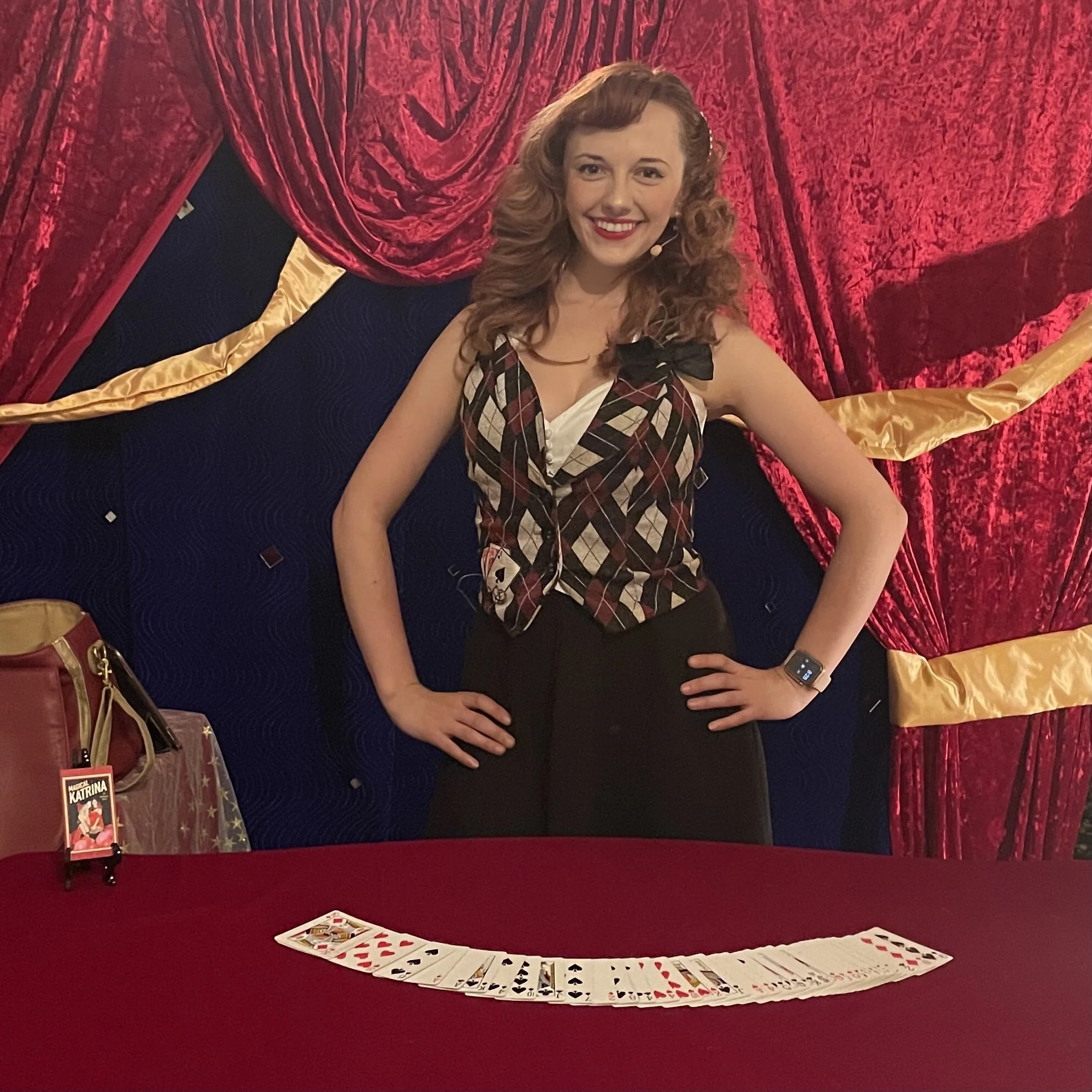
Should we talk about unfairness?

Lightly. Sessions framed around unfairness invite children to sort themselves into whether it applies, which in a voluntary setting costs you the room. Teach what the women did rather than what stood in their way, and the point still lands.

Can this count toward a badge?

Usually yes, and it's worth checking your organization's requirements first. Fitting the session to an existing badge justifies the time and gives children a reason to be invested, and it's far easier than inventing something freestanding.

Does it have to happen in March?

No, since clubs run on their own calendars and March may clash with a camp, a competition, or half term. Nothing about this material expires, so use March as a prompt to plan it and run it when your group has an hour to give it.

Plan for the Room You Actually Have

A club is not a classroom, and the most useful Women's history month for kids sessions in that setting are active, cost nothing, need no preparation, and work for a six year old and an eleven year old at the same time.

Invite somebody local who does a job the children can picture, teach the work rather than the obstacles, tie it to a badge if your organization has one, and run it whenever your group actually has the hour rather than forcing it into March.

Reach out if you're planning something for a club, and I'm glad to talk about what works in a hall.

Katrina Kroetch
Halloween Magician for Shopping Centers and Retail Events

Halloween Magician for Shopping Centres and Retail Events

Shopping centres and retail districts programme Halloween for one reason: families who come for an event stay longer, spend more, and choose your centre over the one fifteen minutes away. The entertainment is a footfall instrument rather than a party.

That changes what good looks like. I'm Magical Katrina, an award winning magician and mentalist, and I want to set out what a Halloween magician does in a retail setting, and how to program October so it actually moves the numbers.

Dwell Time Is the Metric

Start with what you're buying. A family who comes for a trick or treat trail, collects their sweets, and leaves after twenty five minutes has cost you money. A family who stays ninety minutes has lunch, buys something, and visits three stores they weren't planning to.
Everything in your October program should be judged on whether it extends that stay. Activities that complete quickly, however popular, work against you, while anything families encounter repeatedly across a visit keeps them in the building. That's the specific job this kind of booking does.
Families Arrive All Day, Not at a Showtime

Practically the governing constraint in retail. Your visitors come when it suits them across six or seven hours, and a scheduled performance at two o'clock serves whoever happens to be there and nobody else.

Something that works continuously reaches far more of your footfall for the same spend. Shoppers encounter it rather than attending it, which suits a center where nobody consults a program, and it means the family who arrived at eleven and the family who arrived at four both got something.

Spread It, Don't Centre It

Worth planning deliberately. The instinct is to put everything in the main atrium, and the result is a crowded central space and quiet malls at either end where the retailers are wondering what they're paying service charge for.

Moving entertainment through the center pulls families past stores they'd otherwise not reach. If you have tenants in a weaker mall, that's where to route it, and it's an easy thing to show them you did. Retail entertainment that stays in one place is decoration; entertainment that moves is distribution.

Queues Are Your Biggest Risk

Worth managing, since Halloween retail events generate them. A free grotto, a trail, or a photo opportunity produces lines of small children in costume, and a twenty minute wait with a four year old is how a family decides to leave.

Entertainment that works the queues addresses exactly that, reaching the people at their least patient at the moment it matters. A line that's enjoyable isn't a line families abandon, and that directly protects the dwell time you're trying to build.

Keep It Entirely Gentle

Worth being firm about for this audience. A shopping centre has no door policy: your audience includes toddlers, older shoppers who came to buy socks, and people who did not opt into a Halloween experience at all.

Nothing can be frightening, and nothing should be unavoidable. Intriguing and light suits a public space, and a performer who works these settings reads the difference between a family who wants to engage and a shopper trying to get to the bank. That judgment matters more in retail than in almost any other setting.

Your Marketing Team Needs Content

Worth planning for, since the event has a second audience. Your social channels need material through October, and a trail of decorations photographs much the same as last year's.

Something happening with real reactions gives your team footage worth posting, and it gives visitors something to film and share themselves, which is the cheapest reach your center will get all month. Agree in advance who's filming and what's permitted, since that's easier settled beforehand than negotiated on the day.

Retailers Should Know What's Happening

Practically useful and routinely skipped. Your tenants are the people who judge whether the marketing spend worked, and a retailer who didn't know there was an event can't staff for it or capitalize on it.

Tell them what's on, when, and where it will be moving. A store manager who knows families will be passing at two can put somebody on the door with an offer. That costs you an email and it's the difference between retailers who support next year's programme and retailers who complain about the service charge.

October Books Out Early

The seasonal reality. A season's demand compresses into a few weekends, and the weekend closest to Halloween is the most contested date of the autumn across every sector.

Centers that program annually should book the following year as soon as the current one finishes, since that's how you get your first choice rather than whoever remained. If you're arranging late, ask about weekdays and the weekends either side, which are considerably more available and frequently suit families with younger children better anyway.

A Note on "Local vs. Traveling In"

Worth knowing: I'm based in the Los Angeles area and travel for events through the season. Travel is discussed openly and factored into the quote rather than being your problem to arrange, and for multi day retail programs it's usually straightforward to cover several dates in one arrangement.

Why Book Magical Katrina

If you're programming a center, here's my case. I've earned multiple magic awards including a Family Entertainer of the Year honour, I've appeared on Blippi as a performer and magic consultant, and I've been seen on Penn & Teller: Fool Us and Masters of Illusion, with brand and corporate clients including Prada, Porsche, and the Ritz Carlton. I work continuously across a day rather than at showtimes, I move through the centre rather than staying in the atrium, I need no stage, power, or sound so no unit or space is taken out of use, and nothing in what I do will frighten a small child or inconvenience a shopper.

Frequently Asked Questions

What should we actually be measuring?

Dwell time, since a family who collects sweets and leaves after twenty five minutes has cost you money while one who stays ninety has lunch and visits stores they weren't planning to. Judge every element on whether it extends the stay.

Should we schedule performances?

No, since visitors arrive across six or seven hours and a two o'clock showtime serves whoever happened to be there. Something continuous reaches far more of your footfall for the same spend, and shoppers encounter it rather than attending it.

Where should it happen?

Through the center rather than in the atrium, since concentrating everything centrally leaves quiet malls where tenants wonder what the service charge buys. Route it past weaker units, and it's an easy thing to demonstrate to those retailers.

What's the biggest risk to the event?

Queues, since trails and grottos generate lines of small children and a twenty minute wait with a four year old is how a family decides to leave. Entertainment that works the queues protects exactly the dwell time you're building.

How frightening should it be?

Not at all, since a shopping center has no door policy and your audience includes toddlers, older shoppers, and people who didn't opt into Halloween. It also shouldn't be unavoidable, and a performer who works public space reads who wants to engage.

Does it help our marketing?

Yes, since your channels need material through October and a trail of decorations photographs like last year's. Real reactions give your team footage worth posting and give visitors something to share, which is the cheapest reach you'll get.

What about our retailers?

Tell them what's on, when, and where it'll be moving, since a store manager who knows families pass at two can put somebody on the door with an offer. It costs an email and decides whether tenants support next year's program.

When should we book?

As soon as this year's event finishes, since October compresses a season into a few weekends and the one nearest Halloween is the most contested date of the autumn. Late bookers should ask about weekdays and the surrounding weekends.

Program for the Stay, Not the Show

A retail Halloween event succeeds if families stayed longer and reached more of the centre, which means the best programming is continuous, mobile, and placed where your quieter tenants are.

A Halloween magician suits that precisely: it runs across the day rather than at a showtime, moves through the malls pulling families past stores, makes the queues bearable, needs no unit or power, and gives your marketing team something to film that doesn't look like last October.

Reach out with your dates and centre, and I'll tell you how I'd route the day.

Katrina Kroetch
Female Mentalist for Leadership and Decision Making Sessions

Female Mentalist for Leadership and Decision Making Sessions

Leadership programs spend a lot of time on decision making, bias, influence, and the gap between how confident people feel and how right they are. The material is good and the format is almost always the same: a facilitator, a model, a discussion, and a group of senior people who have heard versions of it before.

There's a way to make the point land rather than be explained. I'm Magical Katrina, an award winning magician and mentalist, and I want to set out what booking a female mentalist does in a leadership session, and why it works where a slide doesn't.

Skill Decides It

Let me be direct about the keyword. Skill in this work has nothing to do with gender, and you should book me because I'm genuinely good at it: thirteen years of performance, awards from my peers, and rooms full of senior people who evaluate judgment for a living and still can't account for what happened.

The rest is a bonus. Leadership rooms tend to have seen a particular kind of speaker a particular number of times, and somebody different registers. That's worth something and it isn't the argument. Book me for the work and take the rest as a bonus on top.

Senior People Have Heard the Content

Start with the honest problem. An executive cohort has encountered anchoring, confirmation bias, and the influence literature several times across their careers, and a session explaining those concepts is received as revision.

They know the material and they don't act on it, which is the actual gap your program is trying to close. Nobody changes how they make decisions because somebody described a cognitive bias well. The thing that shifts behavior is experiencing the bias yourself, in the room, with your colleagues watching, which is a different kind of event entirely.

Being Wrong Is More Instructive Than Being Told

Why mentalism suits this material specifically. The content of my work is suggestion, attention, assumption, and the confidence people have in judgments that turn out to be wrong, which is precisely the subject of the session you're running.

When a room of senior people is collectively certain about something and then discovers they weren't, the point has been made in a way no facilitator can replicate. They aren't considering a concept, they've just had the experience. For a program trying to make experienced leaders more humble about their own certainty, that's a short cut to the thing you were going to spend an hour arguing for.

It Gives Your Facilitator Something to Build On

Practically the most useful function. A good session leaves a discussion open rather than closing a topic, and the conversation afterwards tends to be more candid than the one that follows a presentation.

Senior people will discuss their own error more readily when everybody in the room made it together. That's a considerably better starting point than asking executives to volunteer a time they got something wrong, which is a question most of them have learned to answer safely.

It Isn't a Training Course

Worth being honest about, since I'd rather set expectations than oversell. I'm not a behavioral scientist and this isn't a substitute for your programs content or your facilitator's work.

What it is, is a demonstration that makes the content land, and the right position for it is alongside proper material rather than instead of it. If somebody tells you a performance will deliver your leadership curriculum, be skeptical. The honest version is that it opens the subject memorably and your program does the rest.

Small Rooms Work Better Than Large Ones

Worth knowing when planning. A leadership cohort is usually twelve to thirty people, which is the right size for this to be personal rather than theatrical.

At that scale everybody is involved rather than watching, which matters when the point depends on them experiencing it rather than observing it happen to somebody else. A room of three hundred gets a performance; a room of twenty gets something that happened to them. For a leadership day, the smaller room is the better version.

Placement Changes What It Does

Worth deciding deliberately. At the start of a day it opens the subject and sets a tone where people are willing to be uncertain. In the middle it resets a cohort that's been in content since nine. At the end it's a strong close that people carry out of the room.

All three work and they do different jobs. Tell whoever you're booking which one you want and what the program is trying to achieve, since that genuinely changes what gets built.

Your Venue Doesn't Need to Do Anything

Practically relevant for an offsite or a training room. Leadership sessions happen in hotel meeting rooms, boardrooms, and rented spaces with a tight schedule and no production support.

Close up work needs no stage, power, sound, or setup, happens in the room exactly as it is, and finishes when you need the space back. For a day with a full agenda and a room booked by somebody else at four, that's one fewer thing to coordinate.

Why Book Magical Katrina

If you're designing a leadership program, here's my case. I'm a member of the Magic Circle in London and the Academy of Magical Arts in Hollywood, I've earned multiple magic awards, and I've performed for clients including Formula 1, the Olympics, Porsche, Prada, Zapier, and the Ritz Carlton, with appearances on Penn & Teller: Fool Us and Masters of Illusion. I work magic and mentalism and speak on communication and influence, I'll build the session around what your programme is trying to achieve, nothing in it requires anybody to be exposed in front of colleagues, and I'll tell you honestly where it fits and where your facilitator is the better answer.

Frequently Asked Questions

Why doesn't the usual format work with senior people?

Because an executive cohort has met anchoring, confirmation bias, and the influence literature several times and receives another explanation as revision. They know the material and don't act on it, which is the gap your program is actually trying to close.

What does mentalism add?

The experience rather than the description. When a room of senior people is collectively certain and then finds they weren't, the point is made in a way no facilitator can replicate, because they haven't considered a concept, they've had the experience.

How does it help the facilitated discussion?

It opens a more candid one, since senior people discuss their own error far more readily when everybody made it together. That's a better starting point than asking executives to volunteer a time they got something wrong, which most have learned to answer safely.

Is this a replacement for our content?

No, and be skeptical of anybody who says otherwise. I'm not a behavioral scientist, and the honest position is that this makes the content land memorably while your program and your facilitator do the actual work.

What group size works best?

Twelve to thirty, since at that scale everybody is involved rather than watching, which matters when the point depends on experiencing it rather than seeing it happen to somebody else. A large room gets a performance; a small one gets something that happened to them.

Where should it go in the day?

Wherever matches your objective: at the start it opens the subject and makes people willing to be uncertain, in the middle it resets a cohort that's been in content since nine, and at the end it's a close people carry out. Say which you want.

Will anybody be put on the spot?

No. Nothing in it requires somebody to be exposed in front of colleagues, which matters in a room where people are managing how they're perceived by peers and by whoever runs their review.

What do you need from our venue?

Nothing, since close up work needs no stage, power, sound, or setup and happens in a boardroom or hotel meeting room exactly as it is. It also finishes when you need the room back, which suits a full agenda.

Make Them Feel It, Then Discuss It

A leadership session on judgment competes with everything your cohort has already read about judgment, and explaining the material again rarely changes how anybody decides anything on Monday.

Booking a female mentalist puts the experience in the room first: a group of senior people confidently wrong together, which is a considerably better opening for a discussion about certainty than a slide describing one. Then your facilitator does the part that actually requires expertise.

Reach out with your program and what the session is meant to achieve, and I'll tell you honestly how I'd fit it.

Katrina Kroetch
Female Magician for University and STEM Outreach Events

Female Magician for University and STEM Outreach Events

Universities, engineering firms, and science organizations run a great deal of outreach aimed at getting more girls into technical subjects. Open days, summer schools, widening participation programs, girls in engineering events, and careers evenings all exist for the same reason, and the people running them know the difficult part isn't the activities.

The difficult part is that fifteen year olds can tell when they're being recruited. I'm Magical Katrina, an award winning magician and mentalist, and I want to set out what booking a female magician does at an outreach event, and why it works differently from a talk.

Skill Decides It

Let me be direct about the keyword. Skill in magic has nothing to do with gender, and you should book me because I'm genuinely good at this: thirteen years of performance, awards from my peers, and rooms full of people who work in technical fields and still can't account for what they watched.

In this setting the rest matters more than it does elsewhere, and it matters without being said. A room of teenage girls watching a woman be unmistakably expert at something difficult has received the message your entire program exists to deliver, without a slide, a statistic, or anybody telling them what to conclude. That's a bonus on top of the work being good, and here it does genuine work.

Teenagers Detect Recruitment Instantly

Start with the constraint everybody in outreach knows. A fifteen year old sitting through a presentation about career opportunities in engineering has correctly identified that somebody wants something from her, and her attention adjusts accordingly.

That doesn't mean she isn't interested. It means the format is working against you, because the thing being sold is visible. Anything in your program that isn't obviously a pitch has a considerable advantage, and the parts of an outreach day students remember are almost never the parts designed to persuade them.

Demonstration Beats Description

Why this format suits the brief. Telling somebody that women do technical, difficult, precise work is a claim. Watching a woman do something technical, difficult, and precise is an experience, and the second one doesn't require anybody to believe you.

That's the whole argument for this kind of booking at an outreach event. Nobody has to make the point, because the point is in the room. For a program whose entire purpose is shifting what a group of teenagers imagines is available to them, something they witness outperforms something they're told.

Magic Is Closer to Your Subject Than It Looks

Worth drawing out, since it's a useful bridge. Magic is built on method, iteration, testing, failure, and a great deal of unglamorous practice, which is a reasonably accurate description of scientific and engineering work.

That makes it a natural conversation starter for the rest of your program. A session that ends with students wanting to know how something worked is a session that has them asking the question your whole day is about. If you want to make that link explicit, it's easy to build into the event rather than leaving it implied.

Mixed Groups Still Work

Worth saying, since plenty of outreach is mixed rather than girls only. The same session works for a mixed cohort, and nothing about it positions anybody as the problem or the beneficiary.

That matters because mixed outreach frequently struggles with exactly that: a program that visibly addresses one half of the room loses the other half. Here the boys in the group are simply watching somebody be excellent, which is the right thing for them to see too, and nobody has had to sit through an explanation of why the event exists.

Fit It Around the Timetable You Have

Practically relevant for an outreach day. These programs run to a tight schedule with lab sessions, campus tours, lunch, and a bus leaving at a fixed time, and anything requiring setup eats into somebody's session.

Close up work needs no stage, power, sound, or room change, so it happens in a lab, a lecture theatre foyer, a marquee on a campus lawn, or whatever space the day has. It also works in short slots across a day rather than requiring one long block, which suits a rotation of groups moving between activities.

Think About Who Else Is in the Room

Worth planning for. Outreach events frequently include teachers, parents, and ambassadors from your own staff, and those adults are a secondary audience worth reaching.

A teacher who had a good day recommends your program to next year's cohort, and a parent who came along forms a view of your institution. Something that works for the adults as well as the students gets you both audiences from the same booking, which for a program reporting on reach is worth noting.

Say What You Want It to Do

Worth settling when you book. An outreach slot can be a reward at the end of a long day, an opener that warms a cold room of nervous teenagers, or something deliberately linked to the themes of your program.

Those are different sessions. Tell whoever you're booking which one you want and what the day is trying to achieve, since a performer given that context builds something that fits your program rather than sitting alongside it.

Why Book Magical Katrina

If you're running outreach, here's my case. I'm a member of the Magic Circle in London and the Academy of Magical Arts in Hollywood, one of relatively few women to hold both, I've earned multiple magic awards including a Family Entertainer of the Year honour, and I've appeared on Penn & Teller: Fool Us and Masters of Illusion as well as working with Blippi as a performer and magic consultant. I speak as well as perform, including on communication and entrepreneurship, I work short slots across a day or a single session, I need no stage, power, or setup so your timetable is unaffected, and I'm fully insured with a certificate available.

Frequently Asked Questions

Why don't talks work well with this age group?

Because a fifteen year old sitting through a presentation about career opportunities has correctly identified that somebody wants something from her, and her attention adjusts. The format works against you when the thing being sold is visible.

What makes this different?

Demonstration rather than description. Telling students that women do technical, precise work is a claim, whereas watching a woman do something technical and precise is an experience that doesn't require anybody to believe you.

Does the connection to STEM feel forced?

It shouldn't, since magic is built on method, iteration, testing, failure, and a lot of unglamorous practice, which describes technical work reasonably well. A session ending with students asking how something worked has them asking your programs question.

Our cohort is mixed, not girls only. Does it still work?

Yes, and that's a point in its favor, since mixed outreach frequently loses half the room when a program visibly addresses the other half. Here the boys are watching somebody be excellent, which is the right thing for them to see.

Will it fit our timetable?

Yes, since close up work needs no stage, power, sound, or room change and runs in short slots across a day rather than one long block. That suits a rotation of groups moving between labs, tours, and lunch with a bus leaving at a fixed time.

What about the teachers and parents attending?

They're a secondary audience worth reaching, since a teacher who had a good day recommends your program next year and a parent forms a view of your institution. Something that works for adults as well as students gets both from one booking.

Where should it sit in the day?

Depends what you want from it: a reward at the end, an opener that warms a nervous room, or something linked to your program themes. Those are different sessions, so say which you want and what the day is trying to achieve.

Do you speak as well as perform?

Yes, including on communication and entrepreneurship, so a session can be purely performance or can carry a talk alongside it. Tell me what your program needs and I'll tell you honestly which version fits.

Let Them Watch Instead of Listen

The hardest part of STEM outreach is that the audience knows it's being recruited, and the most effective parts of any outreach day are the ones that don't feel like persuasion.

Booking a female magician puts something in your program that students experience rather than sit through, carries the message your day exists to deliver without anybody having to state it, fits a tight timetable with nothing to set up, and works for the teachers and parents in the room as well.

Reach out with your date and what your program is trying to achieve, and I'll tell you how I'd build the session.

Katrina Kroetch
Harry Potter Wedding: When Your Family Thinks It's a Bad Idea

Harry Potter Wedding: When Your Family Thinks It's a Bad Idea

You've decided on the theme, you're pleased with it, and then somebody's mother asks whether you're sure, somebody's father says he assumed it would be a proper wedding, and an aunt wonders aloud whether you'll regret the photographs in thirty years.

That conversation derails more themed weddings than budget ever does. I'm Magical Katrina, an award winning magician and mentalist, and I've worked a lot of weddings. I want to set out how to handle family pushback on a Harry Potter wedding without abandoning the thing you actually wanted.

Work Out What They're Actually Worried About

Start here, because the stated objection is rarely the real one. "It's childish" usually means they're worried about being embarrassed in front of their own friends and family. "You'll regret the photos" usually means they imagined a particular kind of day and are adjusting. "It's not a proper wedding" frequently means they're worried the ceremony itself won't feel significant.

Each of those has a different answer, and all three are easier to address than a general disapproval. Ask one more question before you defend anything, because most of the time the specific worry is something you were never planning to do anyway.

The Ceremony Is Where Most Worries Live

Practically the most useful concession, and it's barely a concession. Most family discomfort concentrates on the ceremony rather than the reception, since that's the part relatives experience as the serious one.

Keeping the ceremony straightforward and letting the theme live in the reception resolves a remarkable amount of this. You lose very little, since the reception is the longer and more flexible part of the day, and your family's main anxiety simply evaporates. Plenty of couples arrive at that compromise on their own and find they preferred it.

Show Them, Don't Describe It

Worth doing early. "Harry Potter wedding" conjures something specific and frequently unflattering in the mind of somebody who hasn't seen one: costumes, novelty, people in robes.

What you're probably planning is candlelight, long tables, warm autumnal colors, old books, and good food, which is simply a handsome wedding with a sensibility. Show them photographs of the thing you mean rather than explaining it, because the gap between what they're imagining and what you intend is usually the entire disagreement.

Separate Taste From Legitimate Concern

Worth being clear with yourself about. Some objections are a matter of taste, which is yours to decide, and some are practical points worth hearing: a relative who won't manage a long outdoor ceremony, a cultural or religious element that matters to a parent, a cost somebody else is carrying.

Give the practical ones real weight and hold firm on the aesthetic ones. Couples who concede on everything end up with somebody else's wedding, and couples who concede on nothing miss the one objection that was actually about their grandmother's mobility.

If Somebody Else Is Paying, Say the Quiet Part

Worth addressing directly, since it sits underneath a lot of these conversations. A parent contributing financially frequently feels they have a say, and whether or not you agree, it's better acknowledged than left ambiguous.

Have the conversation explicitly: thank them, and be clear about which decisions are theirs to influence. It's an uncomfortable half hour and it prevents months of implied disagreement. If their contribution comes with conditions you can't accept, that's worth knowing now rather than three weeks before the day.

Give the Doubters Something to Enjoy

Practically effective and slightly sideways. A relative who was skeptical about the theme and then had a genuinely lovely day stops being skeptical, and nothing in the planning converts people as reliably as the day itself going well.

Entertainment that works for everybody helps with this considerably. Magic sits naturally with the sensibility of this theme without requiring anybody to know anything about it, which means the uncle who thought it was all a bit much is simply enjoying himself rather than enduring a reference he doesn't get. The guests who were worried are frequently the ones who talk about it most afterwards.

A Practical Note on the Theme

Worth saying plainly. The books and films are protected intellectual property, and the names, crests, house emblems, spells, typefaces, and other specific elements belong to their owners. That matters most for anything printed, reproduced, sold, or publicly promoted, and less for the private atmosphere of your own wedding.

In practice most couples build the feeling rather than the trademarks: candles, long wooden tables, old books, owls, stars, autumn colors, a sense of ceremony and wonder. That approach avoids the issue entirely and frequently looks better. If you're commissioning anything printed or working with a supplier producing branded items, take proper advice first.

Hold Your Nerve on the Thing You Actually Want

Worth saying at the end, since most of this article is about accommodation. You will be married once to this person, your family will attend one wedding and go home, and the day should be recognizably yours.

Listen properly, concede where it costs you little, take the practical objections seriously, and then do the thing you wanted. Almost nobody regrets having had the wedding they chose. A number of people regret having had the wedding their family was comfortable with.

Why Book Magical Katrina

If you're planning a themed wedding, here's my case. I'm a member of the Magic Circle in London and the Academy of Magical Arts in Hollywood, I've earned multiple magic awards, and I've performed for clients including Formula 1, the Olympics, Porsche, Prada, and the Ritz Carlton, with appearances on Penn & Teller: Fool Us and Masters of Illusion. My work suits the atmosphere of this theme without depending on anybody knowing the source, I reach guests of every age including the relatives who came with reservations, I need no stage, power, or sound so any venue works as it is, and I'm fully insured with a certificate available for your venue.

Frequently Asked Questions

How do I respond to "it's childish"?

Find out what's underneath it first, since that objection usually means somebody is worried about being embarrassed in front of their own friends. The specific worry is nearly always something you weren't planning to do anyway, so ask one more question before defending anything.

What's the easiest compromise?

Keeping the ceremony straightforward and letting the theme live in the reception, since family discomfort concentrates on the part relatives experience as serious. You lose very little because the reception is longer and more flexible, and the main anxiety disappears.

Why do people react badly before seeing anything?

Because the phrase conjures costumes and novelty, while what you're probably planning is candlelight, long tables, old books, and warm colors. Show photographs of what you actually mean rather than describing it, since that gap is usually the whole disagreement.

Which objections should I take seriously?

The practical ones: a relative who can't manage a long outdoor ceremony, a cultural or religious element that matters to a parent, a cost somebody else is carrying. Hold firm on matters of taste, since conceding on everything produces somebody else's wedding.

My parents are contributing. Does that change things?

It often does in their minds, so address it explicitly rather than leaving it ambiguous. Thank them and be clear which decisions are theirs to influence, because an uncomfortable half hour now prevents months of implied disagreement.

How do I win over the sceptics?

Mostly by the day going well, since a relative who had a lovely time stops being sceptical. Entertainment that works for everybody helps, and the guests who were worried beforehand are frequently the ones who talk about it most afterwards.

Is there a legal issue with the theme?

The books and films are protected intellectual property, and names, crests, emblems, spells, and typefaces belong to their owners, which matters most for anything printed, sold, or publicly promoted. Building the feeling rather than the trademarks avoids it, and anything printed warrants proper advice.

What if we can't reach agreement?

Listen properly, concede where it costs little, take practical points seriously, and then have the wedding you wanted. Almost nobody regrets the wedding they chose, while a number of people regret the one their family was comfortable with.

Separate the Worry From the Wedding

Family pushback on a Harry Potter wedding is almost never about the theme itself. It's about embarrassment, unfamiliarity, or an imagined version of the day that doesn't match what you're planning, and all three respond better to a photograph and a question than to an argument.

Keep the ceremony simple if that settles things, show people what you actually mean, take the practical objections seriously, and then go ahead. The relatives who arrive with reservations usually leave having had a very good time.

Reach out with your date and venue, and I'd love to hear what you're planning.

Katrina Kroetch