






Halloween Magic Show for Workplaces That Can't Close

Halloween Magic Show for Workplaces That Can't Close

Most Halloween programming assumes people are free to attend something. A great many workplaces aren't: hospitals, care settings, warehouses, distribution centers, retail floors, and call centers all run through the day regardless of the date, and the staff there get a decorated break room at best.

That's a gap worth filling and it needs a different shape. I'm Magical Katrina, an award winning magician and mentalist, and I want to set out what a Halloween magic show looks like for a workplace that can't stop, which is brief, repeated, and taken to where people are.

The Usual Format Doesn't Reach Them

Start with why this gets missed. Organizations mark Halloween with an evening event, a party, or an afternoon gathering, all of which assume staff can leave their post.

On a ward, a floor, or a line, they can't. So the people who work the least flexible hours receive the least, which is the same pattern that governs Christmas parties and summer events and is noticed just as clearly. Among reasons to arrange a Halloween magic show differently, reaching the staff who are always left out is the whole exercise.

Go to Them

The structural answer. Rather than one event somewhere people must travel to, several short appearances in the places people actually are: a break room, a staff area, a canteen, a ward corridor where appropriate.

That reaches considerably more people than an event ever will, since attendance requires nothing of them. It also means staff on shift get something during their working day rather than being asked to give up personal time for a workplace occasion, which for people already working antisocial hours is a meaningful distinction.

Keep Each Session Short

Practical and non negotiable. A break is fifteen or twenty minutes and it belongs to the person having it, so anything arranged should fit inside it rather than extending it.

Ten or fifteen minutes in a break room, repeated across the day as different groups come off the floor, works considerably better than one longer session. Nobody should feel their break was taken up by a work activity, which means it has to be genuinely enjoyable and genuinely optional, and anybody who'd rather sit quietly should be able to.

Repeat Across Shifts

The part that determines whether this reaches the workforce or part of it. A single session reaches whoever was in the break room at that moment, whereas several across a day reaches considerably more people.

Schedule around actual shift patterns rather than around convenience, and include at least one option for people finishing late. If you're running multiple sites, the same performer covering several sessions in a day is considerably cheaper than separate bookings, which makes covering a workforce properly more affordable than most organizations assume.

Nights Are Always Forgotten

Worth naming specifically, since night staff are the group most consistently excluded from everything. They can't attend anything scheduled in the day or the evening, they're frequently overlooked in planning, and they know it.

Something at the start or end of a night shift is unusual enough to register enormously with a group used to being an afterthought. It's also easier to arrange than people assume, since a quiet building at six in the morning is a perfectly workable setting for something that needs no stage or power.

Nothing Should Disrupt the Operation

The constraint that governs everything. A ward, a warehouse, or a call center floor cannot accommodate anything that pulls people away from work, occupies space, requires setup, or generates noise.

Close up magic needs no stage, power, sound, or floor area, sets up in a minute, and happens at conversational volume in a break room without anybody outside noticing. For an operations manager whose first question is what this does to the service, the honest answer being "nothing" is what makes it approvable.
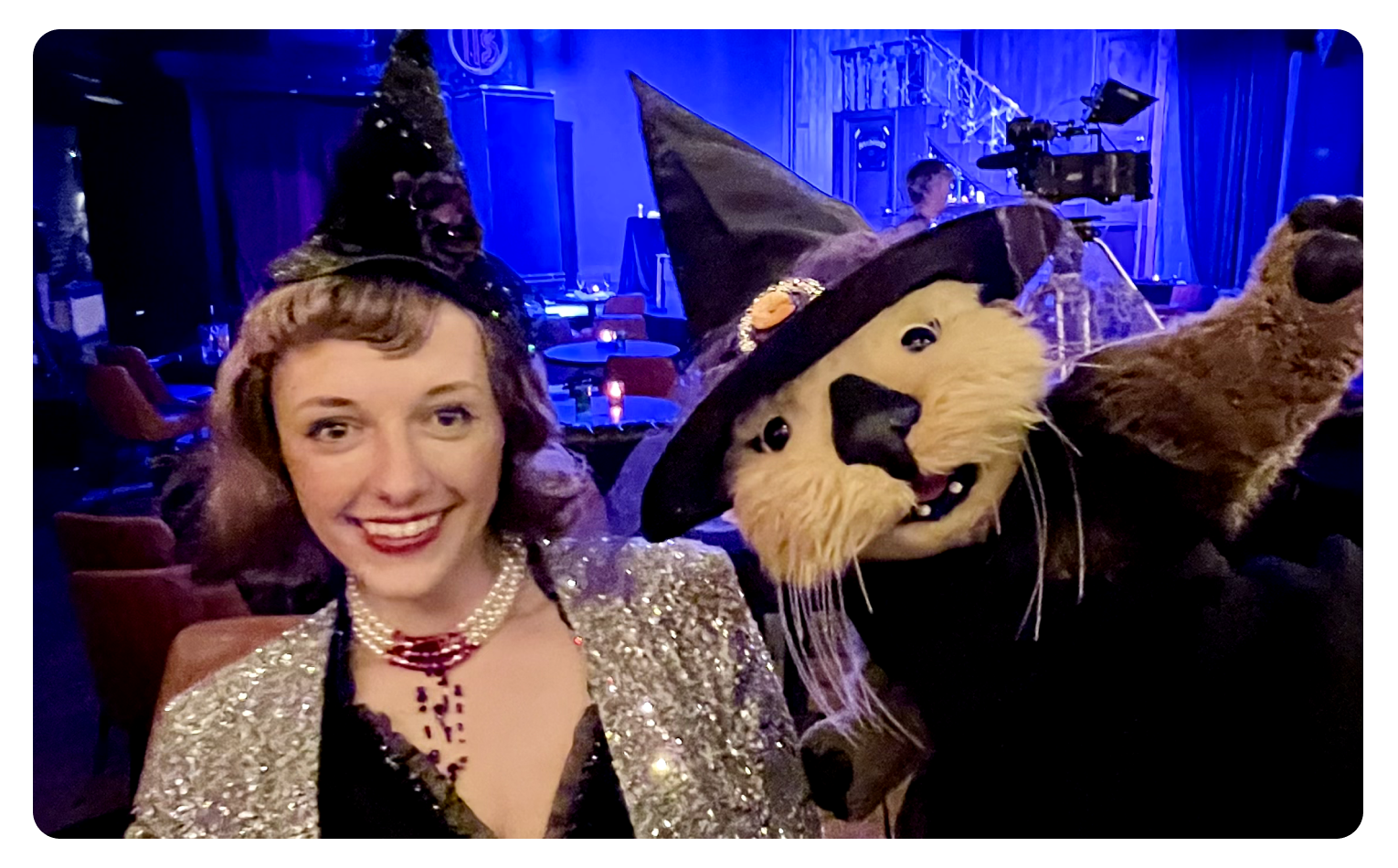
Judge the Appetite for Halloween Itself

Worth checking rather than assuming, since it varies by setting. Some workplaces enjoy the occasion thoroughly and some have staff who'd rather it passed quietly, and clinical or care settings have their own considerations about atmosphere and content.

Ask what suits, and expect a performer to adjust rather than delivering the same thing everywhere. Atmospheric and light works nearly everywhere, and anything startling or frightening belongs nowhere in a workplace where people are mid shift and can't choose to leave.

It's Recognition as Much as Entertainment

Worth understanding about the purpose. For staff who routinely receive nothing, the message of somebody arranging something that comes to them is larger than the thing itself.

That's why brief and modest works here, and why the effort of repeating it across shifts matters more than the quality of any single session. The people who'll remember it are the ones who've spent years watching head office have a party while they covered the floor, and the arrangement itself is the point.

A Note on "Local vs. Traveling In"

Worth knowing: performers who travel often have availability in October when local ones are committed, and travel is discussed openly and factored into the quote rather than being your problem. I'm based in the Los Angeles area and travel for events, and a block of short sessions across one day suits travelling in well.

Why Book Magical Katrina

If you're arranging something for staff on shift, here's my case. I'm a member of the Magic Circle in London and the Academy of Magical Arts in Hollywood, I've earned multiple magic awards including a Family Entertainer of the Year honor, and I've appeared on Penn & Teller: Fool Us and Masters of Illusion. I need no stage, power, or setup, I'll do several short sessions across a day rather than one long one, I work at conversational volume in a break room, and I'll keep the content light rather than frightening.

Frequently Asked Questions

Why doesn't our usual approach reach these staff?

Because organizations mark Halloween with an evening event or an afternoon gathering, all of which assume people can leave their post, and on a ward, floor, or line they can't. The staff working the least flexible hours receive the least, which is the same pattern that governs Christmas parties and is noticed just as clearly.

What's the right format?

Several short appearances where people actually are, such as a break room, staff area, or canteen, rather than one event people must travel to. That reaches considerably more people since attendance requires nothing of them, and staff get something during their working day rather than giving up personal time.

How long should each session be?

Ten or fifteen minutes, since a break is short and belongs to the person having it, so anything arranged should fit inside it rather than extending it. Nobody should feel their break was taken by a work activity, which means it has to be genuinely enjoyable, genuinely optional, and easy to sit out.

How do we cover the whole workforce?

By repeating across actual shift patterns rather than around convenience, with at least one option for people finishing late. A single session reaches whoever was in the break room at that moment. The same performer covering several sessions in a day is considerably cheaper than separate bookings.

What about night staff?

Include them deliberately, since they're the group most consistently excluded, can't attend anything scheduled in the day or evening, and know it. Something at the start or end of a night shift registers enormously with people used to being an afterthought, and a quiet building at six in the morning works fine for something needing no stage.

Will it disrupt the operation?

It shouldn't, and that's the governing constraint. Close up magic needs no stage, power, sound, or floor area, sets up in a minute, and happens at conversational volume in a break room without anybody outside noticing. For an operations manager asking what this does to the service, the answer being nothing is what makes it approvable.

How frightening should the content be?

Not at all in a workplace, since people are mid shift and can't choose to leave, and clinical or care settings have their own considerations about atmosphere. Atmospheric and light works nearly everywhere, and it's worth asking what suits your setting rather than assuming every workplace wants the same thing.

How do I book you, and what do you need to get started?

Reach out with your date, the sites involved, your shift patterns, and roughly how many staff you'd like to reach. That's enough for me to suggest a schedule of short sessions and send a quote, with a block across one day priced considerably better than separate bookings.
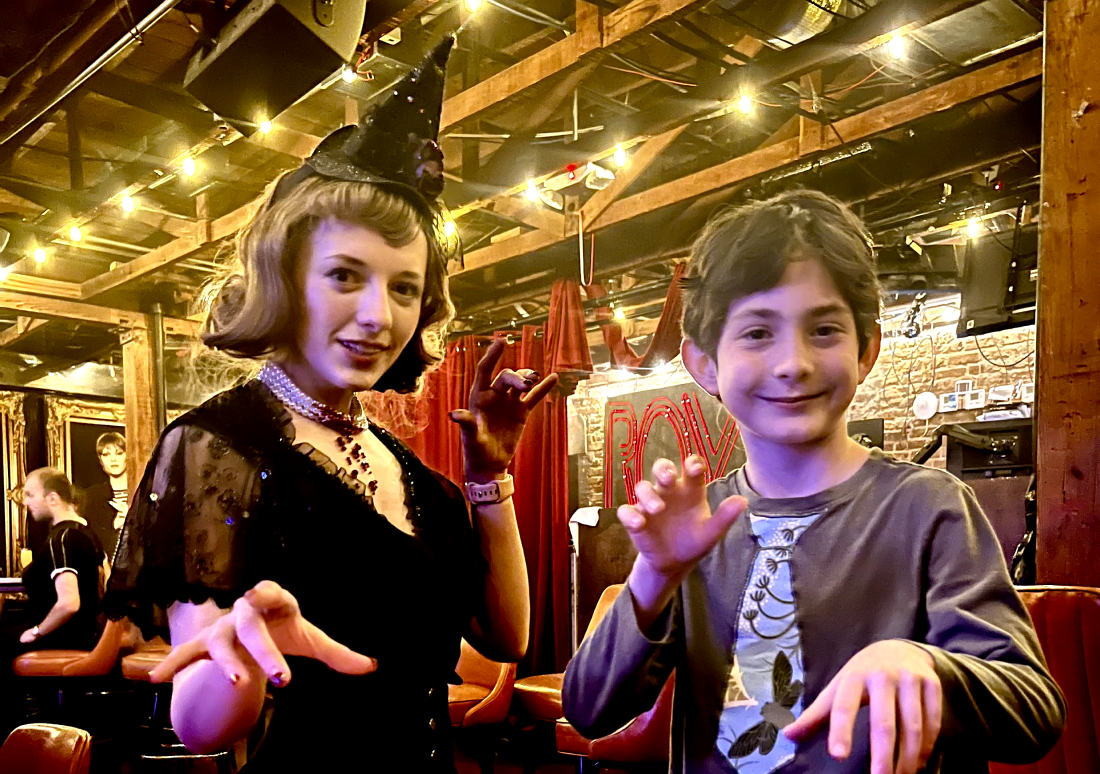
Take It to the Floor

Halloween in a workplace that can't close isn't a party, it's a series of short, optional, genuinely enjoyable moments delivered where people already are, repeated across shifts so the coverage is real rather than nominal. A Halloween magic show in that shape works because it needs nothing from the operation, fits inside a break, and reaches the night team as readily as the day one.

The arrangement itself carries most of the message, which is why doing it properly matters more than doing it elaborately.

Reach out with your sites and shift patterns, and I'll suggest a schedule that reaches people.

Katrina Kroetch
Illusionist NYC for Awards Ceremonies and Industry Dinners

Illusionist NYC for Awards Ceremonies and Industry Dinners

An awards ceremony has a structural problem that organisers can't design away. Most of the room will not win anything, the programme is long, and once a table's category has been announced they have an hour and a half left with nothing at stake.

That stretch is where awards evenings lose their atmosphere. I'm Magical Katrina, an award winning magician and mentalist, and I want to set out where an illusionist NYC organizers book fits into an awards night, which is around a program nobody can shorten.

Most of the Room Will Lose

Start with the arithmetic. If you have twelve categories with five nominees each, fifty five nominees leave without an award, and everyone else at their tables came to support them.

That's not a failure of the event, it's what a competitive evening is, and it means the room's mood is not uniformly celebratory. Planning as though everybody is having a triumphant night produces an evening that works for the winners' tables and drags for everyone else, which is most of the room.

The Post Category Stretch Is the Problem

The specific point where evenings sag. Once a table's category has been announced, whatever happens next is somebody else's news, and attention declines sharply for the remainder of the program.

If your awards run in a single block, that means tables disengaging progressively through the evening. Spacing categories across courses helps, and so does something happening between them that isn't another announcement. Among reasons to book an illusionist NYC for an awards night, holding the room through the back half of the program is the practical one.

The Reception Sets the Evening

Worth planning deliberately, since it's the only part where everybody is still hopeful. Guests arrive, find their tables, and spend forty minutes standing with people they came with.

A performer working that hour means guests are animated before they sit down rather than settling into a long evening from a standing start. It also mixes tables who'd otherwise never speak, which at an industry awards evening is a genuine benefit since half the room is there partly to see who else is. That hour does more for the atmosphere than the running order does.

Seated Guests Can't Circulate

The constraint that shapes what's possible. Once people are at tables, they stay there, which means anything social has to come to them rather than the other way round.

Close up magic between courses works exactly that way: a performer moves from table to table during service gaps that exist anyway, without requiring the room's attention or a slot in the program. For an evening where guests are seated for three hours with a fixed group of eight, something arriving at the table is considerably more welcome than it would be at a standing reception.

Your Evening Will Overrun

The near certainty. Awards ceremonies run long, because presenters talk, winners talk, a video takes longer than scheduled, and the host improvises.

That rules out anything needing a precise slot, and it's another argument for a format working inside the gaps. If you've booked a stage element, build genuine slack in and accept that it may move. If you've booked table magic, a program running forty minutes late changes nothing at all, which is one fewer thing for a nervous organizer to track.

Don't Add Another Stage Item

Worth saying, since the instinct is to program against the sag. A room that has sat through eight categories does not want a further stage segment, however good, because the problem is the format rather than the content.

What helps is something that isn't from the stage: a change of register, something happening at their table, something they participate in rather than watch. That distinction matters more at an awards evening than almost anywhere, since the room's fatigue is specifically with being an audience.

New York Ballrooms Are Expensive Rooms

Worth noting practically. Awards evenings here happen in hotel ballrooms and event spaces priced at a premium, with production packages sized accordingly.

Close up magic requires no stage time, no additional AV, no rigging, and no floor space, which means it adds nothing to a production quote that's already the largest line on your budget. For an organizer being asked to trim costs, entertainment that sits outside the production package entirely is worth understanding as a budget decision rather than only an atmospheric one.

Tell the Performer Who's Nominated

Worth doing, since it affects the evening. A performer who knows which tables are nominated in which categories can work the room accordingly, and can avoid being at a table at the moment its category is announced.

Also mention anything sensitive: a table having a difficult year, a person everyone expects to win who won't, or a guest of honor. It takes two minutes and it's the difference between a performer working the room intelligently and working it randomly.

A Note on "Local vs. Traveling In"

Worth knowing: performers who travel to New York work from a different calendar than those based there, which matters in awards season when local performers are heavily committed. Travel is discussed openly and factored into the quote. I'm based in the Los Angeles area and travel to New York for corporate events and awards evenings.

Why Book Magical Katrina

If you're planning an awards night, here's my case. I'm a member of the Magic Circle in London and the Academy of Magical Arts in Hollywood, I've earned multiple magic awards, and I've performed for clients including Formula 1, the Olympics, Porsche, Prada, and the Ritz Carlton, with appearances on Penn & Teller: Fool Us and Masters of Illusion. I work the reception and the table gaps without touching your run of show, I need no stage time or AV, and a program running late changes nothing about what I do.

Frequently Asked Questions

What's the main problem with an awards evening?

Most of the room won't win, so with twelve categories and five nominees each, fifty five nominees leave empty handed and their tables came to support them. Planning as though everybody is having a triumphant night produces an evening that works for the winners' tables and drags for everyone else, which is most of the room.

Where does the evening sag?

After a table's category is announced, since whatever follows is somebody else's news and attention declines sharply for the rest of the program. Spacing categories across courses helps, and so does something between them that isn't another announcement, since the issue is progressive disengagement rather than a single dip.

Why does the reception matter?

It's the only part where everybody is still hopeful, and left alone it's forty minutes of guests standing with the people they arrived with. A performer working it means the room is animated before sitting down rather than starting a long evening cold, and it mixes tables who'd otherwise never speak.

Our guests will be seated all night. Does that work?

It suits this format, since once people are at tables they stay there and anything social has to come to them. Close up magic between courses moves table to table during service gaps that exist anyway, without requiring the room's attention or a slot, which is welcome when guests are seated for three hours with a fixed group.

Our program always overruns. Is that a problem?

Not for table work, since a program running forty minutes late changes nothing about it, which is one fewer thing to track. It rules out anything needing a precise slot, so if you've booked a stage element, build genuine slack in and accept that it may move.

Should we add another stage segment?

No, since a room that has sat through eight categories doesn't want more stage time however good it is, because the problem is the format rather than the content. What helps is a change of register: something at their table, something they participate in rather than watch.

Does it affect our production budget?

It sits outside it, since close up magic requires no stage time, additional AV, rigging, or floor space, and adds nothing to a production quote that's already your largest line. For an organizer being asked to trim costs, that's worth understanding as a budget decision rather than only an atmospheric one.

What should we tell the performer?

Which tables are nominated in which categories, so they can work the room accordingly and avoid being at a table when its category is announced. Also anything sensitive, such as a table having a difficult year or somebody expected to win who won't. Two minutes, and it changes how intelligently the room gets worked.

Hold the Room Through the Back Half

An awards evening is designed around the people who win and experienced by the far larger number who don't, which is why the second half drags and why adding more stage content makes it worse. An illusionist NYC working the reception and the gaps between courses addresses exactly that: a room animated before it sits down, tables reached where they are, nothing added to a program that will overrun anyway, and nothing added to a production quote that's already too large.

Tell your performer who's nominated, and the room gets worked intelligently rather than randomly.

Reach out with your date and running order, and let's talk about placement.

Katrina Kroetch
Magic Show Las Vegas for Community and Nonprofit Events

Magic Show Las Vegas for Community and Nonprofit Events

Community organisations book entertainment differently from companies. The budget is small and accountable, the event is run by volunteers alongside their actual jobs, the venue is a multipurpose hall, and the audience spans every age in the neighbourhood.

None of that makes it harder to do well, and it does change what works. I'm Magical Katrina, an award winning magician and mentalist, and I want to set out what a magic show Las Vegas organizations book looks like for a community event, and how to approach it.

Say Your Budget Plainly

Start with the approach that saves everybody time. Community organizers frequently open with a vague enquiry, receive a corporate quote, and go away without replying.

Saying what you can spend, in your first message, produces a useful answer immediately. The performer will confirm it works, propose something shorter that fits, or tell you honestly that it doesn't. All three are better than silence, and many performers do reduce rates for community and charitable work but can't offer what they haven't been asked for.

Be Specific About Who You Are

Worth doing, since it frequently affects the answer. "We're a nonprofit" covers an enormous range, and a performer's response depends on what your organization actually does and who the event is for.

A neighborhood association fundraiser, a community center's family program, a religious organization's annual event, and a charity's beneficiary day are genuinely different propositions. Say which you are, who attends, and what the event is for. That's two sentences and it gets you a considered reply rather than a standard quote.

Your Hall Has No Facilities

The practical reality. Community venues are multipurpose rooms with hard floors, high ceilings, folding chairs, and either no sound system or one that predates everybody involved.

That matters for anything spoken or musical at a distance, since the acoustics are genuinely difficult. Close up magic operates at conversational distance where acoustics barely matter, and needs no stage, power, or sound at all. For a hall with nothing in it, entertainment requiring nothing is frequently the only option that will actually work rather than technically fit.

The Audience Spans Everybody

Worth planning around, since a community event isn't a segmented audience. Small children, teenagers, parents, and older residents, many of whom came because it's a community event rather than because of the program.

Entertainment pitched at one band serves a fraction of the room and leaves everybody else waiting. Magic crosses it, since astonishment needs no shared reference and a performer adjusts between a group of children and a group of adults without changing what they're doing. Tell your performer the actual spread rather than assuming a family audience means children.

Decide Whether It's Fundraising or Programming

Worth settling early, since it changes the sums. If the event is raising money, entertainment is a cost against a return and you should be able to say roughly what you expect it to produce.

If it's programming for your community, it's a service you're providing and the question is whether it reaches enough people to justify the spend. Both are legitimate and they lead to different decisions about length, timing, and cost. Conflating them is how community organizations end up with an event that neither raised money nor served many people.

Ask Whether a Show Is the Right Spend

The honest question, and worth asking yourselves before enquiring. For some events, entertainment transforms the afternoon. For others, the money would do more on food, on publicity, or on the thing the event exists to fund.

A performer worth booking will tell you if your situation is the second kind. If your attendance is low because nobody knows about the event, spending on a show reaches the same small group, whereas spending on publicity changes the number. Fix the reach before you fix the program.

Volunteers Can't Manage a Supplier

Practically important and frequently overlooked. The person organizing is doing it alongside a job and family, and cannot spend the afternoon coordinating an entertainer, finding equipment, or solving a problem with the sound.

That argues strongly for someone who arrives with everything, needs nothing, sets up in a minute, and leaves nothing behind. Ask directly what a performer requires from you, and be cautious about anybody whose list is longer than a chair and somewhere to leave a case. A magic show Las Vegas performed close up should be the easiest item on a volunteer's day.

Keep the Content Broad

Worth confirming when you book. Community events attract an unpredictable audience, including young children, people who brought their parents, and occasionally somebody who wandered in.

That means content should be entirely appropriate without anybody needing to check, and participation should be easy to decline. Ask how a performer handles someone who'd rather not take part, since at a community event you have less control over who's in the room than at a private party. Any experienced performer treats that as standard.

A Note on "Local vs. Traveling In"

Worth knowing: performers who travel to Las Vegas often have availability when local ones are booked, and travel is discussed openly and factored into the quote rather than being your problem to arrange. I'm based in the Los Angeles area and travel to Las Vegas regularly, including for community and family events.

Why Book Magical Katrina

If you're planning a community event, here's my case. I'm a member of the Magic Circle in London and the Academy of Magical Arts in Hollywood, I've earned multiple magic awards including a Family Entertainer of the Year honor, and I've appeared on Blippi as a performer and magic consultant, along with Penn & Teller: Fool Us and Masters of Illusion. I perform for every age at once, I need no stage, power, or sound, so a community hall works exactly as it is, and I'll tell you honestly if your budget would do more elsewhere.

Frequently Asked Questions

How should we approach a performer on a small budget?

Say what you can spend in your first message, since a vague enquiry produces a standard quote and most organizers then go away without replying. The performer will confirm it works, propose something shorter, or tell you honestly it doesn't, and many reduce rates for community work but can't offer what they haven't been asked for.

Does it help to say what kind of organization we are?

Considerably, since "nonprofit" covers an enormous range and the answer depends on what you do and who the event is for. A neighborhood fundraiser, a community center's family program, and a charity's beneficiary day are different propositions. Two sentences gets you a considered reply rather than a standard quote.

Our hall has no sound system. Is that a problem?

Not for close up work, which operates at conversational distance where acoustics barely matter and needs no stage, power, or sound at all. That matters in a multipurpose room with hard floors and high ceilings, where anything spoken or musical at a distance struggles regardless of how good it is.

Our audience is all ages. What works?

Magic crosses the range, since astonishment needs no shared reference and a performer adjusts between children and adults without changing what they're doing. Entertainment pitched at one band serves a fraction of the room, so tell your performer the actual spread rather than assuming a family audience means children.

Is entertainment the right use of our money?

Sometimes not, and it's worth asking before you enquire. If attendance is low because nobody knows about the event, a show reaches the same small group whereas publicity changes the number. A performer worth booking will tell you if your money would do more elsewhere, and fixing reach comes before fixing the program.

We're all volunteers. How much will this take?

It should take almost nothing, since the organizer is doing this alongside a job and family and can't spend the afternoon coordinating a supplier. Ask directly what a performer requires from you, and be cautious about anybody whose list is longer than a chair and somewhere to leave a case.

How do we make sure the content suits everybody?

Confirm it when you book, since community events attract an unpredictable audience including young children and people who wandered in. Content should be appropriate without anybody checking, and participation easy to decline. Ask how a performer handles someone who'd rather not take part.

How do I book you, and what do you need to get started?

Reach out with your date, the venue, expected numbers, the age range, what the event is for, and what you can spend. That's enough for me to check availability and reply honestly, including whether a shorter format would suit or whether your budget would genuinely do more somewhere else.

Ask Plainly and Expect an Honest Answer

Community organizations get better results from being direct: say the budget, say what your organization does and who attends, and ask what the performer actually needs from you. A magic show Las Vegas performed close up suits a community hall precisely because it requires nothing from a room with nothing in it and reaches an audience spanning every age in the neighborhood.

And if the honest answer is that your money would do more on publicity or on the cause itself, a performer worth booking will say so.

Reach out with your event and your budget, and I'll tell you plainly what's possible.

Katrina Kroetch
Corporate Magician: What Goes Wrong on the Day and How to Prevent It

Corporate Magician: What Goes Wrong on the Day and How to Prevent It

Corporate events rarely fail dramatically. They fail in small ways that accumulate: a reception that started forty minutes late, a room change nobody mentioned, a performer standing in a lobby because reception has no record of them, and a schedule that quietly ate the slot you'd planned.

None of it is difficult to prevent. I'm Magical Katrina, an award winning magician and mentalist, and I want to set out what genuinely goes wrong on the day when you've booked a corporate magician, and the short amount of preparation that avoids most of it.

Your Schedule Will Slip

Start with the near certainty. Receptions start late, speeches overrun, dinner service takes longer than the venue estimated, and by the evening most events are running somewhere between twenty and sixty minutes behind.

That's normal and it's why a format requiring a precise slot is riskier than one that doesn't. Close up magic works inside whatever is actually happening rather than at a scheduled moment, which means a schedule that slipped changes nothing. If you have booked something requiring a slot, build slack in and tell the performer early rather than at the moment it moves.

Nobody On Site Knows They're Coming

The commonest and most avoidable problem. The person who booked isn't at the door, venue staff have no record of an entertainer, and a performer spends fifteen minutes explaining themselves to somebody who can't help.

Fix it by telling the venue in advance that an external supplier is arriving, giving the performer a named contact with a mobile number, and making sure that person actually has their phone. That's two emails and it prevents the single most common start to a badly run evening. A corporate magician who arrives and gets straight to work has usually been given exactly that.

The Room Changed

More frequent than organizers expect. Events get moved to a different space, a reception relocates because of weather or numbers, or the venue reassigns a room at short notice.

That's fine for a format needing nothing, and it's a problem for anything requiring staging, power, or a setup built around a floor plan. If your event has any chance of moving, say so at booking, and choose accordingly. Among reasons close up magic suits corporate events, being indifferent to which room you end up in is one of the quieter ones.

Guest Numbers Moved

Worth telling your performer, since it affects coverage rather than whether they can work. A booking made for eighty people that becomes a hundred and forty means the same performer reaching a smaller proportion of the room.

That isn't a failure and it does mean expectations should adjust, or you should book longer or add a second performer. Tell them as soon as you know, since it's a straightforward conversation in advance and an awkward one at the end of the night when somebody says half the room didn't see anything.

The AV You Were Promised Isn't There

A venue problem that lands on you. A microphone that doesn't work, a stage that's smaller than described, or lighting that was included in the quote and isn't in the room.

That only matters if what you booked depends on it. Anything performing close up needs no microphone, no stage, and no lighting beyond the room's own, which means a venue's AV failures become somebody else's problem rather than yours. If you've booked a stage set, confirm the technical arrangements directly with the venue rather than assuming the quote covers it.

Give Them a Named Contact

The single most useful preparation. Somebody on site who knows the performer is coming, knows where they should go, can get them into the building, and can be reached by phone.

It shouldn't be you if you're hosting, speaking, or managing the evening, since you'll be unreachable at exactly the moment it matters. Name somebody, tell them what the job involves, and give the performer their number in advance. Five minutes of planning, and it removes almost every way an arrival can go badly.

Tell Them What Actually Happens

Worth doing properly, since a thin brief produces a generic evening. When to arrive, when to start, when to finish, where to leave a case, whether there are speeches, where the room will be, and who the evening is for.

Add anything sensitive: a difficult year, a departure, a person who shouldn't be approached, or a guest of honor who'd hate attention. That's a paragraph and it materially changes what a performer can do. Any professional will ask for most of it, and the ones who ask are the ones worth booking.

What's Actually Your Responsibility

Worth setting out plainly, since the division isn't obvious. The performer is responsible for arriving on time, being appropriately dressed, bringing everything they need, carrying insurance, and performing.

You're responsible for access, a named contact, accurate information about the evening, telling them about changes, and confirming venue requirements like insurance wording. Nothing else. If a performer is asking you for equipment, staging, or a technical setup for close up work, that's worth questioning, since the format genuinely doesn't require it.

Why Book Magical Katrina

If you'd like an evening you don't have to manage, here's my case. I'm a member of the Magic Circle in London and the Academy of Magical Arts in Hollywood, I've earned multiple magic awards, and I've performed for companies including Formula 1, the Olympics, Porsche, Prada, Zapier, and the Ritz Carlton, with appearances on Penn & Teller: Fool Us and Masters of Illusion. I arrive early because schedules slip, I need nothing from your venue, I adapt when the room changes, and I'll ask for the information I need rather than waiting to be given it.

Frequently Asked Questions

What's most likely to go wrong?

Your schedule slipping, since receptions start late, speeches overrun, and most events run twenty to sixty minutes behind by evening. That's normal, which is why a format requiring a precise slot is riskier than one working inside whatever is actually happening. If you've booked something needing a slot, build slack in.

How do we avoid a bad arrival?

Tell the venue in advance that an external supplier is coming, give the performer a named contact with a mobile number, and make sure that person has their phone. Nobody on site knowing they're expected is the commonest and most avoidable problem, and it's two emails to prevent.

Our room might change. Does that matter?

Not for close up work, which needs nothing and is indifferent to which space you end up in, and considerably for anything requiring staging, power, or a setup built around a floor plan. If there's any chance of a move, say so at booking and choose the format accordingly.

Our guest numbers went up. Should we say something?

Yes, as soon as you know, since a booking made for eighty that becomes a hundred and forty means the same performer reaching a smaller proportion of the room. That's a straightforward conversation in advance and an awkward one at the end of the night when somebody notes that half the room saw nothing.

What if the venue's AV doesn't work?

It only matters if what you booked depends on it, since anything performing close up needs no microphone, stage, or lighting beyond the room's own. If you've booked a stage set, confirm technical arrangements directly with the venue rather than assuming the quote covers what was described.

Who should the on site contact be?

Somebody who isn't you, if you're hosting, speaking, or managing the evening, since you'll be unreachable at exactly the moment it matters. Name a person, tell them what the job involves, and give the performer their number in advance. Five minutes of planning removes almost every way an arrival goes badly.

What should the brief include?

Arrival and finish times, where to leave a case, whether there are speeches, where the room will be, and who the evening is for, plus anything sensitive such as a difficult year, a departure, or a guest who'd hate attention. That's a paragraph and it changes what a performer can do.

What are we actually responsible for?

Access, a named contact, accurate information, telling them about changes, and confirming venue requirements like insurance wording. Nothing else. If a corporate magician is asking you for equipment or a technical setup for close up work, that's worth questioning, since the format doesn't require it.

Prepare for the Ordinary Failures

Corporate events don't usually collapse, they get slightly worse through small, preventable things: a late start, a room change, a supplier stuck at reception, and a brief that never arrived. A corporate magician working close up is largely insulated from those, since the format needs no slot, no room, no power, and no equipment.

What's left is on your side and takes fifteen minutes: tell the venue, name an on site contact who isn't you, send a proper brief, and flag any change as soon as you know about it. Do that and the evening runs itself.

Reach out with your event details, and I'll tell you exactly what I need, which is very little.

Katrina Kroetch
Seattle Magician for Holiday Parties

Seattle Magician for Holiday Parties

December in Seattle is dark by half past four, wet most days, and stretches on for weeks. That makes a company party matter slightly more than it does in cities where people have other reasons to be out, since an evening in a warm room with colleagues is genuinely welcome rather than one option among many.

It also concentrates every party into the same few weeks. I'm Magical Katrina, an award winning magician and mentalist, and I want to set out what a Seattle magician contributes to a December party, and what this market does differently.

The Venue Market Is Small and Fills Early

Start with the practical constraint. Seattle has a major corporate presence and a comparatively modest supply of event venues, which means December availability disappears earlier here than in larger markets.

By October the good rooms on Thursdays and Fridays are gone, and what remains is what nobody wanted. Book earlier than feels necessary, and if you're reading this in November, expect to be choosing from weekdays, earlier slots, and spaces you hadn't considered. That's normal rather than a failure, and it shapes what entertainment will fit.

A Lot of Parties Happen on Campus

The genuinely local pattern. A substantial share of Seattle companies hold the party where they work, whether to save the venue cost or because there's nothing available.

That means an office floor, a canteen, or a common area, with hard acoustics, no stage, no sound system, and a building with access procedures for outside suppliers. Close up magic needs none of it, works in an office exactly as it is, and leaves nothing to clear at the end of a night when the space has to function normally tomorrow. For a campus party, entertainment requiring no setup is frequently the only kind that fits.

Check Supplier Access Early

Practically important here. Campus venues come with security, visitor registration, badge requirements, and sometimes escorting, none of which is difficult and all of which takes time.

Find out what your performer needs to get in and pass it on at booking rather than the final week. A certificate of insurance is usually required too, and sometimes more. A Seattle magician who works corporately will supply everything unprompted, which is one fewer thing on a list that grows through December.

For Distributed Teams This Is the Night

Worth recognizing, since it changes what the evening is for. Plenty of Seattle companies are distributed or hybrid, which means the December party is frequently the only occasion all year when the team is physically in one room.

That's not a party so much as an introduction, with colleagues who have worked together on video for two years meeting properly for the first time. Left to a bar and a playlist, people stand with whoever they already know. Something that moves through the room rearranges who is talking to whom, which is what that evening actually needs.

People Arrive Across a Long Window

The local logistics point. The region has water, bridges, and ferries, and December weather makes all of it slower, which means guests arrive across a considerably longer window than an invitation suggests.

A format that works from the first arrivals rather than requiring a full room is genuinely useful here. Early guests get something instead of standing about, and the party feels underway before it technically is. It also means nothing needs to be scheduled for a specific moment when half the room is still on a bridge.

Your Audience Will Try to Solve It

Worth knowing, since it affects what lands. Seattle December parties contain a great many engineers, researchers, and product people whose instinct on seeing something impossible is to work out how.

That makes them a better audience rather than a harder one, since someone applying genuine scrutiny who still can't account for what happened is more astonished than a casual observer. A Seattle magician blending close up magic with mentalism tends to get the strongest reaction from the colleague who arrived most confident they'd catch the method.

It Takes Nothing From Your Evening

Practically decisive, since December evenings are full. Arrival, food, a few words from someone senior, perhaps recognition, and then the party proper.

Anything requiring a program slot competes with a schedule that's already tight, and anything asking the room to stop and watch loses people who came to talk. Close up magic works inside the reception that's already happening, from the first arrivals through to the end, covering the whole event while occupying none of your run of show.

Book Earlier Than Feels Necessary

The seasonal reality, and it's sharper here. December compresses a year of demand into four weeks, and in a market with fewer performers than a city this size suggests, the good ones commit early.

If your party is an annual fixture, book next year's as soon as this year's date is confirmed. If it's already November, enquire widely rather than sequentially and be flexible on day and time, since a Tuesday or an earlier start frequently has availability when a December Friday doesn't.

A Note on "Local vs. Traveling In"

Worth knowing: performers who travel to Seattle work from a different calendar than those based there, which matters in a market where the local pool is smaller than December demand. Travel is discussed openly and factored into the quote rather than being your problem. I'm based in the Los Angeles area and travel to Seattle for events.

Why Book Magical Katrina

If you're planning a December party, here's my case. I'm a member of the Magic Circle in London and the Academy of Magical Arts in Hollywood, I've earned multiple magic awards, and I've performed for companies including Formula 1, the Olympics, Porsche, Zapier, and the Ritz Carlton, with appearances on Penn & Teller: Fool Us and Masters of Illusion. I blend close up magic with mentalism, which suits an analytical room, I need no stage, power, or setup, so a campus floor works exactly as it is, and I supply insurance documentation without being chased.

Frequently Asked Questions

How early should we book?

Earlier than feels necessary, since Seattle has a major corporate presence and a modest supply of venues, so December availability disappears sooner than in larger markets. By October the good rooms on Thursdays and Fridays are gone. If it's already November, enquire widely and be flexible on day and time.

We're holding it on campus. Does that work?

Yes, and it's the local pattern, whether to save venue cost or because nothing was available. An office floor has hard acoustics, no stage, and no sound system, and close up magic needs none of it, works there exactly as it is, and leaves nothing to clear when the space has to function normally tomorrow.

What do suppliers need to get into our building?

Worth finding out early, since campus venues have security, visitor registration, badge requirements, and sometimes escorting, none difficult and all slow. Pass the requirements on at booking rather than the final week, along with any insurance wording, and expect a performer who works corporately to supply everything unprompted.

Our team is distributed. Does that change things?

Considerably, since the December party is frequently the only occasion all year when everybody is physically in one room, which makes it an introduction rather than only a celebration. Left to a bar, people stand with whoever they already know, so something moving through the room is what that evening actually needs.

Our guests will arrive over an hour. Is that a problem?

It's an argument for this format, since the region's water, bridges, and ferries make December travel slower and guests arrive across a longer window than the invitation suggests. A performer working from the first arrivals means early guests get something rather than standing about, and nothing needs scheduling for a specific moment.

Will it land with a technical crowd?

Better than with most audiences, since Seattle rooms contain engineers, researchers, and product people whose instinct is to work out how something functions, and someone applying real scrutiny who still can't account for it is more astonished than a casual observer. The colleague most confident they'd catch it usually spends the evening telling people.

Does it need a slot in our schedule?

No, which is frequently why it's chosen. Your evening already contains arrival, food, a few words from someone senior, and perhaps recognition, and anything requiring a program slot competes with that. Close up magic works inside the reception that's already happening and covers the whole event.

How do I book you, and what do you need to get started?

Reach out with your date, the venue or building, headcount, and anything your site requires from outside suppliers. That's enough for me to check availability and send a quote including travel, and I'll send insurance documentation without being asked so your facilities team has it early.

Give the Darkest Month a Good Evening

A Seattle December party matters slightly more than it would elsewhere, since the month is long and dark and an evening with colleagues in a warm room is genuinely welcome. What shapes it locally is a venue market that fills early, a lot of parties held on campus with no facilities and an access procedure, guests arriving across a long window, and a room full of people who'll try to work out how it's done.

A Seattle magician working close up fits all of that: nothing needed from an office floor, nothing added to your schedule, and something to do for the guests who made it across the bridge first.

Reach out with your date and venue, and I'll confirm what I need, which is very little.

Katrina Kroetch
Magicians in Las Vegas for a Company Holiday Party

Magicians in Las Vegas for a Company Holiday Party

Some companies hold their holiday party in Las Vegas rather than at home, usually because the team is spread across several cities and there's no obvious place to gather, or because somebody decided the annual party should be an occasion rather than a function room.

It's a considerable ask of the people attending. I'm Magical Katrina, an award winning magician and mentalist, and I want to set out what a magicians in Las Vegas booking contributes to a company holiday trip, and how to plan an evening that justifies the flights.

December Travel Is a Genuine Imposition

Start with the thing organizers underweight. Asking staff to fly somewhere in December means asking them to give up time in the busiest personal month of the year, away from families, school events, and everything else December contains.

Most will come and a proportion will resent it quietly. That doesn't mean don't do it, and it does mean the event has to be worth the ask, since an expensive trip that amounted to a dinner and a bar produces less goodwill than a modest party at home would have. The bar is higher precisely because you asked for more.

Make It Optional and Mean It

Worth stating, since it affects how the whole thing is received. Some people genuinely can't travel in December, for caring responsibilities, cost, or reasons they'd rather not explain.

If attendance is effectively compulsory, say so honestly and cover the costs fully. If it's optional, make declining genuinely consequence free and arrange something for the people who don't come rather than leaving them with nothing. Among decisions about a magicians in Las Vegas company trip, how you handle the people who can't attend does more for your culture than the party itself.

For Distributed Teams the Case Is Strong

The genuine argument in favor. If your company is spread across cities or countries, this may be the only occasion all year when everybody is physically in one room.

That changes the calculation entirely, since you aren't choosing Vegas over a local venue, you're choosing a gathering over none. For those companies the trip is the point and the party is the reason, and it's worth investing in an evening that makes the gathering feel deliberate rather than incidental to the travel.

Pick One Evening to Be the Party

Practical advice, since a trip blurs. Two or three days in Vegas with loosely organized activity produces a team who had an expensive weekend and no moment that felt like the company's celebration.

Choose one evening, tell everybody that's the party, and concentrate your budget there. The rest can be unstructured, which people prefer anyway. A single evening that was genuinely good is remembered as the year the company did something, whereas three days of scattered activity is remembered as a tiring trip.

December Pricing Is Real

Worth knowing when budgeting. Las Vegas in December varies enormously depending on what else is in town, and the weeks around the holidays carry their own pricing patterns for rooms and venues.

Book early, check what's happening in the city during your dates, and be flexible on which week if you can, since moving a company trip by seven days sometimes changes the accommodation bill considerably. That's a saving available before you've cut anything from the event itself.

Your Venue Is a Suite or Private Room

Practically, company parties of this size use hospitality suites, private dining rooms, or a reserved section rather than a ballroom, since the numbers rarely justify one.

Close up magic needs no stage, power, sound, or setup, works in a suite or around a dinner table exactly as it is, and doesn't compete with the room for space. For a company that has already spent heavily on flights and hotels, entertainment requiring no venue upgrade and no production is the version that fits the remaining budget.

Don't Program the Whole Trip

Worth saying, since the instinct is to fill the time you've paid for. People who flew somewhere for a company event want some of it to themselves, particularly in a city with plenty to do.

Program the one evening properly, mark out any sessions that genuinely need to happen, and leave the rest genuinely free. A trip where every hour is accounted for sends people home more tired than they arrived, which for a December gathering people gave up family time for is the wrong outcome entirely.

Give People Something to Take Home

Worth thinking about, since it affects whether the trip felt worthwhile. Somebody who gave up a December weekend wants to be able to say what happened, and "we went to Vegas" isn't quite it.

Something genuinely memorable in the evening gives them that, and it needn't be expensive. A magicians in Las Vegas booking working the room produces moments people describe afterwards, which is what a trip needs in order to feel like it was about something rather than simply somewhere.

A Note on "Local vs. Traveling In"

Worth knowing: performers who travel to Las Vegas often have availability during busy December weeks when local performers are heavily committed to corporate work. Travel is discussed openly and factored into the quote rather than being your problem to arrange. I'm based in the Los Angeles area and travel to Vegas regularly for corporate events.

Why Book Magical Katrina

If you're planning a company trip, here's my case. I'm a member of the Magic Circle in London and the Academy of Magical Arts in Hollywood, I've earned multiple magic awards, and I've performed for companies including Formula 1, the Olympics, Porsche, Prada, Zapier, and the Ritz Carlton, with appearances on Penn & Teller: Fool Us and Masters of Illusion. I work the room so colleagues from different offices actually talk to each other, I need no stage, power, or setup, so a suite works exactly as it is, and I take nothing from your evening's schedule.

Frequently Asked Questions

Is flying people in for December a good idea?

It depends on your reason. Asking staff to travel in the busiest personal month means asking them to give up family time, and most will come while a proportion resent it quietly. The event has to be worth the ask, since an expensive trip amounting to a dinner produces less goodwill than a modest party at home.

What about people who can't travel?

Handle it carefully, since some genuinely can't for caring responsibilities, cost, or reasons they'd rather not explain. If attendance is effectively compulsory, say so and cover costs fully. If it's optional, make declining consequence free and arrange something for those who don't come rather than leaving them with nothing.

When is this genuinely the right call?

For distributed teams, since if your company is spread across cities this may be the only occasion all year when everybody is physically in one room. You aren't choosing Vegas over a local venue, you're choosing a gathering over none, which changes the calculation entirely.

How should we structure the trip?

Pick one evening to be the party, tell everybody, and concentrate the budget there, since two or three days of loosely organized activity produces an expensive weekend with no moment that felt like the celebration. A single evening that was genuinely good is remembered as the year the company did something.

Should we fill the rest of the time?

No, since people who flew somewhere for a company event want some of it to themselves, particularly in a city with plenty to do. A trip where every hour is accounted for sends people home more tired than they arrived, which for a December gathering people gave up family time for is the wrong outcome.

Does December pricing matter here?

Considerably, since Las Vegas varies enormously depending on what else is in town and the weeks around the holidays carry their own patterns. Book early, check what's happening during your dates, and be flexible on which week if you can, since moving by seven days sometimes changes the accommodation bill substantially.

Will it work in a suite?

Yes, and it's the usual venue at this size, since the numbers rarely justify a ballroom. Close up magic needs no stage, power, sound, or setup, works in a suite or around a dinner table exactly as it is, and requires no venue upgrade, which matters when you've already spent heavily on flights and hotels.

How do I book you, and what do you need to get started?

Reach out with your dates, the property, headcount, and how your evening is structured. That's enough for me to check availability and send a quote including travel, and December fills early in Vegas, so earlier is considerably better than later if your dates are already fixed.

Make the Trip Worth the Ask

A company holiday party in Las Vegas asks people to give up part of the most personally demanding month of the year, which means the evening has to justify the flights rather than simply happening at the end of them. Choose one evening to be the actual party, concentrate the budget there, leave the rest of the trip genuinely free, and handle the people who can't travel properly.

Then give people something to describe afterwards, which is what a magicians in Las Vegas booking does for an evening that would otherwise be a dinner in an expensive city.

Reach out with your dates and headcount, and let's make the evening count.

Katrina Kroetch
Zoom Magician: Should You Record the Session?

Zoom Magician: Should You Record the Session?

Organisations record virtually everything now, frequently by default, and a booked entertainment session gets the same treatment without anybody deciding it should. Then the recording sits in a folder, gets shared with people who weren't there, and lands flat.

Worth thinking about before the day rather than afterwards. I'm Magical Katrina, an award winning magician and mentalist, and I want to set out the questions around recording a Zoom magician session, starting with the one most organizers don't realize is a question.

Ask First, Always

Start with the basic courtesy that's also a legal matter. A performer's material is their intellectual property, developed over years, and recording it isn't automatically included in a booking fee.

Most will agree to an internal recording without hesitation, and some have conditions, and a few will decline. What matters is asking at booking rather than announcing it as the session starts, which puts the performer in the position of either agreeing under pressure or objecting in front of your audience. One line in an email resolves it.

Default Recording Needs Flagging

Worth checking, since many organizations don't actively decide this. Some platforms are configured to record every session automatically, and some companies have policies requiring it.

If that applies to you, tell your performer at booking rather than discovering the conflict in the first minute. It's usually fine and it occasionally isn't, and either way it's a conversation that takes thirty seconds in advance and is awkward on the day. A performer who works corporately has encountered this and will have a straightforward answer.

Internal Use Is a Different Permission From External

An important distinction organizers routinely miss. Agreement to record for colleagues who missed it is not agreement to put the footage on your website, in a marketing email, on social media, or in a client presentation.

Those are separate permissions and should be asked for separately. A performer may be happy with one and not the other, and using footage externally without asking is the kind of thing that ends a working relationship. If you want marketing use, say so at booking, since it may also affect the fee.

Your Attendees Are in It Too

Worth thinking about independently of the performer. A recording of a participatory session captures your colleagues reacting, being surprised, and occasionally being visibly caught out.

Some won't mind and some will, particularly if the recording circulates beyond the people who were there. Tell attendees it's being recorded at the start, let anybody turn their camera off without explanation, and be careful about where the file ends up. That's ordinary good practice and it matters more here than at a presentation, since people are being playful rather than professional.

The Recording Rarely Works Anyway

The practical point, and it's the one that should change your plans. A Zoom magician session works because things happen to the people watching, in their own hands, in real time.

Someone viewing the recording later experiences none of that. They watch other people participate in something they can't take part in, and the effect that astonished a live audience lands as a video of colleagues reacting. It isn't that the recording is poor, it's that the thing being recorded was participation rather than performance, and participation doesn't survive the transfer.

Better Options for People Who Missed It

Worth considering instead. If a meaningful number of colleagues couldn't attend, the useful response is a second session rather than a recording, and most performers will price a repeat more favorably than an initial booking.

A shorter repeat works too, particularly for a small group of people who missed the main one. For an organization with shift patterns, multiple time zones, or a genuinely split workforce, two live sessions reach everybody properly where one recording reaches nobody properly. Ask about it rather than defaulting to the file.

What a Recording Is Actually Good For

Being fair, since there are legitimate uses. A recording is useful as a record that the session happened, for whoever approved the budget, and occasionally for an internal communications team who want a few seconds of footage.

Those are modest and real. What it isn't is a substitute for attendance, and planning around that assumption is where organizations go wrong. If your purpose is a record, record it. If your purpose is reaching people who missed it, book another session.

Clips Work Better Than the Whole Thing

Worth knowing if you do want to use footage. A thirty second clip of a reaction shared in a company channel does considerably more than a forty five minute file nobody opens.

Ask your performer whether they're comfortable with short clips specifically, since the answer may differ from their view on a full recording. And if your communications team wants something for internal use, a few good moments captured deliberately beat an unedited session recording in every respect, including the impression it gives of the event.

Why Book Magical Katrina

If recording matters to you, here's my case. I'm a member of the Magic Circle in London and the Academy of Magical Arts in Hollywood, I've earned multiple magic awards, and I've performed for companies including Formula 1, the Olympics, Porsche, Zapier, and the Ritz Carlton, with appearances on Penn & Teller: Fool Us. I'll discuss recording openly at booking, I'm straightforward about internal versus external use, and I'll tell you honestly that a recording won't do what a second session would if reaching absent colleagues is your objective.

Frequently Asked Questions

Do we need permission to record?

Yes, and it's worth asking at booking rather than announcing it as the session starts. A performer's material is their intellectual property developed over years, and recording isn't automatically included in a fee. Most agree to an internal recording without hesitation, some have conditions, and a few decline.

Our platform records everything automatically. Does that matter?

It's worth flagging at booking rather than discovering the conflict in the first minute, since some organizations have policies requiring it and some platforms are configured that way. It's usually fine and occasionally isn't, and either way the conversation takes thirty seconds in advance and is awkward on the day.

Can we use the footage in marketing?

That's a separate permission from an internal recording and should be asked for separately, since a performer may be happy with one and not the other. Using footage externally without asking is the kind of thing that ends a working relationship, and it may also affect the fee, so say so at booking.

What about our attendees appearing in it?

Worth handling independently, since a recording captures colleagues reacting, being surprised, and occasionally visibly caught out, which some won't mind and some will. Tell attendees at the start, let anybody turn their camera off without explanation, and be careful where the file ends up.

Will the recording be any good?

Rarely, and that's the practical point. A Zoom magician session works because things happen to the people watching, in their own hands, in real time, and someone viewing later experiences none of that. They watch colleagues participate in something they can't take part in, and participation doesn't survive the transfer.

How do we reach people who missed it?

A second session rather than a recording, since most performers price a repeat more favorably than an initial booking and a shorter repeat works for a small group. For an organization with shift patterns or multiple time zones, two live sessions reach everybody properly where one recording reaches nobody properly.

Is a recording useful for anything?

As a record that the session happened, for whoever approved the budget, and occasionally for a communications team wanting a few seconds of footage. Those are modest and real. What it isn't is a substitute for attendance, and planning around that assumption is where organizations go wrong.

Would clips be better than the full recording?

Considerably, since a thirty second clip of a reaction shared in a company channel does more than a forty five minute file nobody opens. Ask your performer about clips specifically, since the answer may differ from their view on a full recording, and a few moments captured deliberately beat an unedited session in every respect.

Decide What the Recording Is For

Most organizations record a Zoom magician session automatically and then discover the file does nothing, because the thing that made the session work was participation and a viewer can't participate. That's worth knowing before you plan around it.

Ask permission at booking, treat marketing use as a separate question, tell your attendees, and if your real objective is reaching people who couldn't attend, book a second session instead. A live repeat reaches them properly, which a recording never will.

Reach out with your event details and whether recording matters, and I'll tell you plainly what works.

Katrina Kroetch
Magician Zoom Party: Making It an Annual Family Tradition

Magician Zoom Party: Making It an Annual Family Tradition

Most scattered families intend to stay in touch and manage it unevenly. Everybody means to call more often, a group chat goes quiet for months, and the whole extended family ends up in one room roughly once a decade for a wedding or a funeral.

What changes that isn't good intentions, it's something on the calendar. I'm Magical Katrina, an award winning magician and mentalist, and I want to set out how a magician Zoom party works as a recurring fixture rather than a one off, and how families make one that lasts.

A Date Beats an Intention

Start with why this works at all. A family that agrees to gather annually on a fixed date does, and a family that agrees to organize something sometime doesn't, regardless of how much everybody means it.

That's not a failure of affection, it's how calendars operate: a specific date gets protected and a vague plan gets displaced by whatever is specific. Fixing the date once removes the annual round of finding a time that suits fourteen people, which is the thing that quietly kills most attempts at this.

Pick a Fixed Weekend, Not a Floating One

Practically the most important decision. A date defined by the calendar rather than by negotiation survives, since everybody knows when it is without anybody organizing it.

The first Sunday of November, the Saturday before Christmas, or a particular anniversary all work because they recur automatically. A date agreed fresh each year requires somebody to start a conversation, collect availability, and settle it, and that somebody gets tired after the second year. Among decisions about a recurring magician Zoom party, making the date self perpetuating is the one that determines whether it survives.

Annual Works Better Than Quarterly

Worth resisting the instinct to do it more often. A family gathering that happens once a year retains its significance, and one that happens quarterly becomes an obligation people start finding reasons to miss.

Attendance is the tell. If you run it four times a year, the fourth will be thinly attended and somebody will conclude the whole idea failed. Once a year, or twice at most, keeps it as something people look forward to rather than another commitment. Scarcity is doing genuine work here rather than being a compromise.

Vary What Happens

The practical answer to staleness. The date can be fixed and the content shouldn't be, since the same thing five years running becomes a ritual people attend rather than an event they enjoy.

Some years something enjoyable happening, some years just talking, occasionally something one branch of the family organizes. A magician Zoom party works well for the years you want it to feel like an occasion, and it needn't be every year. The fixture is the date and the gathering, not the format, which gives you room to keep it interesting.

Rotate Who Owns It

Worth building in, since this is how these things end. If one person organizes it every year, they eventually stop, either from fatigue or because life changes, and the tradition ends with them.

Rotating the responsibility annually spreads the effort and gives different branches of the family a turn at shaping it. It also means the person hosting isn't always the same generation, which changes what gets planned. Agree the rotation at the outset rather than assuming somebody will volunteer when the current organizer steps back.

The Family Grows

Worth planning for, since it's the point of doing this for years. New partners arrive, babies are born, children become teenagers, and people move further away.

A recurring gathering absorbs all of that naturally, which is exactly why it's valuable: a new partner meets everybody at once rather than in fragments across a decade, and a child grows up knowing relatives they'd otherwise see at three family weddings. Make a point of introducing new people properly rather than assuming everybody worked out who they are from the gallery.

Keep It Short Every Time

The rule that protects the whole thing. An hour is right, and it should be the same length every year, since people commit more readily to something whose shape they already know.

A gathering that ran three hours one year makes the next invitation harder to accept. Tell people the finish time, hold to it, and let anybody who wants to stay on afterwards do so informally. Short and reliable outlasts long and memorable, since the point is the sequence rather than any individual year.

Let It End If It Stops Working

Worth saying, since traditions can outlive their usefulness. If attendance declines for two consecutive years, that's information rather than something to push against, and continuing from obligation produces resentment rather than connection.

Ending it deliberately, while people remember it fondly, is better than letting it dwindle into three people on a call wondering where everybody is. You can always restart it later, and a family that did this for six years has six years of it, which is considerably more than most manage.

Why Book Magical Katrina

If you'd like a magician Zoom party for a family gathering, here's my case. I'm a member of the Magic Circle in London and the Academy of Magical Arts in Hollywood, I've earned multiple magic awards including a Family Entertainer of the Year honor, and I've appeared on Penn & Teller: Fool Us and Masters of Illusion. My virtual material is built for video with everybody participating using ordinary household items, it works for every age at once, I handle the technical side, and I vary my material for families who book me more than once.

Frequently Asked Questions

Why does a fixed date matter so much?

Because a family that agrees to gather on a fixed date does, and one that agrees to organize something sometime doesn't, regardless of intention. A specific date gets protected and a vague plan gets displaced, and fixing it once removes the annual round of finding a time that suits fourteen people.

What kind of date works?

One defined by the calendar rather than negotiation, such as the first Sunday of November or the Saturday before Christmas, since it recurs automatically and everybody knows when it is. A date agreed fresh each year requires somebody to collect availability, and that person gets tired after the second year.

Should we do it more than once a year?

Usually not, since an annual gathering retains its significance while a quarterly one becomes an obligation people find reasons to miss. Attendance is the tell: run it four times and the fourth will be thin, and somebody will conclude the idea failed. Once or twice keeps it something people look forward to.

How do we stop it going stale?

Vary what happens while keeping the date fixed, since the same thing five years running becomes a ritual people attend rather than an event they enjoy. Some years something enjoyable happening, some years just talking. The fixture is the date and the gathering, not the format.

Who should organize it?

A different person each year, since if one person does it every time they eventually stop and the tradition ends with them. Rotating spreads the effort, gives different branches a turn at shaping it, and changes what gets planned. Agree the rotation at the outset rather than assuming somebody will volunteer.

What happens as the family changes?

It absorbs it naturally, which is why it's valuable: new partners meet everybody at once rather than in fragments over a decade, and children grow up knowing relatives they'd otherwise see at three weddings. Make a point of introducing new people properly rather than assuming the gallery explains itself.

How long should each one be?

An hour, and the same length every year, since people commit more readily to something whose shape they know. A gathering that ran three hours once makes the next invitation harder to accept. Tell people the finish time, hold to it, and let anybody who wants to stay do so informally.

What if it stops working?

End it deliberately while people remember it fondly, since declining attendance across two years is information rather than something to push against, and continuing from obligation produces resentment. You can restart later, and a family that did this for six years has six years of it, which is more than most manage.

Fix the Date, Vary the Rest

A scattered family stays in touch through something on the calendar rather than through good intentions, and the details that determine whether it lasts are unglamorous: a date defined by the calendar rather than negotiated annually, once a year rather than quarterly, an hour rather than an evening, a different organizer each time, and content that changes while the fixture doesn't.

A magician Zoom party suits the years you want it to feel like an occasion, and the rest of the time the gathering itself is enough.

Reach out with your date and who's joining, and let's make one of the years memorable.

Katrina Kroetch
Zoom Magician Cost: What's Negotiable and How to Ask

Zoom Magician Cost: What's Negotiable and How to Ask

Most people receiving a quote above their budget do one of two things: accept it reluctantly, or go away without replying. Both are worse than the third option, which is saying plainly what they can spend.

Performers are considerably more flexible than buyers assume, and less flexible in the ways buyers usually try. I'm Magical Katrina, an award winning magician and mentalist, and I want to set out honestly what moves a zoom magician cost and what doesn't.

Just Say the Number

Start with the approach that works best and that people avoid. Telling a performer what your budget actually is, early and without embarrassment, produces a useful answer faster than any negotiation.

They'll either say it works, propose something that fits, or tell you it doesn't and suggest what would. All three are useful, and all three take one exchange rather than four. Among ways to handle a zoom magician cost above your budget, naming the figure is more effective than asking whether there's any flexibility, which invites a vague answer.

Length Is the Most Flexible Variable

The thing that genuinely moves. A thirty minute session costs less than an hour, and for many audiences it's the better choice anyway, particularly for small groups where interaction is dense.

Ask what a shorter version would cost rather than asking for a discount on the full one. That's a different conversation: you're buying less rather than asking somebody to value their work lower, and performers respond to it entirely differently. It's the single most reliable route to a number that fits.

Timing Moves It Too

Worth asking about. A Tuesday in February is not a Thursday in December, and a performer with an empty diary in a quiet month has more room than one being asked about a contested date.

If your event is flexible, say so and ask whether any dates work better. That's a genuine trade rather than a request for charity, and it frequently produces a figure that suits both sides. It also works in reverse: if you're asking about a peak December Thursday, expect no flexibility and don't be offended by it.

A Series Changes the Math’s

Worth raising if it applies. Booking several sessions across a year, or across a program, is more valuable to a performer than one and usually priced accordingly.

That's not a discount, it's volume, and it's a legitimate ask. If your organization runs quarterly sessions, an annual cadence, or a training program with several cohorts, mention it at the first enquiry rather than after you've agreed a single booking. A performer pricing one session doesn't know the other four exist unless you say so.

Notice Helps, Sometimes

Worth knowing, though it's less reliable than people assume. A performer with plenty of notice can plan around a booking, which occasionally creates flexibility, and a performer with a gap next week sometimes has more.

What doesn't work is assuming short notice means a discount, since a free date isn't an obligation to price it lower. Equally, booking a year ahead isn't automatically cheaper. Ask rather than assuming in either direction, since it varies considerably between performers and circumstances.

What Doesn't Move

Worth being straightforward about. The performer's skill, their preparation time, and the years behind the material aren't variables, and asking somebody to charge less for the same work is asking them to value it lower.

That's why requests for a discount without anything offered in return land poorly. It's not stinginess on the performer's part, it's that there's nothing to give: the session takes the same preparation, the same time, and the same expertise regardless of who's buying it. Change what you're buying and the price changes. Ask for the same thing cheaper and it mostly doesn't.

Nonprofits and Small Organizations

Worth addressing directly, since this comes up constantly. Many performers do reduce rates for charities, schools, and community organizations, and most would rather be asked openly than have somebody assume and not enquire.

Say who you are and what you can spend. Be specific about the organization rather than describing yourself generally as a nonprofit, since the answer frequently depends on what you do. And accept a no gracefully if it comes, since a performer who can't afford to reduce this month may be able to next year.

Don't Offer Exposure

The thing to avoid, and it's worth being direct. Suggesting that a performer should reduce their rate because the event will be good publicity, will lead to future bookings, or will get them in front of the right people is received poorly by anybody established.

They've heard it, it's rarely true, and it implies the work has less value than the opportunity. If your budget is limited, say that plainly instead. Honesty about money is respected, and a suggestion that visibility is a form of payment generally ends the conversation rather than advancing it.

Ask What Else Would Help

The question buyers rarely think of. Beyond money, performers value things you may be able to offer easily: flexible timing, a testimonial, a referral to a colleague, permission to use footage, or a booking confirmed quickly with minimal back and forth.

Offering one of those alongside a lower budget is a genuine trade rather than a request. It also signals that you understand you're asking for something, which changes how the conversation goes considerably more than the specific offer does.

Why Book Magical Katrina

If you're working to a budget, here's my case. I'm a member of the Magic Circle in London and the Academy of Magical Arts in Hollywood, I've earned multiple magic awards, and I've performed for companies including Formula 1, the Olympics, Porsche, Zapier, and the Ritz Carlton, with appearances on Penn & Teller: Fool Us. My virtual shows start around $1,400 depending on length, audience size, and customization, I'm glad to discuss shorter formats or a series, and if your budget genuinely doesn't reach I'll say so plainly rather than wasting your time.

Frequently Asked Questions

What's the best way to approach a quote above our budget?

Say your number plainly and early, since the performer will either confirm it works, propose something that fits, or tell you it doesn't and suggest what would. All three are useful and take one exchange rather than four, whereas asking vaguely whether there's flexibility invites a vague answer.

What actually moves the price?

Length, most reliably, since a thirty minute session costs less than an hour and is frequently better for small groups anyway. Ask what a shorter version costs rather than asking for a discount on the full one, since you're buying less rather than asking somebody to value their work lower.

Does timing matter?

Considerably, since a Tuesday in February isn't a Thursday in December, and a performer with an empty diary in a quiet month has more room. If your date is flexible, say so and ask what works better. If you're asking about a peak December Thursday, expect no flexibility and don't be offended.

Should we mention that we run several events?

Always, and at the first enquiry rather than after agreeing a single booking, since a series is more valuable than one session and usually priced accordingly. That's volume rather than a discount, and a performer pricing one session doesn't know the other four exist unless you say so.

Why do discount requests land badly?

Because skill, preparation, and the years behind the material aren't variables, so asking for the same work cheaper is asking somebody to value it lower. There's nothing to give, since the session takes the same preparation regardless of who's buying. Change what you're buying and the price changes.

We're a charity. Should we ask?

Yes, openly, since many performers reduce rates for charities, schools, and community organizations and would rather be asked than have somebody assume and not enquire. Say who you are specifically and what you can spend, and accept a no gracefully, since someone who can't this month may be able to next year.

What shouldn't we say?

That the event will be good exposure, lead to future bookings, or get them in front of the right people, since anybody established has heard it, it's rarely true, and it implies the work is worth less than the opportunity. Say your budget is limited instead, which is respected.

Is there anything besides money we can offer?

Frequently: flexible timing, a testimonial, a referral, permission to use footage, or a booking confirmed quickly with minimal back and forth. Offering one alongside a lower budget is a trade rather than a request, and it signals you understand you're asking for something, which changes the conversation considerably.

Change What You're Buying, Not What It's Worth

The useful way to handle a zoom magician cost above budget is to adjust the thing rather than the price: a shorter session, a quieter date, a series rather than a single booking, or something offered alongside the lower figure. Those are trades, and performers respond to trades.

What rarely works is asking for the same work for less, since there's nothing in that for the person doing it. And whatever you do, name your number early, because the conversation you're avoiding takes one message and the alternative is four.

Reach out with your event and your budget, and I'll tell you plainly what fits.

Katrina Kroetch
Magician for Zoom Party: When the Guest of Honour Can't Be There

Magician for Zoom Party: When the Guest of Honour Can't Be There

Sometimes the person being celebrated is the one who can't get there. Working overseas, posted abroad, tied to a job that won't release them, or simply too far away for the dates that suited everybody else.

The usual response is to hold the party anyway and prop a phone on a chair. I'm Magical Katrina, an award winning magician and mentalist, and I want to make the case for a magician for Zoom party in that specific situation, which is one of the few times a fully online celebration genuinely beats an in person one.

A Phone on a Chair Isn't Attending

Start with why the hybrid version fails here. A room full of people with one person on a screen produces an experience where the room has a party and the person on the screen watches it.

They can't hear side conversations, can't join a group, and can't be approached by anybody, so they spend the evening watching people enjoy themselves at a distance. For an ordinary guest that's a shame, and for the person the party is for it's considerably worse than not having a party at all. That's the thing worth avoiding.

Everyone in the Same Format Is Fairer

The argument for going fully online. If everybody is in their own square, including the people who could have met in a room, then nobody is at a disadvantage and the guest of honor isn't the odd one out.

That's a genuine sacrifice from the people who could have gathered, and it's the point. Choosing the format that includes the person being celebrated, rather than the one that's most convenient for everybody else, is what makes the gesture land. A magician for Zoom party works in that format for everybody equally, which is exactly why it suits this occasion.

They May Be Joining at a Difficult Hour

Practically important, and it should shape the planning. If the person being celebrated is several time zones away, somebody is going to be up at an inconvenient hour, and it shouldn't be them.

Build the time around their availability rather than around the majority, even if that means the rest of you are up early or late. That's a small inconvenience for people at home and it's the whole difference between a celebration for them and a celebration they were invited to. Say so explicitly when you send the invitation, since it frames the evening correctly.

Keep It Short

Worth planning deliberately, particularly if the guest of honor is joining at an awkward hour or around work commitments. Forty five minutes is generous and an hour is the outside limit.

A short, warm gathering that ended while everybody wished it were longer is a success. One that ran two hours while the person it was for was flagging is not. Tell people the finish time in the invitation and hold to it, and be relaxed about people dropping off, particularly anybody joining at three in the morning.

The Conversation Needs Something in It

The practical design point. A call built entirely around one person follows a predictable shape: everybody says happy birthday, asks how they are, and hears about their situation, and then the conversation runs out.

That's twenty minutes of genuine warmth followed by a stretch where people are waiting for something to happen. Something in the middle gives the gathering a shape and takes the focus off the person having to sustain everybody's attention, which after twenty minutes of being asked how they're getting on is a relief rather than a loss.

Give Them the Moment

Worth asking for specifically, since it's the reason for the whole exercise. A moment built around the person being celebrated, with everybody watching something impossible happen in their own hands, thousands of miles from the rest of the family.

That's the thing they'll describe to colleagues the next day, and it's something a phone propped on a chair could never have delivered. Tell your performer who it's for, where they are, and a little about them, and it's straightforward to arrange. For a person spending a milestone away from everybody, having something happen to them specifically matters considerably more than being sung at.

Include the People Who Couldn't Have Come Anyway

Worth noticing, since it's a genuine bonus. Once you've decided the party is online, the guest list stops being limited by geography entirely.

Friends from a previous job, relatives abroad, university friends who'd never have travelled, and anybody else scattered can all be there. For someone living away from home, seeing people from several different parts of their life in one place is unusual and better than the in person version would have been, since that would only have gathered whoever lives near the family.

Practical Notes

A few things worth getting right. Send the household objects list with the invitation and again on the day, since people miss it once and the guest of honor especially should have them ready.

Give the time in the relevant zones rather than assuming people convert correctly. Ask somebody other than the guest of honor to host the call and manage admissions. And consider recording a short message from anyone who genuinely can't make the time, since for a person far from home a few extra faces matter more than they would at a party at home.

Why Book Magical Katrina

If you're organizing something like this, here's my case. I'm a member of the Magic Circle in London and the Academy of Magical Arts in Hollywood, I've earned multiple magic awards, and I've performed for clients including Formula 1, the Olympics, Porsche, and Prada, with appearances on Penn & Teller: Fool Us and Masters of Illusion. My virtual material is built for video with everybody participating using ordinary household items, I work across time zones, I'm glad to build a moment around the person being celebrated, and I handle the technical side.

Frequently Asked Questions

Why not hold it in person and have them join by video?

Because a room with one person on a screen means the room has a party and that person watches it, unable to hear side conversations, join a group, or be approached. For an ordinary guest that's a shame, and for the person the party is for it's considerably worse than not having one.

Isn't it unfair to the people who could have met?

It's a genuine sacrifice and it's the point, since if everybody is in their own square then nobody is at a disadvantage and the guest of honor isn't the odd one out. Choosing the format that includes them rather than the one that's convenient for everybody else is what makes the gesture land.

What time should we hold it?

Around their availability rather than the majority's, even if the rest of you are up early or late, since if somebody is going to be inconvenienced it shouldn't be the person being celebrated. Say so explicitly in the invitation, since it frames the evening correctly for everybody.

How long should it be?

Forty five minutes is generous and an hour is the limit, particularly if they're joining at an awkward hour or around work. A short gathering that ends while everybody wishes it were longer is a success, whereas two hours with the person it was for flagging isn't. Be relaxed about people dropping off.

Won't it just be everyone asking how they are?

That's the shape without something in the middle: happy birthday, how are you, hearing about their situation, and then the conversation runs out. Something happening gives it a shape and takes the focus off them having to sustain everybody's attention, which after twenty minutes is a relief rather than a loss.

Can we do something just for them?

Yes, and it's worth asking for, since a moment built around them, with everybody watching something impossible happen in their own hands thousands of miles away, is the thing they'll describe the next day. Tell your performer who it's for, where they are, and a little about them.

Does the online format have any advantages?

A significant one, since the guest list stops being limited by geography. Friends from a previous job, relatives abroad, and university friends who'd never have travelled can all attend, and seeing people from several parts of their life at once is unusual and better than the in person version would have managed.

How do I book you, and what do you need to get started?

Reach out with your date and time, the platform, roughly how many will join, the time zones involved, and a little about the person being celebrated and where they are. That's enough for me to check availability and send a quote, and I'll tell you the household objects to mention in the invitation.

Choose the Format That Includes Them

When the person being celebrated is the one who can't travel, holding the party in a room and putting them on a screen gives them an evening of watching. A magician for Zoom party with everybody in the same format is fairer, reaches people geography would otherwise have excluded, and lets something genuinely happen to the person it's all for rather than at them.

Build the time around their clock, keep it short, and make sure there's a moment that belongs to them.

Reach out with your date and a little about who it's for, and let's make the hour count.

Katrina Kroetch
Magician for Zoom: Breaking Up a Virtual Training Program

Magician for Zoom: Breaking Up a Virtual Training Program

Virtual training programs ask a great deal of people. Several hours a day on video, frequently across several days, absorbing material that requires concentration, with a facilitator working hard to keep a group of squares engaged.

Everybody involved knows where it sags. I'm Magical Katrina, an award winning magician and mentalist, and I want to set out where a magician for Zoom fits into a learning program, which is as a genuine break rather than as another activity.

Another Exercise Doesn't Fix It

Start with the thing L&D teams reach for and participants see through. When attention flags, the instinct is to add an interactive element: a poll, a breakout, a group activity, a discussion.

Participants read all of those as more of the same, because they are. A breakout room is still the course, still requires the same kind of attention, and still asks people to perform engagement. What restores attention is a genuine departure from the material rather than a different way of delivering it, which is a distinction facilitators feel and rarely act on.

The Collapse Is Predictable

Worth naming, since it's the same everywhere. Attention holds through the first session, dips after lunch, and declines across a multi day program, with the third afternoon being reliably the worst stretch of any course.

That means the useful placement isn't random. Something genuinely different placed at the point you know from experience is difficult does considerably more than the same thing placed on the first morning, when the cohort is fresh and motivated. Ask your facilitators where the program sags and place accordingly.

Cohorts Don't Actually Meet

The other problem, and it's substantial. A learning cohort is frequently assembled from across an organization specifically so people build relationships alongside the material, and virtually that doesn't happen.

People attend, contribute in breakouts about the content, and finish the program knowing names and faces without having had a single conversation that wasn't an exercise. A magician for Zoom working a cohort produces a shared experience that isn't the course, which is what people actually bond over. If your programs objectives include the network, that's the part currently going unaddressed.

State Affects Retention

Worth saying carefully, since it's easy to overclaim. People absorb material better when they're alert than when they're fatigued, which is why the post lunch session is a problem and not merely an inconvenience.

Something that genuinely resets attention before a difficult block means the material lands on a more receptive group. I wouldn't claim more than that, and I'd be skeptical of anybody who does, since a session of entertainment doesn't teach anything and shouldn't pretend to. What it can do is improve the conditions the actual teaching happens in.

Use It for the Final Session

Worth considering, since completion deserves marking and rarely gets it. Most virtual programs end with a final module, a few words of thanks, and everybody leaving the call.

For a cohort that has spent days or weeks together, that's a thin ending. Something enjoyable at the close gives the program a shape, marks the completion as an occasion rather than an ending, and sends people off having enjoyed the last thing rather than having endured a summary. For certification programs particularly, where people worked for the qualification, that matters.

Don't Frame It as Learning

A presentational point that determines how it's received. If an entertainment session is introduced as a learning exercise about perception, attention, or communication, participants will evaluate it as a module and find it lacking.

Introduce it as what it is: a break, something enjoyable, no notes required. Participants relax immediately, and the session does its actual job of restoring attention rather than being assessed against learning outcomes it was never designed for. Honest framing performs considerably better here than dressing entertainment as content.

Keep It Short

Practical guidance. Thirty minutes is usually right for a break within a program, since anything longer starts to eat the schedule and participants become aware of time lost from the material.

A short, sharp interruption restores attention. A long one competes with the course and makes the facilitator anxious about the timetable. If you want something longer, the final session is where it belongs, since there's nothing left to protect. Ask for a length that fits your program rather than accepting a standard slot.

It Works Across a Dispersed Cohort

Worth noting for programs that span locations. Learning cohorts are frequently assembled across regions or countries specifically to mix people, which means time zones, varying connection quality, and participants joining from different setups.

A session where everybody participates using ordinary items they have to hand works identically for someone in a home office and someone in a shared workspace, and it doesn't require good video from the participant's end. For a cohort that only exists virtually, that's the format that reaches all of them equally.

Why Book Magical Katrina

If you run learning programs, here's my case. I'm a member of the Magic Circle in London and the Academy of Magical Arts in Hollywood, I've earned multiple magic awards, and I've performed for companies including Formula 1, the Olympics, Porsche, Zapier, and the Ritz Carlton, with appearances on Penn & Teller: Fool Us. My sessions are genuinely participatory, I'll work to whatever length fits your program, and I won't claim your cohort learned anything from me, since that isn't what this is for.

Frequently Asked Questions

Why doesn't another interactive exercise work?

Because participants read a poll, a breakout, or a group activity as more of the same, since they are: still the course, still the same kind of attention, still performing engagement. What restores attention is a genuine departure from the material rather than a different way of delivering it.

Where should we place it?

At the point your facilitators know the program sags, which is reliably after lunch and across the third afternoon of a multi day course. Something different placed there does considerably more than the same thing on the first morning, when the cohort is fresh and motivated anyway.

What about cohort relationships?

That's frequently the unaddressed objective, since a cohort assembled specifically so people build relationships finishes the program knowing names and faces without a single conversation that wasn't an exercise. A shared experience that isn't the course is what people actually bond over.

Does it help retention of the material?

Indirectly and modestly, since people absorb material better alert than fatigued, so resetting attention before a difficult block means it lands on a more receptive group. I wouldn't claim more, and I'd be skeptical of anybody who does, since entertainment doesn't teach anything and shouldn't pretend to.

How should we introduce it?

As a break, something enjoyable, no notes required. If it's framed as a learning exercise about perception or communication, participants evaluate it as a module and find it lacking, whereas honest framing lets them relax and lets the session restore attention rather than being assessed against outcomes it wasn't designed for.

How long should it be?

Thirty minutes for a break within a program, since anything longer eats the schedule and participants become aware of time lost from the material. A short interruption restores attention while a long one competes with the course. If you want something longer, use the final session where there's nothing left to protect.

Is the last session a good use?

Frequently the best one, since most programs end with a final module, brief thanks, and everybody leaving, which is thin for a cohort that spent days together. Something enjoyable at the close marks the completion as an occasion, particularly for certification programs where people worked for the qualification.

How do I book you, and what do you need to get started?

Reach out with your program dates, the platform, cohort size, the time zones involved, and where your facilitators think it sags. That's enough for me to check availability, suggest placement and length, and send a quote. If you run programs regularly, mention that, since a series is easier to schedule.

Give Them a Break, Not Another Module

A virtual learning program asks people to concentrate for hours on video across days, and the standard response to flagging attention is another exercise that participants correctly identify as more course. A magician for Zoom does something different: a genuine departure from the material, placed where the program actually sags, short enough not to compete with the schedule, and framed honestly as a break rather than dressed up as content.

It also gives a cohort the shared experience their relationships were meant to come from, which no breakout room has ever produced.

Reach out with your program and where it sags, and I'll suggest placement.

Katrina Kroetch
Birthday Party Magician Las Vegas: First Birthdays

Birthday Party Magician Las Vegas: First Birthdays

A first birthday is the only children's party where the child in question will not engage with anything, will not remember it, and will quite possibly sleep through the middle of it. Everybody knows this and the planning usually proceeds as though they don't.

Worth being straightforward about, since it changes what to book. I'm Magical Katrina, an award winning magician and mentalist with a Family Entertainer of the Year honor, and I want to set out what a birthday party magician Las Vegas actually does at a first birthday, and who the afternoon is genuinely for.

The Party Is for the Adults

Start with the honest position. A one year old experiences a first birthday as a busy room with unfamiliar people in it, which is at best neutral and occasionally overwhelming.

The people who care about the occasion are the parents, who got through a year that was harder than anybody warned them, and the grandparents, aunts, and friends who want to mark it. That's your actual audience, and planning for them rather than for the birthday child produces a considerably better afternoon for everybody, including the child who'll be happier in a calmer room.

Don't Book a Children's Entertainer

The practical consequence, and it's the commonest misfire. A children's show aimed at three to eight year old’s is wasted on a one year old and wasted on the adults, which means you've booked entertainment for a demographic that isn't in the room.

What you may have is older siblings, cousins, and the children of friends, spanning several ages, plus twenty or thirty adults. Entertainment that reaches that whole group is the useful choice, and a birthday party magician Las Vegas working close up does exactly that, moving between a group of eight year olds and a group of adults without changing what they're doing.

The Parents Should Not Be Hosting

Worth saying, since it's frequently the problem. New parents are a year into the most demanding thing they've done, and a first birthday at home means one of them is cooking, the other is managing a baby, and neither is enjoying anything.

If you're a grandparent, sibling, or close friend, take the hosting entirely: the venue, the food, the timings, and whoever needs letting in. The parents' only job should be to be there and accept congratulations. Among decisions about a first birthday, removing the work from the people it's supposedly celebrating is the most useful one.

Work Around the Nap

Practically decisive and frequently ignored. A one year old has a schedule, and a party scheduled across it produces an overtired child, anxious parents, and an afternoon everybody is quietly monitoring.

Ask the parents when the good window is and build the event inside it, which usually means a couple of hours in the late morning or mid afternoon rather than anything stretching into the evening. Short is better than long, and an event that finishes while the child is still cheerful is a success rather than a compromise.

Mixed Ages Are the Real Audience

Worth planning around, since a first birthday guest list is unusually varied. Older siblings, cousins of assorted ages, the children of friends, parents, and grandparents who travelled.

Entertainment pitched at any single band serves a fraction of that room. Good magic works across it, which matters more here than at a party for a single age group, since the child whose birthday it is contributes nothing to the entertainment equation and everyone else is doing all the experiencing. Tell your performer the actual age spread rather than just whose birthday it is.

The Grandparents Travelled for This

Worth remembering when planning. For grandparents, particularly those who live elsewhere, a first birthday is one of a small number of occasions they'll be in the room with this child and the whole family.

That deserves something better than an afternoon of standing about. Something genuinely enjoyable happening, that they can experience alongside everyone else, gives them the afternoon they travelled for. A birthday party magician Las Vegas working the room reaches them as readily as anyone, which at a party built around a child they can't really interact with yet is worth a good deal.

Keep the Room Calm

Worth stating, since it affects the birthday child directly. A loud room, a lot of people, and continuous noise is genuinely difficult for a one year old, and an overwhelmed baby ends the party early for everybody.

Close up magic is quiet, which is an underrated property here. It happens at conversational volume among small groups rather than requiring a room to gather and react loudly, so the afternoon stays at a level the child can tolerate. That's the opposite of most party entertainment and it's the right choice for this age.

Take the Photographs Early

Practical advice worth following. Whatever photographs the family wants with the birthday child should happen at the start, while everyone is fresh and the child is at their best.

Leaving them until later means chasing a tired one year old around a room of thirty people while everybody waits. Get them done, then let the afternoon be an afternoon. It's the single most common first birthday regret and it's entirely avoidable with a decision made in advance.

A Note on "Local vs. Traveling In"

Worth knowing: performers who travel to Las Vegas often have availability when local ones are booked. Travel is discussed openly and factored into the quote rather than being your problem to arrange. I'm based in the Los Angeles area and travel to Las Vegas regularly, including for family celebrations rather than only corporate events.

Why Book Magical Katrina

If you're planning a first birthday, here's my case. I'm a member of the Magic Circle in London and the Academy of Magical Arts in Hollywood, I've earned multiple magic awards including a Family Entertainer of the Year honor, and I've appeared on Blippi as a performer and magic consultant, along with Penn & Teller: Fool Us and Masters of Illusion. I perform for every age at once, I work quietly at conversational volume, I keep it short, and I need no stage or setup, so a house or a party room works exactly as it is.

Frequently Asked Questions

Who is a first birthday actually for?

The adults, since a one year old experiences it as a busy room with unfamiliar people, which is at best neutral. The people who care are the parents, who got through a harder year than anybody warned them about, and the family who want to mark it. Planning for them produces a better afternoon for everybody.

Should we book a children's entertainer?

Usually not, since a show aimed at three to eight year olds is wasted on a one year old and on the adults, meaning you've booked for a demographic that isn't in the room. What you have is older siblings and cousins across several ages plus twenty or thirty adults, and entertainment reaching all of them is the useful choice.

Who should host it?

Not the parents, since they're a year into the most demanding thing they've done and hosting means one is cooking while the other manages a baby. If you're a grandparent, sibling, or close friend, take it entirely: venue, food, timings, and the door. Their only job should be to be there.

When should we hold it?

Inside the child's good window, which usually means a couple of hours in the late morning or mid afternoon rather than anything stretching into the evening. Ask the parents, since a party scheduled across a nap produces an overtired child and an afternoon everybody is monitoring. Short beats long.

What about the other children?

They're your real audience alongside the adults, since a first birthday guest list includes older siblings, cousins of assorted ages, and children of friends. Entertainment pitched at one band serves a fraction of the room, so tell your performer the actual age spread rather than just whose birthday it is.

Does it matter that it's quiet?

Considerably, since a loud room with continuous noise is genuinely difficult for a one year old and an overwhelmed baby ends the party early. Close up magic happens at conversational volume among small groups rather than requiring a room to gather and react loudly, which keeps the afternoon at a level the child tolerates.

What's the most common regret?

Leaving the photographs until late, which means chasing a tired one year old around a room of thirty people while everybody waits. Take whatever family photographs you want at the start while everyone is fresh and the child is at their best, then let the afternoon be an afternoon.

How do I book you, and what should I tell you?

Reach out with your date, the location, rough numbers, and the ages of the other children attending. That's enough for me to check availability, recommend a length, and send a quote including travel. Tell me who's travelled for it too, since a first birthday is frequently as much for the grandparents as for anybody.

Plan It for the People Who'll Remember It

A first birthday is the one children's party where honesty helps: the child won't engage, won't remember it, and will be happiest in a calm room that finishes before they're tired. Everybody else, the parents who earned it, the grandparents who travelled, and the cousins who came, is doing the actual experiencing.

A birthday party magician Las Vegas working close up suits that precisely: quiet enough for a one year old, engaging for the older children, genuinely enjoyable for the adults, and short enough to finish while everyone is still having a good time.

Reach out with your date and who's coming, and let's plan an afternoon that suits everybody.

Katrina Kroetch
Magician for Birthday Party Las Vegas: Teen Birthdays

Magician for Birthday Party Las Vegas: Teen Birthdays

Teenagers are the hardest audience in this business, and it isn't close. They're old enough to find things childish, self conscious about looking impressed in front of their friends, and entirely willing to ignore something that doesn't earn attention within the first thirty seconds.

They're also, when it works, the most rewarding room there is. I'm Magical Katrina, an award winning magician and mentalist with a Family Entertainer of the Year honor, and I want to set out what a magician for birthday party Las Vegas actually needs to do for a party of fifteen year old’s.

Nothing Pitched Young Will Survive

Start with the thing that fails immediately. Anything colorful, anything explained, anything with the register of a children's show, and anything that assumes enthusiasm will be met with the specific silence teenagers reserve for being patronized.

That happens fast and it's difficult to recover from. What holds this age group is material genuinely baffling enough that not reacting isn't an option, delivered by somebody treating them as the near adults they're trying to be. Among magician for birthday party Las Vegas bookings, a teen party is where the difference between a children's entertainer and a performer who works with teenagers is most visible.

They Won't Show It First

Worth understanding about the room, since it unsettles adults watching. A group of teenagers will not visibly react in the first few minutes, because reacting first in front of friends carries a social cost nobody wants to pay.

An experienced performer expects that and works through it, and the room breaks somewhere in the first few minutes once one person gives in. If you're a parent watching from the side, the initial flatness isn't a failure, it's the normal shape of this audience. Judging it at ninety seconds is the wrong moment.

Mentalism Works Better Than Magic Here

Worth knowing when choosing. Traditional magic reads as something shown to children, whereas mentalism reads as something adults find impressive, which matters enormously to an audience preoccupied with not seeming young.

Something that appears to read a thought, predict a choice, or know something private engages teenagers in a way a colorful effect doesn't. Ask any performer how much of their work with this age group is mentalism, since it's frequently the difference between a room that engages and one that tolerates.

The Phones Are Fine

Worth addressing, since parents worry about it. Teenagers will film, and that's not disrespect, it's how they process and share anything worth sharing.

A performer who resents it has misread the audience. Material that's genuinely good gets filmed and circulated, which is exactly what the birthday teenager wants from their party. Let them film, and if anything, tell your performer that content matters, since a few moments designed to be captured are worth more to this age group than a request to put phones away.

The Birthday Teen May Hate Attention

Worth checking rather than assuming, since it varies enormously at this age. Some fifteen year olds want to be the center of everything, and some would find being singled out in front of their friends genuinely excruciating.

Ask them, or ask a sibling if it's a surprise. Then tell the performer, since the adjustment is invisible when planned and conspicuous when improvised. A moment built around a teenager who wanted one is the thing they'll remember, and one built around a teenager who didn't is the thing they'll resent.

Parents Should Be Nearby, Not Present

Worth getting right, since it affects the room. Teenagers behave differently in front of parents, and a party where adults are visibly supervising is a party where nobody relaxes.

Be available, be in the building, and be somewhere other than the room. For a Vegas party in a suite or a private space, that's straightforward: a separate area, a corner, or simply not hovering. The performer manages the room, and the group behaves considerably more naturally without an audience of adults watching how they respond.

Vegas Suits This Age Group

Worth noting, since parents sometimes hesitate. A suite, a private dining room, or a hotel party space gives teenagers somewhere that feels grown up rather than a function room, which matters to an age group who find children's venues insulting.

It also means the party can be self contained rather than requiring an outing, which for a group with varying ages and transport arrangements is considerably simpler. Close up magic needs no stage, power, or setup, so whichever space you've booked works exactly as it is.

Keep It Shorter Than a Children's Show

Practical guidance. Teenagers can concentrate for considerably longer than young children and have less patience for anything that outstays its welcome.

Thirty to forty five minutes of genuinely strong material beats an hour that starts to drag, and it leaves the party to continue rather than becoming an event with a program. For a group who mainly want to be together, entertainment that's excellent and finishes while everyone is still engaged is the right shape.

A Note on "Local vs. Traveling In"

Worth knowing: performers who travel to Las Vegas often have availability when local ones are booked, particularly during busy weeks. Travel is discussed openly and factored into the quote rather than being your problem to arrange. I'm based in the Los Angeles area and travel to Las Vegas regularly, including for family and teen celebrations.

Why Book Magical Katrina

If you're planning a teen party, here's my case. I'm a member of the Magic Circle in London and the Academy of Magical Arts in Hollywood, I've earned multiple magic awards including a Family Entertainer of the Year honor, and I've appeared on Penn & Teller: Fool Us and Masters of Illusion. I blend close up magic with mentalism, which is what this age group responds to, I treat teenagers as the near adults they're trying to be, nobody is put on the spot who doesn't want to be, and I need no stage or setup.

Frequently Asked Questions

Why are teenagers such a hard audience?

Because they're old enough to find things childish, self conscious about looking impressed in front of friends, and willing to ignore anything that doesn't earn attention within thirty seconds. Anything pitched young meets the specific silence teenagers reserve for being patronized, and that happens fast and is difficult to recover from.

They didn't react at first. Is something wrong?

No, and it's the normal shape of this audience, since reacting first in front of friends carries a social cost nobody wants to pay. An experienced performer expects it and works through it, and the room breaks once one person gives in. Judging it at ninety seconds is the wrong moment.

What kind of material works?

Mentalism more than traditional magic, since magic reads as something shown to children whereas mentalism reads as something adults find impressive, which matters to an audience preoccupied with not seeming young. Ask how much of a performer's work with this age is mentalism, since it's frequently the difference between engagement and tolerance.

Should we ask them to put phones away?

No, since teenagers will film and that's how they process and share anything worth sharing rather than disrespect. A performer who resents it has misread the audience. Tell your performer content matters instead, since moments designed to be captured are worth more to this age group than a request to stop filming.

Will the birthday teen want to be the center of it?

Check rather than assume, since it varies enormously at this age and some would find being singled out in front of friends genuinely excruciating. Ask them, or a sibling if it's a surprise, then tell the performer, since the adjustment is invisible when planned and conspicuous when improvised.

Should parents be in the room?

Nearby rather than present, since teenagers behave differently in front of parents and a party where adults are visibly supervising is one where nobody relaxes. Be available and in the building but somewhere else, and the group behaves considerably more naturally without an audience of adults watching how they respond.

Does Vegas suit this age group?

Well, since a suite, private dining room, or hotel party space feels grown up rather than like a function room, which matters to an age group who find children's venues insulting. It also keeps the party self contained rather than requiring an outing, and close up magic needs no stage or setup so any space works.

How long should it be?

Thirty to forty five minutes, since teenagers concentrate longer than young children and have less patience for anything outstaying its welcome. Strong material that finishes while everyone is still engaged beats an hour that drags, and it leaves the party to continue rather than becoming an event with a program.

Treat Them Like the Adults They're Becoming

A teen party is the room where getting the register wrong is most obvious and most unforgiving, and the fix is straightforward: nothing pitched young, material genuinely baffling enough that ignoring it isn't an option, mentalism rather than colorful magic, phones left alone, and parents nearby rather than watching.

Get those right and a magician for birthday party Las Vegas turns the hardest audience in the business into the one that talks about it for weeks, which is precisely what a fifteen year old wants from their birthday.

Reach out with your date, the venue, and your teenager's age, and let's plan something that lands.

Katrina Kroetch
Activities for Women's Empowerment: Supporting People Returning From Leave

Activities for Women's Empowerment: Supporting People Returning From Leave

Organizations invest considerable effort in recruiting women, developing them, and running programs about progression, and then lose a meaningful proportion of that at a single predictable point: the return from parental leave.

It's the least programmed moment in most careers and one of the most consequential. I'm Magical Katrina, an award winning magician and mentalist who speaks at women's events, and I want to look at returners as a subject for activities for women's empowerment, since it's where the gap between policy and practice is widest.

Policy Is Usually Fine, Practice Isn't

Start with the distinction, since organizations point at the policy when asked. Most have reasonable parental leave provisions, a returners statement, and a line about flexible working, and none of that determines what actually happens.

What happens is decided by a manager, a team, and a set of small decisions nobody records: who picked up the work, whether it goes back, which projects came up while somebody was away, and what assumptions were made about what they'd want now. Among activities for women's empowerment, examining that gap produces more than another policy review.

The Work Gets Reallocated and Stays Reallocated

The commonest mechanism, and it's rarely malicious. Somebody goes on leave, their work is distributed among colleagues, those colleagues get good at it, and when the person returns there's no natural moment to take it back.

So they return to a diminished version of their role without anybody deciding that should happen. A year later their scope is smaller, which shows up in a performance review as reduced impact. Asking explicitly what goes back, and when, before somebody returns is a small conversation that prevents a quiet demotion.

Protective Decisions Remove Opportunities

The failure with the best intentions, and worth naming clearly. A manager thinks somebody returning won't want the travel, the stretch assignment, the client with difficult hours, or the project that might run late, and doesn't offer it.

That decision is made kindly and it removes a choice the person should have had. It also compounds, since the opportunities not offered are exactly the ones that lead to progression. The fix is straightforward: offer it and let them decline. Assuming on somebody's behalf is the single most common way a manager damages a returner's career while believing they're being considerate.

Ambition Is Assumed to Have Changed

Related and worth checking rather than presuming. Some people return with different priorities, some return with exactly the same ones, and some return considerably more determined than before.

You cannot tell from outside, and the assumption defaults unhelpfully. A direct conversation about what somebody wants next, held a few weeks after they're back rather than on their first day, resolves it. That conversation is free and it's rarely held, which means organizations frequently operate on a guess for years.

Keep in Touch Before the Return

Practical and low effort. Somebody returning after several months away has missed reorganizations, new joiners, changed priorities, and systems that were updated while they were gone.

Optional contact before the return, a note about what's changed, and an offer to have a conversation a week beforehand make the first day considerably less disorienting. It should be genuinely optional and initiated by the organization rather than requiring the person to ask. Among practical steps, this is the cheapest and one of the most appreciated.

The First Weeks Are Where It's Decided

Worth concentrating effort on. How somebody experiences their first month back shapes whether they stay, how they're perceived, and what they believe about their prospects.

That argues for a deliberate return rather than an assumed one: a conversation about scope in week one, a check in at a month, clarity about what's changed, and a manager who's been prompted to think about it. None of that is a program, and all of it is more effective than a returners workshop held six months later.

Phased Returns Need to Be Real

Worth being honest about, since they frequently aren't. A phased return where somebody works reduced hours and carries their full workload is not a phased return, it's the same job compressed, and people notice immediately.

If the hours reduce, the work has to reduce with them, which requires a manager to actively remove things rather than hoping. That's the difference between a policy that helps and one that's technically honored while making the return harder than no arrangement would have been.

Returner Cohorts Work

One thing that genuinely functions as a program. People returning within a few months of each other have a great deal in common and almost no contact, since they're scattered across teams.

Putting them in touch, informally and without a curriculum, produces peer support that nothing organizational replicates. It costs an email and a room, or a video call for a dispersed organization. Among activities for women's empowerment aimed at returners, connecting them to each other is the highest return item available and among the least commonly done.

It Isn't Only Women

Worth stating, since the framing affects the outcome. Fathers and non birthing partners take leave too, and in organizations where they're expected not to, the whole burden of adjustment falls on women by default.

Making returner support genuinely available to everybody, and making leave itself genuinely takeable by everybody, addresses the underlying pattern rather than only its effects. That's a longer piece of work than a returners program and it's the one that changes the numbers.

Where My Work Fits

Briefly, since it's adjacent. I perform magic and mentalism and speak about building a career in a field that has been overwhelmingly male, including what being consistently underestimated actually teaches.

For an organization running a returners cohort or a network event, that tends to work as something genuinely enjoyable at a gathering that would otherwise be earnest, and it reaches people who've had enough of sessions about barriers. It's an addition to substantive work rather than a substitute for it, which for this subject particularly is worth saying plainly.

Frequently Asked Questions

Why does the return matter so much?

Because it's the least programmed moment in most careers and one of the most consequential, and because most organizations have reasonable policies and considerably weaker practice. What actually happens is decided by a manager, a team, and small unrecorded decisions about work, opportunities, and assumptions.

What's the commonest thing that goes wrong?

Work reallocated during leave that never comes back, since colleagues get good at it and there's no natural moment to return it. The person comes back to a diminished role without anybody deciding that, and a year later their reduced scope shows up in a review as reduced impact. Ask explicitly what goes back and when.

What do managers get wrong with good intentions?

Making protective decisions, since a manager who assumes somebody won't want the travel, the stretch assignment, or the project that might run late simply doesn't offer it. That removes a choice the person should have had, and those are exactly the opportunities that lead to progression. Offer it and let them decline.

Should we assume priorities have changed?

No, since some people return with different priorities, some with identical ones, and some considerably more determined, and you can't tell from outside. A direct conversation about what somebody wants next, a few weeks after they're back rather than on day one, resolves it and is rarely held.

What helps before somebody returns?

Optional contact, a note about what's changed, and an offer to talk a week beforehand, since someone returning after months away has missed reorganizations, new joiners, changed priorities, and updated systems. It should be genuinely optional and initiated by the organization rather than requiring the person to ask.

Are phased returns working?

Frequently not, since a phased return where somebody works reduced hours and carries a full workload is the same job compressed, and people notice immediately. If the hours reduce, the work has to reduce with them, which requires a manager to actively remove things rather than hoping it balances.

What actually works as a program?

Returner cohorts, since people returning within a few months of each other have a great deal in common and almost no contact, being scattered across teams. Putting them in touch informally produces peer support nothing organizational replicates, and it costs an email and a room or a video call.

Is this only about women?

No, and the framing matters, since fathers and non birthing partners take leave too, and where they're expected not to, the whole burden of adjustment falls on women by default. Making support and leave genuinely available to everybody addresses the underlying pattern rather than only its effects.

Program the Return, Not the Workshop

The most useful activities for women's empowerment around parental leave aren't sessions, they're the small decisions nobody currently makes deliberately: what work goes back and when, which opportunities get offered rather than assumed away, whether a phased return actually reduces the workload, and whether anybody has asked what the person wants next.

Add a returner cohort so people have each other, make leave genuinely takeable by everybody, and you've addressed the point where careers most predictably stall, which no program held six months later can reach.

Reach out if you're planning something for a returners network, and I'm glad to talk about what would suit.

Katrina Kroetch
Strolling Magician Los Angeles for Brand Activations and Pop Ups

Strolling Magician Los Angeles for Brand Activations and Pop Ups

An activation lives or dies on whether people stop. You've paid for a space, a build, staff, and a week of somebody's time, and the entire investment depends on passers by breaking stride and then staying long enough for the brand to register.

Most walk past. I'm Magical Katrina, an award winning magician and mentalist based right here in Los Angeles, and I want to explain what a strolling magician Los Angeles does at a brand activation or pop up, which is a footfall and dwell time question rather than an entertainment one.

Stopping People Is the Whole Problem

Start with what actually fails. People walking past an activation are in transit, scanning, and predisposed to keep moving, and a well designed space alone rarely interrupts that.

Something impossible happening at eye level does, because it breaks a walking rhythm involuntarily rather than asking permission. That's the mechanism, and everything else follows from it. Among strolling magician Los Angeles bookings, an activation is the setting where the interruption itself is the product rather than a supplement to it.

Dwell Time Is What You're Buying

The objective underneath. A visitor who stops for thirty seconds, takes a photograph, and leaves has been counted and hasn't absorbed anything.

A visitor who stays four minutes has seen the space, encountered your staff, and formed an impression that survives the afternoon. Something genuinely engaging extends that considerably, which is the metric activations actually run on even when the reporting is a headcount. Small groups turning over continuously produce more of that than a scheduled performance drawing a crowd that disperses afterwards.

It Gives People Something to Film

Increasingly the point, and worth designing for deliberately. Attendees document activations, and a space with nothing happening produces photographs of a space rather than content anybody shares.

Something surprising at close range gets filmed, and the resulting content reaches people who never visited. Tell your performer if that matters, since moments designed to be captured differ from moments designed only to be watched. It's also worth having somebody on your team filming rather than relying entirely on attendees, since your own footage is usable and theirs isn't.

Brand Safety Matters More Here

Worth establishing, since an activation carries a client's name in public. Material that's edgy, that could embarrass somebody, or that puts a member of the public in an awkward position is a risk in a way it isn't at a private party.

A performer at an activation should be reading people carefully, letting anybody decline invisibly, and treating participants as the person something extraordinary happened to rather than the subject of a joke. Ask how they handle someone who doesn't want to take part, and expect an answer reflecting experience rather than reassurance.

Activations Run Across Days

Practically relevant when budgeting. Most pop ups and activations run for a weekend, a week, or longer, which means booking across the run rather than a single day.

That's cheaper per day than separate bookings and produces better results, since a performer who understands the brand and the space by the second day directs people more precisely and answers basic questions rather than deflecting them. Ask about multi day rates when you enquire, and be clear about the hours you actually need rather than the hours you're open, since footfall is rarely even across a day.

Your Space Has No Infrastructure

The practical constraint. Activations happen in retail units, courtyards, parking areas, street adjacent spaces, and temporary builds, frequently with limited power and nothing that was designed for a performance.

Close up magic needs no stage, power, sound, or footprint, works in a doorway or beside a display exactly as it is, and doesn't consume floor area you've paid to build. For an activation where every square foot is either a brand element or a person, entertainment occupying none of it is worth more than it appears on a budget line.

Permits and Venue Rules Apply

Worth checking early, since activations sit in public or semi public space. Depending on the site, you may have conditions covering amplified sound, where people can gather, obstruction of walkways, and what suppliers can bring in.

A performer arriving with a case and working at conversational volume avoids nearly all of it, which is a genuine practical advantage in a setting where anything amplified or structural invites a conversation with somebody official. Confirm insurance requirements early too, since site owners almost always ask and frequently have specific wording.

Measure Content and Dwell, Not Headcount

Worth deciding in advance, since it determines whether this gets judged fairly. A headcount tells you about your location and your promotion, not about whether the activation worked.

Better measures: average dwell time, how much content was generated, and how many people actually engaged with your staff rather than walking through. Those are what entertainment affects, and an activation that held two hundred people for four minutes each did considerably better than one that counted five hundred passing through.

Being Local Helps Across a Run

Worth mentioning, since activations shift. Unlike a performer flying in, I'm based right here in the LA area and serve all of Southern California, so there are no travel or accommodation costs across a multi day run and no logistics to coordinate.

It also means flexibility if your hours change or you want to add a day once you've seen the traffic, which at an activation is a decision frequently made mid run rather than in advance.

Why Book Magical Katrina

If you're running an activation, here's my case. I'm based in the LA area, I'm a member of the Magic Circle in London and the Academy of Magical Arts in Hollywood, I've earned multiple magic awards, and I've performed for brands including Formula 1, the Olympics, Porsche, and Prada, with appearances on Penn & Teller: Fool Us and Masters of Illusion. I work continuous small groups rather than gathering crowds, I treat participants carefully in a public setting, and I need no power, sound, or floor space.

Frequently Asked Questions

What problem does this solve?

Stopping people, since passers by are in transit, scanning, and predisposed to keep moving, and a well designed space alone rarely interrupts that. Something impossible happening at eye level breaks a walking rhythm involuntarily rather than asking permission, which is the mechanism an activation actually needs.

What are we buying beyond footfall?

Dwell time, since a visitor who stops for thirty seconds and leaves has been counted without absorbing anything, whereas one who stays four minutes has seen the space, met your staff, and formed an impression. Small groups turning over continuously produce more of that than a scheduled performance drawing a crowd that disperses.

Does it help with content?

Considerably, and it's worth designing for, since attendees document activations and a space with nothing happening produces photographs of a space rather than content anybody shares. Tell your performer if it matters, and have somebody on your team filming rather than relying on attendees, since your own footage is usable.

Is there a brand safety risk?

There is with the wrong performer, since an activation carries a client's name in public and material that's edgy or puts a member of the public in an awkward position is a risk. Ask how they handle someone who doesn't want to take part, and expect experience rather than reassurance.

Should we book across the whole run?

Usually, since it's cheaper per day than separate bookings and produces better results, as a performer who understands the brand and space by the second day directs people more precisely. Be clear about the hours you actually need rather than the hours you're open, since footfall is rarely even across a day.

Our space has no power. Does that matter?

Not for this format, and it's the usual situation across retail units, courtyards, and temporary builds. Close up magic needs no stage, power, sound, or footprint, works in a doorway or beside a display exactly as it is, and doesn't consume floor area you've paid to build.

What about permits and site rules?

Worth checking early, since activations sit in public or semi public space with conditions covering amplified sound, gathering, and obstruction. A performer arriving with a case and working at conversational volume avoids nearly all of it, and confirm insurance requirements early since site owners almost always ask.

How do I book you, and what do you need to get started?

Reach out with your dates, the location, your opening hours, and the peak periods you want covered. That's enough for me to check availability and send a quote, with better rates across a run than single days, and being local means no travel costs and flexibility if you add a day mid run.

Interrupt the Walk, Then Keep Them

An activation is a bet that people will stop, and most of them don't. A strolling magician Los Angeles addresses exactly that: breaking a walking rhythm at eye level, holding small groups long enough for your staff to engage, generating content that reaches people who never visited, occupying no floor space among your brand elements, and needing nothing from a site with no power and a list of conditions.

Book it across the run rather than a single day, and measure dwell and content rather than a door number.

Reach out with your dates and location, and let's talk about the run.

Katrina Kroetch
Ideas for a Company Christmas Party: What to Do About Secret Santa, Awards, and Speeches

Ideas for a Company Christmas Party: What to Do About Secret Santa, Awards, and Speeches

Most company Christmas parties carry a set of rituals that accumulated rather than being decided: a gift exchange somebody introduced years ago, joke awards that made sense once, a speech that has grown annually, and a raffle for a prize nobody wants.

Nobody reviews them, because reviewing them means being the person who cancelled something. I'm Magical Katrina, an award winning magician and mentalist, and I want to go through the traditions attached to most parties and offer ideas for company Christmas party planning that involve subtraction as much as addition.

Traditions Accumulate Without Decisions

Start with how this happens. Somebody suggests a gift exchange one year, it's enjoyable, and it becomes a fixture. Three years later half the staff are new, the budget threshold has drifted, and nobody remembers why it started.

The same applies to awards, speeches, and raffles. Each was a reasonable idea once and each persists because stopping requires a decision nobody wants to own. Reviewing them annually, and being willing to drop one, is the most useful thing an organizer can do and the least commonly done.

Secret Santa Has Problems Nobody Raises

Worth examining, since it's the most common tradition and the most quietly difficult. A gift exchange assumes everybody can comfortably spend the threshold, wants to participate, and enjoys receiving something chosen by a colleague who barely knows them.

None of that is universal. Staff on lower salaries feel the cost, some people find it awkward rather than fun, and a meaningful proportion of the gifts are discarded within weeks. If you keep it, make participation genuinely optional without anyone noticing who opted out, keep the threshold low and enforced, and consider a charitable alternative for people who'd prefer it.

Joke Awards Land Badly More Often Than You Think

Worth being honest about. Awards for the messiest desk, the most late arrivals, or the worst driving are funny to the room and occasionally not funny to the recipient, who has to smile while a hundred colleagues laugh.

That's a risk with anybody and a bigger one with junior staff, people who've had a difficult year, or anyone whose award touches something they're sensitive about. If you keep joke awards, have somebody senior check the list in advance for anything that could land wrong, and drop anything you'd hesitate to say to the person individually. Among ideas for company Christmas party traditions, this is the one most likely to produce a bad memory.

Genuine Recognition Is Worth Keeping

The counterpoint, since not all awards are the joke kind. Naming specific people for specific work, sincerely and briefly, is one of the few things at a party that people genuinely value.

Keep those and make them concrete. A named person, a named piece of work, and thirty seconds each beats a general thank you to everybody. It's also considerably better received than joke awards, particularly by the people doing unglamorous work that doesn't otherwise get mentioned. If you're cutting one kind of award, cut the funny ones and keep the real ones.

The Speech Is Too Long

Almost universally. A leader who has prepared something meaningful and heartfelt will speak for ten minutes, and the room will stop listening at three.

Two minutes is right. A thank you, an acknowledgement of the year, one specific thing worth mentioning, and a sign off. Anything longer competes with a room that wants to get back to talking, and a speech that outstays its welcome undoes the goodwill it was meant to generate. If your leadership tends to overrun, agree the length in advance and have somebody willing to say so.

Raffles Are Mostly Admin

Worth reviewing, since they consume effort disproportionate to their effect. Somebody sources prizes, sells tickets, manages the draw, and the room waits through fifteen announcements for outcomes that affect fifteen people.

If it's raising money for something people care about, that justifies it. If it's a habit, it's twenty minutes of your evening and a fortnight of somebody's time for a modest return. Consider dropping it, or replacing it with something that doesn't require the room's attention, since the people who didn't win experienced only the waiting.

How to Drop a Tradition

The practical question, since this is what stops people. Announce it briefly and without apology, frame it as a change rather than a cancellation, and say what's happening instead.

"We're doing something different this year" covers it, and most people accept that readily. What generates resistance is silence followed by people noticing something is missing, since that invites the least generous interpretation. Nobody mourns a raffle that was replaced with something better, and plenty of people quietly appreciate not having to buy a gift for a colleague they don't know.

Ask What People Actually Want

Worth doing once, since assumptions persist for years. A short anonymous question, asking which parts of the party people look forward to and which they'd drop, produces more useful information than any amount of planning.

You'll frequently find the tradition somebody defends fiercely is defended by one person, and the thing nobody mentions is what most people came for. That's a five minute exercise and it tells you where to spend your effort. Among ideas for company Christmas party planning, asking is the step that makes every other decision easier.

Keep One Thing Deliberately

Worth saying, since this piece is otherwise about cutting. Traditions do genuine work when they're chosen rather than inherited, and a company with one thing it always does at Christmas has something people look forward to.

Pick the one that actually works, do it properly every year, and let the rest go. That's better than four half hearted rituals, and it gives new staff something to learn about the place rather than a list of obligations. The point isn't to strip the party back, it's to keep what earns its place.

Frequently Asked Questions

Why do these traditions persist?

Because they accumulated rather than being decided, and stopping one requires a decision nobody wants to own. Somebody suggests a gift exchange, it's enjoyable, and three years later half the staff are new and nobody remembers why it started. Reviewing them annually is the most useful and least common thing an organizer does.

What's wrong with Secret Santa?

It assumes everybody can comfortably spend the threshold, wants to take part, and enjoys receiving something chosen by a colleague who barely knows them, none of which is universal. Staff on lower salaries feel the cost, some find it awkward, and many gifts are discarded within weeks. Make it genuinely optional and keep the threshold low.

Are joke awards a bad idea?

Riskier than organizers assume, since they're funny to the room and occasionally not to the recipient, who has to smile while colleagues laugh. That's a bigger risk with junior staff or anyone who's had a difficult year. Have somebody senior check the list, and drop anything you'd hesitate to say to the person individually.

Should we keep any awards?

The genuine ones, since naming specific people for specific work, sincerely and briefly, is one of the few things at a party people actually value. A named person, a named piece of work, and thirty seconds each beats a general thank you, and it's particularly appreciated by people doing unglamorous work that doesn't get mentioned.

How long should the speech be?

Two minutes, since a leader who has prepared something heartfelt will speak for ten and the room stops listening at three. A thank you, an acknowledgement of the year, one specific thing, and a sign off. If your leadership tends to overrun, agree the length in advance and have somebody willing to say so.

Is the raffle worth it?

Only if it's raising money for something people care about. Otherwise it consumes a fortnight of somebody's time and twenty minutes of your evening for outcomes affecting fifteen people, while everybody else experiences only the waiting. Consider dropping it or replacing it with something that doesn't require the room's attention.

How do we drop something without upsetting people?

Announce it briefly and without apology, frame it as a change rather than a cancellation, and say what's happening instead. Most people accept that readily, whereas silence followed by people noticing something is missing invites the least generous interpretation. Plenty quietly appreciate not having to buy a gift for a colleague they don't know.

How do we know what to keep?

Ask, with a short anonymous question about which parts people look forward to and which they'd drop, since assumptions persist for years. You'll frequently find a fiercely defended tradition is defended by one person, and the thing nobody mentions is what most people came for. It takes five minutes.

Keep What Earns Its Place

The most useful ideas for company Christmas party planning frequently involve removing something rather than adding it, since most parties carry rituals that accumulated without anybody choosing them. Review them annually, make gift exchanges genuinely optional with a low threshold, replace joke awards with real recognition, hold the speech to two minutes, and drop the raffle unless it's raising money.

Then keep one thing deliberately and do it properly, since a tradition that was chosen is worth considerably more than three that were inherited.

Reach out with your date and what you're planning, and let's talk about the evening.

Katrina Kroetch
Strolling Magician Las Vegas for Private Homes and Rented Estates

Strolling Magician Las Vegas for Private Homes and Rented Estates

Not every Las Vegas celebration happens in a suite. Locals host at home, and visiting groups increasingly rent a house rather than booking hotel rooms, which gives them space, a pool, a kitchen, and somewhere that feels like a place rather than a floor of a resort.

It also removes everything a venue would normally provide. I'm Magical Katrina, an award winning magician and mentalist, and I want to set out what a strolling magician Las Vegas does at a house party, and what changes when there's no staff, no stage, and no event infrastructure at all.

There's Nobody to Help

Start with the practical difference. A suite or a restaurant comes with staff who set up, serve, manage timings, and clear away, whereas a house comes with you.

That means every element you add is something you're responsible for, and anything requiring setup, power, or removal is your job at midnight. Entertainment that arrives with a case, needs nothing, and leaves nothing behind is worth considerably more at a house than it would be anywhere with a team. Among strolling magician Las Vegas options for a private residence, requiring nothing is the whole argument.

The Host Can't Circulate

The problem specific to hosting at home, and it's the one people underestimate. At a venue you're a guest at your own party, and at a house you're cooking, refilling, answering the door, and checking whether anybody needs anything.

That means you spend the evening working rather than enjoying it. A performer moving through the party takes over the job of bringing energy to each group, which is otherwise entirely yours. Hosts consistently mention that afterwards, and it's a better reason to book than the entertainment itself.

Guests Spread Across Rooms

The structural feature of a house party. People distribute themselves across a living room, a kitchen, a terrace, and a pool area within the first hour, and they stay where they've settled.

That defeats anything requiring an audience and suits strolling work exactly, since a performer goes to each group rather than asking anybody to move. It also means the kitchen cluster and the group outside get attention rather than only the people near the drinks, which at a house party is where guests otherwise end up neglected for the whole evening.

Small Rooms Are an Advantage

Worth knowing, since hosts apologize for their space. Close up magic performs better in a kitchen with eight people round the counter than in a hall of two hundred, because everyone sees everything from a few feet away and the group shares each reaction rather than hearing about it.

So the rooms you're worried about are ideal conditions rather than a compromise. It needs no stage, power, sound, or floor space beyond where guests already stand, which means nothing has to be moved and no furniture has to be rearranged before people arrive.

Summer Pushes Everyone Inside

The Vegas specific constraint. From roughly May through September, the pool area and the garden are usable in the evening and uncomfortable before it, which means your party's shape changes across the night.

A format that moves with your guests handles that, since close up magic relocates from a terrace to a living room without anything being carried or reconnected. Tell your performer that both spaces are in play and they'll work the whole party rather than whichever half they started in. For a house with indoor and outdoor space, that flexibility is what makes entertainment practical at all.

Rented Houses Have Rules

Worth checking, since visiting groups frequently don't. Short term rentals in the valley come with conditions: occupancy limits, noise restrictions, rules about events and parties, and sometimes explicit prohibitions on gatherings above a certain size.

Neighbors enforce those in residential areas, and a complaint can end an evening. Check what your rental permits before planning anything, particularly around amplified music and guest numbers. Close up magic is unaffected, since it operates at conversational volume and doesn't register as an event to anybody outside the property, which at a rented house is a genuine practical advantage.

It Gives the Evening a Middle

Worth noting, since house parties have a shape. People arrive, drink, talk, eat, and at some point the energy either lifts or gradually declines towards people checking flights.

Something happening in the middle changes that. A performer working the rooms around nine gives the party a center it otherwise lacks, and hosts consistently report that guests stayed longer than they would have. For a house party with no program and no venue closing time, that lift is the thing that separates a good evening from a pleasant one.

Build a Moment Around Whoever It's For

Worth asking about, since most house parties are marking something. A birthday, an anniversary, a reunion, or a group in town for a weekend.

A moment built around that person, with everybody in the room watching something impossible happen in their own hands, is the thing people photograph and describe afterwards. It costs nothing extra and requires only that you tell the performer who's being celebrated and something about them. At a house party, that's frequently the only structured moment of the evening and it's better than a speech.

A Note on "Local vs. Traveling In"

Worth knowing: performers who travel to Las Vegas often have availability when local ones are booked, particularly during busy weeks. Travel is discussed openly and factored into the quote rather than being your problem to arrange. I'm based in the Los Angeles area and travel to Las Vegas regularly, including for private celebrations at homes and rented properties.

Why Book Magical Katrina

If you're hosting at a house, here's my case. I'm a member of the Magic Circle in London and the Academy of Magical Arts in Hollywood, I've earned multiple magic awards, and I've performed for clients including Formula 1, the Olympics, Porsche, and Prada, with appearances on Penn & Teller: Fool Us and Masters of Illusion. I arrive with a case and need nothing from your house, I work every room rather than one, I move outside and back without anything being relocated, and I'm glad to build a moment around whoever you're celebrating.

Frequently Asked Questions

What changes at a house compared with a suite?

There's nobody to help, since a suite or restaurant comes with staff who set up, serve, manage timings, and clear away, whereas a house comes with you. Every element you add is your responsibility, and anything requiring setup, power, or removal is your job at midnight, which makes entertainment needing nothing worth considerably more.

I'm hosting. Will I actually get to enjoy it?

More than you would otherwise, since at home you're cooking, refilling, answering the door, and checking on people, which means working rather than enjoying the evening. A performer moving through the party takes over bringing energy to each group, which is otherwise entirely your job, and hosts consistently mention that afterwards.

Our guests will spread across the house. Does that work?

It's what this format handles best, since people distribute themselves across a living room, kitchen, terrace, and pool area within the first hour and stay put, which defeats anything requiring an audience. A performer goes to each group, so the kitchen cluster and the people outside get attention rather than only those near the drinks.

Our rooms are small. Is that a problem?

The opposite, since close up magic performs better in a kitchen with eight people round the counter than in a hall of two hundred, because everyone sees everything from a few feet away. It needs no stage, power, sound, or floor space, so nothing has to be moved before people arrive.

What about the heat?

It shapes the evening, since from May through September the pool area is usable in the evening and uncomfortable before it, so your party's shape changes across the night. Close up magic relocates from a terrace to a living room without anything being carried or reconnected, so tell your performer both spaces are in play.

We're in a rented house. Any issues?

Check what your rental permits, since short term rentals here come with occupancy limits, noise restrictions, and sometimes explicit prohibitions on gatherings, which neighbors enforce. Close up magic is unaffected, operating at conversational volume and not registering as an event to anybody outside the property.

Will it change the evening?

It gives the party a middle, since house parties otherwise arrive, drink, talk, eat, and either lift or gradually decline. A performer working the rooms around nine gives the evening a center it lacks, and hosts consistently report guests stayed longer than they would have.

How do I book you, and what do you need?

Reach out with your date, the address or area, rough guest numbers, and who you're celebrating. That's enough for me to check availability and send a quote including travel. On the night I need somewhere to leave a case and nothing else, and I'll work every room including outside.

Bring the Party to Every Room

A house party in Las Vegas gives you space, a pool, and somewhere that feels like a home rather than a hotel, and it takes away the staff, the stage, and everybody whose job is making the evening work. A strolling magician Las Vegas fits that precisely: arriving with a case, needing nothing, working the kitchen and the terrace as readily as the living room, relocating when the heat sends everyone inside, and giving the host an evening they get to attend rather than run.

If you're hosting something at a house, I'd be glad to help.

Reach out with your date and address, and let's talk about the evening.

Katrina Kroetch
San Francisco Magician for Product Launches and Customer Events

San Francisco Magician for Product Launches and Customer Events

A launch event exists to get people in a room with your product and your team, and to have them leave with an impression that lasts longer than the evening. Everything else in the room either serves that or works against it.

That's a narrower brief than a party, and entertainment frequently gets booked without anybody checking which side it falls on. I'm Magical Katrina, an award winning magician and mentalist, and I want to explain where a San Francisco magician fits into a product launch or customer event, which is around the demos rather than instead of them.

The Product Is the Point

Start with the constraint that governs the whole evening. Guests came to see something, your team wants to show it, and anything competing for the room's attention reduces the number of people who actually engage with it.

That rules out anything with a stage, a focal point, or a scheduled moment where everybody watches. What works is something that keeps people in the room, circulating, and available for conversation, which is a supporting role rather than a starring one. Among San Francisco magician bookings, a launch is where the format's ability to work in small groups matters most.

Keeping People There Is the Objective

The practical version. A guest who arrives, takes a drink, glances at a demo, and leaves in twenty five minutes has attended without absorbing anything, and a launch full of those is an expensive evening that produced nothing.

Something happening extends that considerably. People stop, engage, and stay longer than they planned, which is precisely the condition under which your team can have a real conversation rather than a handshake. Dwell time is the metric a launch actually runs on, and it's the one entertainment affects directly.

Your Team Needs Openings

Worth planning for, since it's where launches underperform. Approaching a guest cold at a launch is awkward for both parties, and your people spend the evening looking for a way in while guests stand with whoever they arrived with.

A group that has just reacted to something together is considerably easier to join, and the conversation starts from a shared moment rather than a pitch. Brief your team on that before the doors open, since the value isn't the entertainment but what it makes possible, and a team standing at the side watching a performer is wasting the thing they were given.

Your Audience Will Try to Work It Out

The Bay Area factor. A launch or developer event here fills a room with engineers, researchers, and product people whose instinct on encountering something impossible is to reverse engineer it.

That's an advantage rather than an obstacle, since someone applying genuine analytical attention who still cannot account for what happened is more affected than a casual observer. It also gives them something to discuss with the person next to them, which at an event where guests mostly don't know each other is exactly what you need happening near your demos.

Press and Analysts Are Working

Worth knowing about the register. Launch guest lists frequently include press, analysts, and investors who are there professionally rather than socially, and who are assessing rather than relaxing.

Entertainment demanding participation or enthusiasm is misjudged for that group. What works is something they can encounter while doing what they came to do, which for people circulating and forming views is exactly what strolling close up work is. Nobody has to stop, gather, or perform interest, and they get something worth mentioning in a write up that otherwise covers the product alone.

Your Venue Is Probably an Office

Practically, launches here happen in company offices, converted spaces, and venues booked for character rather than facilities, frequently with demo stations consuming whatever floor area exists.

Close up magic needs no stage, power, sound, or footprint, works in an office reception or around demo tables exactly as it is, and doesn't compete with a demo for space you're already short of. For an event where every square foot is either a person or a product, entertainment occupying none of it is worth more than it appears.

Don't Let It Become the Event

Worth stating plainly, since it's the failure mode. A performer who draws a crowd and holds it has created a second attraction competing with the one you're launching.

What you want is continuous small groups turning over every few minutes, which keeps people circulating through the space rather than gathering in one part of it. Ask any performer whether they work that way rather than gathering an audience, since at a launch the distinction is the difference between supporting your event and distracting from it.

Measure Conversations, Not Attendance

Worth deciding in advance. A headcount tells you about your invitation list, and what matters is whether your team had substantive conversations and whether guests left with the product in mind.

Ask your team afterwards how many genuine conversations they had compared with a typical launch, which is a more useful measure than a door number and is the thing entertainment actually affects. Forty guests who stayed an hour and talked to somebody beats eighty who passed through.

A Note on "Local vs. Traveling In"

Worth knowing: performers who travel to the Bay Area work from a different calendar than those based there, which matters during the conference weeks when launches cluster and local performers are committed. Travel is discussed openly and factored into the quote. I'm based in the Los Angeles area and travel to San Francisco and the wider Bay Area.

Why Book Magical Katrina

If you're launching something, here's my case. I'm a member of the Magic Circle in London and the Academy of Magical Arts in Hollywood, I've earned multiple magic awards, and I've performed for companies including Formula 1, the Olympics, Porsche, Zapier, and the Ritz Carlton, with appearances on Penn & Teller: Fool Us and Masters of Illusion. I work small groups continuously rather than gathering crowds, I hand people back to your team rather than holding them, and I need no stage, power, or floor space.

Frequently Asked Questions

Won't entertainment distract from the product?

Only if it's the wrong format, and that's the genuine risk. Anything with a stage, a focal point, or a scheduled moment competes with what you're launching, whereas something working in small groups keeps people in the room, circulating, and available for conversation. The role is supporting rather than starring.

What are we actually buying?

Dwell time, since a guest who arrives, glances at a demo, and leaves in twenty five minutes has attended without absorbing anything. Something happening extends that considerably, and people who stay longer than they planned are the ones your team can have a real conversation with rather than a handshake.

How does it help our team?

By creating openings, since approaching a guest cold is awkward for both parties and your people spend the evening looking for a way in. A group that has just reacted to something together is far easier to join, and the conversation starts from a shared moment rather than a pitch. Brief your team beforehand.

Will it land with a technical audience?

Better than with most, since a launch or developer event here fills a room with people whose instinct is to reverse engineer what they've seen, and someone applying genuine analytical attention who still can't account for it is more affected than a casual observer. It also gives them something to discuss near your demos.

Press and analysts will be there. Does that matter?

It rules out anything demanding participation or enthusiasm, since they're there professionally rather than socially and are assessing rather than relaxing. What works is something they encounter while circulating and forming views, and it gives them something worth mentioning in a write up that otherwise covers the product alone.

Our venue is an office with demo stations everywhere. Does that work?

Yes, and it's the usual situation. Close up magic needs no stage, power, sound, or footprint, works in a reception area or around demo tables exactly as it is, and doesn't compete with a demo for space you're already short of. For an event where every square foot is a person or a product, that matters.

How do we stop it becoming the main attraction?

Book someone who works continuous small groups rather than gathering a crowd, since a performer who draws forty people and holds them has created a second attraction competing with your launch. Ask directly how they work, since at a launch that distinction is the difference between supporting your event and distracting from it.

How do I book you, and what do you need to get started?

Reach out with your date, the venue, expected numbers, and whether press or customers will be present. That's enough for me to check availability and send a quote including travel, and I'll work in small groups that keep people moving through your space rather than gathering them in one corner of it.

Support the Launch, Don't Compete With It

A launch event succeeds when guests stay long enough to see the product properly and talk to someone from your team, which means everything else in the room should be keeping them there rather than pulling attention elsewhere. A San Francisco magician working in continuous small groups does exactly that: extending dwell time, giving your team openings that don't require a cold approach, occupying no floor space among the demos, and giving an analytical room something they can't immediately explain.

Just make sure you've booked someone who works the room rather than gathering it.

Reach out with your date and venue, and let's talk about the evening.

Katrina Kroetch
Fun Conference Ideas When the Budget Has Been Cut

Fun Conference Ideas When the Budget Has Been Cut

Somebody has taken a percentage off last year's figure and the conference still has to happen. The temptation is to reduce everything slightly, which produces an event that's uniformly a bit worse and satisfies nobody.

Better to cut deliberately, since delegates notice some things acutely and others not at all. I'm Magical Katrina, an award winning magician and mentalist who works conferences, and I want to offer fun conference ideas for an organizer working with less than they had.

Delegates Never Notice Production

Start with the biggest saving nobody wants to make. Staging, lighting, set design, and screen graphics consume a substantial share of most conference budgets and delegates do not notice them unless they're poor.

Nobody has ever left a conference describing the lighting design. They describe a speaker, a conversation, a thing that happened, or the food. If you need to remove a large number from a budget, production is where it can come from with the least effect on how the event is experienced, provided what remains works properly.

They Notice Food and Coffee Acutely

The reverse, and it's worth protecting. Delegates form a view of an event partly from what they were fed, and bad catering is remembered and mentioned in a way good catering isn't.

Coffee particularly, since it's consumed constantly and a queue or a shortage is felt by everybody. If your budget is shrinking, protect the food and drink before almost anything else, since it's the element with the shortest distance between spending and experience. Among fun conference ideas for a reduced budget, spending proportionally more on catering while cutting elsewhere is the trade most likely to go unnoticed.

Comfort Is Cheap and Felt

Worth attending to, since it costs almost nothing. Chairs people can sit in for an hour, a room at a reasonable temperature, somewhere to charge a phone, and water available without queueing all affect how a day feels considerably more than their cost suggests.

Delegates rarely praise these and consistently complain about their absence. A conference that got the basics right in a plain room outperforms one with impressive production and uncomfortable chairs, which is a useful principle when deciding where a reduced budget goes.

Cut Branded Items Without Hesitation

An easy saving. Bags, notebooks, lanyards with elaborate printing, water bottles, and the rest are expensive in aggregate, largely discarded, and increasingly resented as waste.

Delegates do not attend conferences for tote bags, and removing them is unlikely to be mentioned. If you want to keep something physical, keep one good item rather than a bag of mediocre ones, which costs less and is more likely to be used. That's a straightforward cut with no experiential cost.

Fewer Sessions Is Better and Cheaper

The change that improves the event while saving money. Organizers over program to justify a ticket price, and delegates experience a packed agenda as exhausting rather than valuable.

Cutting a session saves a speaker fee, a room, and an hour of AV, and it extends the break, which is where delegates say the value actually is. That's a rare case where the cheaper option is genuinely the better one. Among fun conference ideas, removing content to lengthen breaks is the one that improves feedback while reducing spend.

Protect One Memorable Thing

The principle for what survives the cut. Delegates remember events by their peaks rather than their averages, which means a day with one outstanding element and several ordinary ones is recalled better than a uniformly competent one.

Keep one thing that will be described afterwards: a speaker worth the fee, something unusual in the program, or an evening people enjoyed. Spread the reduction across everything else. A uniformly reduced conference produces no peaks and is remembered as the year the event got worse, which is the outcome worth avoiding.

Ask Sponsors to Fund Specific Elements

Practical and underused. Sponsors are frequently willing to fund a named element rather than contribute to a general pot, and they get better value from it too.

The drinks reception, the coffee, the entertainment, or a networking element are all fundable by a sponsor who wants association with something delegates enjoy rather than a logo on a slide. That moves a cost off your budget entirely and gives the sponsor something to point at. Ask specifically rather than generally, since a named element is considerably easier to say yes to.

Be Straightforward With Delegates

Worth considering, since pretending is transparent. If your event is noticeably leaner than last year, delegates will notice, and an organizer who acknowledges it briefly is received better than one who doesn't.

That doesn't require an apology or an explanation of your finances. A line noting that you've focused the program on what people valued most is honest and sufficient. Delegates are considerably more forgiving of a deliberate reduction than of an event that's quietly worse with nobody mentioning it.

Where Entertainment Fits in a Reduced Budget

Briefly, since it's my area and the question arises. Entertainment is frequently first on the cut list, and it's worth checking whether it's actually the expensive item, since production and catering usually dwarf it.

A performer working a reception typically costs a fraction of the AV package and has no production requirements attached, which means no staging, lighting, or technical hire. If your budget is under pressure, the useful question is which elements cost a great deal and go unnoticed, and entertainment is usually the reverse of that.

Frequently Asked Questions

Where should the cut come from?

Production, since staging, lighting, set design, and screen graphics consume a substantial share of most budgets and delegates don't notice them unless they're poor. Nobody leaves a conference describing the lighting design, whereas they describe speakers, conversations, and food, so that's where a large number can come from with least effect.

What should we protect?

Food and coffee, since delegates form a view partly from what they were fed and bad catering is remembered in a way good catering isn't. Coffee particularly, because it's consumed constantly and a queue is felt by everybody. It's the element with the shortest distance between spending and experience.

What's cheap and worth getting right?

Comfort, since chairs people can sit in, a room at a reasonable temperature, somewhere to charge a phone, and water without queueing cost almost nothing and affect the day considerably. Delegates rarely praise these and consistently complain about their absence, and getting them right in a plain room beats impressive production with bad chairs.

Can we drop the branded items?

Without hesitation, since bags, notebooks, printed lanyards, and bottles are expensive in aggregate, largely discarded, and increasingly resented as waste. Delegates don't attend for tote bags. If you want something physical, keep one good item rather than a bag of mediocre ones, which costs less and is more likely to be used.

Should we reduce the program?

Yes, and it's the rare case where cheaper is better, since organizers over program to justify a ticket price and delegates experience a packed agenda as exhausting. Cutting a session saves a fee, a room, and an hour of AV while extending the break, which is where delegates say the value actually is.

What should survive the cut?

One memorable thing, since delegates remember events by their peaks rather than their averages. Keep a speaker worth the fee, something unusual in the program, or an evening people enjoyed, and spread the reduction across everything else. A uniformly reduced conference produces no peaks and is remembered as the year it got worse.

Can sponsors help?

Frequently, and asking them to fund a named element rather than contribute to a general pot works better for both sides. The reception, the coffee, the entertainment, or a networking element are all fundable by a sponsor wanting association with something delegates enjoy, and a named element is much easier to say yes to.

Should we tell delegates?

Briefly, since pretending is transparent and they'll notice anyway. A line noting that you've focused the program on what people valued most is honest and sufficient, without an apology or an explanation of your finances. Delegates forgive a deliberate reduction far more readily than an event that's quietly worse.

Cut the Things Nobody Sees

A reduced conference budget produces a worse event only if the reduction is spread evenly, since that removes the peaks and leaves everything slightly diminished. The fun conference ideas that survive a cut are the ones delegates actually experience: the food, the coffee, the chairs, the breaks, and one thing worth describing afterwards.

Take the money from production, branded items, and an over full program, ask a sponsor to fund a named element, and tell delegates plainly that you've focused on what they valued. Done that way, a smaller budget frequently produces a better rated event than the larger one did.

Reach out with your program and what's left in the budget, and I'll tell you honestly whether I fit it.

Katrina Kroetch
Corporate Magician Los Angeles for Summer Parties and Family Days

Corporate Magician Los Angeles for Summer Parties and Family Days

Most companies hold two events a year: the December party and something in the summer. The second is usually outdoors, frequently includes partners and children, and gets planned as though it were the first one with better weather.

It isn't, and the brief is genuinely different. I'm Magical Katrina, an award winning magician and mentalist based right here in Los Angeles, and I want to set out what a corporate magician Los Angeles does at a summer party or family day, and why the December format doesn't transfer.

It's Not a Staff Party With Sunshine

Start with the framing, since it drives everything. A December party assumes adults, a bar, and an evening, whereas a summer family day assumes a wide age range, a daytime, and a significant portion of the room who don't work for you.

Plan it as its own thing rather than adapting the evening event. The audience is different, the timing is different, the venue is different, and entertainment that carried a December reception will serve part of this room and leave the rest standing about. Among corporate magician Los Angeles bookings, the summer event is the one most often planned on the wrong template.

Don't Program a Children's Party

The most common mistake and the one that flattens these events. Because children are present, organizers book children's entertainment, and the result is twenty children enjoying themselves while a hundred adults stand around the edges holding drinks.

That's a children's party your employees are supervising. What you want reaches the whole room, so parents are enjoying the same thing as their children rather than watching them. Magic is one of the few formats that genuinely does that, since astonishment needs no shared reference and a performer adjusts between a group of eight year old’s and a group of adults without anybody noticing.

Partners Know Nobody

The overlooked half of the guest list. Your employee's partner has heard about these colleagues for years, has never met them, and is now spending an afternoon making conversation with strangers, possibly while minding a child.

That's a considerable ask, and a party that leaves them to it is one they'll decline next year. Something moving through the event reaches partners on the same terms as staff, gives them something to react to rather than a conversation to sustain, and means they're included rather than accompanying somebody. Partner goodwill determines attendance more than the catering does.

Heat Decides the Timing

The LA specific constraint. A summer afternoon here is genuinely hot, and anything scheduled between noon and three is fighting conditions rather than working with them.

Later afternoon into early evening works considerably better, with the temperature dropping and the light improving. Families with small children will leave earlier than the rest, so front load anything that matters for them. And plan shade seriously, since guests, children, and performers all need it and an unshaded lawn in July empties faster than any organizer expects.

Guests Spread Across a Large Space

The structural difference from an indoor party. A lawn, a park, a lot, or an estate distributes people across a considerable area, and they stay where they've settled.

That defeats anything requiring an audience to gather and suits strolling work exactly, since the performer goes to each group rather than asking anybody to move. It also means the far corners of your event get attention rather than only the area near the food, which at a spread out outdoor party is where guests otherwise end up neglected.

It Needs Nothing From the Site

Practically decisive for an outdoor event. A lawn, a park, or a lot has no stage, no power, no sound, and nothing to plug into, and anything requiring those becomes a generator and a cable run.

A corporate magician Los Angeles performing close up needs none of it, works on grass exactly as on a floor, and moves between shade and sun with your guests as the afternoon goes. For an event where the venue is essentially an open space, entertainment that requires nothing is considerably easier to approve than anything needing an infrastructure plan.

Don't Make Anyone Perform

Worth stating, since family events attract this. Activities asking colleagues to compete, dress up, or be conspicuous in front of their own families are more uncomfortable than the equivalent at a staff party.

Nobody wants their children watching them do something undignified, and nobody wants to be the employee whose partner saw that. Entertainment people receive rather than participate in avoids it entirely, and any participation should be easy to decline invisibly. That's a small distinction and it's visible in the room.

Being Local Helps With a Movable Date

Worth mentioning, since summer events shift. Unlike a performer flying in, I'm based right here in the LA area and serve all of Southern California, so there are no travel costs and no logistics to coordinate.

It also means flexibility if your date moves, which with an outdoor event booked around availability it sometimes does, and familiarity with the kinds of space you're likely to use, from parks to estates to studio lots.

Why Book Magical Katrina

If you're planning a summer event, here's my case. I'm based in the LA area, I'm a member of the Magic Circle in London and the Academy of Magical Arts in Hollywood, I've earned multiple magic awards including a Family Entertainer of the Year honor, and I've appeared on Blippi as a performer and magic consultant, along with Penn & Teller: Fool Us and Masters of Illusion. I perform for every age at once without pitching at anybody, I need no stage, power, or setup, and there are no travel costs on your budget.

Frequently Asked Questions

How is this different from the December party?

Entirely, since a December party assumes adults, a bar, and an evening, whereas a summer family day assumes a wide age range, a daytime, and a significant portion of the room who don't work for you. Plan it as its own thing rather than adapting the evening event, since the audience, timing, and venue are all different.

Should we book children's entertainment?

Not on its own, since it produces twenty children enjoying themselves while a hundred adults stand around holding drinks, which is a children's party your employees are supervising. You want something reaching the whole room so parents enjoy the same thing as their children rather than watching them.

What about partners who don't know anyone?

Plan for them deliberately, since they've heard about these colleagues for years, never met them, and are now making conversation with strangers, possibly while minding a child. Something moving through the event reaches them on the same terms as staff and gives them something to react to, which affects whether they come next year.

When should we schedule it?

Later afternoon into early evening rather than the middle of the day, since an LA summer afternoon is genuinely hot and anything between noon and three is fighting conditions. Front load anything that matters for families, since those with small children leave earlier, and plan shade seriously for guests and performers alike.

Our guests will spread across a big space. Does that work?

It's what this format handles best, since a lawn, park, or lot distributes people across a considerable area and they stay where they've settled, which defeats anything requiring an audience. A performer goes to each group, so the far corners get attention rather than only the area near the food.

What does it need from the site?

Nothing, which matters when the venue is essentially an open space with no stage, power, or sound. A corporate magician Los Angeles performing close up works on grass exactly as on a floor and moves between shade and sun with your guests, whereas anything else becomes a generator and a cable run.

Should we avoid activities that single people out?

Yes, more than at a staff party, since nobody wants their children watching them do something undignified or to be the employee whose partner saw that. Entertainment people receive rather than participate in avoids it, and any participation should be easy to decline invisibly.

How do I book you, and what do you need to know?

Reach out with your date, the location, rough numbers, and the age range including how many children. That's enough for me to check availability and send a quote, and being local means no travel costs and flexibility if your date moves, which with an outdoor event it sometimes does.

Plan the Summer Event for the People Who Come to It

A company summer party is the other event of the year and the one most often planned on December's template, despite having a different audience, a different time of day, and a venue with no infrastructure. A corporate magician Los Angeles suits it because it reaches the whole age range rather than one band, works on a lawn with nothing to plug in, moves through a spread out space to the corners guests have settled in, and asks nothing of anybody in front of their own family.

Schedule it for late afternoon, plan shade properly, and make sure the adults get something too.

Reach out with your date and the ages in the room, and let's talk about what would work.

Katrina Kroetch